Honda needs to save Nissan and itself. Mitsubishi may come along for the ride. What does the planned merger of these car companies mean for future models?
We’re living through the 3rd wave of Asian car company ascendancy with China, but it’s worth remembering that the world’s most successful car company, Toyota, is Japanese. Yes, so are Honda, Nissan and Mitsubishi, but whereas the Aichi-based brand is flourishing, the latter trio are struggling.
When Asian car companies need help, they prefer to look inward. Foreign assistance solves temporary issues, but never goes well in the long term. This brings us to the biggest news in the Japanese car industry for decades – a planned merger of Honda, Nissan, and Mitsubishi.
What could that mean for future models from these 3 brands, each with a deep South African history?
Why it is happening
Nissan is in trouble. A lot of trouble. Despite a history of amazing sportscars and iconic off-roaders like the Patrol, this is not the first time Nissan has needed help.
An alliance with Renault saved a heavily indebted Nissan in the late 1990s. That created the foundation for Nissan to use its engineering expertise to make the final GT-R and a variety of popular crossovers (including the Juke, Qashqai and X-Trail) while strengthening its global bakkie business with Navara.
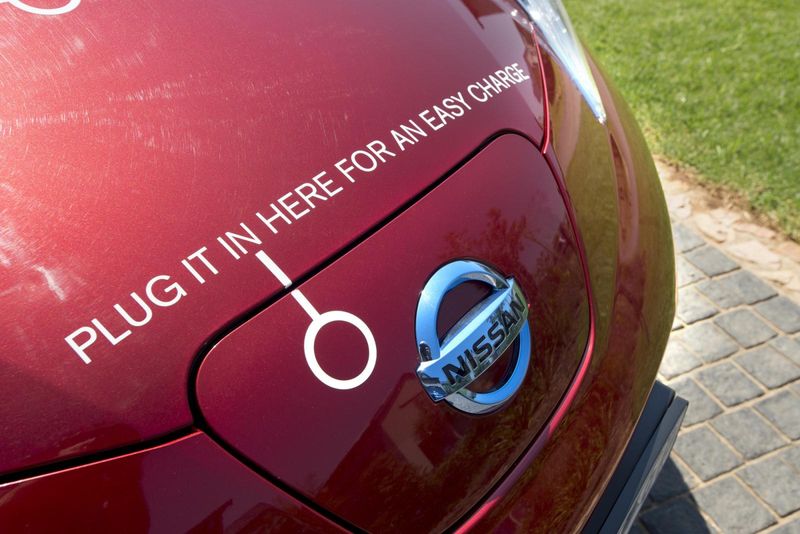
Nissan even trended ahead of industry timelines with the Leaf, but its finances are a mess, its products are stale, and the firm seems to lack direction. That’s why Honda, Nissan and Mitsubishi executives spent most of the festive season discussing a merger, instead of doing Japanese peak season things.
The global car industry has proved that there’s no such thing as a merger of equals. Nissan is in a position of weakness, while Honda is okay, but needs scale. Mitsubishi? It’s a small and reasonably efficient car company, but its size means that the required investments to futureproof Mitsubishi’s model development have probably become too expensive to go it alone.
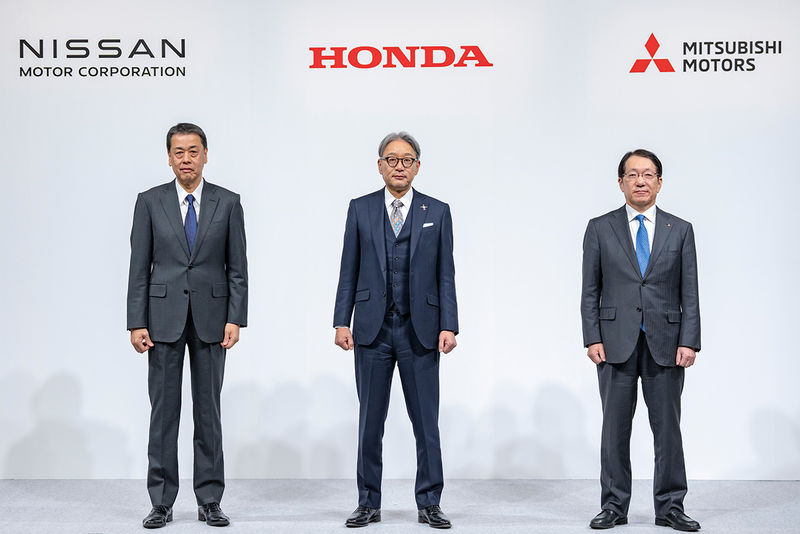
The official meetings and imagery of the 3 Japanese companies’ CEOs together (see above), would not be happening, if there wasn’t a real urgency for the merger to happen. As an issue of survival.
What it will mean for consumers
All 3 brands within the proposed merger have seen their market share wane in South Africa. But they do retain a sense of legacy and brand loyalty. If the merger could simplify and enhance the respective automotive companies’ products, it would be a worthy outcome for local fans of the brands.
Honda was once the premium Japanese compact car brand in South Africa, for decades (in part due to its assembly and distribution agreement with Mercedes-Benz).
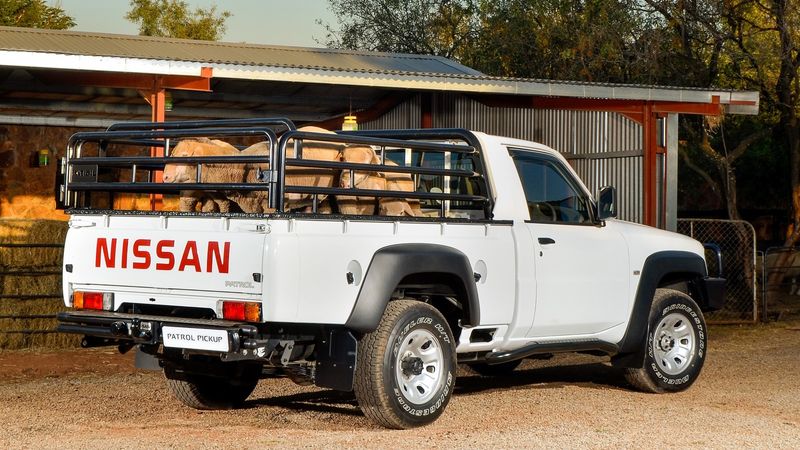
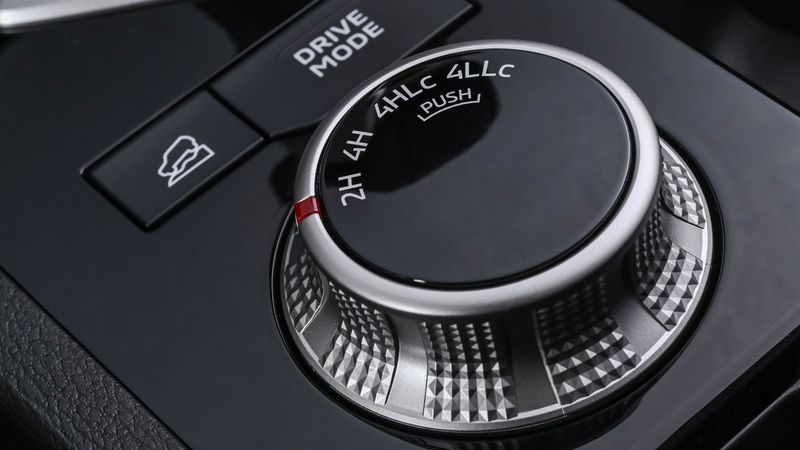
Nissan has a robust bakkie heritage, established by the legendary 1400, Navara and Patrol. Mitsubishis are niche but valued by all-terrain adventurers who value the Triton‘s clever Super-Select transfer case.
Perhaps the more important question is whether the merger will affect Nissan’s Rosslyn plant. Bakkies are a strong global business, so Nissan is unlikely to alter Navara’s production in Rosslyn – for now.
Nissan closed its Spanish Navara facility near Barcelona in December of 2021. That created additional demand for South African–built Navaras, to fulfil global orders. At the moment, there’s little competition for Rosslyn regarding globally zoned Navara production.
Small EVs – possibly
Mergers are never a happy scenario, and there will be rationalisation across the brands and their product portfolios. But there are also opportunities.
The Japanese car industry has an immense history of product innovation. Honda, Nissan, and Mitsubishi have built some of the most iconic vehicles in history. Their design and engineering talent is well-proven.
Globally, the merger needs to rightsize production and create more EV and PHEV models at affordable price points for all 3 brands. If you are an EV-curious Honda, Nissan or Mitsubishi fan, that might mean well-priced compact Japanese EVs, fusing all the compact car knowledge of the merged companies.
Much better bakkies – probably
Mergers can create awful or excellent outcomes with products, depending on how companies allow their best designers and engineers to work. Imagine the potential of a global bakkie platform developed by the best from Honda, Nissan, and Mitsubishi…
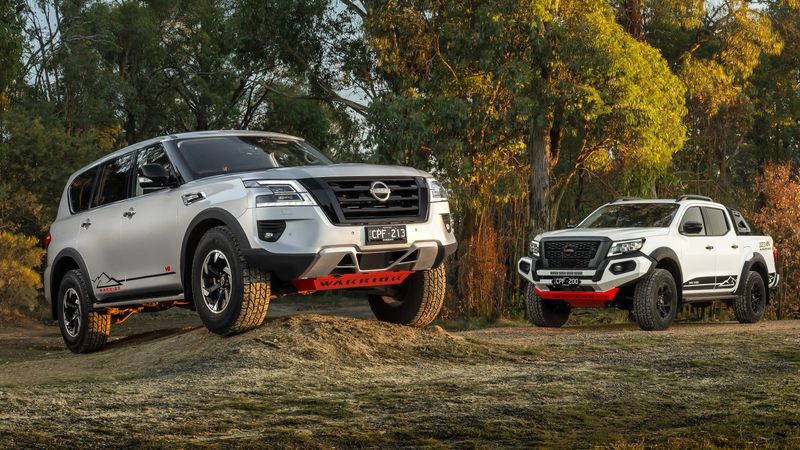
Nissan’s experience with bakkies is known, and its heavy-duty off-road expertise, proven by Patrol, is legendary. The market for advanced off-road trim versions, as demonstrated by the Ford Ranger Raptor and the Toyota Hilux GR-Sport (GR-S), is real.
Imagine a next-gen Japanese bakkie riding on an overengineered Nissan platform. Its passenger car business has waned, but Nissan’s double cabs and Patrols remain deeply respected for their off-road ability and durability. A Nissan-engineered platform could be the foundation for a tremendous new global double-cab bakkie, using all the lessons Nissan’s engineers learned with the Navara and Patrol pick-up.
Have you ever sat in a Japanese specification Honda and not found the ergonomics excellently intuitive and build quality stellar? Exactly. Honda could create an outstanding exterior design and brilliant cabin architecture for a tri-brand Nissan/Honda/Mitsubishi bakkie, bringing something very different to the crowded double-cab segment by leveraging its passenger car expertise.
Engines & gearboxes
What would Mitsubishi contribute? For one, all its profound knowledge gained by decades of Lancer Evos, with their extraordinarily trick all-wheel drive systems.
I reckon that the Minato-based brand could create an advanced version of Super Select, the best double cab transfer case for serious off-roaders and people who drive a lot of high-speed dirt roads.
Often misunderstood and underappreciated in the market, the ability to shift to a locked centre-diff setting at high speeds makes Super Select brilliant if you’re on an unfamiliar dirt road, and the surface starts degrading. Dial in 4H-LC and you have the best interplay of traction and steering authority.
Mitsubishi’s Super Select is also amazingly capable in big-dune driving, when you need dune ascending speeds way beyond low-range gearing, and the traction of a locked centre diff, which isn’t always functional with a conventional transfer case in high range. That’s when the Super Select 4H-LC function is a hero dune-driver setting!
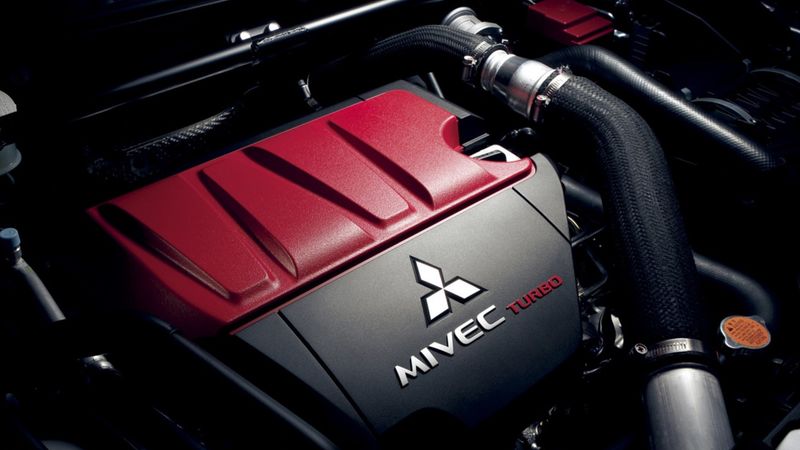
Powertrain? Honda, Nissan, and Mitsubishi have independently produced some of the most celebrated engines ever built. Can the sum of engineering skills that made VTEC, those unbreakable Patrol engines and Mitsubishi’s ultra-durable diesel motors work together to create a new-gen double-cab powertrain?
If the cooperation works to its full potential, the powertrains that these 3 Japanese automotive companies could develop might set new standards in the double-cab bakkie market.
There will be losses, however
The merger of Honda, Nissan, and Mitsubishi will be a complicated affair. There will be losses and anxiety. But there are also opportunities: the idea of Honda, Nissan, and Mitsubishi’s smartest engineers building a global bakkie platform could be a brilliantly unexpected outcome.
Japan’s government must protect jobs and the country’s image as an automotive-tech leader. Expect a lot of financial and technical support, for the probable Honda/Nissan/Mitsubishi merger to happen.
Combining the best of Honda, Nissan, and Mitsubishi could create world-beating products in exactly the segments that matter to South Africans – compact cars and bakkies.
But that can only happen with sacrifice. For the potential of Honda, Nissan, and Mitsubishi’s design and engineering resources to be realised, the future model portfolio for all three brands will have to narrow. That will mean sunsetting several model ranges, for the greater good.
Related content:
Why the Kia Tasman looks so different
Will South Africans buy a R1-million Chinese double cab?
Why an Extended Cab is the better bakkie
Mercedes-Benz’s East London plant needs to move beyond C-Class
Is SA’s best double-cab bakkie a BMW?
How will car dealerships survive in the EV era?
Toyota’s diesel drama, forklifts and Japan’s engine testing history
Lance Branquinho

Lance Branquinho is a Namibian-born writer and photographer who has won numerous motoring journalism awards. He once smuggled parts to South America, in a minor contribution to help Giniel de Villiers finish on the podium at the Dakar. He fears for the eventual collapse of the air-cooled Porsche 911 market – and keenly awaits, in vain, the return of the brand's 928.