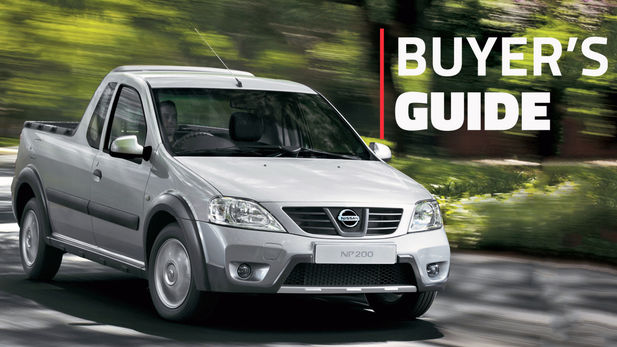
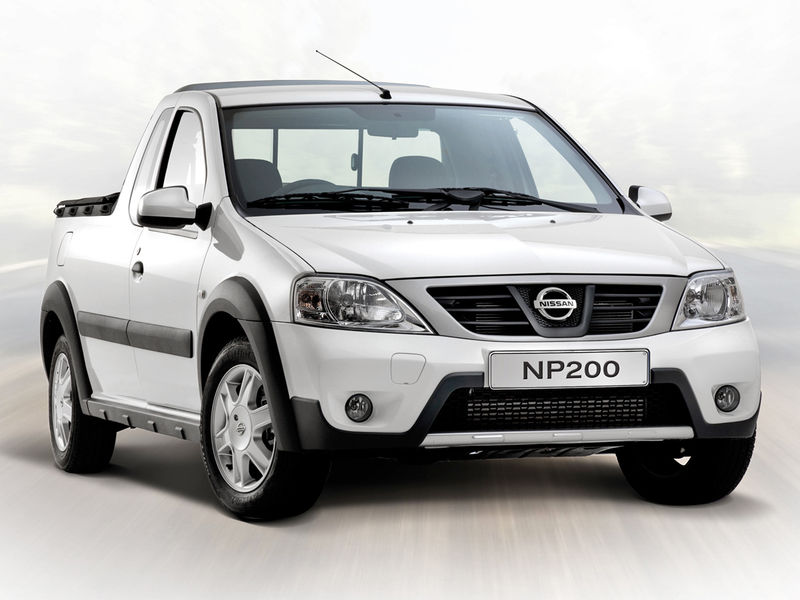
You can no longer buy a new Nissan NP200, but should you consider it as a used buy? Let’s take a closer look at this South African-built half-tonne bakkie’s almost 16 years on the local market and what you can expect to pay for a good used example.
When the Nissan NP200 hit the South African market in 2008, it had massive (figurative) shoes to fill. Yes, this half-tonne bakkie was faced with the unenviable task of replacing the iconic Nissan 1400, which traced its local production roots all the way back to 1971, when it was known as the Datsun 1200 (B120).
Effectively a single-cab bakkie version of the 1st-gen Dacia Logan (the Renault-badged version of the sedan was briefly sold in Mzansi – find a Logan), the NP200 was – just like its storied forebear – built at Nissan SA’s Rosslyn factory, north of Pretoria. At launch, Nissan SA forecasted that the unibody NP200 was “clearly destined to [become] a reckonable force in the South African commercial vehicle market”.
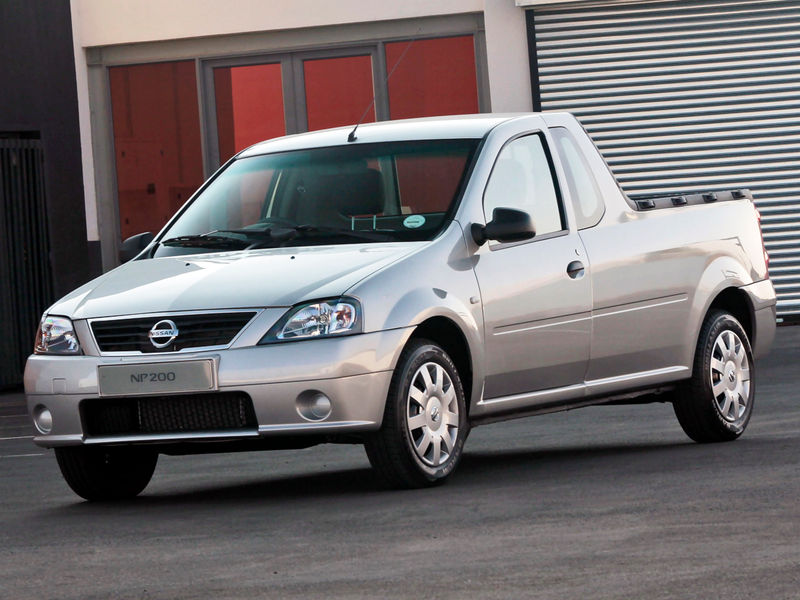
That prediction turned out to be entirely accurate as Nissan’s smallest workhorse – which is interestingly still built and sold as the Renault Tondar Pick-Up in Iran – ended up outlasting every other half-tonne bakkie on the local market, thus having the segment all to itself for its final few years of existence.
Despite being decidedly long in the tooth, the NP200 remained exceedingly popular with local buyers – partly owing to the sheer power of monopoly, we should add – as the clock wound down. As many as 12 859 units were registered in Mzansi in 2022, enough for the NP200 to rank 4th on the list of SA’s best-selling bakkies. A further 12 721 units were sold locally in 2023, seeing the NP200 retain 4th position.
Production of the Nissan NP200 was officially suspended in March 2024, marking the end of a highly successful 16-year run on the local market. That final month of production saw the NP200 put in its best sales performance in recent memory, securing the bakkie a surprise 2nd position with a whopping 2 679 registrations (and even helping it keep 4th spot for H1 2024). It was an entirely fitting swansong, then.
Nissan NP200 model line-up in South Africa
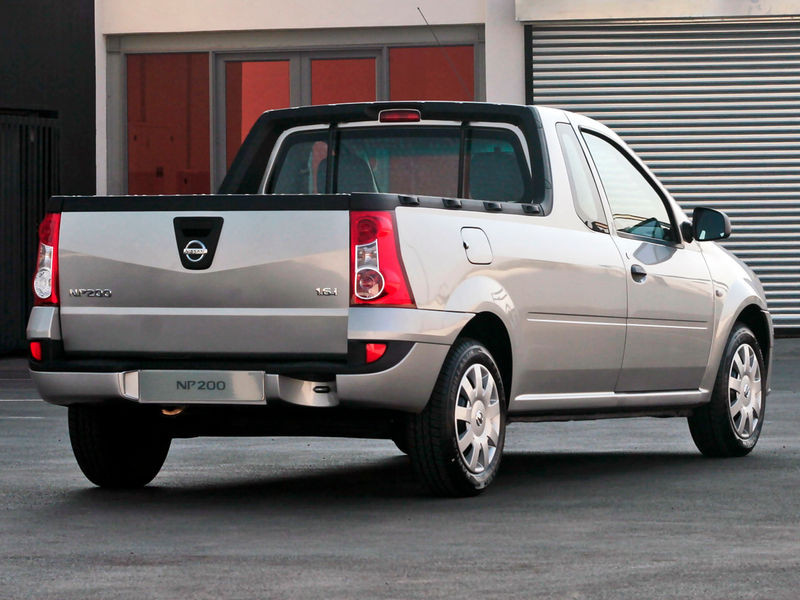
The Dacia Logan Pick-Up was revealed at the 2007 Bucharest International Motor Show in Romania, but the Nissan-badged version debuted in South Africa only around a year later, in September 2008.
At launch, just a single base-spec derivative – known as the NP200 1.6 8V and priced at just R88 900 – was available, with its Renault-sourced naturally aspirated 1.6-litre, 4-cylinder petrol engine generating 64 kW at 5 500 rpm and 128 Nm at 3 000 rpm. In contrast with its predecessor, the drive was directed to the front axle via a 5-speed manual ‘box, with coil springs (rather than leaf springs) employed at the rear.
By May 2009, Nissan SA expanded the range with the introduction of new mid-tier “S” and top-spec “SE” derivatives (later renamed Mid and High, respectively), plus additional engine options, while also freshening up the bakkie’s exterior styling despite the fact it had been on the market for only 8 months.
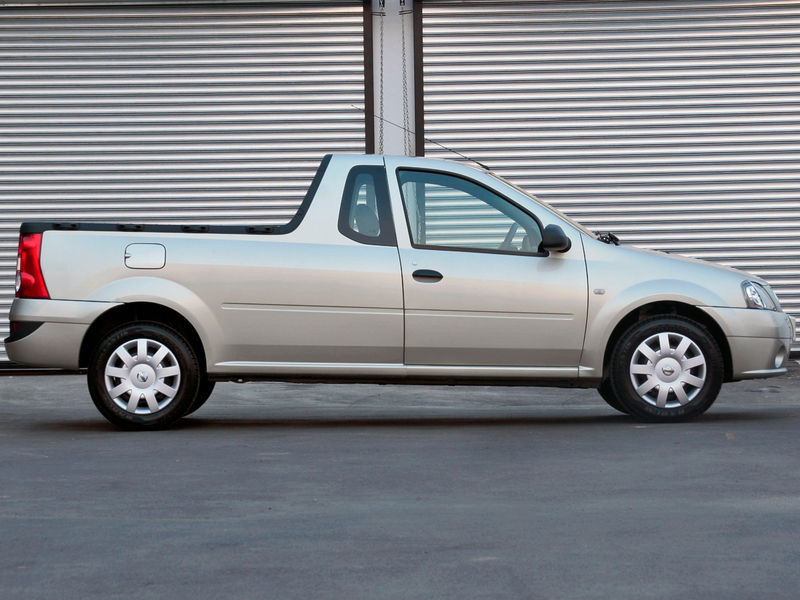
At that point, the S and SE grades were available with a slightly perkier 77 kW/148 Nm 16-valve version of the base version’s 1.6 petrol motor, while a dCi-badged 1.5-litre, 4-cylinder turbodiesel motor offering 63 kW and 200 Nm (the latter figure from 1 900 rpm) made its debut in base and SE guise in October 2009.
In the opening quarter of 2011, Nissan SA upgraded the NP200’s warranty from the original 3-year/100 000 km cover to a 6-year/150 000 km arrangement. Moreover, the entry-level NP200 1.6 8V variants become available with (manual) aircon (resulting in a model unimaginatively dubbed the “1.6 8V Base + AC”) and with a safety pack incorporating dual airbags and ABS with EBD (the “1.6 8V Base + AC + Safety Pack”). While the SE grade was unchanged, the S trim also gained a passenger-side airbag.
With 7 derivatives in its line-up, the Nissan NP200 finally rose to the very summit of the local half-tonne bakkie sales charts in January 2012, right after the Ford Bantam exited the market, although the likewise SA-built Opel Corsa Utility/Chevrolet Utility had placed 1st in this segment in the preceding few years.
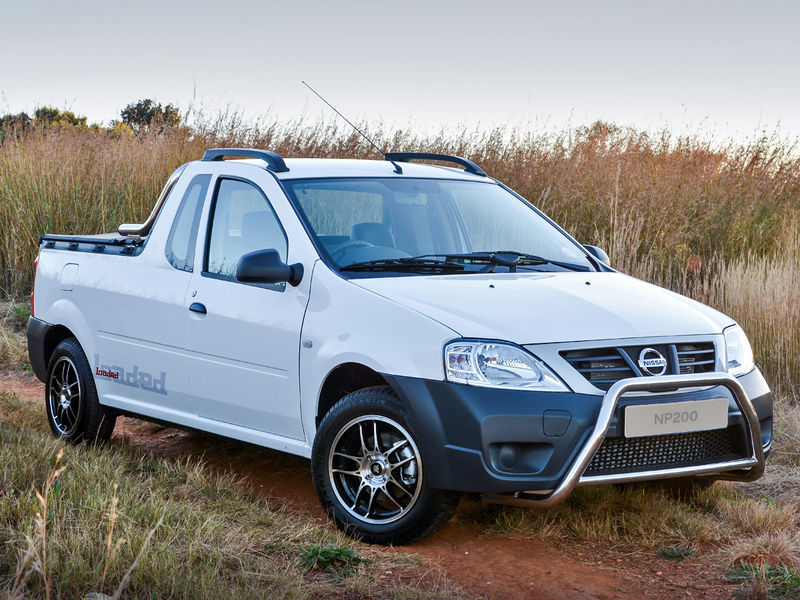
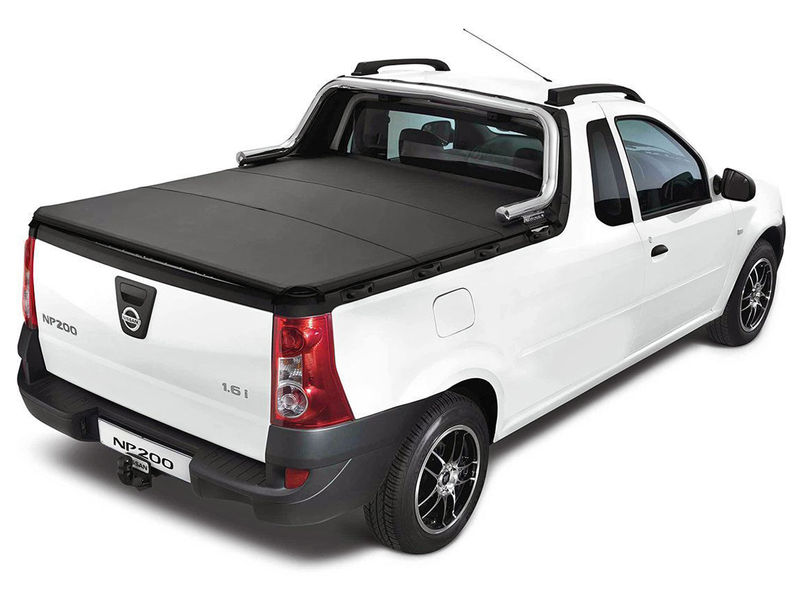
The NP200 Loaded – the first in a line of limited-edition models – was launched in May 2014. Based on the entry-level petrol variant (but fitted with aircon and the safety package), the limited-run derivative sported “Loaded” decals along its flanks, with the logo repeated on the leather seats and black carpets.
Available exclusively in white, the NP200 Loaded furthermore scored a front-loading CD (and Bluetooth-enabled) audio system, central locking, a stainless-steel nudge bar, a stainless-steel sports bar, black roof rails, a black tonneau cover and “specially designed” alloy wheels.
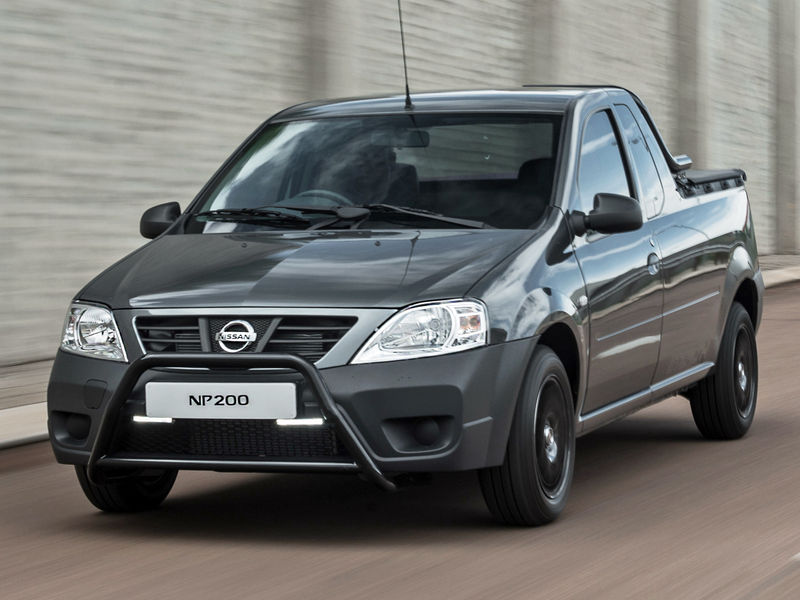
The NP200 Stealth special edition followed in February 2015, described as a “leisure-focused” derivative but curiously offered only with the lower-output 8V petrol engine.
The Stealth came painted in a “Techno Grey” hue and featured a dark sports bar, dark nudge bar, flush-fitting tonneau cover, charcoal-black alloy wheels (with red accents), “Stealth” decals, smash-and-grab glass protection, daytime running lights, remote central locking, an Alpine audio system, imitation-leather upholstery (with titanium-coloured contrast stitching) and a special carpet set.
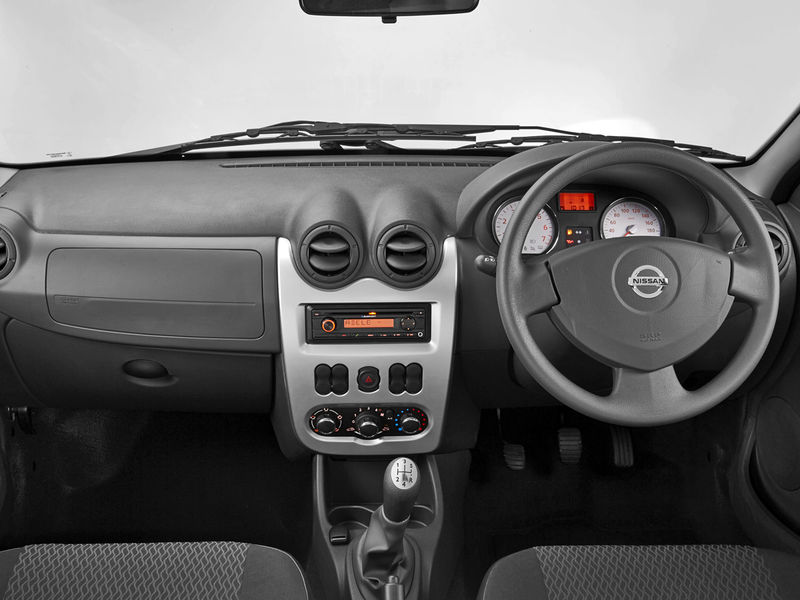
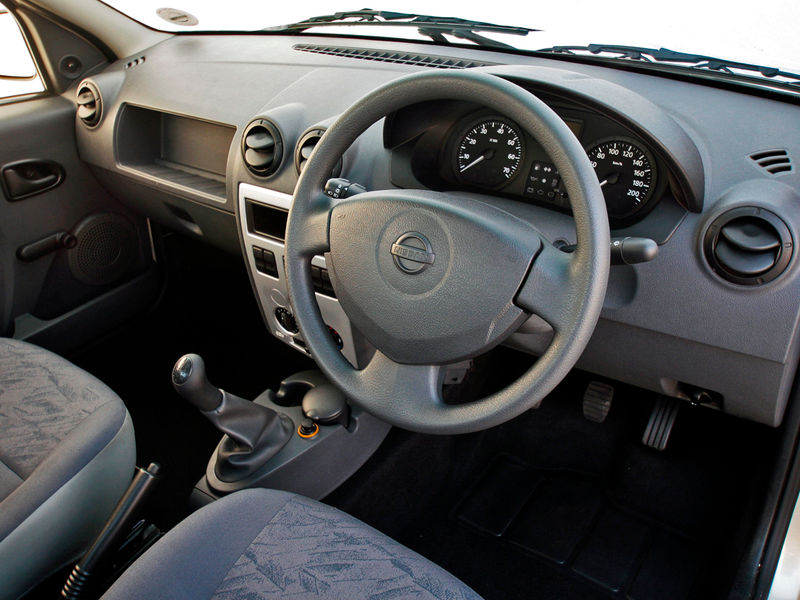
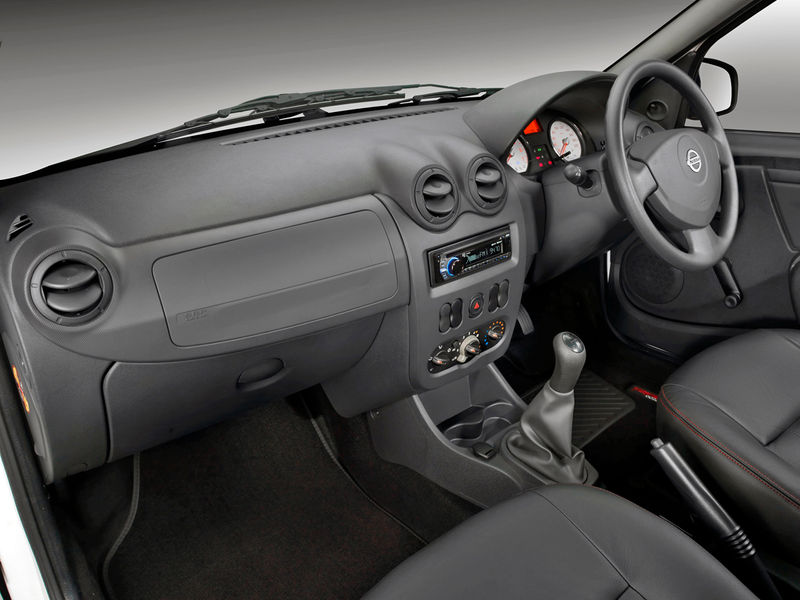
Towards the end of 2015, Nissan handed the NP200 a light refresh, rolling out “all-new” cabin materials and additional standard features on certain variants. Inside, the bakkie gained a revised centre console (including a redesign of the controls for the heating, ventilation and air-conditioning system), with base derivatives furthermore switching to a “hard-wearing” black textured fabric upholstery with vinyl inlays.
Mid-tier variants gained a “more modern” black-and-grey fabric on the seats and door panels, complemented by black woven cloth on the seat bolsters and black vinyl inlays on the seat backs. Meanwhile, top-spec NP200s also scored black-and-grey textured fabric, but with black woven cloth on the sides and bolsters. Finally, mid- and high-grade derivatives gained an upgraded audio system that offered CD, MP3, USB, audio jack and Bluetooth functionality.

Then, around October 2016, Nissan SA launched another special-edition NP200. Available in “limited numbers”, the NP200 ICE could be specified with the 1.6 8V petrol engine or the 1.5 dCi turbodiesel motor. Defining features included “Starling Blue” or “Bright Silver” metallic paint (plus obligatory decals), model-specific 15-inch alloy wheels, a brushed aluminium nudge bar, a brushed aluminium sports bar, a tonneau cover, tinted safety film, daytime running lights, eco-leather upholstery and rubber mats.
Little else changed over the next few years, though the 16V petrol engine and the 1.5-litre turbodiesel were quietly discontinued in 2022. Towards the end of the NP200’s lifecycle, the local range was thus trimmed to just a pair of base derivatives – the 1.6 8V Safety Pack and the 1.6 8V Safety Pack (air con) – which would have continued to appeal to fleet buyers.
What are the advantages of a Nissan NP200?
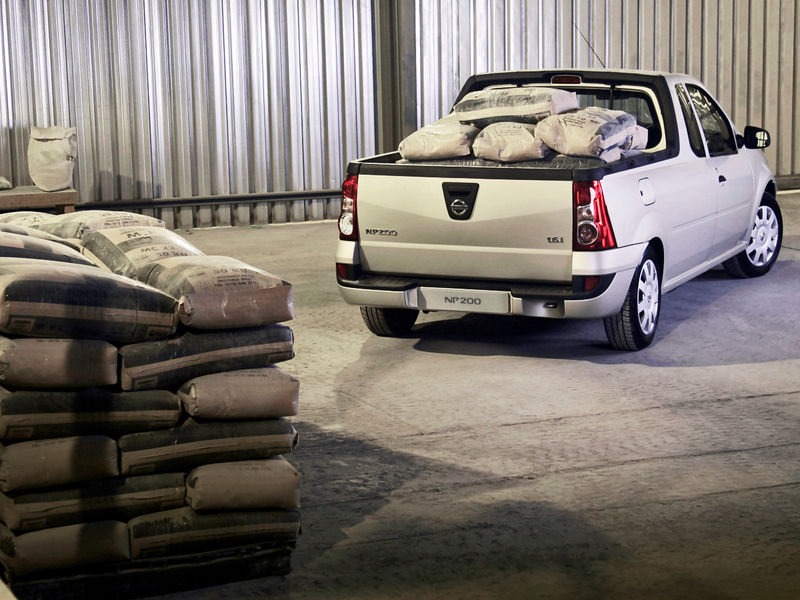
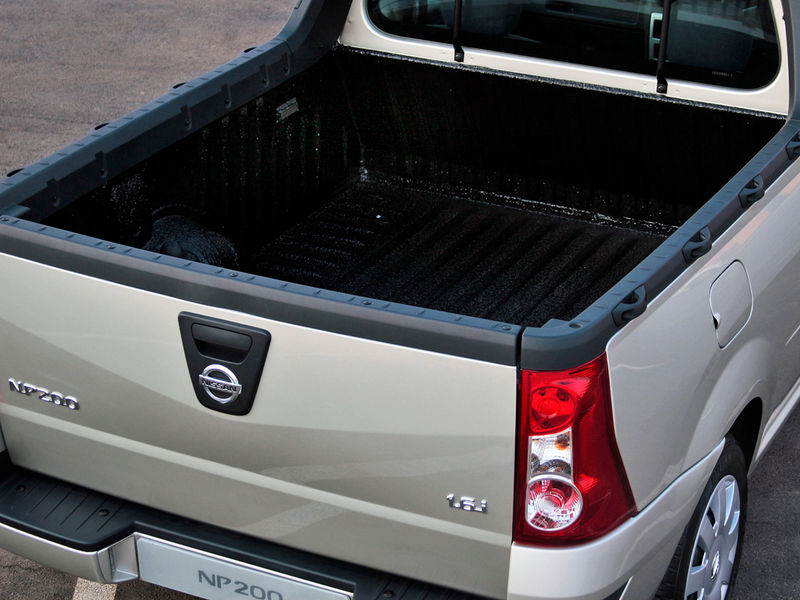
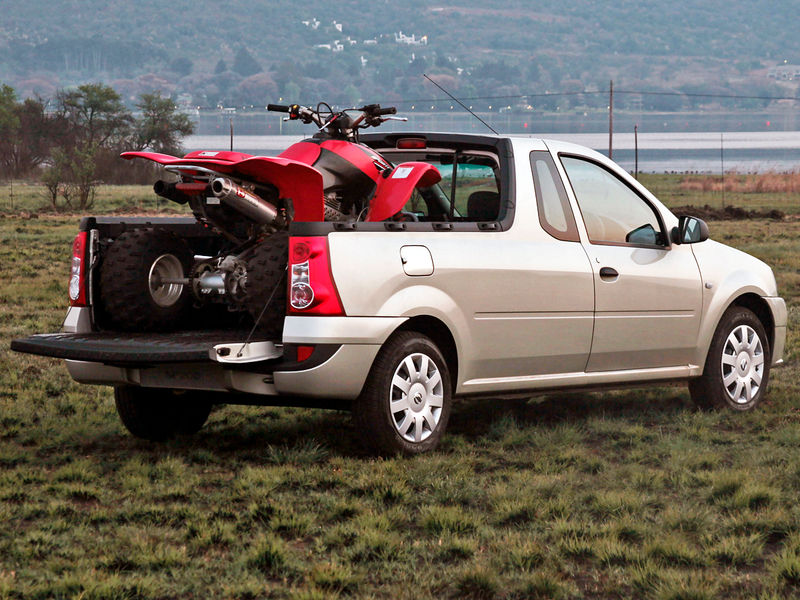
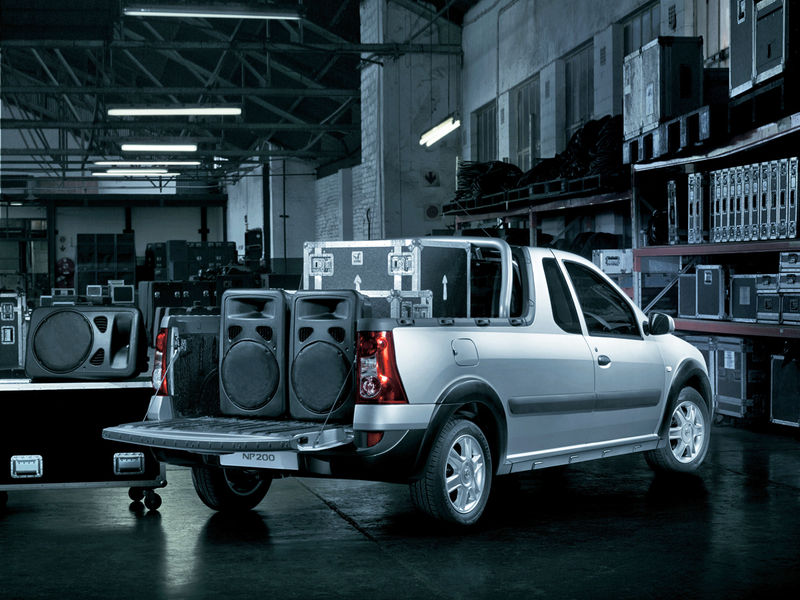
Load-carrying ability: Though the Nissan NP200 was classed as a half-tonne bakkie, its payload capacity was, as a matter of fact, closer to a full tonne than 500 kg. Rated to carry a generous 800 kg, the load tray measured a handy 1 807 mm long and 1 374 mm wide (or 1 024 mm between the arches), while its upper edge was protected by a plastic surround.
There were no fewer than 16 anchor points in the rubberised bay and the tailgate was designed to “resist” loads of up to 300 kg when open, while braked towing capacity came in at 650 kg, regardless of powertrain. In addition, there was a storage area behind the seats offering a useful capacity of 300 litres.
Generally affordable to maintain: Compared with larger 1-tonne single-cab bakkies, the NP200 was generally more affordable to maintain, routinely finishing at the top of its (admittedly uncrowded) class in the annual AA Kinsey Report (which took into consideration a total parts basket price, comprising service, repair and crash parts). Of course, it’s worth keeping in mind some of the big-ticket items nevertheless remained pricey to replace.
Considering this model’s unusually lengthy lifecycle and its sustained popularity over that period, spares were fairly easy to come by, particularly when it came to “OEM-equivalent” parts. However, we have heard of a few rather puzzling instances of NP200 owners having to wait months for certain replacement components to arrive at Nissan dealerships, with services at official dealers also said to be rather pricey.
Proven to hit high mileages: Though we obviously noted some instances of mechanical woes – as will always be the case with vehicles sold in such vast numbers – there’s no doubt that the Nissan NP200 proved itself as a bakkie capable of racking up considerable mileages. Indeed, the plucky little utility was widely employed by security firms, courier companies and other fleet users all over the country, while also often being the vehicle of choice for artisans (think plumbers, electricians and the like).
In 2017, Ampath Laboratories famously said its fleet of more than 200 NP200s had travelled some 25 million kilometres or “over a 500 times around the circumference of the Earth and half the distance to Mars”. At the time of writing, we found 6 units listed on Cars.co.za with more than 300 000 km on their respective odometers (some just a couple of years old!). Not quite as impressive as certain Toyota Hilux and Isuzu KB examples, but lofty mileages nonetheless.
What are the disadvantages of a Nissan NP200?
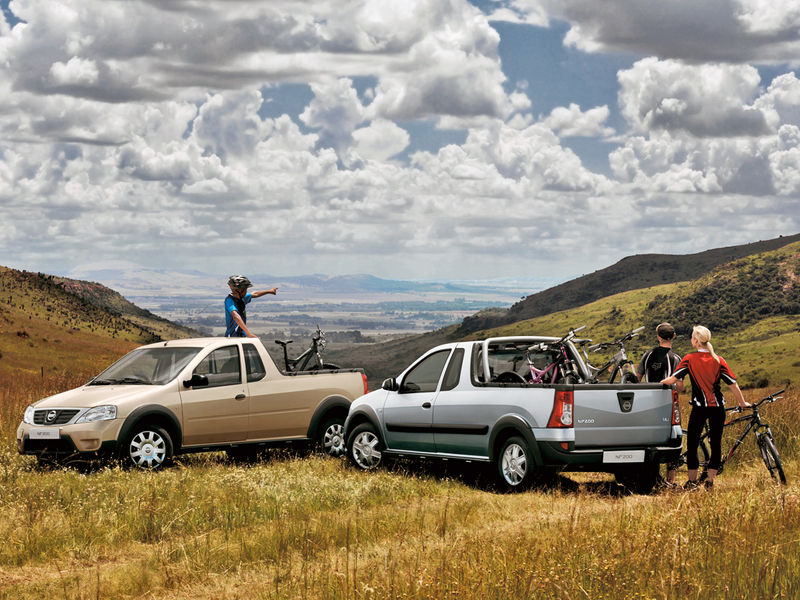
Lack of creature comforts: Though Nissan sometimes referred to the NP200 as a “leisure” or “recreational” bakkie, it was first and foremost a workhorse. As such, private buyers might have been disappointed with the specification levels on offer, particularly when it came to the entry-level derivatives, which went without basic features such as aircon, never mind ABS or airbags.
Of course, the higher-spec variants that followed – as well as the subsequent rollout of optional air-con and safety packs – mitigated this somewhat, but some NP200s forever did without items such as electric windows, electrically adjustable side mirrors, an audio system and a height-adjustable driver’s seat.
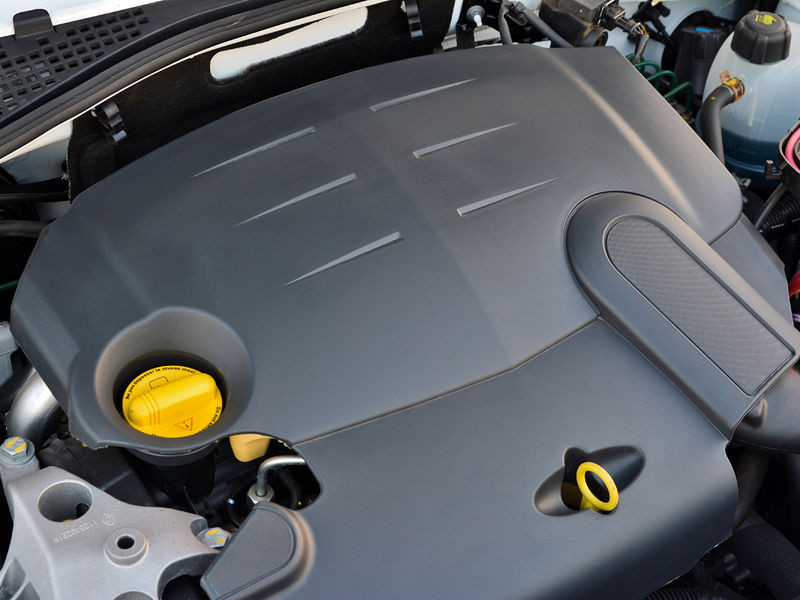
Clutch (and miscellaneous) problems: During our research, we noted many owners complaining of clutch issues. We’ve heard of numerous instances of clutch judder (sometimes even on low-mileage vehicles and often traced back to a bad pressure plate), plus a few examples of clutch failure. Other common issues included starter-motor maladies, problems with the aircon system and overheating.
Ergonomic idiosyncrasies: Likely as a function of its underpinnings, the NP200 was saddled with a few ergonomic idiosyncrasies. For instance, the windscreen wipers were oriented for a left-hand drive vehicle, which resulted in a section of unswept glass just to the right of the driver’s forward gaze. In addition, the height of the load-tray walls meant rear visibility wasn’t the best. Furthermore, variants fitted with electric windows had their controls sited on the centre console rather than the door panels.
How much is a used Nissan NP200 in South Africa?
Models sold from early 2011 upgraded to a 6-year/150 000 km warranty (from the original 3-year/100 000 km cover), while a service plan was optional throughout the NP200’s tenure on the market. If the example you’re considering doesn’t have a complete maintenance history (with evidence of servicing at least every 15 000 km), move on to the next candidate… There are plenty of examples to choose from!
For all 3 engine options, Nissan SA recommended the timing belt be replaced every 90 000 km or 48 months, describing this as “the maximum lifespan which should not be exceeded”. If the vehicle was used mostly for short journeys (or towing), Nissan SA furthermore advised cutting this interval to 45 000 km. Check the maintenance history closely to ensure these recommendations have been followed.
At the time of writing, a whopping 83% of all Nissan NP200 listings on Cars.co.za featured a petrol engine. Fascinatingly, early models were particularly scarce, with 2023 being the most common model year (accounting for 30% of all listings), followed by 2019 (12%) and 2018 (11%).
Mileages varied from virtually zero (a few brand-new examples were on offer) to an indicated 330 500 km, with the latter achieved by a 2015 1.6 8V model. We discovered a further 5 examples with more than 300 000 km on their respective odometers, as well as 48 more that had covered in excess of 200 000 km. Predictably, white was the most popular exterior colour, with 90% of listings painted in this hue.
- Below R100 000: As you may have guessed, the majority of NP200s on the market for under R100 000 were high-mileage examples, most of which were furthermore registered before 2014. The 1.5 dCi motor was even more scarce in this pricing bracket.
- From R100 000 to R150 000: We found far more variety between these pricing bookends, where the most common model year was a more attractive 2018. Interestingly, it was here we discovered most of the special-edition ICE models on offer.
- From R150 000 to R250 000: This was easily the most densely populated pricing bracket, while also featuring an increased percentage of diesel derivatives (at around 20%). We suspect most buyers would be shopping in this space, where we came across everything from seemingly well-looked-after 2015 models to almost-new vehicles with little more than delivery mileage.
- R250 000 and up: Considering the most expensive NP200 available new at the end of this model’s lifecycle had a retail price of R253 800, we were a little surprised to find quite a few listings above this mark. Admittedly, many were virtually new examples, though we also discovered some 2022 models fitted with a raft of factory-backed accessories. The most expensive NP200 we found was a 2023 1.6 8V (with safety pack and air-con) with 1 500 km on the clock, listed for R289 900.
Which Nissan NP200 should I buy?
So, which derivative is the pick of the bunch? First, we’d suggest concentrating on the later model years, or at least the updated versions launched in late-2015. While there’s no real reason to avoid any of the 3 proven engine options (with the 8V K7M dating back to 1995, the 16V K4M to 1998 and the turbodiesel K9K to 2001), which motor you choose will be largely determined by your requirements.
Though the 8V unit lacked grunt, it was perhaps most fit for high-mileage duty (and the preferred option for fleet buyers). The 16V produced a bit more oomph (but used a claimed 8.0 L/100 km), while the 1.5 dCi was the most frugal with fuel, sipping diesel at just 5.3 L/100 km, according to Nissan.
Moreover, we’d avoid models not fitted with the available basic safety kit (in this case, ABS and a pair of airbags), while also pointing to air conditioning as a crucial feature in a country capable of serving up blisteringly hot summers. Finally, keep in mind Nissan SA offered a wide range of official accessories, from a stainless-steel sports bar and a tow bar to a neat tonneau cover and a range of approved canopies (fashioned from either stainless steel or fibreglass).
Is the Nissan NP200 a good used buy?
Whereas it faced several half-tonne rivals in its early days, the NP200 had the market all to itself late in its life. Since the Mk1 Golf-based Volkswagen Caddy was axed a year before the NP200 hit the scene, one of the Nissan’s biggest battles was with the likewise locally produced Ford Bantam, which was put out to pasture in 2011.
The seldom-spotted Proton Arena was discontinued the very same year, while the Fiat Strada followed in 2012, before General Motors pulled out of South Africa at the end of 2017, sounding the death knell for the Chevrolet Utility (which was earlier badged as the Opel Corsa Utility).
So, the Nissan NP200 enjoyed an unusually lengthy lifecycle, which means it’s easily the most common half-tonner on SA’s pre-owned market. With no confirmed replacement on the horizon – from Nissan, or indeed any other manufacturer (though the next-gen Fiat Strada is said to have been pencilled in for Mzansi) – despite an obvious demand, NP200 prices in the used space are unlikely to fall anytime soon.
Does it make a good used buy? Well, though 2024 examples are virtually as rudimentary as those that rolled off the assembly line back in 2008, the NP200 has its strengths. More pertinent, perhaps, is the fact it’s the only choice for anyone requiring a relatively freshly built half-tonne single-cab bakkie today.
Looking for a used Nissan NP200 to buy?
Looking to sell your car? You can sell it to our dealer network here.