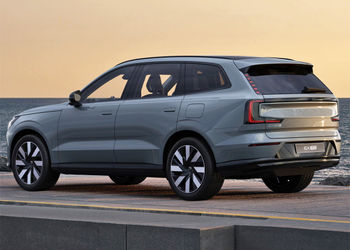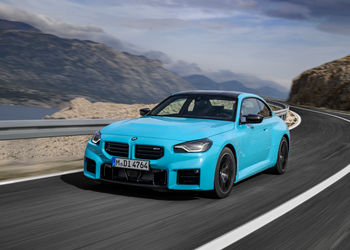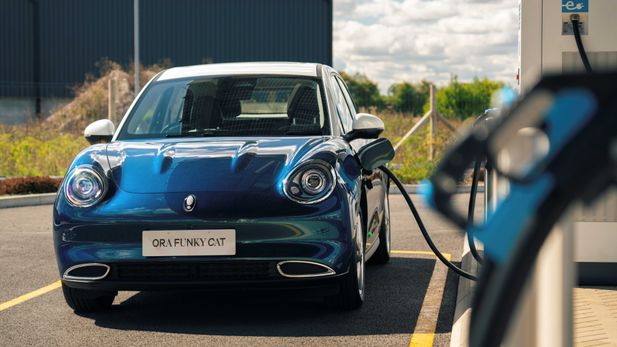
Because electric vehicles require notably less maintenance than cars with internal combustion engines, legacy car brands and their dealers sacrifice future revenue whenever they sell a new EV. What does that mean for your car ownership future?
Do you buy a new car every 3 years? Probably not. Very few people do. However, 3 years is an important marker: that’s when most new-car warranties end and car maintenance can become rather expensive.
Even with the most intriguing lease or guaranteed future value finance deals, most drivers will keep a car for 5 years or longer. The latest data supports the reality that it’s more a case of “longer than 5 years”.
The United States is the world’s most developed car market (where owners are also daily drivers) and Americans are keeping their vehicles longer than ever due to the new-car affordability crisis. Suffice it to say, that if consumers in the ‘States are struggling to buy new cars, all global car buyers are struggling.
In America, where prices and lease deals are many times more attractive than in South Africa, average car ownership has edged towards 10 years. That’s a telling statistic that helps to explain why electric vehicle (EV) uptake is so low. And it has less to do with price, and a lot to do with how car companies and dealerships make money from car buyers and owners.
For the record, EV uptake in South Africa is very low. Much lower than most people think, because BEVs (battery-electric vehicles, also known as fully-electric vehicles) are cleverly clustered with hybrids, and reported as NEVs (new-energy vehicles). And that’s sneaky, because only 267 true EVs were sold in South Africa – a market that recorded slightly more than 500 000 new car sales – last year.
Cars are produced to make money, not aid mobility

Look, the car industry’s mission is not to provide affordable transport… That’s supposed to be the role of public infrastructure, such as trains and other shared transport options. Most carmakers produce models that appeal to fulfil the desires of specific types of customers – but they’re usually wants, not needs.
High-performance cars aren’t necessary, but they have a considerable safety margin when overtaking slower traffic on the N1 or during emergency braking and collision avoidance. Same with luxury SUVs. Nobody needs ’em, but they serve a purpose when you want to undertake the most comfortable journey when and to where you like – from home to an exclusive lodge or venue at the end of an untarred road.
And for car companies to finance all of the diversity they provide the market in models and derivatives, they need to make money – lots of it. Despite the high purchase price of new vehicles, the profit margins aren’t as phenomenal as you assume, especially on affordable cars, which have the lowest margins.
Most car companies rely on specialist suppliers and contract engineers to develop and produce the necessary technology, creating vehicles that meet regulatory standards and trigger customer interest regarding features. But those technology suppliers take a primary profit, reducing the end profit for car companies, from the price you pay their dealers.
But why is that important, and what does it have to do with the issues around EV adoption and pricing? It’s about where the real profits happen in the car business and how more EV sales, which can only happen when carmakers introduce smaller, better and more affordable electric cars, is an existential threat to many car companies and their business models.
How car companies prefer to make money

Some companies control their own technology and vertical integration (Tesla, for example) or manage the balance between internal R&D and external suppliers brilliantly (such as Porsche and Toyota), but most car companies rely heavily on services and maintenance for dealership profitability.
OEM-guaranteed parts are a significant part of a car company’s revenue stream; most dealerships would never survive purely on new-car sales margins. The service centre/workshop is where the real money is made because many drivers keep their cars well after their service- (from 2 to 5 years) or maintenance plan (usually 5 years) has expired. The cost of maintaining a modern car beyond its initial service plan can become significant for owners and is wonderfully profitable for car companies and their dealerships.
With a new-car affordability crisis in most markets, the longer duration of car ownership and extended wear period means a tidy business in parts and servicing for the automotive parts supply chain.
EVs and evaporated service revenue
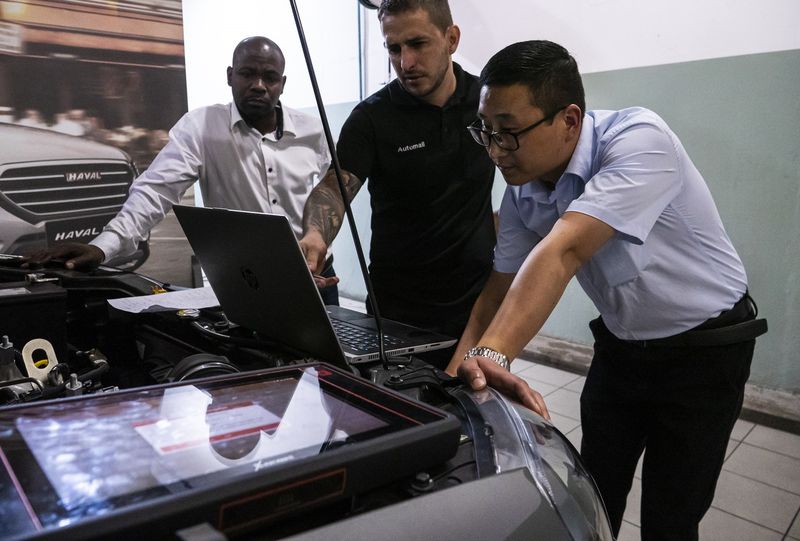
But what happens when the cars that a brand is retailing through its dealerships no longer require servicing or at least need only a fraction of the servicing a legacy petrol or diesel vehicle would? That’s the promise that EV advocates have been championing for years, but it’s very bad business for OEMs, parts manufacturers and dealerships.
EVs have so few moving parts compared to petrol or diesel-engined vehicles and, because they are devoid of complex lubrication-, cooling- and gearbox systems, their servicing costs are minimal.
Car companies speak publically about their willingness to create more EVs and be part of a global effort to decarbonise transport. But the truth is that for every new EV they sell, they lose the future servicing revenue on a petrol or diesel car – and that’s not great business.
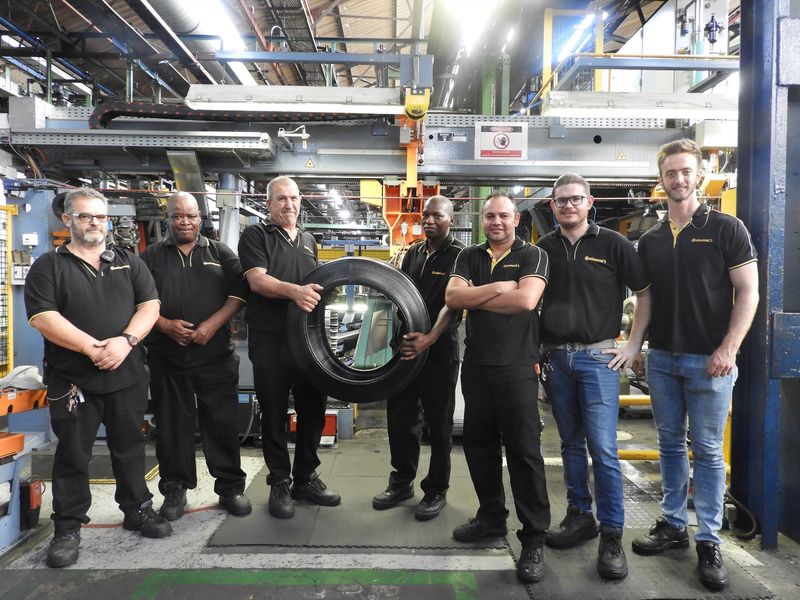
The only people not complaining about more EVs are tyre manufacturers. Due to their sheer weight and generous torque delivery of EV motors, tyre wear has become an unexpected maintenance factor for battery-powered cars. But all those tyre profits aren’t being earned by the car companies who make EVs.
Tyre purchasing and fitment are services that vehicle owners can access without going to an official dealership. The revenue of EV-induced tyre wear is ringfenced beyond traditional car companies and their dealers – again, not great for business.
EVs, data and in-car service revenue

EVs are expensive to build and offer manufacturers and their dealers none of the downstream revenue sources of petrol and diesel cars. That begs the question: why would carmakers want to sell more EVs?
Surely revenue substitution planning must be happening at legacy car companies? With vast R&D resources, brilliant market research and laser-focused product development, car companies must have a solution for the issue of EVs diluting traditional revenue streams, right? But, what if they don’t?
If EVs are the future, and governments keep incentivising people to buy them, will many traditional car brands falter because their dealerships might go out of business without conventional servicing revenue?
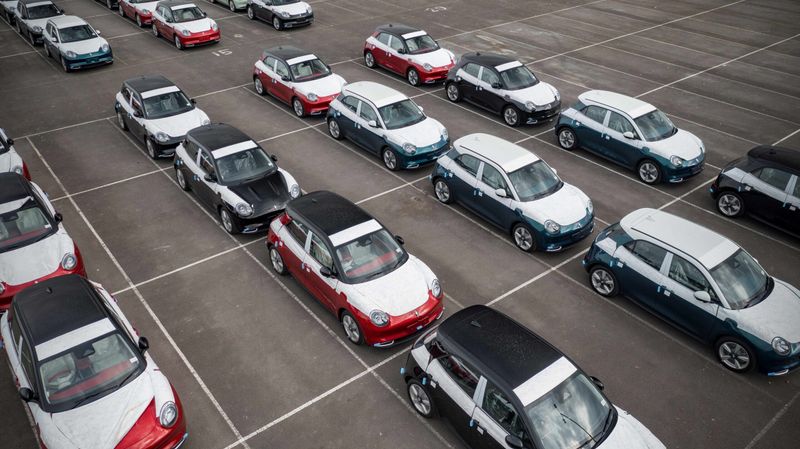
Clever consultants with impressive PowerPoint presentations and slide decks promise legacy car companies that data harvesting and in-car services are the future.
EVs are designed to be more software-integrated and offer impressive driver- and passenger-centric UX, which should stimulate higher customer demand for in-car data services. Drivers are also familiar with large screens and menus because digital interfacing is omnipresent in our lives. But there are issues…
Privacy laws make data harvesting contentious, and you must have the best UX and flawless software deployment to deliver in-car services that people are willing to pay for. And the truth is that traditional car companies have made a mild disaster of software development and in-house UX.
Who will profit from in-car services?
But what about data services, streaming video, and those proximity venue/retail suggestions as you drive? Are those services you expect and trust from Apple and Google, or your car’s operating system?
A car company data-service platform with menu lag, software bugs and poor UX cannot compete with that of an established tech company (even if “over-the-air” online updates have become ubiquitous). That is why most brands make their infotainment systems compatible with Android Auto and Apple CarPlay; it’s a tacit acknowledgement that there’s no way that they could develop a superior interface.
The question of mobility risk isn’t unfamiliar to South African drivers… Any VIP protection specialist will admit that people are most vulnerable when they enter or exit a vehicle. Do you want all your vehicle movement and associated personal routine data to be available and potentially hackable? No, you don’t.
Simply put, car companies and their dealers can’t make money from affordable EVs and future data and in-car service revenue will be pocketed by Big Tech, not legacy car companies. Traditional servicing costs create revenue for the car industry, and increased EV uptake is too much of a risk to that business.
Related content:
Toyota’s diesel drama, forklifts and Japan’s engine testing history
Puma by name – Fiesta by nature?
Who really rules the bakkie world?
Fuel price therapy – what should we do?
When big tyres do bad things to good bakkies
Can Land Rover thrive without the Land Rover brand?
Lance Branquinho

Lance Branquinho is a Namibian-born writer and photographer who has won numerous motoring journalism awards. He once smuggled parts to South America, in a minor contribution to help Giniel de Villiers finish on the podium at the Dakar. He fears for the eventual collapse of the air-cooled Porsche 911 market – and keenly awaits, in vain, the return of the brand's 928.