Green hydrogen has huge potential to power future vehicles. And South Africa could produce a lot of it. But would you drive a hydrogen-powered car… or bakkie?
For decades, the theory behind having a great automotive engine, was to have one that could contain the biggest possible bang.
Although hybrid/EV batteries are improving, liquid fuel still has superior energy density. But curiously, the specific liquid fuel that produces the biggest bang of all – hydrogen – is underutilised.
Don’t ever listen to any automotive powertrain debate without a degree of scepticism. Whether it’s the diesel lobby, battery-electric vehicle evangelists, e-fuel believers, or advocates for hydrogen. All engines, motors and energy sources incur an environmental cost.
The fallacy of BEVs and a coal-powered electricity grid
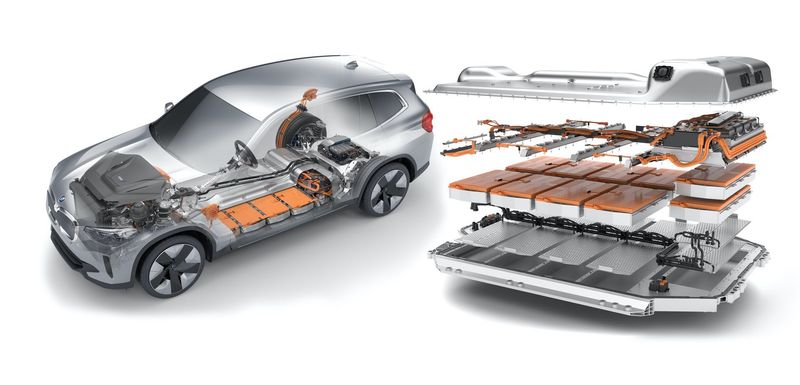
South Africa isn’t ripe for the automotive powertrain and fuel-source transition. The Republic’s electricity supply is a heavily politicised crisis and it’s unfathomable that South Africa could prioritise and allow the required incentives to allow 20% of the local car market to comprise battery-electric vehicles (BEVs).
To put it frankly, German premium brands have fudged domestic BEV sales statistics, which look impressive but stem from a laughably low base. The truth is that a few hundred costly electric cars, with massive battery packs, make absolutely no difference to South Africa’s climate change destiny.
BEVs can’t work in a market where driving distances are significant and electricity generation is crippled. Arguments against incentivising BEVs are entirely valid in South Africa – our public recharging network is simply too dependent on electricity generated from burning coal. All available electricity generation and distribution, including all new builds, must be directed towards eradicating load shedding – not charging the 100kWh battery pack of a luxury BEV in the Karoo (on a sojourn from Gauteng to the Western Cape).
But what if South Africa has the potential for a low-emissions alternative fuel source? One that uses the element that can create quite a big bang, as evidenced by the largest artificial explosions in history: H2.
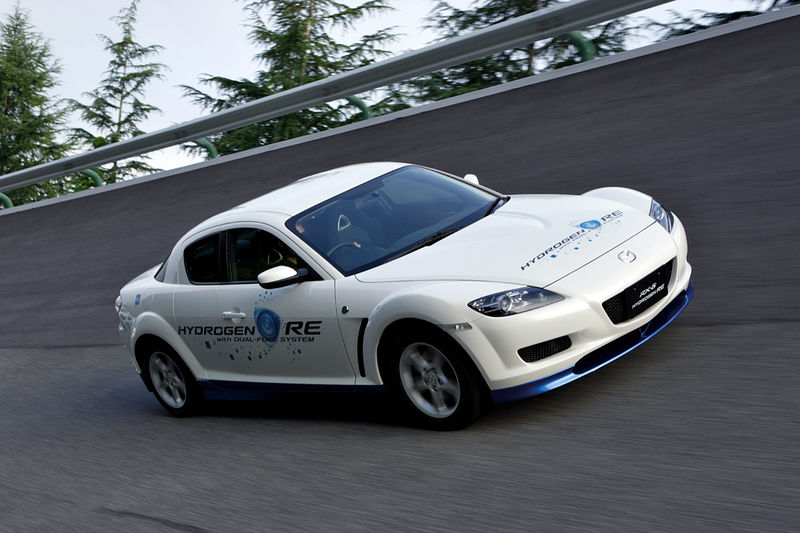
Eskom is in crisis, but Sasol has a hydrogen business
Hydrogen has terrific energy density, it doesn’t emit carbon when combusted and, best of all, South Africa is good at making it.
The South African hydrogen industry has a similar natural resourcing logic to sustainable energy solutions for the electricity crisis. Engineers and hydrogen strategists believe the Northern Cape’s enormous solar and wind energy potential can be harvested to produce green hydrogen. The technical feasibility of using the Northern Cape’s wind and solar energy to produce green hydrogen is more viable than linking sustainable power sources to alleviate the much-publicised (and -lamented) Eskom crisis.
As the country’s electricity disaster has become more transparent, grid capacity is the low ceiling to sustainable electricity capacity ambitions. But for green hydrogen, it would be different. You don’t need to wheel or network the electricity a Northern Cape solar or wind farm generates to power a green-H2 refinery in Gauteng. Creating green hydrogen would be localised, on-site, at the solar or wind source.
And it works. Already. Few wheeled vehicles work harder or need more energy than a mining ore truck. Anglo-American has piloted a very successful conversion of some South African mining trucks in its fleet from diesel to fuel-cell hydrogen. And those trucks are fuelled by hydrogen produced on-site.
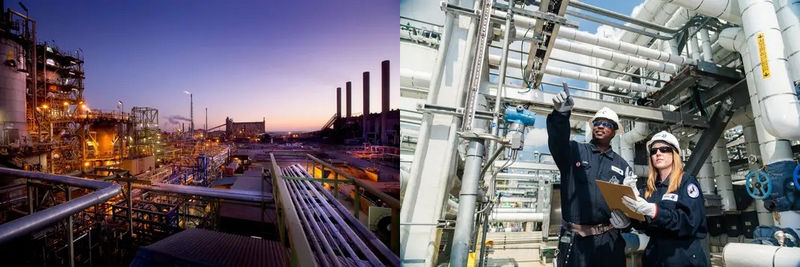
Then we have Sasol. One of the world’s most regarded petrochemical companies, and one created to facilitate liquid fuel independence for South Africa.
The Fischer Tropsch processing Sasol uses to make liquid fuels from coal, produces hydrogen as a by-product. It’s mostly “grey” hydrogen, but to make it “green’” Sasol needs to reconfigure its foundational electricity supply towards sustainable sources – which it is doing.
Globally, very few companies or countries can rival Sasol’s Fischer Tropsch chemical engineering and refining capacity, which gives South Africa a telling first-mover advantage with hydrogen.
Sasol is a private company with shareholder interests and a profit motive. It also has excellent technical expertise. It is, quintessentially, everything that Eskom is not. Sasol’s interest in producing hydrogen as a fuel source for South Africans has more viability than Eskom returning to 85% electricity dispatchability.
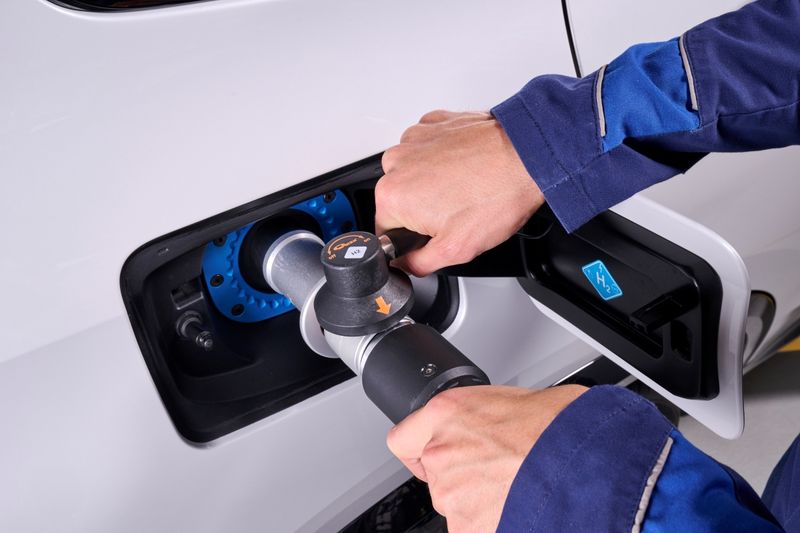
Fuel cells or not?
If we can produce the fuel, which cars would be part of South Africa’s green hydrogen vehicle future? The market for hydrogen-powered vehicles is quite narrow.
BMW, Honda, Hyundai, and Toyota produce hydrogen powertrain models. But they are rare. And their sales distribution is beholden to hydrogen fuelling infrastructure.
See also: BMW iX5 Hydrogen: Prototype drive
The current hydrogen vehicles from legacy car manufacturers are fuel-cell vehicles, where compressed hydrogen gas reacts with oxygen to generate electricity. These hydrogen fuel cell BEVs offer running costs that are, on average, about two-thirds of an equivalent petrol or diesel vehicle.
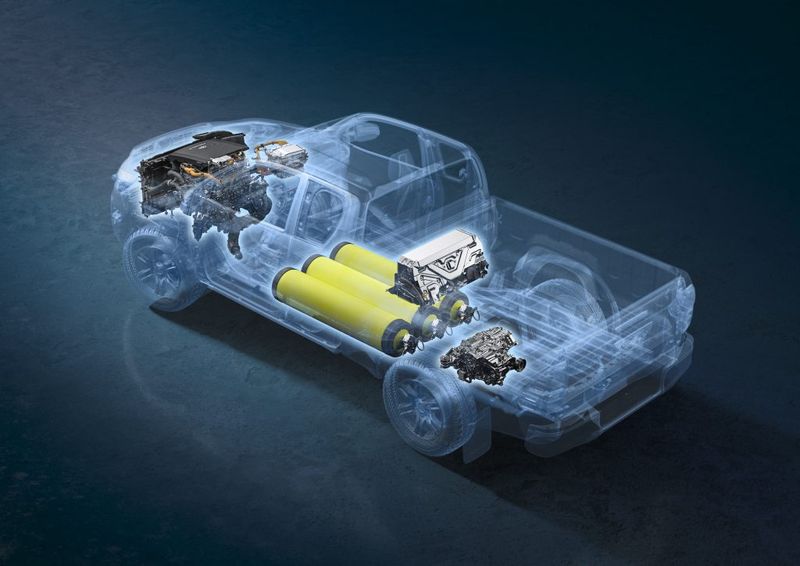
The hydrogen NOx issue
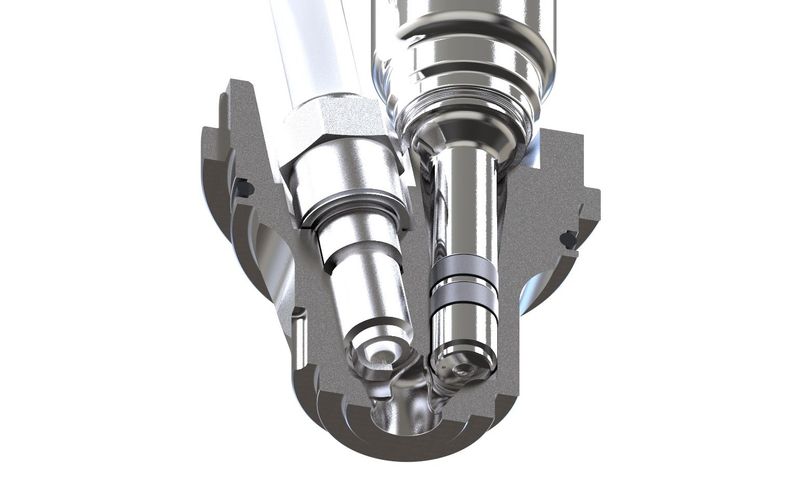
But could South Africa’s true green hydrogen fuel destiny be an application beyond fuel-cell electric vehicles (FCEVs)? As it happens, diesel engines are highly compatible with hydrogen fuel. Advances made during the last two decades with direct-injection technology and fuel atomisation, make hydrogen feasible as a diesel or petrol substitute in traditional reciprocating engines.
Hydrogen has an energy density nearly 3 times that of diesel, which makes it a very attractive liquid fuel source for internal-combustion engines.
The risks are low. Leaning fuel-air mixtures for hydrogen reduces the risk of engine knock. Carbon and particulate emissions are between zero and negligible, but burning hydrogen as a diesel-fuel substitute can trigger substantial NOx pollutants. These are effectively nullified by after-treatment systems, much like catalytic converters work in current engines.
Diesel engines on hydrogen?
As far as future BEV production and consumerisation are concerned, the South African Government’s department of trade and industry has an alarmingly absent policy framework.
But imagine if we could hydrogenise the country’s existing diesel engine production? Bakkies are essentially the most important vehicles on sale in South Africa – and most of them have diesel engines.
The tooling, machining skills and supply chain all exist for localised legacy diesel engine production. And best of all, the metals required to create catalytic converters and aftertreatment systems for hydrogen-powered internal-combustion engines are readily available.
Platinum is what you need… and South Africa is the world’s biggest supplier of that precious metal!
We’re nowhere battery-wise… but could be with green hydrogen
South Africa won’t become a producer of scaled battery packs for BEVs. We might have the required raw materials, but the Asian advantage in assembly and labour skills for battery production is unassailable.
What South Africa does have, thanks to Sasol and Northern Cape solar, is a potentially easy win in hydrogen production. Fuel refining has always been decentralised; the provinces that don’t have refineries rely on trucked fuel. Hydrogen could be distributed from the Northern Cape to everywhere.
ICE hydrogen works!
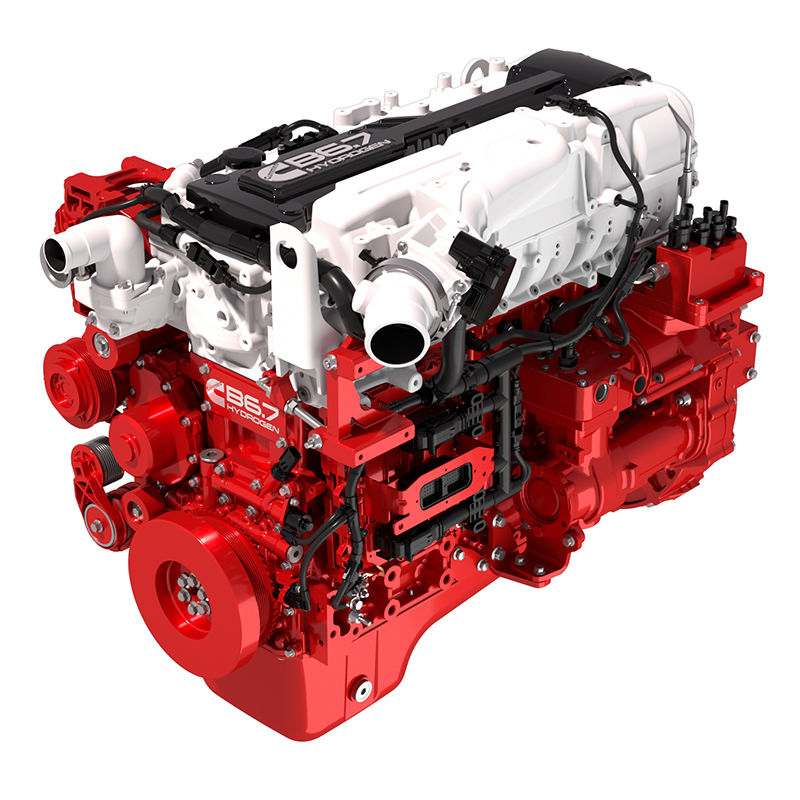
Cummins has previewed an internal-combustion hydrogen engine, validating the technology. The B6.7H is a 6.7-litre inline-6 hydrogen engine, good for 216 kW and 1200 Nm. It’s heavy, at 485kg, but that’s still lighter than the equivalent battery pack you’d need to power a high-output double-cab BEV bakkie.
A benefit of hydrogenising existing diesel engines (powered by green hydrogen) for the local market, is the reduction of scarce material usage. All South Africans can agree that available battery metals and elements should be used for electricity storage to balance the grid, instead of powering luxury BEVs.
Internal-combustion hydrogen engines are a lot less efficient than BEVs or FCEVs. This is a fact. But South Africa has a clean electricity sourcing problem. And lots of hydrogen potential. Those 2 realities could invert the alternative fuel fleet logic towards internal-combustion hydrogen, instead of BEVs.
Green hydrogen at home?
For farmers and wealthy urbanites, who live on properties with sufficient space, the potential of owning an internal-combustion hydrogen vehicle is enticing.
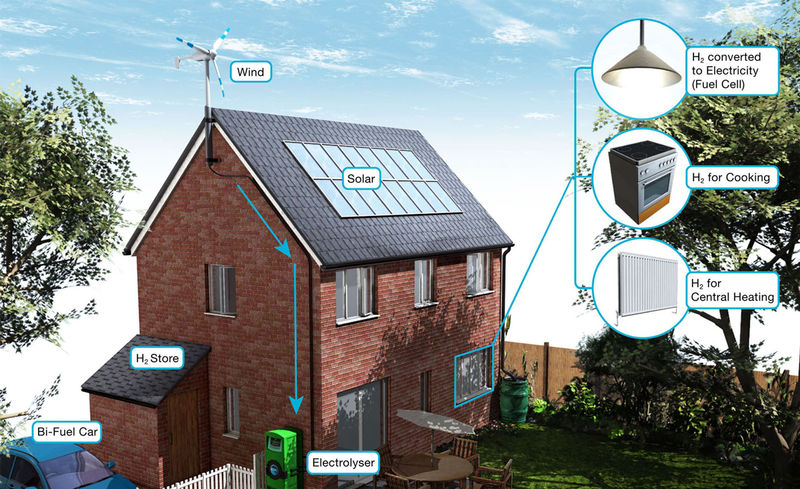
Imagine making your own hydrogen fuel powered by an existing off-grid solar installation. A mini electrolysis station in your backyard, with certified storage tanks, for producing your independent batches of green hydrogen. That would herald an era of incredible energy independence for South Africans, wouldn’t it?
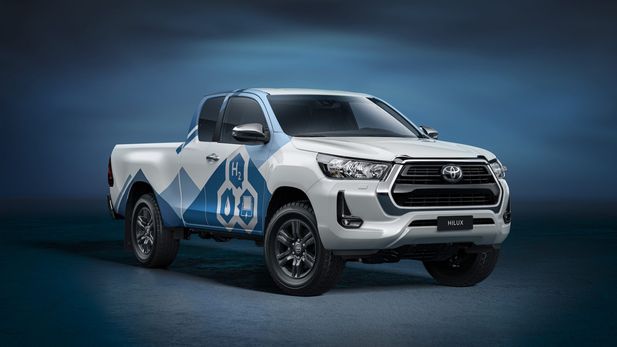
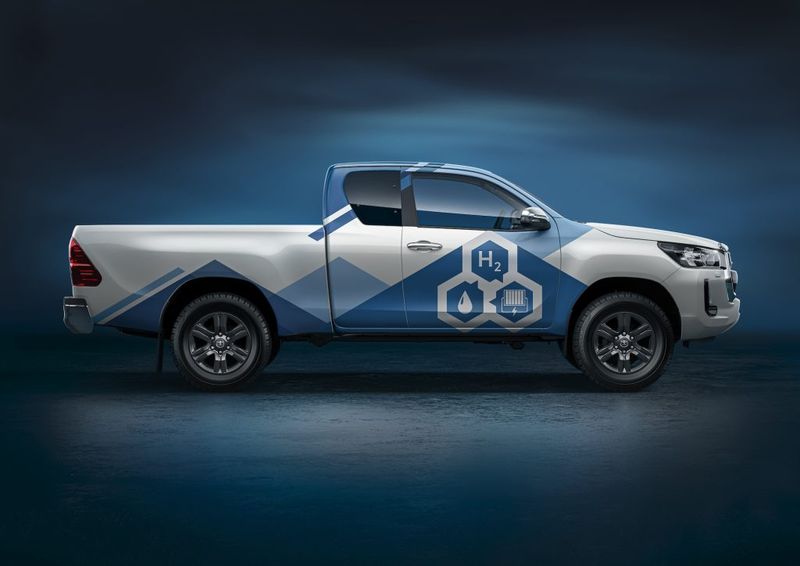
Dream of being free of Eskom and fuel companies, powering your home and vehicle with solar and self-made hydrogen. Could your 2025 Hilux double-cab have a hydrogenised version of the 2.8-litre 4-cylinder GD6 diesel engine? It’s not beyond the realms of possibility…
Related content:
Why no more Akio Toyoda at Toyota?
Why Tank 300 matters so much for GWM
Can Jaguar save itself – or not?
Why your next bakkie shouldn’t have side mirrors
Will Chinese cars stay cheap forever?
Lance Branquinho

Lance Branquinho is a Namibian-born writer and photographer who has won numerous motoring journalism awards. He once smuggled parts to South America, in a minor contribution to help Giniel de Villiers finish on the podium at the Dakar. He fears for the eventual collapse of the air-cooled Porsche 911 market – and keenly awaits, in vain, the return of the brand's 928.