Jaguar hasn’t introduced an all-new model since 2018. Is the brand on pause – or done for?
Think of the most remarkable drive you’ve ever completed. One of those journeys where time and distance were supposed to defeat you, but the outcome was heroic.
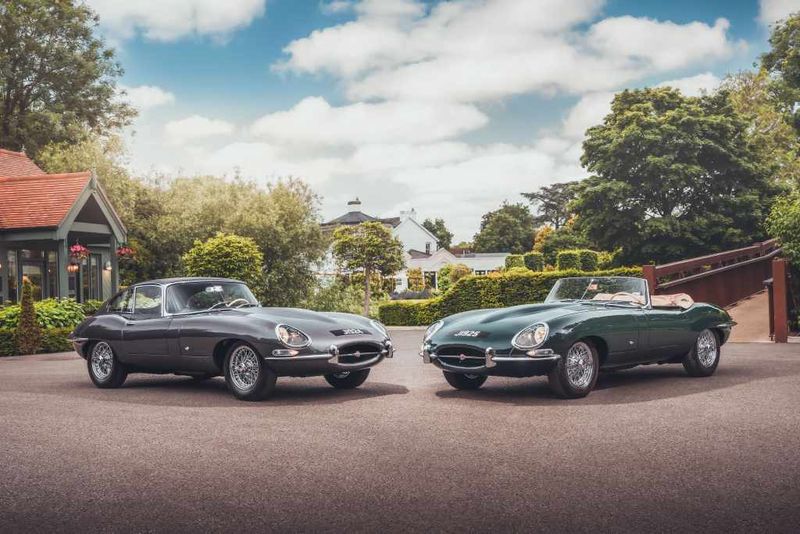
On 15 March 1961, Jaguar’s test and development driver, Norman Dewis, was presented with a rather unusual task. He was summoned to the British company’s headquarters in the early evening and told to drive to Geneva, where he had to deliver a Jaguar E-Type to the (now world-renowned) auto show.
Coventry to Geneva is a 1 152-km journey, with the small matter of crossing the English channel adding a significant logistical hurdle.
Dewis applied all his driving skills and endurance to make the deadline on time. Having arrived in France by ferry, Dewis did most of his high-speed driving in the dead of night. You can’t imagine the fatigue factor of driving an E-Type, equipped with 1961 headlight technology, at the limit, through France.
The world has changed – but has Jaguar?
Some regard the E-Type as the most aesthetically accomplished production car of all time; it emerged at Jaguar’s zenith, but the brand’s success has waned since then. When it was revealed to the world in 1961, the E-Type was strikingly futuristic, and Jaguar had a level of brand cachet that would rank with that of Tesla today. But in subsequent decades, Jaguar has struggled to create a sustainable business.
Jaguar has been in trouble for a while. A stark analysis of its business and shared technologies reveals a brand that has diluted itself. Had Jaguar not been part of the Land Rover stable, through which it benefits from the all-terrain brand’s global popularity – and revenues – it would have become wholly irrelevant.
It’s not that Jaguar has remained immovably tradition-bound… but its product strategy is troubling.
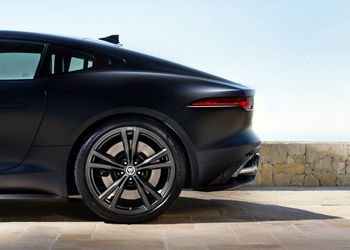
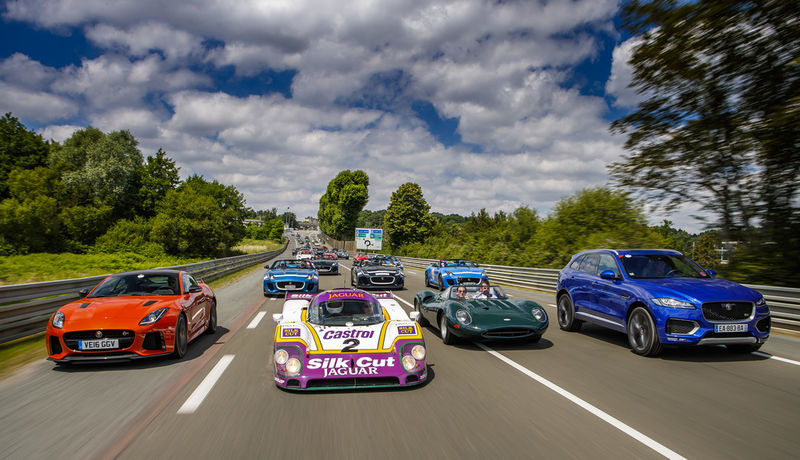
The last truly iconic Jaguar was the F-Type, which saw the company return to its sportscar roots. But two-door sportscars are a narrowing market dominated by more exotic brands with cars of much greater sophistication and profitability than the F-Type. As beautiful and tastefully nostalgic as F-Type is, it has become a flawed business case over time (the use of 2.0-litre 4-cylinder engines being a case in point).
The Land Rover problem
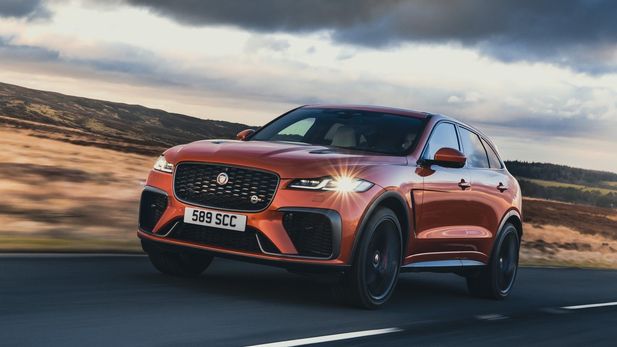
Jaguar’s destiny is too involved with that of Land Rover. But, in a world where many luxury car buyers are biased towards SUVs and crossovers, Jaguar cannot compete with Land Rover, which is the more proven and successful brand. Reconfiguring the Jaguar product portfolio to crossovers has been a bold move, but it hasn’t worked. Globally, Jaguar’s market share continues to evaporate.
So, what can Jaguar do? One must feel for Jaguar’s senior designers, engineers and even management. They have made sacrificial decisions, such as discontinuing the XJ limousine, in favour of crossovers.
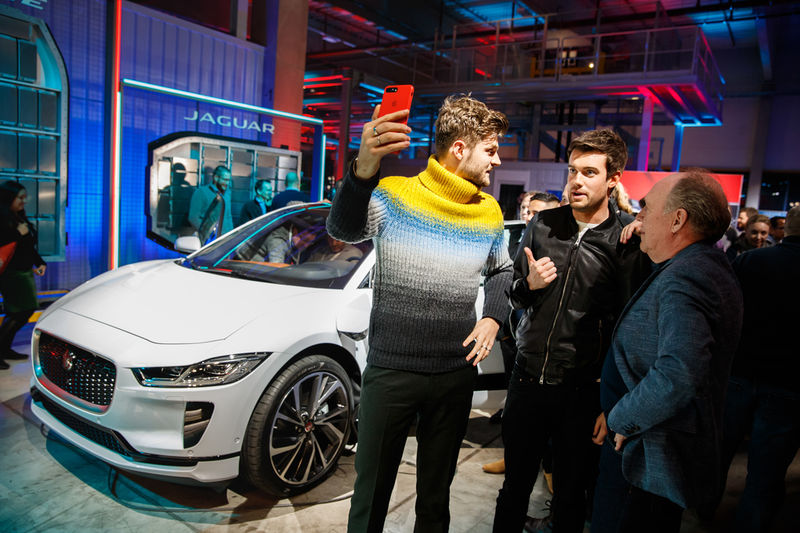
Thanks to the I-Pace, Jaguar has even been an electric-vehicle market leader, especially in South Africa. However, the I-Pace is a telling product reality that is symbolic of Jaguar’s problem. Because of battery-sourcing issues, Jaguar could never build enough of them to satisfy demand. The I-Pace is also the latest model that the brand has introduced (in 2018). Five years without a new model or platform is unheard of for a legacy car brand like Jaguar, and indicative of the brand’s “suspended animation”.
Struggling to scale its electric cars
What are the plans for Jaguar? Since 2018, Land Rover has introduced the new Defender and Range Rover, which makes Jaguar’s stasis even more apparent. The official strategy is for Jaguar to have a fully electric vehicle line-up by 2025. But the CEO who announced that plan – Thierry Bolloré – suddenly left the firm at the end of December 2022, citing “personal reasons” (he’d been in the position for 2 years).
A former Michelin and Renault senior executive, Bolloré was perceived as a cost optimisation specialist; someone who could lead Jaguar Land Rover (JLR) into profitability as it transitioned to a more electric vehicle reality. The reality has been disruption, huge losses and great uncertainty regarding Jaguar.
Jaguar is less than a quarter of JLR’s global sales, and the trend has been negative for many quarters. But can a turnaround be affected? That depends on how urgently Jaguar’s management can divorce it from tradition without sacrificing its legacy.
The truth is that Jaguar’s traditional sports and luxury car business has no future. In America, the world’s largest Jaguar market for decades, rivals from Germany and domestic American luxury car brands are too strong and model-diversified for Jaguar to challenge.
Jaguar’s only real option
What Jaguar needs to do, is become a China-centric brand. The world’s most populous country has also become the most important global automotive market.
Although Chinese domestic brands dominate the affordable electric-car market, Chinese luxury car buyers are biased towards anything European, with some provenance. And Jaguar doesn’t have to invent tradition and legacy. It has much of that to trade on, which resonates with Chinese luxury consumer culture and buyer behaviour.
The demand for luxury sedans and limousines in China offers Jaguar a unique opportunity. Wealthy Chinese car buyers don’t want to own Chinese cars. The image statement of a European luxury car carries genuine cachet in China, which creates a survival prospect for Jaguar.
Although most Chinese entrepreneurs in the position to acquire a luxury car are first-time buyers, they have a keen awareness of brand history and narrative. Marketers can create all the Tik-Tok reels they like, but, in the luxury car market, you can’t invent history and legacy – two things Jaguar has in abundance.
The other benefit of making Jaguar a Chinese-focused brand is the lower demand for battery pack size. Battery supply is a challenge for all car companies, not only Jaguar.
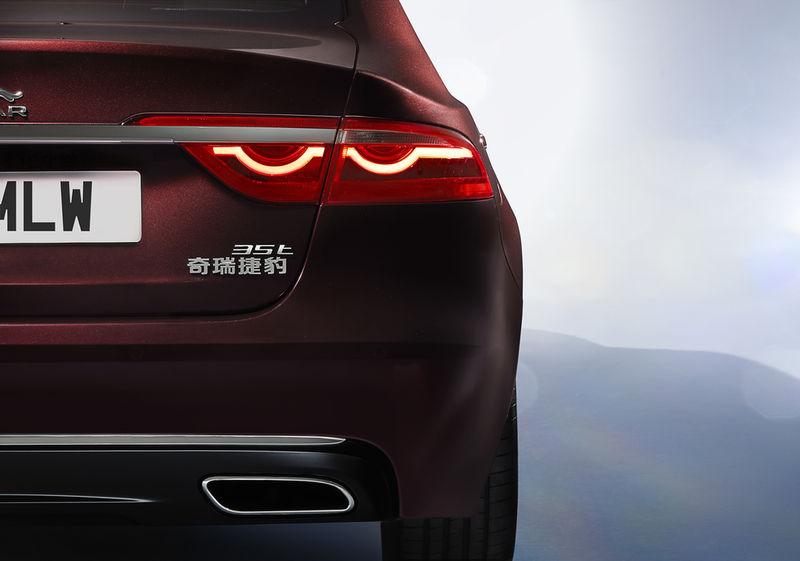
Driving expectations are much lower in China
If Jaguar reconfigures its product portfolio to become China-specific, it can decrease battery size and supplier risk. How? For all their luxury car ownership enthusiasm, Chinese drivers don’t get to do much driving distance, especially at speed.
The world’s most populous country predictably has some of the world’s worst traffic, too. That means very low average speeds – and little demand for huge electric-car range or high-speed performance.
Battery supply is the industrial sourcing nightmare for luxury car brands. If Jaguar goes all-in on China, where driving range requirements are much lower, it could use smaller battery packs, solving many cost and sourcing issues.
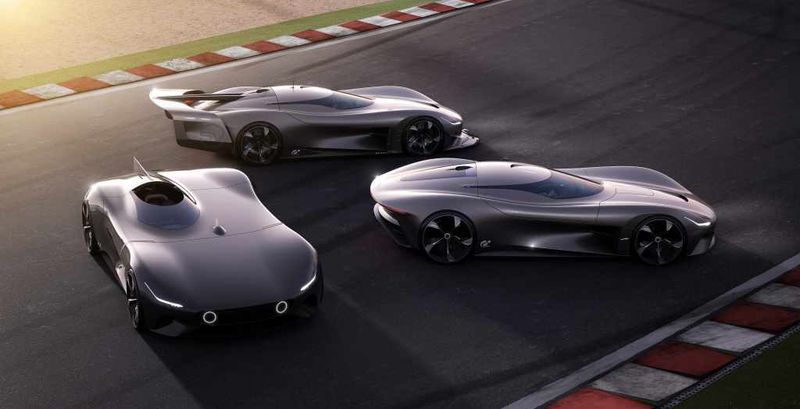
Big cars with smaller batteries
Jaguar must resist doing what Lucid has with its Air luxury sedan. This electric car has a range of in excess of 500 km (on a full charge), exquisite finishes, supercar performance and a costly 118-kWh battery pack. Jaguar could use a battery less than half that size for the Chinese market to avoid all the structural cost challenges that threaten to undo Lucid, despite the technical brilliance of its product.
In early 2021, Jaguar cancelled the well-advanced development of an electric XJ sedan; that could be an ideal product for China, because the brand could use the EV “skateboard” floorplan (with its inherent packaging advantages), to create something striking that doesn’t compromise on passenger comfort.
The significant risk in all of this, however, is scale. It might sound clever to make fewer vehicles at a higher specification and sell them for greater margins, but supplier cost is the problem.
It won’t be easy
If Jaguar’s business is going to be much smaller (selling a low volume of expensive electric vehicles), it will lack purchasing power with suppliers. And that could mean average components and finishes – precisely the opposite of what is required in the ultra-luxury market targeting Chinese customers.
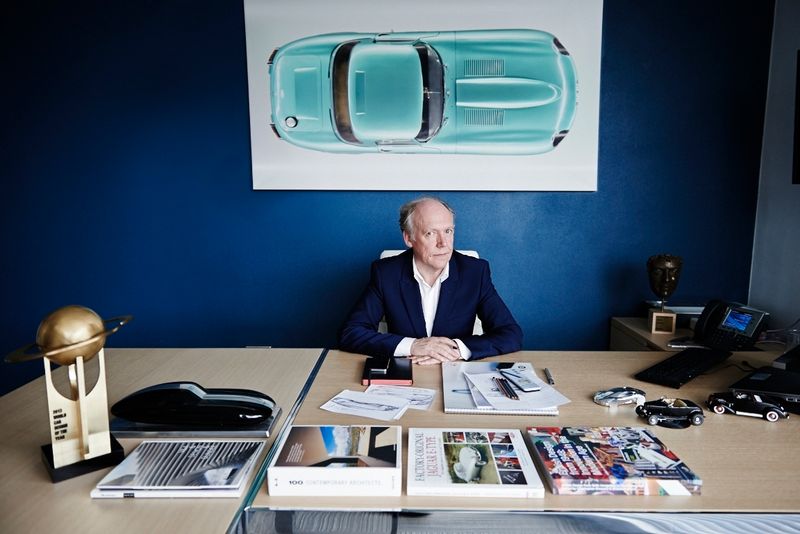
Jaguar needs an “E-Type moment”. Revive the E-Type name as an electric limousine with a design so radical that even Tesla followers will be jealous. But with the departure of the brand’s renowned designer, Ian Callum, in 2019 and JLR on the lookout for a new CEO, inspired reinvention could prove elusive.
Related content:
Why your next bakkie shouldn’t have side mirrors
Will Chinese cars stay cheap forever?
Stage 6: A major threat to SA’s auto industry
GWM’s Ora Cat EV could offer 500 km range for only R600k
Lance Branquinho

Lance Branquinho is a Namibian-born writer and photographer who has won numerous motoring journalism awards. He once smuggled parts to South America, in a minor contribution to help Giniel de Villiers finish on the podium at the Dakar. He fears for the eventual collapse of the air-cooled Porsche 911 market – and keenly awaits, in vain, the return of the brand's 928.