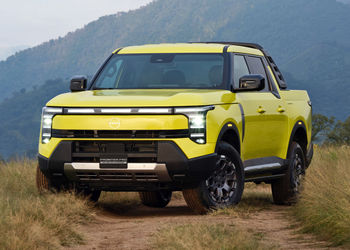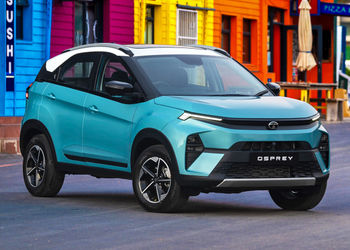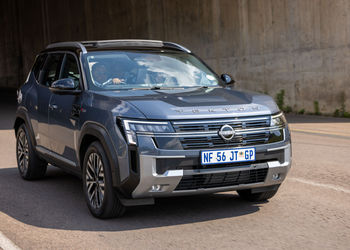
These are the 5 automakers that suffered the sharpest year-on-year sales declines in South Africa’s growing new-vehicle market in H1 2026…
- 9 automakers logged declines in H1 2026
- 4 endured double-digit percentage drops
- Proton suffered biggest percentage decline
We’ve already identified the automakers that posted the strongest sales growth in South Africa in the opening half of 2026, outpacing the local market’s 12.9% year-on-year improvement to 315 303 units. But what about the automakers that suffered the sharpest sales declines in H1 2026?
Well, we’ve worked through Mzansi’s new-vehicle sales figures for the first 6 months of 2026 and compared them directly to H1 2025’s numbers. That allowed us to identify the 5 manufacturers that effectively shrunk the most in what was a growing local automotive market.
Note that we’ve focused on automakers that operate in the light-vehicle segments, omitting low-volume truck- and bus-only manufacturers from this exercise. In addition, we’ve based our calculations on “manufacturer” totals, as reported to industry-representative body Naamsa (keep in mind certain individual brands are grouped under broader manufacturer banners).
Of the 34 automakers included in this exercise, as many as 9 endured year-on-year sales declines. For the record, Mazda (down 4.3% to 1 284 units), Mercedes-Benz (down 2.0% to a Naamsa-estimated 3 103 units), Renault (down 1.8% to 8 028 units) and Mitsubishi (down 1.7% to 1 004 units) all shed sales, year on year. But 5 other automakers suffered far more significant declines…
Proton (42 units) – down 87.2%
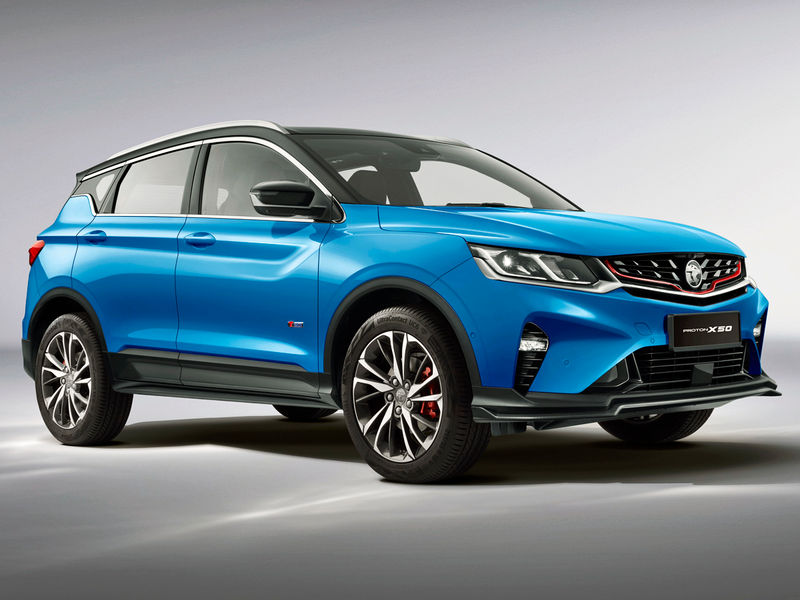
Considering Proton is effectively in limbo in South Africa – with local distributor the CMH Group having effectively dropped it and Geely Auto SA weighing up whether to step in – it’s perhaps no surprise the Malaysian brand recorded the market’s most significant sales decline in H1 2026. With the CMH Group looking to offload its remaining Proton new-vehicle stock, local registrations slid 87.2% to just 42 units during this 6-month reporting period.
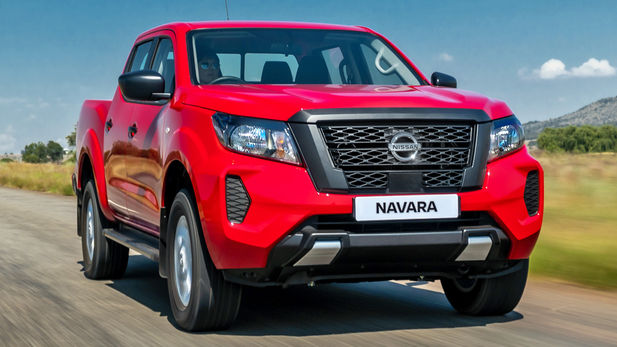
Nissan (6 267 units) – down 20.1%
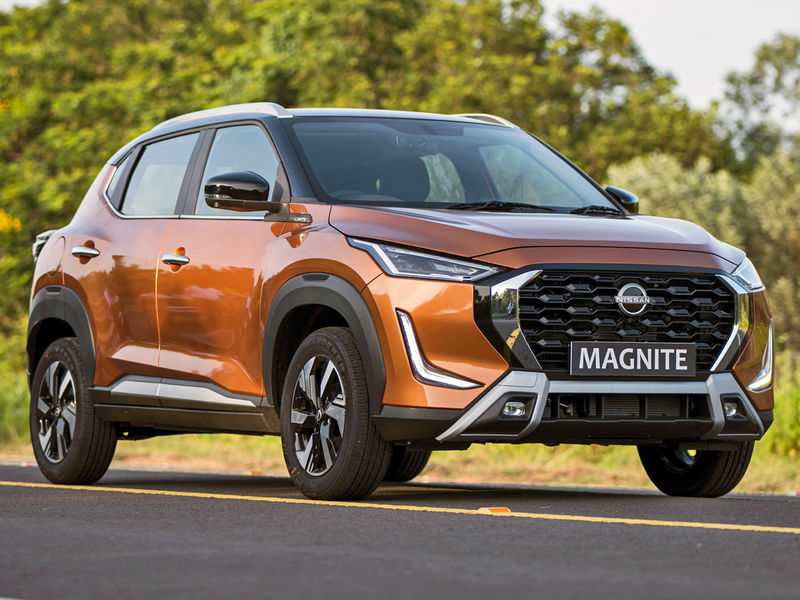
Making do with a local portfolio trimmed back to just 3 models (until the new Tekton arrives, anyway), Nissan endured a 20.1% year-on-year decrease in sales to end H1 2026 on 6 267 units, falling from 12th to 15th position in the process. Magnite registrations in the passenger-car segment dipped 15.4% year on year to 3 634 units, while Navara sales slid 25.3% to 1 965 units (with the low-volume X-Trail making up the balance). Nissan also sold its Rosslyn manufacturing facility to the Chery Group, meaning the Navara will now be imported from Thailand rather than locally built.
BAIC (1 157 units) – down 15.4%
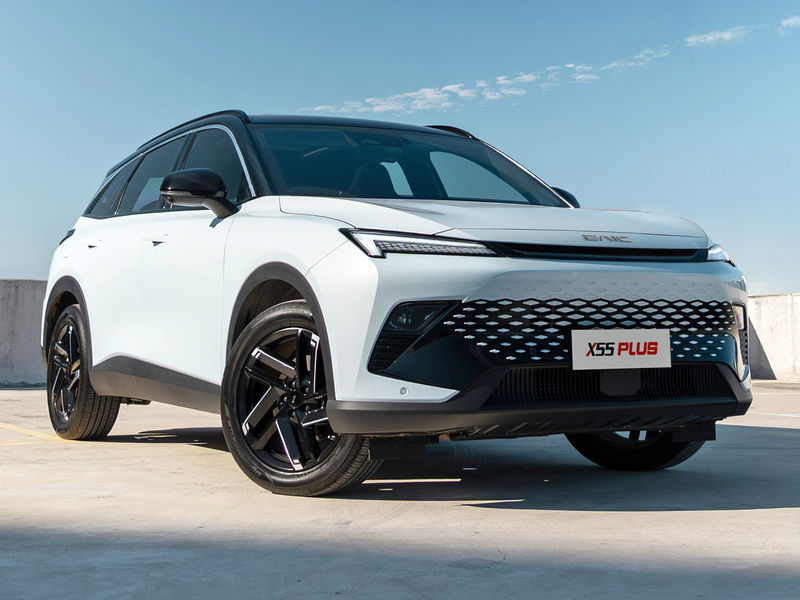
Not all Chinese brands are growing, it would seem. In H1 2026, local registrations of BAIC vehicles declined 15.4% year on year to 1 157 units, seeing the automaker slip from 19th to 26th position. While the B30 (launched late in 2025) added a useful 615 units to the brand’s overall tally, sales of the X55 Plus plummeted 47.9% year on year to 528 units (while the non-Plus version fell away completely). The B40 Plus could muster just 14 units (down 65.9%, year on year).
Jaguar Land Rover (1 363 units) – down 12.1%
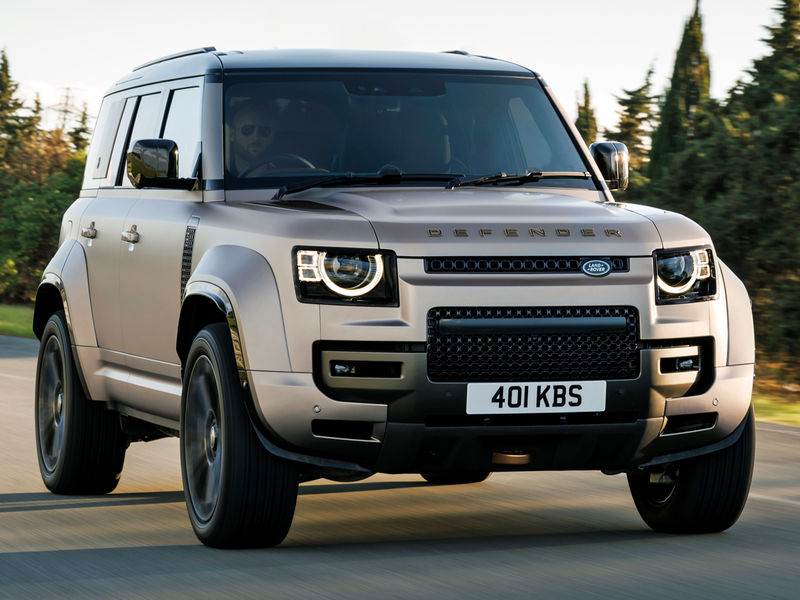
While you might assume the British automaker’s presence on this list is largely thanks to the fact Jaguar is currently not building any new vehicles at all, it’s interesting to note just 28 new Jaguar units were registered in H1 2025 (a figure that, of course, fell to zero in H1 2026). The Defender remained the firm’s most popular model locally, though sales dipped 2.3% year on year to 795 units. All other Land Rover and Range Rover models suffered more significant year-on-year declines.
Subaru (217 units) – down 8.4%
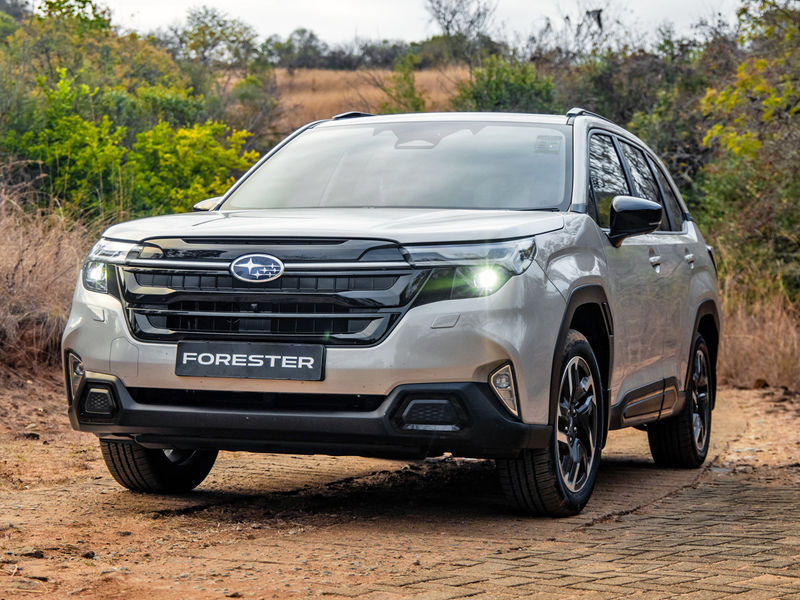
The only passenger-vehicle brands reporting to Naamsa that sold fewer new vehicles than Subaru in South Africa in H1 2026 were Proton and Scuderia (the latter being the company responsible for Ferrari in Mzansi). In the end, Subaru’s local registrations declined 8.4% year on year to 217 units, translating to a monthly average of just 36 cars. Sales of the Forester fell some 14.8% compared to H1 2025, ending the 6-month reporting period on 138 units.
Frequently Asked Questions (FAQ)
Q: Which automaker suffered the sharpest sales decline in South Africa during the first half of 2026?
A: Proton suffered the most severe decline in the local market, with sales plummeting 87.2% year on year to just 42 units for H1 2026. This dramatic drop comes as Proton is left in limbo following local distributor CMH Group moving away from the brand, leaving Geely Auto SA to weigh a potential takeover while remaining stock is cleared.
Q: Why did Nissan experience a significant 20.1% drop in its H1 2026 sales volume?
A: Sales of its volume-driving Magnite dipped 15.4% (to 3 634 units) and Navara bakkie registrations slid 25.3% (to 1 965 units). Furthermore, Nissan sold its Rosslyn manufacturing facility to the Chery Group, shifting Navara sourcing from local production to imports from Thailand.
Q: How did other brands like BAIC, Jaguar Land Rover and Subaru perform on list?
A: BAIC dropped 15.4% to 1 157 units, driven by a 47.9% crash in X55 Plus sales, proving that not all Chinese brands are finding success. Jaguar Land Rover dipped 12.1% to 1 363 units, as Jaguar registrations fell to zero and Land Rover/Range Rover models saw declines despite a steady showing from the Defender (795 units). Subaru rounded out the bottom five with an 8.4% decline to 217 units, averaging just 36 vehicle sales per month.
Related content
SA’s 10 most popular Chinese vehicles in H1 2026
Ryan Bubear

Having written about everything from sport and politics to crime, Ryan eventually settled on motoring. For well over 15 years, he's been penning articles – both online and in print – about the broader automotive industry, though he's particularly fascinated by vehicle-sales statistics. A freelance writer and editor, Ryan has owned a 1971 Austin Mini Mk3 for 20-plus years.