Any change at the top of Volkswagen AG is a huge deal. What will the new CEO of the German automotive giant mean for your VW – and South Africa?
What is the most challenging job in the automotive business? Being Elon Musk’s personal assistant? Choosing the next Toyota Hilux’s alloy wheel design? No, neither.
Being appointed VW’s CEO is the most poisoned chalice in the car industry…. not CEO of the Wolfsburg-based brand itself, but Volkswagen AG (VW AG), which includes Audi, Bentley, Lamborghini, Porsche, Seat, Cupra and Skoda.
VW AG has a ginormous – and diverse – portfolio of products, which speaks volumes of the industrial engineering complexity that is part and parcel of such a setup. And then there’s the family influence. At BMW, the Quant family are reasonably uninvolved and Mercedes-Benz operates as an independent corporate entity.
But at VW AG? If you’re the CEO, you must navigate a supervisory board that is very much the domain of two exceptional families: the Piëchs and Porsches. And they prefer things done their way. Or their way.
Even when management is orchestrating tremendous profits and facilitating the delivery of class-defining vehicles, the Piëch and Porsche families can dispose of VW AG’s most senior employees at will.
The impossible legacy of the world’s most powerful car company family
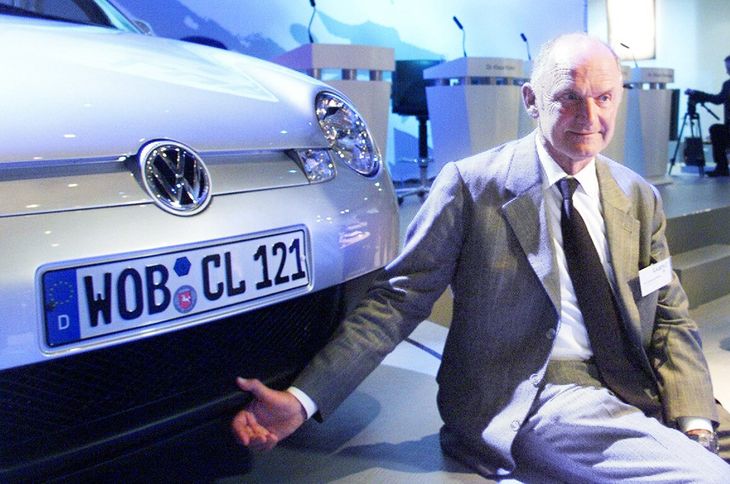
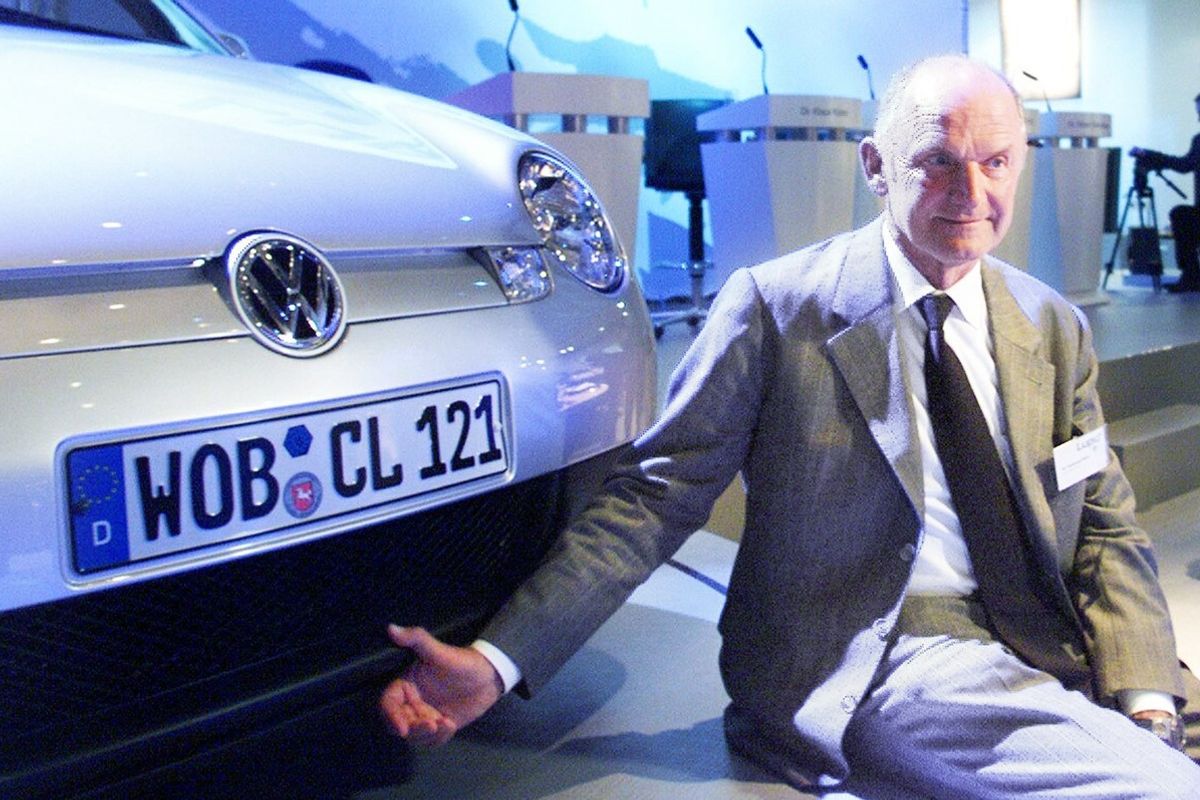
The late Ferdinand Piëch. Arguably the most incredible car company CEO of all time.
The industrial engineer who saved Porsche from bankruptcy and guided it to become the world’s most profitable car maker, Wendelin Wiedeking, was unceremoniously fired in 2009. Why? Wiedeking was judged as having become too “assertive” in his vision for VW AG.
After creating the Boxster business, generating huge profits with the Cayenne and saving the 911’s legacy, Wiedeking was unceremoniously fired. That’s the potency of VW AG board-level politics.
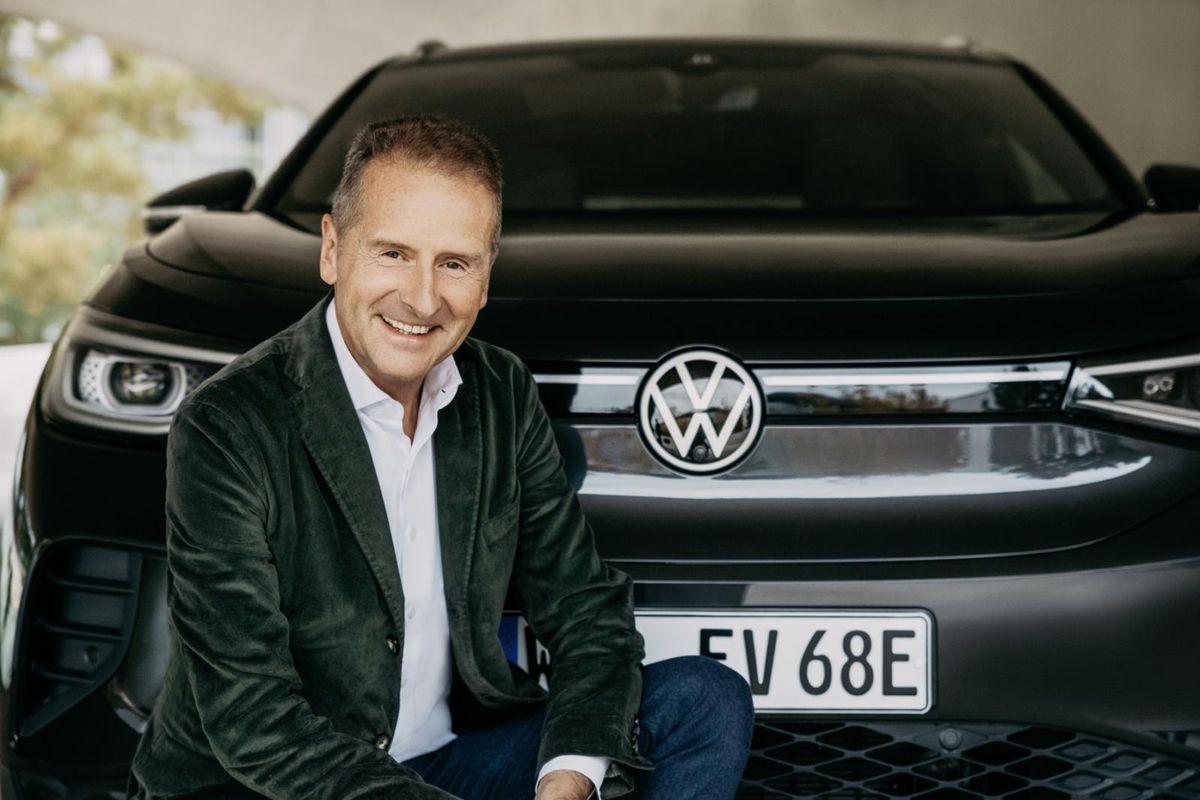
After VW AG’s diesel-emissions transgression of 2015 (which is commonly referred to as Dieselgate), many believed that change was needed at the top of the Group’s structure. In 2018, a former BMW engineer, Herbert Diess, was appointed the CEO of VW AG. It’s evidently a position that is toxic at the best of times, but in the aftermath of the company’s punitive diesel disaster, it was apocalyptic.
Diess, however, appeared undeterred and forged ahead with his vision of what VW AG should become. And that implied a restructuring and ego-reshaping for senior staff at Audi and Porsche. But Diess seemingly had an advantage in navigating the typically poisonous VW AG boardroom politics – he, like the core Piëch and Porsche family members who effectively control VW AG, is Austrian.
Unable to tame VW’s stakeholders
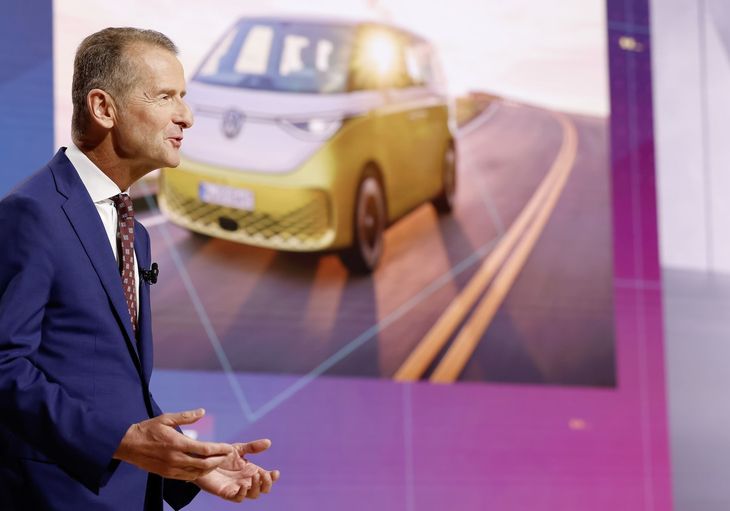
Diess held VW’s brand history and product legacy in high regard but knew that software was crucial, too.
Unlike the CEOs of most automotive companies, Diess was uncannily frank about VW AG’s flaws and recognised Tesla’s technical superiority in the areas of BEVs (battery-electric vehicles) and software engineering. This irked powerful forces within the Piëch and Porsche families, where the notion of their brands’ technological superiority is regarded as important as pure profit (I jest, but you get the gist).
Diess realised that VW would require a comprehensive software architecture – one that would genuinely rival Tesla’s – and allow the Group to advance into the future of automotive sales and ownership, without losing too much market volume. But that meant enormous research and development (R&D) investments in a field in which VW AG did not have a legacy or ascendancy: software and electronics.
Traditional automotive engineering is mechanical, allied with some metallurgic expertise. But, thanks to Tesla, competency in software, device convergence, over-the-air updates etc have become pivotal in an increasingly electrified industry.
Most legacy automotive brands are geared to spend huge allocations of their R&D budgets on increasing internal-combustion engine efficiency… as opposed to making Spotify graphics display without lag when there is poor internet connectivity (to give but one very simple example). The challenge of changing the focus of automotive engineering from mechanical to virtual is, in a word, colossal.
Code – not valve-lift tech – is the new currency
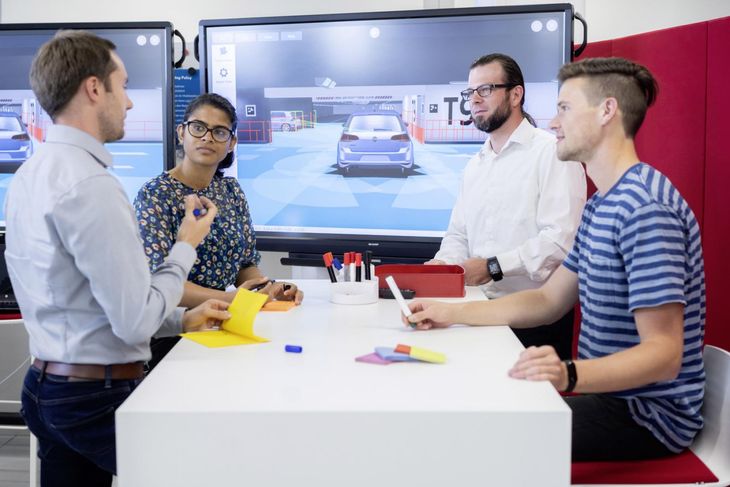
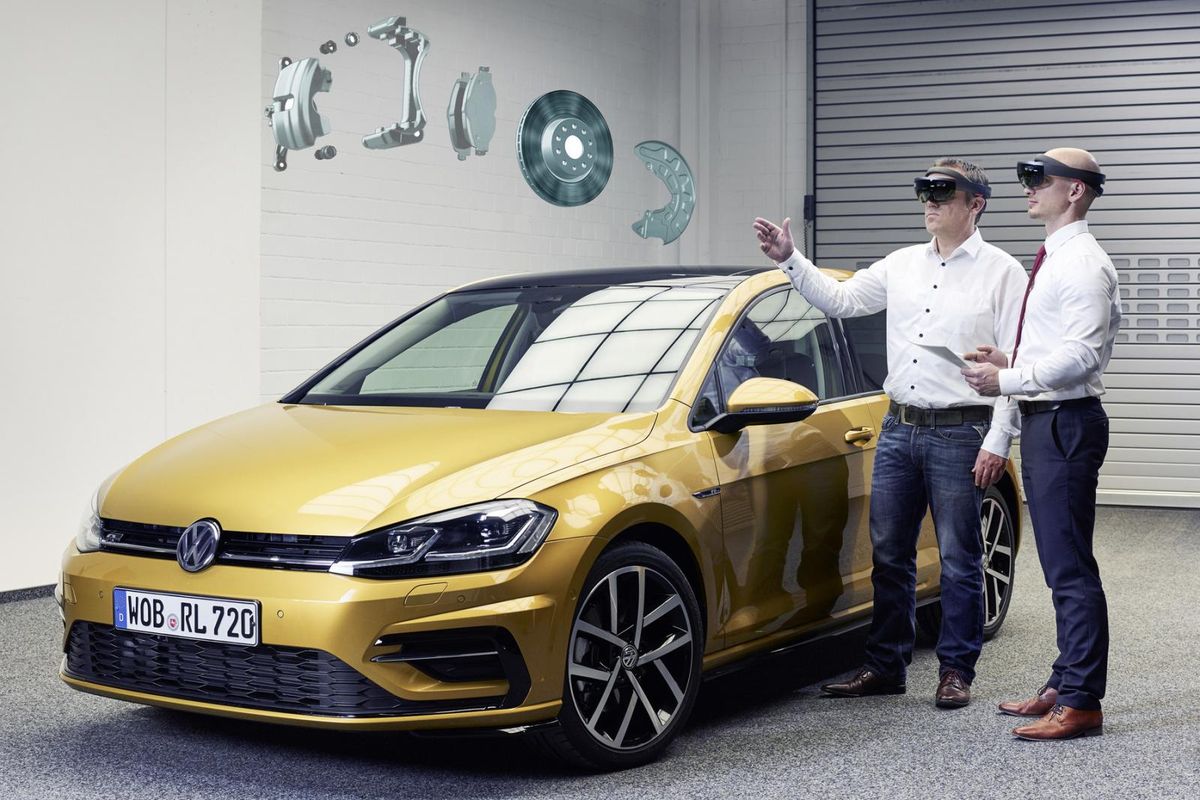
VW needs a new type of engineer, one that specialises in software, instead of a DSG’s throttle-blipping characteristics.
Despite Diess’ attempts to will VW AG to greater software independence, the Group’s failures have been obvious. Software engineering bosses have been fired and products delayed, the 8th-generation Golf being a prime example.
Of all the German automotive brands, VW has been most assertive in its strategy to usurp Tesla. BMW and Mercedes-Benz have been painfully conservative in their fleet-electrification plans; ostensibly the Sindelfingen- and Munich-based brands are keen to keep harvesting the easy profits of high-output petrol and diesel engines, at least until regulations (such as the EU ban on the sale of vehicles with internal combustion engines in 2035) make it impossible.
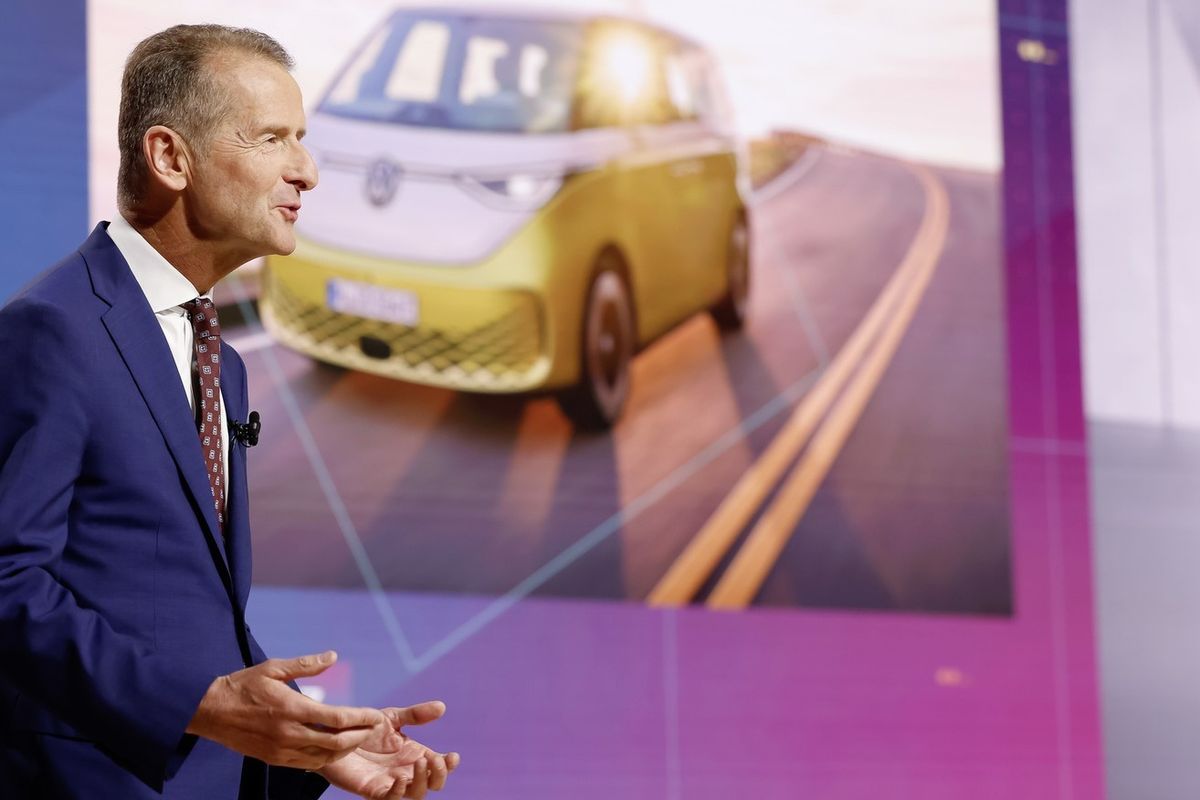
Diess was different. He started sacrificing VW AG’s vast R&D resources to deliver BEVs that would hardly make money for the Group, but are undeniably the products of the future in Audi, VW and Porsche’s most important markets.
Unfortunately for Diess, he lacked emotional intelligence when detailing the future of VW’s labour force. BEVs require so many fewer parts and assembly complexity compared to legacy petrol- or diesel-powered vehicles that job losses will inevitably total in the thousands, or tens of thousands. Suffice to say, Germany’s powerful metalworkers’ union took umbrage at his honesty.
Although Diess was unempathetically transparent about a smaller future staff count for VW AG, his undoing was virtual. Not human. The future of VW AG’s technical expertise won’t be dual-clutch transmissions, trick all-wheel drive systems, or turbopetrol engines. Software is destiny… and VW AG’s not doing it well.
Software trumps mechanical design
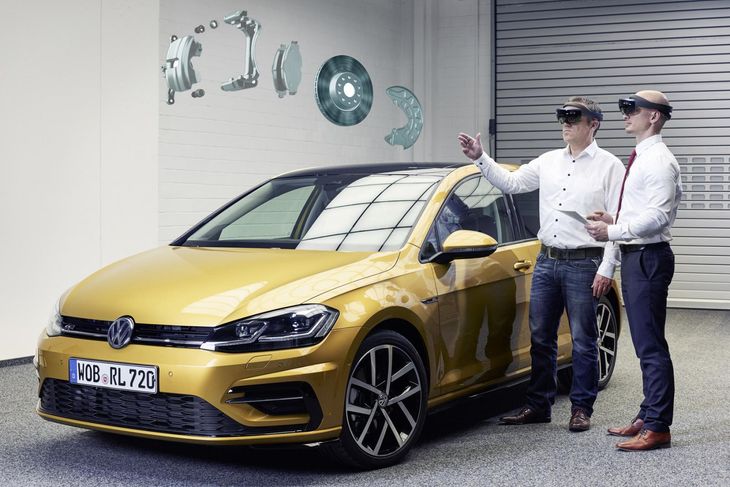
Futurists predict a market in which customers won’t buy any new vehicle without comprehensive over-the-air fault finding, remedying and update protocols. That imperils the very profitable mechanical service and maintenance business for dealerships. It also places an enormous and unfamiliar technology burden on legacy car manufacturers.
VW AG established CARIAD to solve its software development and hardware integration issues. But even Diess was unable to make CARIAD deliver on deadlines. Delays to expensive and potentially profitable new BEVs from Audi, Bentley and Porsche were deemed unforgivable by the Piëch and Porsche families. Consequently, he will finish work at the end of August.
But where to now for the Group? Diess was credited for making deeply unpopular, but necessary, decisions related to VW AG’s oversized labour force and future technology threats.
Oliver Blume is the new CEO and he’s tasked with solving the issues that Diess could not. Adding pressure to Blume’s crushing workload is the separate listing of Porsche, which is VW AG’s most profitable asset (scheduled for later this year).
Blume, who was responsible for the bodywork on Audi’s first-generation A3, is a brilliant engineer, but he is inheriting a cauldron of complexity.
The new CEO and SA?
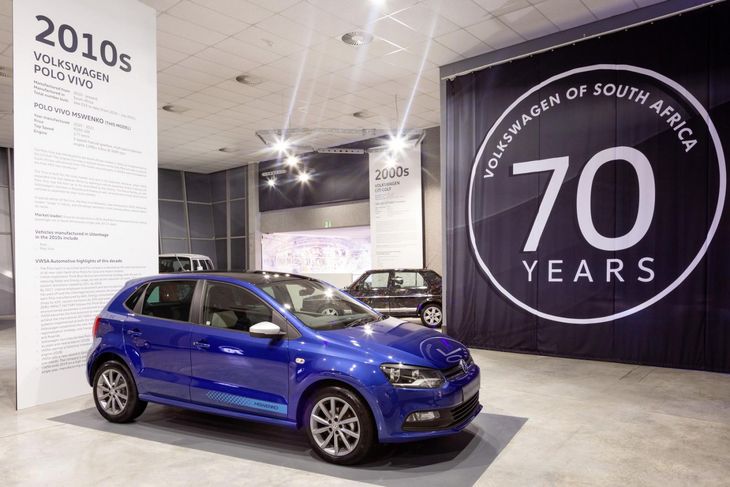
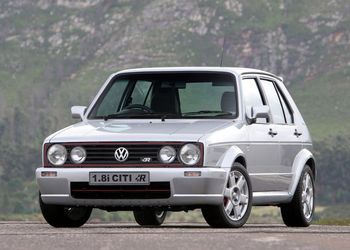
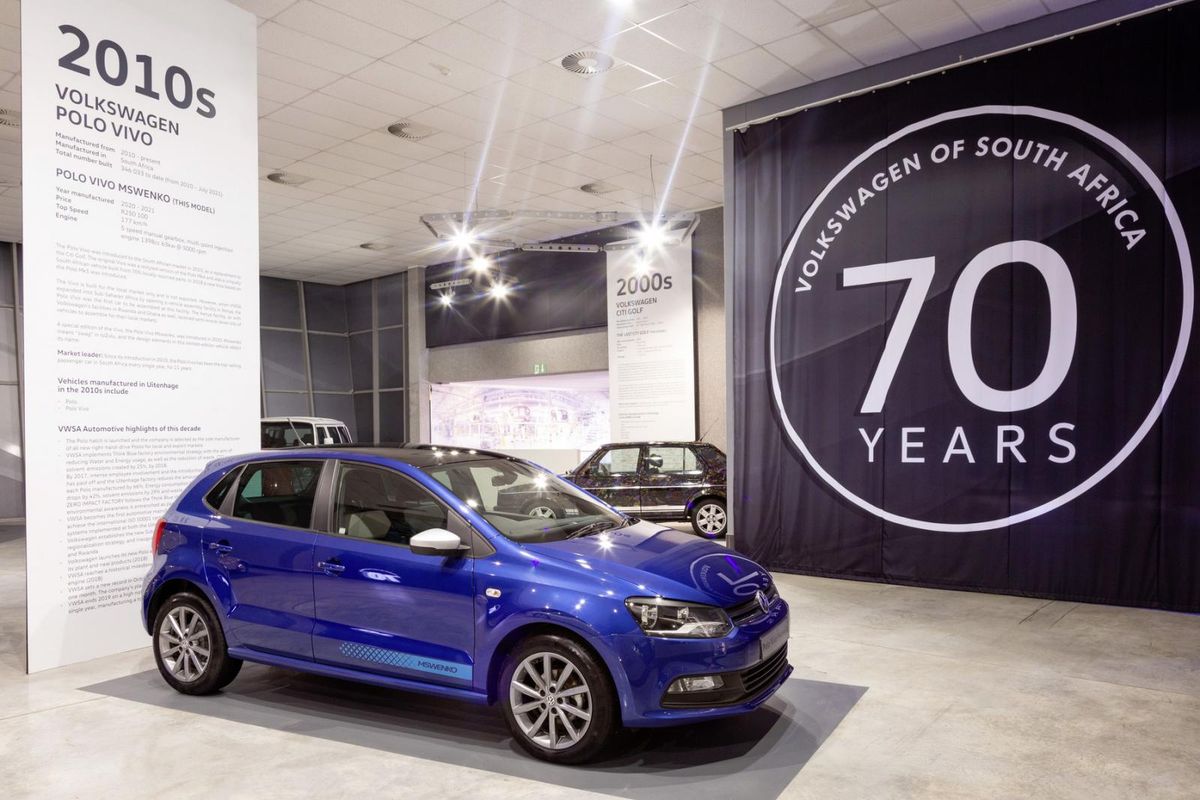
A slower pace of VW product electrification could be beneficial for Polo and Vivo assembly.
Volkswagen has tremendous customer loyalty in South Africa; it’s effectively the country’s near-most important car brand. Will a more conservative VW AG board of management, with Blume as CEO, be better or worse for VW’s South African business and future planning? After all, the Polo export business is a valuable source of employment and financial stability in the Eastern Cape.
Diess envisioned the rampant electrification of VW’s entire product portfolio. However, this ambition might be tempered under Blume (aided by the rising costs of producing BEV-specific components, let alone the lack of capacity to produce as many electric cars as VW AG would like to) and ease product-lifecycle pressure on VW’s Polo range, which is deemed unpractical to electrify. That could be a good outcome for VWSA’s Kariega factory, which produces Polo and Polo Vivo.
Related content:
Will Toyota revive the Stallion as a RAV4 double cab?
Why would you buy an Amarok instead of a Ranger?
Kia’s V6 diesel bakkie could redefine double cabs
Lance Branquinho

Lance Branquinho is a Namibian-born writer and photographer who has won numerous motoring journalism awards. He once smuggled parts to South America, in a minor contribution to help Giniel de Villiers finish on the podium at the Dakar. He fears for the eventual collapse of the air-cooled Porsche 911 market – and keenly awaits, in vain, the return of the brand's 928.