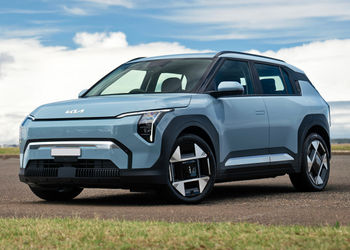
Could a Toyota Hilux rival from Kia be the double-cab bakkie we’ve all been waiting for? The Korean brand certainly has all the ingredients to produce such a model…
In all of history, there has been only one truly outspoken and gloriously unfiltered Asian automotive executive – the indomitable Soichiro Honda.
American car-company bosses make bold claims. German CEOs confidently expound their strategies for luxury-segment dominance. But Asian automotive execs? They tend to be conservative and measured in their public utterances.
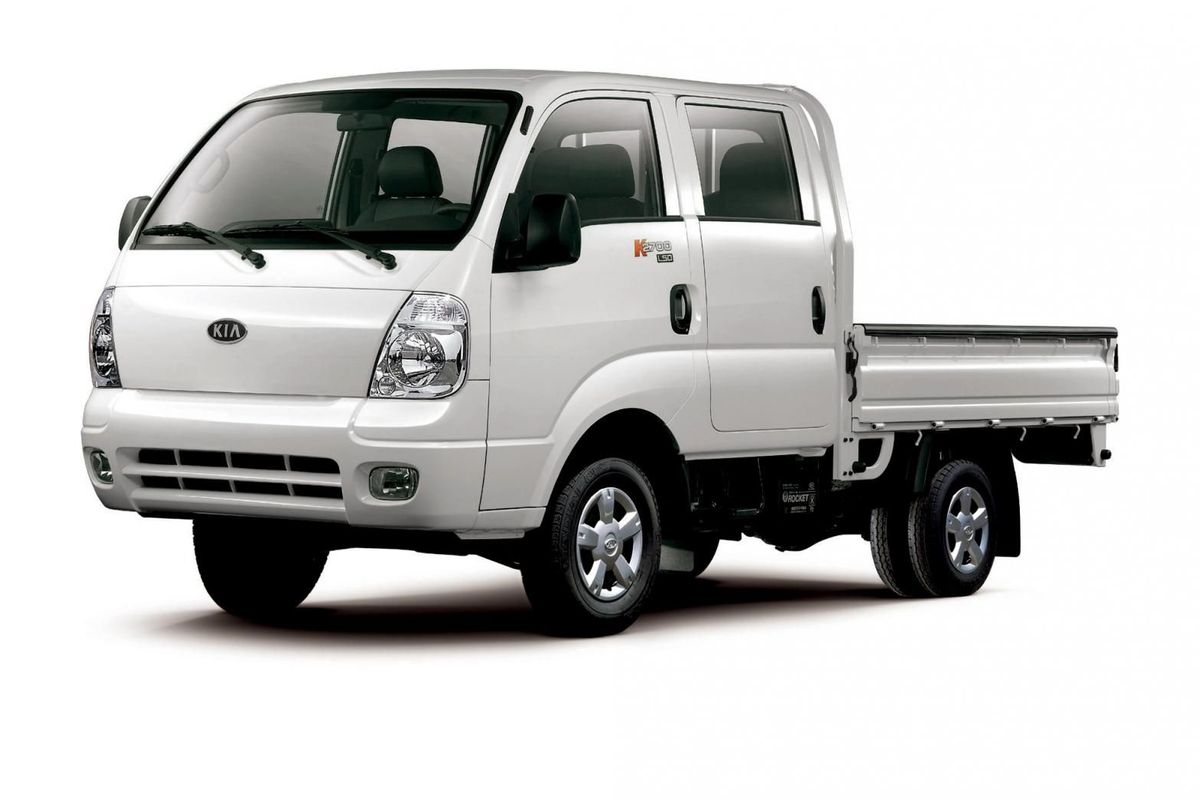
When Kia’s boss, Ho-sung Song, briefed investors earlier this year, he wasn’t being conservative, however. The CEO of Hyundai’s sister brand detailed 14 new Kia models that would be introduced by 2027, including two bakkies. And no, he was referring to a K2700 successor among those.
Going way beyond Kia’s current bakkie business
.jpg)
Up to now, Kia’s double-cab offerings have not quite been what traditional bakkie customers would like.
It’s telling that Song mentioned the presence of two bakkies as part of Kia’s R&D strategy. Globally, bakkies are a foolproof business (okay, unless you’re Mercedes-Benz and you overestimate demand for a pick-up that bears the Three-pointed Star, but is based on another firm’s product), but nowhere are the profit opportunities better than in North America. And that’s traditionally been a source of frustrated expectations for South African bakkie followers.
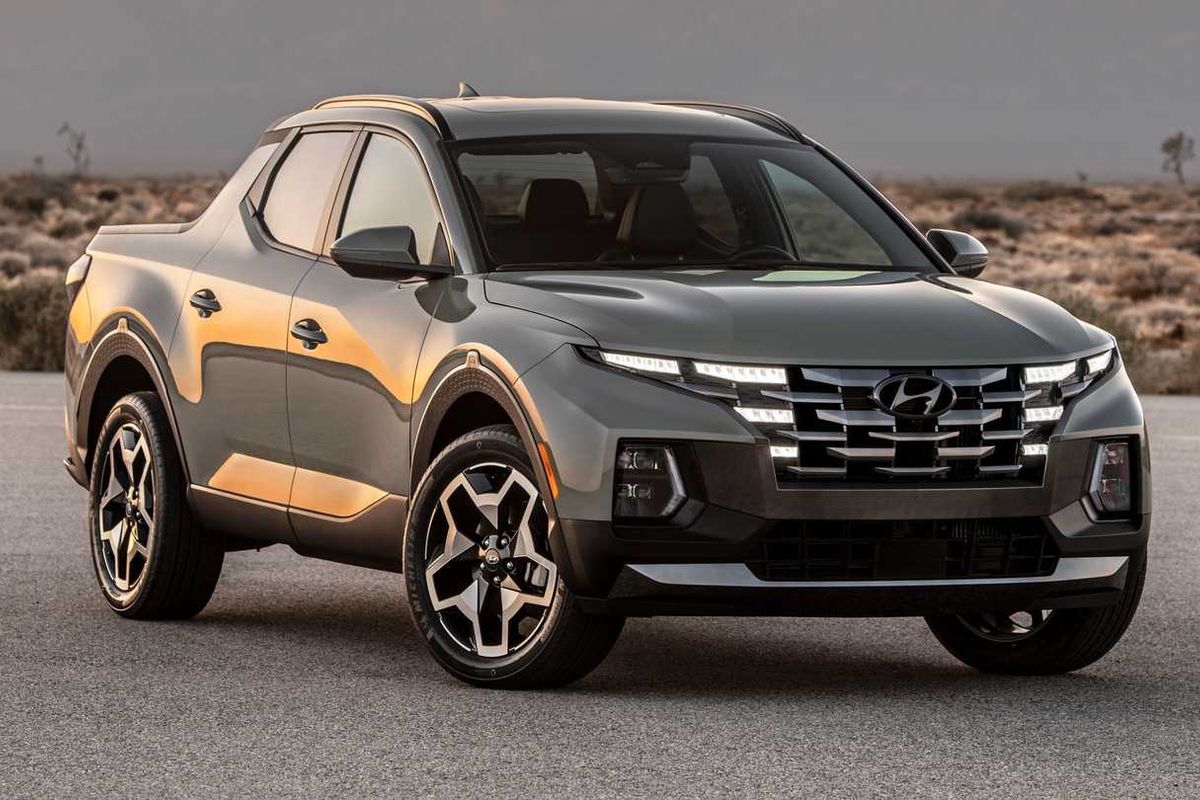
Observing all the desirable products North American bakkie buyers get – and South African ones don’t – is the bane of projected desire for local double-cab owners. But contained within the Kia CEO’s announcement about two future bakkies, is a virtual guarantee that one of these will be a “global product”. The question is: Will it be a true Hilux rival in size and structure, or something closer to the Santa Fe-derived Hyundai Santa Cruz?
The bakkie business can be very lucrative, but making a strong start is critical, even if you possess an immense design and engineering legacy. To reiterate, Mercedes-Benz proved this with its X-Class, which was an unmitigated disaster.
Diesel engines of destiny
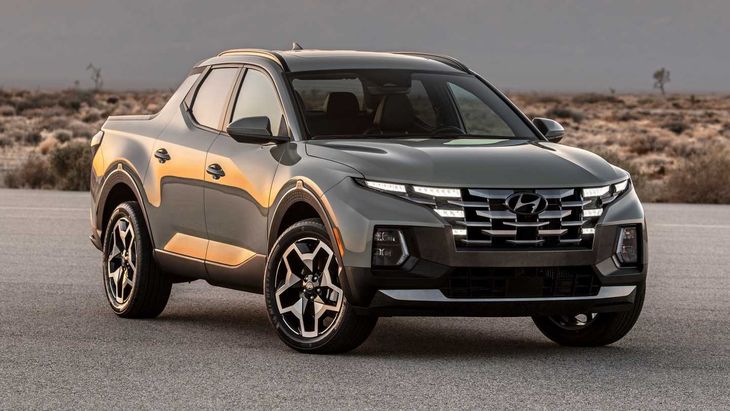
The expectation is for Kia to have bakkies that are rugged – and larger than Hyundai’s Santa Cruz.
Kia has some significant advantages as a double-cab bakkie newbie. And a lot of that relates to engine and drivetrain technology.
With global internal combustion engine R&D having effectively ceased, we have a very good idea of what the Kia bakkie’s engine options could be. The likelihood of a new engine block architecture from Hyundai/Kia is negligible.
Scrutinise the available list of Korean turbodiesel engines and it’s not that difficult to identify the candidates for Kia’s forthcoming Hilux rival. Two powerplants come to mind: one a 4-cylinder and the other a V6.
The 4-cylinder turbodiesel engine most appropriate for a future Kia bakkie is easy to guess. Which Kia has a really long wheelbase, lots of weight and a turbodiesel engine? Exactly, the Carnival. And its 2.2-litre four-cylinder turbodiesel has engine outputs that would be class-average in the double-cab bakkie market: 147 kW and 440 Nm of torque.
Kia’s 2.2-litre turbodiesel engine is also linked to an eight-speed automatic transmission. With the Volkswagen Amarok and Ford Ranger having proven that double-cab bakkie buyers want more gears for better fuel economy and towing performance, this Kia drivetrain is ideal for the Korean marque’s global leisure-bakkie project.
But there’s a big diesel – ready to go
.jpg)
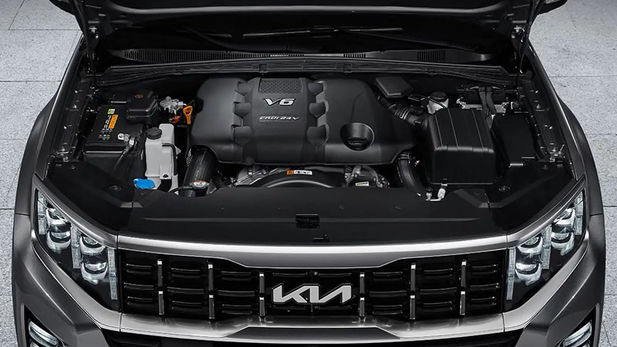
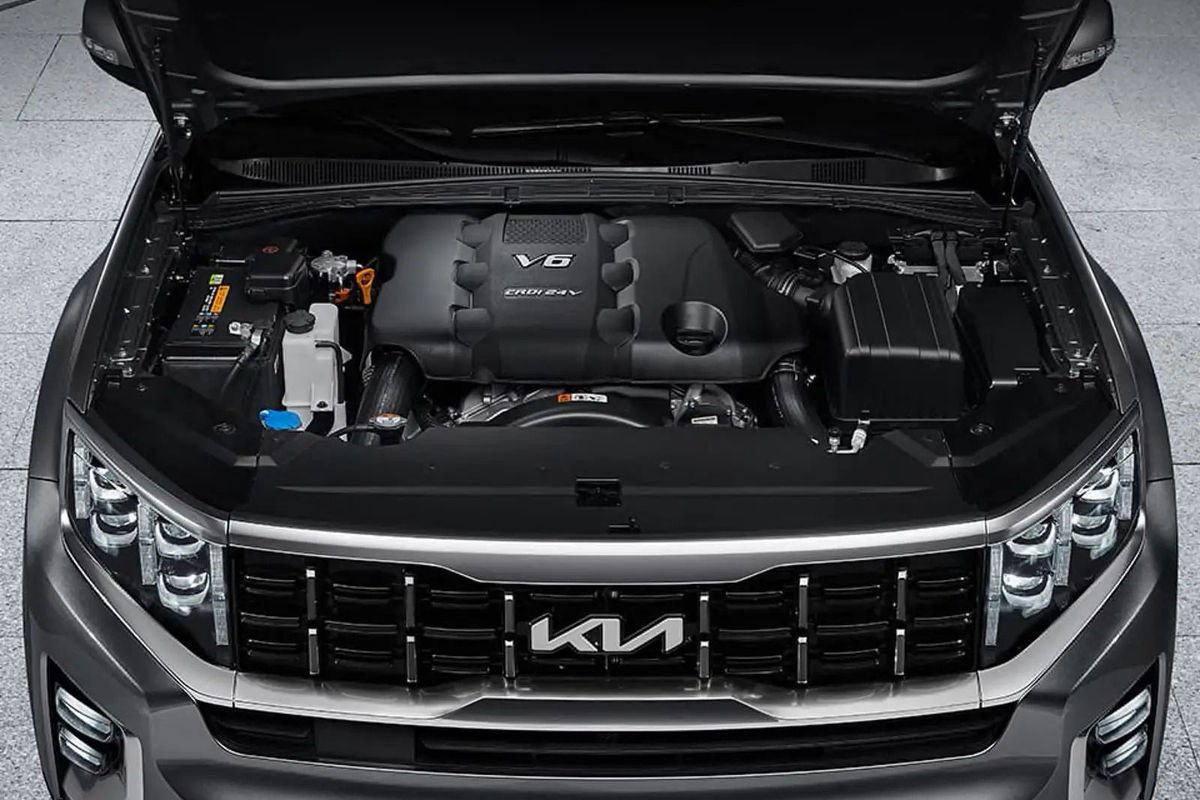
Kia has a proven V6 turbodiesel, ready to power its Hilux rival. And that’s significant.
But what of that 2nd engine option… the V6? The Amarok demonstrated that South African bakkie buyers are willing to pay a premium for V6 turbodiesel power. And the market reaction to VW’s 3.0-litre Amarok has been such that Ford’s second-generation T6 Ranger will offer a V6 turbodiesel engine too.
Kia would be foolish not to see the opportunity of a V6 turbodiesel bakkie. Unlike some of its rivals in the local double-cab bakkie market, Kia has a viable V6 turbodiesel engine, and it’s ready for deployment. In the market for luxury double-cab bakkies, Kia’s V6 engine would give it a significant advantage over Isuzu (D-Max), Mazda (BT-50), Mitsubishi (Triton), Nissan (Navara) and even Toyota – none of which have a V6 diesel available.
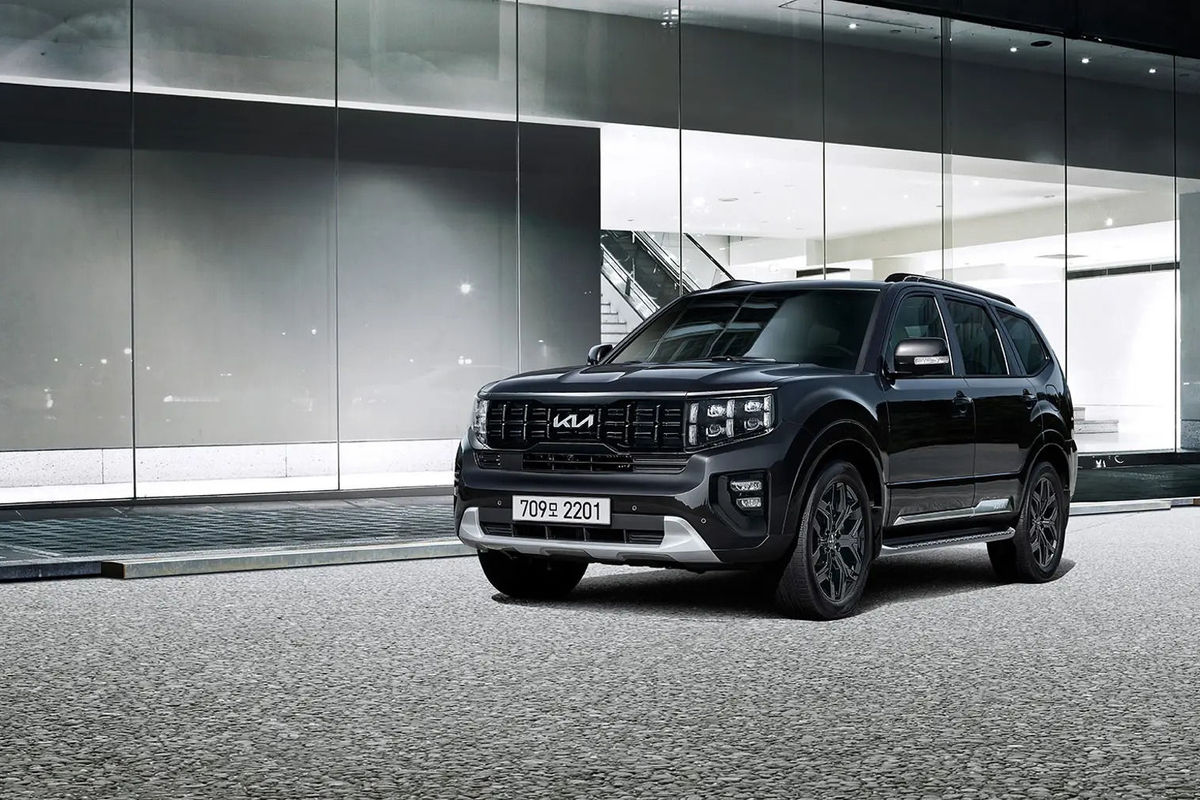
The engine in question is Kia’s 3.0 S II CRDi V6, which powers the Korean brand’s Land Cruiser 300-sized Mohave. With outputs of 191 kW and 560 Nm, the 3.0 S II CRDi V6 delivers entirely competitive power and torque numbers for a double-cab bakkie.
Will a Kia bakkie need low-range?
.jpg)
The Mohave demonstrates that Kia can build a big ladder-frame platform.
The ladder-frame-based Mohave has a 2 305-kg kerb weight, which is a touch more than most double-cab bakkies. Adapted and proven for its role in the huge Mohave SUV, this engine could easily be built into a double-cab bakkie.
Kia’s engineers have optimised the 3.0 S II CRDi V6 and its 8-speed automatic transmission to deal with the Mohave’s heft. There should be no “powertrain fragility” concerns about using this engine and ‘box in a double-cab.
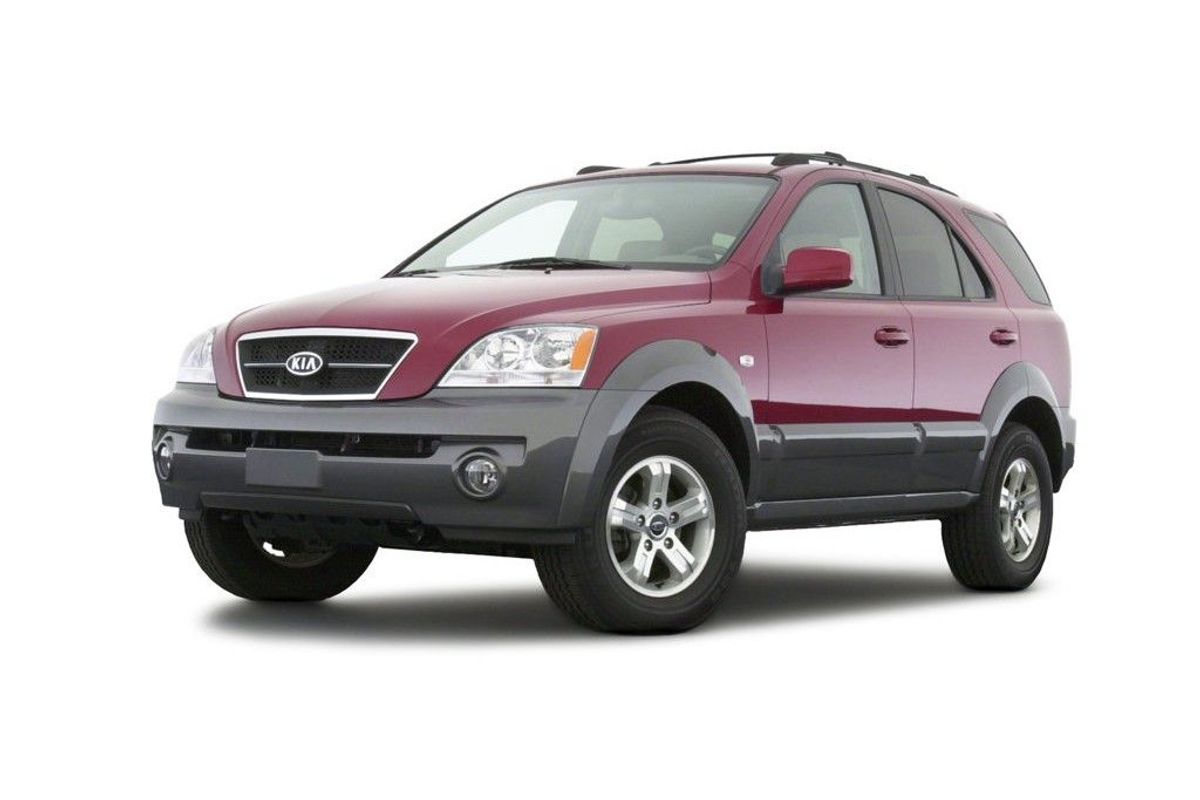
But what about off-road ability? It’s been a while since Kia marketed a vehicle with real all-terrain gearing or axles… The last Kia to feature low-range and a ladder frame was the 1st-gen Sorento, of which production ended in 2006.
There is no question that Kia is doing a meticulous market analysis of the double-cab market before finalising the specifications of its global bakkie. And as it layers buyer preferences, the success of Amarok will become apparent. Despite not offering a low-range transfer case in its bakkies, VW has established a loyal luxury double-cab following, here and in Australia.
In truth, for most bakkie buyers, low range is superfluous. It’s a mechanical feature that adds weight and complexity, along with marginal utility. With its eight-speed automatic transmission, the Amarok demonstrated that a generous spread of correctly chosen ratios can substitute for a low-range transfer case, by creating adequate gearing to conquer most all-terrain driving challenges.
Kia has all the building blocks to do better than X-Class
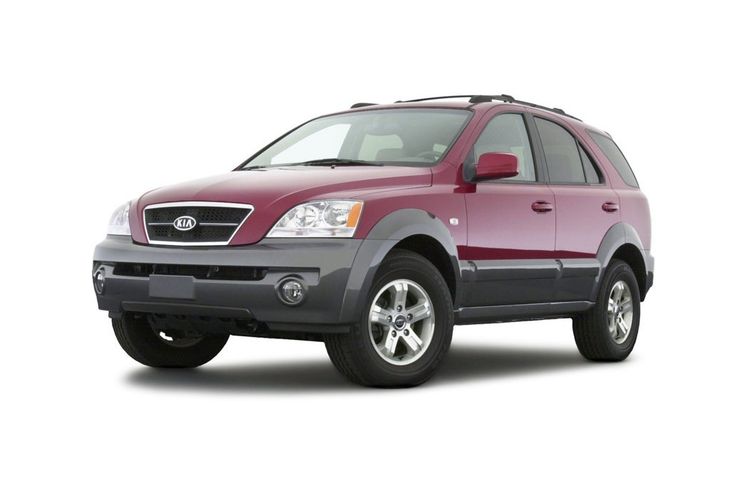
First-generation Sorento. The last Kia to feature a low-range transfer case. Will Kia revisit reduction gears for its bakkie?
In moments of truth, most double-cab product managers would admit that very few of their 4×4 bakkies’ owners ever engage low range. There’s a growing demand from leisure double-cab bakkie buyers for dirt-road driving stability and sand-terrain traction of all-wheel drive BUT without the weight, cost or complexity burden of a transfer case.
Unlike Mercedes-Benz’s misadventure, Kia is in a terrific position to enter the double-cab bakkie market with authority and achieve a successful outcome. It has the engine, transmission and cabin trim from its SUV line-up to create a compelling luxury double-cab bakkie. And there are no design expectations and no legacy product that needs to be emulated or improved upon.
There’s no reason that Kia could not replicate the Amarok’s configuration – and success. All the Seoul-based brand needs to do is offer luxury trim, typically excellent Korean infotainment and cabin digitisation, and the proven combination of a V6 turbodiesel engine and an eight-speed automatic transmission. Kia has all the elements at its disposal; I’d be surprised if bakkie prototypes weren’t already being put to test at the firm’s Namyang Proving Ground (R&D Centre).
Lance Branquinho

Lance Branquinho is a Namibian-born writer and photographer who has won numerous motoring journalism awards. He once smuggled parts to South America, in a minor contribution to help Giniel de Villiers finish on the podium at the Dakar. He fears for the eventual collapse of the air-cooled Porsche 911 market – and keenly awaits, in vain, the return of the brand's 928.