
Toyota may decide against building a small single-cab bakkie, but, given recent developments in the US, it should consider a RAV4 double cab instead.
Imagine a weekend braai in the company of “car people” – you know, petrolheads. The conservation is textured with bold opinions. Healthy arguments ensue about which vehicle is better – or best. Implied bias is expected and tolerated.
But if you want to silence a group of South African car enthusiasts mid-braai-side debate with a trick question, ask this: “Which bakkie segment isn’t dominated by Toyota?” Puzzled looks and a murmur will follow.
There is a corner of the market in which South Africa’s most dominant vehicle brand is tellingly absent: compact bakkies. And this was not always the case.
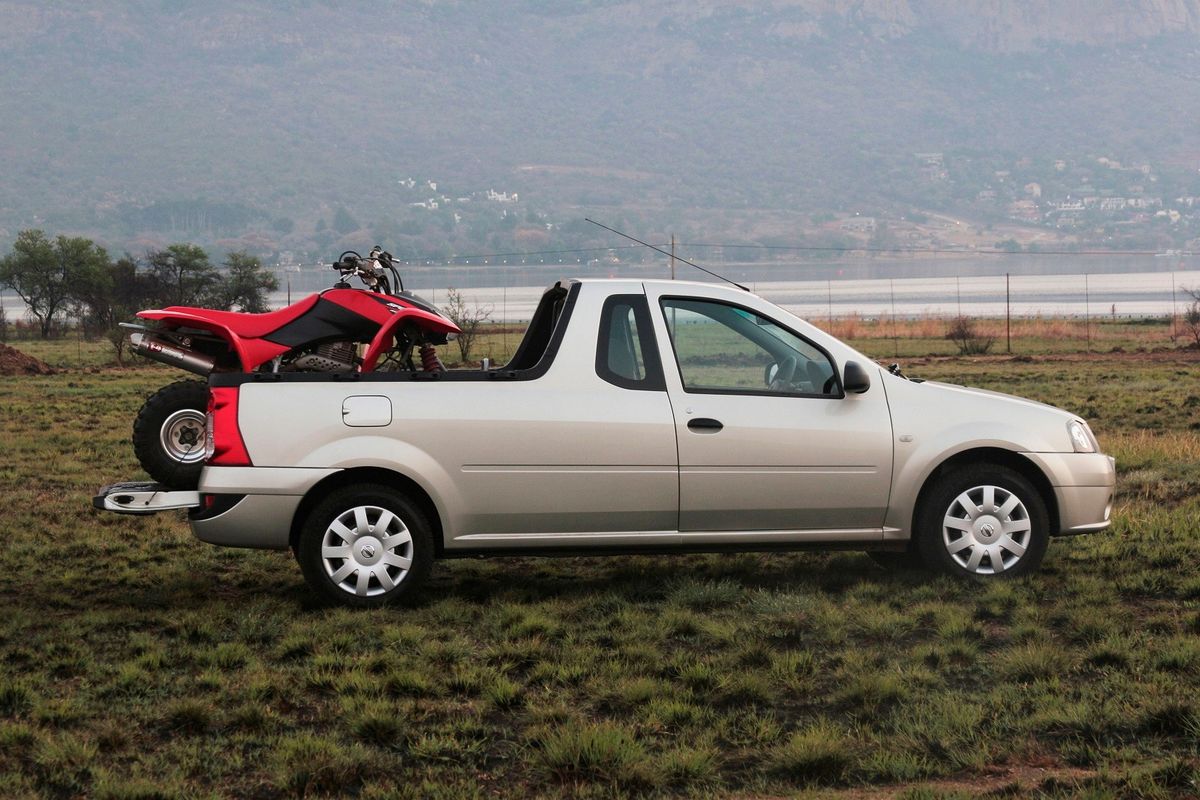
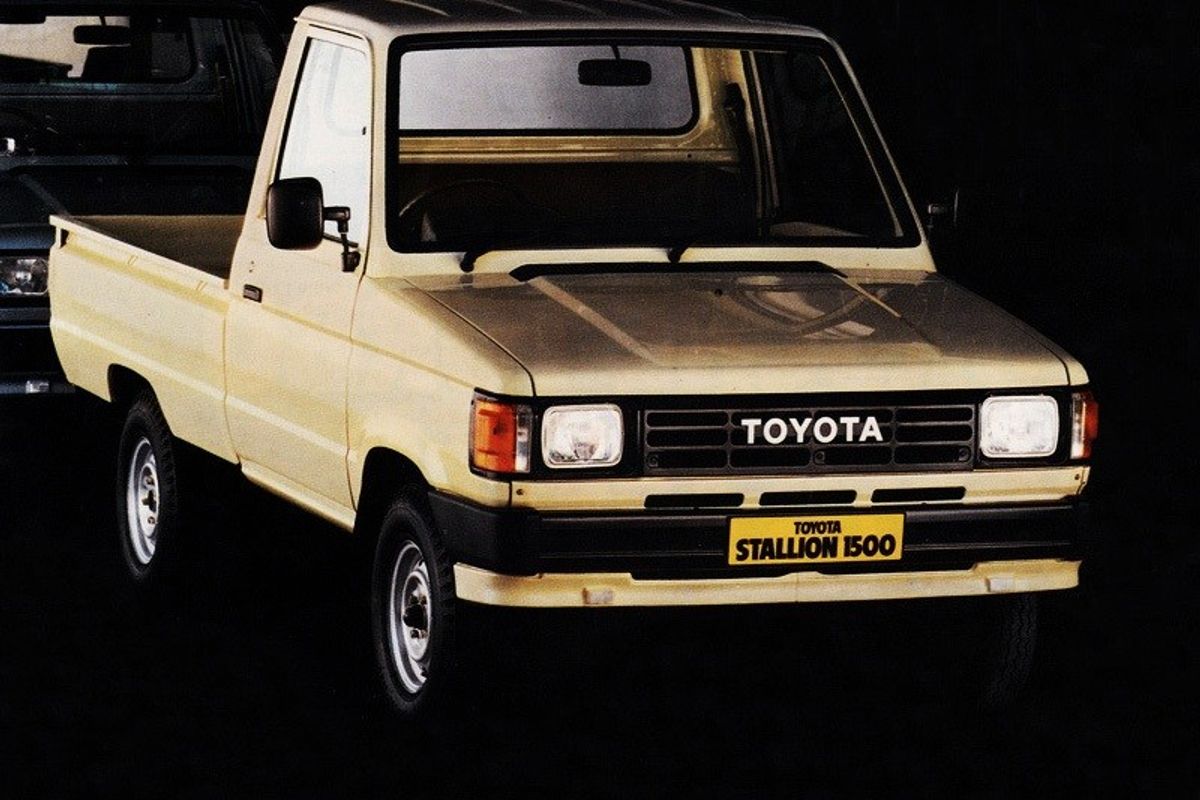
Those old enough to remember the Stallion will recall how usable the Toyota’s pick-up was compared to the Nissan 1400 (Champ) and Ford Bantam/Mazda Rustler in the ’80s. But the Stallion was never replaced; its market momentum and volumes were eventually conquered by Opel, with the Corsa Utility. The German brand’s “half-tonner” was hugely successful and triggered Nissan’s response in the shape of the Dacia-based NP200 (after the 1400 had been discontinued).
Seeing the future of small single-cab bakkies
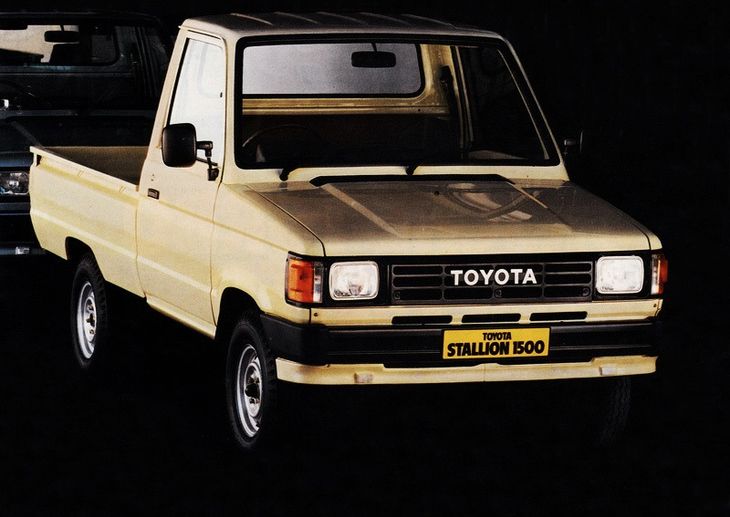
There’s a good reason Toyota never replaced the Stallion…
There was a moment in time, approximately a decade and a half ago, when the compact bakkie segment was significant – in fact, it notched up thousands of sales per month. And yet Toyota appeared disinterested. Why?
No automotive brand matches Toyota for South African product planning and business intelligence. It’s no coincidence that Hilux is the country’s best-selling vehicle. Toyota knows what South African buyers want. And need.
Despite being the dominant bakkie brand, Toyota was never lured into competing with the half-tonne offerings from its rivals in the late 1990s and 2000s. Why has Toyota not re-engaged with the compact bakkie market? Part of the reason concerns a simple question: Is there notable demand for compact single-cab bakkies in 2022?
Buyers’ preferences change over time – that’s a given in virtually every market, especially the automotive one. Just as affordable sedans (such as the Toyota Camry) and small coupes (the Hyundai Tiburon, for example) began to disappear, market demand for small single-cab bakkies simply waned over time. Why? At the point that the Opel Corsa, Ford Bantam, Nissan 1400 and Fiat Strada were vying for buyers in the early 2000s, there were virtually no small crossovers.
Small bakkies were never that handy
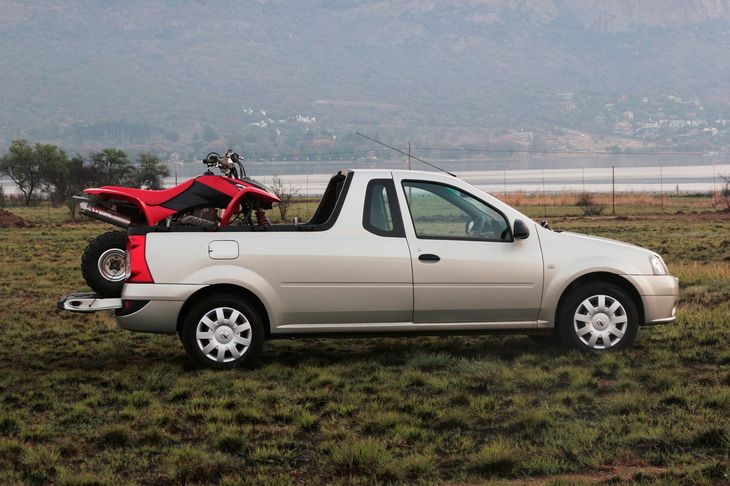
The marketing images for small bakkies have always been wildly ambitious; few owners used the load box to its full potential.
An uncomfortable truth – and one that is often ignored by those who long for the return of the Corsa Utility and Nissan 1400 – is that few of those vehicles did duty as load carriers. Many were purchased because they were affordable “lifestyle” vehicles. And in the South African context, they were rather poorly configured as lifestyle activity vehicles compared to any of the modern “pseudo-SUVs”.
Even when fitted with a canopy, a compact bakkie offers no safe storage space for your lifestyle gear or larger valuables (such as laptops). Contrast that with a small crossover… It has a standard 5-door bodyshell, with privacy glass and a retractable load bay cover that hides valuable cargo away from prying eyes. Oh, and suffice to say a full-sized tailgate offers much more security than a bakkie canopy’s flimsy glass hatch.
The hassle with small single-cab bakkies
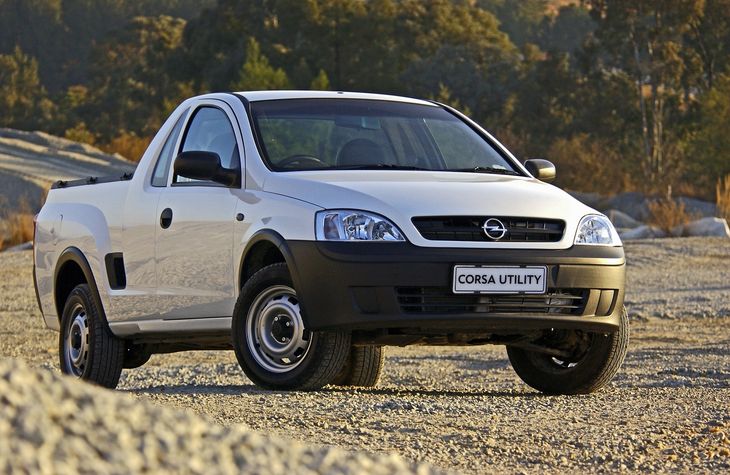
Corrugated Karoo roads were the undoing of many Corsa bakkies.
Memories fade over time and many people have forgotten that compact bakkies evolved from humble compact hatchback platforms… and that meant their fragile underpinnings offered little in the way of dirt-road durability.
In retrospect, the compact bakkie was a very compromised vehicle. It only became popular because small crossovers weren’t around at the time and it offered buyers who couldn’t afford full-sized bakkies a false sense of fulfilment…
Yes, let’s be completely honest with ourselves and recognise what compact bakkies really were: makeshift lifestyle vehicles with low-security storage capacity and limited gravel-travel capability. A modern crossover has equally poor dirt road driving dynamics, but at least it offers the benefits of four doors, five seats, secure storage, a respectable array of safety features and a higher load bay for stacking your luggage and gear.
Today, most buyers would choose the equivalent crossover, even if a single-cab bakkie was built on any of the contemporary compact hatchback platforms (Volkswagen Polo, Hyundai i20). The reason is simple: if you don’t use the load box to its full capacity, a bakkie is entirely superfluous. An open load box creates enormous aerodynamic drag, which increases fuel consumption. And any two-seat cabin offers no more accommodation than a roadster or a supercar (for that matter).
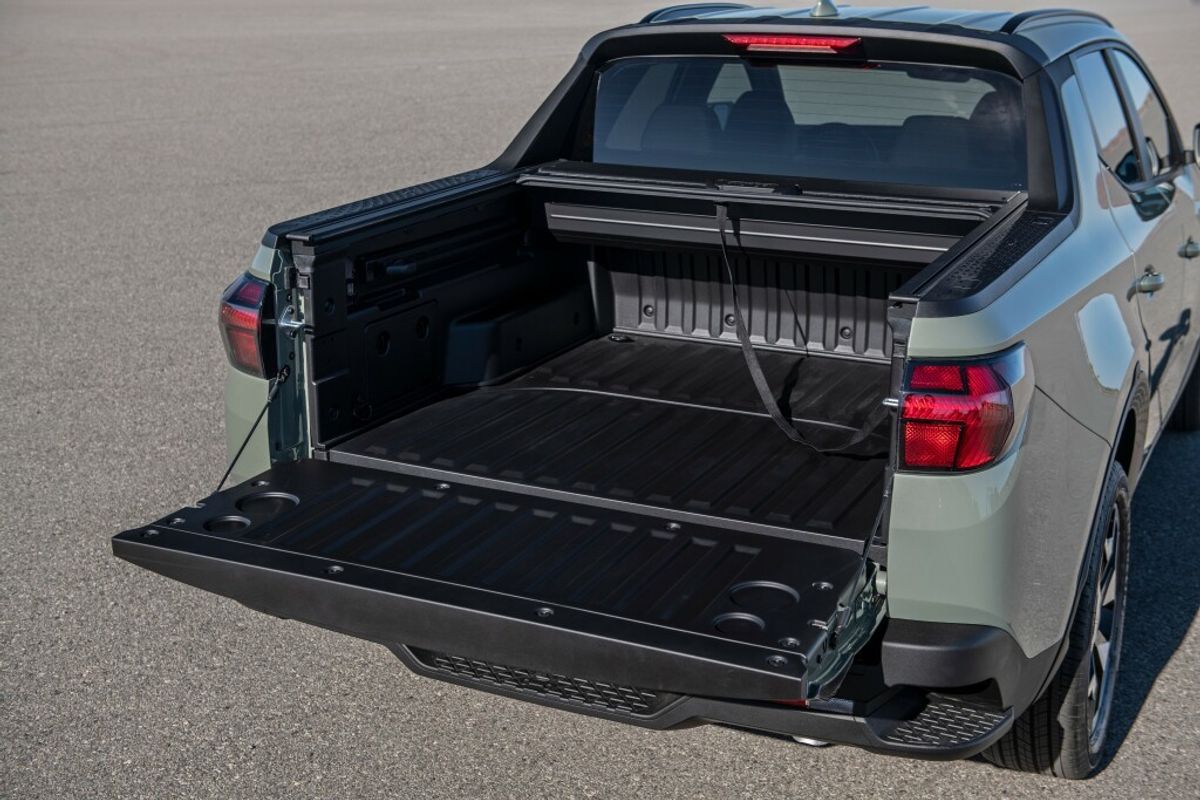
But perhaps Toyota’s small bakkie opportunity lies in a market that is taking shape right at this very moment. What if it produced something more akin to Ford’s Maverick or Hyundai’s Santa Cruz (two very successful double-cabs)? Both are nearly Hilux-rivalling in size and built on monocoque passenger-vehicle platforms instead of steel ladder-frame structures.
Are these the bakkies of the future?
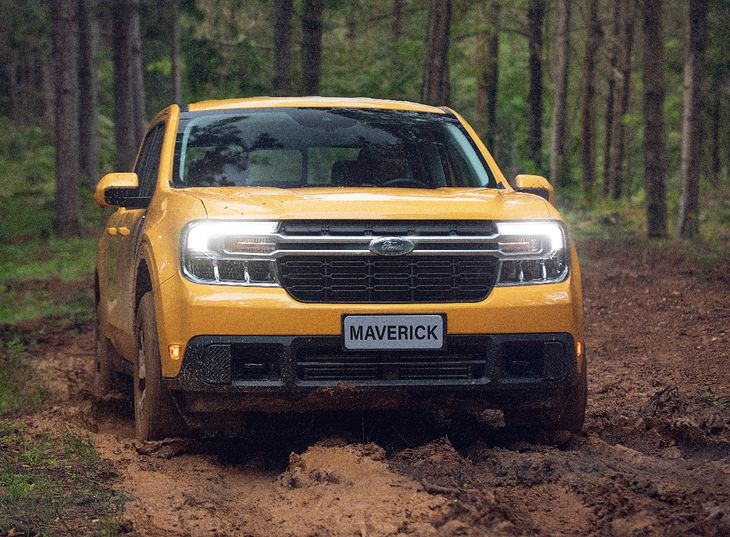
Maverick brings a nearly full-size double-cab experience, with SUV comfort… and reasonable all-terrain ability.
The Maverick is essentially a double-cab Ford Focus, while the Santa Cruz is a bakkie version of the Sante Fe. So far, demand for the Maverick and Santa Cruz has significantly overwhelmed Ford and Hyundai’s abilities to supply them. Granted, they sacrifice the ruggedness and load-carrying ability of chassis-based products but offer superior ride qualities and better dynamic driving characteristics. And those are benefits that the majority of double-cab buyers prefer.
Given this trend, a Toyota unibody bakkie could prove revolutionary in the bakkie segment. Ford and Hyundai have proven that there is global demand for these vehicles and it’s unlikely Toyota’s product development team has failed to notice that… The truth is that most double-cab bakkies are rarely loaded to capacity, despite being built to carry 1000kg. And when unladen, the ride comfort compromise is substantial. That’s where the saying “rides like a bakkie” comes from.
The principle might irk hardcore bakkie owners, who are known to brim their vehicles’ load boxes weekly, but for most users, a unibody double-cab structure makes excellent sense. It might reduce a bakkie’s cargo-carrying capacity by half, but the gains are superior ride quality, agility and high-speed stability. And remember, much as was the case with all those Corsa bakkies of yore, few double-cab owners will ever use the full load rating of their bakkies anyway.
Owning any double-cab with a 1 000-kg load rating and only ever using half of that is wasteful. It’s as daft as purchasing a 4×4 double-cab but never engaging its low-range transfer case. Double cabs have become urban lifestyle vehicles, opening the development horizon for bakkies that are closer to crossovers in their design objectives and executions.
RAV4 double cab coming?
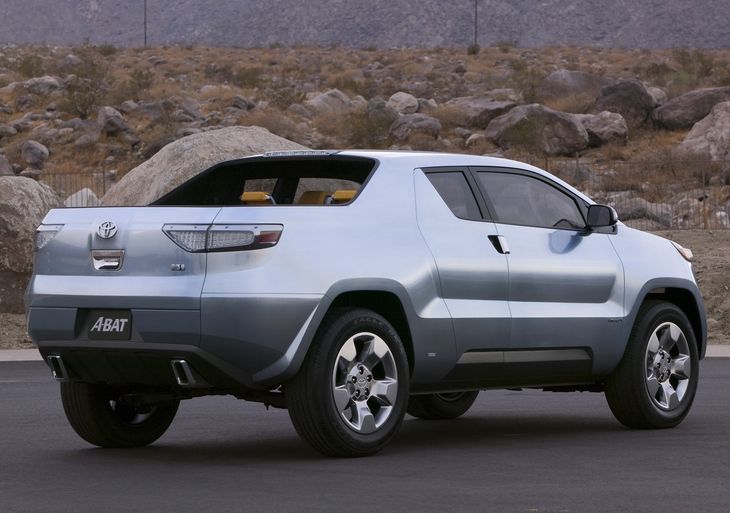
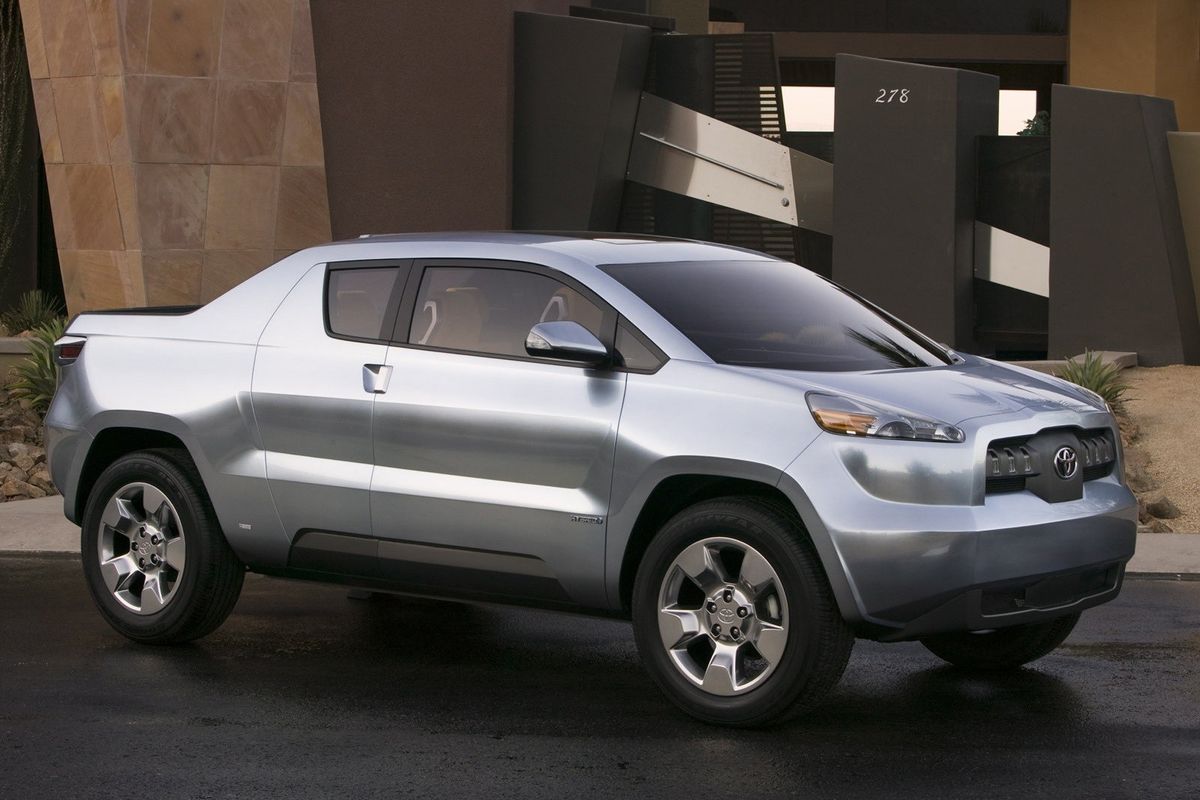
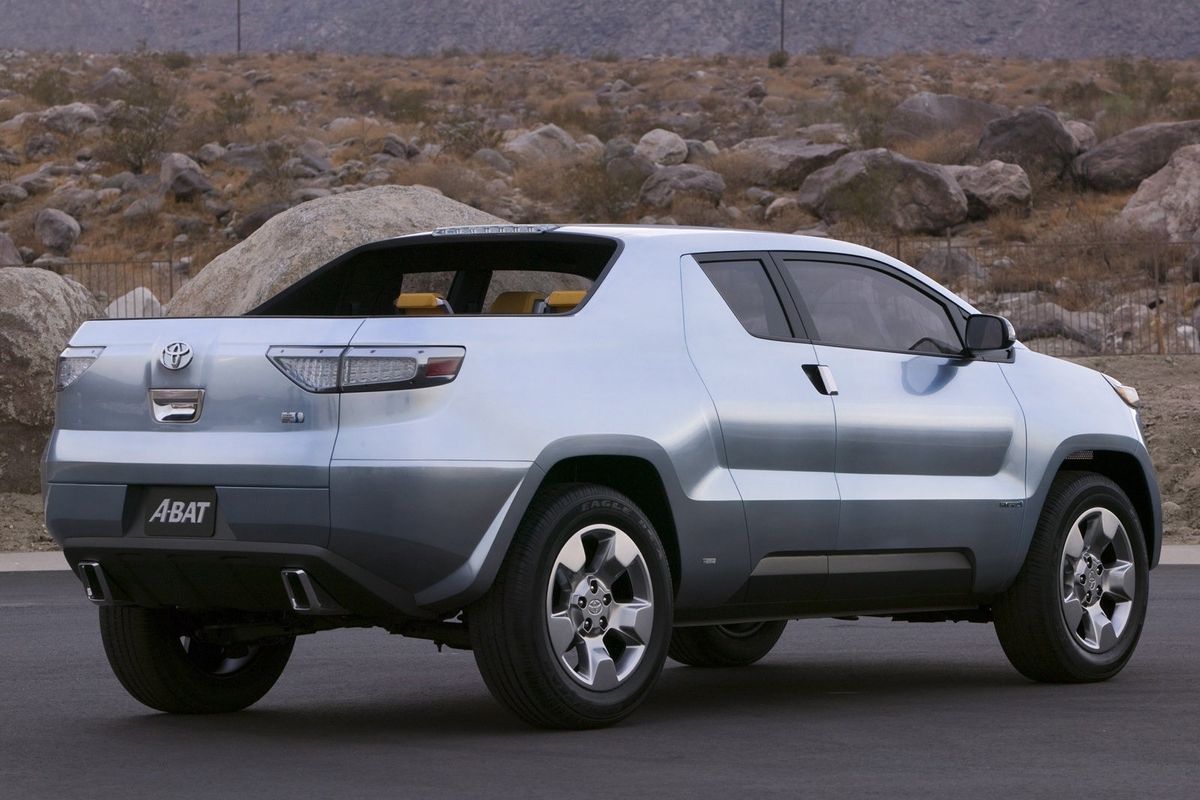
The A-BAT concept double-cab, from 2008, shows that Toyota has considered lifestyle bakkies before.
Toyota has an excellent platform to create a unibody double-cab bakkie: TNGA-K. The world’s best-selling vehicle – the RAV4 – uses this variant of the TNGA platform, and if Toyota could engineer something close to a RAV4 double-cab, it could be immensely successful. A RAV4-sized double-cab would be a perfect “junior Hilux” for urban buyers who need a load box, but don’t want to be burdened by the debits of a traditional bakkie’s commercial-vehicle underpinnings.
The South African bakkie market is a juggernaut – it’s more resistant to recessions than practically any other vehicle segment, is constantly expanding, and Toyota has more legacy and bakkie branding momentum than any of its rivals…
Toyota could be the manufacturer to divert demand from the small crossover market to a resurgent unicorn offering in unibody bakkies. A TNGA platform double-cab, with RAV4 styling and the Stallion name? They’d sell many of those.
Related content:
Why would you buy an Amarok instead of a Ranger?
Kia’s V6 diesel bakkie could redefine double cabs
Lance Branquinho

Lance Branquinho is a Namibian-born writer and photographer who has won numerous motoring journalism awards. He once smuggled parts to South America, in a minor contribution to help Giniel de Villiers finish on the podium at the Dakar. He fears for the eventual collapse of the air-cooled Porsche 911 market – and keenly awaits, in vain, the return of the brand's 928.