
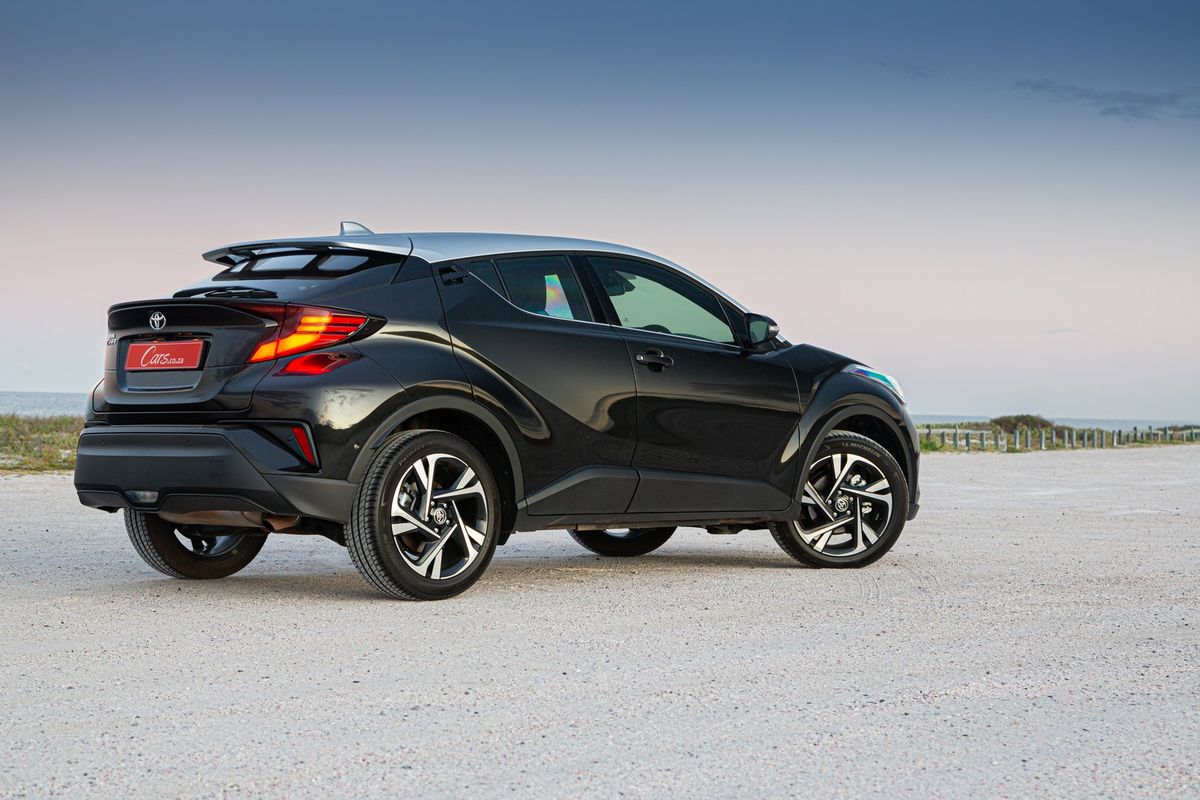
It has been more than 5 years since the Toyota C-HR was launched in South Africa. Has the recent round of updates kept the C-HR relevant in the hotly contested small crossover segment? We review the flagship 1.2T Luxury version.
We like: Timeless styling, refined driving experience, economy, additional safety features
We don’t like: Not the most spacious (for passengers or luggage capacity), pricey
FAST FACTS
- Model: Toyota C-HR 1.2T Luxury
- Price: R565 600
- Engine: 1.2-litre 4-cylinder turbopetrol
- Power/Torque: 85 kW/185 Nm
- Transmission: CVT
- Fuel consumption: 6.4 L/100 km (claimed)
- 0-100 kph: 11.1 sec (claimed)
- Luggage capacity: 328 litres
Serious about buying/selling?
Browse the latest Toyota C-HR specs and prices.
Some Toyota dealerships regularly offer great deals. See our New Car Specials!
Looking to sell your car? Sell it on Cars.co.za for free
Where does the Toyota C-HR fit in?
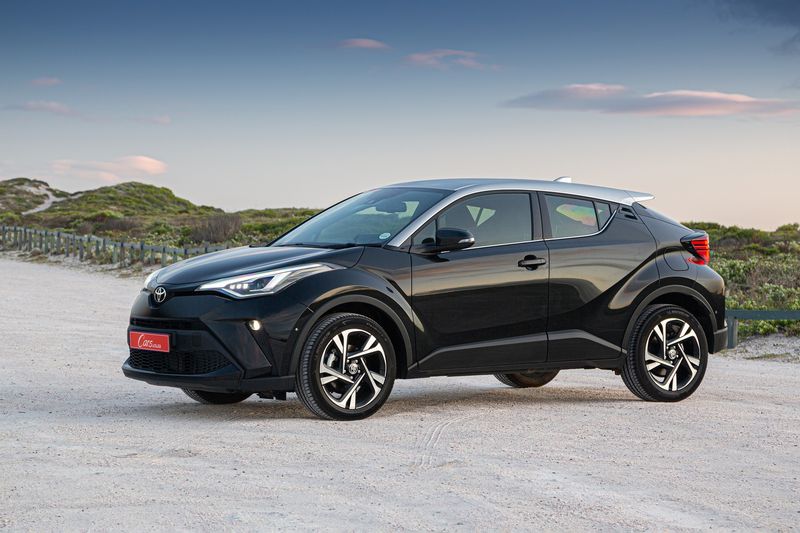
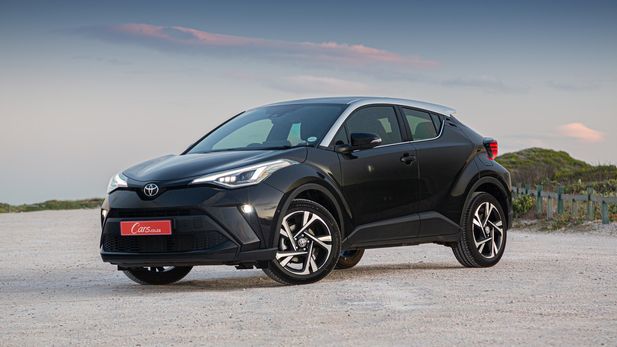
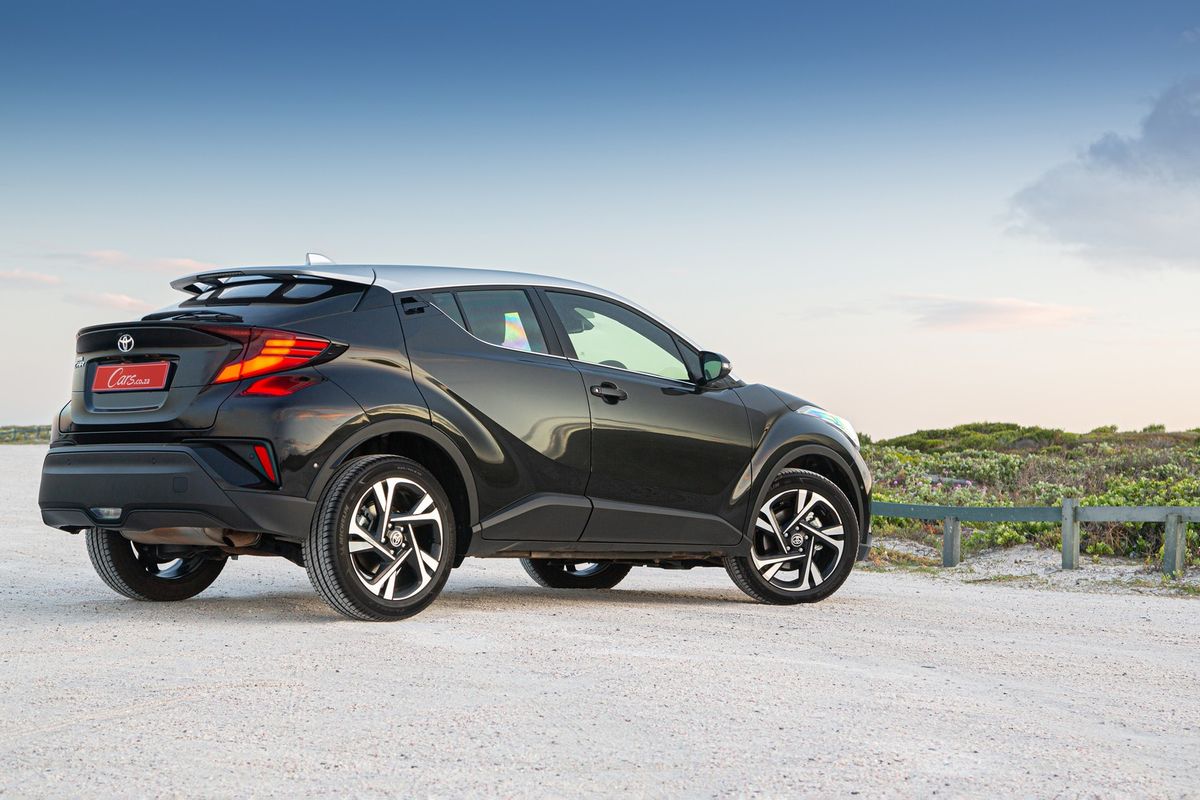
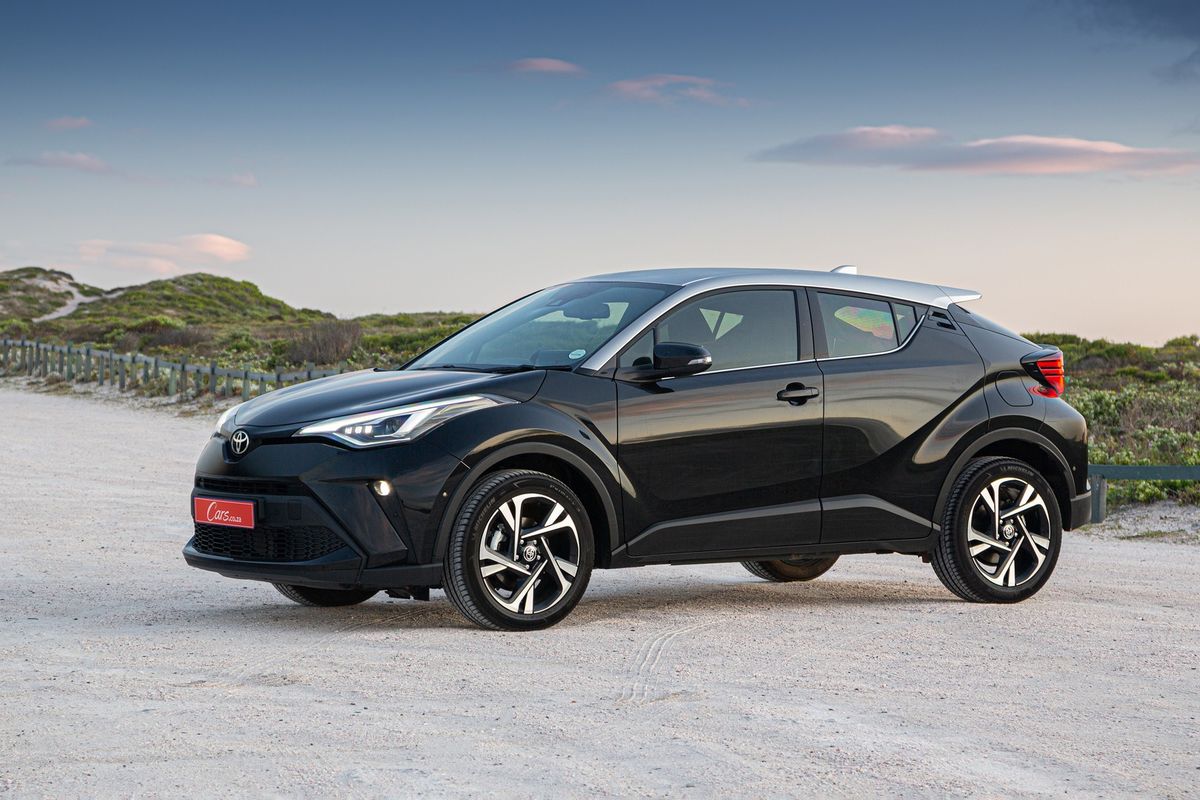
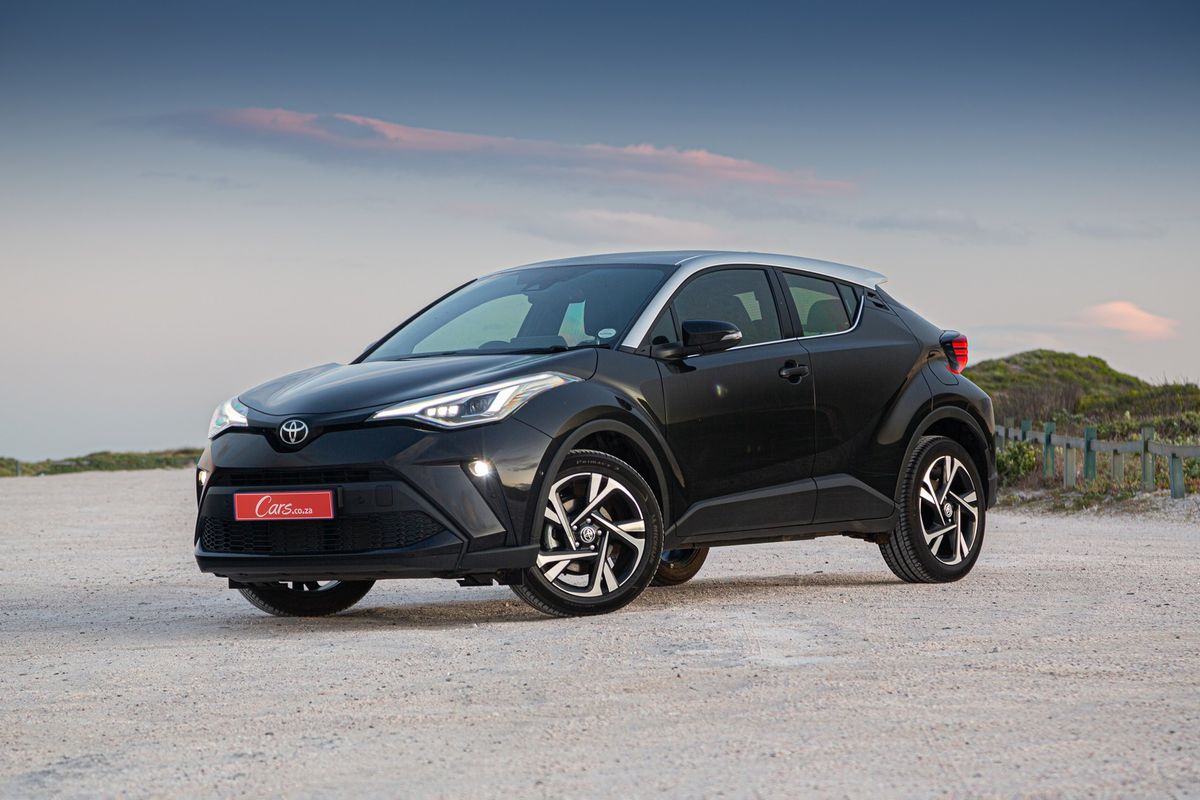
The C-HR still looks eye-catching – arguably attractive – after quite a few years on the market.
Upon its arrival in Mzansi back in February 2017, the Toyota C-HR seemed quite outlandish compared with other small crossovers, but to its credit, it still looks fresh today. Since its launch, the model has received several upgrades, but numerous competitors have also entered the segment… And so, for 2022, Toyota South Africa Motors (TSAM) has introduced an updated look for the C-HR, rejigged its specification and added a few safety features across the range.
The C-HR represented a big leap forward for the Aichi-based brand. Not only did it (and the Prius) debut the TNGA (Toyota New Global Architecture) platform, which now underpins several products, but it was the first model to feature the firm’s 1.2-litre 4-cylinder turbopetrol engine. For a typically conservative brand like Toyota, the C-HR was a bold product indeed.
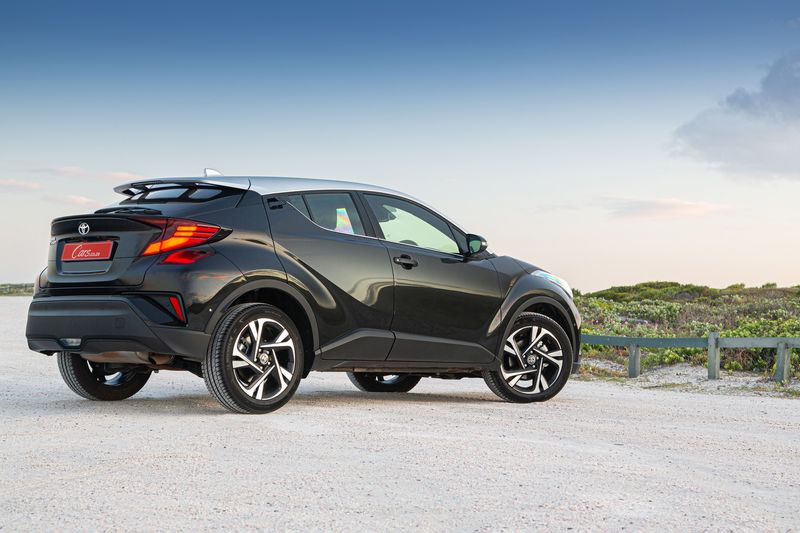
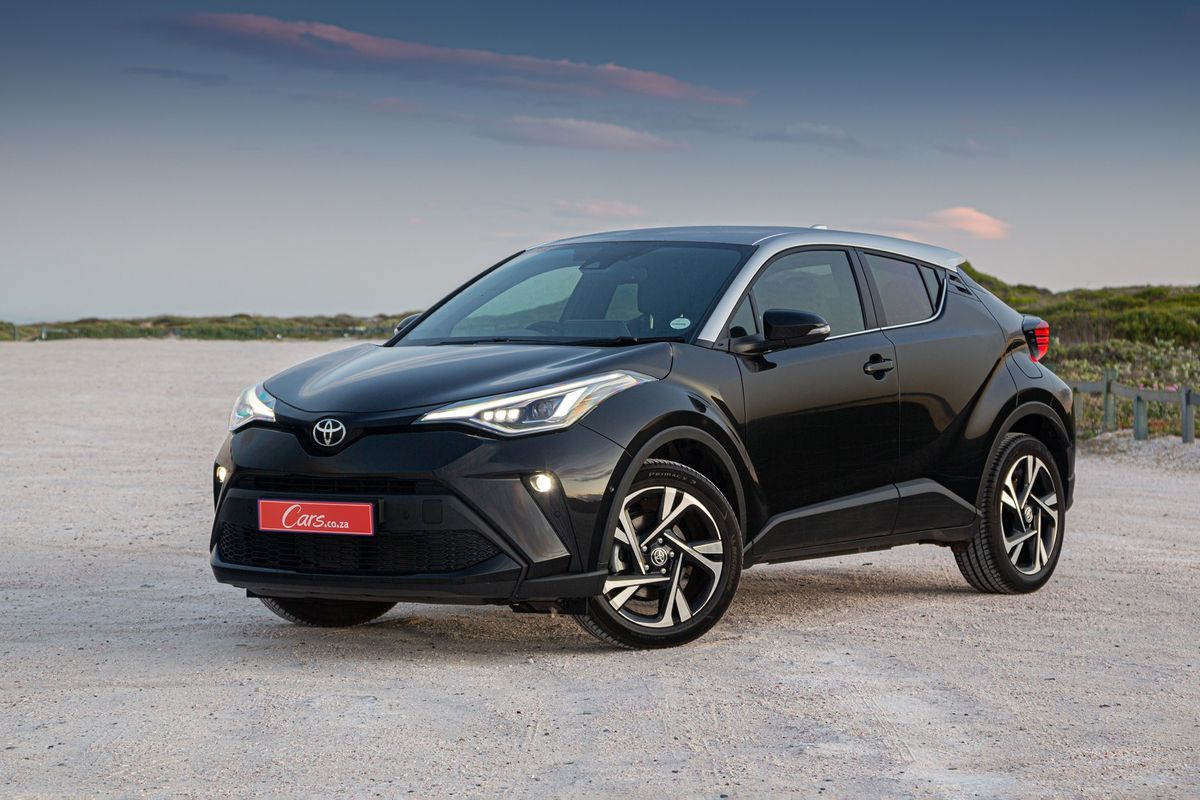
The latest update sees the introduction of sweeping-motion LED indicators (like those fitted on many Audi models).
Compared with a C-segment hatchback, a small crossover/compact family car offers an elevated driving position, a mildly raised ride height and a modicum of extra practicality. The C-HR, however, sits in a niche of the segment, insofar as it caters for trendy urbanites with small – or no – kids; spaciousness is not its strongest suit – but it certainly does make a style statement!
If you’re looking for a small crossover priced between R400 000 and R600 000 in the new-vehicle market, there is a wide selection to choose from and, if you’ve got an eye-catching “boutique” offering in mind, also consider the Volkswagen T-Roc or Taigo, Hyundai Kona, Opel Mokka, Mazda CX-30, Nissan Qashqai, Peugeot 2008 and Subaru XV.
Compare the C-HR to the Opel Mokka and Volkswagen T-Roc here
How the C-HR fares in terms of…
Ride and handling
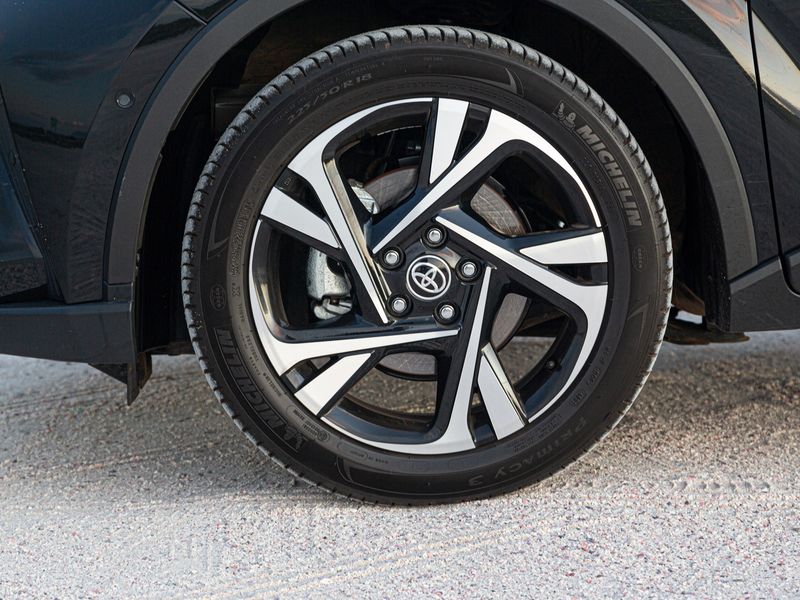
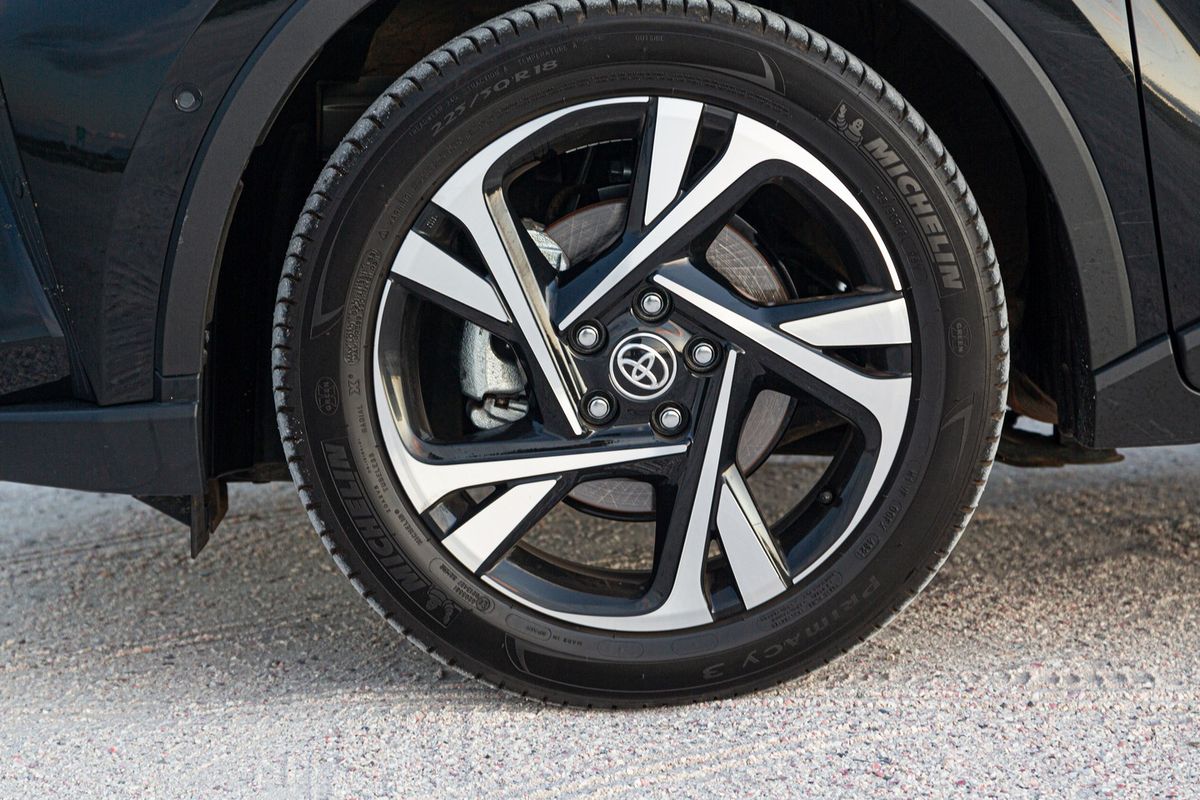
Eighteen-inch alloy wheels are standard on the 1.2T Luxury derivative.
The TNGA platform has proved tremendously successful for the Toyota Motor Corporation (TMC). Its versatility – it underpins a variety of models – is allied with excellent on-road refinement. TNGA supports front-, rear- and all-wheel-drive Toyota and Lexus products; it serves as the basis of mainstream offerings (such as the Corolla), the new-generation RX premium SUV, Land Cruiser 300 off-roader and recently-unveiled bZ4X and RZ battery-electric vehicles.
What does this mean for the Toyota C-HR? Well, for a start, it’s a compact car, but it feels as solidly made and refined on-road as a vehicle from a higher price class. The C-HR’s a small crossover, but from behind its multifunction ‘wheel it offers a premium hatchback-like driving experience and, courtesy of a raised driving position, you get a more commanding view of the road and your surroundings.
If you’re in a hurry, the car won’t baulk or wallow if you hustle it through some corners. The steering setup is pleasantly light, yet direct, plus there’s a reassuring feel of grip and solidity.
While the handling is acceptable, the ride quality is commendable. Despite rolling on large and sporty-looking (18-inch) wheels, the C-HR rides relatively pliantly. The going can be a bit fidgety in and around town when travelling at double-digit speeds on poor-quality roads, but thankfully, as the C-HR reaches freeway speeds, the car’s suspension seems to relax/absorb road imperfections better.
We did notice that due to the chunkiness of the car’s C-pillars, rearward visibility is limited; fortunately, the car comes equipped with parking sensors and a reverse-view camera.
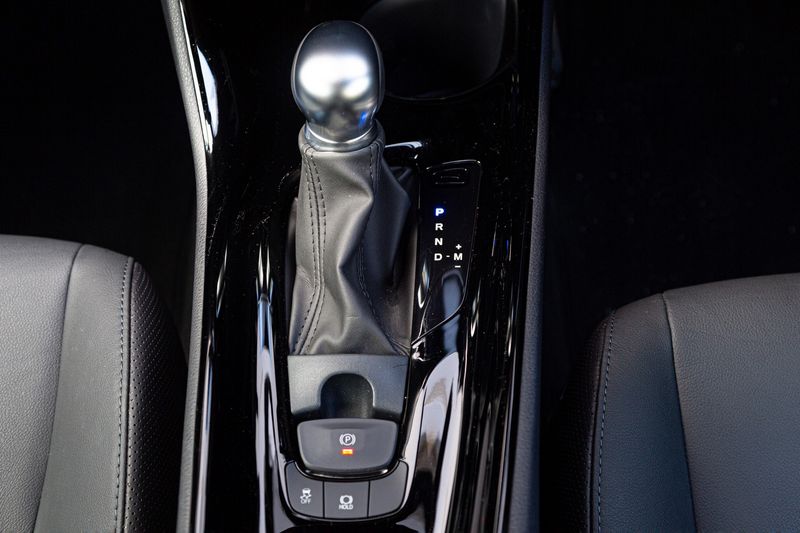
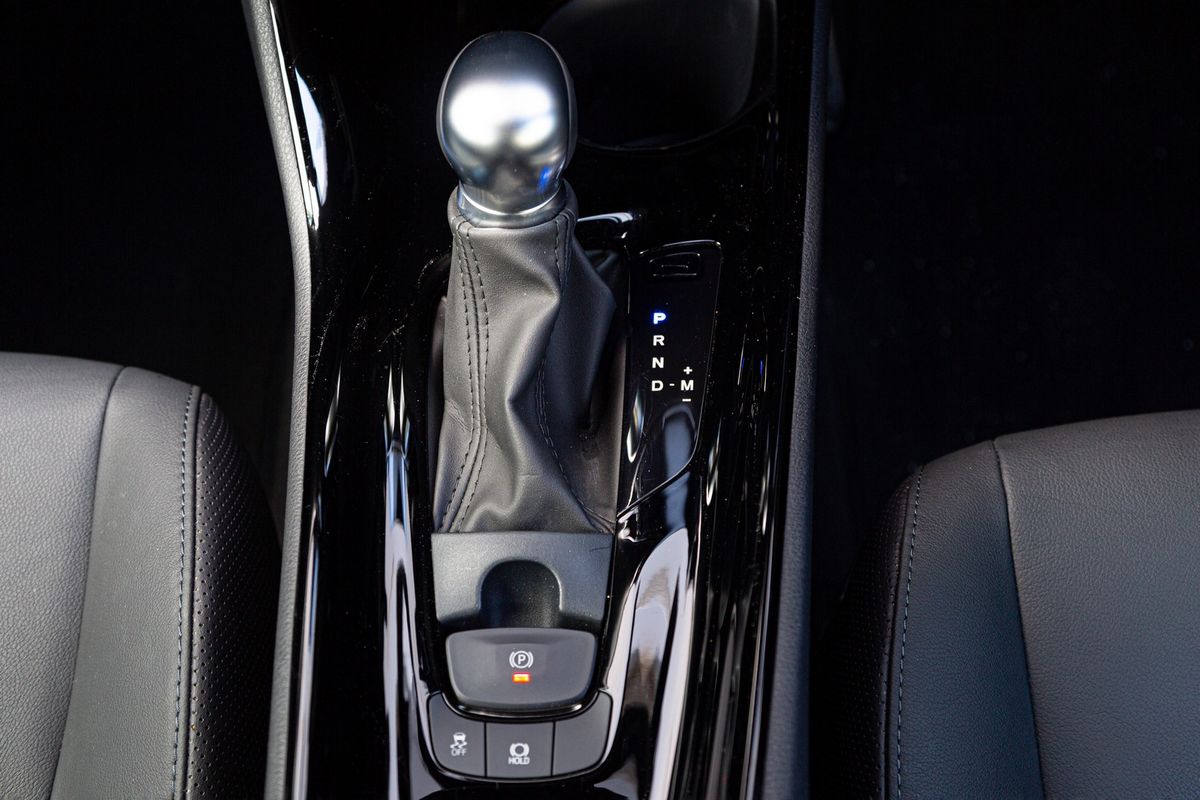
The automatic CVT isn’t going to win fans among performance enthusiasts, but it’s the best choice for cruising – and efficiency.
Performance and economy
Under the C-HR’s bonnet sits the 1.2-litre 4-cylinder turbopetrol engine, which is paired with a continuously variable automatic transmission (CVT). A manual gearbox is available (in the first two derivatives in the range), but the top-of-the-range 1.2T Luxury is offered exclusively in automatic guise. Yes, petrolheads cringe when they hear/read “CVT”, but the drivetrain technology has advanced a lot and, for daily driving, it’s the best transmission for cruising and fuel economy.
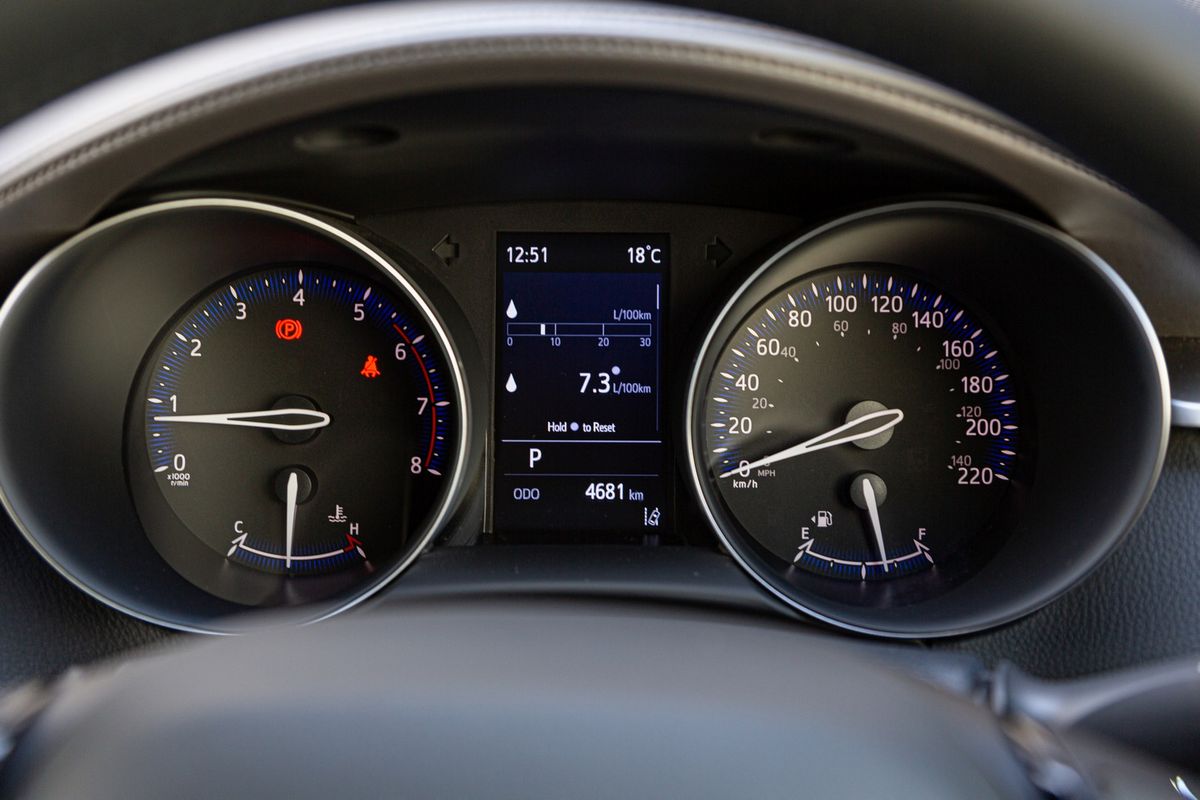
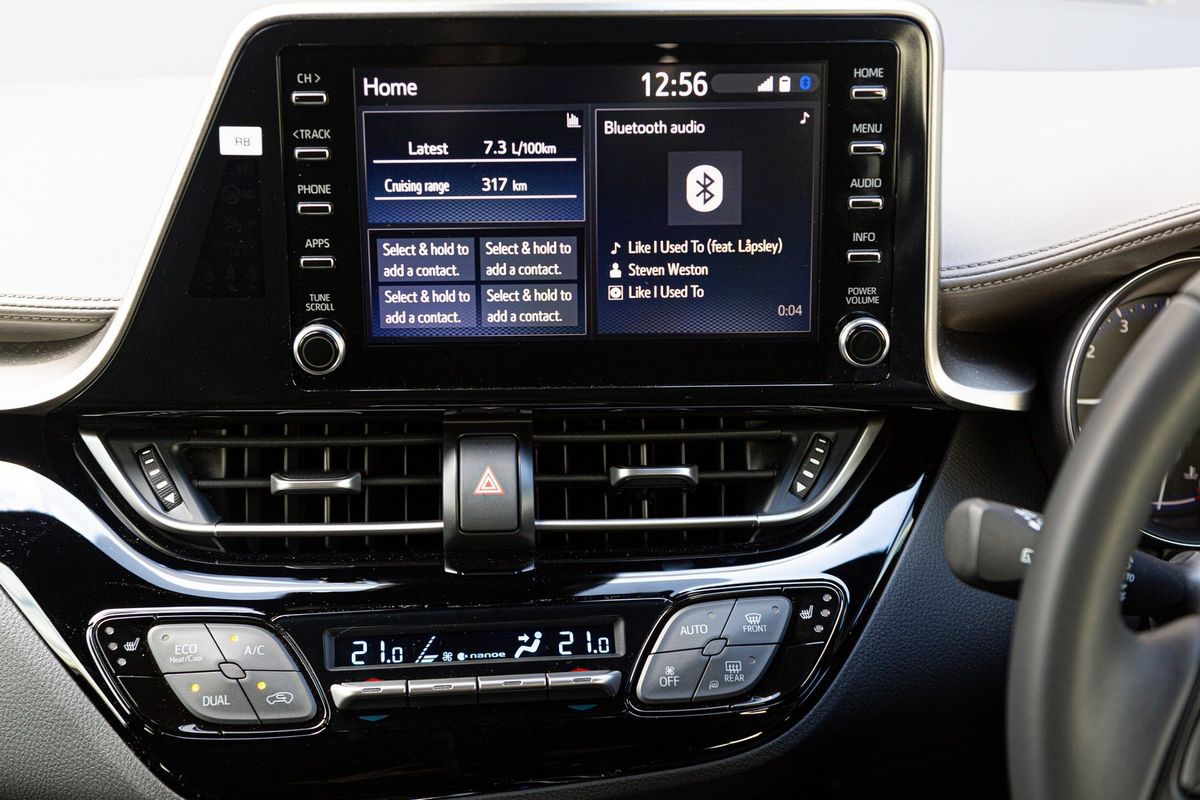
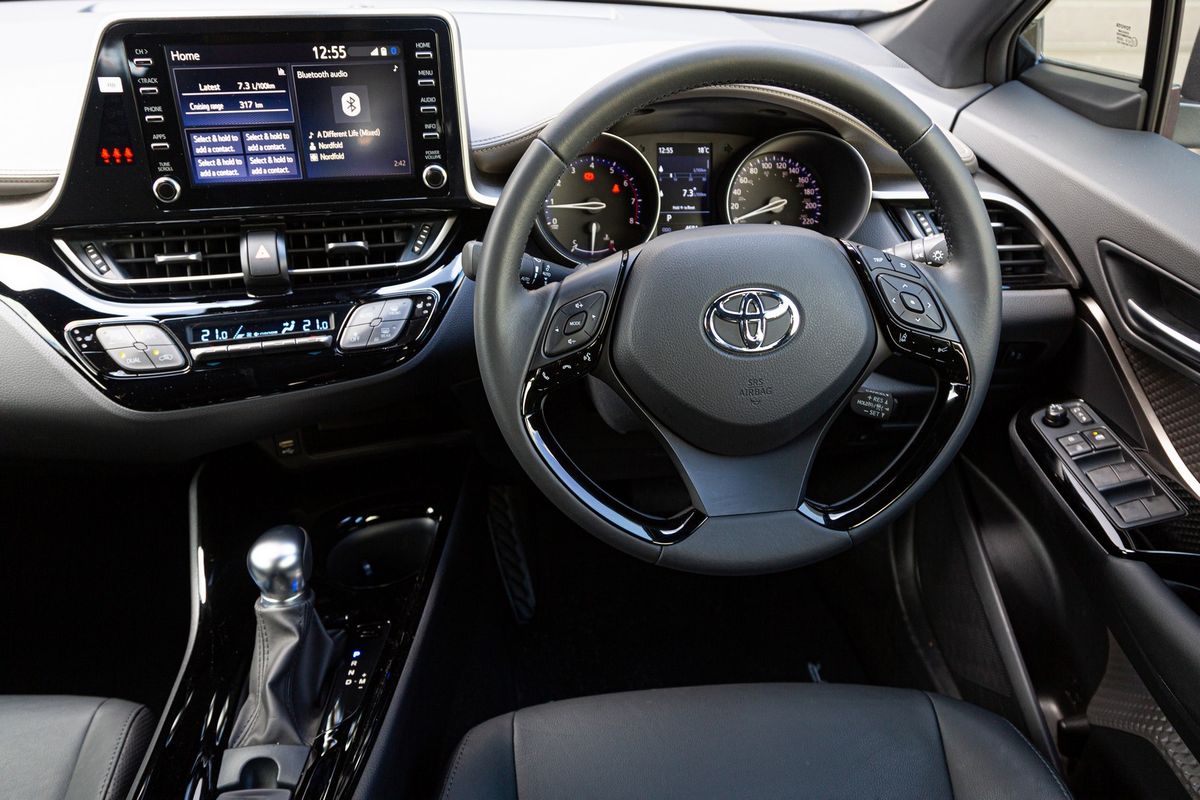
Speaking of fuel efficiency, Toyota claims an average consumption figure of 6.4 L/100 km for its C-HR and, during the test unit’s tenure in our fleet, we saw an indicated 7.3 L/100 km, which was impressive – considering it took us a while to figure out how to toggle between the drive modes. Let us explain… Most vehicles have a dedicated button or knob with which to select one of the drive modes, but in the C-HR, that function sits deep within the touchscreen menu.
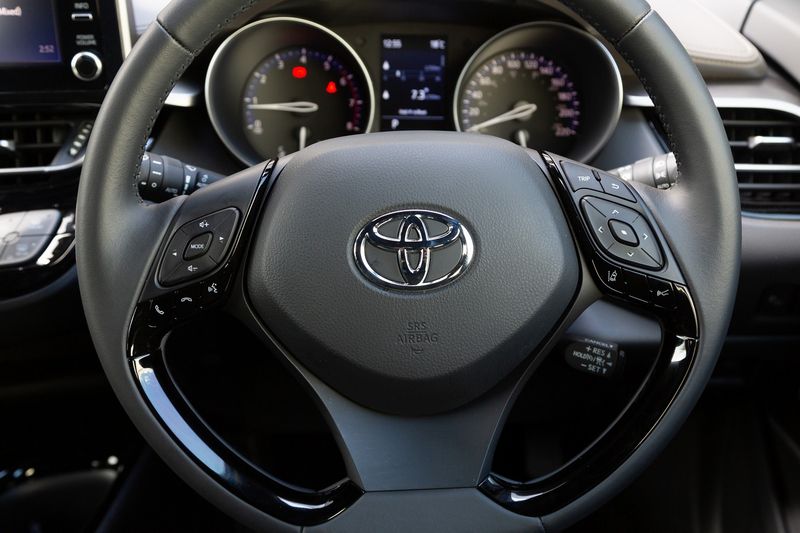
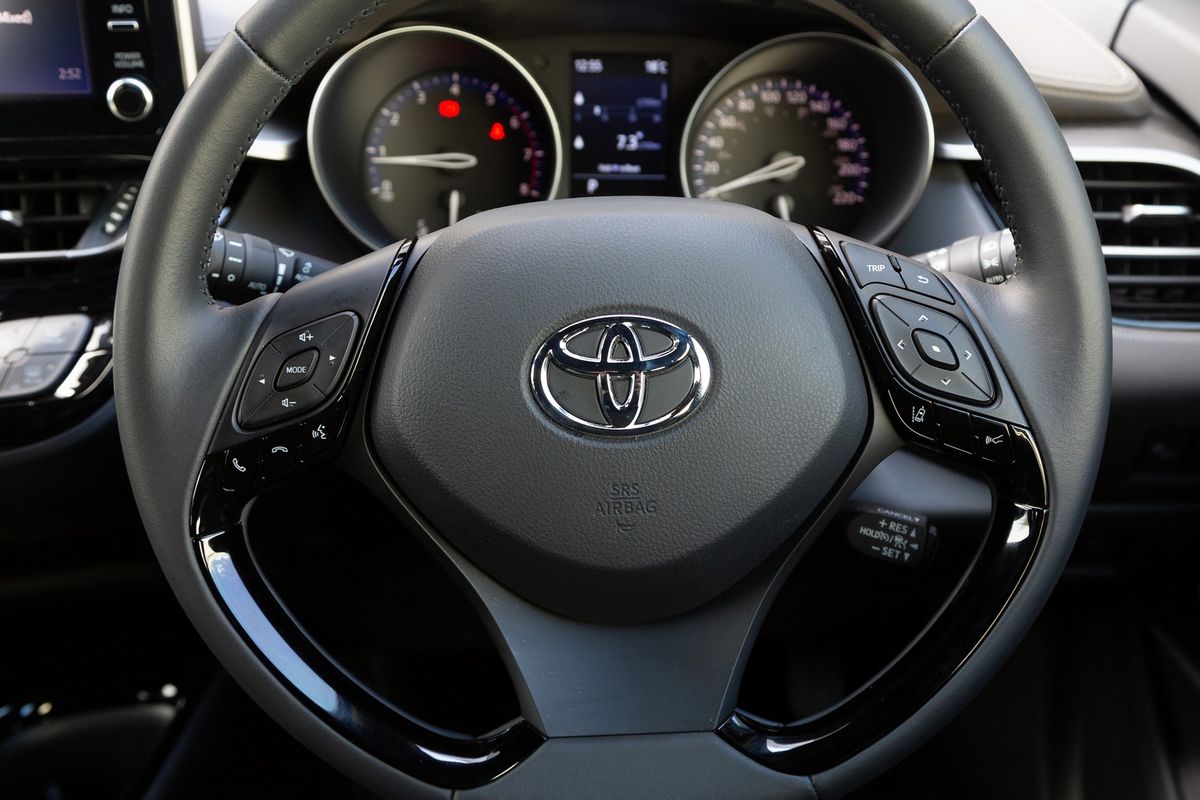
Many of the car’s functions can be controlled via the steering-wheel buttons.
In its sportiest drive mode, the C-HR didn’t hesitate when full acceleration was required; its claimed 0-100 kph time of just over 11 seconds felt about right. The C-HR’s powertrain does tend to become a bit noisy after 4 000 rpm, but there’s really no need to ever depress the accelerator completely, because peak torque is available from a low 1 500 rpm up to 4 000 rpm.
Features, tech and safety
Specification-wise, the C-HR 1.2T Luxury derivative lives up to its name/trim grade. Its exterior execution includes automatic LED headlamps with daytime running lights, LED fog lamps, electrically folding and heated side mirrors, as well as sequential indicators.
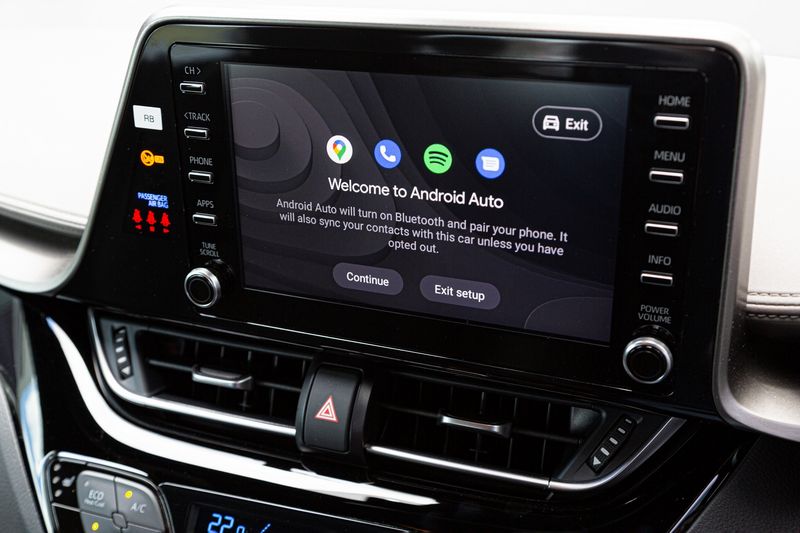
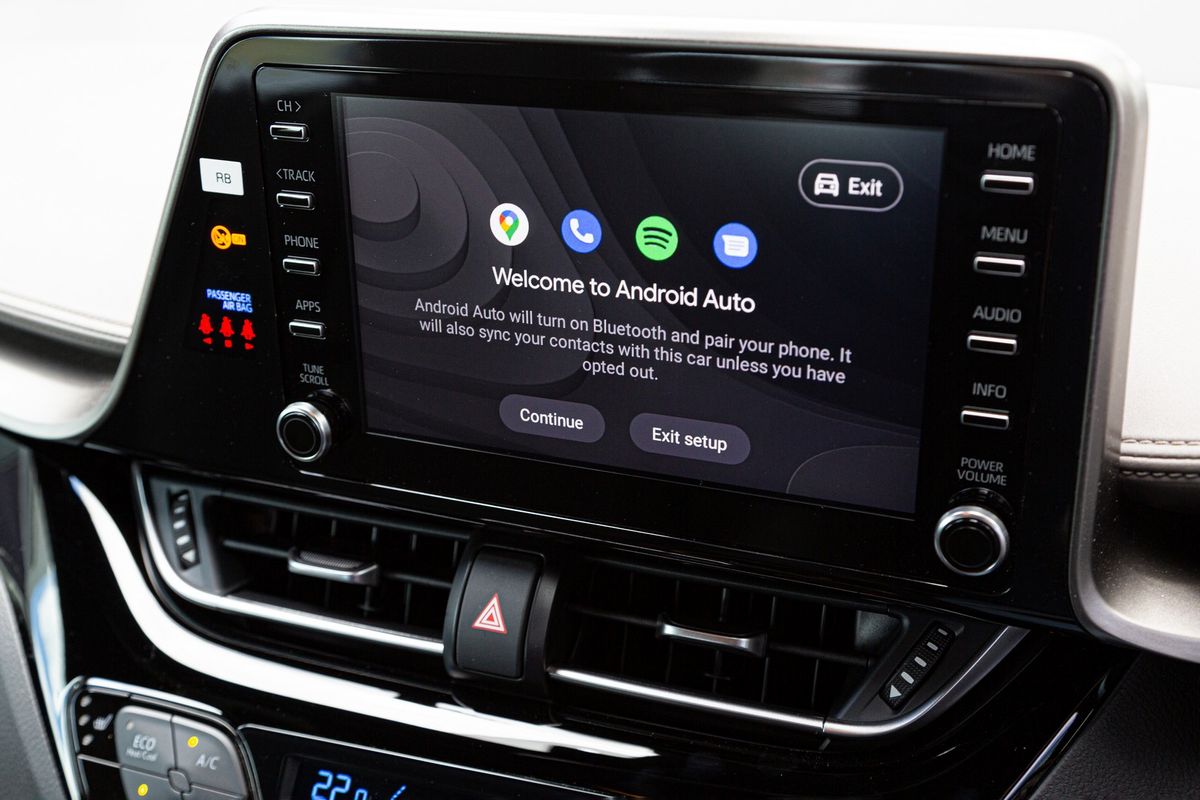
The C-HR’s infotainment system is compatible with Android Auto and Apple CarPlay.
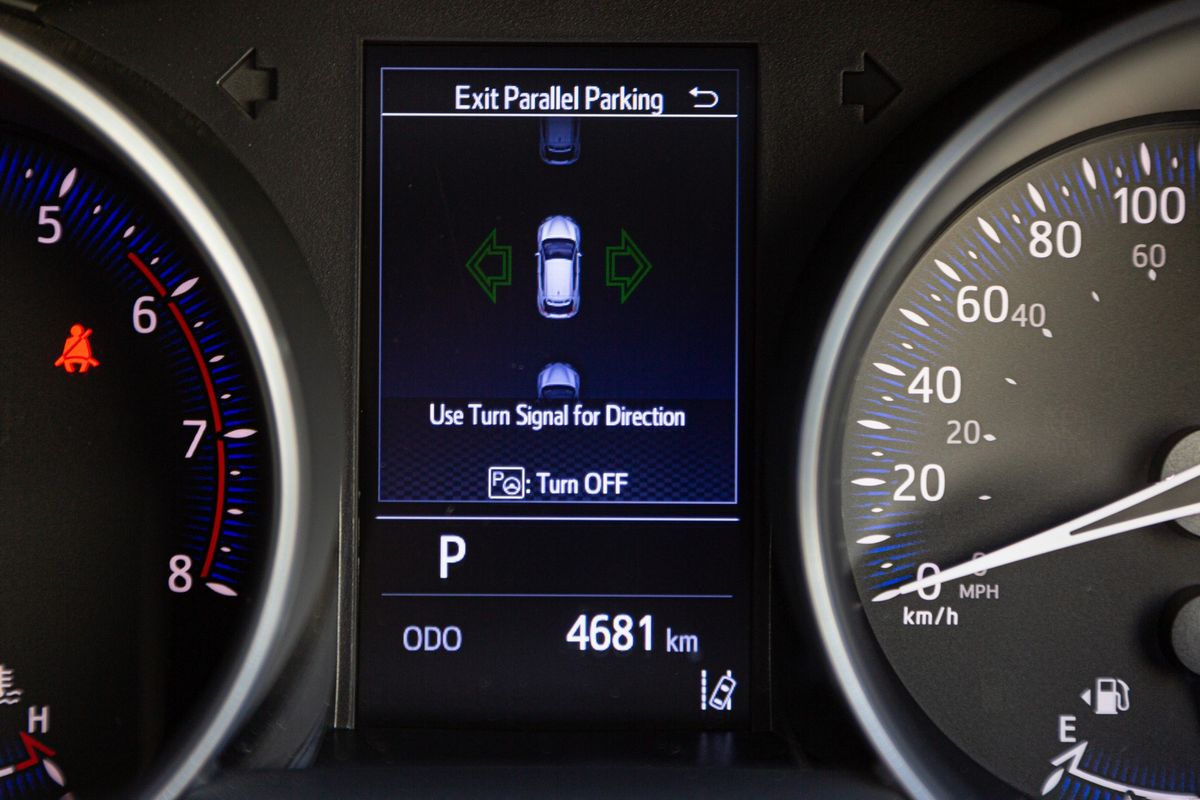
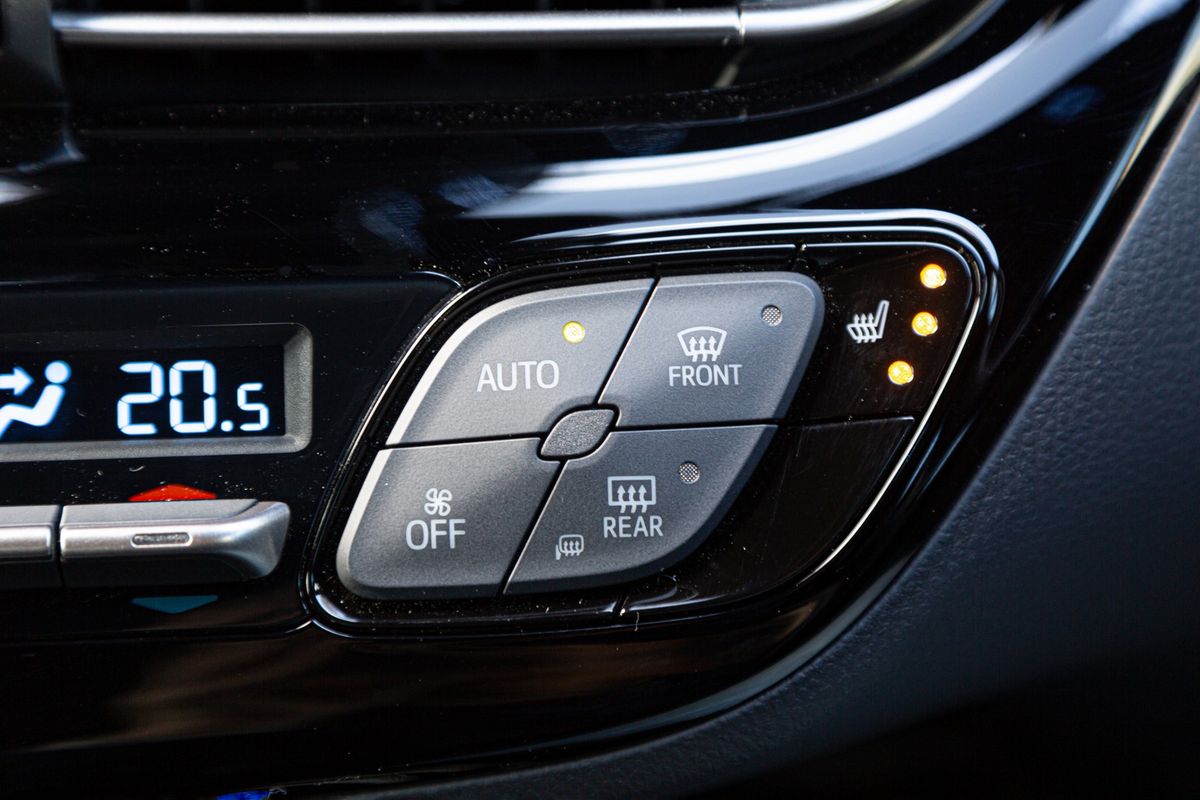
Inside, all the must-haves in this segment are present and correct, such as a 6-speaker touchscreen infotainment system with Android Auto and Apple CarPlay, Bluetooth and USB, partial leather trim, keyless entry and start, climate control, heated front seats, automatic wipers and an automated parking system. Every Toyota sold in SA comes with 15 GB of in-car WiFi as standard.
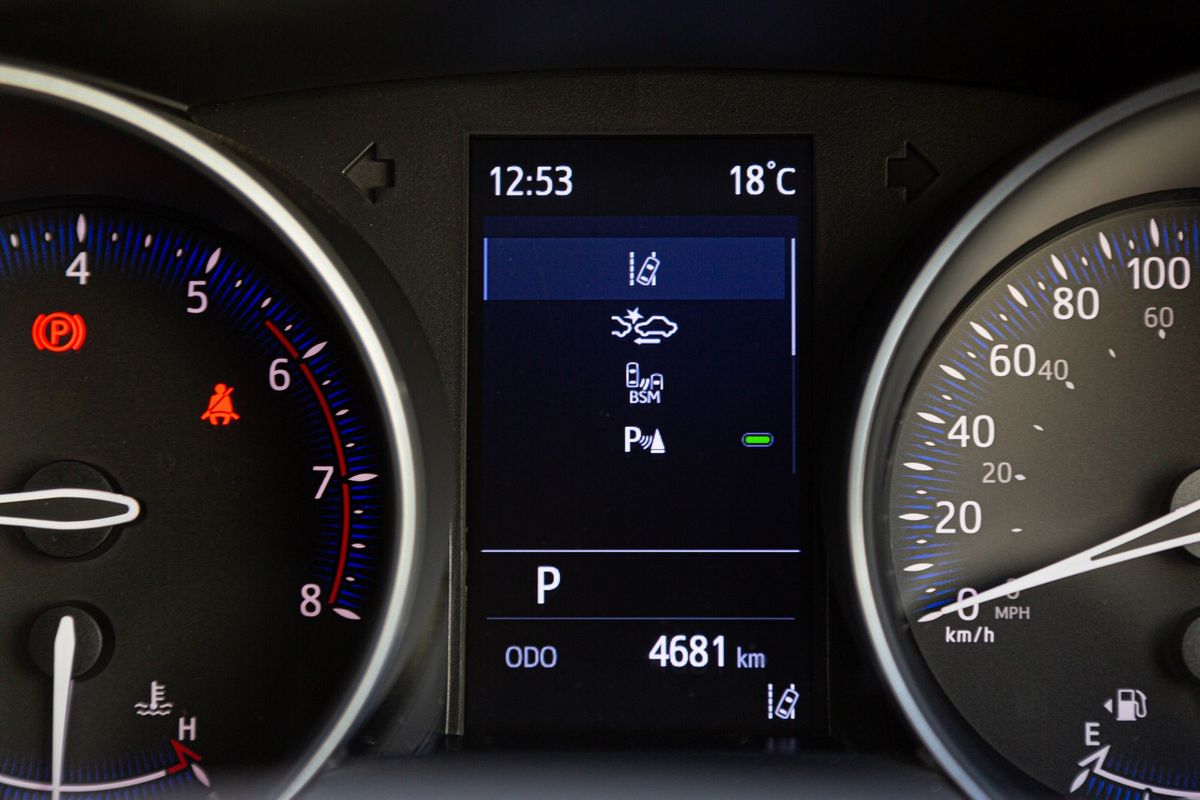
This flagship derivative also comes equipped with additional semi-autonomous safety tech. The Toyota Safety Sense package includes a Pre-Collision System, Auto High Beam, Rear Cross Traffic Alert and Blind Spot Monitoring. Adaptive Cruise Control and Lane Departure Alert (with Lane Trace functionality) are also fitted – that’s in addition to 7 airbags, stability control, ABS with EBD and hill assist that’s found on all C-HRs, irrespective of trim.
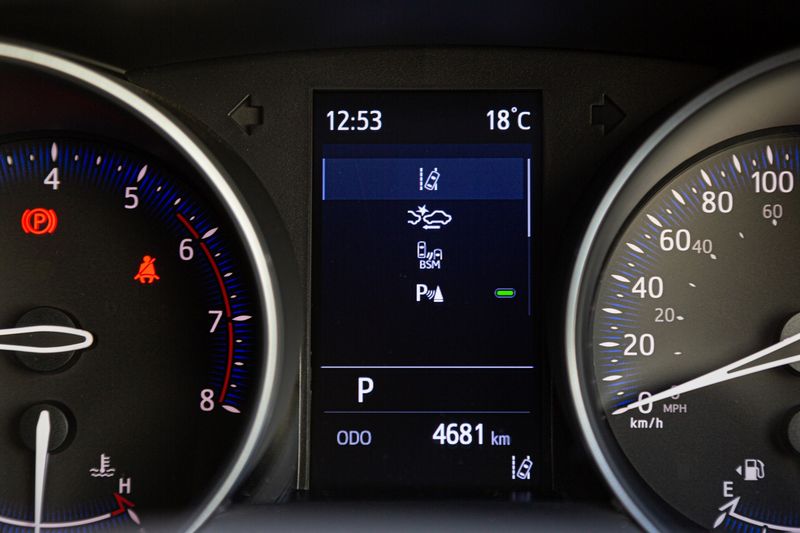
The 1.2T Luxury comes equipped with a host of Toyota Safety Sense features.
Practicality and Packaging
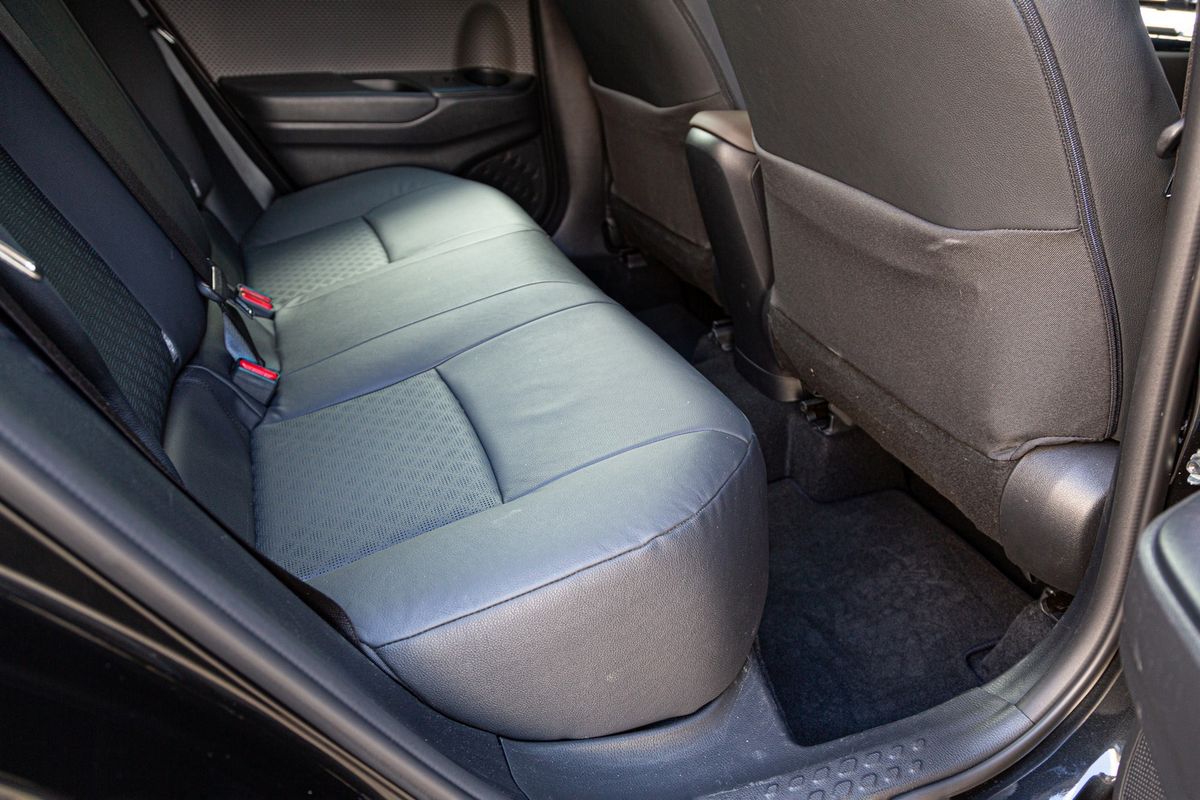
While we’re satisfied with the C-HR’s upgraded standard specification, overall build quality, refined road manners and performance/efficiency balance, the small crossover’s interior packaging remains compromised. The rear of the cabin, where taller occupants will find leg- and headroom in short supply, feels a bit claustrophobic. The author of this review is just over 1.9 metres tall, and he couldn’t pass the test where you sit behind a driver’s seat that is set up for you.
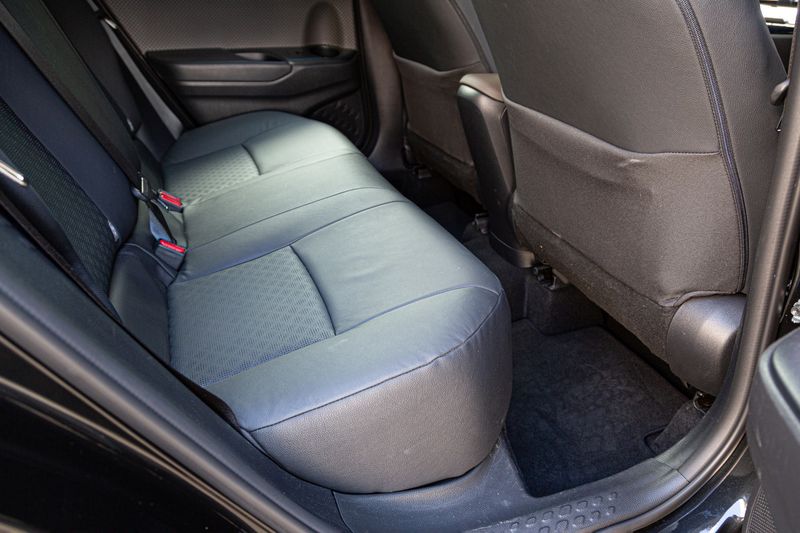
Rear legroom is a bit cramped for taller occupants.
What’s more, the Toyota’s luggage capacity is stingy compared with those of other models in its segment. This is exacerbated by TSAM insisting on fitting a full-sized spare wheel under the load floor; having said that, given the state of some of our roads, maybe that’s for the best.
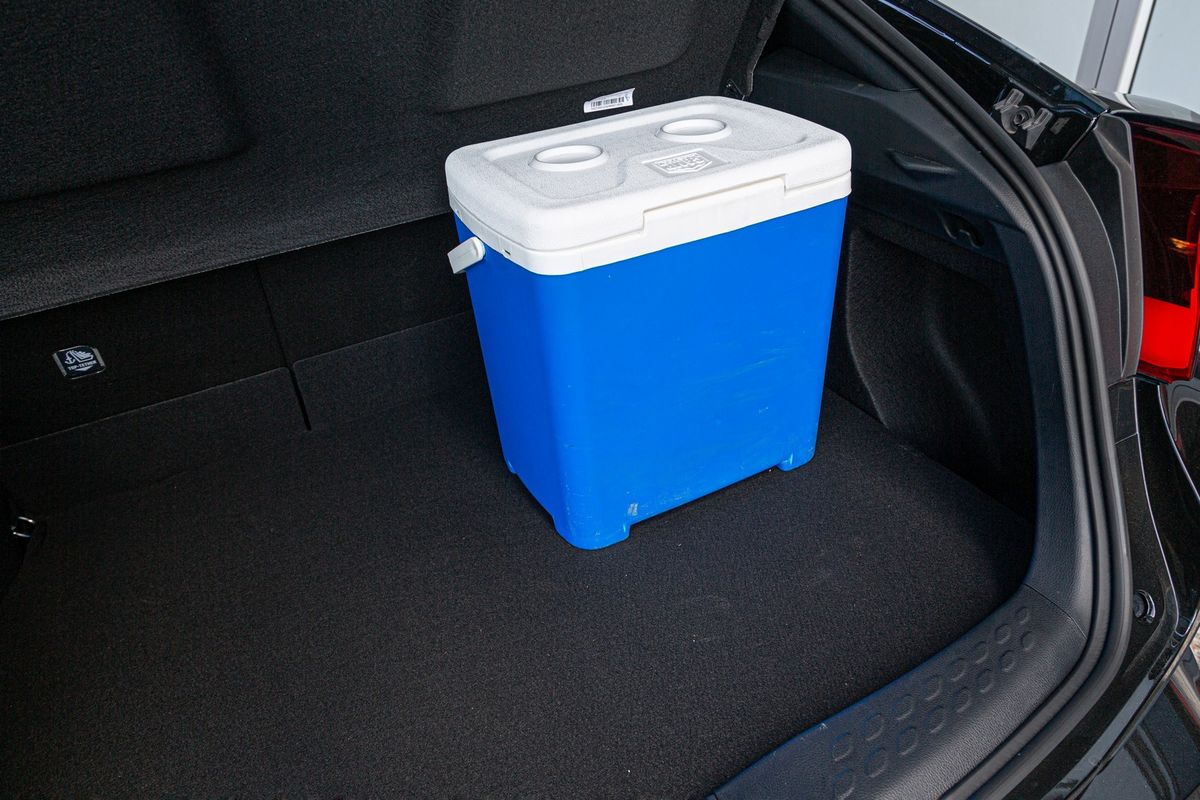
Still, an 18-inch wheel is sizeable and, therefore, takes up a fair portion of the load bay’s depth. This means that you’re likely to struggle to store a cooler box upright in the boot without the parcel shelf getting in the way (see below). If you have a growing family to transport and often need to haul around more than a week’s worth of shopping, the C-HR’s space is tight.
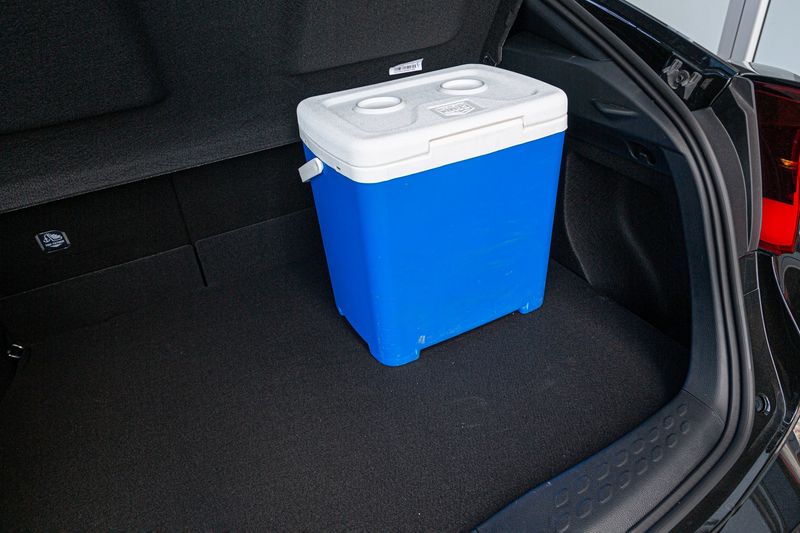
The load bay is on the shallower side, but there is a full-size spare under the boot floor.
Toyota has never made a secret of the fact that the C-HR is a city car aimed at fashion-conscious buyers (single/unmarried buyers or DINKs). The challenge for the 1.2T Luxury is that, compared with 2017, there are now more “boutique” small crossovers on the market… They also have plenty of nonconformist appeal, but some of them are a little more practical.
Toyota C-HR pricing and after-sales support
The Toyota C-HR 1.2T Luxury retails for R565 600, which includes a 6-services/90 000 km service plan (with intervals set at 15 000 km), as well as a 3-year/100 000 km warranty. Service plan- and warranty extensions can be purchased from any Toyota dealer.
Looking to sell your car? Sell it on Cars.co.za for free
Verdict
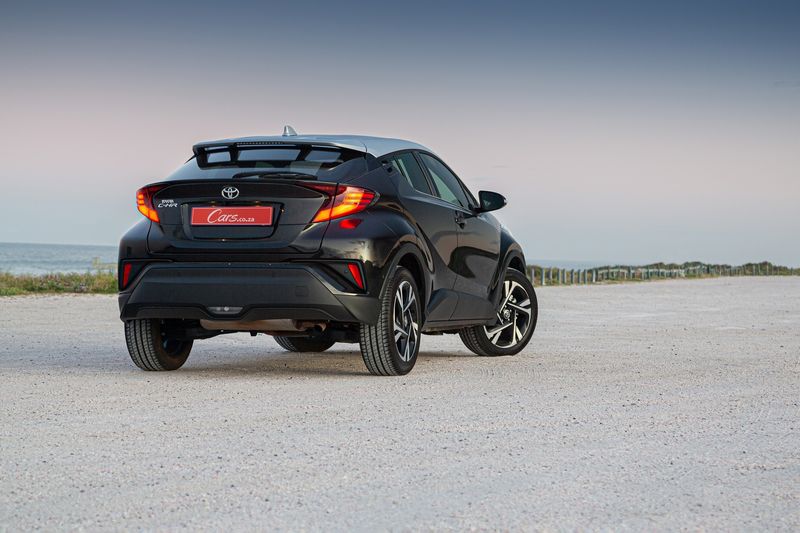
The C-HR remains a quality offering, but if you want more space, consider the Corolla Cross instead.
Despite its age-defying looks, generous specification and pleasant-to-drive nature, the Toyota C-HR’s appeal is limited by its lack of practicality, both in terms of passenger space and cargo-carrying capacity. Some buyers won’t care about those shortcomings whatsoever, but it’s likely that more of them will, especially now that Toyota also offers the value-packed Corolla Cross.
Compared with its recently launched locally-made sibling, the C-HR seems a bit pricey, even though it’s more engaging and sprightlier to drive and feels a little bit smarter inside and out.
Should you buy one? If you don’t need to cart around little ones, or lifestyle-oriented gear and equipment (such as golf clubs or mountain bikes), then the C-HR is well worth a look, even if the 1.2T Plus auto, which comes in around R70k less than the 1.2T Luxury, represents better value.
If you want more spaciousness and practicality than what the C-HR offers, but want to stay in the Toyota stable (after all, the Japanese marque is a multiple winner of the #CarsAwards Brand of the Year title), consider the Corolla Cross, which has come to market with a keen pricing strategy, a roomy cabin, sufficient luggage space and even the option of a hybrid drivetrain. It doesn’t look as cool as the C-HR, though.
David Taylor

Having contributed to multiple motoring titles as well helping run the public relations machine of the Johannesburg International Motor Show, Dave has experience in both sides of the motoring industry. He's based in the Western Cape and is responsible for the performance testing, photography & weekly YouTube news for Cars.co.za.