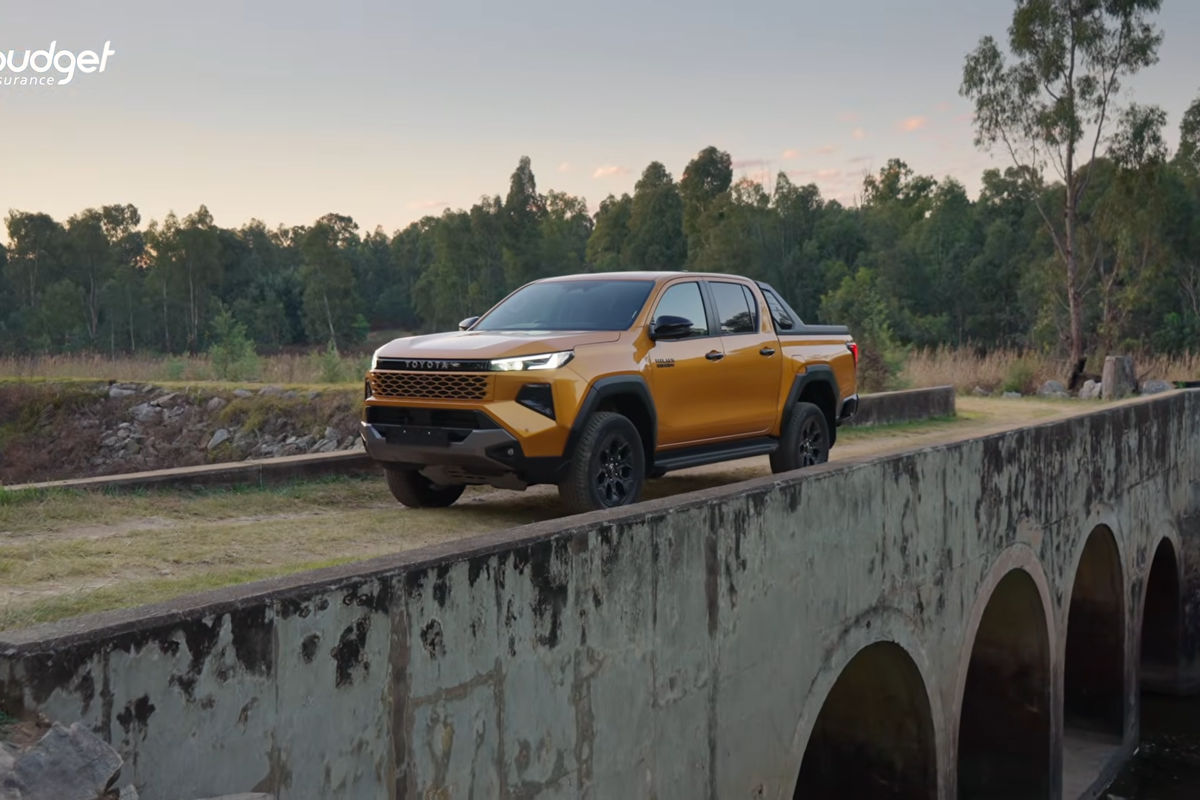
In this exclusive first test drive, we get behind the wheel of the highly anticipated, all-new Toyota Hilux to find out if SA’s ultimate bakkie icon has done enough to beat the Ford Ranger.
The launch of a brand-new Toyota Hilux is a monumental event in South Africa, but this latest iteration has already sparked plenty of debate. While it brings a completely fresh design language and a heavily revised interior, its core platform and familiar 2.8 GD-6 turbodiesel engine remain under the skin.
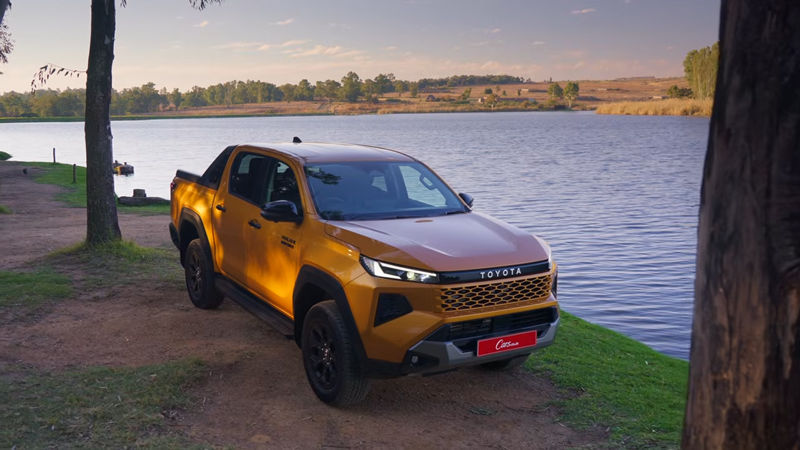
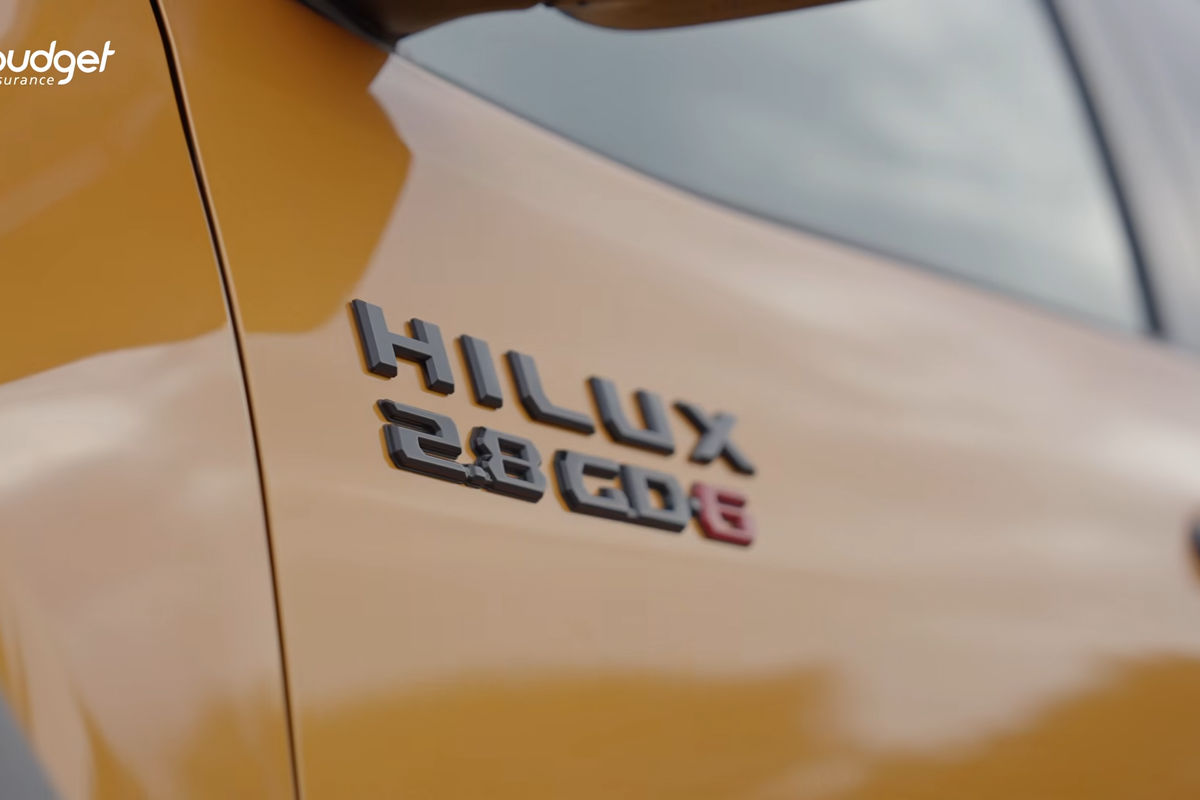
By carefully evolving a recipe that has dominated local sales charts for decades, the question is whether the Japanese giant has done enough to stave off increasingly modern and premium-oriented competitors. We drive the Hilux Double Cab 2.8 GD-6 Legend MHEV 6AT 4×2 to find out…
How the Toyota Hilux fares in terms of
Design & Packaging
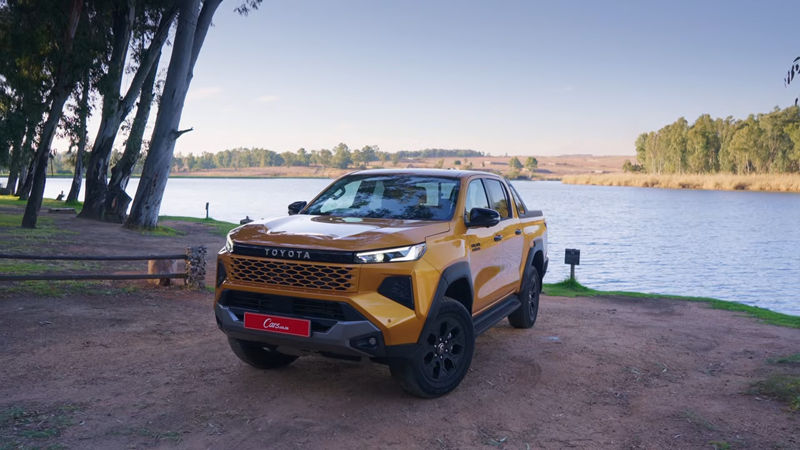
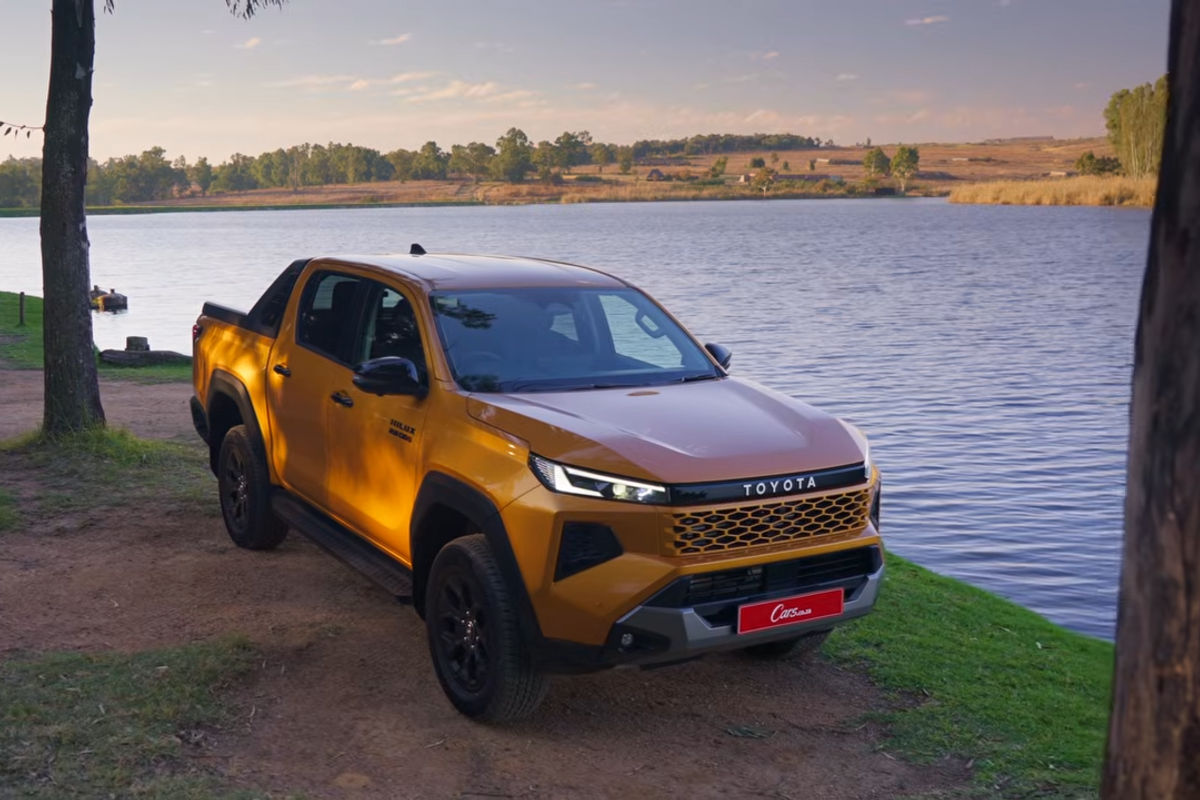
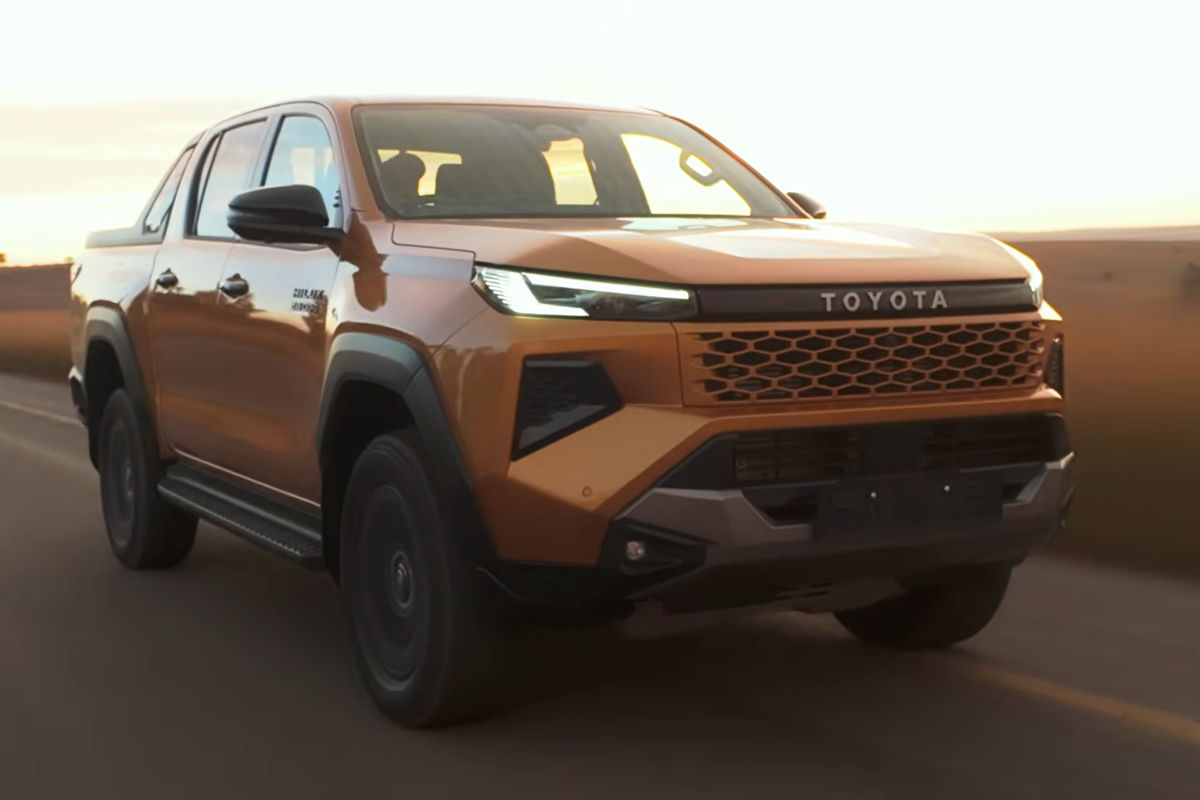
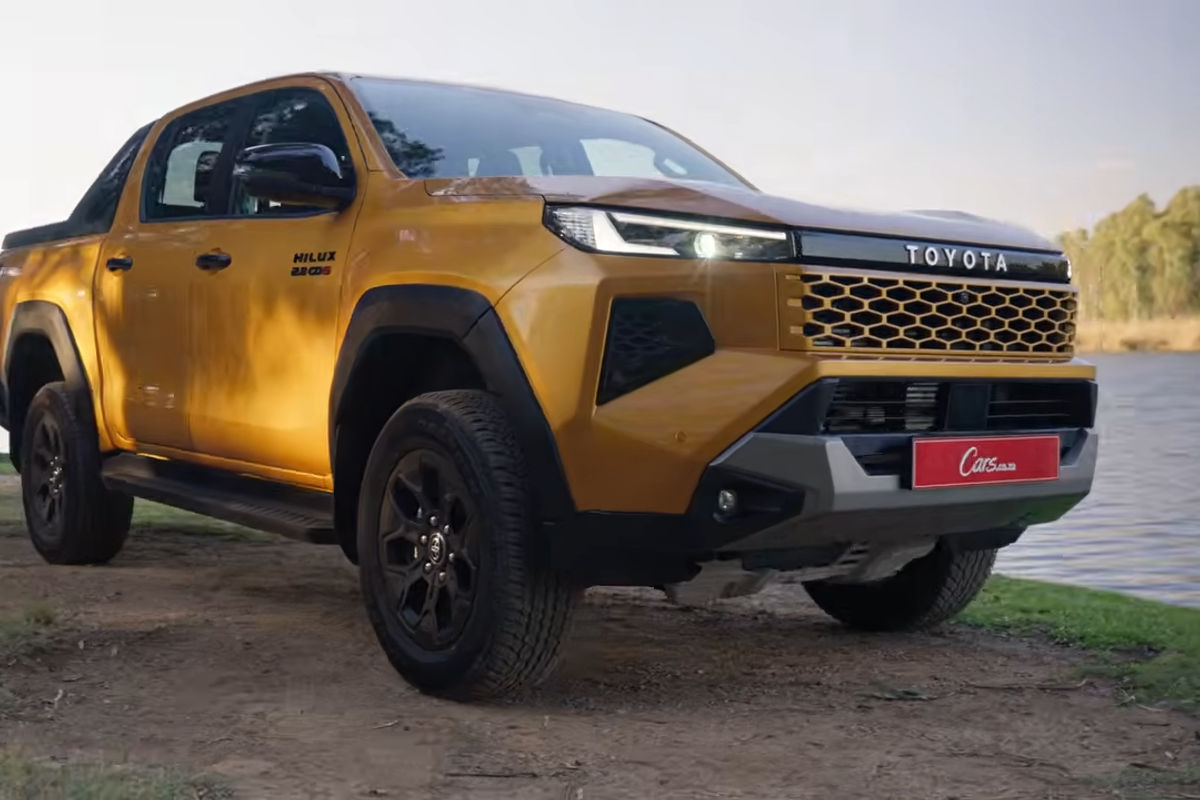
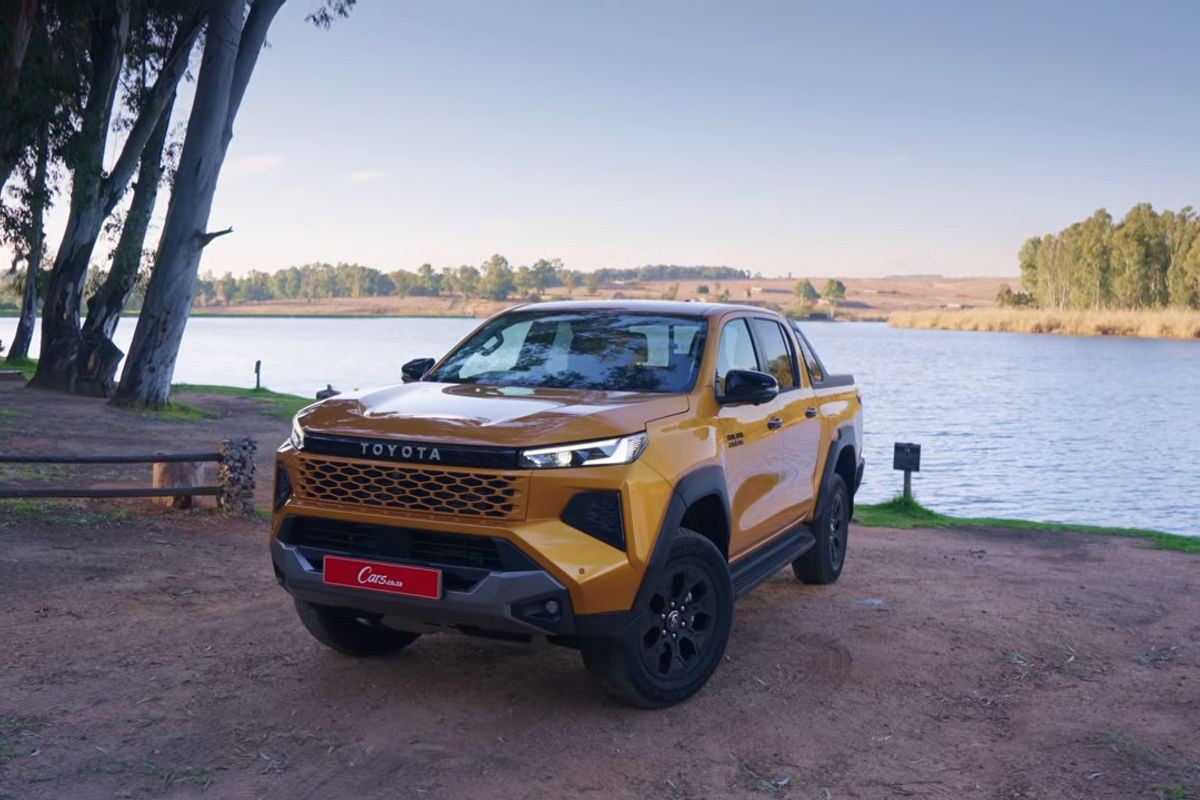
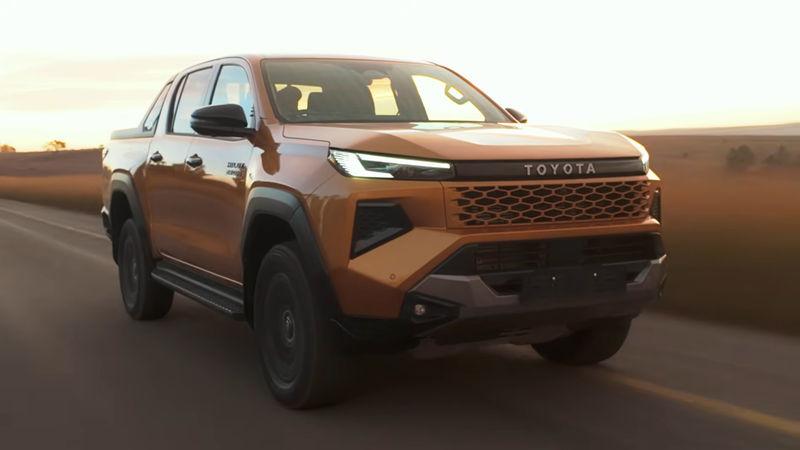
Aesthetically, the front-end of the new Hilux is the most controversial talking point. It adopts a much sharper, pinched design language with distinctive new daytime running lights and an angular grille format that completely shifts its visual identity.
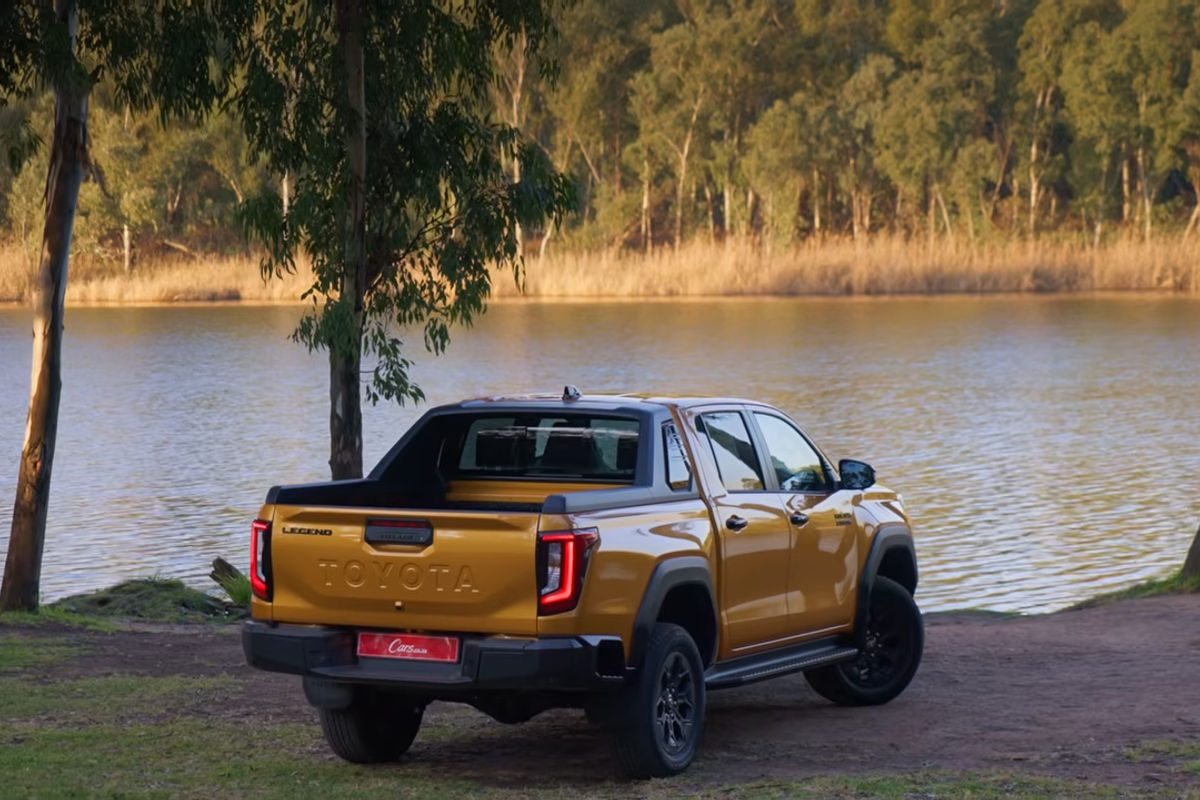
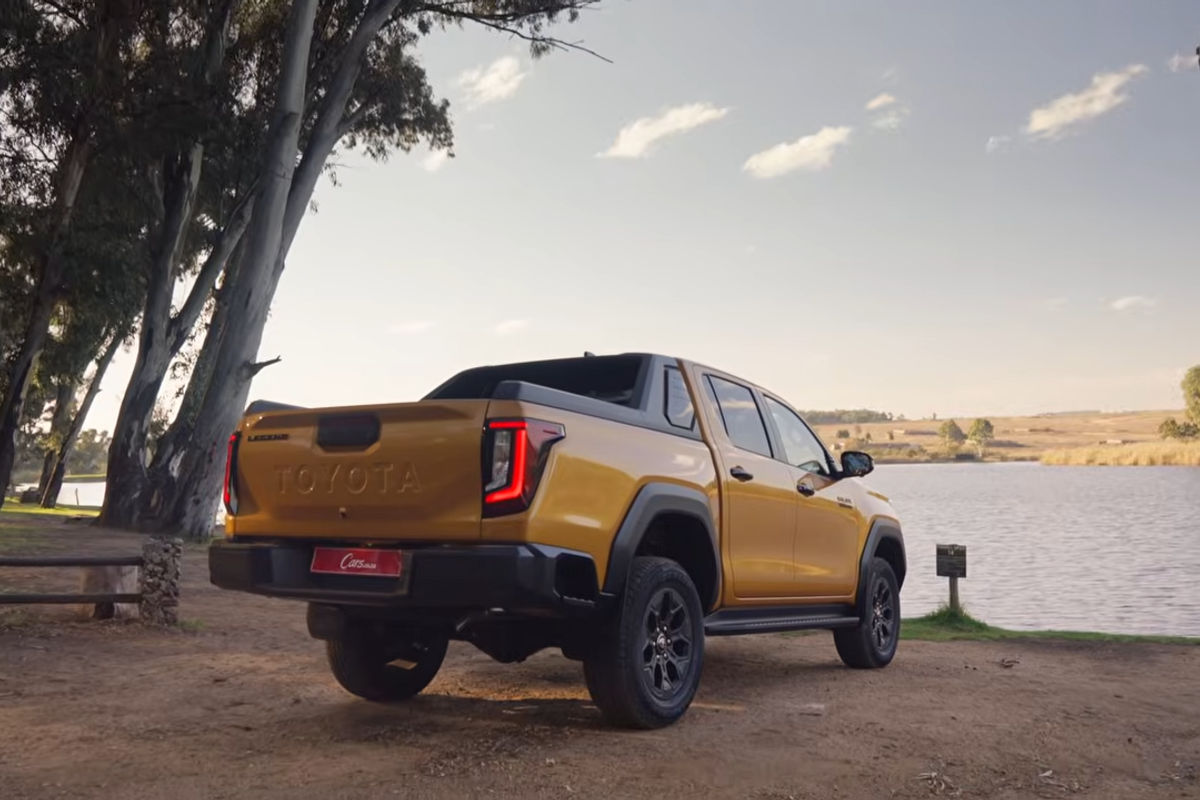
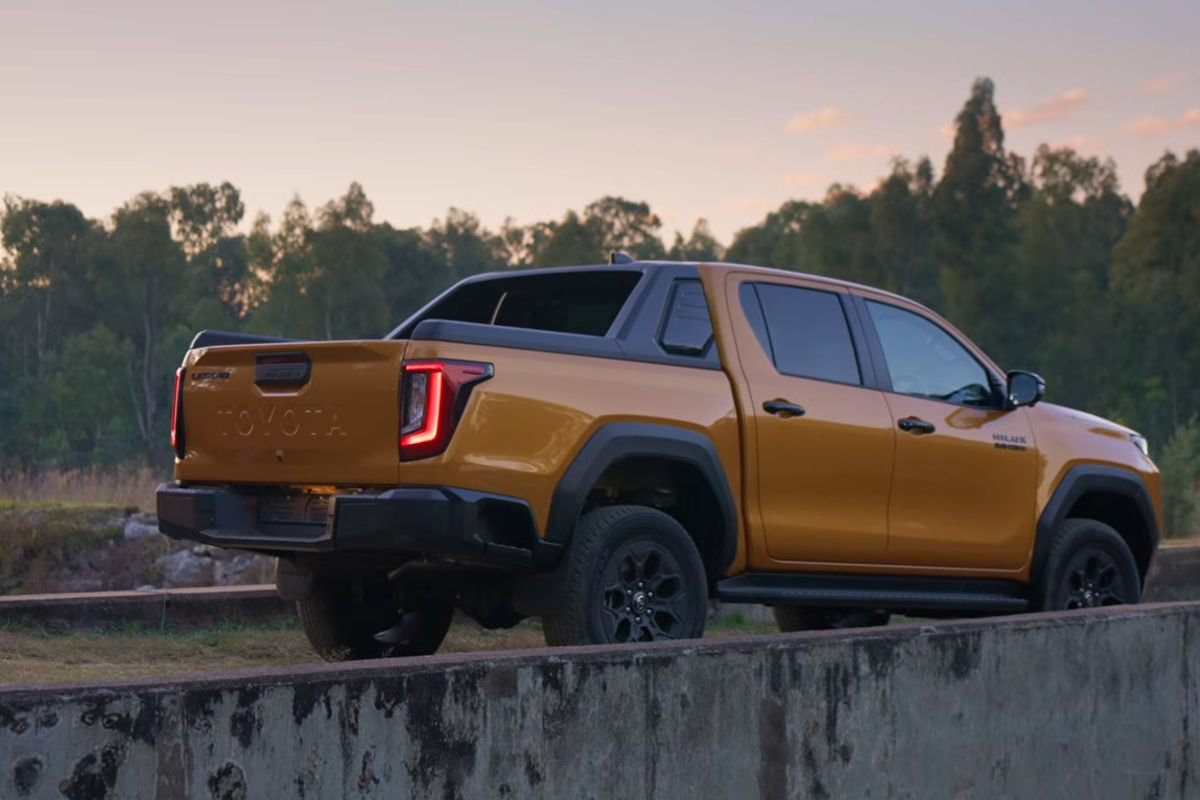
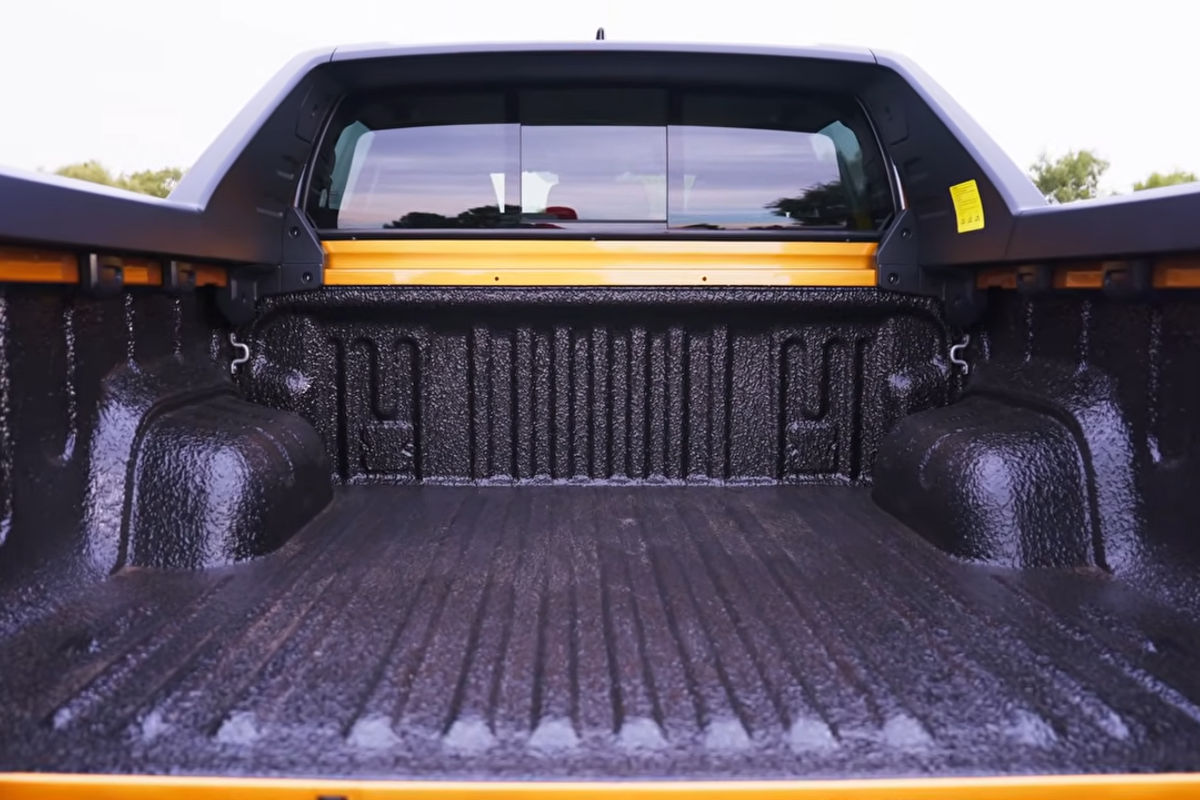
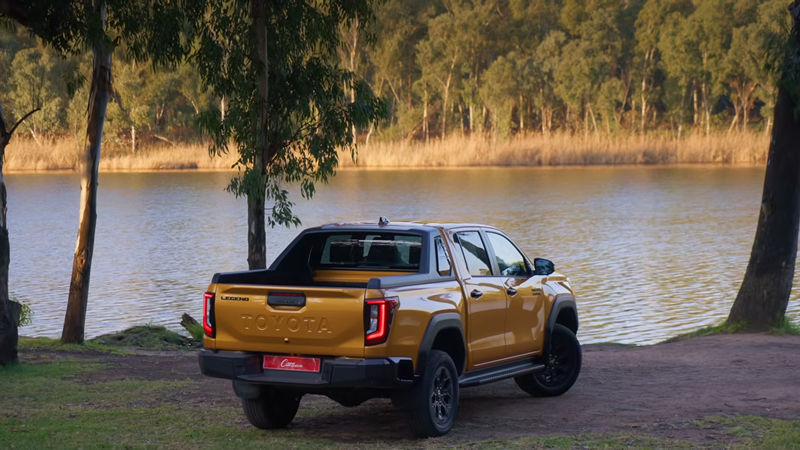
Down the side, the middle section carries over a familiar profile, but the rear receives a fresh nip and tuck alongside a newly styled roll bar and an integrated step in the rear bumper to aid access to the load bed. The business end offers 4 tie-down hooks and a payload capacity of 970 kg.
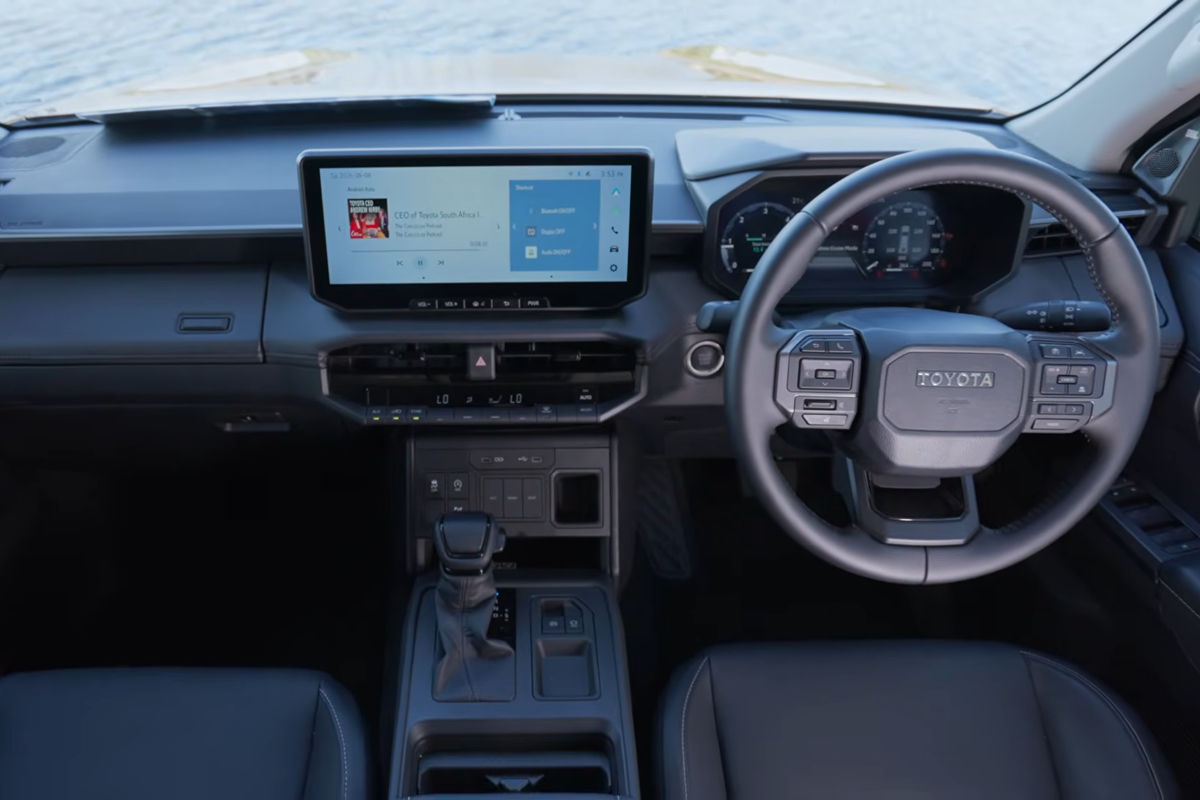
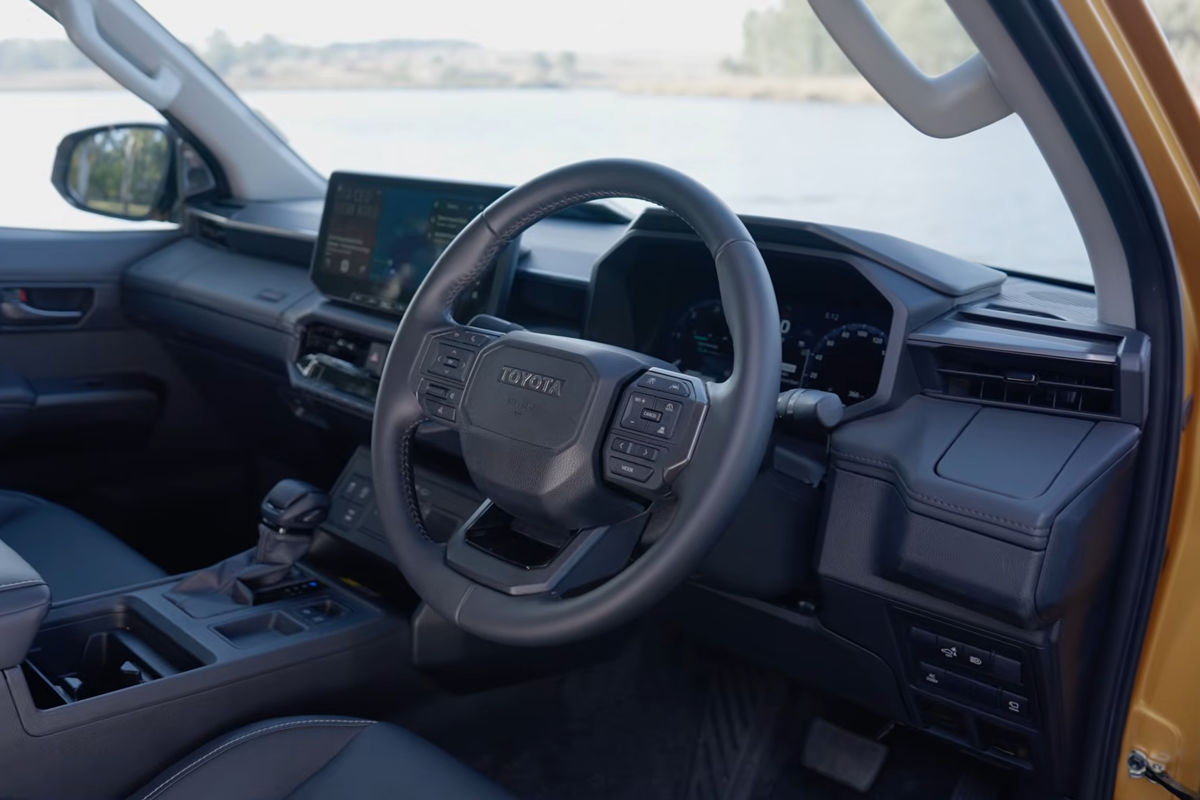
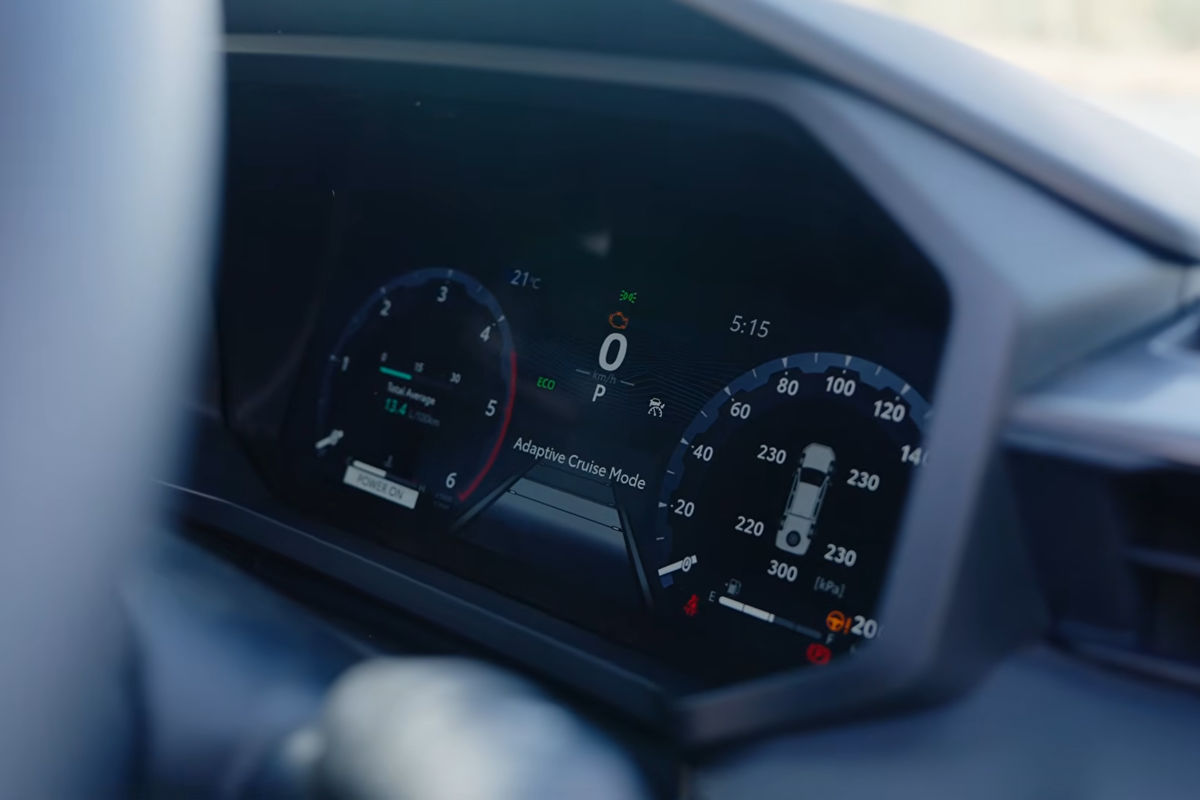
Climbing inside is where traditional fans will find the most notable improvements. The entire cabin layout has been thoroughly modernised, evoking the premium feel of its larger sibling, the Prado. Drivers are greeted by a new steering wheel and a fully digital instrument cluster with fluid drive-mode animations. Dominating the dashboard is an updated touchscreen infotainment system that finally introduces wireless Apple CarPlay and Android Auto.
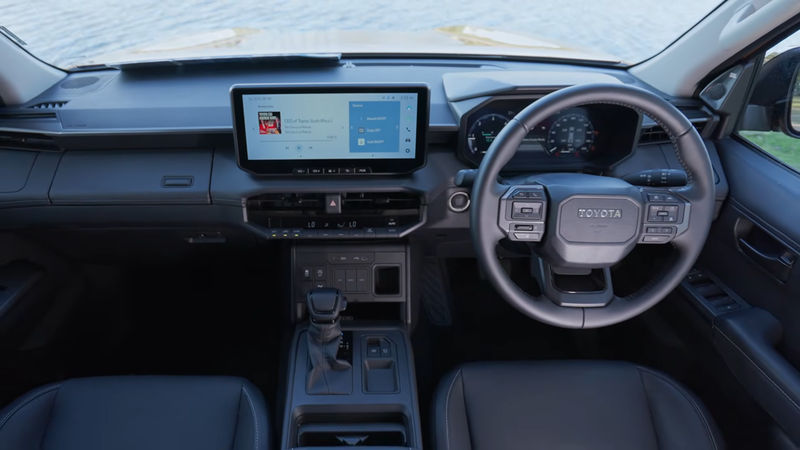
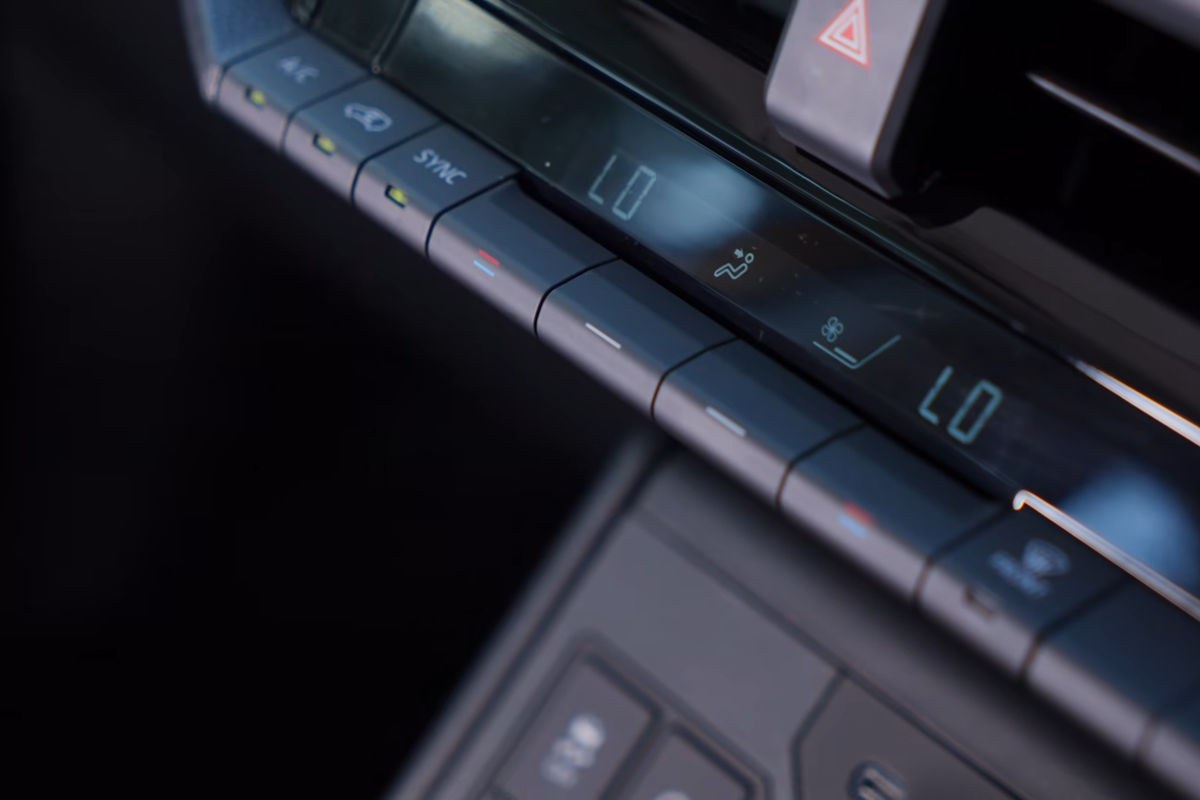
Ergonomically, the layout remains intuitive thanks to physical climate controls kept close at hand, although the sport and eco buttons have moved to a more accessible spot on the dashboard.
Upgraded soft-touch materials surface on top of the dash, complemented by practical dual gloveboxes, door cubbies, and a premium JBL sound system on the Legend model.
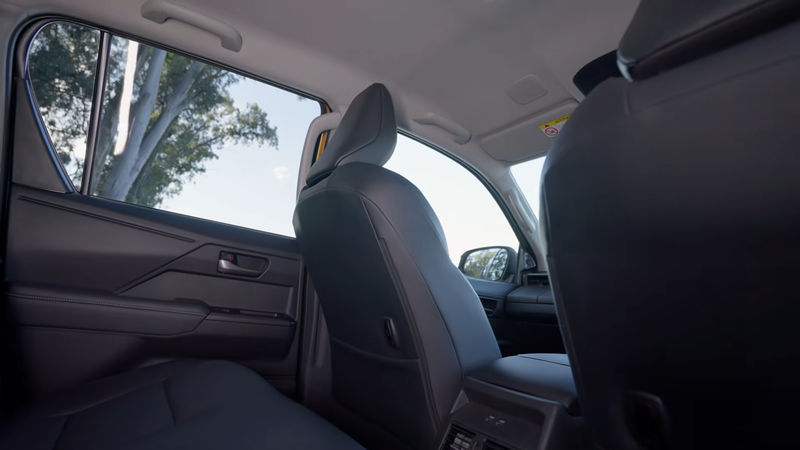
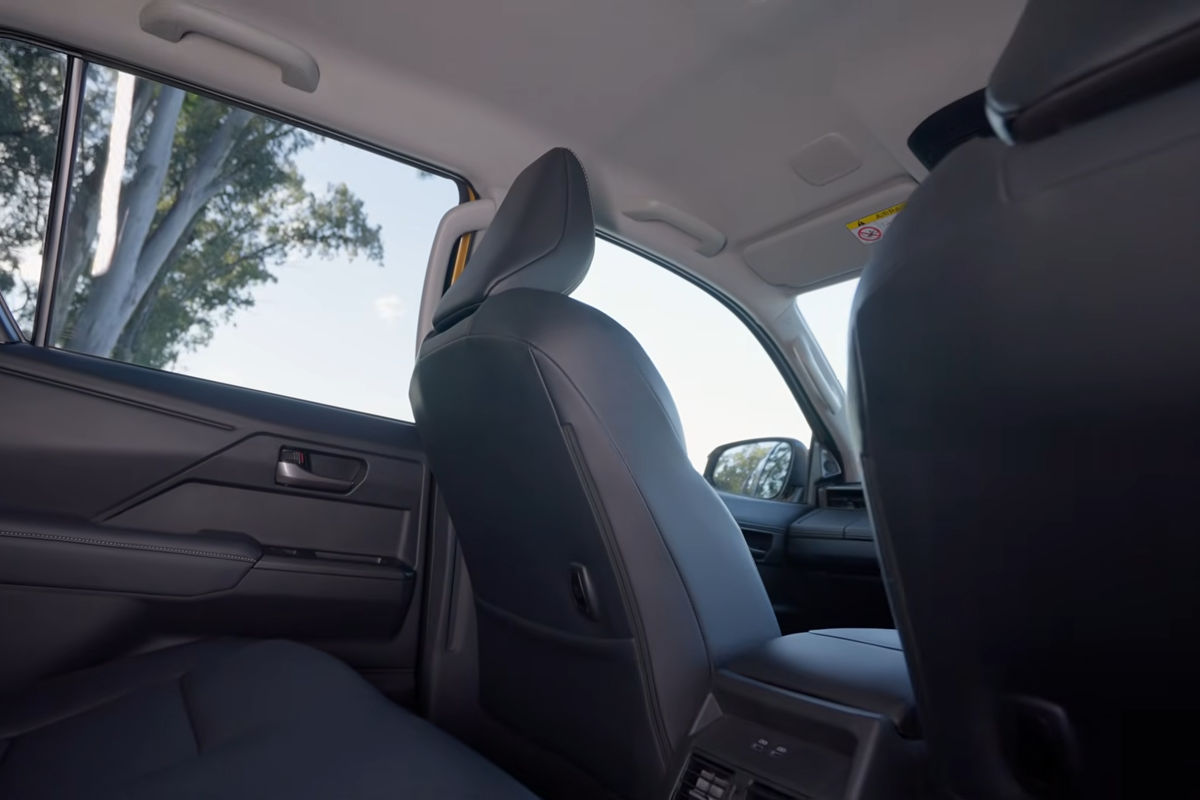
It’s not all positive, however. Rear passenger packaging remains tighter than it’s direct rivals’ (especially the Ford Ranger), but the addition of rear air vents, dual USB-C charging ports, and dedicated door pockets for mobile phones improves long-distance family usability.
Performance & Efficiency
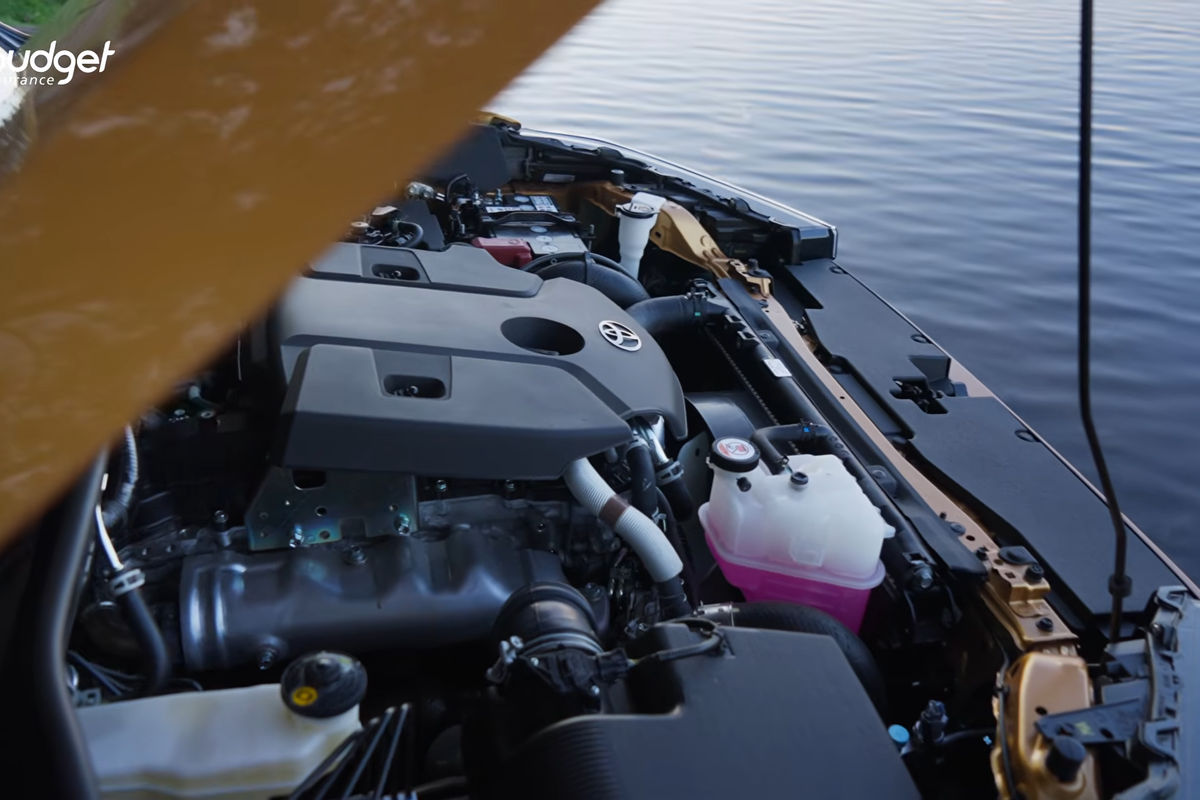
Propulsion is handled by the trusted 2.8-litre GD-6 four-cylinder turbodiesel engine, which features 48V mild-hybrid assistance as standard on the flagship Legend trim. This setup retains the familiar outputs of 150 kW and 500 Nm, with the small electric motor designed to assist smoothly during pull-away and reduce fuel consumption in heavy stop-start urban traffic.
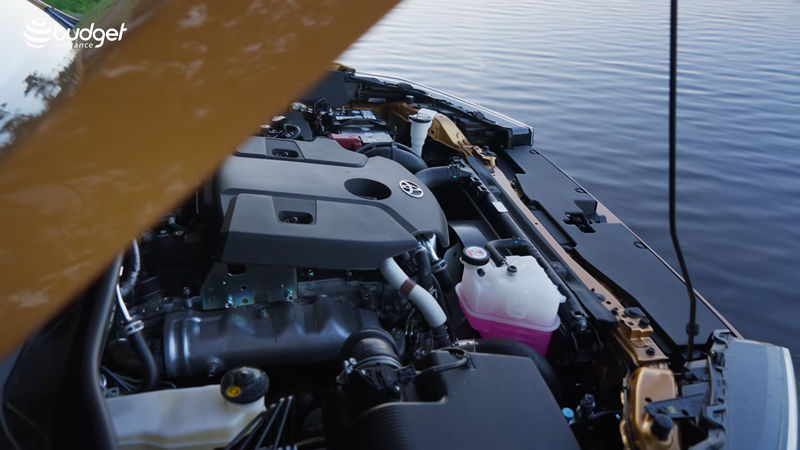
In real-world driving conditions, the performance delivery feels remarkably identical to the previous unassisted GD-6 engine, with the mild-hybrid system operating subtly in the background rather than adding a noticeable extra surge of power. This is either a highlight or a disappointment, depending on what you expected.
The engine does feel a degree more refined on the move, but this is primarily a product of superior cabin insulation and increased sound deadening rather than major changes to the mechanical block itself. By utilising a proven engine architecture, local buyers retain the ultimate peace of mind regarding long-term parts availability and mechanical sturdiness.
Read more: New Hilux BEV listed on Toyota SA’s website, but…
Ride, Handling & Comfort
The most immediate change experienced from the driver’s seat is the transition from old-school hydraulic steering to a completely electric steering setup. This makes the steering feel light (perhaps too light?) and effortless to spin when manoeuvring through tight parking spaces or city streets, although purists may find it lacks some of the reassuring mechanical weight of its predecessor.
Toyota’s engineering team has retuned the shock absorbers and springs to provide a slightly more compliant ride when dealing with large compressions and open-road bumps. Despite these tweaks, the chassis still retains its classic agricultural Hilux character, meaning small road ripples and imperfections can still cause a jittery sensation when the rear load bed is unladen.
Refinement on the highway is highly impressive, however. The new Hilux keeps wind and road roar well out of the passenger environment. Furthermore, the semi-autonomous Advanced Driver Assistance Systems (ADAS) – including adaptive cruise control and lane-keep assist – have been integrated seamlessly, guiding the vehicle with gentle, non-intrusive nudges rather than jarring beeps and over-reactive steering inputs.
What does the new 2026 Toyota Hilux cost in SA?
| EXTENDED-CAB DERIVATIVE | PRICE |
| Hilux Xtra Cab 2.8GD-6 Raider X 6AT 4×2 | R751 800 |
| Hilux Xtra Cab 2.8GD-6 Raider X 6AT 4×4 | R842 200 |
| DOUBLE-CAB DERIVATIVE | PRICE |
| Hilux Double Cab 2.8GD-6 SRX 6AT 4×2 | R658 500 |
| Hilux Double Cab 2.8GD-6 SRX 6AT 4×4 | R746 100 |
| Hilux Double Cab 2.8GD-6 Raider 6AT 4×4 | R892 900 |
| Hilux Double Cab 2.8GD-6 Legend MHEV 6AT 4×2 | R945 500 |
| Hilux Double Cab 2.8GD-6 Legend MHEV 6AT 4×4 | R999 900 |
The prices above include a 3-year/100 000 km warranty and a 9-service/90 000 km service plan.
Verdict
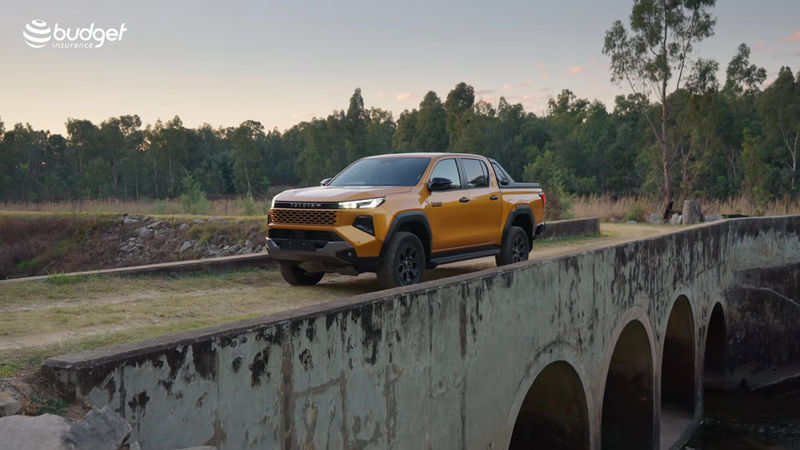
The new Toyota Hilux successfully executes a strategy of incremental evolution. It doesn’t rewrite the rulebook, choosing instead to modernise the cabin and ease the daily driving effort through lighter steering and enhanced comfort.
While its traditional 3-year/100 000 km warranty is mediocre against longer-backed rivals, Toyota’s massive local footprint, the Hilux’s proven mechanical reliability, and significantly upgraded interior ensure that it remains a deeply formidable and sensible proposition for the South African bakkie buyer. Job well done!
Frequently Asked Questions (FAQ)
Q: What engine and hybrid technology power the flagship 2026 Toyota Hilux Legend?
A: The flagship Legend trim is powered by the trusted 2.8-litre GD-6 four-cylinder turbodiesel engine, which features 48V mild-hybrid (MHEV) assistance as standard. It produces 150 kW and 500 Nm, with the electric motor assisting during pull-away to lower stop-start urban fuel consumption.
Q: What are the key upgrades made to the interior of the new Toyota Hilux?
A: The cabin layout has been thoroughly modernised with a premium feel, featuring a new steering wheel, a fully digital instrument cluster, upgraded soft-touch dashboard materials, and an updated touchscreen infotainment system that supports wireless Apple CarPlay and Android Auto.
Q: How has the steering system changed in the new Toyota Hilux, and how does it affect the drive?
A: The new Hilux has transitioned from old-school hydraulic steering to a completely electric steering setup. This makes the steering feel light and effortless when manoeuvring through tight parking spaces or city streets, though it lacks some of the mechanical weight of its predecessor.
Q: What is the price range for the 2026 Toyota Hilux Double Cab line-up in South Africa?
A: The Hilux Double Cab pricing starts at R658 500 for the 2.8GD-6 SRX 6AT 4×2 model and goes up to R999 900 for the flagship 2.8GD-6 Legend MHEV 6AT 4×4 derivative.
Cars.co.za

Providing you with the latest motoring news, new car releases and the simplest way to buy and sell cars.