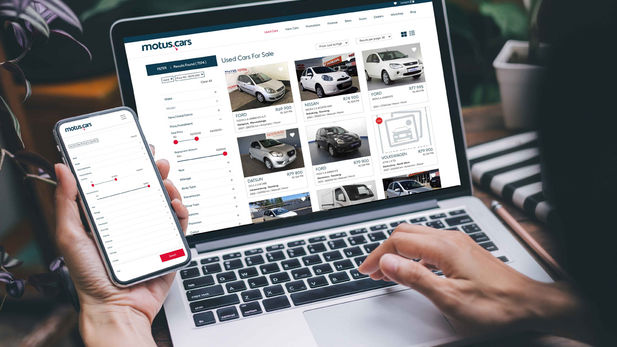
Have you got your eye on a used car and are thinking about signing on the dotted line? An encouraging test drive experience is a good sign, but before you commit to the purchase, it’s best to carry out a thorough close-up inspection. If a pre-owned vehicle has sustained serious damage in the past, it could cause various problems – and cost you dearly – in the future…
PARTNERED CONTENT
Buying a pre-owned vehicle has its risks, which is why it’s important to buy a car from a trusted seller or reputable dealer. Still, you can’t always be sure of a vehicle’s entire history, such as whether it has been in an accident, which may have necessitated extensive structural and mechanical repairs. When shopping for a pre-owned vehicle there are a number of things to look for that may suggest that the vehicle had been damaged (to the extent that it needed major repairs) at some point in its life.
For the sake of safeguarding the trade value of your next car to the best of your ability (other than carrying out scheduled maintenance), it’s advisable to avoid buying a previously damaged vehicle, even at a bargain price. Remember, if there’s any doubt, consider a different vehicle; there is a wide choice of other cars to choose from!
Here’s how to check for previous damage on a used vehicle, from motus.cars, supported by Motus Nissan (previously Imperial Nissan):

Check the paint
Look for changes in colour between adjacent body panels. Run your hand over the paintwork and feel for rough or uneven surfaces. The edges or corners of panels might show signs of repainting, for example.
Vehicles that are 3 or 4 years old should have some marks (cosmetic blemishes), such as stone chips on the bumpers and bonnet. If the bumpers on a vehicle of that age look immaculate, they have most probably been repainted.
Inspect the gaps between the various body panels, these should all be equal in width and well-aligned. If not, the panels have most likely been replaced.
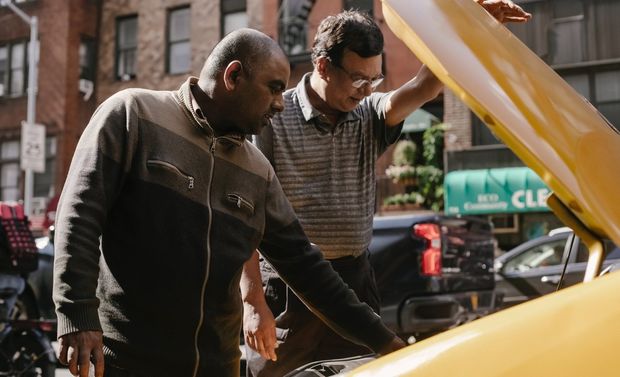
Check the bodywork
Vehicle badges should be straight and aligned. If not, they have most probably been replaced following a paint respray. Also, ensure that the paint under the bonnet is consistent in colour with the rest of the vehicle.
The plastics around the engine bay and boot should be of similar colour/age. Ensure that all plastic panels are consistent in fit and finish and that they show no signs of having been removed or replaced, such as misalignment or loose corners (due to broken clips).
If possible, inspect the vehicle’s chassis legs for signs of damage or repair. Inspect the bodywork surrounding the spare-wheel well for any kinks and distortion (they would be signs that the car had been in rear-end collision before).
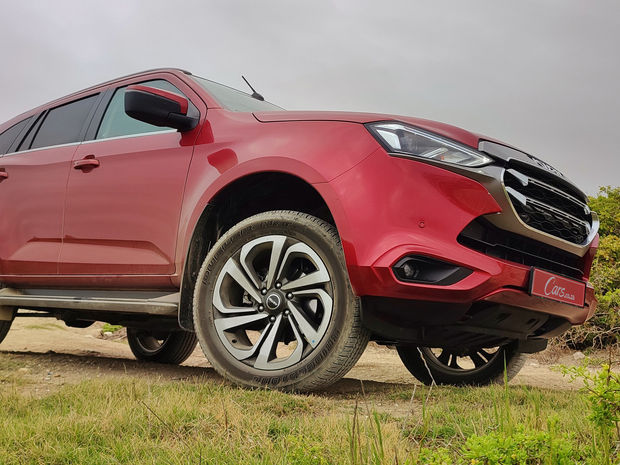
Check the wheels
Inspect the wheel rims for any scratches, cracks, warping or discolouration. Take careful notice of the wheels’ placement in the wheel well and ensure that their placement (relative to the wheel arches) is consistent all around.
Irregular caster, camber or out-of-specification wheel alignment could be a sign of suspension damage. A tyre dealer and fitment centre will be able to carry out a professional assessment on your behalf.
Have a look underneath
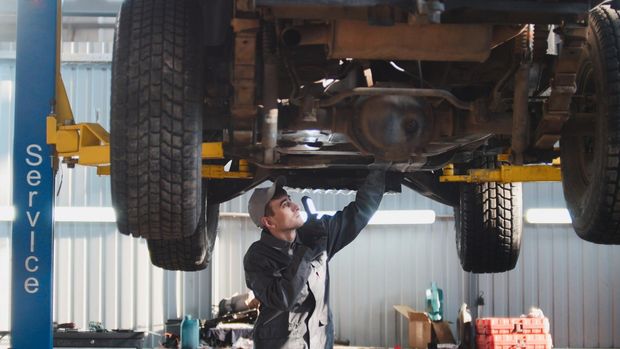
If possible, slide under the vehicle or, even better, ask the dealer to hoist the vehicle on a lift and look for signs of rust or damage to the underbody panels, suspension components and exhaust system.

Request a report
If the vehicle is not being sold with a report from an independent vehicle inspector such as Dekra, request the dealer to subject the vehicle to such an inspection and provide you with a copy of the specialist’s findings.
A report, such as those compiled by Dekra is a customised, professional used-vehicle condition evaluation completed by expert, independent, examiners. The quality of these independent reports ensures complete peace of mind when purchasing a vehicle as it virtually eliminates any nasy surprises.
Watch: “How to check for previous damage on a used vehicle”

Browse a range of quality, Motus-certified new, used and demo vehicles for sale here.
Visit motus.cars for more info, or join the conversation on Facebook and YouTube.
Related content:
Top 30 fuel-efficient petrol cars under R500k
7 Ways To Extend Your Car’s Life
5 tips for first-time car buyers
About to take a test drive? 8 things to check
5 things your mechanic wishes you knew
Service- and Maintenance Plans: The differences
Looking to trade in your car? What you need to know