Finding the perfect moment to buy a car in South Africa is about more than just spotting a bargain. To save thousands, you must balance dealer targets against interest rates, inflation and your trade-in vehicle’s age and mileage sweet spot. Follow our expert tips for a winning strategy.
If fate had a say, there would never be a right time to buy a new car in South Africa. Perhaps ever-increasing living costs are forcing you to downsize immediately. Or maybe your old car has broken down one time too many.

In both instances, your timing may be compromised, and you won’t get the absolute best deal. However, with some insider knowledge of how the automotive industry operates, a little research, and a bit of patience (and some luck), you can turn the odds in your favour before you start kicking tyres.
The best month to buy a car in South Africa (and why timing matters)
You can’t always choose the exact moment your old clunker decides to call it a day. But you can optimise the money-saving moment when you decide to replace it by knowing how the automotive industry operates.
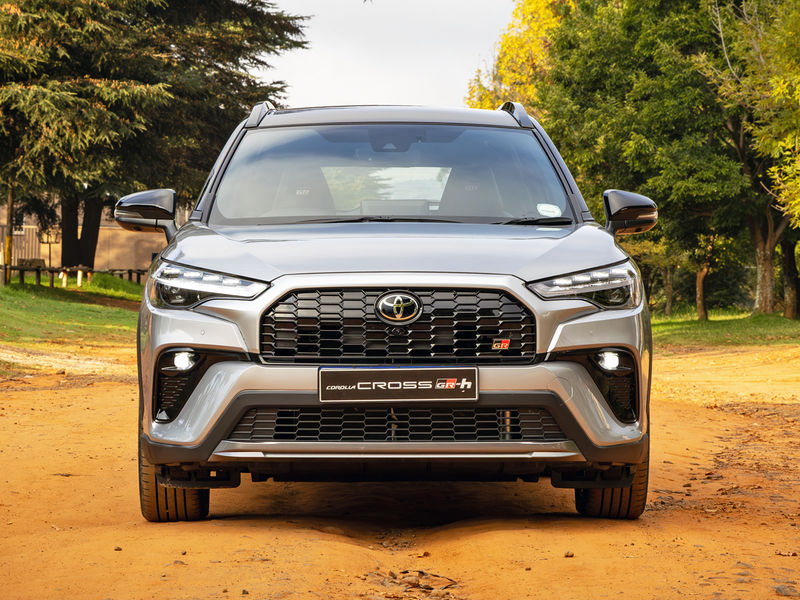
Firstly, corporate accounting dynamics play a major role in pricing. To finish each quarter on a strong note, manufacturers push hard at the end of March, June, September, and December. March is particularly crucial, as it marks the financial year-end for Japanese car companies like Toyota, Nissan, and Suzuki.
Behind the scenes, dealers chase corporate bonuses for reaching sales targets set by their parent companies. They are also highly incentivised to maximise vehicle-finance uptake, as higher volumes improve a dealership’s standing with affiliated finance houses, thereby unlocking better incentive structures, bonuses and commission arrangements.
However, the best time to buy is between October and December, when stock needs to be cleared in anticipation of the new year. List prices won’t necessarily drop, but incentives such as higher trade-in assistance, cash-back deals and deferred payment holidays will be at their absolute strongest.
Buyers also need to avoid the “New Year’s trap”. This happens when shoppers turn down a heavily discounted December price just to get a later registration year in January. Except that, in January, prices are almost always adjusted upwards for inflation and currency fluctuations. The upfront December discount will nearly always trump the perceived value of a later registration year when it’s eventually time to sell.
Car dealership discounts in South Africa: Best days and hidden stock

Dealerships typically fund their inventory through floor plan financing, meaning they pay interest on vehicles that sit on the floor. As these vehicles age beyond 2-3 months, they become less desirable due to holding costs, allocation pressure and manufacturer performance metrics. In these cases, dealers become significantly more flexible on pricing to clear the unit.
With that in mind, it’s best to go knocking closer to month-end. Dealers may be far more amenable to price negotiations because they are only a few units short of hitting their monthly volume or finance targets.
Keep an eye out for semi-new, low-mileage demos and pre-registered stock. Because they must be sold as “used,” they have already suffered their sharpest 1st-year depreciation drop, making them the smartest buys on the floor.
The best time to trade in a car in South Africa: Your sweet spot guide

If you want to trade in your current car as a deposit for the next one, getting your timing right around dealer targets is only half the battle won. The 2 major red flags for trading in are linked to your existing car’s finance status and its mileage.
A vehicle loses the bulk of its value within the first 3 years, which is usually exactly when the factory warranty and service plan expire. As increased maintenance costs loom and the psychological burden of paying for a depreciating asset kicks in, many owners rush to trade.
However, because vehicle instalment sales in South Africa are usually stretched over 60 or 72 months, the debt owed to the bank at year 3 is often still greater than the car’s value. Trading in too early means this outstanding shortfall is rolled over into your new finance loan, locking you into higher interest rates and an even longer cycle of debt.
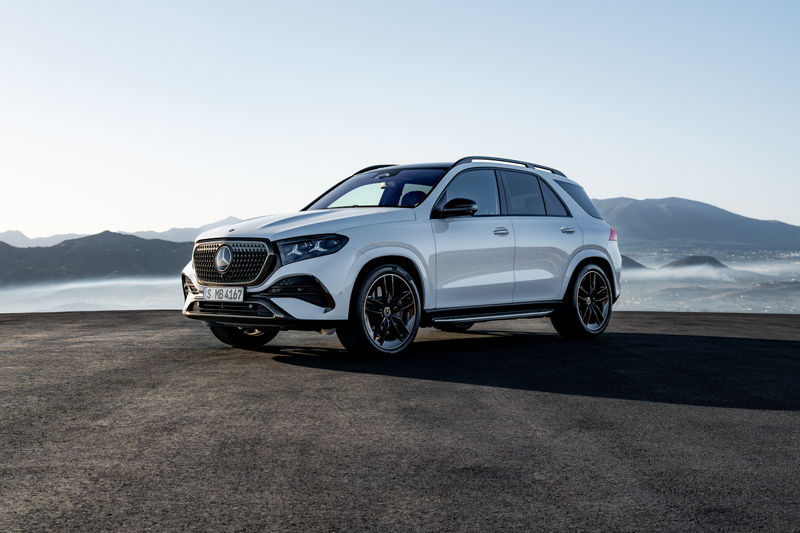
Secondly, the 100 000 km cliff is real. In the case of premium vehicles (such as BMW, Mercedes-Benz, Audi, Land Rover and Volvo), models are generally sold with a 5-year/100 000 km maintenance plan. Dealers know that once this expires, all upkeep costs (and pricey they shall be) fall on the owner. A 6-digit odometer reading puts a massive dent in future book value and, by extension, your trade-in offer.
In both structural traps, only the dealer and the bank win.
| Car age/Mileage | Financial status | Dealership appetite | Your best action |
| 0-36 months | Heavy negative equity (you owe more than the car’s book value). | High | Don’t sell. Shortfalls will be rolled into your next loan, risking a severe debt trap. |
| 45-49 months | Breakeven/positive equity (loan balance dips below car value). | High | Optimal trade-in time. Use your built-up equity as a clean deposit for your next car. |
| Close to 99 000 km (and under 60 months) | Premium book value (maintains active factory warranty). | Moderate | Sell. Trade the vehicle in strictly before the odometer hits the 100 000 km cliff. |
| Over 100 000 km | Steep depreciation drop (out of warranty and service/maintenance plan). | Moderate to Low | Negotiate hard. Expect lower trade-in offers and consider selling privately to maximise returns. |
Pro-buyer strategy: When not to buy & how to negotiate

Spotting the right moment to buy is one thing; knowing when not to buy is equally important.
New vehicle pricing has a strict lifecycle timeline. If you are eyeing a brand-new, freshly launched model, the worst time to buy is right at launch. Dealers are hungry to cash in on early adopters desperate to get their hands on the latest release first (hello, Toyota Land Cruiser FJ), and because initial stock is limited, you may well pay full list price – or higher – for the privilege.
Conversely, after a few years on the market, a model line-up undergoes a mid-life facelift, usually introducing advanced tech, better gearboxes, or upgraded engines. Low-to-mid tier models benefit most from this moment, as flagship features trickle down to lesser trims as standard equipment.
This trend accelerates aggressively once a replacement range is officially announced and old stock must be cleared. A car on runout will almost certainly be better-equipped and heavily discounted compared to its debut version. These are the ones to buy, provided you don’t mind driving a vehicle that will technically be a generation old within a few months.
The ultimate negotiation rule

When trading in your current car for a new one, always separate the trade-in from the new vehicle purchase.
If you bundle them together, the dealer will try to balance the numbers to their advantage. They will either offer a lower new-vehicle price combined with a low trade-in valuation, or bump up your trade-in value while stripping away your new vehicle discount. In both cases, you lose.
Agree firmly on the final cash discount of the new vehicle before you bring your trade-in keys to the table. This limits the dealer’s ability to manipulate the price difference between the transactions.
Finally, remember that your 2 feet remain your most powerful negotiating weapon. If a deal doesn’t feel right, walk away. The more common the vehicle, the easier it is to do. The dealership closest to you may enjoy massive foot traffic and feel no need to discount; a lesser-known dealer 100 km away in the platteland doesn’t have that luxury. Use that distance to your advantage.
Knowledge is power. And money saved.
Frequently Asked Questions (FAQ)
Q: When is the best month to buy a new car in South Africa to get the biggest discounts?
A: The best time to buy is between October and December, when dealerships actively clear stock before the new year by offering maximum incentives, such as high trade-in assistance, cash-back deals, and deferred payment holidays.
Q: Why is March a particularly strategic month to buy a vehicle from certain brands?
A: March marks the financial year-end for Japanese manufacturers like Toyota, Nissan, and Suzuki. During this time, manufacturers push hard to finish the quarter strongly, and dealers chase major corporate bonuses for hitting sales targets, making them highly motivated to close deals.
Q: What is the “100 000 km cliff” and how does it affect trading in a car?
A: The 100 000 km cliff is the mileage point where standard 5-year factory maintenance plans (especially on premium German and European vehicles) expire. Hitting a six-digit odometer reading drastically reduces a car’s book value and your subsequent trade-in offer because upkeep costs shift entirely to the owner.
Q: What is the ideal age and financial sweet spot to trade in a financed vehicle?
A: The optimal trade-in window is between 45 and 49 months. By this time, the loan balance typically dips below the car’s actual value (reaching positive equity), allowing you to use that built-up value as a clean deposit for your next vehicle without rolling over shortfalls.
Cars.co.za

Providing you with the latest motoring news, new car releases and the simplest way to buy and sell cars.