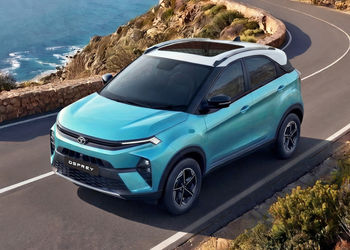
A test drive is a vital part of the car-buying process, but if you’re shopping for a used car, it’s even more important to make sure that your prospective purchase has no mechanical problems and that its functions and features are in good working order. We bring you 8 insider tips for that all-important test drive…
PARTNERED CONTENT
Once you have compiled a shortlist of cars that suit your budget and meet your requirements, it is time to conduct a test drive or two. Remember these tips when test driving a vehicle with motus.cars.
A salesperson will usually accompany you on a short test drive in the vicinity of the dealership, but it’s better to undertake a lengthier on-road evaluation (if you can) because it will allow you to “live” with the car for a bit longer. Ask to take the vehicle out for a 45-minute drive so that you can assess how easy the vehicle is to park and manoeuvre at low speed. You should drive it in town and on the freeway.
Ideally, take a friend or family member with you; they may pick up on things that you might miss. However, before you drive off, it is important to know what you might be liable to pay in the event you are involved in an accident during the test drive, such as the insurance excess.

Before you sign a test-drive agreement, make sure you read it to ensure you’re comfortable with all the conditions.
For a new car, the test drive will help you determine whether you like the driving feel and comfort of the vehicle… and whether it’s a practical fit for your specific needs.
A used car test drive is a bit different: you’re also looking for mechanical faults or other issues that may have arisen as a result of wear and tear or insufficient maintenance on the part of previous owners.
Herewith is an 8-point test drive checklist from motus.cars, supported by Motus Nissan (previously Imperial Nissan), to comprehensively consider every aspect of a prospective car purchase:

Test drive checklist:
Before you drive off, check whether the vehicle has exterior damage such as dents, chips or scratches. Make sure they are noted by the salesperson, or you could find yourself being held responsible for damage that occurred before you tested the vehicle. Should you want to make an offer to purchase at a later stage, that damage will need to be corrected or the cost of repairs factored into the asking price.
1. Engine and suspension
The car should run smoothly when accelerating, decelerating and travelling at a steady speed. Once the powertrain has warmed up, the water-temperature gauge reading should remain stable (about halfway between the cold and hot markers) – and the temperature warning light should stay off! Harsh rattling or knocking sounds may be signs of incorrect tuning or worn/faulty engine or suspension components.
2. Steering and brakes
The vehicle’s steering should be responsive with no vibration or “free play” on the ‘wheel. Ensure that the car stops smoothly, strongly and in a straight line when you press the brake pedal firmly.
3. Clutch and gears
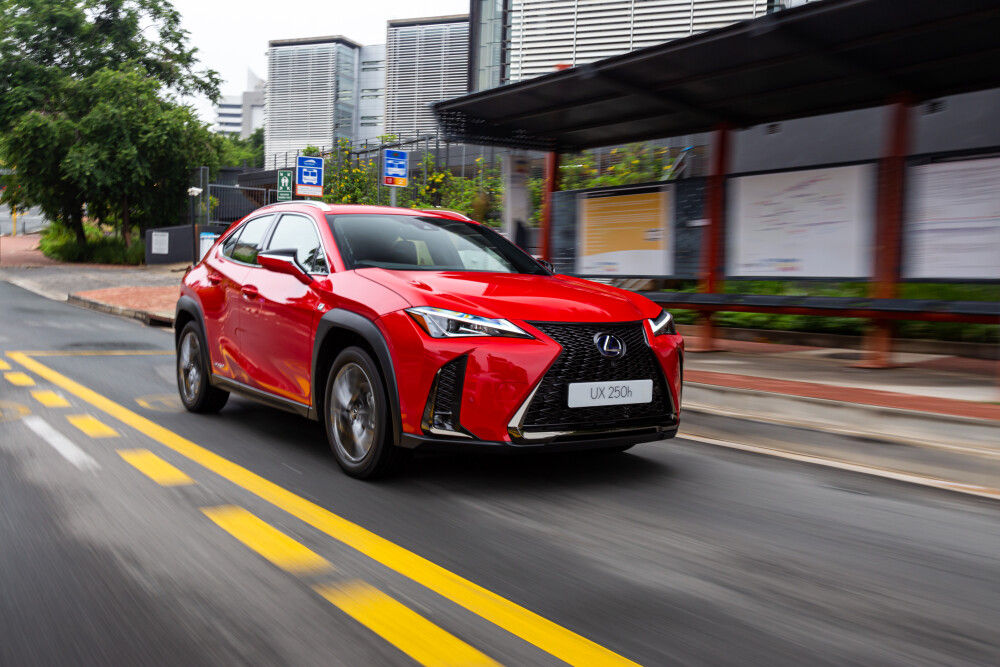
If you’re test-driving an automatic car, check that the transmission changes gears smoothly and consistently (when you expect it to). In a manual vehicle, the shift action should be positive (the gear lever should notch precisely into its slots) and the clutch pedal must disengage/engage the car’s clutch progressively… in other words, the leftmost pedal should be easy to modulate once you’re used to it.
4. Comfort
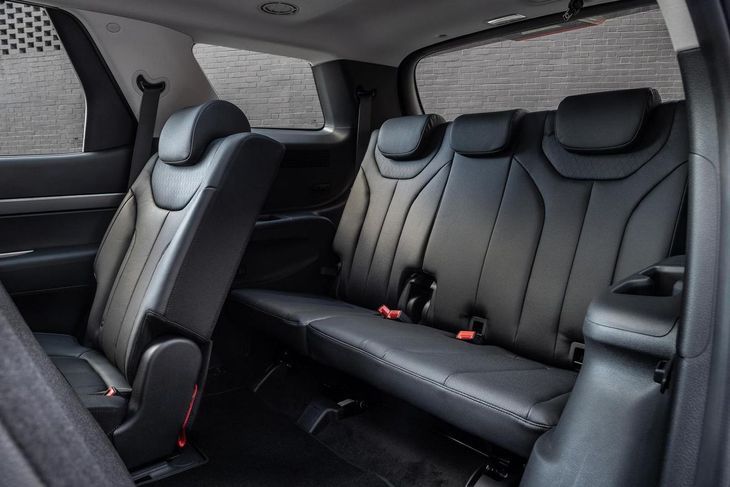
Adjust the driver’s seat, steering-column rake/reach, as well as the positions of the rear-view and side mirrors to your preference before you start the test drive. Ensure you are completely comfortable behind the ‘wheel, with clear vision to the front and rear of the vehicle. Sit in all the seating positions. Check whether there is enough leg- and headroom for the intended occupants.
5. Switches
Locate and test the main switches, such as the wipers/washers, headlights, cruise control stalk/buttons (if applicable) and hazard lights.
6. Aircon and Technology
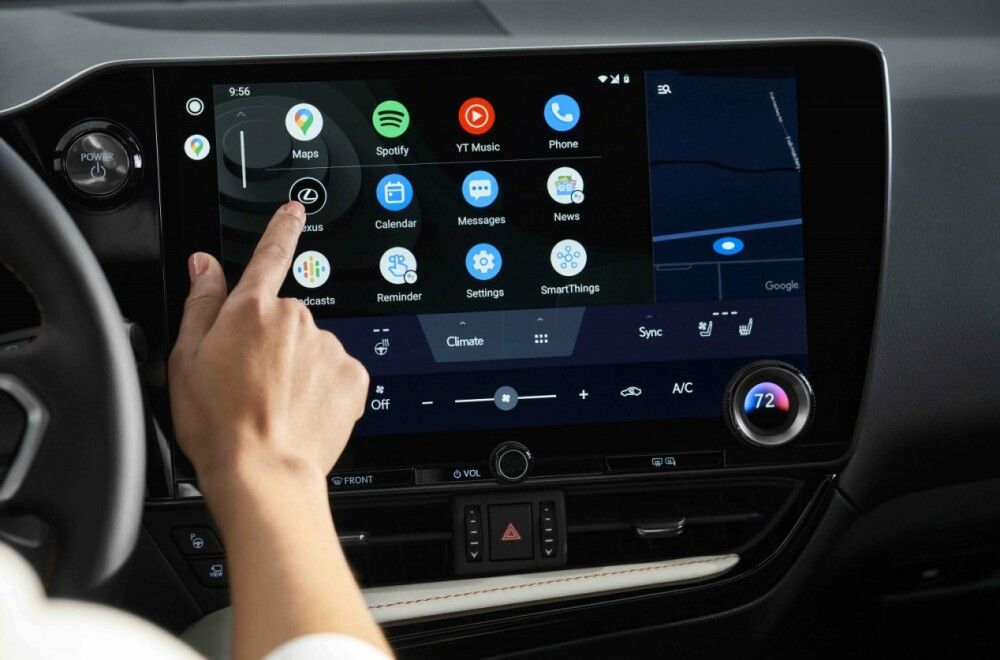
Turn on the aircon to ensure it works effectively. Try out all the tech features, such as the infotainment system, including Bluetooth audio streaming/telephony and Apple CarPlay/Android Auto compatibility.
7. Safety
Check that all seat belts are in working order and, if you have young children, take along car seats to test if they fit in the car with easily accessible anchor points and seat-belt buckles.
8. Space
Check the boot size or load-bay capacity to ensure that it would be able to accommodate any large items you will need to transport, such as golf clubs, prams or large suitcases.
More about motus.cars
It’s always advisable to buy a used car from a name you can trust. With motus.cars you can even book a test drive online. Simply click on the car you’re interested in, fill in the enquiry form and remember to tick the “book a test drive” box. Remember to take your valid driver’s licence along with you!
Browse the motus.cars range of quality, Motus-certified new, used and demo crossover vehicles for sale here.
If you would like to get your car valued as a trade-in, why not enquire about your new dream car on motus.cars and get your current car valued at the same time!

Make use of free tools available to further help you decide what the best vehicle finance option is for you. Use these simple affordability and finance calculators to help you determine what you can afford and what finance option will be best for your needs.
Visit motus.cars for more info, or join the conversation on Facebook, YouTube and Twitter.
Related content:
5 things your mechanic wishes you knew
Service- and Maintenance Plans: The differences
Looking to trade in your car? What you need to know