What’s the point of paying a new-car emissions tax if the Government does precious little to facilitate the public uptake of lower-emissions vehicles? South Africa is on track to achieve its CO2 reduction targets all right, but only because Eskom is in disarray…
How much of a burden, annoyance and anxiety trigger was Eskom in your life in 2010? Remember that year? South Africa hosted an immensely successful Soccer World Cup tournament – and load-shedding wasn’t really a thing.
Governments institute unavoidable taxes – they’re sneaky that way – and, in 2010, the South African government introduced its carbon emissions tax for private vehicles under 3 500 kg. It wasn’t much of an issue for consumers at the time, but it has become one as the economy declines – and inflation soars.
When SA’s emission tax was introduced in 2010, inflation was low and load-shedding infrequent.
The emission tax you pay on a new car is hugely complicated, which is how governments prefer their tax regulations to be. In 2022, it became even more problematic.
Why? Because the original new-vehicle (CO2) emission tax was geared to increase by 2% per year, until 2022. Since last year, it is linked to inflation – and South Africa is currently in a cycle of surging inflation.
The irony of emissions taxes and Eskom
The CO2 tax is calculated on a vehicle’s emissions above 95g/km and will grow at the Consumer Price Index (inflation rate). Every gram of CO2 your new car emits beyond the 95g/km threshold is taxed. How do those numbers influence some of South Africa’s most popular vehicles?
The official numbers of the National Association of Automobile Manufacturers (Naamsa), which account for the 2022 emission tax re-rating, are: R132 per gram for cars, with double-cab bakkies taxed higher, at R176 per gram. What does that mean in actual money, applied to Mzansi’s most popular vehicle range?
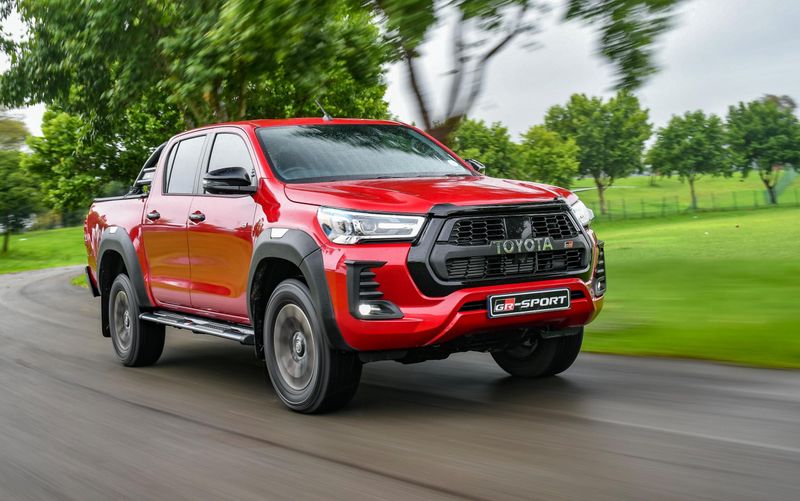
Applying the Naamsa emission tax formula to something like Toyota’s Hilux 2.8-litre double-cab auto calculates to about R17 600. Double-cab bakkies aren’t inexpensive, so the emission tax burden isn’t proportionally significant, but it’s still money. And something South African buyers should question.
A vehicle tax – to serve what end?
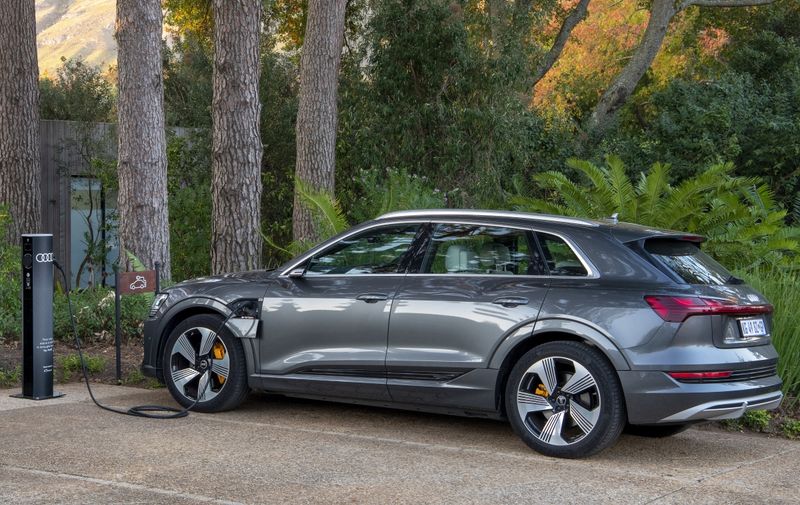
The irony is that the Government is taxing your choice of vehicle while hampering the introduction of lower-emission alternatives. Instead of incentivising local consumers to purchase hybrid- and battery-electric vehicles, the State levies frankly ridiculous battery import tariffs on lower-emissions vehicles.
The greatest irony with the Government’s vehicle emission tax is related to Eskom’s energy availability (or lack thereof). The idea that South Africa – one of the world’s greatest CO2 polluters – would naturally reduce its emissions was laughable back in 2010, when the private vehicle emissions tax became law.
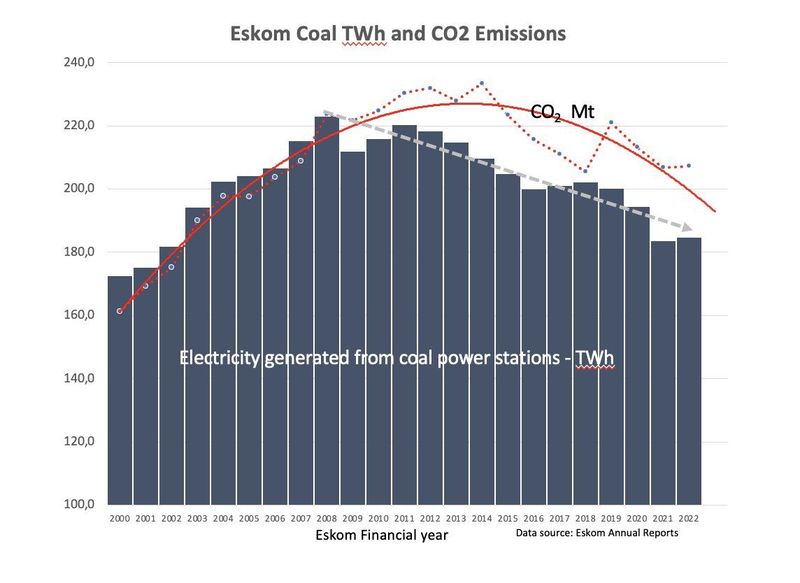
Kusile and Medupi were expected to entrench South Africa’s CO2 volumes. But this hasn’t happened quite as envisioned, because both those coal-fired power stations have dramatically underperformed.
Amazingly, South Africa is on trend to efficiently achieve its CO2 emission targets due to an inconsistent supply of power. If we are safely under the prescribed 2030 carbon emission threshold, why are you, the dutiful South African taxpayer, paying an escalating carbon emission tax on your new car… especially when you consider that Government is effectively taxing you out of hybrid- and electric vehicle options?
The numbers make no sense
Paying vehicle emissions tax to the Government hasn’t resulted in improved fuel quality or an expanded EV-charging infrastructure. Maddeningly, the State is making it harder for local consumers to buy new-energy vehicles, which are readily available in other markets and could evade the local CO2 emission tax.
Once a tax becomes entrenched, governments are reluctant to rethink it (why would they abandon a growing revenue stream?) And, with private vehicle owners being a convenient target – there is no way to avoid it – there is little likelihood of the Government reconsidering its position on vehicle emissions tax.
You pay, well, for nothing
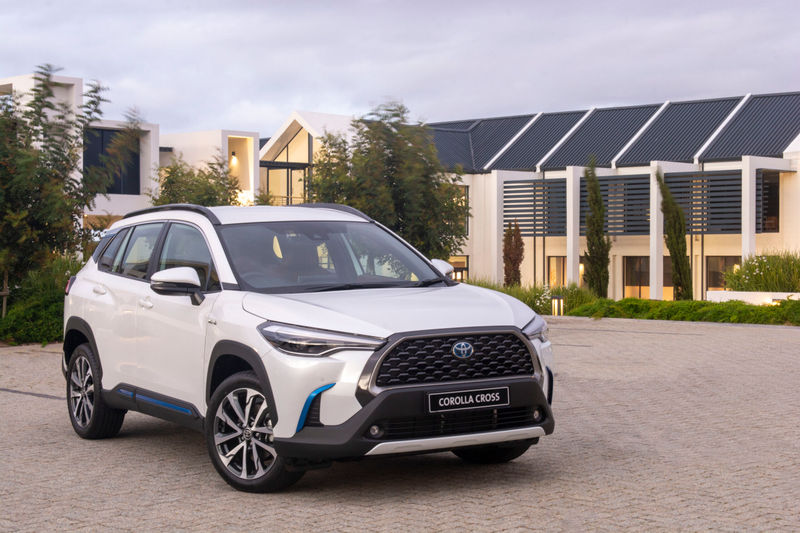
What are the options? For most South African car buyers, they aren’t great. The most popular vehicles in South Africa are bakkies, which are all way over the prescribed CO2 emissions tax threshold. Although Toyota has promised to introduce hybridised powertrain options for Hilux, that won’t make a material difference unless the State softens its tariffs on imported electric powertrain components.
South African car buyers are being flanked by a nonsensical government approach to the taxation of the CO2 emissions of new vehicles. The Government’s approach appears to be tax extraction without any investment or enablement of better alternatives. And with many brands now producing an abundance of hybridised derivatives throughout their model portfolios, let alone all-electric models, it’s inexplicable.
Government has the right to tax emissions, as governments do in many global markets. But doing that while simultaneously taxing the new energy vehicle alternatives has the makings of powertrain paranoia.
The simple truth is this… The CO2 emissions tax levied on South African new vehicles sold since 2010 has not delivered a single litre of superior quality fuel required by low-emission petrol and diesel engines. It is solely a revenue source for the Government. Paying an emissions tax without any benefits in fuel-refining quality, advanced powertrain options, or charging infrastructure, is bizarre – it makes no sense.
Emissions tax is even worse as a financed cost
When vehicle emissions tax regulations were promulgated in 2010, the Eskom power crisis was never supposed to continue into 2023. All the projections for South Africa’s global contribution to CO2 emissions have dramatically ebbed due to the power crisis.
South Africa is trending below its projected 2030 emissions target, and it’s time for the Government to respond to that reality. How? By suspending the new-vehicle CO2 emissions tax, making cars with loser-emissions tech more affordable, and removing the illogical import tariffs on EV power-unit components.
Many South Africans are struggling financially, and the thousands of Rands they are paying in CO2 emissions tax (built into new-vehicle purchase prices) are draining. For first-time new-car buyers or those on a tight budget, the emissions tax loaded into their cars’ purchase prices, when financed, becomes a real affordability issue compounded over the terms of their car-finance agreements.
Related content:
Would you buy a brand-new ‘old’ Toyota bakkie?
Did Mazda give the CX-60 the wrong engine?
Is Isuzu’s 6-cylinder turbodiesel hiding in plain view?
Why you don’t need a double-cab 4×4 with low range
What bakkie might Stellantis build in SA?