Nothing ruins your lifestyle budget like surging fuel prices, and because it’s an unavoidable expense, you just have to deal. However, you can adjust your driving behaviour to be more fuel efficient and so get more range from every litre of fuel.
Before you trade in your car for a scooter, we have put together some practical, sanity-saving fuel efficient driving tips that will leave you with a little extra in your wallet for the next braai.
Drive smoothly & avoid rapid acceleration
Rapid acceleration and harsh braking waste fuel by making your engine work harder than it needs to. Smooth, gradual acceleration and deceleration enable your car to operate at maximum efficiency, reducing strain and improving fuel economy. Try to anticipate traffic flow and maintain a consistent speed to minimise sudden changes. Remember high school physics? Conservation of momentum is your fuel economy friend.
Maintain optimal tyre pressure
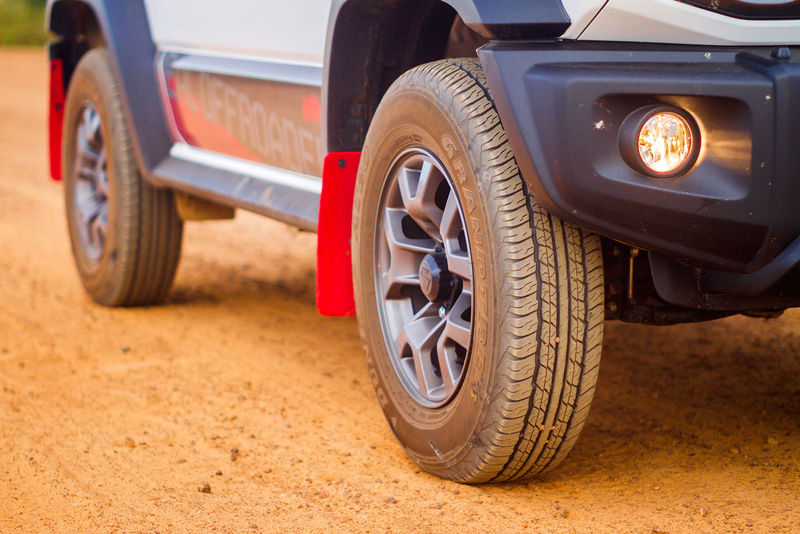
Under-inflated tyres create more rolling resistance, increasing mechanical drag, which makes your engine needlessly work harder and use more fuel. Check your tyre pressure at least once a month and before you embark on a long journey.
Also, stick to the manufacturer’s recommended PSI. Proper inflation can improve fuel efficiency by 5%. Beyond the fuel savings, properly inflated tyres enhance your car’s steering, braking and overall driving performance. It’s a good habit to keep.
Reduce speed
Driving slower and maintaining a steady speed not only prevents a speeding ticket but also significantly reduces fuel consumption. Depending on the model, vehicles are usually most fuel efficient in the 80-100 kph range.
Avoid excessive idling
It’s obvious that an engine that’s idling is wasting fuel. If you stop for more than a minute, consider switching off your engine.
Use air-conditioning sparingly
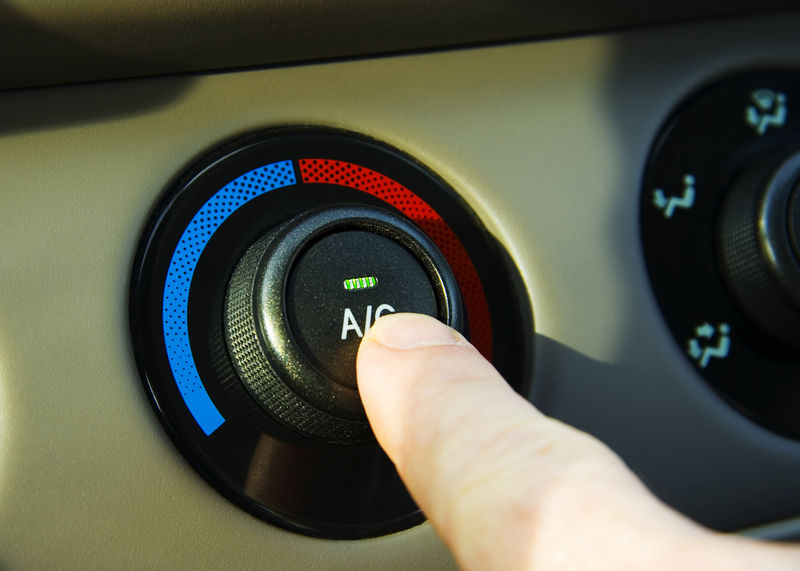
Air-conditioning sources its power from the engine and can increase fuel usage by as much as 10% when used at its maximum setting, in a car with a small-capacity engine. Use the A/C setting sparingly, but be aware that open windows can cause drag at higher speeds.
Plan efficient routes
Be savvy by combining multiple errands into one trip rather than taking multiple short trips. Cold engines are less efficient, so minimising the times your car needs to warm up makes sense. Also employ your GPS’ shortest route suggestions to avoid congestion and reduce time spent idling in traffic.
Remove unnecessary weight
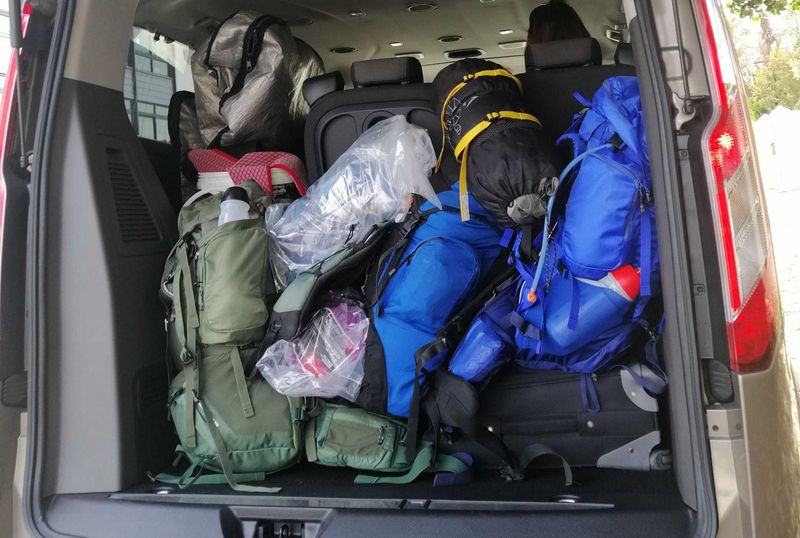
Extra weight adds to your engine’s workload. All items that are not needed for any given trip, like sports gear or heavy cargo boxes, should be removed from the vehicle.
Use cruise control where applicable
Another excellent fuel-efficiency driving tip is to use your cruise control, if your vehicle has this feature. Cruise control helps avoid the surges in fuel consumption that come with frequent speed changes.
Regular vehicle maintenance
A well-maintained vehicle operates more efficiently. Dirty air filters, worn spark plugs, low engine oil, and old fuel injectors can all decrease your fuel economy. Follow the maintenance schedule in your owner’s manual and get your vehicle serviced regularly to ensure everything is running optimally.
Utilise Eco mode
Many modern vehicles include an Eco mode setting, which adjusts throttle response, transmission shifts, and even climate control to favour fuel savings. Activating Eco mode during city driving or moderate-speed cruising can lead to measurable improvements in fuel efficiency with minimal compromise to performance.
Cars.co.za

Providing you with the latest motoring news, new car releases and the simplest way to buy and sell cars.