The Ford Puma was on the local market for a mere 2 years. So, should you consider a used version of this sprightly little crossover? Let’s investigate…
While the immensely successful B515-series Ford EcoSport was available in South Africa’s new-vehicle market for an entire decade, the Ford Puma that followed it lasted a mere 2 years (despite being a decidedly strong seller in Europe).
Of course, the Puma wasn’t ever intended as a direct replacement for the EcoSport, even though it arrived just as the latter left local shores. Indeed, the Romanian-built boutique crossover was not only a little larger than its budget-beating sibling but also offered a far more upmarket experience.
Still, local consumers naturally drew comparisons between these 2 models, which only served to highlight the Puma’s lofty pricing. In the end, the Blue Oval brand’s local division pulled the plug on its small crossover after just 2 years, with only around 1 800 units sold (according to our figures, anyway).
For the record, this wasn’t the first time Ford had used the Puma nameplate, with the badge having been applied to a 3-door coupé produced in Europe between 1997 and 2002, too. Like the Puma crossover, that model ran on the same platform as the Fiesta hatchback of the era.
Ford Puma model line-up in South Africa
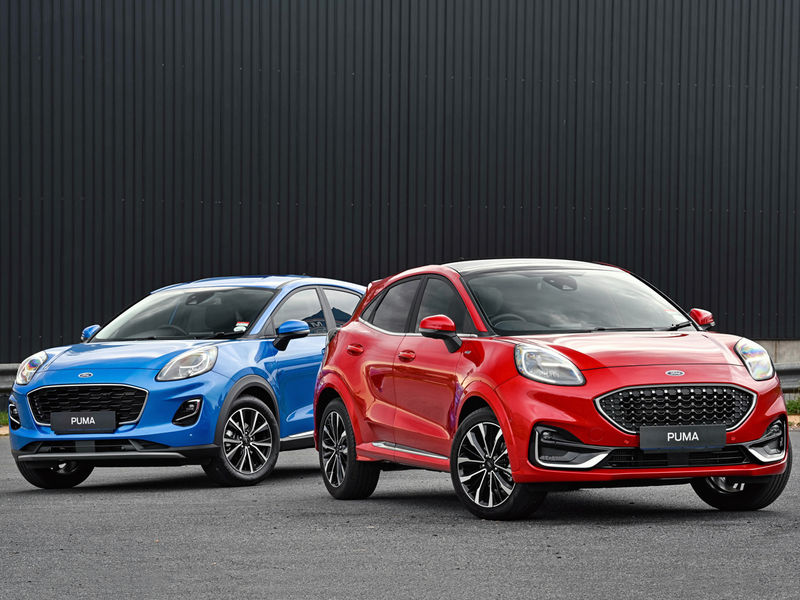
Although the Ford Puma crossover was revealed in Europe in June 2019, it arrived in South Africa only in October 2023 – yes, more than 4 years later. In August of that year, Cars.co.za broke the news that the Puma was finally coming to local roads, with the Dearborn-based firm clearly keen to bolster a passenger-vehicle line-up that had by that point effectively been reduced to the Mustang and Everest.
At launch in Mzansi, the Puma line-up comprised just a pair of derivatives: the Titanium (measuring 4 186 mm long) and the ST-Line Vignale (interestingly, a little lengthier at 4 207 mm). Each was powered by Ford’s turbocharged 1.0-litre, 3-cylinder EcoBoost petrol engine. In this application, the familiar forced-induction mill drove the front wheels via a 7-speed dual-clutch transmission as standard:
- Puma 1.0T Titanium 7DCT (92 kW/170 Nm)
- Puma 1.0T ST-Line Vignale 7DCT (92 kW/170 Nm)
Ford Motor Company of Southern Africa made no changes to its Puma portfolio over the next 2 years. This was despite a refreshed version (with a handily upgraded cabin) being unwrapped in Europe in February 2024, just a few months after the pre-facelift model had touched down in SA.
By October 2025, with the facelifted model well and truly off the table for South Africa, sales had tapered to single figures. Ford’s local arm officially confirmed the Puma’s axing to Cars.co.za the following month, seeing this nameplate join the likes of the Fiesta, Focus, EcoSport and Kuga on the brand’s growing passenger-vehicle scrapheap.
What are the Ford Puma’s strengths?
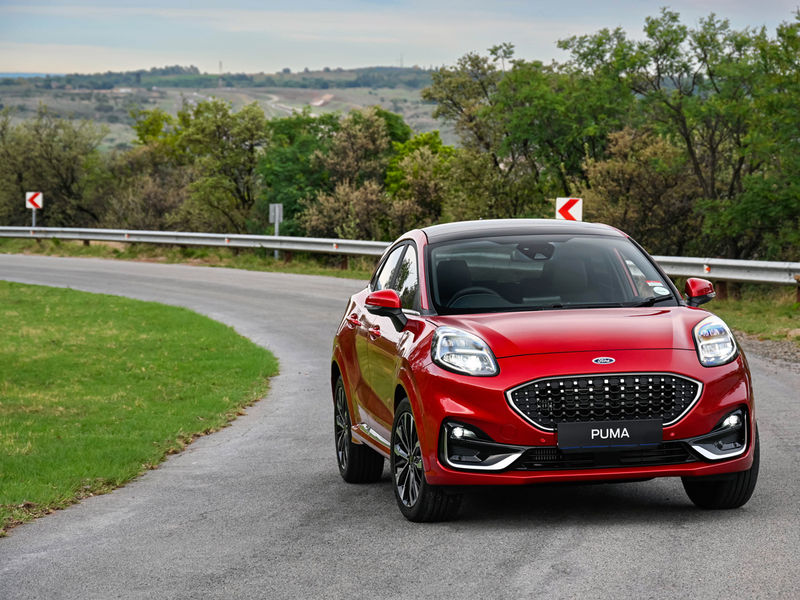
Dynamic ability: Just like the Fiesta hatchback with which it shared its B2E platform, the Puma was great fun to drive. Serving up commendable surefootedness, tight body control and direct steering feel, this little crossover benefitted from a cleverly engineered suspension set-up (despite Ford sticking with a torsion-beam arrangement at the rear).
Though both derivatives had a listed ground clearance of 164 mm (meaning the Puma was lower-slung than most rivals, further reinforcing its excellent handling), the ST-Line Vignale boasted a sport suspension with “specially tuned” springs and shock absorbers.
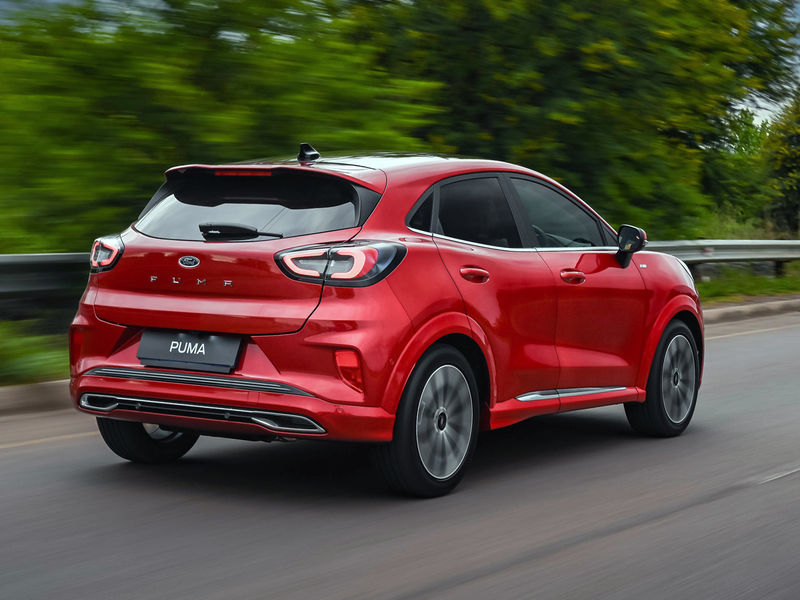
Meanwhile, the turbocharged 1.0-litre motor – the responses of which could be tweaked via 5 dedicated driving modes – offered enough in-gear grunt to exploit the Puma’s dynamic ability, with peak torque of 170 Nm available from 1 400 rpm all the way through to 4 500 rpm. For the record, this 92 kW engine had a claimed combined fuel economy of 5.3 L/100 km, though real-world figures were likely on the far side of 7.0 L/100 km.
Clever luggage compartment: Though the Puma offered less-than-generous rear occupant space, the 456-litre luggage area – which in the flagship ST-Line Vignale derivative was accessed via a hands-free powered tailgate – was rather well thought out.
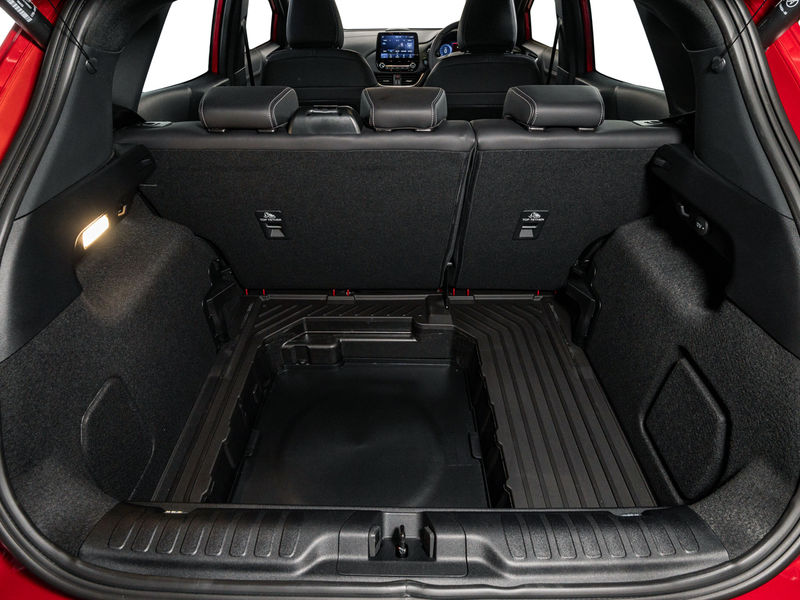
This flexible space included both a nifty split-level floor, which hid a so-called “Ford MegaBox”. Sited below the conventional boot area, the latter featured a synthetic lining and drain plug, making it well suited to storing items like muddy boots and dirty sportswear. However, note the SA-spec Puma came with a space-saver spare wheel and jack (whereas European models made do with a tyre mobility kit), which ate into much of the MegaBox’s storage space.
Plenty of standard safety kit: As is often the case with models sourced from Europe, the Ford Puma came fitted with a wide range of safety features, from the usual ABS, EBA, stability control, hill-launch assist, rear parking sensors, IsoFIX child-seat anchors and 6 airbags to higher-end kit like tyre-pressure monitoring, auto high-beam headlamps, a lane-keeping system, pre-collision assist (with pedestrian detection) and post-collision braking.
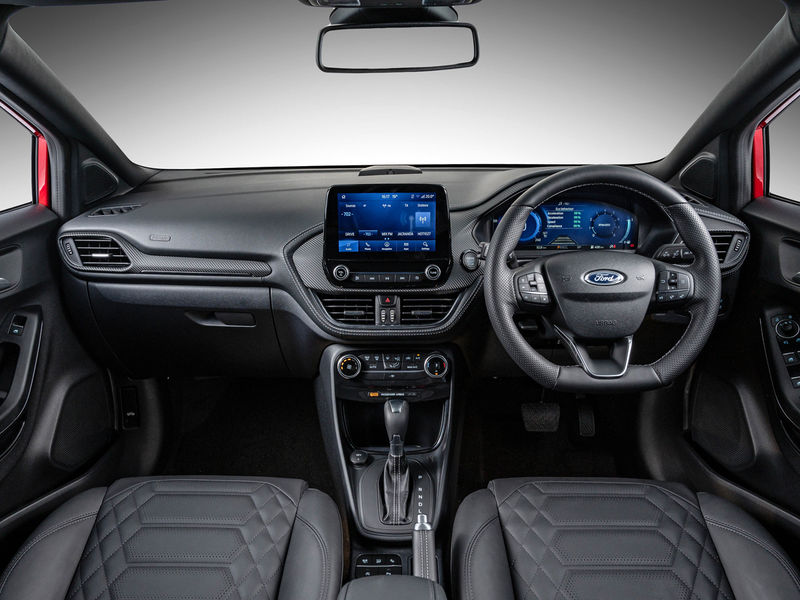
Ford furthermore offered an optional “Driver Assistance Pack”, which added adaptive cruise control (with stop & go and lane centring), a blind-spot information system (with cross traffic alert), front parking sensors, a reverse-view camera, active park assist and a driver-impairment monitor. For the record, Euro NCAP initially awarded that market’s version of the Puma a 5-star rating, but this was downgraded to 4 stars under stricter regulations in 2022.
What are the Ford Puma’s weaknesses?
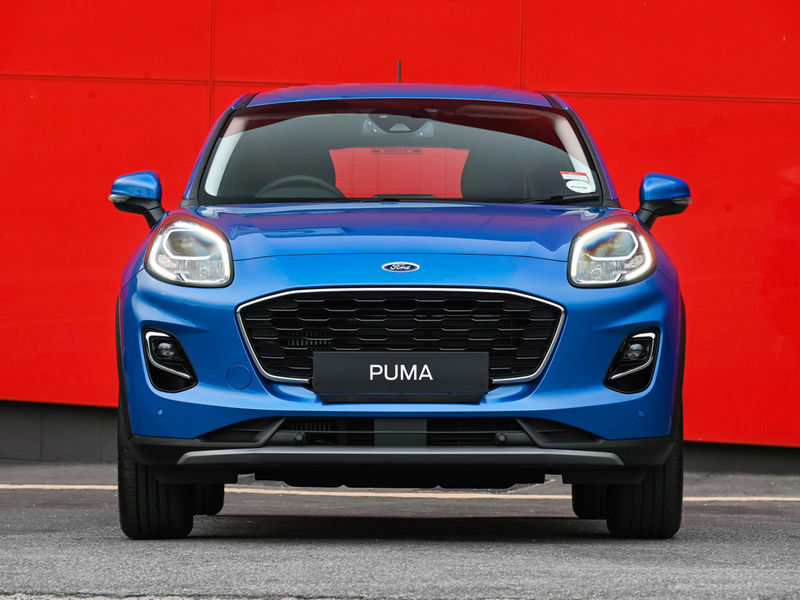
Narrow (pricey) model range: Local buyers considering the Puma had just 2 variants from which to choose, while most segment rivals offered far more choice – be that in terms of powertrain or indeed trim level. In short, this narrow model range (with no true “entry-level” derivative) limited the Puma’s appeal in South Africa.
It certainly didn’t help that the plucky little Ford was steeply priced compared to similarly sized competitors. In fact, the Puma’s ambitious positioning saw it rubbing shoulders with several larger (and typically more powerful) models, including the Chinese-built Ford Territory that touched down in April 2024.
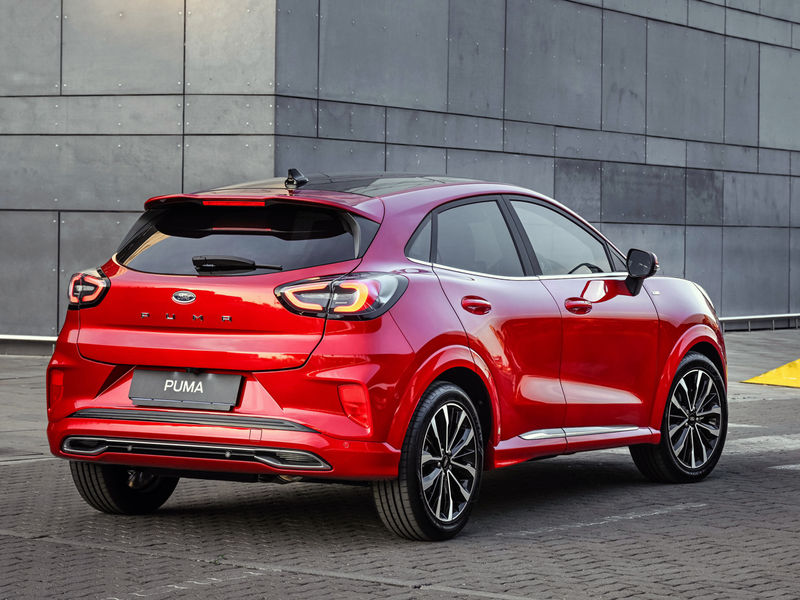
Fuel-line recall: In July 2025, Ford Motor Company of SA announced that 1 796 units of the Puma (1 775 sold in Mzansi, along with 6 units registered in Botswana, 13 in Namibia and 2 in Swaziland) had been recalled. Built between November 2021 and September 2024, these vehicles faced the risk of a fuel line rubbing “against a bracket, damaging the fuel line”.
“Over time, the fuel-line damage may result in a fuel leak. This potential issue may result in an engine stall or, in the presence of an ignition source, a fire. Owners may notice fuel odour, fuel leaking beneath the vehicle or smoke from fuel on a hot surface,” Ford said at the time. So, when considering a 2nd-hand Puma, make sure to ask for evidence the necessary repairs have been carried out.
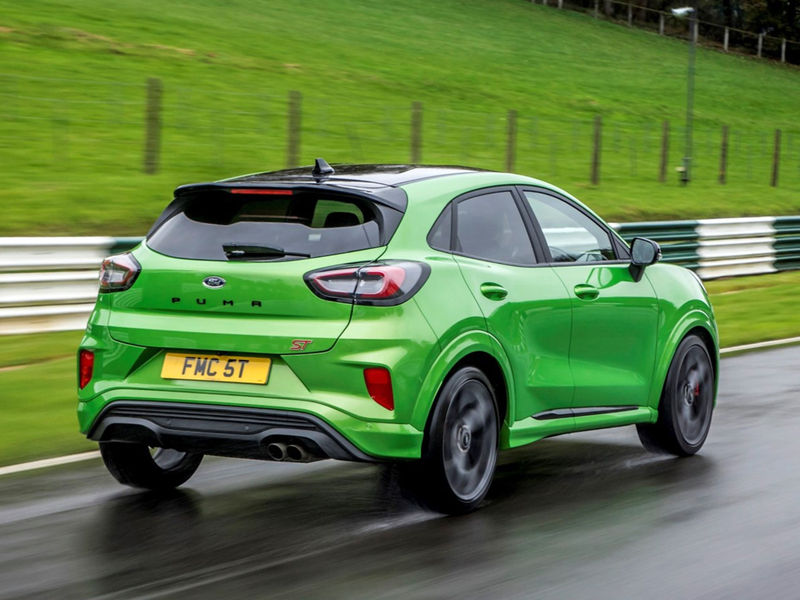
No ST derivative for SA: Like the high-performance ST versions of the 7th-generation Fiesta and the 4th-generation Focus, the hot Puma ST unfortunately didn’t ever make it to South African roads. Why? Well, Ford said its decision was down to concerns over the quality of SA’s fuel.
This was a great pity because the manual-equipped version of the Puma ST looked a lively little thing, offering peak outputs of 147 kW and 320 Nm from its turbocharged 1.5-litre, 3-cylinder petrol engine. There was also an automatic option offered in some markets, although this (notably tardier) derivative switched to a 1.0-litre mild-hybrid powertrain.
How much is a used Ford Puma in South Africa?
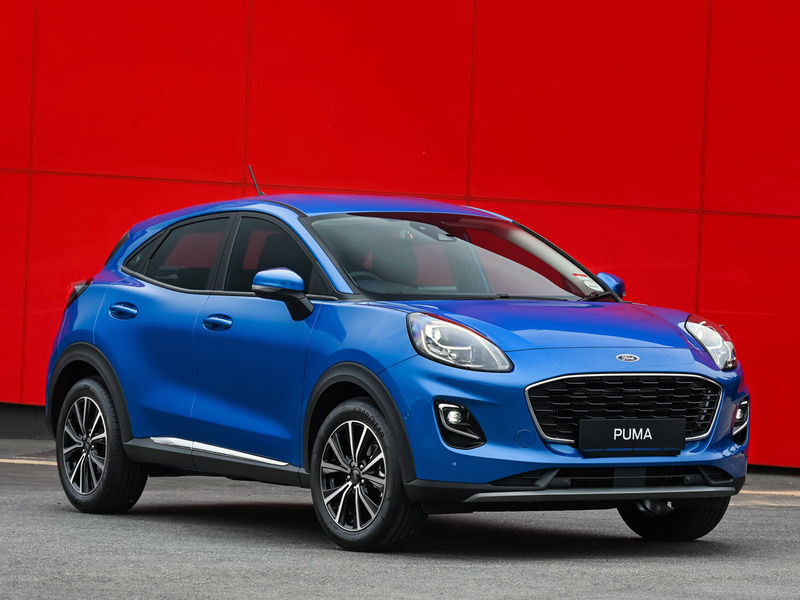
In South Africa, the Puma shipped with Ford’s 4-year/120 000 km warranty, along with a corrosion warranty that spanned 5 years (with unlimited mileage). However, as with all Ford products of the time, a service plan was not included in the purchase price.
In addition to the Driver Assistance Pack mentioned earlier, an optional Styling Pack was available for the ST-Line Vignale derivative, adding a panoramic sunroof (including a black finish for the roof) and 4-way manual adjustment for the front-passenger seat.
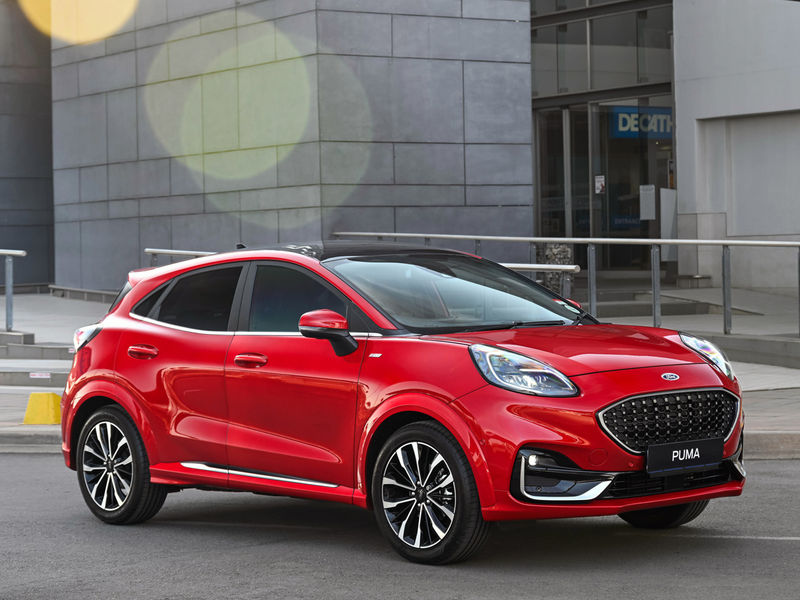
Of the Ford Puma units listed on Cars.co.za at the time of writing, 73% were Titanium derivatives, with the remaining 27% taking the form of flagship ST-Line Vignale variants. The most popular model year was 2025 (56%), followed by 2024 (39%), with 2023 thus accounting for only 5%.
Indicated mileage ranged from just 15 km on a virtually new example to around 61 000 km on a 2024 model. White (31%) was the most prevalent paint colour, followed by grey (25%) and red (15%).
- Below R350 000: At the time of writing, around 20% of listed Puma units were priced below R350 000. All examples here were Titanium derivatives, with most from the opening 2 model years. The cheapest listing we found was a 2024 model priced at just R239 999.
- R350 000 to R450 000: Some 61% of Puma listings were positioned between these pricing bookends. Shopping in this bracket unlocked access to all 3 model years as well as a few ST-Line Vignale examples. Most units here showed well under 50 000 km on their respective odometers.
- R450 000 and up: The remaining 19% of Puma units were priced above R450 000. Interestingly, the split between the 2 grades was virtually even here, with most examples listed as 2025 models. The most expensive Puma we could find was something of an outlier in terms of pricing – a 2023 ST-Line Vignale (with 54 000 km on the clock) listed for a lofty R579 900.
For context on the used-vehicle prices above, note the last official pricing we saw for the Puma before it exited South Africa’s new-vehicle market was R573 500 for the 1.0T Titanium and R617 500 for the 1.0T ST-Line Vignale. These figures, of course, excluded a service plan and options.
Which Ford Puma derivative is best?
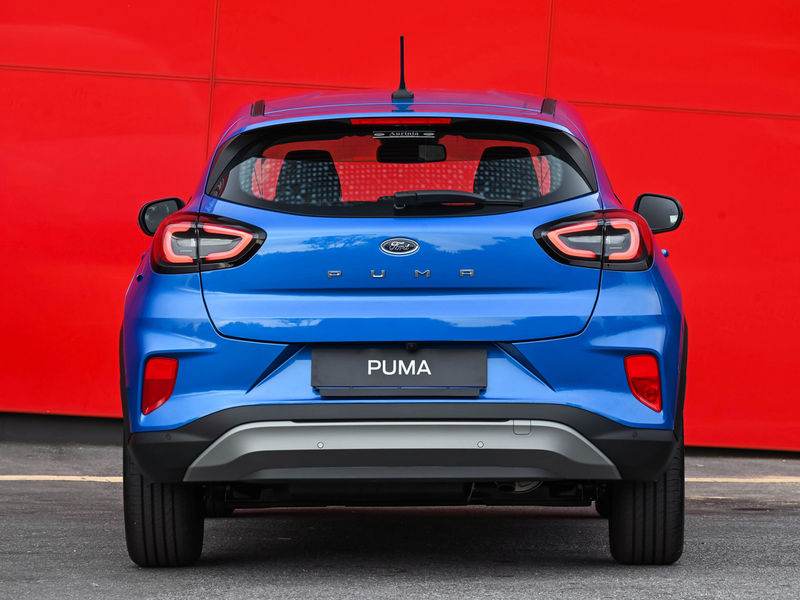
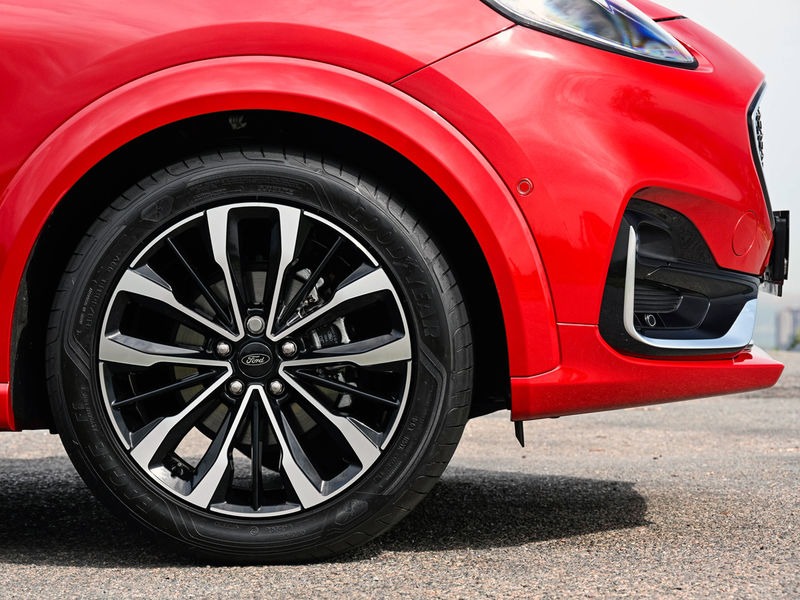
Which trim level should you choose? Well, if ride quality ranks high on your list of requirements, the Titanium derivative would likely serve you best. Remember, the ST-Line Vignale variant came with sport suspension and 18-inch alloys (rather than the Titanium’s 17-inch items, wrapped in plumper tyres), resulting in a somewhat firmer ride.
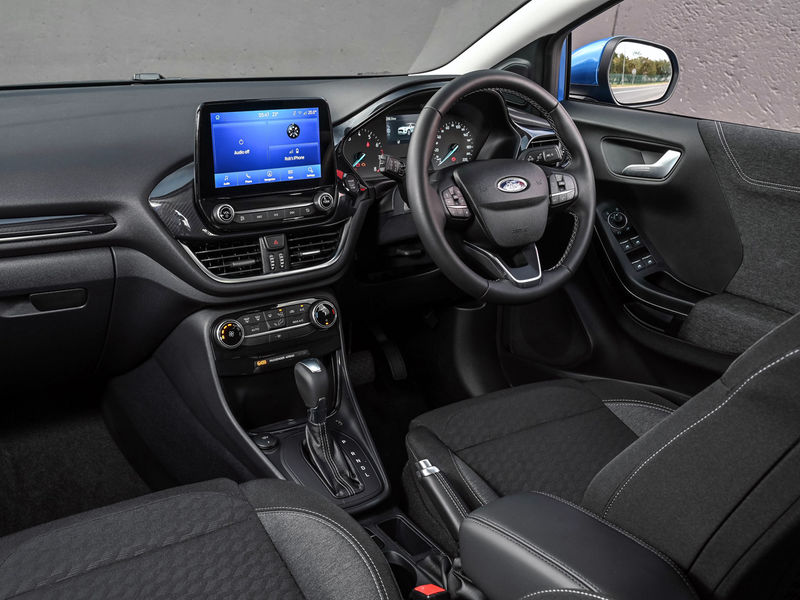
Still, if slightly stiffer suspension doesn’t worry you, note the ST-Line Vignale added all manner of big-car kit, such as front-seat massaging functions, a sport steering wheel, a 12.3-inch digital cluster (rather than the Titanium’s 4.2-inch TFT display), keyless entry, a hands-free powered tailgate, privacy glass, an acoustic windscreen and a 10-speaker B&O Premium Audio System (run through the same 8.0-inch touchscreen with Ford’s Sync 3 software).
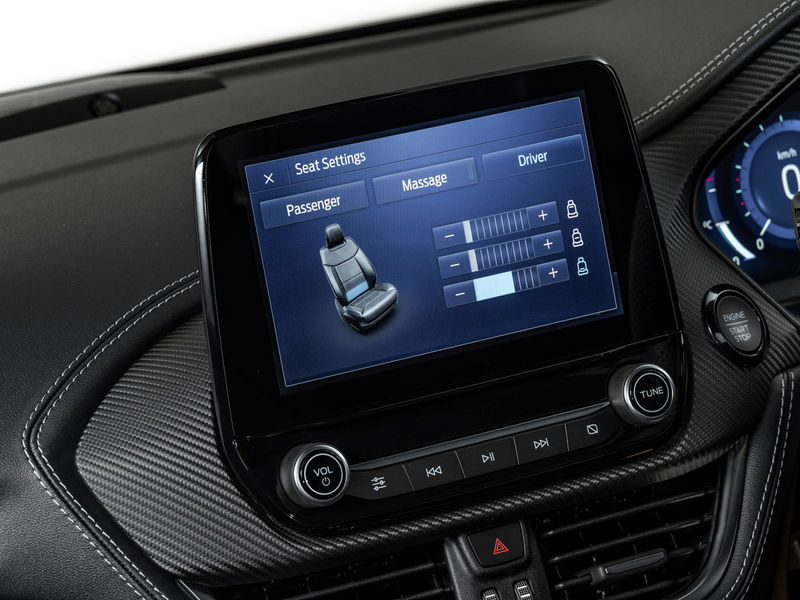
The flagship derivative furthermore boasted an electro-chromatic rear-view mirror, “premium” floor mats and partial-leather upholstery (as opposed to cloth), plus some exterior styling tweaks. Both variants, however, came with items like built-in navigation, wireless smartphone charging, automatic headlamps and rain-sensing wipers as standard.
What are some alternatives to Ford’s Puma?
Since the Ford Puma was priced far north of well-established models like the Volkswagen T-Cross and 2nd-gen Renault Captur, it wasn’t positioned as a mainstream volume driver. It thus ended up competing with various “niche” boutique crossovers instead.
Rivals included the Volkswagen Taigo (and, to an extent, the Volkswagen T-Roc, too) and the Hyundai Kona, along with the Mazda CX-30, the 2nd-gen Opel Mokka, the P24-series Peugeot 2008, the 3rd-gen Honda HR-V, the Toyota C-HR and even the larger but similarly short-lived J12-series Nissan Qashqai. It also faced competition from aggressively priced (and increasingly popular) Chinese contenders, such as the Omoda C5 and Haval Jolion.
Is the Ford Puma a smart used purchase?
Let’s not beat about the bush: the Ford Puma’s lofty pricing meant it was destined to be little more than a bit-part player on South Africa’s new-vehicle stage. But with the nameplate now discontinued locally, this crossover’s residual values have fallen sharply, making it a far more enticing prospect.
Sure, the model range remains decidedly limited, but a used version of the Ford Puma – preferably with the balance of an optional 5-year/90 000 km service plan – nevertheless represents a compelling (not to mention newer and more upmarket) alternative to the closely related Fiesta hatchback that itself exited the local market back in 2022.
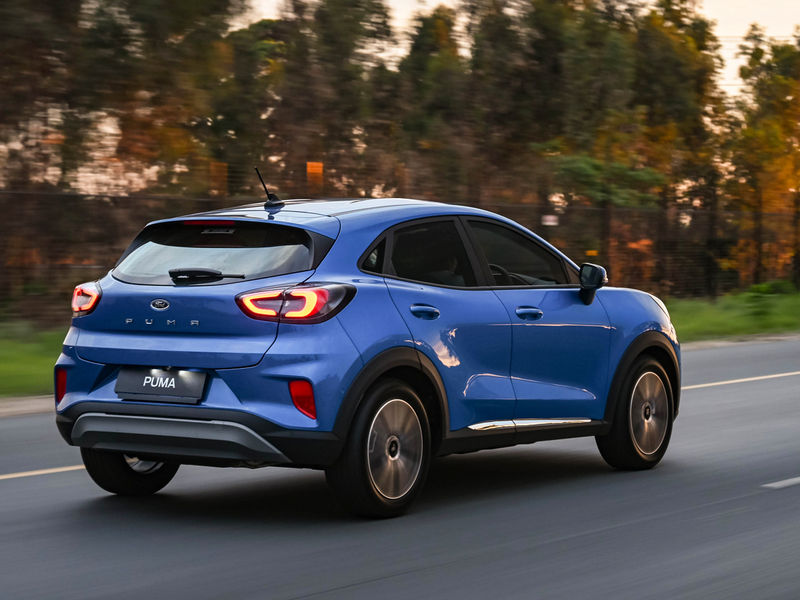
Just like the Fiesta, the smartly engineered Puma offers more dynamic ability than buyers in this segment typically require. But, to those who appreciate the exercise of driving, that certainly makes it stand out in a segment of comparatively dull-to-steer small crossovers.
Looking for a used Ford Puma to buy?
Looking to sell your car? You can sell it to our dealer network here
Frequently Asked Questions (FAQ) About the Ford Puma in SA
Q: Why was the Ford Puma discontinued in South Africa after only 2 years?
A: The Puma faced a “perfect storm” of challenges. Its high pricing compared to the older EcoSport made it a tough sell for budget-conscious buyers and it was quickly overshadowed by larger, similarly priced rivals like the Ford Territory. By November 2025, with a facelifted version already ruled out for SA, Ford officially pulled the plug to focus on its more popular SUV and bakkie lines.
Q: What should I check for when buying a used Ford Puma?
A: The most critical item is the fuel-line recall issued in July 2025. Nearly every Puma sold in SA (around 1 796 units) was affected by a risk of fuel lines rubbing against a bracket, which could cause leaks and engine stalls. Always ask for service records proving this specific recall repair was completed. Additionally, check if the previous owner purchased an optional service plan, as it wasn’t included in the original price.
Q: Is the Puma a better buy than a used Ford EcoSport?
A: It depends on your priorities. The EcoSport is a budget-friendly model with better ground clearance, but the Puma offers a far more premium experience. And the Puma is widely considered the best-handling crossover in its class. It also features the “MegaBox” (a deep, drainable storage area under the boot floor), though keep in mind that the SA-spec space-saver spare wheel takes up some of that space.