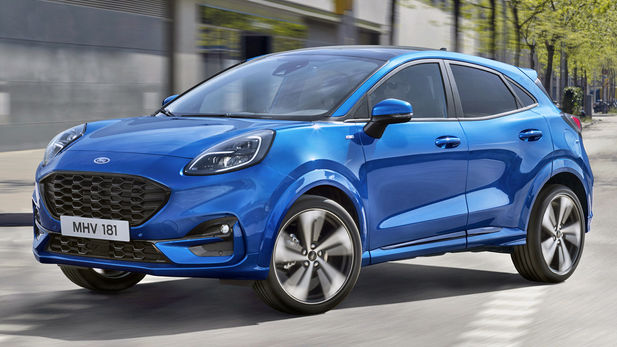
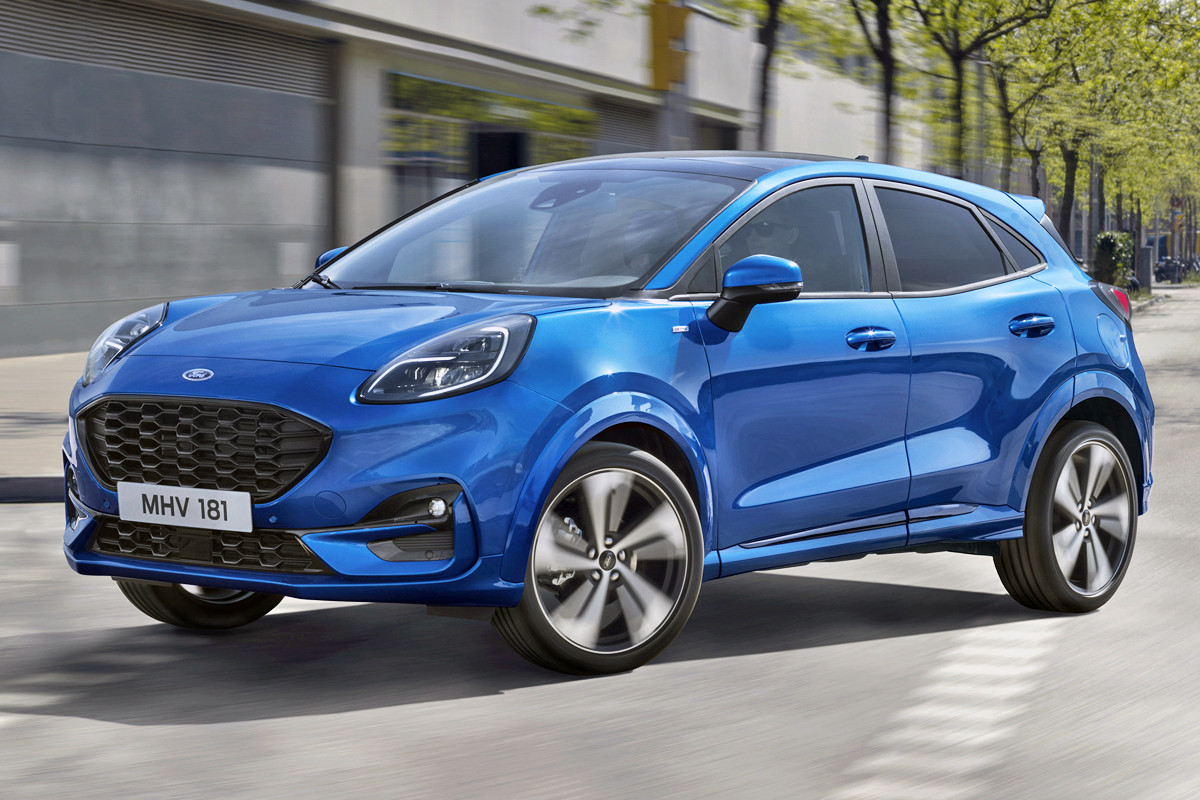
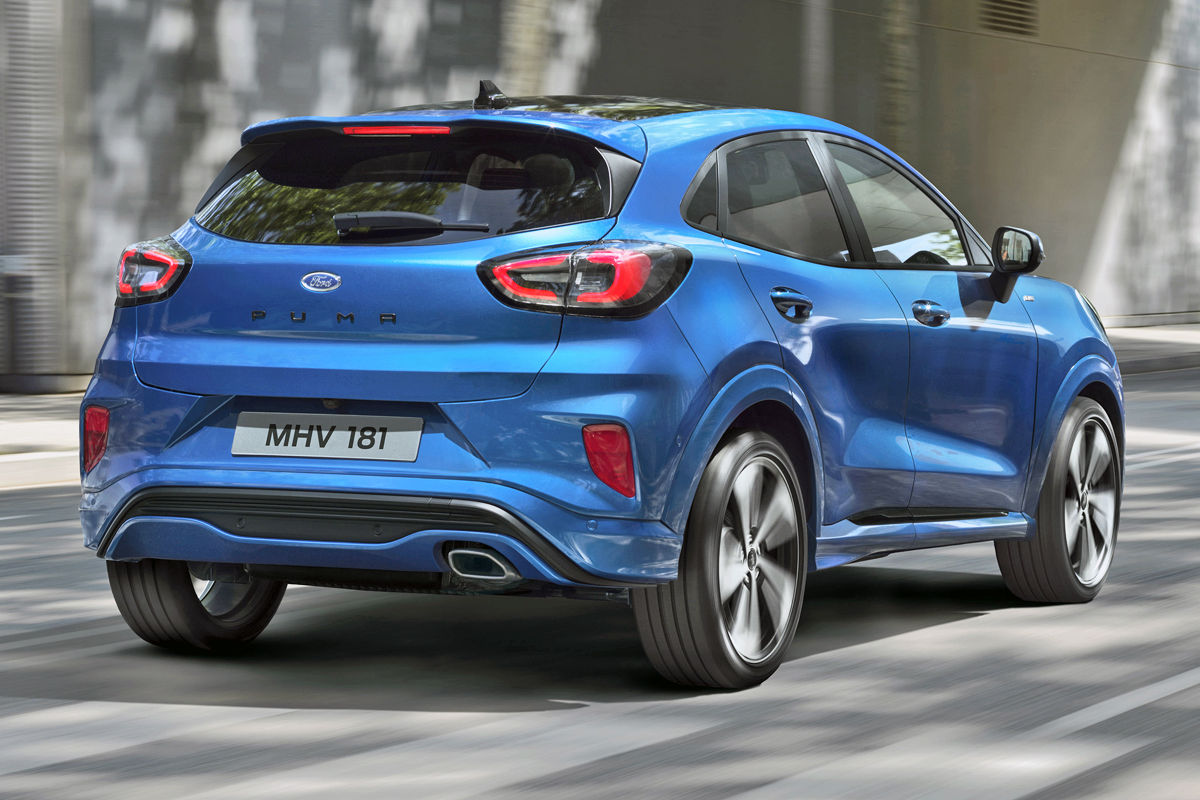
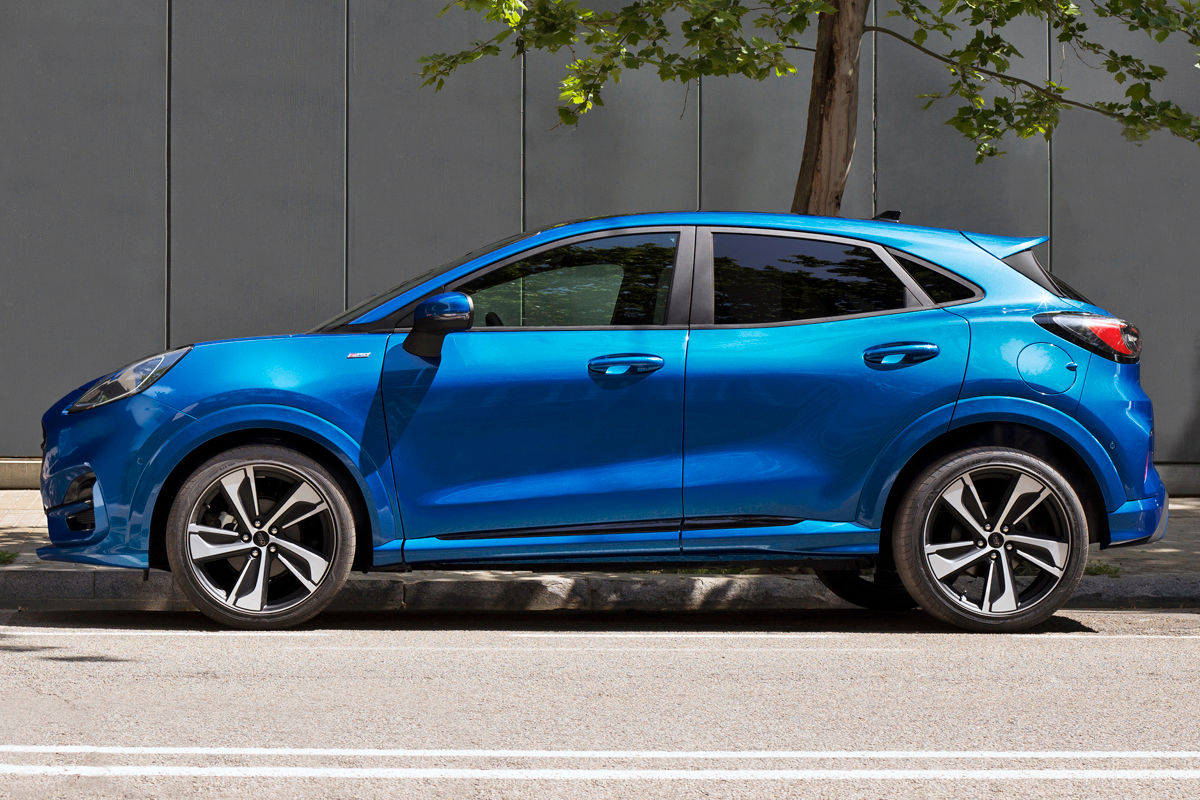
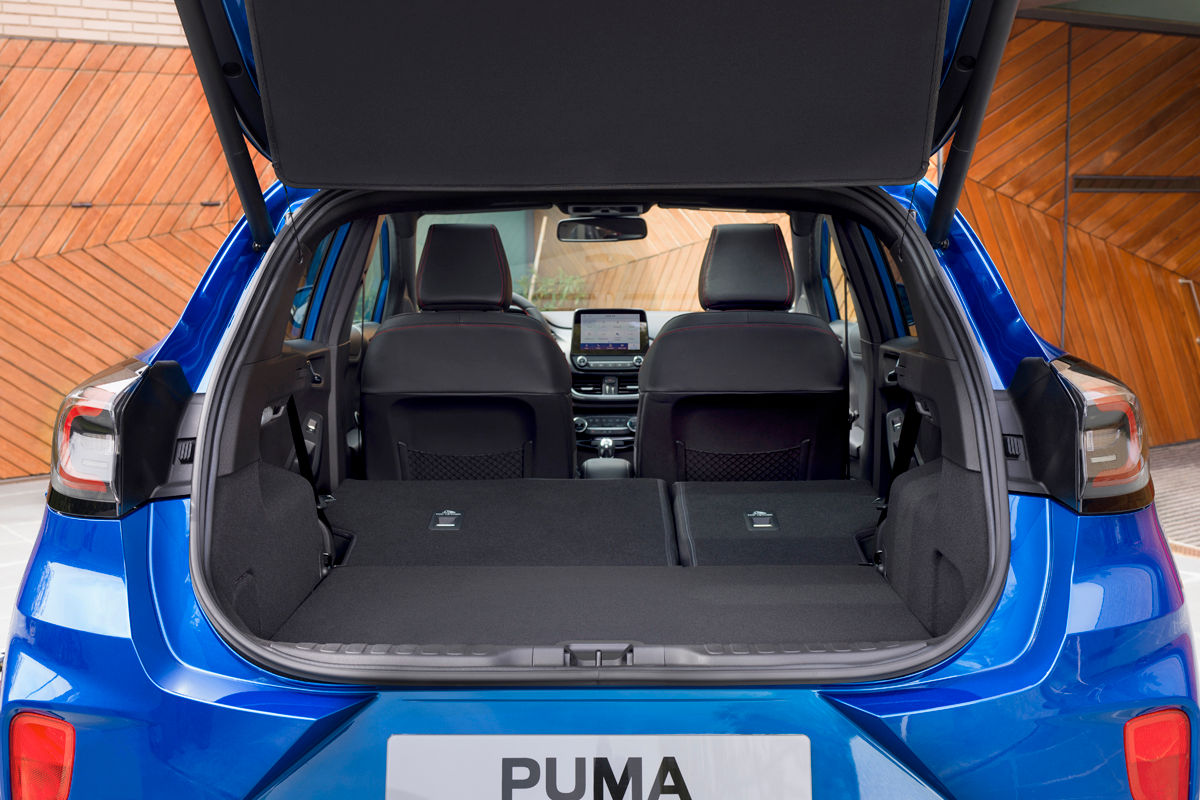
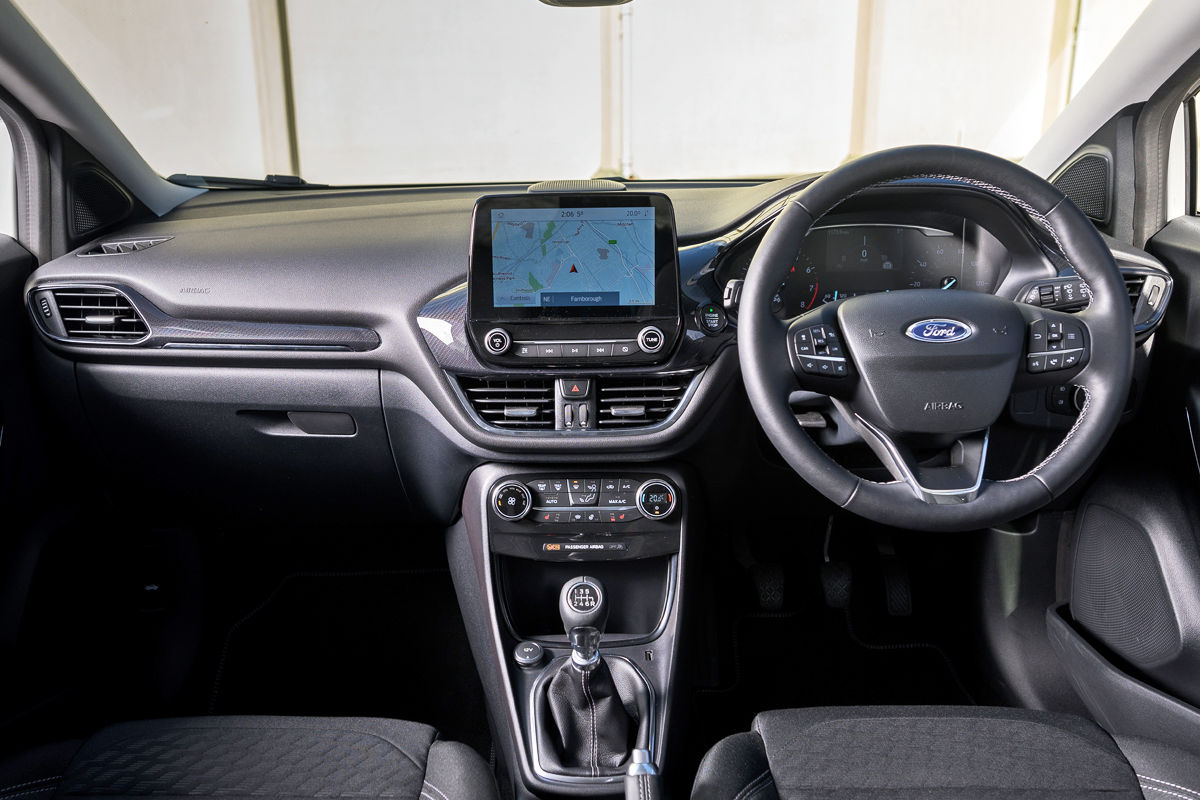
The Ford Puma subcompact crossover is finally headed to South Africa, according to fresh information uncovered by Cars.co.za. Here’s what we know so far…
The Ford Puma subcompact crossover – think of it as a slightly larger Fiesta on stilts – is coming to South Africa to bolster the Blue Oval brand’s passenger-vehicle line-up, according to fresh information uncovered by Cars.co.za.
While Ford Motor Company of Southern Africa (FMCSA) would tell us only that the Puma is “under consideration” for a local launch and therefore “not confirmed for South Africa”, information from a separate trusted source suggests the Romanian-built crossover will make local landfall in October 2023. Furthermore, we found an owner’s manual for the Puma uploaded to Ford’s local website, though it has since been removed.
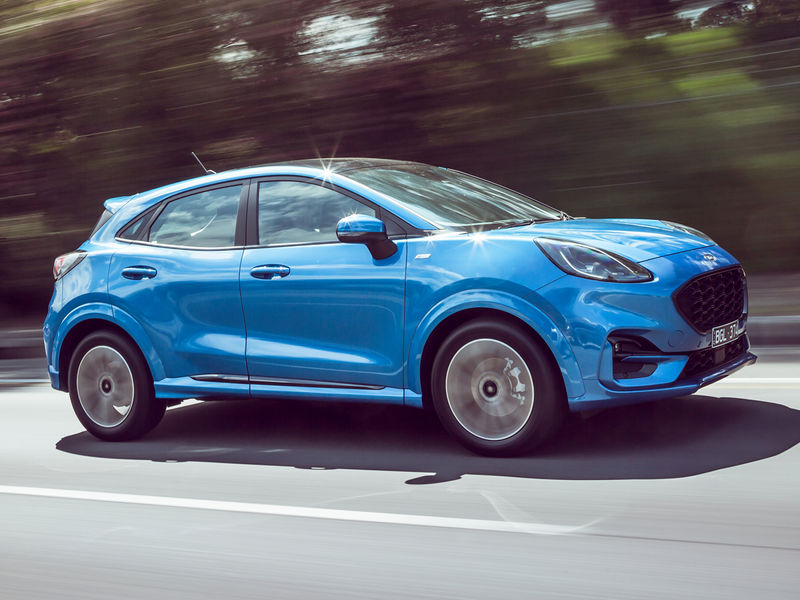
Revealed for European markets in June 2019, the Puma – which measures 4 186 mm long in standard guise (and 4 207 mm in ST-Line form), with a wheelbase of 2 588 mm – slotted in above the EcoSport and below the Kuga (known as the Escape in some markets). Of course, the latter is no longer part of the Dearborn-based firm’s local stable, while production of the EcoSport has officially ended at both the Chennai facility in India and the Craiova plant in Romania, where the Puma is still being built.
With EcoSport stock finally starting to run dry – just 20 units were registered in South Africa in July 2023 – the long-awaited Puma will serve to bolster a passenger-vehicle line-up that has effectively been reduced to the outgoing Mustang and new Everest. As a reminder, the Fiesta was discontinued locally in March 2022 (before Ford pulled the plug globally), with the Figo following soon thereafter.
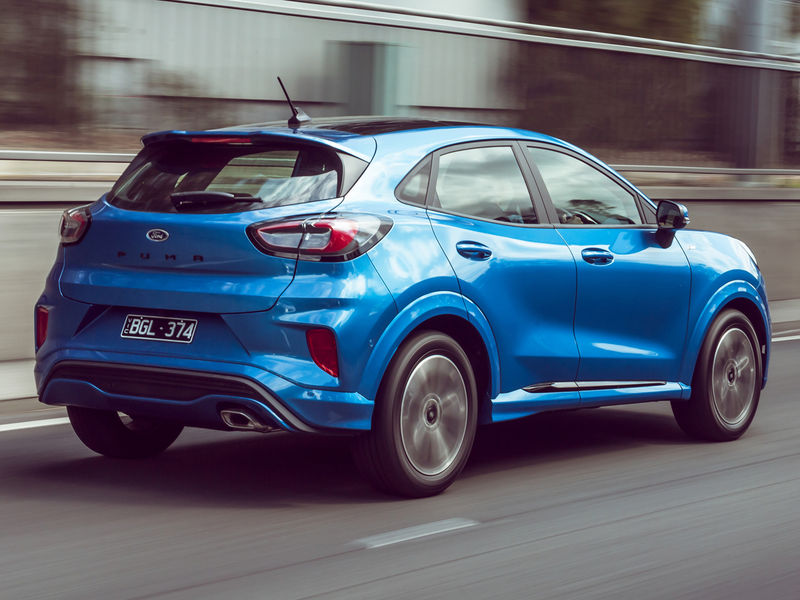
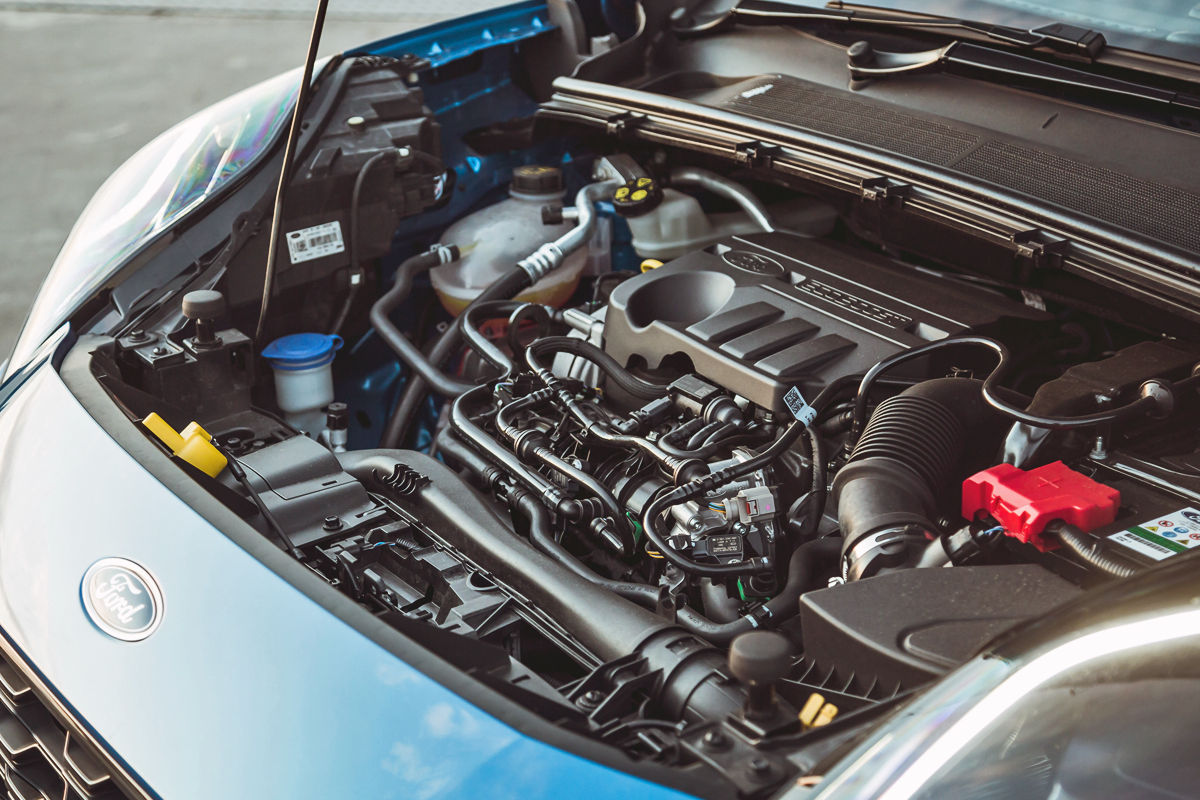
Though official information is still thin on the ground, our source says the local Puma range will comprise 2 derivatives at launch, with the possibility of more variants arriving further down the line. Power is expected to come from the Blue Oval brand’s familiar turbocharged 1.0-litre, 3-cylinder EcoBoost petrol engine.
In Australia, this 3-pot generates 92 kW (at 6 000 r/min) and 170 Nm (between 1 400 and 4 500 r/min), peak outputs that are delivered to the front wheels via a 7-speed dual-clutch transmission. This powertrain’s claimed combined fuel consumption comes in at 5.3 L/100 km. Of course, local specifications have yet to be announced, so it’s not yet clear whether our market will also receive the option of a 6-speed manual gearbox.
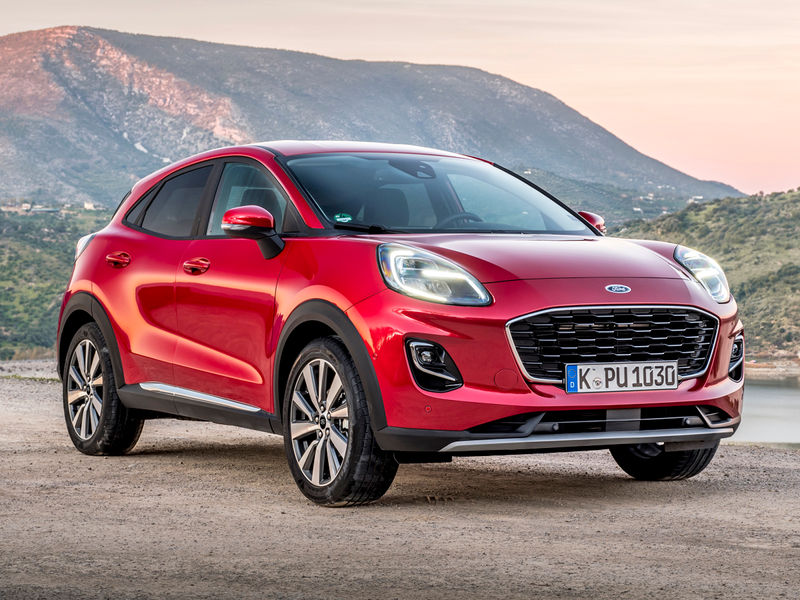
In Europe, Ford furthermore offers a lower-output version of this engine as well as a 48-volt mild-hybrid iteration, plus the option of diesel power (while a fully electric Puma is expected to hit European markets in 2024). However, from what we understand, these motors won’t be part of the local range at launch.
There’s also no official word yet on whether the Puma ST will join the local range at a later point, though considering the ST version of the 7th-generation Fiesta – which employed the same 147 kW/320 Nm turbocharged 1.5-litre, 3-cylinder engine – didn’t ever make it to South Africa (ostensibly due to fuel-quality concerns), it seems unlikely at this point. But perhaps there’d later be room for the 125 kW/248 Nm Puma ST Powershift, which combines an uprated version of Ford’s mild-hybrid turbocharged 1.0-litre 3-pot with a 7-speed dual-clutch cog-swapper?
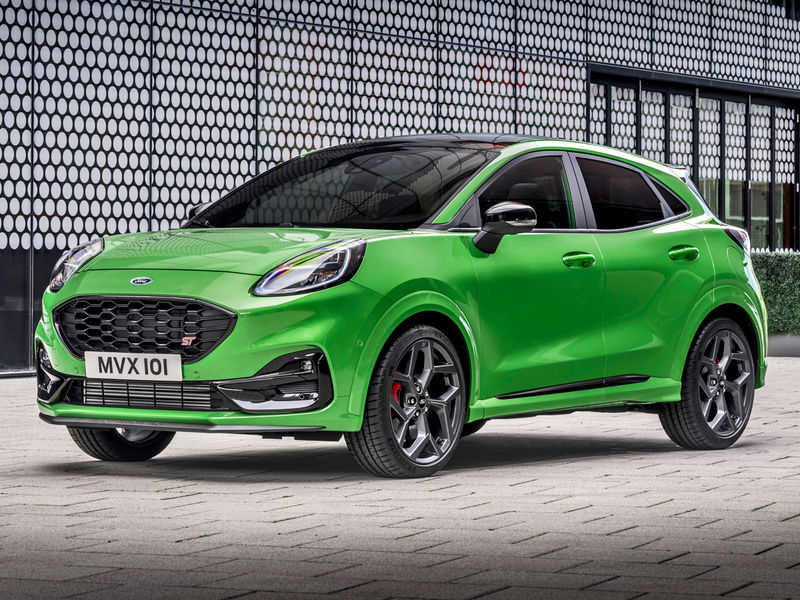
We expect the Puma to do battle with the likes of the likewise European-built Volkswagen T-Cross (and perhaps Taigo), Hyundai Kona, Renault Captur and Peugeot 2008. Pricing, however, has yet to be confirmed.
The Puma nameplate is by no means a new one for Ford, with the badge first used on a 3-door coupé produced in Europe between 1997 and 2002. Like the current Puma, that model ran on the same platform as the Fiesta of the era.
Check back soon for more details on the SA-spec Ford Puma as they become available…
Related content
Ford EcoSport (2013-2023) Buyer’s Guide
Ryan Bubear

Having written about everything from sport and politics to crime, Ryan eventually settled on motoring. For well over 15 years, he's been penning articles – both online and in print – about the broader automotive industry, though he's particularly fascinated by vehicle-sales statistics. A freelance writer and editor, Ryan has owned a 1971 Austin Mini Mk3 for 20-plus years.