After 79 years, South Africa’s motor city could lose its last tyre factory. Your Continentals are safe, and so is your warranty, but the bigger story is how cheap imports and slow policy are emptying out the country’s tyre industry.
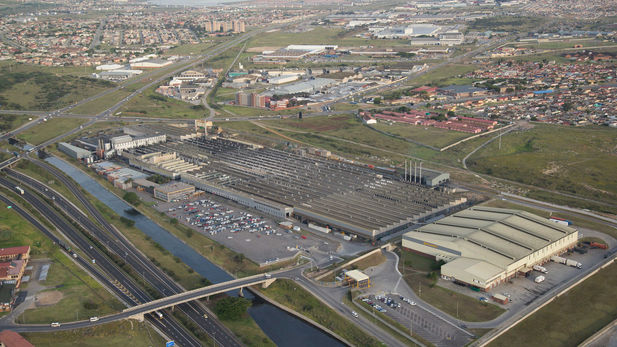
Continental has started formal talks that could end tyre-making at its Gqeberha plant early next year, putting about 950 jobs at risk.
The German company announced on Friday, 20 November, that it is “considering discontinuing tyre production” at the plant. It has started a Section 189A consultation under the Labour Relations Act, which is the legal process a large employer must follow before mass retrenchments. If no “viable alternative” turns up, Continental says operations “could be discontinued by early 2027”.
Tyres have been made on this site since 1947, and Continental-branded tyres since 1985. That’s nearly eight decades of rubber, for local carmakers and the African replacement market.
If you drive on Continentals, or you’re about to buy tyres before the December holidays, here’s what this means, and why it should worry you even if you never buy a Conti in your life.
Why Continental wants out
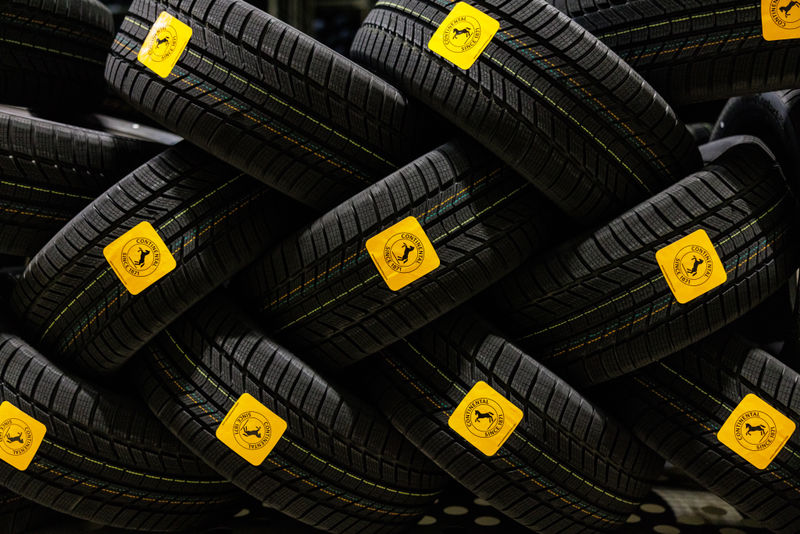
Continental puts it plainly. The plant has had too little work for years. Its capacity has been “significantly underutilised” despite “extensive turnaround efforts”. Price competition from “low-cost imports” made that worse. So did rising energy costs, supply-chain disruptions and what Continental calls “an increasingly fragile infrastructure”.
In other words, it’s the same list every Eastern Cape manufacturer has been reading out for years: expensive and unreliable power, creaking municipal services, a port and rail network that make planning hard, and cheaper products landing from Asia.
The Herald reports that staff will be paid in full during the consultation, which runs until 20 January 2027, and that most employees won’t need to report for their normal shifts in the meantime. Daily Maverick reports workers were told to stop production on Friday.
Is my tyre warranty safe?
Yes. Continental is closing (potentially) a factory, not leaving the country.
The company says its local sales organisation will “continue to serve customers in South Africa and across the region out of Gqeberha as usual”. Its BestDrive fitment-centre network “will also remain unaffected by any potential changes to production”.
So:
- Continental tyres will still be sold here. If the plant shuts, they’ll have to come from elsewhere. Continental hasn’t said which factories would supply South Africa.
- Your warranty is with Continental, not the factory. BestDrive’s free ContiSure cover on new Continental tyres still applies: 12 months of accidental-damage cover (cuts, punctures, impacts and potholes), as long as you register within 30 days of the invoice.
- BestDrive stays open. The chain sells many brands anyway, from General Tire and Matador to Bridgestone, Goodyear, Michelin and Pirelli.
Will tyres get more expensive?
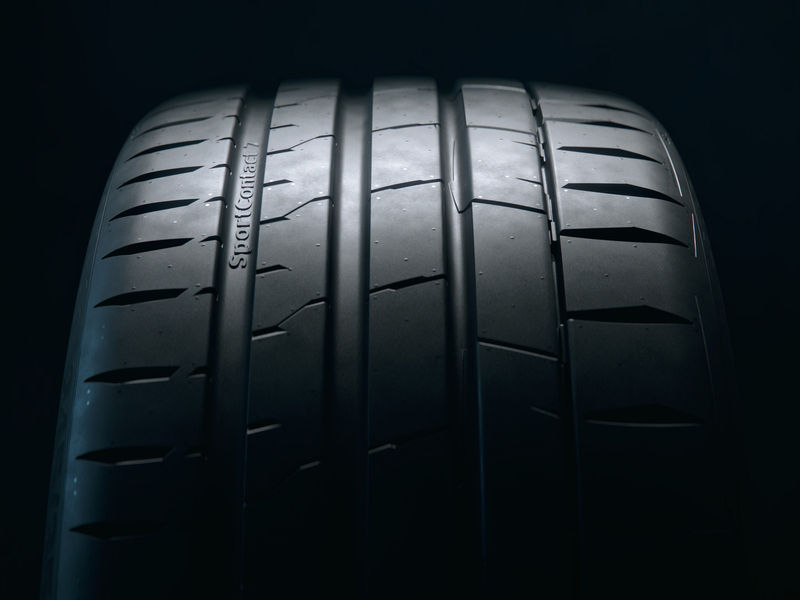
Not overnight. Imports already supply most of the market. According to the South African Tyre Manufacturers Conference (SATMC), about 12.5 million tyres were sold here in 2025, 10.5 million of them in the replacement market, and imports had “a majority market share of just over 60 percent”.
Losing Gqeberha doesn’t change what’s on the shelf next week. What changes is how much of our tyre supply depends on a weak-or-strong rand, shipping costs and the state of the ports, which is exactly the kind of risk drivers pay for later.
There’s also a quieter cost. Anti-dumping duties of between 7.18% and 43.6% have applied to many Chinese passenger, bus and truck tyres since 2023 and run until July 2028, according to the International Trade Administration Commission (ITAC). Local makers asked for them, and they were supposed to give factories like Gqeberha breathing room.
SATMC says they didn’t. In a May interview with SATreads, managing executive Nduduzo Chala listed the loopholes: tyre-and-rim “combos” that were stripped and sold separately, one Chinese factory being exempt, and production shifting to Thailand, Cambodia and Vietnam. ITAC investigated that “country hopping” for 18 months, but on 27 March 2026 the investigation was terminated after the trade minister didn’t approve ITAC’s recommendation and ordered the process to start afresh. As a result, no anti-circumvention duties apply.
South Africa’s tyre factories, then and now
| Manufacturer | Plant | Status | Jobs affected |
|---|---|---|---|
| Continental | Gqeberha, Eastern Cape | Section 189A consultation; could close by early 2027 | About 950 |
| Goodyear | Kariega, Eastern Cape | Closed in June 2025 | 907 |
| Bridgestone | Nelson Mandela Bay | Closed several years earlier | Not stated |
| Bridgestone | Brits, North West | Still operating | |
| Sumitomo Rubber (Dunlop) | Ladysmith, KwaZulu-Natal | Still operating |
As recently as 2023, SATMC represented four tyre makers with SA factories: Bridgestone, Continental, Goodyear and Sumitomo. If Gqeberha closes, two remain, and none of them is in the Eastern Cape, the province that builds most of our cars. The Nelson Mandela Bay Business Chamber says the closures “effectively wipe out tyre manufacturing in the Eastern Cape”.
The bigger picture: 950 families and one province
This isn’t only about tyres. The Eastern Cape has the country’s highest official unemployment rate, at 44.3%, against 33.7% nationally, according to the Motor Industry Staff Association (Misa). “In a province where more than four in every 10 people looking for work cannot find it, a retrenched worker has almost nowhere to go,” says Misa’s CEO of operations, Martlé Keyter.
Also read: Chery’s growing SA manufacturing ambitions
The business chamber’s CEO, Denise van Huyssteen, warns that “automotive manufacturing, and manufacturing more broadly, is approaching a tipping point”. She lists high electricity costs, the cost of capital, logistics problems, poor municipal services and rising security costs.
That’s the real warning for car buyers. Every part we stop making locally is a part whose price is set in dollars and delivered through Durban or Ngqura.
What you should do now
- Don’t panic-buy. There’s no shortage, and your Continental warranty doesn’t change.
- Buy on quality, not just price. Cheap imports aren’t automatically bad, but compare load and speed ratings and ask the fitment centre what warranty the brand offers.
- Check your tyres before the holidays. The legal minimum tread in SA is 1mm, but cars.co.za recommends at least 3mm for decent wet-weather grip. Tyres also age, so check the production date if they’ve been on the car a long time.
- Register your warranty. If you buy Continentals at BestDrive, register for ContiSure within 30 days.
Check these 10 things before your holiday road trip
Verdict
For drivers, the short-term effect of Continental’s decision is close to zero. You’ll still be able to buy Continentals, BestDrive stays open, and your warranty is safe.
But it’s a bad sign. Continental didn’t leave because South Africans stopped buying tyres. It left because making them here costs too much, and the measures meant to protect local factories leaked. If government takes as long to sort out the next trade case as it took with the last one, Gqeberha won’t be the last factory to go. Over time, we’ll all pay for that through a weaker rand, longer supply chains and fewer jobs in the place that builds our cars.
Cars.co.za

Providing you with the latest motoring news, new car releases and the simplest way to buy and sell cars.