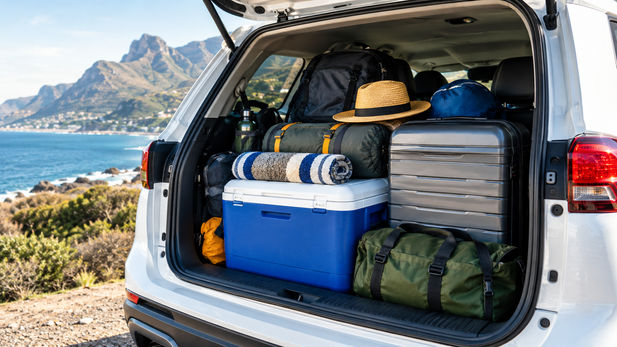
Before heading off on your December holiday, make sure your car is ready for the journey. From tyres and brakes to cooling systems and batteries, here’s what South African motorists should check before hitting the road.
The bags are packed, the holiday playlist is ready and the open road beckons. But there’s one thing that could bring your festive-season getaway to an abrupt halt: a breakdown somewhere between home and your holiday destination.
Read more: Road trip essentials: What you need and why
South Africa’s summer heat, unpredictable road conditions and long-distance journeys can expose mechanical problems that might otherwise go unnoticed during everyday driving. Add a car full of passengers and luggage, and you’re placing even greater demands on its components.
Fortunately, a few straightforward checks can help prevent an expensive breakdown, or worse, a potentially dangerous situation.
Here’s what to inspect before setting off on your December road trip.
Read more: Car maintenance – all you need to know in 2026
1. Cooling system: Don’t let the summer heat win
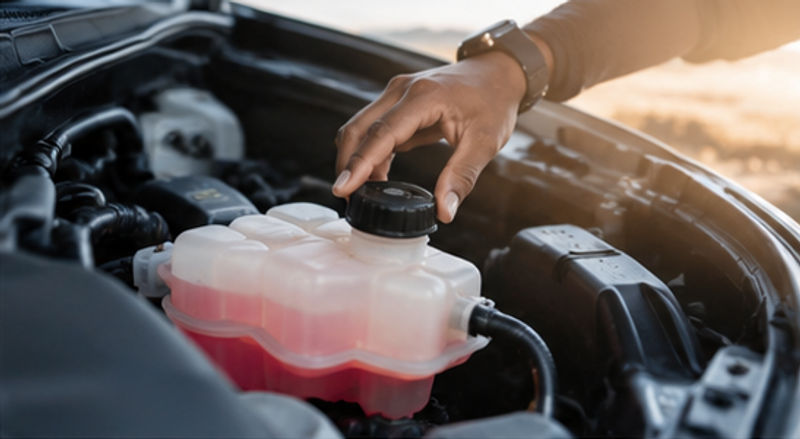
The Karoo’s relentless heat, crawling holiday traffic and long climbs over mountain passes can push an ageing cooling system to its limits. High ambient temperatures, combined with a heavily loaded vehicle, place additional demands on the engine and its cooling system.
Start by checking the coolant level in the expansion tank when the engine is cold. It should sit between the minimum and maximum markings. If it needs topping up, use the coolant specified by the vehicle manufacturer.
Inspect visible radiator hoses for cracks, swelling or leaks, and look for signs of coolant escaping around hose connections and the radiator.
A rising temperature gauge, coolant warning light or sweet smell from the engine bay could indicate trouble.
Important: Never remove the radiator or expansion tank cap while the engine is hot. The pressurised coolant can cause serious burns.
If your vehicle regularly loses coolant or shows signs of overheating, have it inspected before your trip rather than simply topping it up.
2. Engine oil and transmission: Check those fluids
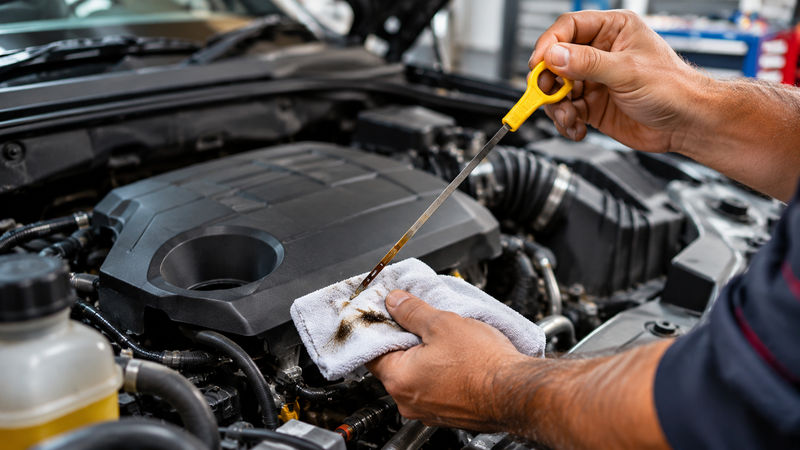
Your engine will spend hours operating at highway speeds, often in hot conditions. Ensuring it has sufficient oil is one of the simplest ways to protect it.
Check the engine oil level according to the manufacturer’s instructions, ideally with the vehicle parked on level ground. Some vehicles require the engine to be cold, while others specify checking after it has warmed up and been switched off for a few minutes. Top up with the correct grade of oil if necessary, but avoid overfilling.
If your vehicle has an automatic transmission, consult the owner’s manual regarding fluid inspections. Many modern transmissions are sealed and require specialist procedures to check their fluid levels.
It’s also worth checking when your next scheduled service is due. If the service interval will fall during your holiday, rather book it before leaving.
3. Drive belts and hoses: Small parts, big problems

A worn auxiliary drive belt might seem insignificant, but failure can leave you stranded. Depending on the vehicle, the belt may drive components such as the alternator, water pump or air-conditioning compressor.
Inspect accessible belts for cracks, fraying or missing sections. Squealing noises can also indicate belt or tensioner problems.
Don’t confuse an auxiliary drive belt with the engine’s timing belt or timing chain, which generally requires professional inspection and maintenance according to the manufacturer’s schedule.
If anything looks or sounds suspicious, have a technician investigate before departure.
4. Tyres: Your most important safety check
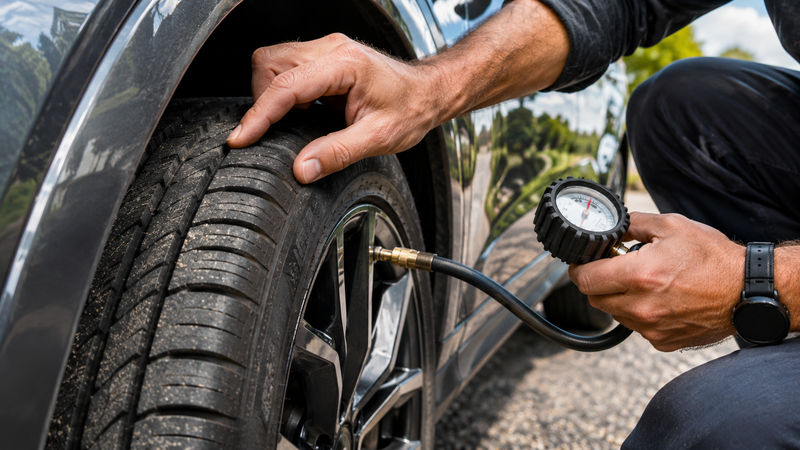
Your tyres are the only components keeping your vehicle in contact with the road, yet they’re often overlooked until something goes wrong.
Start by checking their condition. Look for cuts, bulges, cracks and uneven wear, particularly along the inner and outer shoulders.
South African regulations generally require a minimum tread depth of 1 mm, but tyres with built-in tread-wear indicators must be replaced when the tread reaches those indicators. For improved wet-weather performance, aim for at least 3 mm of remaining tread.
Tyre pressures are equally important. Check them when the tyres are cold and adjust them according to the manufacturer’s recommendations for a fully loaded vehicle. These figures are usually displayed on a sticker inside the driver’s door opening or in the owner’s manual.
Underinflated tyres generate excessive heat, which can increase the risk of tyre failure, particularly during prolonged highway driving.
Don’t forget the spare wheel. If your car has a space-saver spare, check its pressure and familiarise yourself with its speed and distance restrictions.
If your vehicle uses a puncture repair kit instead, make sure the sealant hasn’t expired and the compressor works.
Read more: How to change a car tyre
5. Brakes: Make sure you can stop safely
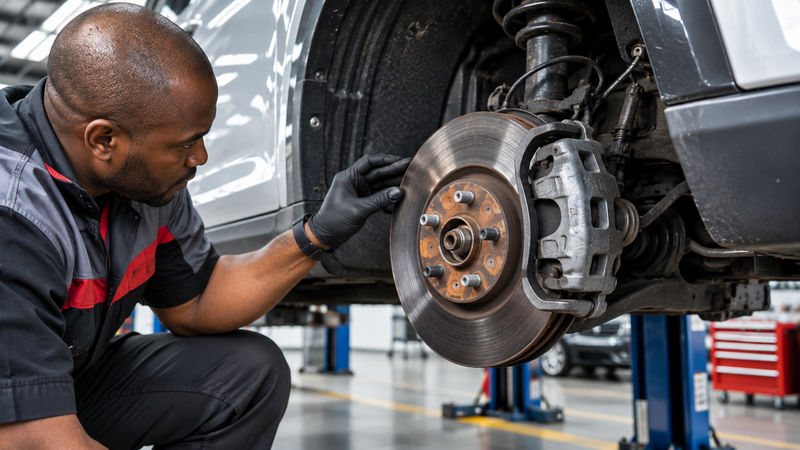
South Africa’s mountain passes are spectacular, but they can be particularly demanding on a vehicle’s braking system. Long descents, heavy loads and repeated braking generate substantial heat, potentially reducing braking performance.
Before your trip, have the brake pads and discs inspected if they’re approaching their replacement intervals or showing signs of wear.
Listen for grinding or squealing noises, and pay attention to any vibration or unusual pedal feel when braking.
A soft or spongy brake pedal, pulling to one side or an illuminated brake warning light should never be ignored.
Brake fluid also deteriorates over time as it absorbs moisture, so ensure it’s replaced according to the manufacturer’s maintenance schedule.
And remember, selecting a lower gear on long descents can help control your speed and reduce the load on the brakes.
6. Suspension and steering: Prepare for potholes

From Gauteng’s potholes to corrugated gravel roads in the Karoo, South African road conditions can be unforgiving. Your suspension and steering systems play a critical role in maintaining vehicle stability, particularly when the car is fully loaded.
Inspect shock absorbers for visible oil leaks and pay attention to unusual knocking noises, excessive bouncing or instability when cornering.
Uneven tyre wear or a vehicle that pulls to one side can indicate wheel-alignment or suspension problems. If you notice steering-wheel vibration at highway speeds, have the wheels and tyres inspected. Wheel balancing may be required, although vibration can have several causes.
It’s also important not to overload your vehicle. Consult the manufacturer’s maximum permissible load figures, particularly if you’re carrying passengers, luggage and equipment on a roof rack.
Read more: Your complete guide to safe towing in South Africa
7. Battery and alternator: Avoid an unexpected no-start
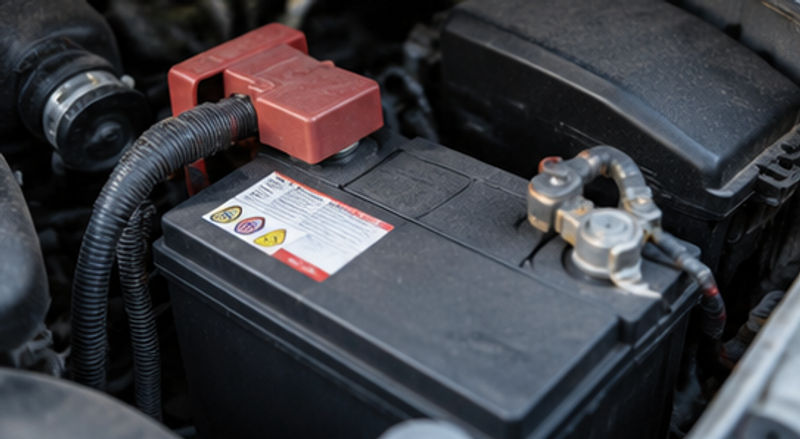
Few things ruin a holiday morning faster than turning the ignition key and hearing nothing but a reluctant click. Although cold weather is often associated with battery failure, high temperatures can accelerate battery ageing and corrosion.
If your battery is more than 3 years old, consider having it tested before a long journey, particularly if you’ve noticed slower engine cranking. Many battery specialists offer quick battery and charging-system assessments.
Check that the battery terminals are secure and free from excessive corrosion. If your vehicle has a conventional serviceable battery, follow the manufacturer’s instructions for checking its electrolyte level.
The alternator should also be functioning correctly. Charging voltage varies by vehicle and operating conditions, particularly in cars equipped with intelligent charging systems, so don’t rely on a single voltage reading as a definitive diagnosis.
If the battery warning light illuminates while driving, have the charging system inspected promptly.
8. Lights, wipers and air-conditioning: Don’t overlook the basics
A sudden Highveld thunderstorm or a late-night arrival at your holiday destination is no time to discover that your lights or windscreen wipers aren’t working.
Check that all headlights, indicators, brake lights, tail lights and number plate lights function correctly.
Inspect the windscreen wiper blades for cracks or deterioration, and replace them if they leave streaks or fail to clear the glass properly.
Top up the windscreen washer reservoir with suitable washer fluid. Summer insects, road grime and coastal salt spray can quickly compromise visibility.
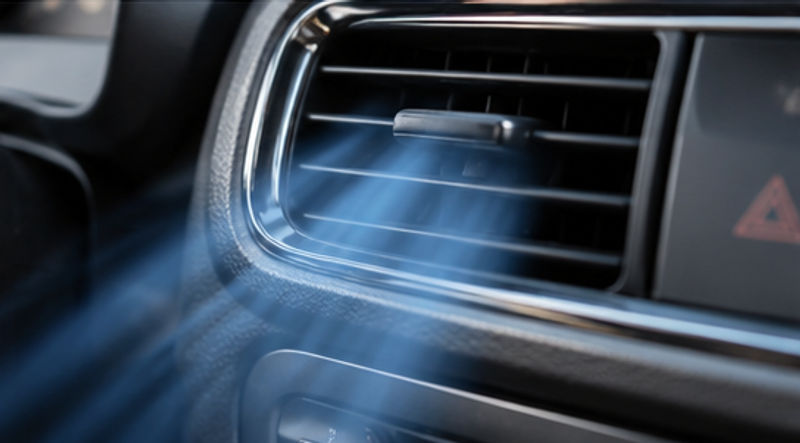
And then there’s the air-conditioning. A functioning air-conditioning system is more than a comfort feature during a South African summer. It can also help demist windows in humid conditions.
If the system isn’t cooling effectively, have it inspected before departure. Refrigerant loss can indicate a leak, so simply regassing the system might not provide a lasting solution.
9. Roadworthy and legal: Avoid trouble at roadblocks

Festive-season roadblocks are a familiar sight on South Africa’s national highways, and ensuring your vehicle complies with road traffic regulations can save unnecessary delays.
Start by checking that your vehicle licence disc and driver’s licence are valid.
Make sure your number plates are securely fitted and legible, all exterior lights work and your tyres meet the legal requirements.
Seatbelts must function correctly, and children must be secured using appropriate restraints as required by law.
It’s also worth confirming that your vehicle’s insurance is active and that you understand the conditions of your roadside assistance cover.
If you’re towing a trailer or caravan, check its lights, tyres, coupling, safety chain and licensing requirements, too.
10. Emergency equipment: Be ready for the unexpected

Even a well-maintained vehicle can suffer a puncture or unexpected breakdown.
Before leaving, make sure you have the equipment needed to deal with common roadside emergencies.
Your holiday emergency kit should include:
- A compliant reflective warning triangle.
- A high-visibility vest or jacket.
- A basic first-aid kit.
- A working torch or headlamp.
- A properly inflated spare wheel, where fitted.
- A jack, wheel spanner and locking wheel-nut key, where applicable.
- A charged mobile phone and suitable charging cable.
- Drinking water, particularly for remote routes.
- Emergency contact numbers and roadside assistance details saved offline.
If your vehicle breaks down, prioritise personal safety. Move it as far away from traffic as safely possible, activate the hazard lights and assess whether it’s safe to exit.
On busy highways, avoid attempting repairs in an exposed position alongside moving traffic. Contact roadside assistance if necessary.
Read more: Essential emergency supplies for your car
Your holiday car maintenance checklist at a glance
| Component | Warning signs | Holiday driving risk | Recommended action |
|---|---|---|---|
| Cooling system | Rising temperature, coolant leaks | Overheating in heavy traffic or extreme heat | Check coolant and inspect hoses |
| Engine oil | Low oil level, oil warning light | Engine damage during long journeys | Check level and top up correctly |
| Drive belts | Cracks, fraying, squealing | Loss of charging or cooling functions | Have worn belts replaced |
| Tyres | Low tread, bulges, uneven wear | Reduced grip or tyre failure | Check condition and cold pressures |
| Brakes | Grinding, vibration, soft pedal | Reduced braking on mountain passes | Inspect pads, discs and fluid |
| Suspension | Knocking, bouncing, oil leaks | Poor stability on uneven roads | Have components inspected |
| Battery | Slow cranking, starting problems | Unexpected no-start | Test battery and charging system |
| Lights and wipers | Failed bulbs, streaking blades | Reduced visibility | Test lights and replace worn blades |
| Air conditioning | Weak cooling, unusual noises | Discomfort and poor demisting | Have the system checked |
| Emergency equipment | Missing or damaged items | Being stranded without assistance | Check equipment before departure |
The best time to check your car? Before the holiday rush
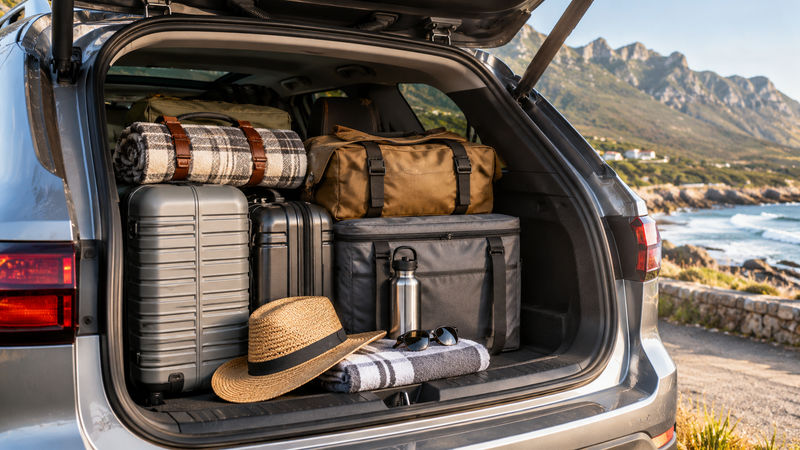
There’s one final piece of advice that’s arguably more important than anything else on this list: don’t leave your vehicle checks until the morning you’re due to depart. Book any necessary inspections or maintenance at least a week or two before your holiday, while workshops are still operating normally and replacement parts are more readily available. That gives you time to address problems without the pressure of a looming departure date.
After all, a few hours spent preparing your vehicle is a small price to pay for peace of mind on the open road. The goal is simple: make your December road trip memorable for the destinations, the scenery and the time spent with family and friends, not for an avoidable breakdown on the side of the N1.
Read more: Driving this festive season? Here’s what you need to know
Cars.co.za

Providing you with the latest motoring news, new car releases and the simplest way to buy and sell cars.