From the humble 1.0-litre budget hatchback to the most luxurious 3-row SUV, car maintenance is unavoidable. And it should not be seen as a grudge cost – it’s part of your driving safety and ensures you get the most value from your car.
Car maintenance has become easier in some ways. And more challenging in others. Modern cars have sophisticated sensors and on-board diagnostics that will alert you when something’s wrong. It’s important to heed the urgency of those warning lights or system alerts rather than ignore them. There really isn’t an excuse for a minor issue to become a wildly expensive repair.
But modern cars are also a lot more sophisticated and vulnerable. For a long time, the biggest issue with car maintenance was rust. But modern car structures use high-quality steels and alloys. They’re assembled employing excellent stamping and welding techniques. Carmarkers seal their vehicles with advanced paints and coatings. Therefore, rust is no longer something car owners need to worry about too much.
What are the issues to look out for on modern cars? Fuel-quality and emissions-control components. Nearly all modern engines feature exhaust gas recirculation (EGR) systems, and diesel engines also have diesel particulate filters (DPFs).
EGRs and DPFs can suffer from carbon and soot build-up. That can limit performance, increase fuel consumption, and, if left unattended, lead to a major repair bill. This is a real issue in South Africa, where fuel quality varies, especially diesel.
Car maintenance and engine fluids
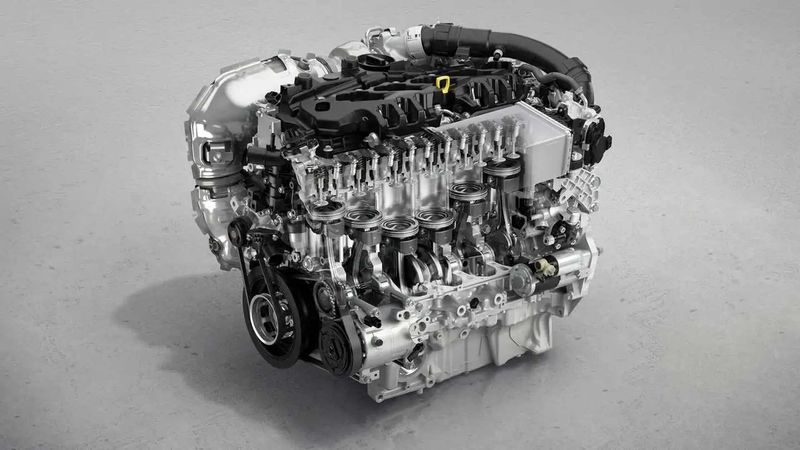
Oil does a lot more than just lubricate your engine and reduce mechanical wear. Many car owners don’t realise that oil also helps absorb heat from the engine. That’s important for South African drivers, because summers are long and midday temperatures extreme.
A 3rd property of oil is that it also helps seal the engine. And because almost every modern engine, from the smallest to the largest, uses variable valve timing, oil has a 4th function – controlling the valve timing system with hydraulic pressure.
Realising how hard oil works, and how demanding your driving is, should influence how you think about oil changes. Drive in a lot of heavy traffic? Drive often with a fully loaded vehicle, or tow a lot? Then consider changing your vehicle’s oil more frequently. Always use the best available oil formulation; it’s a small additional cost with a lot of long-term maintenance benefits.
Timing chains and belts
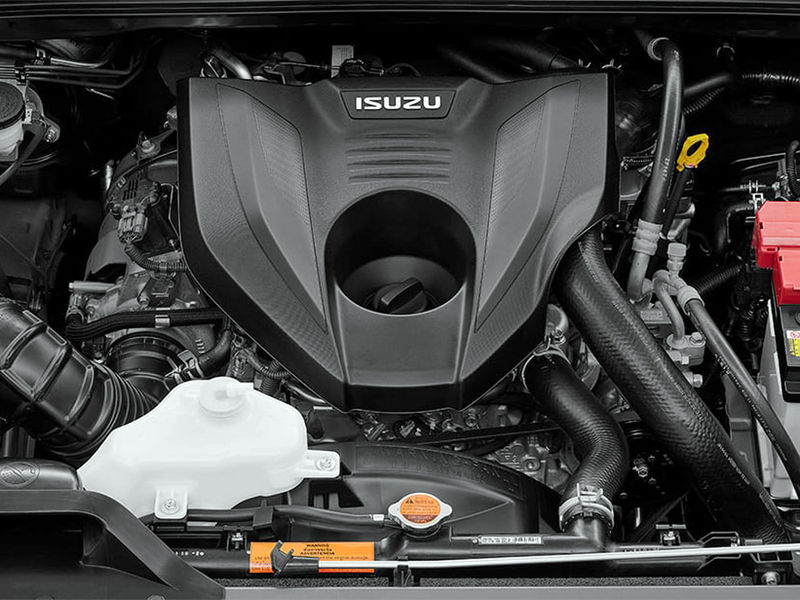
The mechanical balance of linking an engine’s turning bits is one of those mechanical marvels of automotive design. But over time, an engine’s linked timing system wears out.
Engine timing systems are driven by either chains or belts. And the latter can be troublesome, depending on its configuration. ‘Wet’ timing belts, where the belt isn’t externally accessible and sits within a cover, are lubricated by engine oil and aren’t without their issues.
Timing chains have more friction and are heavier than belts. That means they have slightly more mechanical friction and drag. But they are a lot more reliable and often easier to replace.
Belts are lighter and experience less friction. That means they have a marginal benefit in terms of fuel consumption. But they can fail unexpectedly and catastrophically, creating a lot of engine damage. If your car’s engine has a timing belt, it’s advisable to have it regularly checked for premature wear. Replace it exactly when it’s needed.
Timing chains and belts failing, especially at highway cruising speeds, can create expensive damage to the engine. Engineered for the engine’s ‘lifecycle’, timing chains and belts are supposed to last from 120 000 to 200 000 km. But, like every mechanical component on your car, it depends on the duty cycle.
Transmission fluids
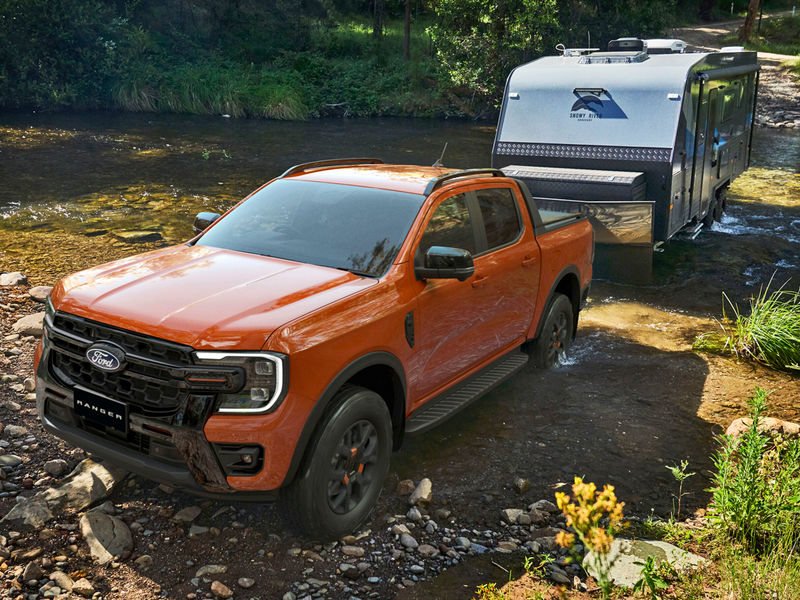
Your car’s manual gearbox, automatic transmission and differentials should follow the same maintenance principles as engine oil. If you drive in a lot of traffic or tow heavy loads, the fluids that lubricate your gears and differentials are going to work much harder. And that means more frequent fluid changes is sensible.
Some manufacturers speak of ‘lifetime’ transmission fluids. The ‘lifetime’ they are referring to is often a relatively short mechanical warranty period that comes with buying a car new.
In South Africa, the operational tempo and duty cycle for gearboxes, transmissions and differentials are high. Think of all those cars, especially bakkies, that you see fully loaded or towing. Different drivers and driving habits will create different molecular stresses on a vehicle’s transmission fluid.
There isn’t one formulation or guide for all. Consider how severe your vehicle’s duty cycle is, and be cautious when it comes to manual gearbox, automatic transmission, and differential fluid checks and replacement cycles.
Car maintenance and tyres
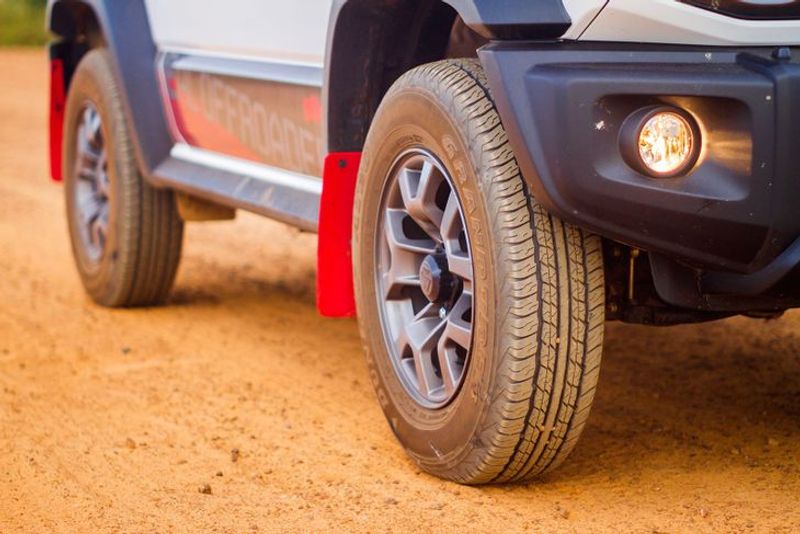
The most important safety feature on your car is its tyres. When correctly inflated and operating within the mandated manufacturer tread life, tyres provide the steering and braking control that are crucial in an emergency.
Tyres wear and have an expiry date. Your tyres might still have a lot of tread depth, but if you haven’t driven often, they could be aged beyond their safety spec. That’s because tries have a date of production and an expiry date. And you should always check that.
The best way to optimise tyre performance and mileage, including guaranteeing the lowest possible fuel consumption, is pressure management. Tyres that are under- or overinflated wear much faster. Under-inflated tyres also increase drag, which lifts fuel consumption.
Many new cars have on-board tyre pressure monitoring systems, making it very easy to check the inflation health of your tyres. You’ll also know when to inflate of deflate them.
Car maintenance and brakes
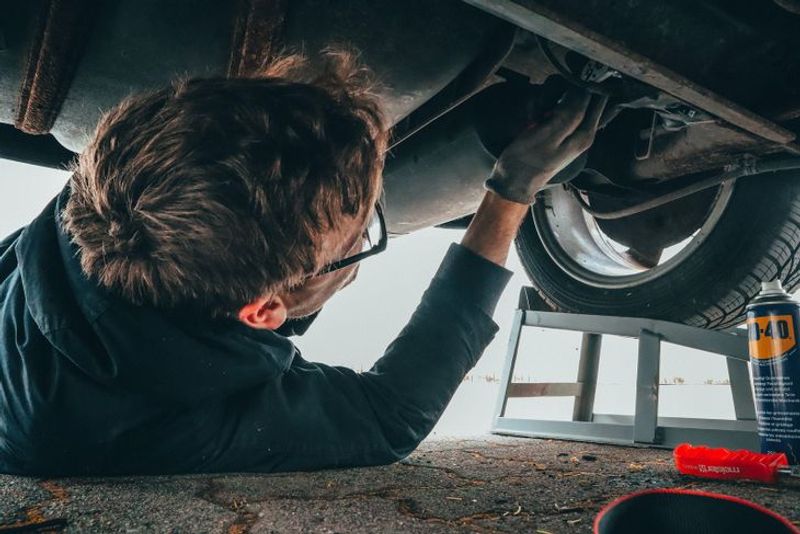
Modern cars are much heavier and more powerful than they were 2 decades ago. All that momentum means that brakes work much harder on modern cars. There are also more cars on the road, leading to more braking events.
Owners shouldn’t be surprised when they book their vehicle in for a routine check to discover the brake pads have worn more than expected.
Another reason for the accelerated brake wear on modern cars is the presence of all the safety and driver-assistance technology. From lane keep assist to radar-guided autonomous cruise control and many others, they all use the brakes. Most drivers are unaware of how often their car’s brakes are engaged during daily driving. Your car’s electronics are managing safety interventions and driver-assistance systems without the driver even glancing at the brake pedal. Yet all those micro-interventions create brake wear.
Lance Branquinho

Lance Branquinho is a Namibian-born writer and photographer who has won numerous motoring journalism awards. He once smuggled parts to South America, in a minor contribution to help Giniel de Villiers finish on the podium at the Dakar. He fears for the eventual collapse of the air-cooled Porsche 911 market – and keenly awaits, in vain, the return of the brand's 928.