Thinking about picking up a pre-facelift Mk2 Volkswagen Tiguan? Read on to find out which variants were offered in SA and what you’re likely to pay on the used market, plus a look at this crossover’s strengths and weaknesses…
In 2019, the Volkswagen Tiguan graduated to the role of the German brand’s best-selling model globally, a title it has held since. Yes, Wolfsburg’s compact crossover has outsold its Polo and Golf hatchback siblings for the past few years, despite being only in its 2nd generation.
Indeed, more than 6 million units of the Tiguan had been produced by 2020. The original version (which debuted in 2007) accounted for 2.8 million of those, with in excess of 19 000 examples registered here in South Africa. The 2nd-generation model has proved even more popular, despite having since been joined by smaller, more affordable crossover siblings in the form of the T-Cross, Taigo and T-Roc.
Built on the A2 version of the VW Group’s ubiquitous MQB platform, the AD/BW-generation Tiguan offered more space and technology than its predecessor, while also benefitting from far sharper styling and improved safety levels (scoring 5 stars from Euro NCAP in 2016). The 3-row Allspace furthermore joined the range in this generation, offering an extended wheelbase and 7 seats.
In this buyer’s guide, we’ll focus on the pre-facelift model. For the record, the refreshed Mk2 Tiguan hit the local market in mid-2021, bringing updated styling and a raft of divisive touch-sensitive controls in the cabin.
Volkswagen Tiguan model line-up
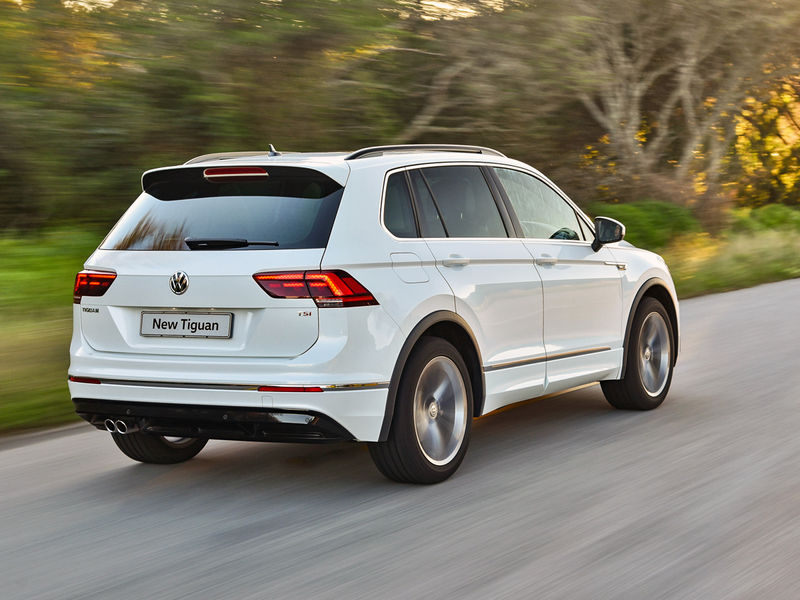
The 2nd-gen Volkswagen Tiguan made its debut at the International Motor Show (IAA) in Frankfurt in September 2015, though it took almost a year for the German crossover to arrive in South Africa.
At launch in August 2016, only turbocharged EA211 1.4-litre, 4-cylinder petrol engines were available, offered in 2 outputs (both driving the front axle) with the 92 kW version using a 6-speed manual gearbox and the 110 kW version a dual-clutch transmission with the same number of cogs. Spread over 2 trim levels, this resulted in an initial 3-variant line-up:
- 1.4 TSI (92 kW/200 Nm) Trendline 6-speed manual
- 1.4 TSI (92 kW/200 Nm) Comfortline 6-speed manual
- 1.4 TSI (110 kW/250 Nm) Comfortline 6-speed DSG
By March 2017, the local range had swelled to 7 derivatives thanks to the arrival of a trio of turbodiesel variants and a turbocharged 2.0-litre, 4-cylinder petrol model. The latter TSI-badged powerplant took the form of the familiar EA888 from an earlier version of the Golf GTI, directing a healthy 162 kW and 350 Nm to all 4 corners through a 7-speed DSG (and available in conjunction with the Highline trim level).
And the oil-burners? Well, the EA288 2.0 TDI unit was offered in 3 states of tune, starting with an 81 kW/280 Nm version featuring the mid-tier Comfortline grade and a 6-speed manual gearbox driving the front axle. The higher-output iterations both boasted 4Motion all-wheel drive, delivering either 105 kW/340 Nm (Comfortline) or 130 kW/380 Nm (Highline) through a 7-speed DSG.
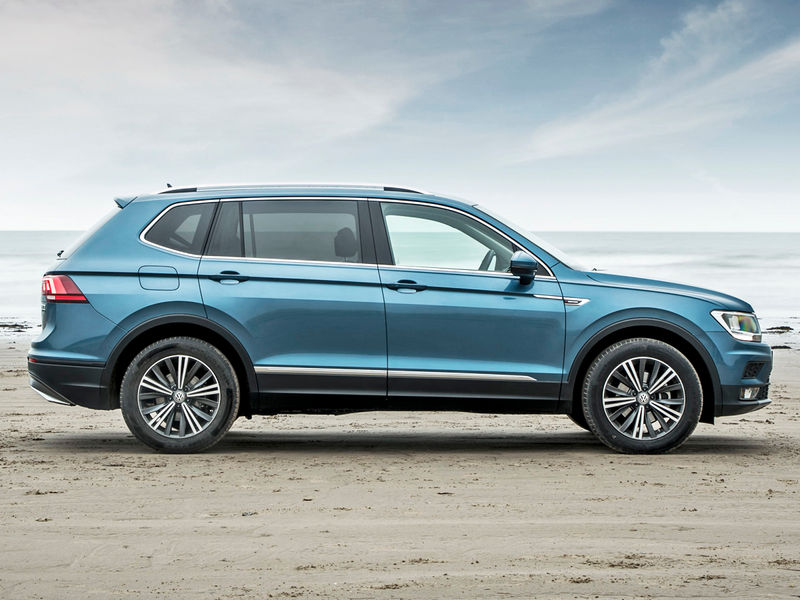
The 7-seater Tiguan Allspace – which boasted an extra 110 mm between its axles and an additional 215 mm of length overall – made local landfall in April 2018, with all 4 derivatives shipping standard with VW’s dual-clutch cog-swapper. The entry-level Allspace Trendline used the 110 kW 1.4 TSI lump, while a 132 kW/320 Nm version of the 2.0 TSI made its debut in all-paw, Comfortline guise, slotting in below the 162 kW Highline. The sole diesel option in the Allspace line-up was a 2.0 TDI Comfortline 4Motion variant offering 110 kW (with the 5-seater version seemingly also upgrading from 105 kW at this point) and 340 Nm.
Around August 2018, VW South Africa quietly added a DSG-equipped 1.4 TSI Trendline derivative to the local 5-seater Tiguan range, handing it the 110 kW/250 Nm tune (rather than the 92 kW configuration from the manual version of the Trendline). By June 2019, the self-explanatory new Black Style package became available on the Tiguan, though it could be ordered (for R25 200) only in conjunction with the R-Line kit on Comfortline and Highline models.
The facelifted Tiguan hit the local market in July 2021, with the updated Allspace following in April 2022 and the long-awaited 235 kW Tiguan R finally blasting onto showroom floors in October 2022.
What are the Volkswagen Tiguan’s strengths?
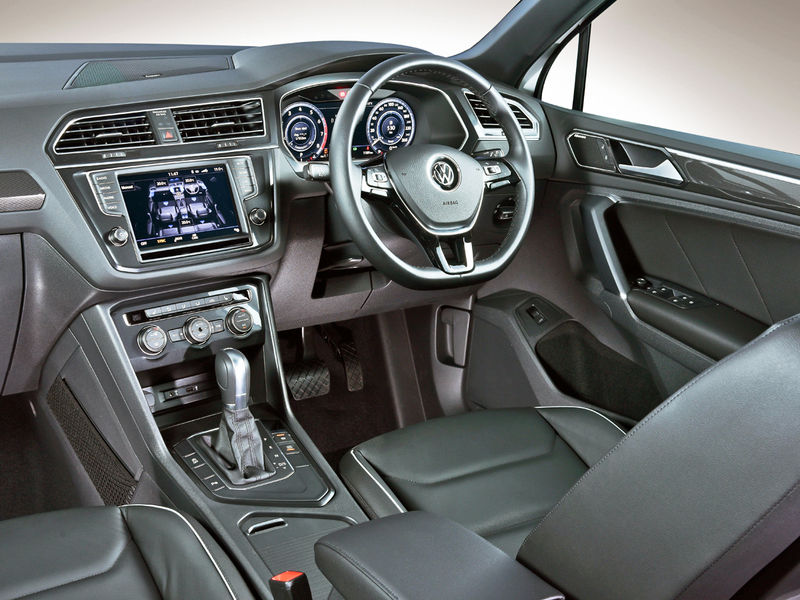
Cabin build quality and layout: While the Mk2 Volkswagen Tiguan’s sharp exterior styling certainly turned heads, it was the interior that was perhaps most impressive. Drawing on a recipe it had already come close to perfecting with the Golf 7, VW handed its compact crossover a pleasing mix of high-quality materials and clever layout. Ergonomic yet easy on the eye, the well-insulated cabin – which could be further enhanced with the optional fitment of items such as the highly configurable active info display – was classy enough to give more traditionally premium brands a serious run for their money.
Practicality and space: The 5-seater version of the AD/BW-generation Tiguan was 60 mm longer and 30 mm wider than its forebear, while also gaining an extra 77 mm in its wheelbase. As a result, space in the rear was plentiful, while the 40:20:40-split bench featured the ability to slide fore and aft through 180 mm. With the rear pews shoved forward, luggage space measured a claimed 615 litres, a figure that ballooned to 1 655 litres with the same seats folded down.
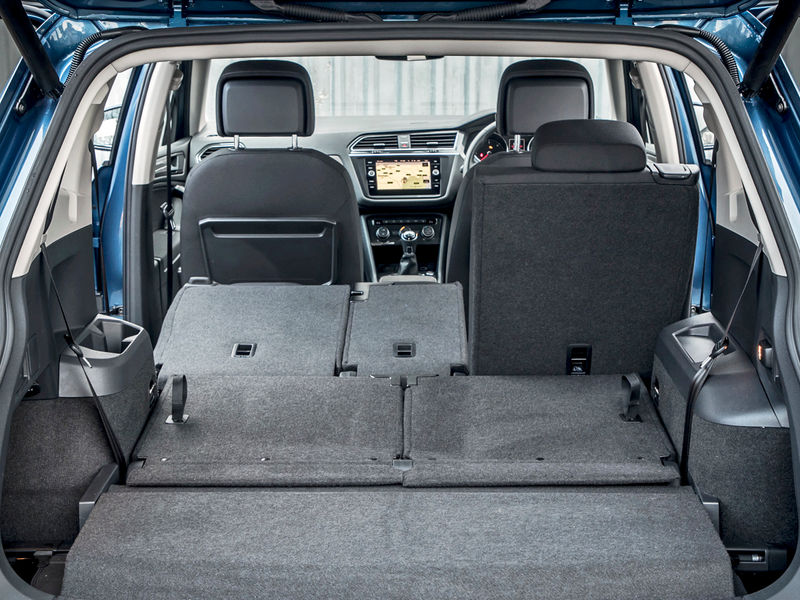
Of course, the long-wheelbase Allspace offered even more versatility, boosting boot and utility space to 700 and 1 775 litres respectively, when the 3rd row was not deployed.
Oomph-to-economy ratio of diesels: Though the 1.4 TSI models were more affordable and the 162 kW 2.0 TSI the fastest accelerating, the 2.0 TDI derivatives offered a compelling mix of under-bonnet verve and potential frugality. The middling 105 kW version of the EA288 engine unsurprisingly delivered the most balanced blend, able as it was to sip at a claimed 6.1 litres per 100 km (a particularly impressive figure considering the presence of all-wheel drive) and hit 100 kph from standstill in a claimed 9.5 seconds.
Is the VW Tiguan a reliable and comfortable vehicle?

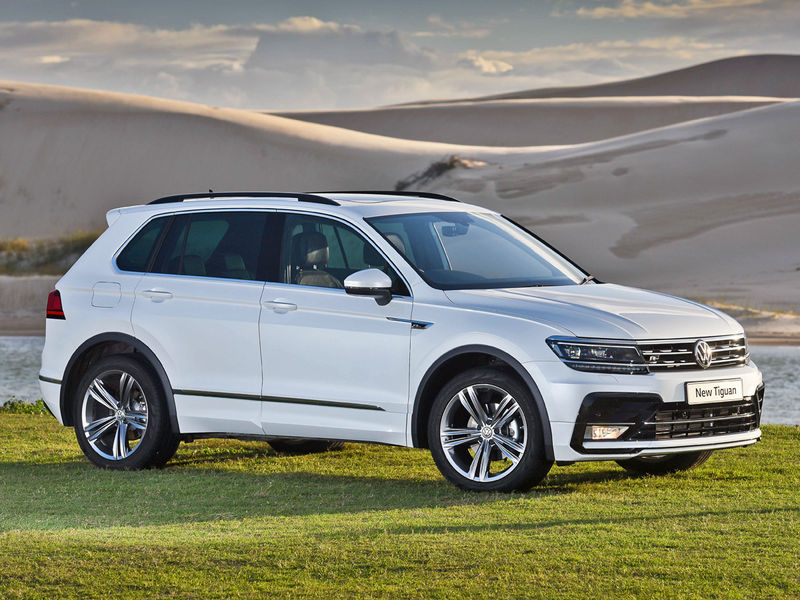
Firm low-speed ride with R-Line kit: The vehicles that appeared in the marketing material at the time of VW’s local launch predictably all wore the R-Line package. While this optional exterior kit – which included sporty R-style bumpers, chunkier side sills and a larger rear spoiler – added a generous dollop of visual pizazz, it also brought with it a compromise to the otherwise commendable ride quality. Thanks to the sports suspension and 19-inch alloy wheels (wrapped in 45-profile tyres), Tiguan models such equipped displayed a distinct brittleness to the low-speed ride quality on anything but billiard-smooth tarmac.
Possible leaks through sunroof seals: A tilt-and-slide panoramic sunroof was available as an option across the range, with many South African buyers springing for this extra. However, we’ve heard of several instances – both locally and overseas – of water leaking into the cabin owing to blocked (usually pinched-shut) drainage channels in the sunroof seals. When inspecting a potential 2nd-hand buy, make sure to check the cabin for obvious signs of damp.
A note on DSG reliability: Though the DQ200 (dry clutch) version of VW’s DSG transmission is the gearbox that became notorious for reliability issues, it wasn’t offered in this generation of the Tiguan. Instead, the 1.4 TSI used the DQ250, while the 2.0 TSI and 2.0 TDI both employed the likewise wet-clutch DQ500. By all accounts, these were far less problematic cog-swappers, with the DQ500 perhaps the best of the bunch. Still, it’s worth noting no dual-clutch unit is immune to potential issues, so pay close attention to the transmission’s behaviour when test driving.
Miscellaneous points: Similarly, we should make clear the 1.4 TSI unit used in this generation of the Volkswagen Tiguan was the EA211, not the earlier EA111. As with the DSG example above, the patchy reliability of the older engine (particularly in twin-charged form in the pre-facelift Mk5 Polo GTI) – which was known for maladies such as excessive oil consumption and stretched timing chains – shouldn’t necessarily be applied to the newer powerplant. That said, it’s always prudent to limit your search to models with a comprehensive maintenance history.
For the record, the EA211 switched from the EA111’s timing chain to a belt, with VW initially declaring it good for the life of the vehicle. Still, we’d suggest having the belt at least inspected – if not changed – if the mileage is high. The EA888 (in 2.0 TSI models), meanwhile, has been known to suffer from a leaking water-pump housing; the pump and thermostat are packaged together in a plastic housing, which is prone to early failure. The EA288 has perhaps the best reputation of the trio, though like most oil-burners can be susceptible to clogging of the diesel particulate filter (DPF).
How much does a used Volkswagen Tiguan cost in SA?
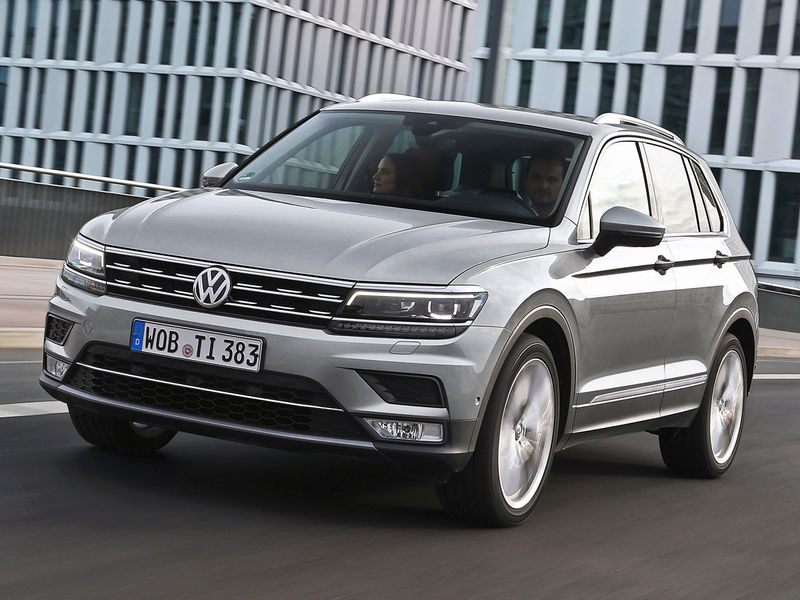
From launch, the Volkswagen Tiguan shipped standard with a 3-year/120 000 km warranty and a 5-year/90 000 km service plan (with intervals of 15 000 km). The later model-year examples should thus still enjoy some coverage. Regardless, always favour vehicles with a full service history – and preferably a verifiable one.
The Tiguan was available with all manner of options (individual and as part of wider packages), so make sure you’re comparing apples with apples on the used market. For instance, some models for sale might be fitted with the larger 8.0-inch Discover Pro navigation unit, the 400-watt Dynaudio surround-sound system, adaptive cruise control or the off-road package (reserved for 4Motion variants and featuring an improved approach angle).
A whopping 75% of the used AD/BW-generation Volkswagen Tiguan stock listed on Cars.co.za at the time of writing featured petrol power, mostly in the form of 1.4 TSI models. Unsurprisingly, just 10.5% were fitted with a manual gearbox, while 42% came with VW’s 4Motion system. Interestingly, the 7-seater Allspace body style made up a significant 30% of total listings.
Mileage varied from around 10 000 km through to 211 000 km, the latter achieved by a low-output, manual-equipped 2018 version of the 2.0 TDI Comfortline. As is so often the case, white was the most common exterior paint colour, accounting for 47% of all listings, followed by silver (21%) and grey (18%).
- Below R300 000: Choice here was quite limited, with the base 92 kW version of the 1.4 TSI powertrain unsurprisingly the most common. We did, however, also find a 2.0 TDI model in this price bracket, though like the example mentioned above, it had more than 200 000 km on its odometer.
- From R300 000 to R450 000: You’ll likely find yourself shopping between these bookends should you be in the market for a low-mileage, mid-spec, late model-year 1.4 TSI derivative. That said, this bracket contained far more options, including many 2.0 TDI variants, a handful of 2.0 TSI derivatives and the 7-seater Allspace body style. Mileage here topped out at only 120 000 km.
- From R450 000 to R600 000: At the time of writing, this was easily the most densely populated pricing bracket, accounting for nearly half of all pre-facelift listings. As you might expect, most here were high-spec models equipped with an automatic transmission, while 51% featured 4Motion.
- R600 000 and up: The 2.0 TSI powertrain was the order of the day above R600 000, though we also discovered a few late model-year (high-spec) examples the 1.4 TSI and an equal number of low-mileage 2.0 TDI derivatives here. Of course, it’s worth noting a budget past this point is virtually enough to get you into a facelifted model instead.
Pick of the range?
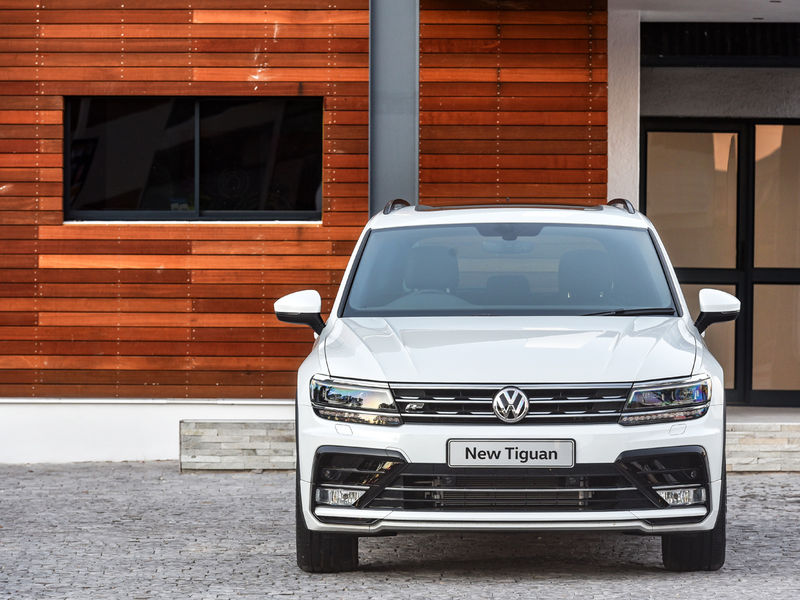
So, which derivative should be at the very top of your shopping list? Well, when it comes to medium- to long-term ownership prospects, we’d argue the 2.0 TDI powertrain makes the strongest case for itself.
If you’re looking for the most frugal version, the 81 kW front-wheel-drive derivative (with a manual gearbox and a claimed consumption of 5.2 litres per 100 km) is a great pick, while those who seek more oomph and prefer all-wheel drive have the option of the 105 kW (or later 110 kW) and 130 kW states of tune, both standard with 7-speed DSG transmissions. The only caveat here would be that buyers who do mostly short trips might want to consider a petrol engine instead, in order to avoid any DFP clogging issues.
Unless low-speed ride comfort is far down your list of priorities, we’d furthermore advise sticking to examples without the R-Line kit. That said, the best plan is to test drive an example with the package and one without. Then, once you’ve experienced the difference in ride quality yourself, you can decide whether the more appealing exterior styling is worth the trade-off.
Is the VW Tiguan a good used buy?
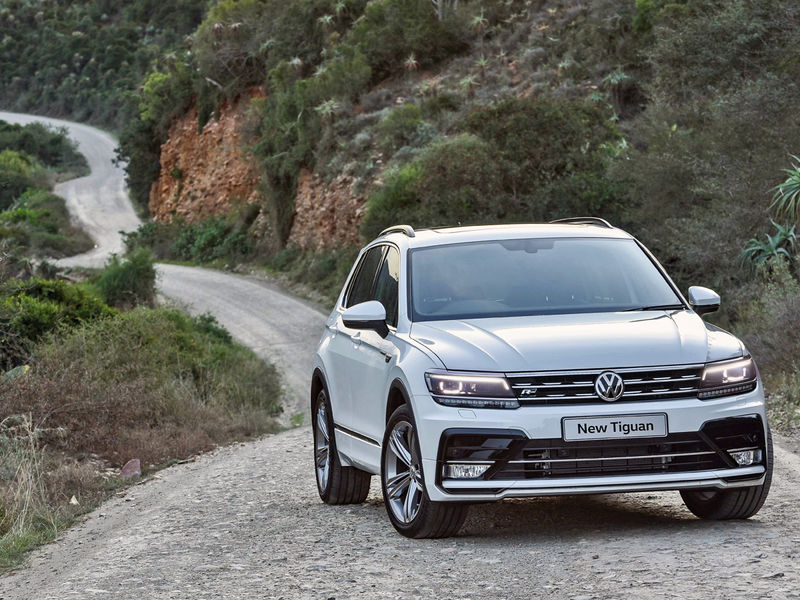
Any alternatives to consider in this space? Well, the Tiguan’s VW Group sibling, the Audi Q3, makes for an interesting rival, though the premium badge means you’re likely to pay more (and there isn’t the option of a TDI mill unless you roll back to the previous generation).
The Tiguan’s key competitors from Japan are the XA50-generation Toyota RAV4 (but, again, there are no oil-burning options here), later versions of the J11-generation Nissan Qashqai (plus the closely related Renault Kadjar) and the KF-generation Mazda CX-5, which is perhaps the most compelling of the bunch. Other strong sellers in this segment include South Korean twins, the Hyundai Tucson and Kia Sportage.
Looking for something a little more left-field? Consider the underrated P84-gen Peugeot 3008, which was available locally with the frugal 2.0-litre HDi oil-burning powerplant. Care even less about resale value? Well, thanks to the fire scandal (which involved only one engine derivative, the 1.6 EcoBoost), there are still countless good deals to be had on later versions of the C520-gen Ford Kuga.
But back to the Volkswagen Tiguan. With new-car prices (including those of the refreshed model currently on the market) having skyrocketed over the past couple of years, a nearly new example of the pre-facelift Mk2 Tiguan could make for an attractive purchase. It’d be perhaps even more tempting to save a little cash and opt for a well-looked-after earlier model-year specimen. Either way, there are plenty of options in the used space thanks to the fact that the Tiguan has remained VW’s best-selling model range worldwide for the past few years.
Looking for a Volkswagen Tiguan to buy?
Find one on Cars.co.za here
Looking to sell your car? You can sell it to our dealer network here
Ryan Bubear

Having written about everything from sport and politics to crime, Ryan eventually settled on motoring. For well over 15 years, he's been penning articles – both online and in print – about the broader automotive industry, though he's particularly fascinated by vehicle-sales statistics. A freelance writer and editor, Ryan has owned a 1971 Austin Mini Mk3 for 20-plus years.