Buying a car on guaranteed future value/guaranteed buy back has been possible for a few years now. There are, however, a few things that can catch you out if you don’t read the fine print.
Guaranteed future value (GFV), also known as guaranteed buy back, is one of the most cost-effective ways to make sure you "acquire" a new car every three of four years, depending on the contract. Many manufacturers offer this sort of deal in South Africa and each brand has a unique name for it. Mercedes-Benz calls it Agility Finance, Toyota’s is GFV and BMW’s is BMW Select. Almost every manufacturer offers guaranteed buy back in some form, you may simply need to enquire from your local dealer if you can’t find options listed on its franchisor's website.
Conceived to suit prevailing buying patterns
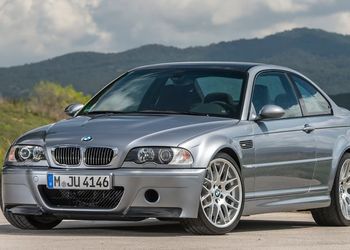
Statistics in the new car sales market suggest that new car buyers purchase a new car every three to four years which, sets this sort of finance deal up well. Guaranteed future value means that your car’s resale value is set at the point when your deal ends in 36 months (usually the length of time on these deals). For example, if you buy a BMW 3 Series at a price of R501 210, BMW will set the value of your car at R300 500 in 36 months' time.
Bear in mind that there are limitations on the deal, however. Look out for a mileage limit per year. Manufacturers will likely set you 10 000 km, 20 000 km or 30 000 km limits – each of which will change your guaranteed buy back figure. Every kilometre you travel over the mileage limit is at your cost and we’ve seen figures of around R4 charged for every kilometre that's clocked up over the mileage limit.
Financed vehicles will need to be maintained well
There will also be a fair wear and tear agreement you need to sign, which means you can’t give back a car at the end of the agreement period with dents, scratched paintwork or a stained interior. These will have to be repaired at your own cost or, in the case of accident damage, claimed from your insurer. Think of it as an incentive to keep your car absolutely spotless.
Consider it a "long-term rental agreement"
This deal works best if you think of it as a rental agreement, where at the end of the 36 months you have the option to 1. Give the car back to the dealer and walk away. 2. Trade it in for a new model. 3. Pay the balloon payment owed and take ownership of the car. Option 3 will be particularly expensive as the bulk of the car's value will still need to be paid off.
There is good news, however. The instalments on these deals are significantly cheaper, your car is also always under warranty and a service plan so if something breaks it can be fixed by the manufacturer. In order to make a full purchase vehicle purchase more effective than these deals, you will, generally, have to keep your car for 7 years before changing it.
Here are two examples:
|
E 200 Elegance worth R550 000 |
|
|
|
|
Monthly payment |
Contract period |
Deposit |
|
|
Mercedes Agility Finance |
R7 500.02 |
36 Months |
10% |
|
Instalment to buy vehicle |
R10 404.43 |
60 Months |
10% |
|
Instalment with a 20% Balloon |
R8 055.70 |
72 Months |
10% |
Example 2:
|
Volkswagen Polo 1.2 TSI Highline |
|
|
|
|
Monthly payment |
Contract period |
Deposit |
|
|
Volkswagen Guaranteed Value |
R3 025 |
36 Months |
10% |
|
Instalment with a 30% Balloon |
R3 506 |
72 Months |
10% |
Buying a car compared to leasing a car
Ashley Oldfield

Ashley has been riding or driving some sort of motorised vehicle since his 4th birthday when he got a Yamaha PW50. Equipped with years of racing experience, Ashley took up journalism and became a writer for some of South Africa’s best motoring magazines and online publications. He is SA’s first (and only) GT Academy winner having raced professionally overseas. He now serves as the Content Manager at Cars.co.za, putting his wealth of racing and driving experience to good use.