Around 65% of light vehicles sold in South Africa in 2022 were imported rather than locally built. So, which countries ship over most of our imported cars?
In 2022, light-vehicle imports as a percentage of total new light-vehicle (passenger cars and light-commercial vehicles) sales in South Africa increased to 64.8%. Yes, as many as 323 800 new vehicles (out of the 529 562-unit total) were shipped into South Africa last year. But which countries do these imported vehicles come from?
Well, while imports originated from as many as 23 nations, we’re going to focus on the top 10 countries of origin for the SA market. For the record, passenger-car imports accounted for 80.0% of SA’s total passenger-car sales in 2022, while light-commercial vehicle (LCV) imports represented 23.5% of sales in the broader LCV segment.
According to Naamsa, the top country of origin in pure volume terms was again India, from which a whopping 165 910 vehicles (up from 129 364 units in 2021) were sourced. That translates to 51.2% of total light vehicles – yes, more than half – imported in 2022.
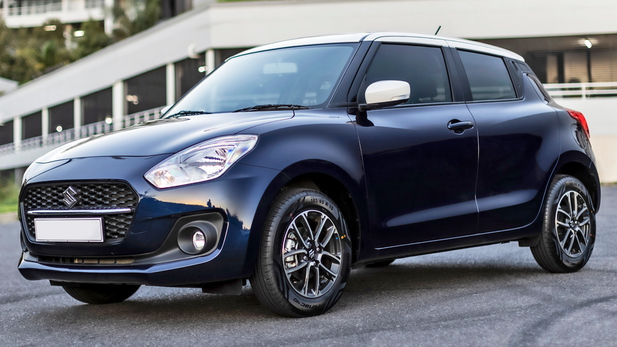
Of course, several global brands have established large-scale production facilities in India, focusing primarily on entry-level vehicles. Indeed, 2 of SA’s 5 best-selling passenger cars in 2022 came from India (the Suzuki Swift and Toyota Urban Cruiser), with the remaining 3 produced locally.
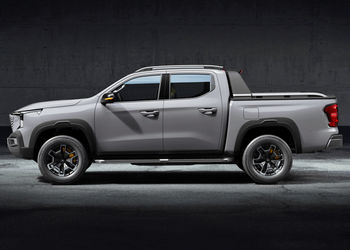
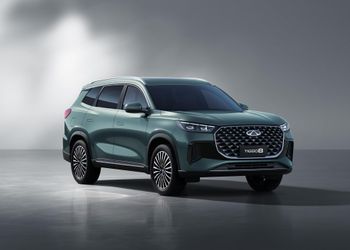
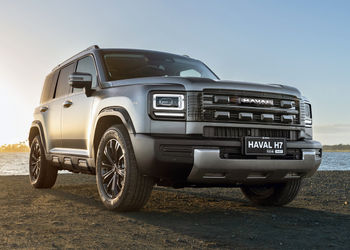
Interestingly, China gained yet more traction in 2022, moving into 2nd place and accounting for 10.8% of all light vehicles imported into Mzansi, with 34 939 units (up from 21 517 units in 2021). That saw Japan fall to 3rd position, with 29 830 units (or 9.21% of total light-vehicle imports).
Germany (20 345 units or 6.28%) and South Korea (19 491 units or 6.02%) retained 4th and 5th place respectively, each growing its volume slightly year on year. Spain (18 402 units or 5.68%) was again 6th, though improved markedly on its 2021 tally of 11 135 units.
The remaining countries of origin each accounted for fewer than 10 000 units. Indonesia stayed in 7th with 6 833 units (2.11%), while the United States of America climbed 2 positions to 8th with 4 644 units (1.43%). Thailand (4 435 units or 1.37%) made an appearance on the table in 9th – at the expense of Portugal – and the United Kingdom (3 595 units or 1.11%) dropped 2 places to close out the list in 10th. The remaining 13 countries contributed 15 376 units between them.
As a reminder, South Africa’s new-vehicle market continued its recovery to pre-pandemic levels in 2022, albeit at a slower pace than in 2021. According to Naamsa, total industry sales increased 14.0% to 529 562 units last year, compared with the 464 493 units registered in 2021.
Top 10 countries of origin for SA’s imported light vehicles in 2022
1. India – 165 910 units (51.2%)
2. China – 34 939 units (10.79%)
3. Japan – 29 830 units (9.21%)
4. Germany – 20 345 units (6.28%)
5. South Korea – 19 491 units (6.02%)
6. Spain – 18 402 units (5.68%)
7. Indonesia – 6 833 units (2.11%)
8. United States – 4 644 units (1.43%)
9. Thailand – 4 435 units (1.37%)
10. United Kingdom – 3 595 units (1.11%)
Related content
How much market share have Chinese brands grabbed in SA?