If you are planning on buying and driving an Electric Vehicle (EV) you might be considering installing a home EV charger. Here are a few key things to know!
Buying an EV is both an exciting and daunting prospect. In order to get the best experience from an electric vehicle, you need to make sure that it’s charged and ready for driving when you need it to be.
EV drivers have access to public AC/DC charging stations offering varying charging outputs but a home charging system is by far the most convenient and cost-effective solution over the long-term if you drive an EV.
Here are a few things to consider if you planning to install an EV charger at home.
Also see: How does load shedding affect EV charging?
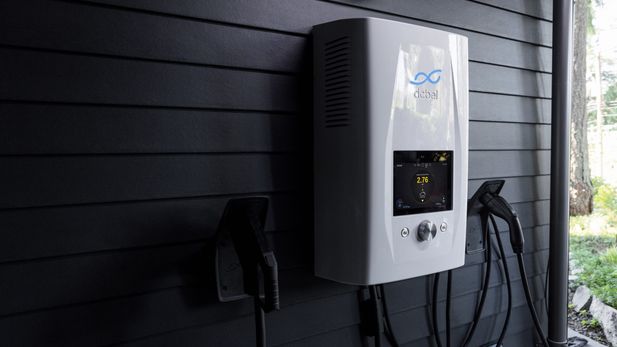
What EV charger should you install at home?
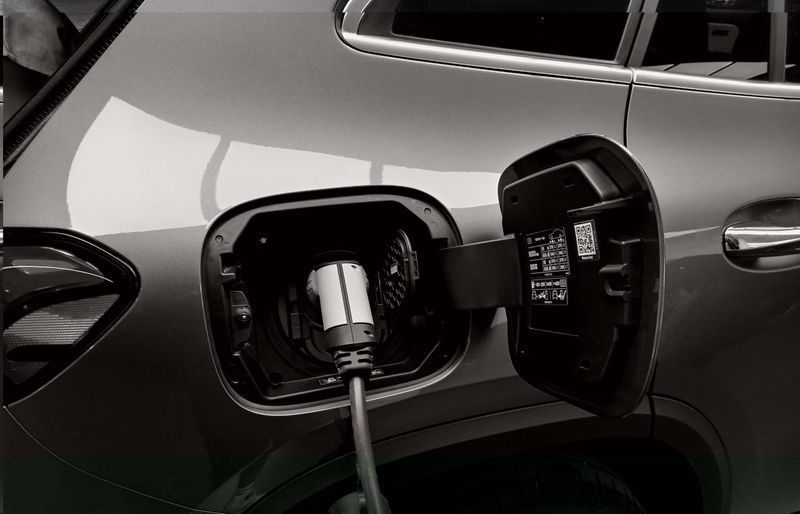
The home EV charging station you choose will depend on the EV you drive, your available budget and your personal charging and driving requirements.
Depending on what EV you drive or are planning to buy, a home charging system may or may not be bundled together with the purchase price of the EV. It’s best to ask the brand dealer if a home charger is included. If not, you will have to pay for the purchase and installation of the home EV charger over and above the purchase price of the vehicle. Pricing will vary greatly depending on the type and output of the system.
The home EV charger is best installed by a professional and licenced service provider to ensure safety and compliance.
Every EV has an AC charging limit and a DC charging limit and the charging unit that you choose must be compatible with your EV.
Single-phase AC chargers are the most common type of EV charging with a maximum charge rate of 7.4 kW. While AC charging is cheaper, charging times are longer. Higher output 3-phase AC chargers offer up to 22 kW but many EVs are capable of only 11 kW 3-phase charging.
DC chargers, or “superchargers” typically charge EVs much faster but are more expensive. The rate of charge at any given charging station, whether it be at home or at a public station, will depend on the EV you own i.e. not all EVs will be able to take full advantage of a high-speed charging station.
Most EVs are charged using a Type 2 Plug which is suitable for single and 3-phase AC charging. The Type 2 CCS DC Plug is typically used for fast charging.
If you want to avoid the impact of load shedding on EV charging, you might want to consider a solar installation to power your home EV charger.
Related Content
Gero Lilleike

Gero Lilleike is a published writer and photographer with most of his work appearing in the fields of travel and motoring. Gero has worked as a motoring journalist for Cars.co.za for the past 8 years and takes every opportunity to go on an adventure whether it be offroad or in the ocean. For Gero, a car's worth is measured by how many surfboards it's able to carry.