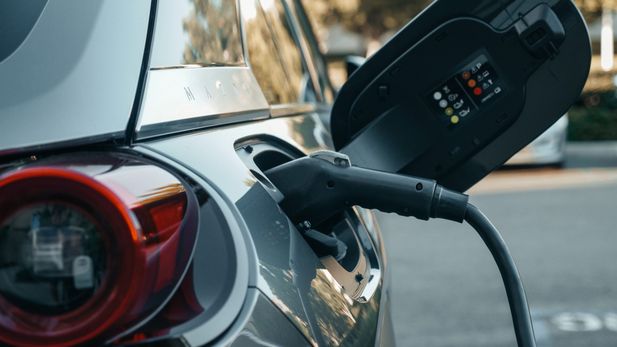
With ongoing load shedding in South Africa and a deepening electricity crisis, what impact does load shedding have on EV charging?
Electric cars are slowly becoming more common in South Africa and even though electric charging infrastructure is more widespread, persistent load shedding and an unstable electricity supply is a growing concern for potential Electric Vehicle (EV) buyers.
Will load shedding affect EV charging?
The short answer is that load shedding does have an impact on EV charging but the impact will vary depending on a number of factors including daily travel distances, access to public charging facilities, home charging, charger output and the EV you are driving, for example.
If you are charging your EV at a public charging station, unless that station is linked to an off-grid power source (such as solar energy), it will likely be offline during periods of load shedding. The same will apply to your home charger.
The faster the charger you use, the faster your EV will charge and the less time you will spend charging, thereby reducing the impact that load shedding has on charging your EV.
Top Tip: If you are able to, try making use of a fast charger to reduce charging time and to eliminate the impact of load shedding.
If your daily commute is relatively short, say 70 km per day, then you may only be required to charge your EV once per week (depending on the EVs range).
The easiest and cheapest way to charge your EV is at home using a home charger. Much like using a smartphone, plug your EV in when you get home and let it charge overnight, regardless of load shedding.
If you don’t want to be affected by load shedding at all then it might be worth investing in a solar-powered home charger.
Related Content
What Home EV Charger Should you Install?
How To Find EV Charging Stations in SA
Podcast: Will electric cars work in South Africa?