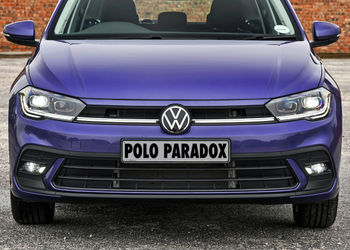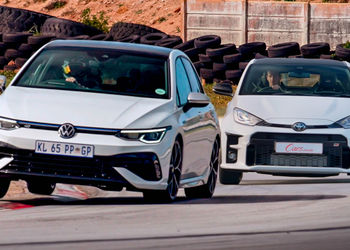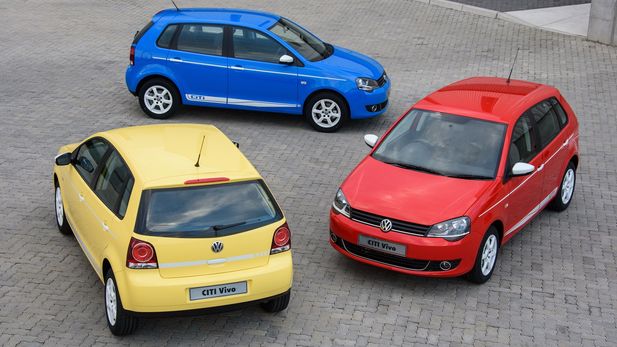
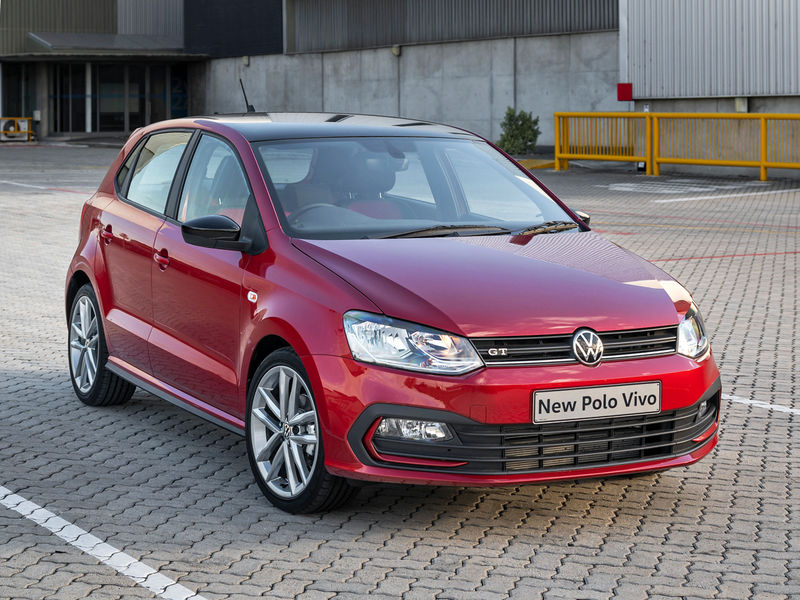
The Volkswagen Polo Vivo is locally built and very popular. But like the Citi Golf, there will be a time when it doesn’t exist anymore. How will VWSA possibly manage that transition?
Continuation models like the Polo Vivo are the real South African vehicle heroes. The local automotive industry might build some of the world’s best-quality luxury cars (BMW X3 and Mercedes-Benz C-Class). And two of the world’s most popular global bakkie models (Hilux and Ranger). Yet, for South Africans who want to buy local, it’s the humble continuation hatchback that has always delivered value.
Before Suzuki launched a flood of budget Indian-built hatchbacks and compact crossovers, the Polo Vivo was by far South Africa’s most popular budget family car. And if you remember back far enough, to the early 1990s and 2000s, South Africans had many locally built budget hatchbacks to choose from: the Opel Corsa, Ford’s Fiesta, the Mazda 121 Soho, Toyota’s Tazz, and of course, the Citi Golf…
During the 1990s and early 2000s, a competitive used-car market created real value for South African budget-car buyers. And because all those budget hatchbacks were made with a lot of local content, there were robust parallel supply chains for spare parts and independent servicing.
Why continuation models work
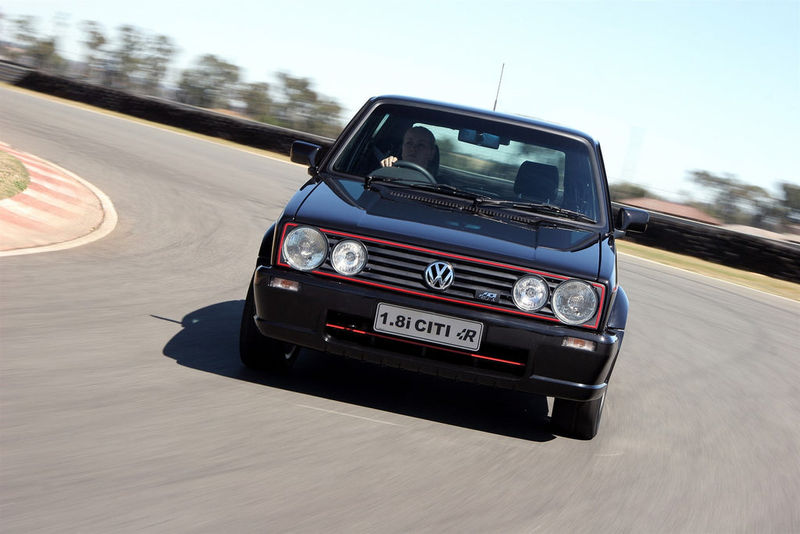
But in 2026, it’s very different. The only locally built “affordable” family car is the Polo Vivo, and VW is under pressure to secure the next round of future investment from Germany to keep its Kariega assembly plant running at the required capacity. That’s potentially a very big problem.
VW’s success has been building the new and previous-gen Polos concurrently during the last three decades. It’s a simple but brilliant strategy. Why? Because you have all the technical labour skills and suppliers in place to keep building the older version, which has given you a much broader price spread in the market.
Read more: Volkswagen Polo Vivo (2024) Launch Review
In a price-sensitive South African market with low-enforced safety and emissions requirements, VW has been sensible and smart by keeping its previous-generation Polos in production since 1996 and marketing them as Vivos.
When old tech becomes expensive
One of the biggest problems for VWSA and its future product planning for South African production is engine technology. This has been a problem that the VW Group has been warning about regarding South African fuel for a very long time.
Product planners foresaw the chasm in fuel quality and underinvestment back in the early 2010s, warning that South African diesel and petrol quality, country-wide, would decouple from European engineered powertrain specifications. This would effectively render future turbopetrol and turbodiesel engines unserviceable on local fuel. It’s one of the reasons why the Ford ST brand died early in South Africa.
The Euro7 fuel risk is real for VWSA. There could be a future compact-car platform where the form factor of legacy VW engines, which can run on South African fuel, becomes a real packaging, sensor integration, or engine-control-software issue. Lagging South African fuel quality will age out the options VW engineers have for South African-market engines. Plus, more importantly, the small but vital components to build them: like injectors, emissions systems, and engine control units.
Advanced injectors, engine control units, ABS/ESP sensors, and safety systems are a complex investment, but also a scale business. And controlled by a select few global suppliers, the most important of which for German brands is Bosch. You need very large numbers to secure a specific future-spec commitment from Bosch for engine and safety-system production components.
There is a point at which keeping the order book open for the “simple” engine components and ABS/ESP sensors can become too costly as production volumes drop and the technology ages. Because all things Polo predicts everything Vivo into the future, the engine tech runway is a real concern.
Polo Vivo can’t become Citi Golf 2.0
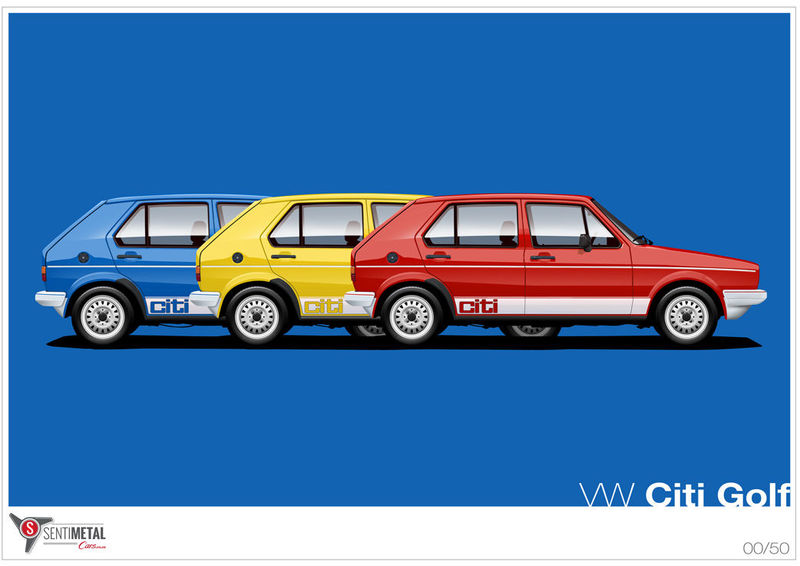
What happens when the next generation of Polo doesn’t happen? VW can’t keep building a legacy Polo Vivo indefinitely if the current Polo is VW’s last compact city car.
Rmours have been swirling for years that VW Kariega will become the new global hub for an entry-level model. However, that would require a big investment from Germany at a time when VW is struggling with European production plant overcapacity, rising energy costs and pressure to keep jobs back in Germany.
VWSA is preparing to build the new Tengo crossover in Kariega from 2027. But it desperately needs a more affordable bakkie model beyond the Amarok, too. And that’s where the Tukan could become a make-or-break decision point for VWSA.
Small bakkie – big challenge
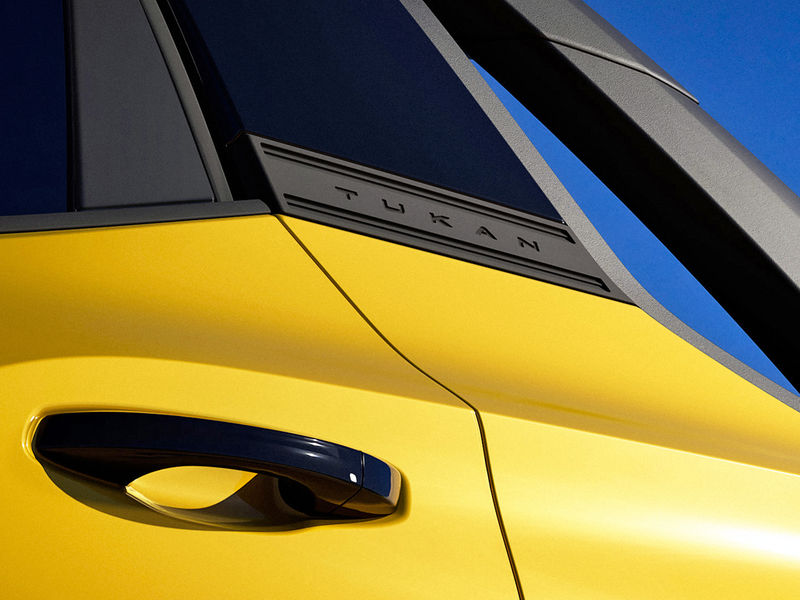
For years, South African automotive marketers have wondered whether the South American Saveiro could be a success in South Africa, where the once-robust compact bakkie market is there for the taking. Securing Tengo, Tukan and some legacy Vivo production, a version based on the current Polo, could ensure VWSA’s Kariega plant and assembly future well into the early 2030s.
The big risk is that the current Polo could reach sunset without a successor. That will mean only one more generation of Polo Vivo before it’s discontinued. And can you imagine VW South Africa dealerships without Vivos to reach first-time car buyers or parents seeking a proven, locally built budget car for their kids?
You might think VWSA create a Citi Golf with the Vivo and keep building them for a decade after the final-generation Polo is discontinued. But what was doable with continuation models in the 1980s and 1990s no longer works in a globally integrated market with increasing safety and emissions standards in the 2020s.
Lance Branquinho

Lance Branquinho is a Namibian-born writer and photographer who has won numerous motoring journalism awards. He once smuggled parts to South America, in a minor contribution to help Giniel de Villiers finish on the podium at the Dakar. He fears for the eventual collapse of the air-cooled Porsche 911 market – and keenly awaits, in vain, the return of the brand's 928.