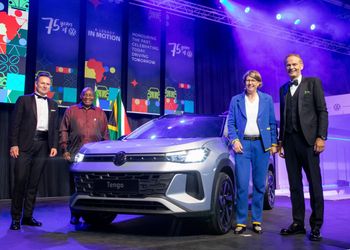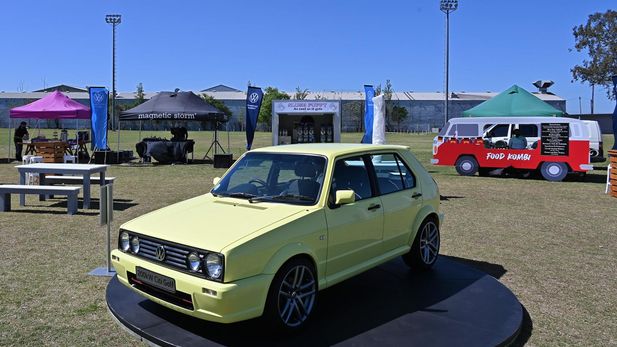

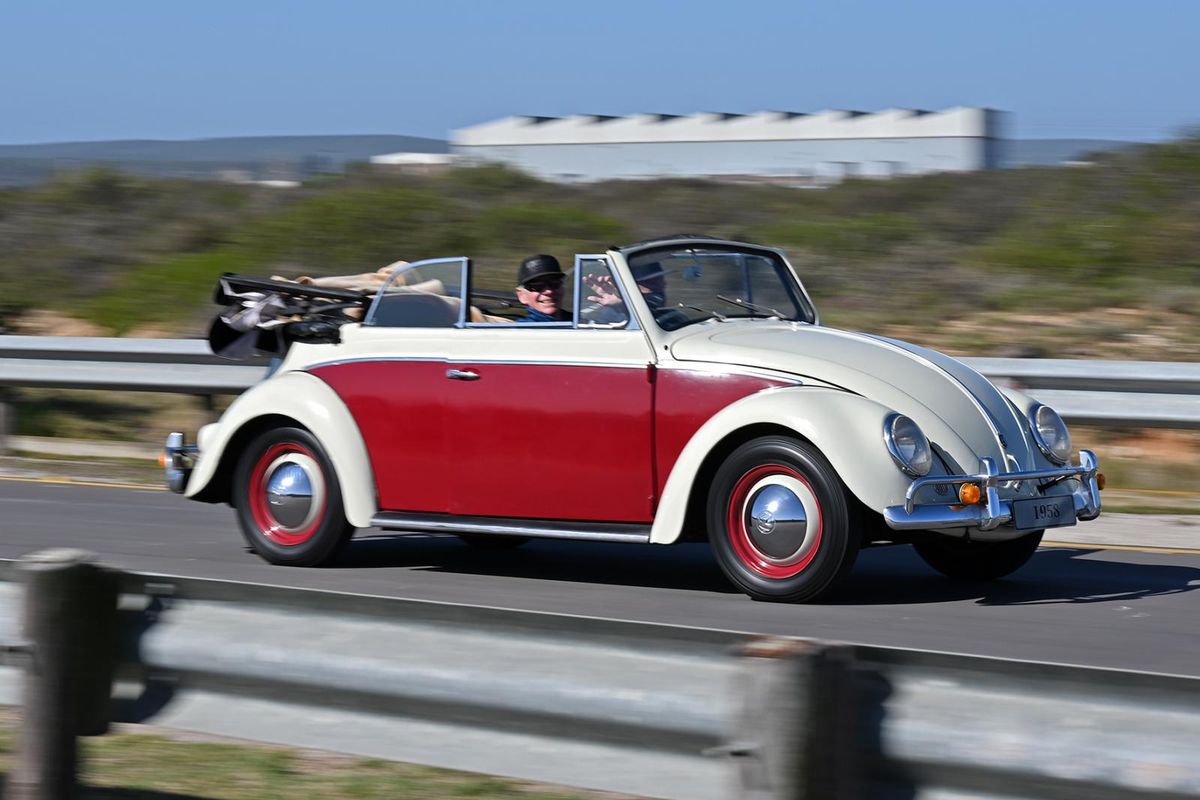
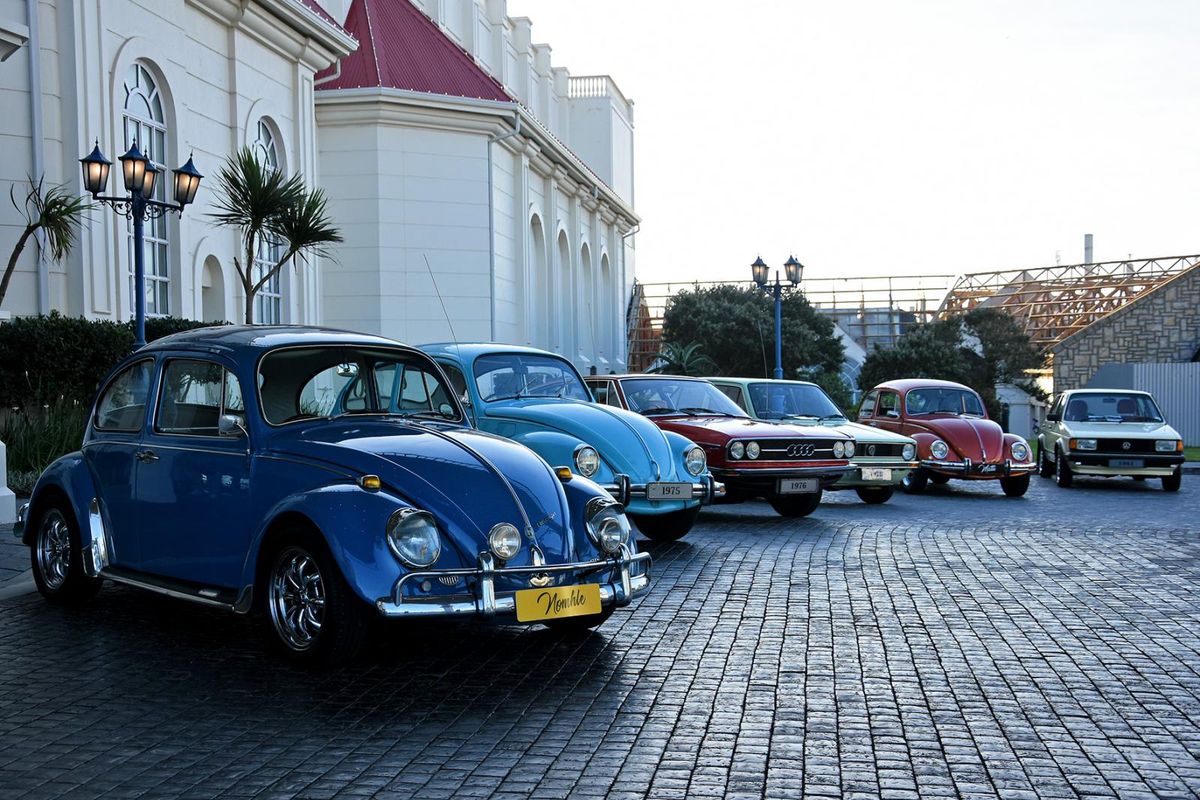

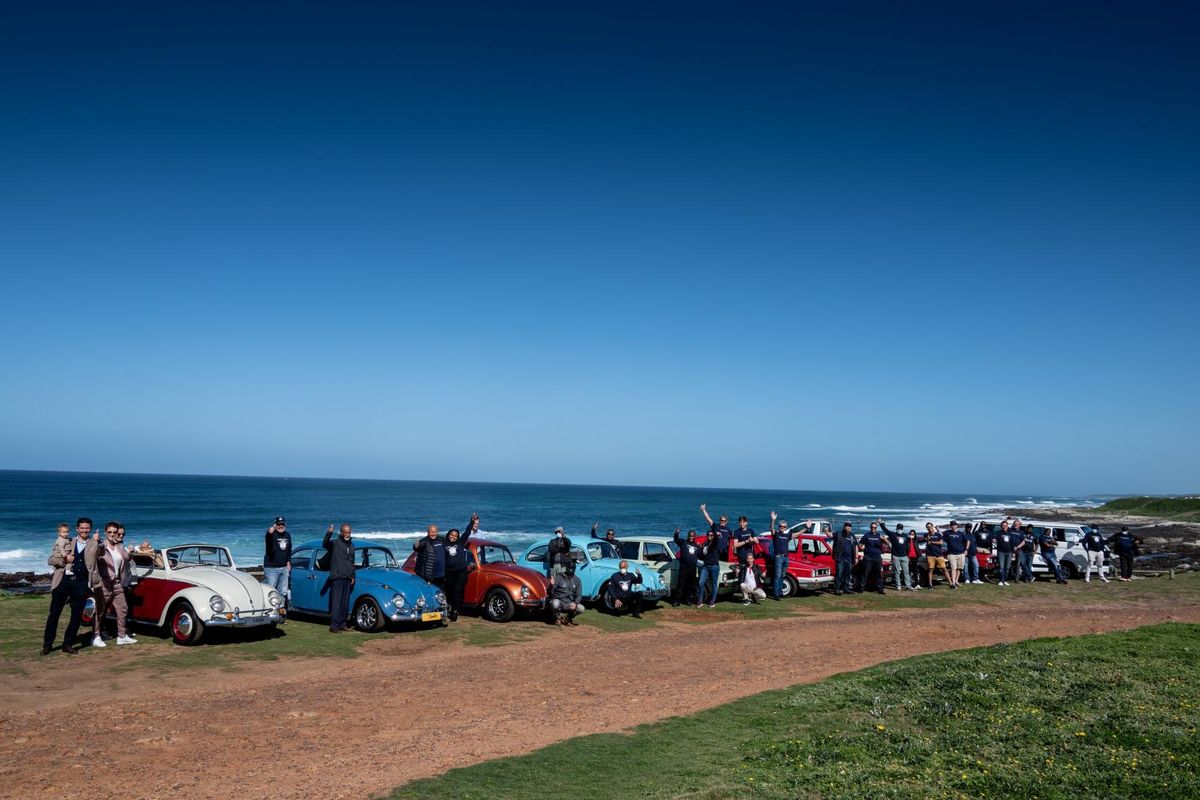
Volkswagen SA recently celebrated its 70th anniversary and used the occasion to not only display some of the uniquely South African products it had developed through the decades, but the brand allowed a few media representatives to drive some of its greatest treasures.
* images courtesy of Colin Mileman
The first Beetle rolled off the SAMAD production line in Uitenhage on 31 August 1951, and since those early years, Volkswagen quickly grew into a market leader. By 21 January 1959, 25 000 VWs (Beetles and Type 2 Kombis/Panel Vans) had been manufactured and, by 1973, VW had become South Africa’s top car manufacturer; it is also currently the leading passenger vehicle brand in South Africa.
The importance of localisation
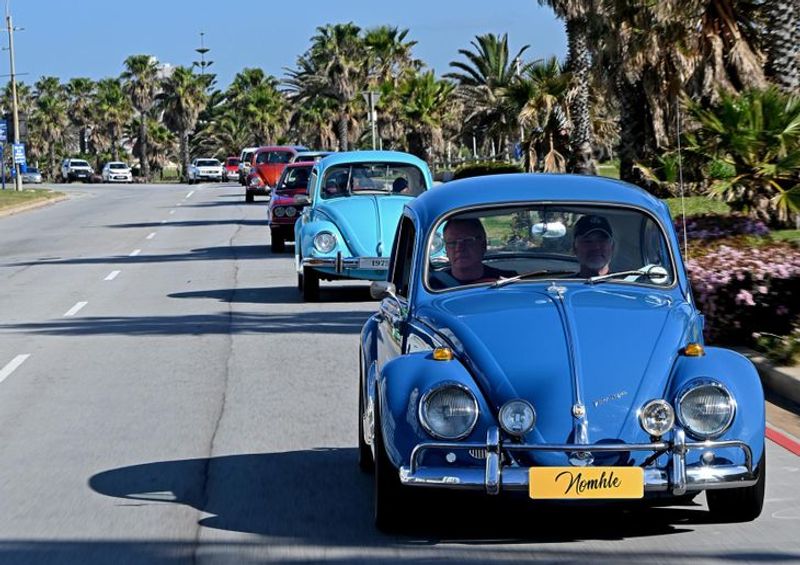
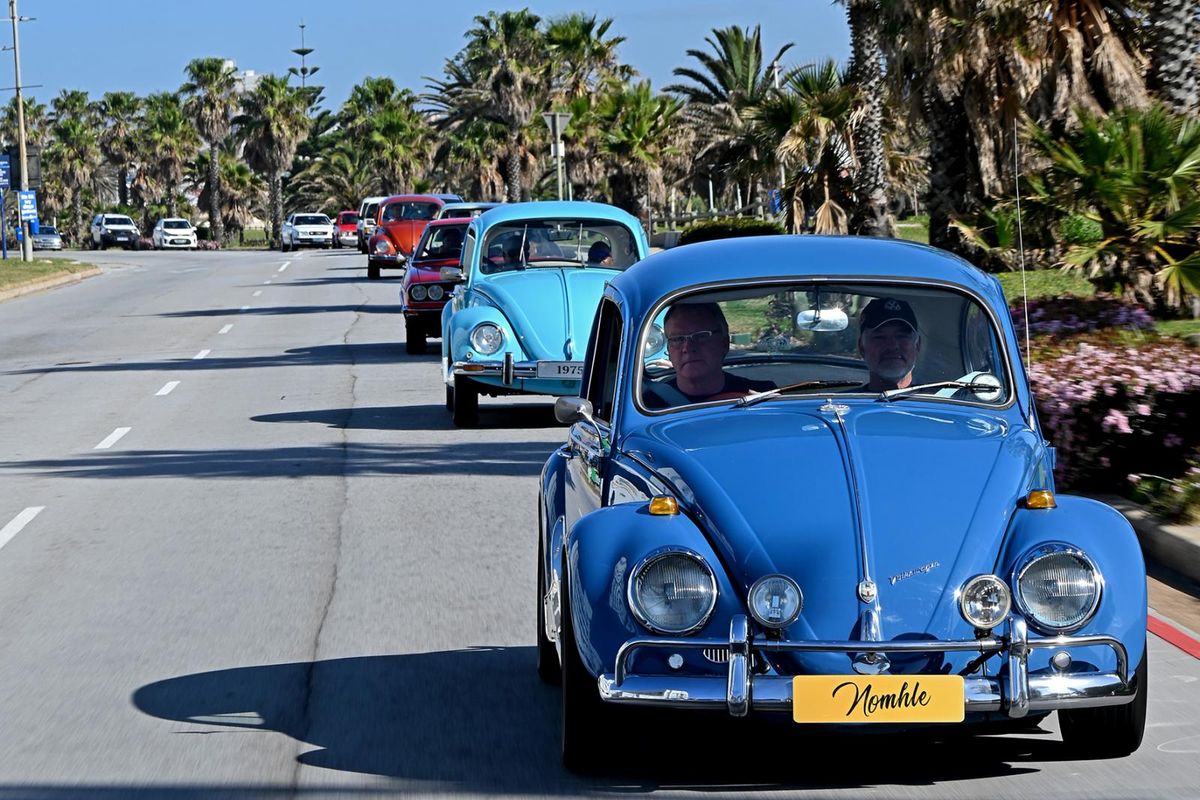
Volkswagen’s long run of local production started with the Beetle back in the late ’50s.
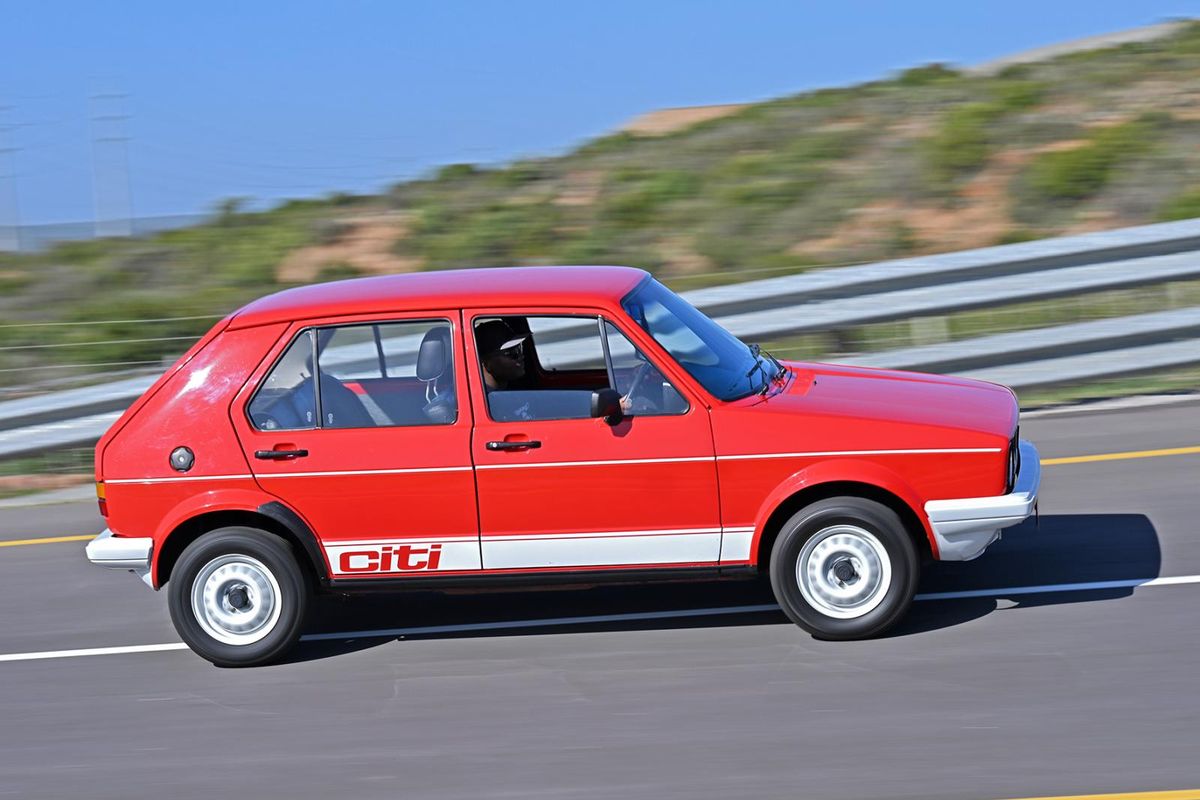
One of the keys to Volkswagen’s success in South Africa is that it has always sought to “localise” its products as much as possible. That’s why vehicles such as the iconic Citi Golf and, more recently, the Polo Vivo, came into existence. But there are many more unique local heritage models. Consider, for example, the evolution of the T3 Kombi back in the day. The square-shaped “Volksiebus”, which was made so popular by the famous David Kramer TV advertisements, benefited from ongoing refinement and engine upgrades and remained popular right to the end of its (extended) model life.
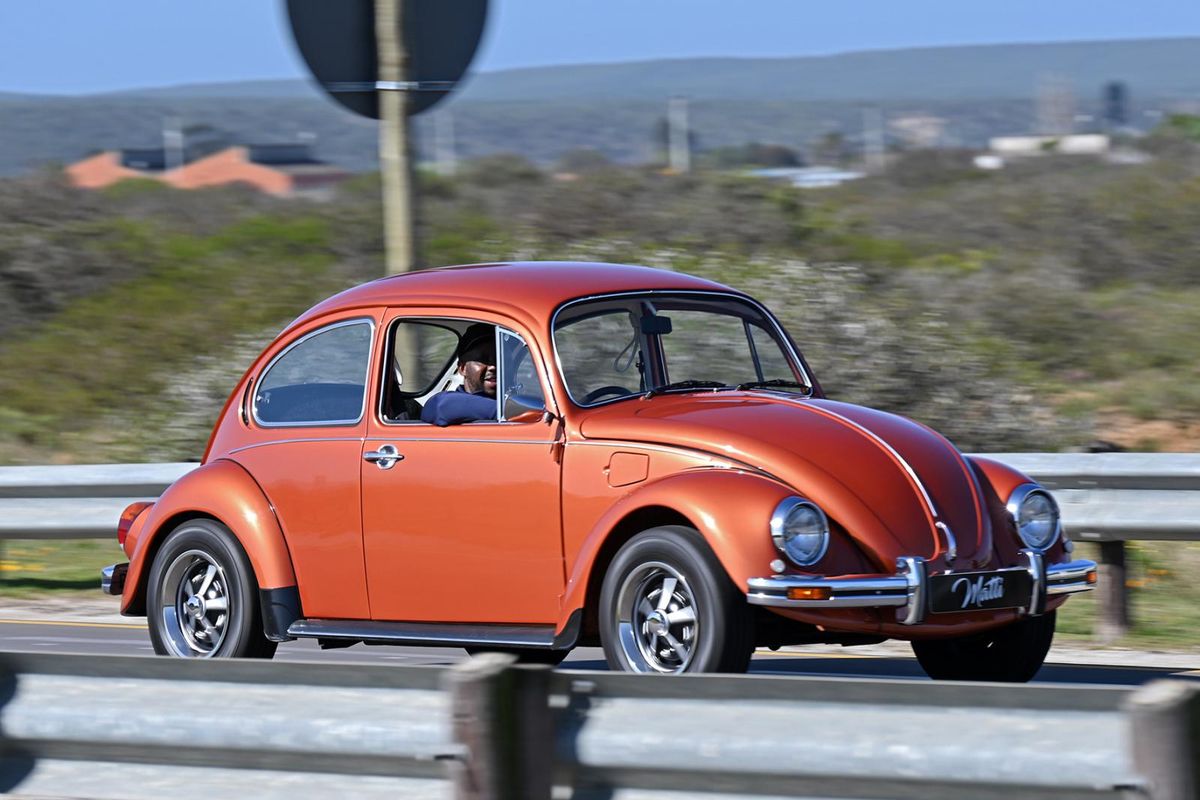
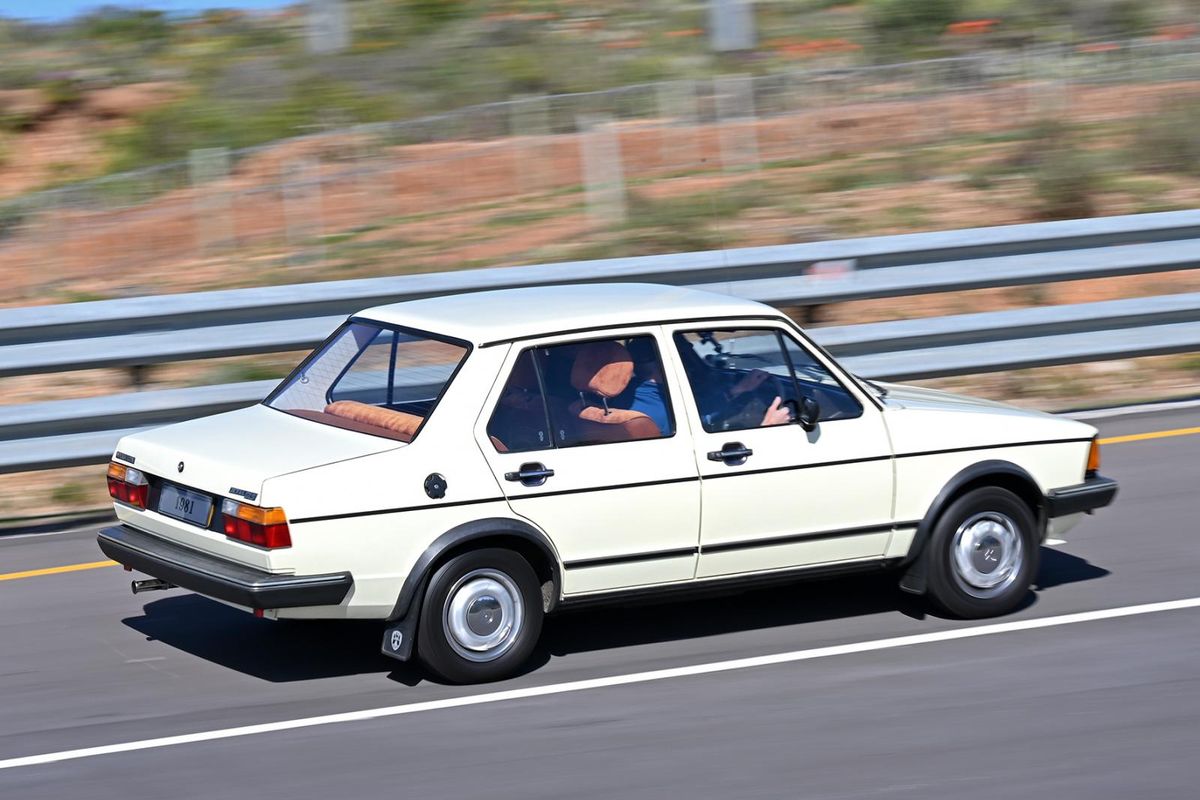
I’m reminded of the company’s bold – but carefully considered – steps as I follow one of the earliest Golfs built in South Africa (production started in 1978) in the very last locally-built Beetle. The contrasts between the cars, both of which represented core products for the brand, could not be any bigger, and yet they shared space in the local market for a while. Beetle production only stopped a few months after the local arrival of the 1st-generation Golf, which was famously styled by Italdesign Giugiaro… and would go on to be purchased by countless South African motorists as their first new (or used) car.
From Beetle to Golf
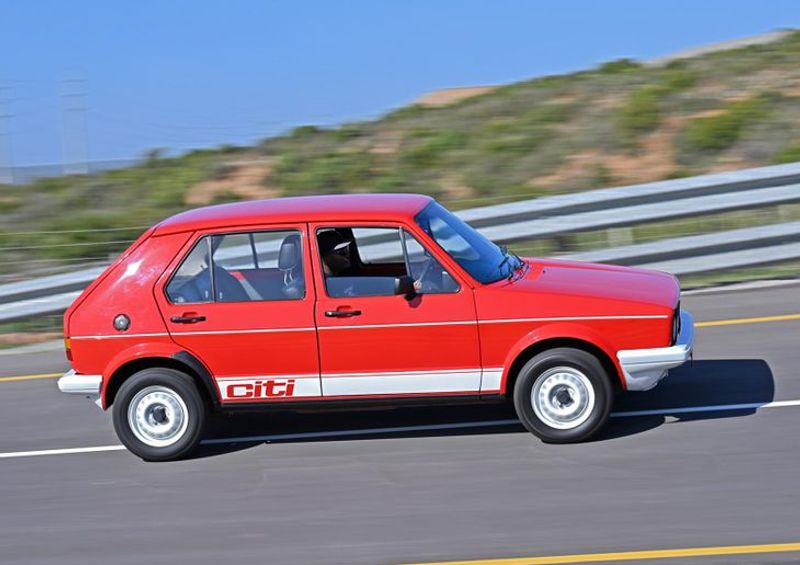
VWSA continued to produce the original Golf for some years after the 2nd-, 3rd and 4th-generation models had arrived.
The last South African Beetle, which is finished in striking metallic orange and nicknamed Matty (after Matt Gennrich, a local VWSA communications legend) is quite luxuriously trimmed, but it’s by no means serene to drive. The air-cooled engine makes an incredible racket by today’s standards, and because of the narrow cabin, you tend to rub shoulders with your front passenger. It’s charming, of course, but as I move into what is, by comparison, a (very) base-spec early Golf 1, the massive strides in packaging, comfort and refinement are abundantly clear.
The Golf 1, of course, is another Volkswagen product that enjoyed an extended model life. When the Golf 2 (nicknamed the “Jumbo Golf”) arrived on the scene, Volkswagen South Africa’s management was concerned that the jump in price between the 1st- and 2nd-generation cars would severely impact its sales volumes, and so the decision was made to keep producing the “Mk1”, and it was initially going to be called the “Econo-Golf” – a boring, stripped-out car. Thankfully, VW ultimately opted to create a bold, fun image for the car, hence the famous Piet Mondrian-inspired “Red, Yellow, Blue” colour scheme.
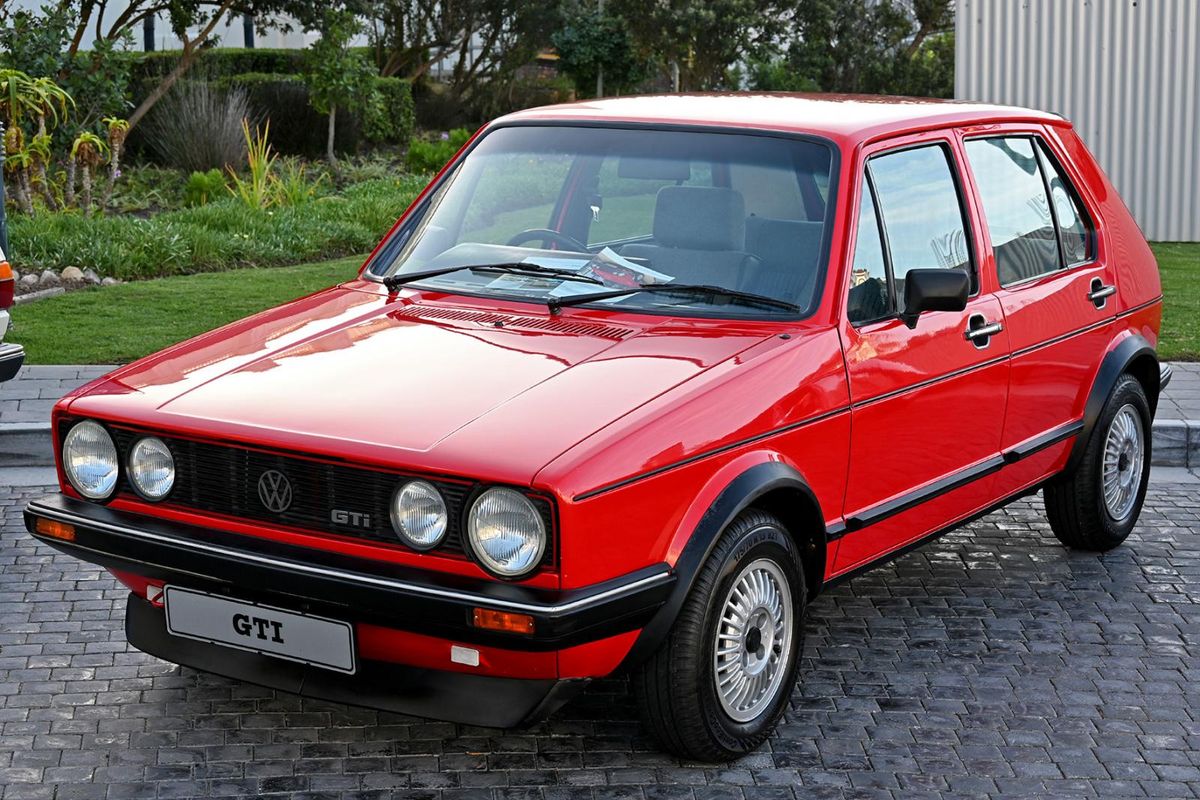
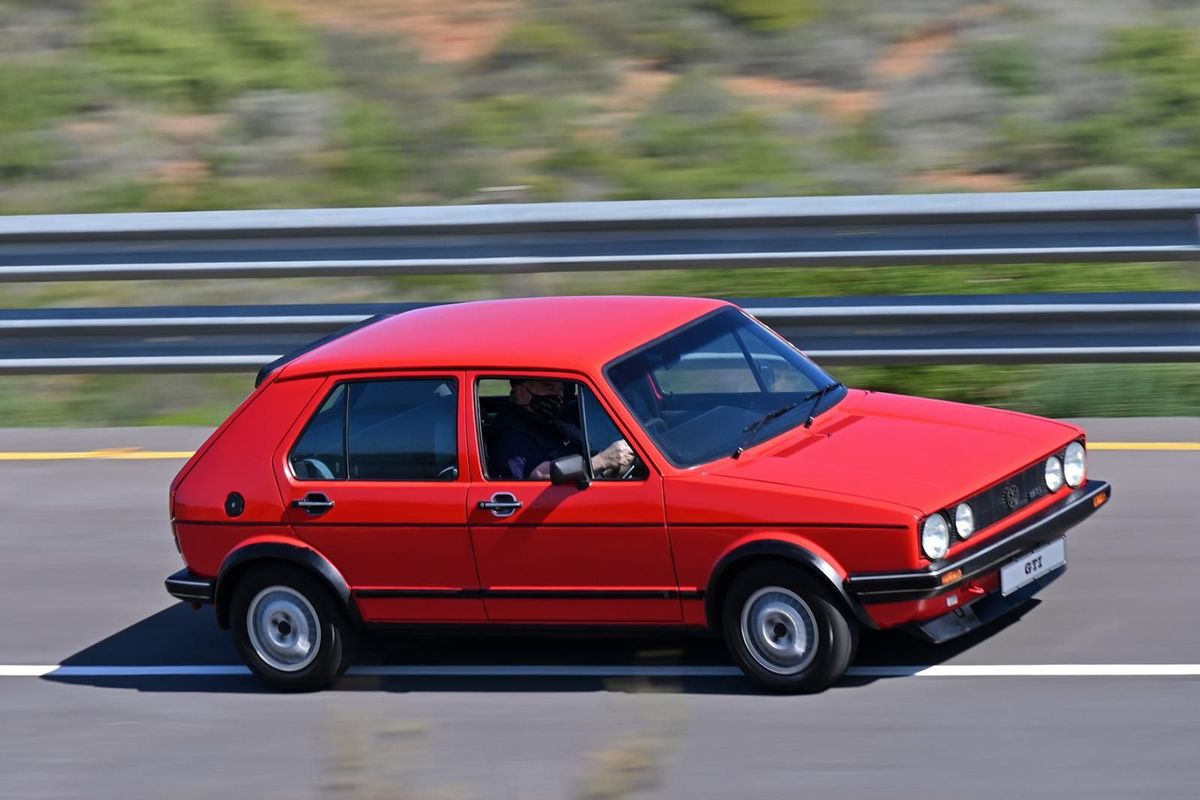
I’ve driven Citi Golfs before, of course, but the sprightly red Citi Sport that VWSA made available for a quick drive on the company’s test track just highlighted, once again, why the 1.6-litre carburettor-fed (later fuel-injected) car was so popular. Light and responsive, the Citi Sport is fun to drive, with the genes of the famous original pocket-rocket (the Golf Mk1 GTI) very much in evidence. Volkswagen also made one of these icons available for drives, and many a motoring journalist could be heard muttering that it still remains a (relatively) affordable dream classic to own.
And there were some experiments, too…
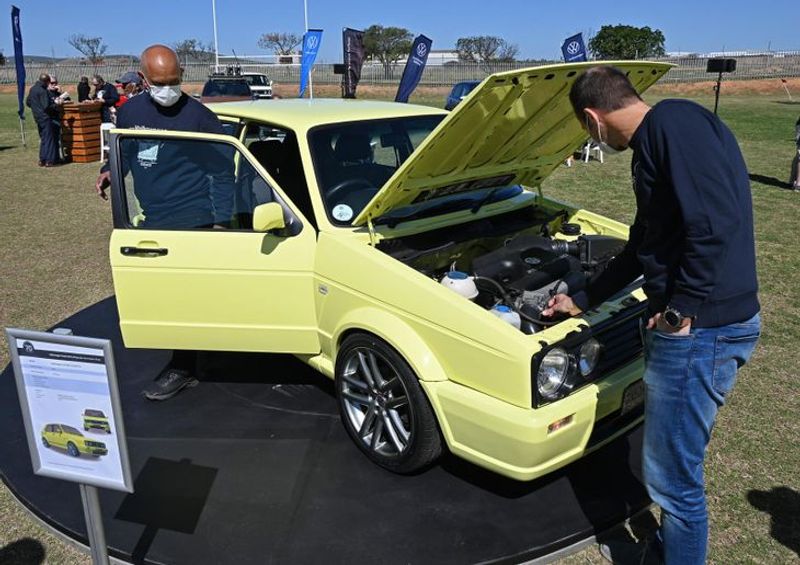
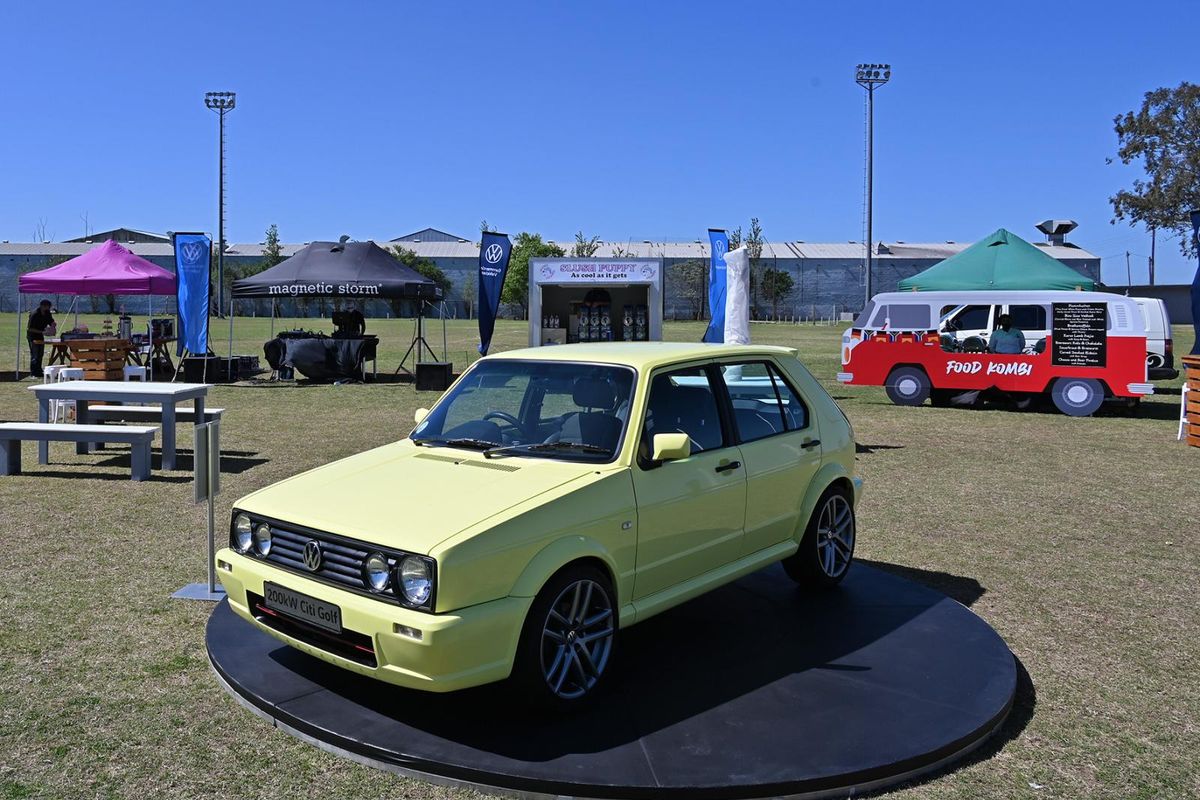
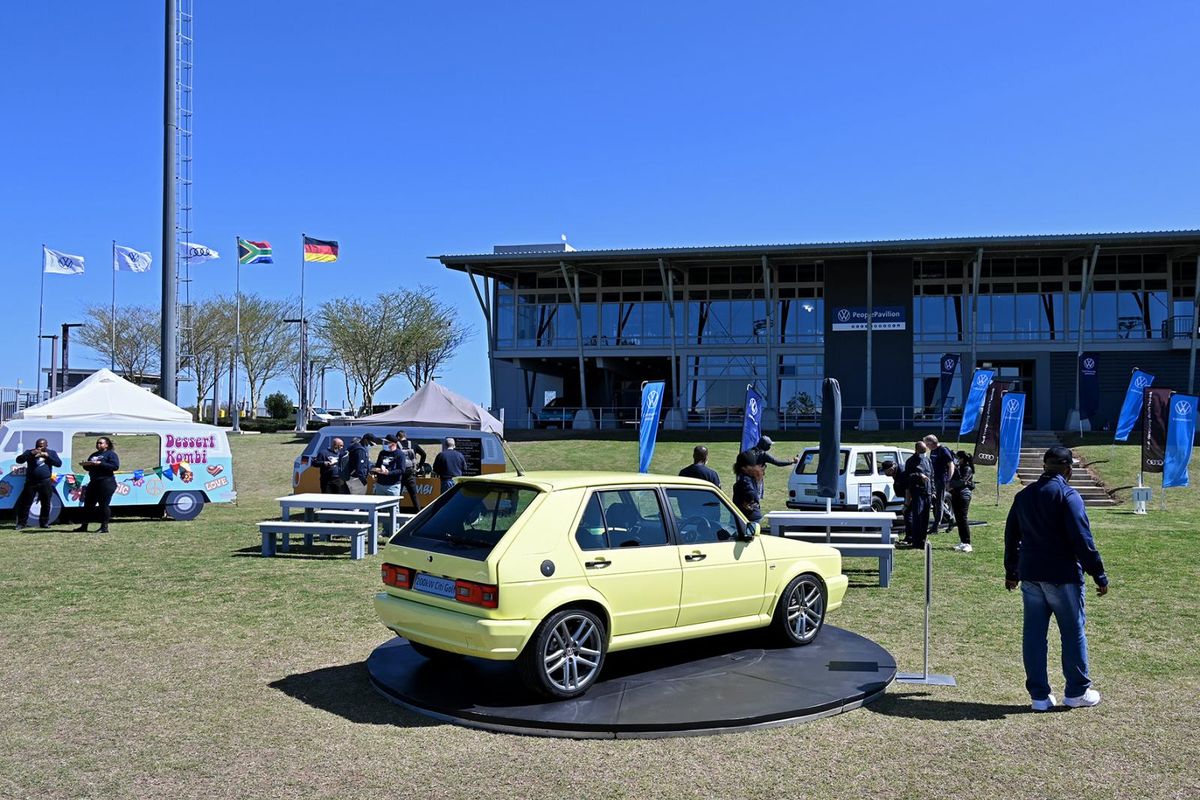
The 200-kW Mk1 embodies the slogan “there’s always a Citi Golf faster than yours”
But even certain variants of the Citi, though produced in large volumes, could be solid bets for future classic-car status… How about an 82-kW 1.8-litre fuel-injected CTI, anyone?
Although sadly not available for drives, but proudly on display at the event, was a one-off 200-kW Citi powered by a turbocharged 20-valve engine borrowed from an Audi TT. This outlandish, one-of-a-kind Golf has never actually turned a wheel in anger – its odometer still reads zero. It also uses a 5-speed synchromesh gearbox, custom-made side skirts, 17-inch alloy wheels and bucket seats.
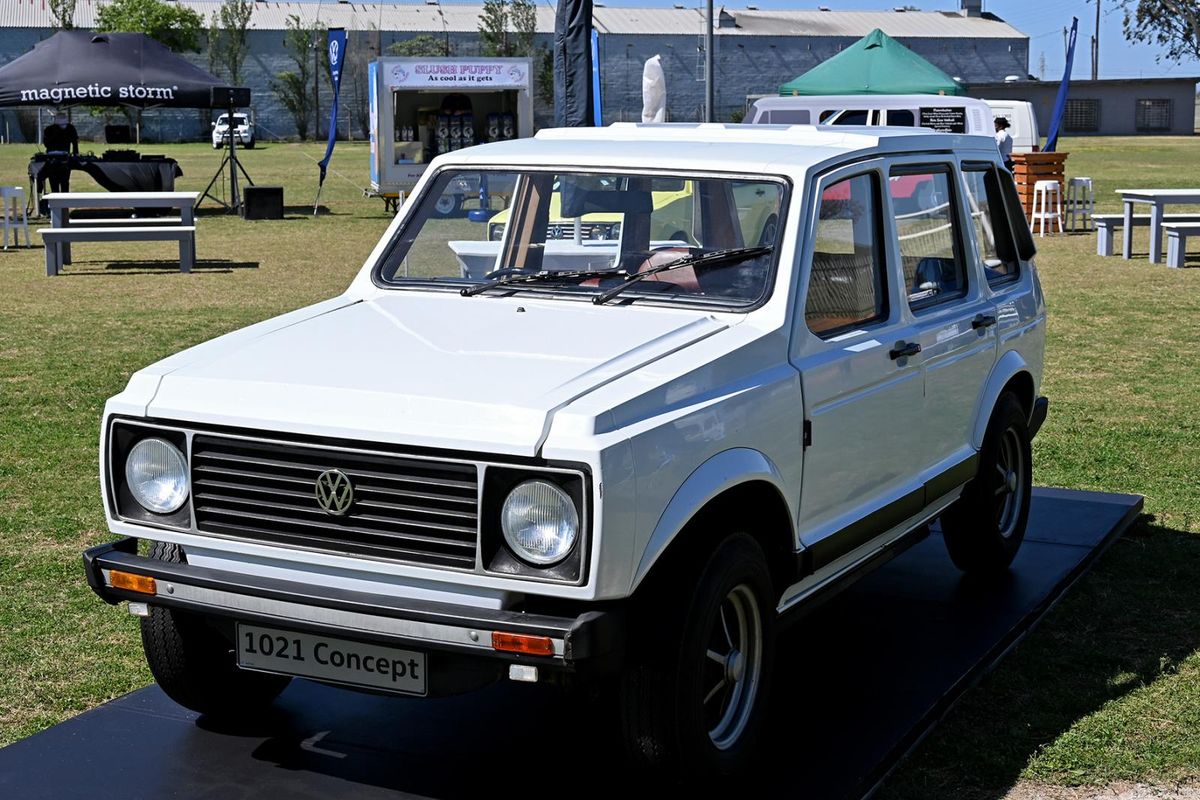
Also on display – a vehicle I had only seen in pictures before – was the locally developed SUV concept from 1977, named Project 10-21. It married a boxy fibreglass body with rear-engined (Beetle) underpinnings to make for quite an interesting SUV, long before sports utility vehicles were, as they say, “a thing”. It was certainly not fast, though; its engine only produced 44 kW and was mated with a 4-speed manual ‘box. Nevertheless, it just goes to show to what lengths VWSA has gone (or at least tried) to produce vehicles specific to Mzansi. Perhaps only VW Brazil mirrored this very localised approach.
Striking Audi classics
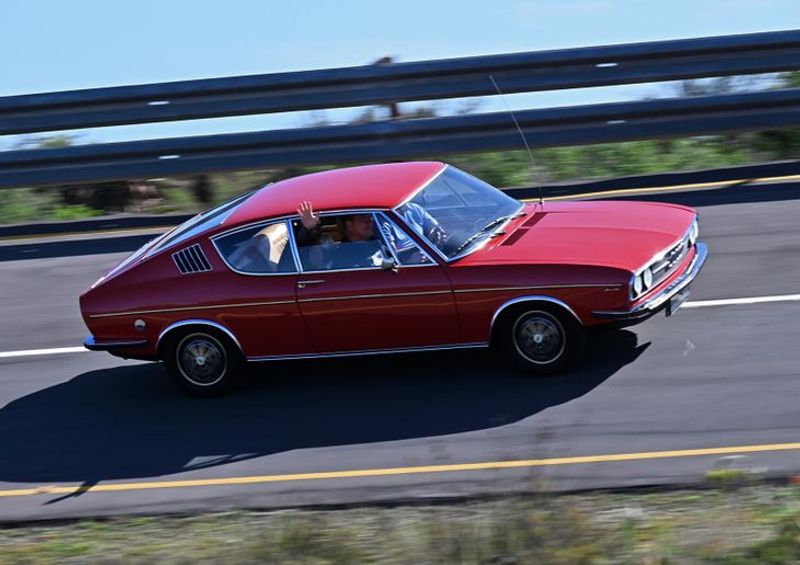
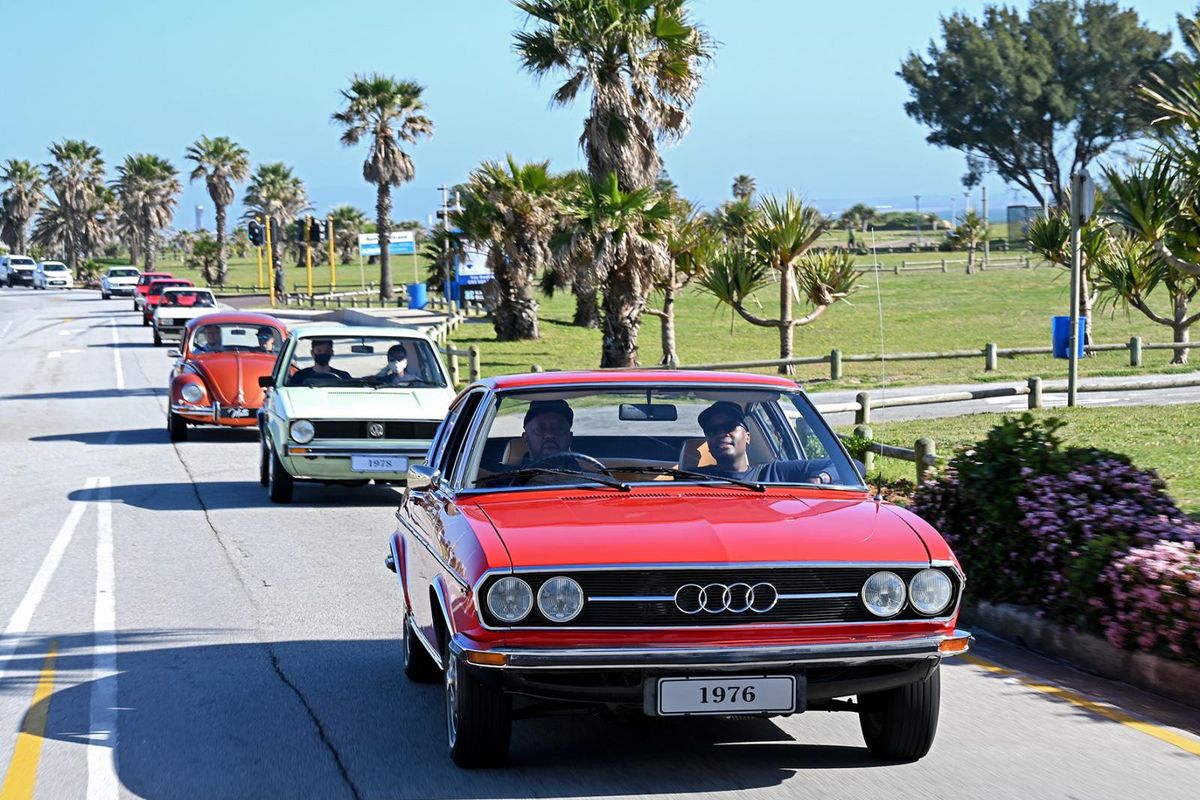
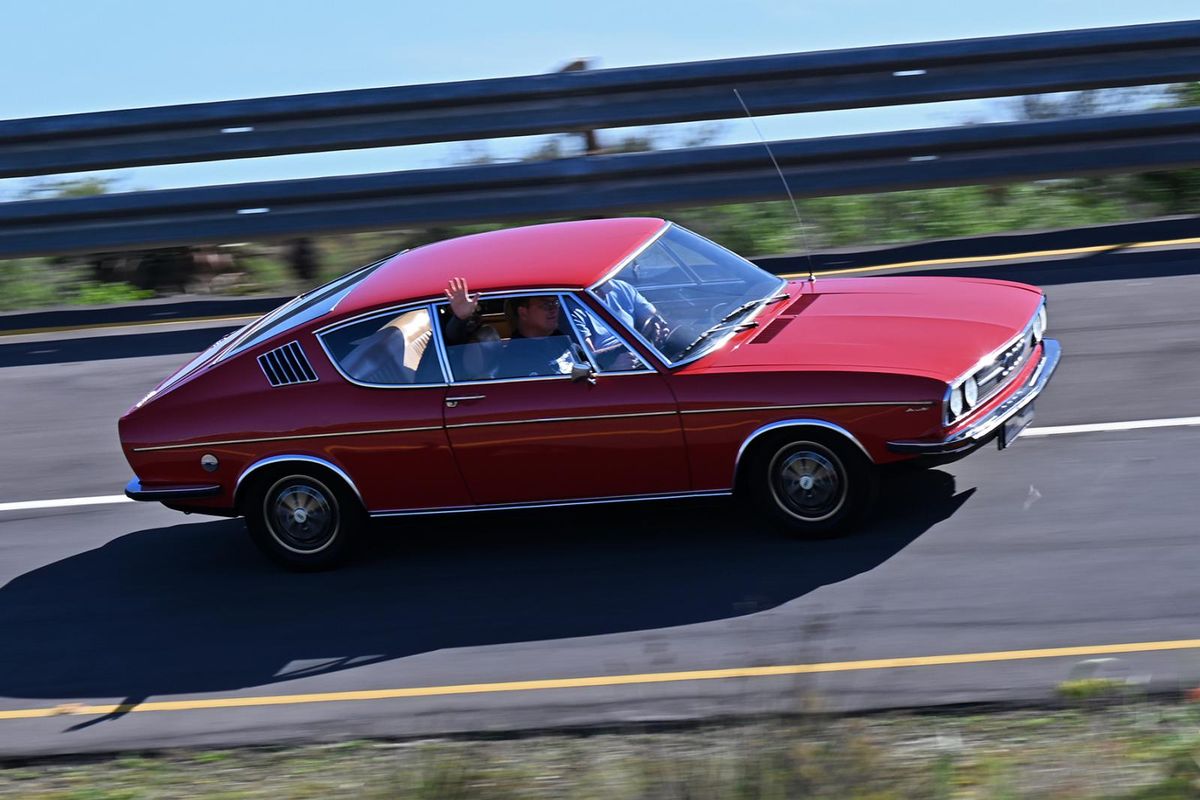
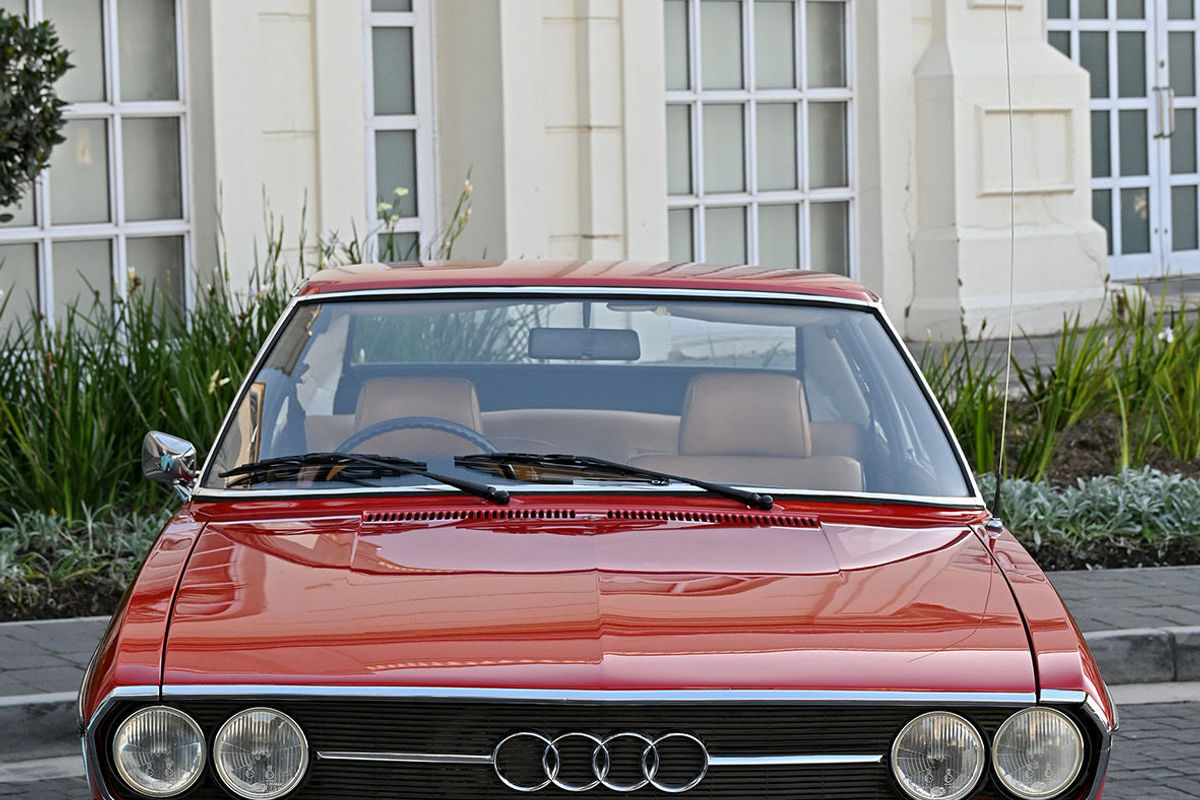
The Audi 100 S Coupe, a striking, almost Italian-looking German car.
And then there were the Audis… The first Audi Super 90 was produced in Uitenhage in 1968, but the car VWSA made available for drives on this occasion was none other than a striking Audi 100 S Coupe from 1975. Assembled in Uitenhage, the red 100 S Coupe has clocked up less than 17 000 km since new and remains in immaculate condition. It was quite a pricey car back in the day, and so there aren’t many around, but in Europe, these cars are rising in value rather quickly. The car’s superb design is attributed to Ruprecht Neuner, but there are interesting similarities with the William Towns-designed Aston Martin DBS from the same era. I also find it almost “Frua-like”, particularly at the rear. It’s certainly a very pretty car… and good to drive as well. The interior is luxuriously trimmed (again almost “Italian” in its glamour) and there’s certainly enough power from the 77 kW 4-cylinder water-cooled engine. Could the Audi 100 S coupe be one of the prettiest cars to have ever been built in South Africa? Perhaps.
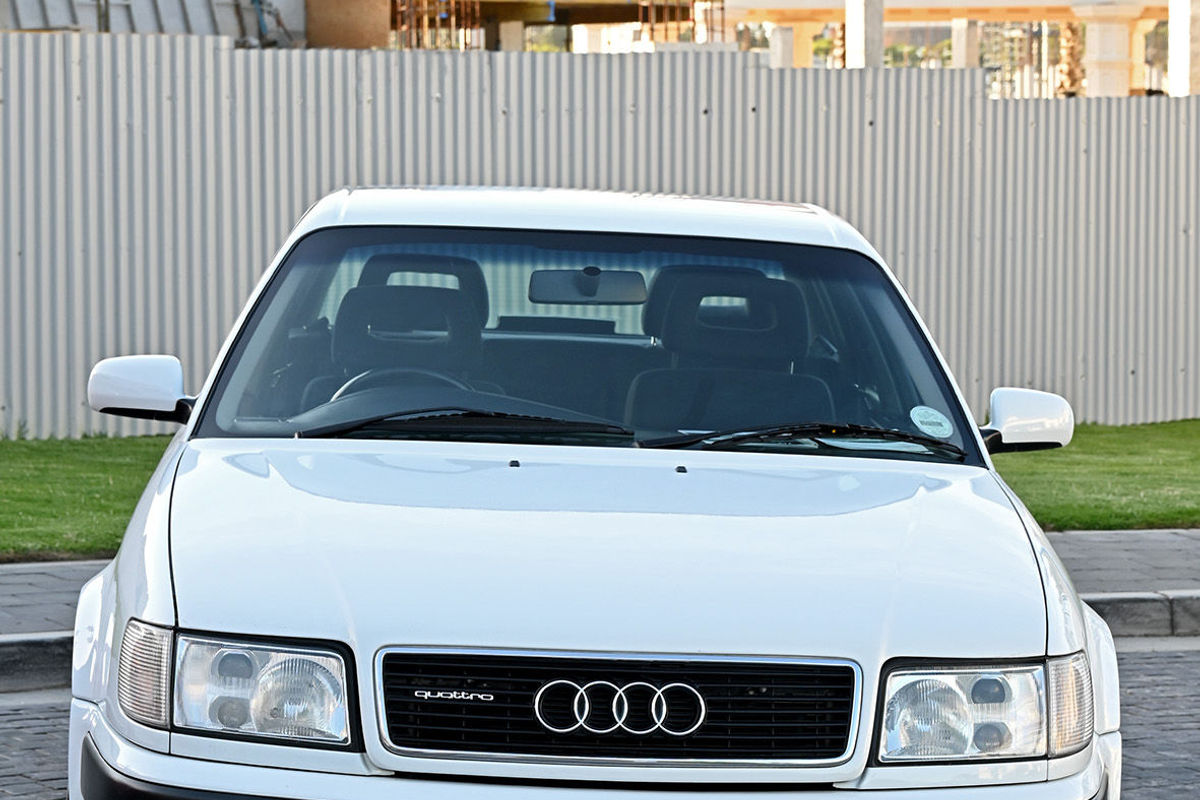
And finally, I settled into something more modern, a C4-generation S4. Now, I’ve recently been on the hunt for an interesting, modern classic that I could potentially drive daily. I think I may have found it. The S4’s shape has aged gracefully; only subtle badging hints at its performance potential. Its interior really blows me away, though. It feels solid, luxurious and I love the multitude of white-faced gauges.
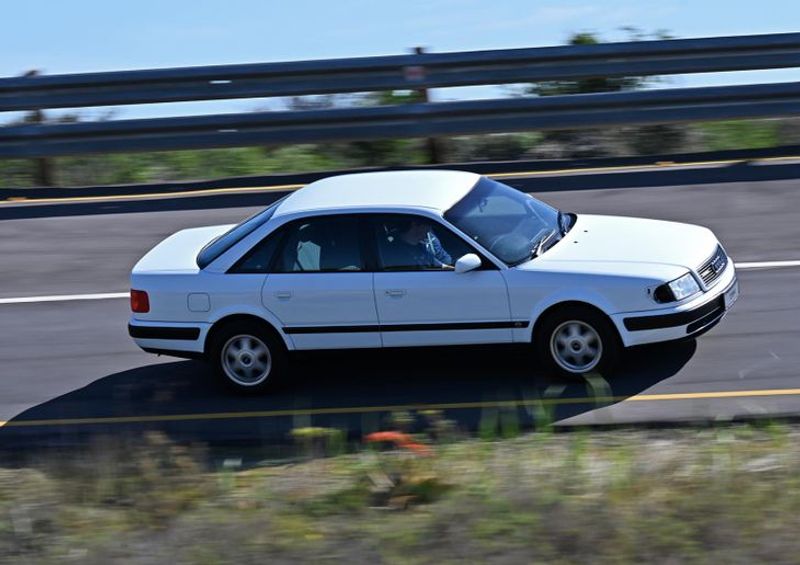
Audi’s original “sleeper” – the turbocharged 5-cylinder Audi S4 is still fast by today’s standards.
I head to the test track and am immediately taken with the S4’s refined punchiness. It was powered by a turbocharged 5-cylinder engine that delivered enough grunt to blast this big sedan from 0 to 100 kph in 6.2 seconds and on to a 250 kph top speed. It also featured all-wheel drive and a 6-speed manual transmission. It’s not a “shouty” performance car, but very much a stealthy, refined machine… and I liked it a lot more than I thought I would. They’re scarce though…
Heritage is such a difficult thing to measure or value. In that sense, it’s probably similar to “culture”. But imagine a world without it… Imagine a VW brand in South Africa without these icons, and the memories these cars created for thousands of locals. I believe some brands don’t cherish and nurture their heritage enough (and suffer the consequences eventually). Thankfully, VW is not one of those…
Related content:
VW Golf Mk1 GTI – the original pocket rocket
SentiMETAL Episode 17: Volkswagen SP2
Gerhard Ryksen’s stunning Volkswagen collection