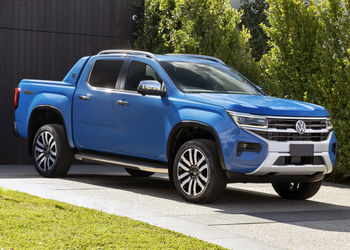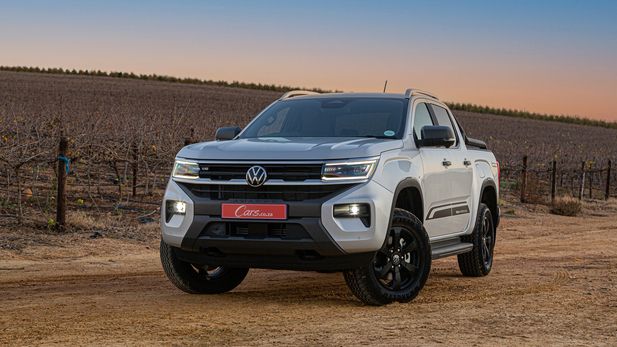
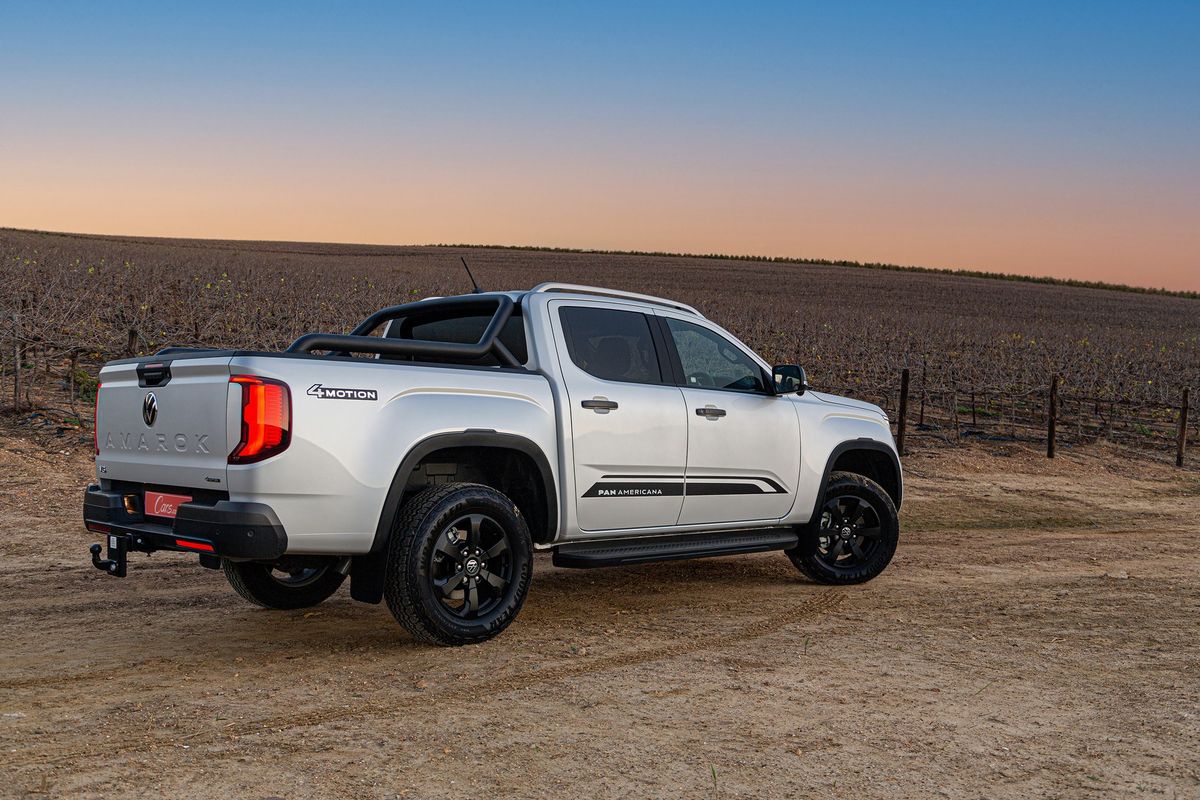
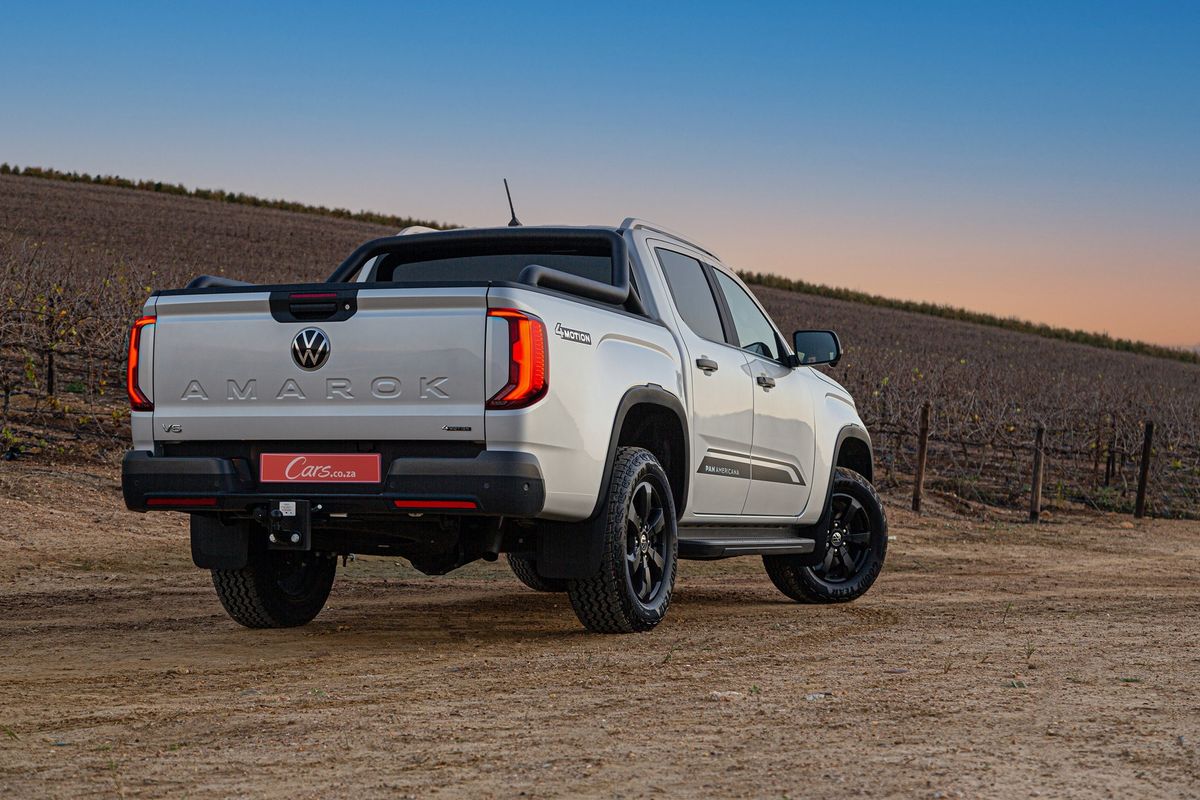
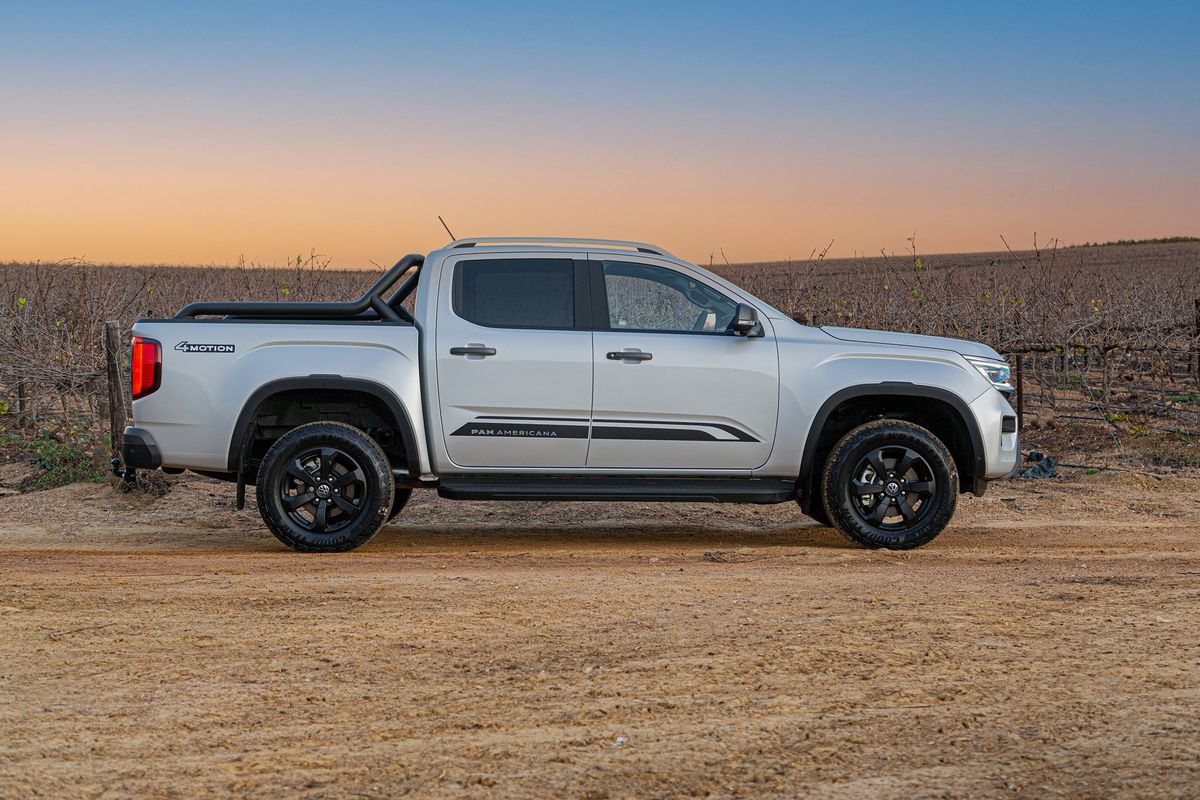
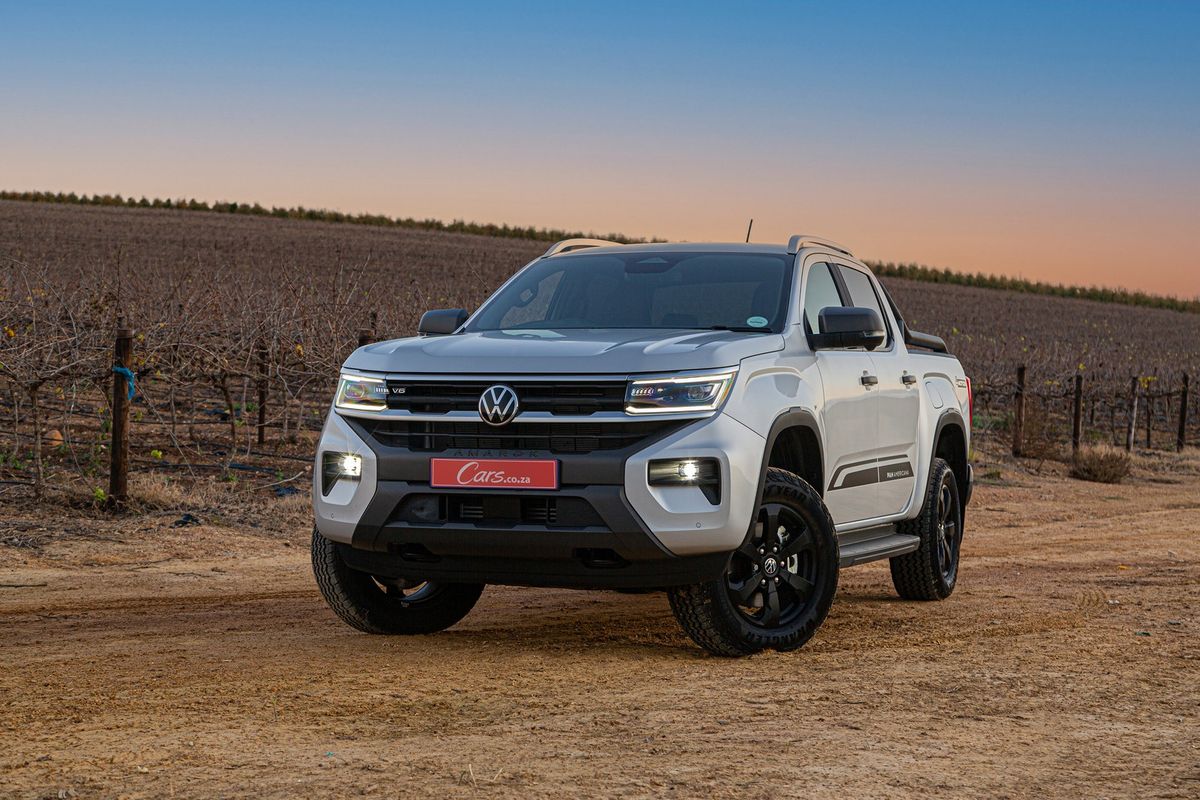
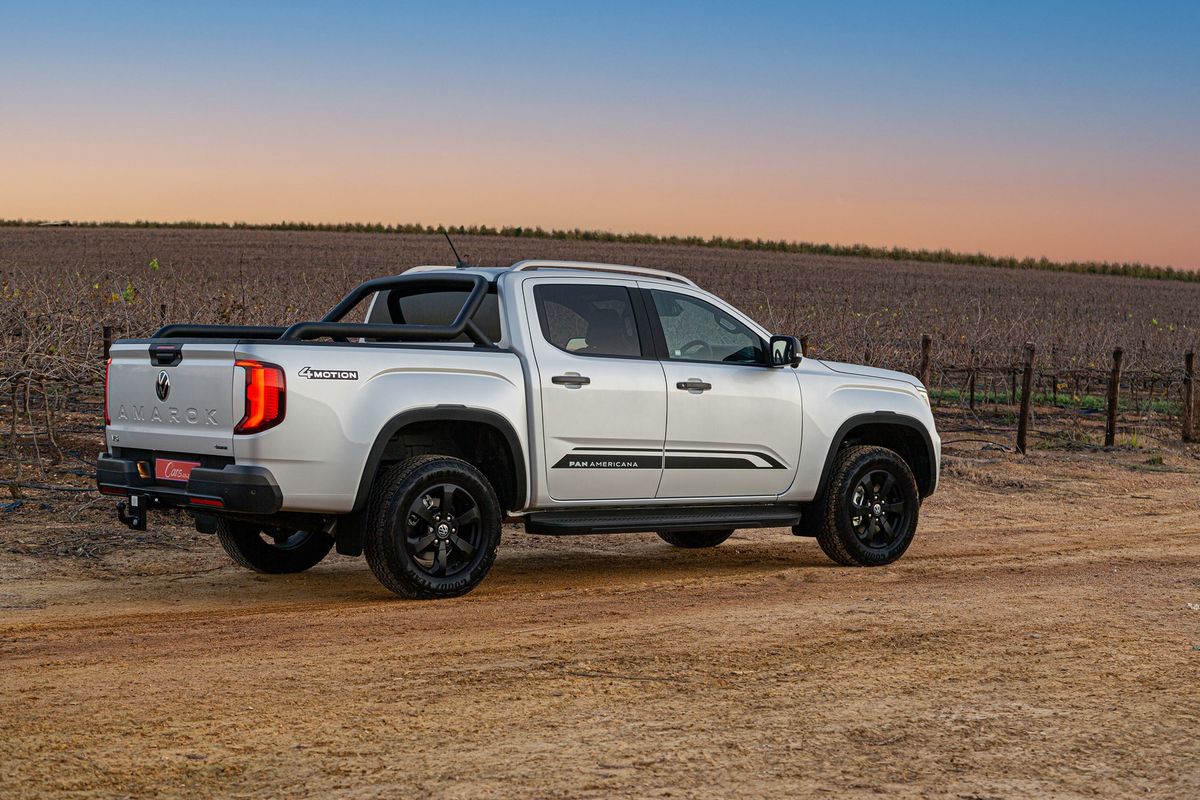
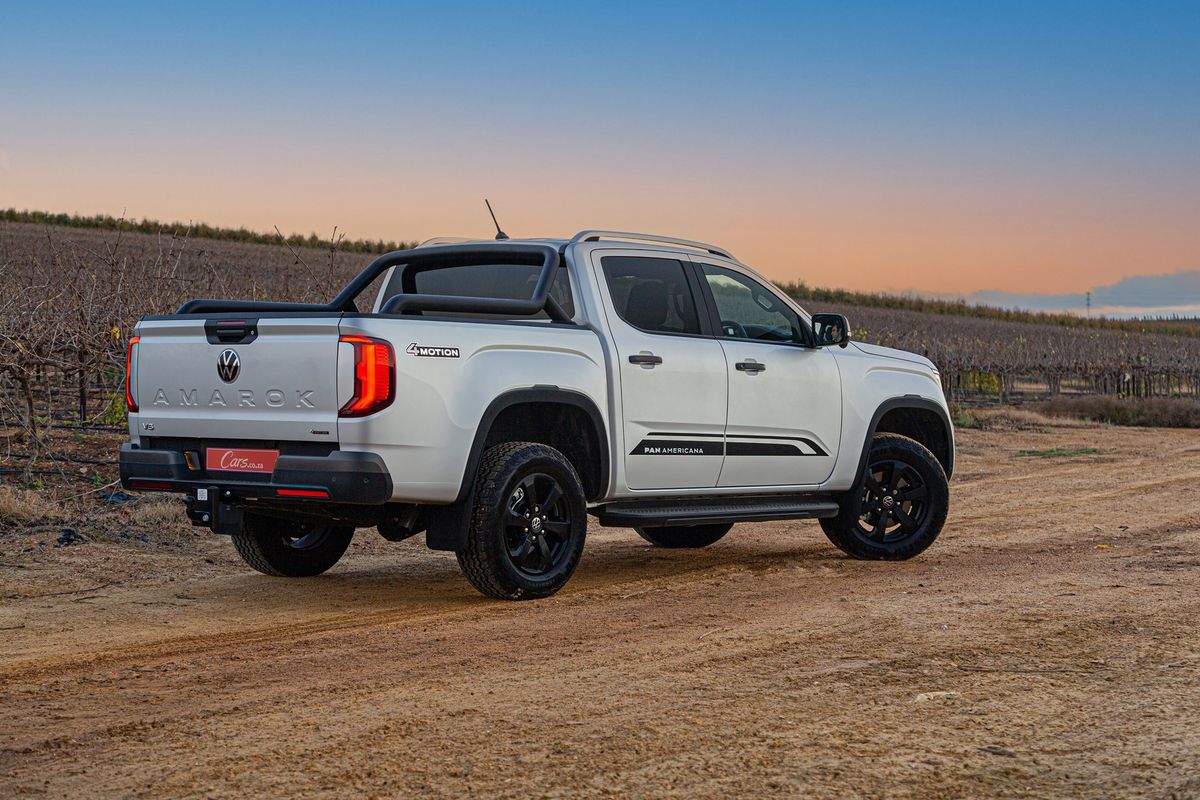
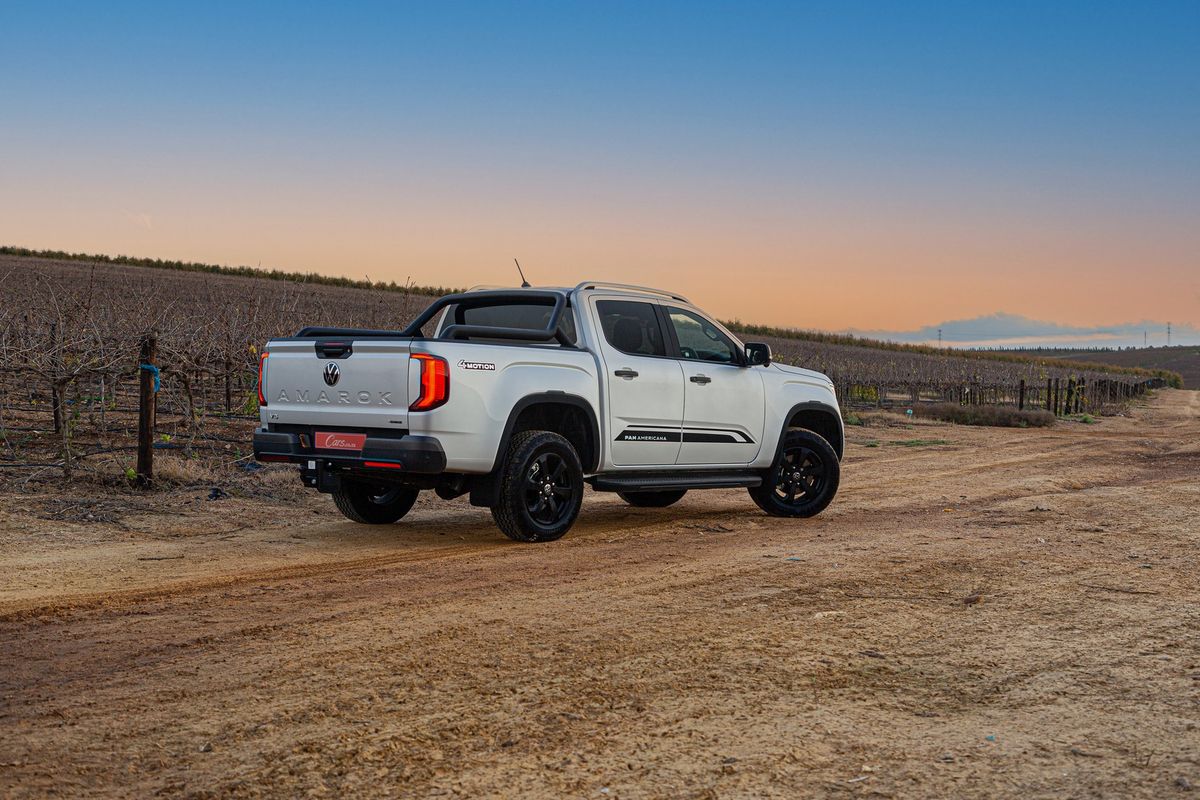
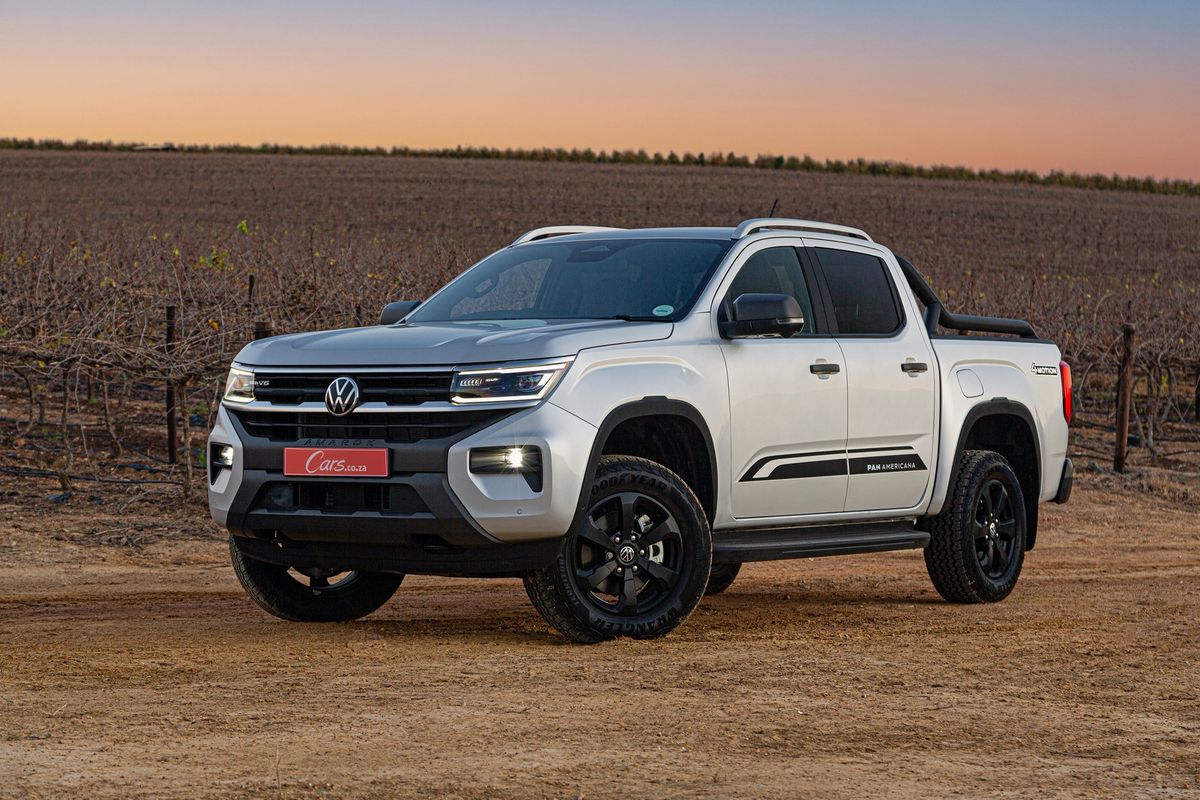
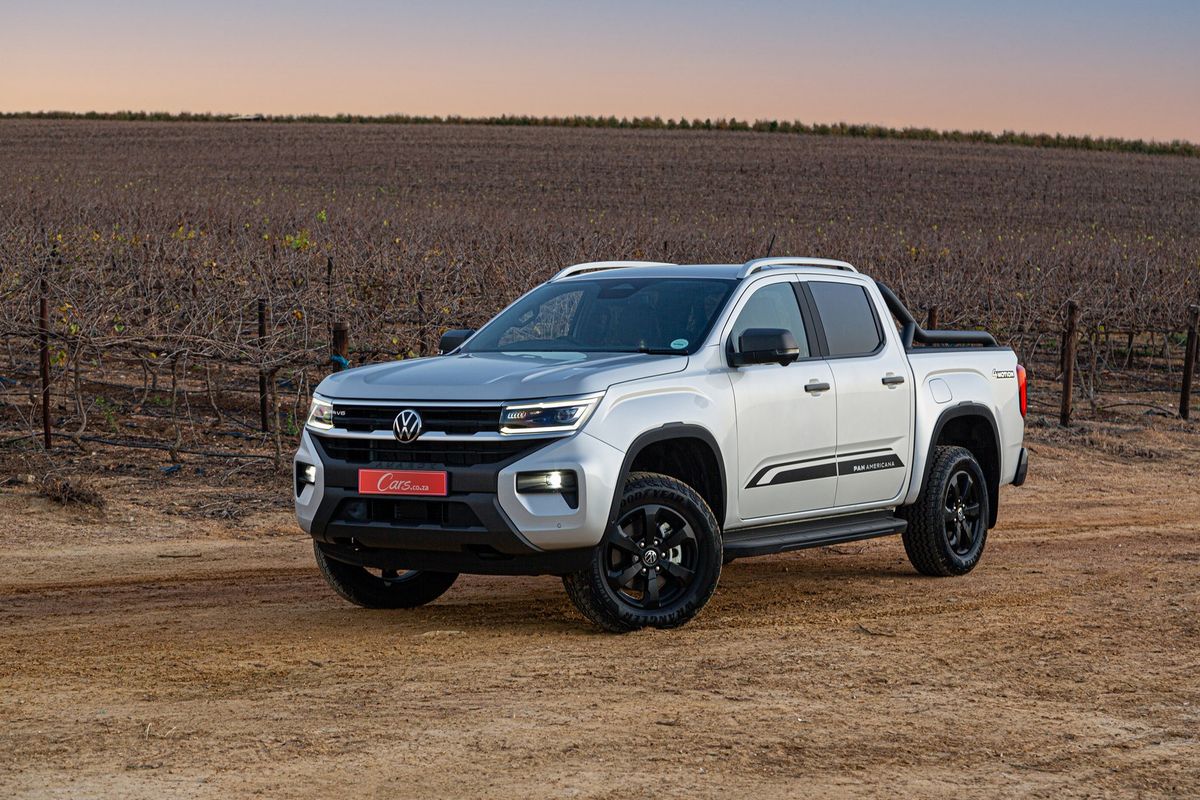
Is the 2023 Volkswagen Amarok simply a clone of the Ford Ranger, or is there more to the Wolfsburg-based brand’s 2nd-gen double-cab? We review the PanAmericana 4Motion-grade 3.0TDI V6 derivative, which, like its siblings, is built in South Africa.
- We like: Plush cabin, great infotainment system, most off-road capable Amarok ever.
- We don’t like: Some ergonomic quirks, price premium over its Ranger Wildtrak cousin.
FAST FACTS
- Model: Volkswagen Amarok 3.0TDI V6 double cab PanAmericana 4Motion
- Price: R1 084 600 (June 2023)
- Engine: 3.0-litre 6-cylinder turbodiesel
- Power/Torque: 184 kW/600 Nm
- Transmission: 10-speed automatic gearbox
- Fuel consumption: 8.4 L/100 km (claimed)
- Payload space: 1 114 litres
Serious about buying/selling?
Some dealerships regularly offer great deals. See our New Car Specials!
Looking to sell your car? Sell it on Cars.co.za for free
Where does the Volkswagen Amarok PanAmericana fit in?
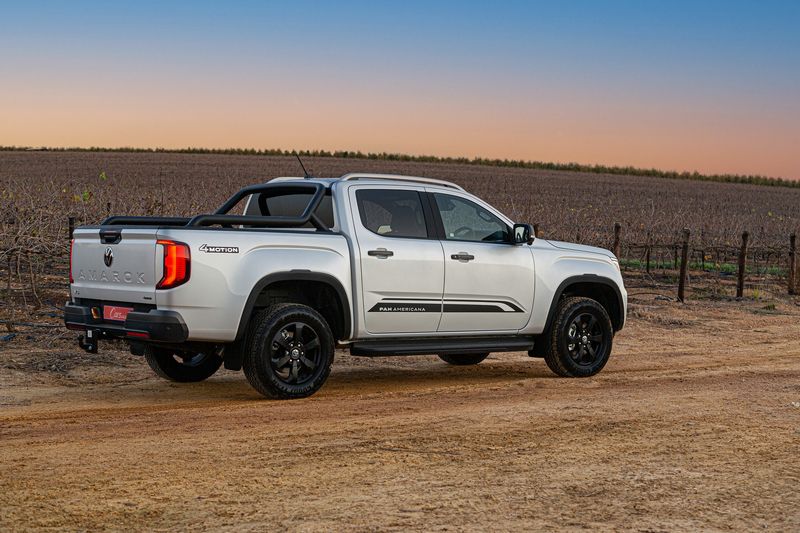
The 2023 Volkswagen Amarok joins the hotly-contested double-cab bakkie market at one of the busiest times for the highly popular segment. If you’ve had your eye on purchasing a double-cab bakkie, now is a good time to take the plunge – new and updated models are arriving at local showrooms in their droves.
The all-new Amarok recently made its debut and the 2nd-generation model brings significant upgrades in terms of powertrain, connectivity, and capability. If you weren’t already aware of it, the new iteration of Volkswagen’s double-cab is built here in South Africa – at Ford’s Silverton factory, located near Pretoria.
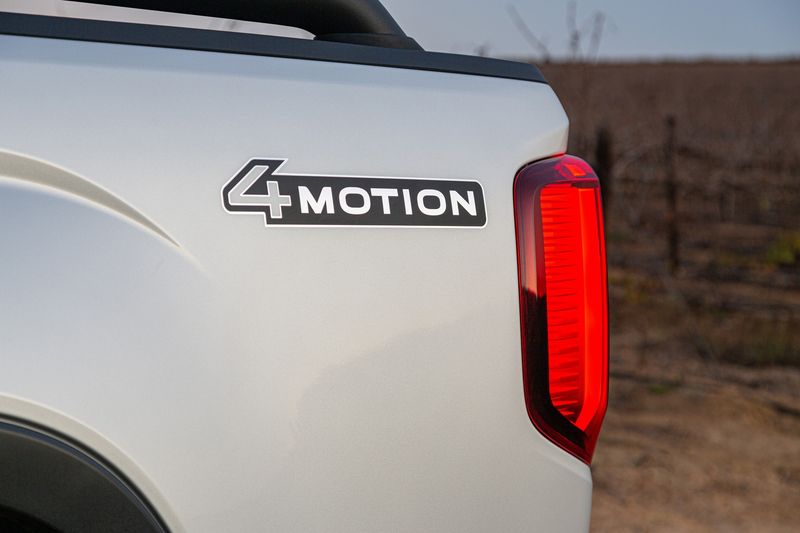
Ford produces the 2023 Volkswagen Amarok on behalf of the Wolfsburg-based brand (with which it has a strategic partnership) and the model shares quite a few components with the new-generation Ranger. Still, if there was one platform you’d want your new product to be based on, you’d struggle to find a more modern and complete package than the P703-series (or “T6.2”) Ranger. A good starting point, then!
By undertaking collaborative projects, Ford and Volkswagen have benefited from sharing research and development costs, as well as utilising proven technology. The winner is, of course, you the consumer, who benefits the most from the 2019 Ford-VW global alliance cooperation agreement. Such a venture isn’t always a success… Just ask Mercedes-Benz, whose X-Class version of the Nissan Navara faltered.
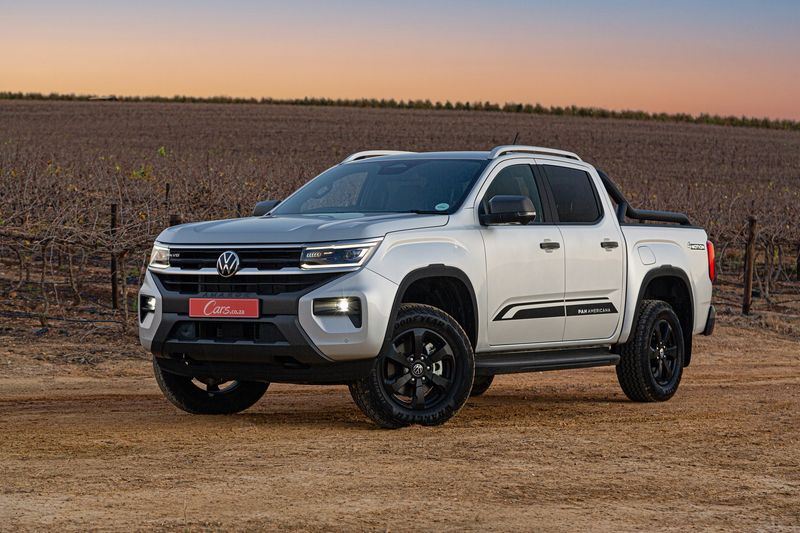
Will Volkswagen fare better? Perhaps it will – the brand makes full use of Ford’s manufacturing capability and the new Amarok is available in single and double-cab body styles, with an array of 4-cylinder and 6-cylinder turbodiesel engines that should a variety of lifestyle buyer- and commercial customer needs.
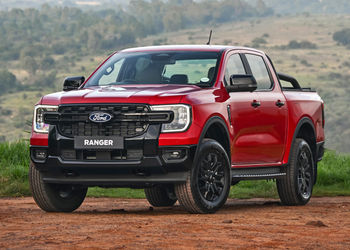
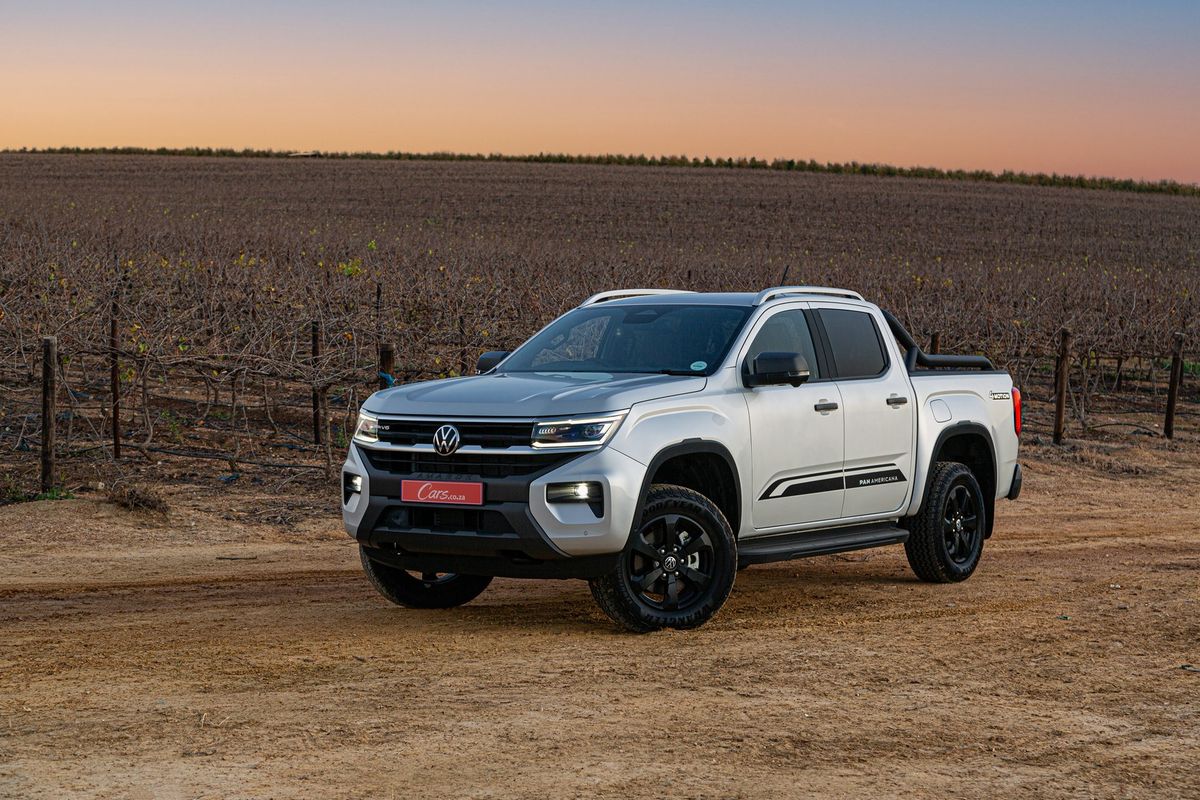
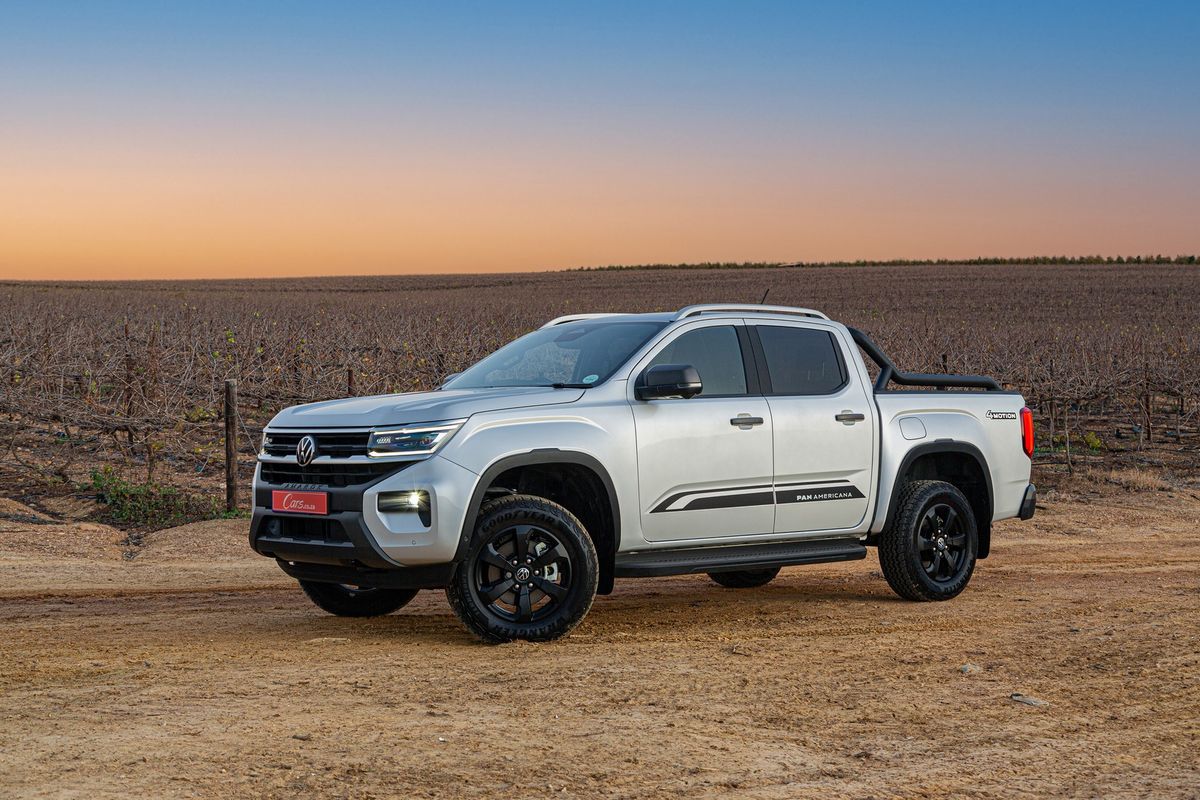
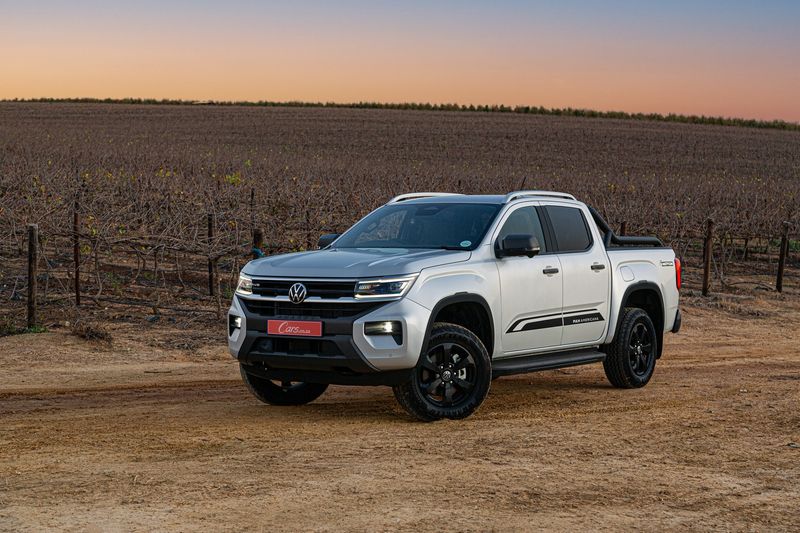
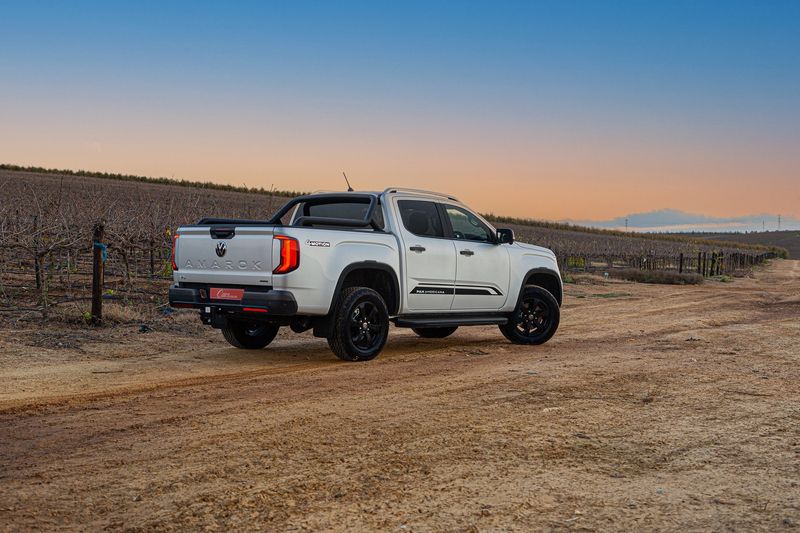
Is it a simple case of changing a few things from the Ford Ranger to produce the 2023 Volkswagen Amarok? Absolutely not. As you can see, the new Amarok has quite a unique look. At first glance, you may notice the bakkies have identical wing mirrors, door handles and a roofline, but that’s about it. The bumpers are different, as are the wheel arches and headlights, plus the VW’s grille is big and imposing.
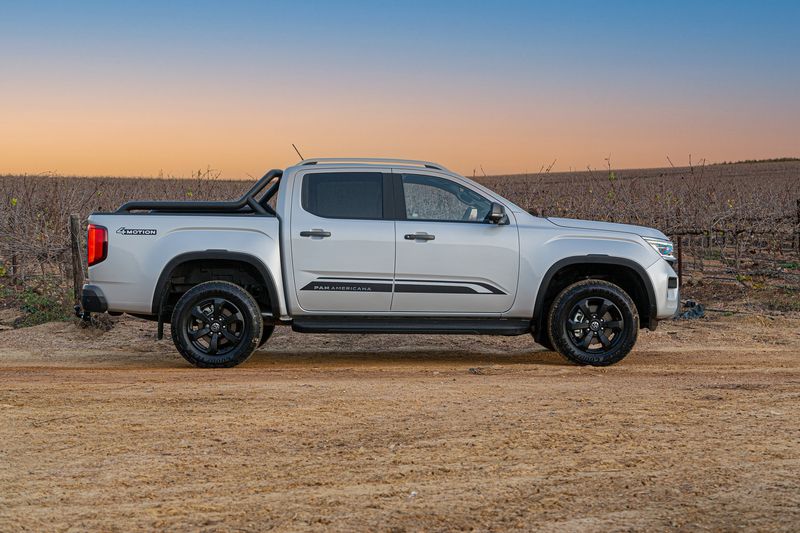
Right now, the class of 2023 double-cab bakkies is more competitive than ever and, if you’re shopping for top-spec derivatives, there are a number of quality offerings that rival the Amarok PanAmericana.
Compare the Amarok PanAmericana with the Ford Ranger Wildtrak and Toyota Hilux Legend
How the 2023 Volkswagen Amarok fares in terms of…
Engine and performance
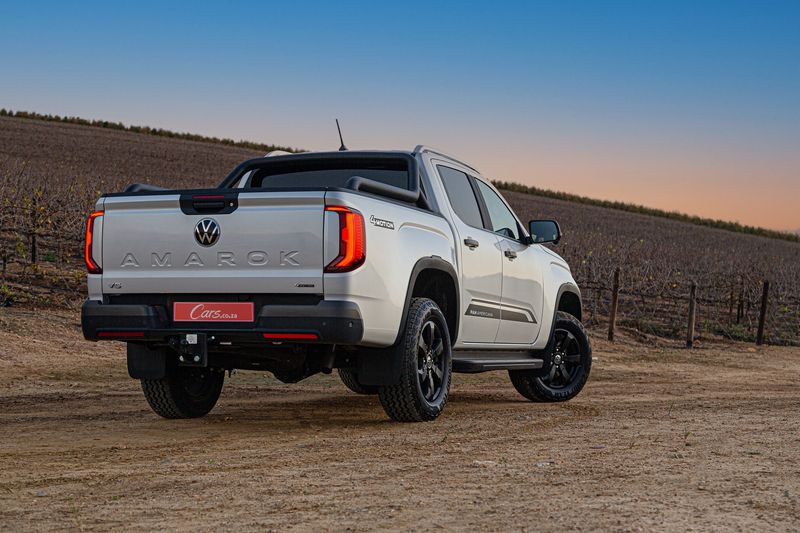
The 3.0TDI V6 double cab PanAmericana 4Motion is powered by a Ford-sourced 3.0-litre V6 turbodiesel. Its peak outputs of 184 kW and 600 Nm isn’t far off the outgoing model’s 190 kW and 580 Nm. The first-gen Amarok V6 was easily one of the quickest double-cab bakkies, but it had an Audi-derived engine. The new model’s motor offers slightly less performance, but improved fuel economy/lower emissions.
Indeed, the derivative is anything but sluggish. According to our test equipment, the Amarok accelerated from 0 to 100 kph in a decidedly brisk 8.74 seconds (VW claims the bakkie has a top speed of 180 kph). If full-bore sprinting doesn’t impress you, the bakkie’s lively throttle responses and abundance of in-gear shove certainly will. The software that governs the 10-speed automatic transmission does a good job of optimising the engine’s performance characteristics (it does not “hunt”). Plus, we’re delighted to report that the motor doesn’t clatter excessively; you hardly ever discern mechanical vibrations in the cabin.
That 10-speed automatic transmission is a marvel. You’d think the transmission has at least 2 too many ratios, and it sometimes hesitates on downshifts if you suddenly summon the engine’s full performance, but in general, the ‘box just quietly gets on with its job. There are no shift paddles on the steering wheel, but you can actuate cog-changes manually by using a button on the side of the transmission lever.
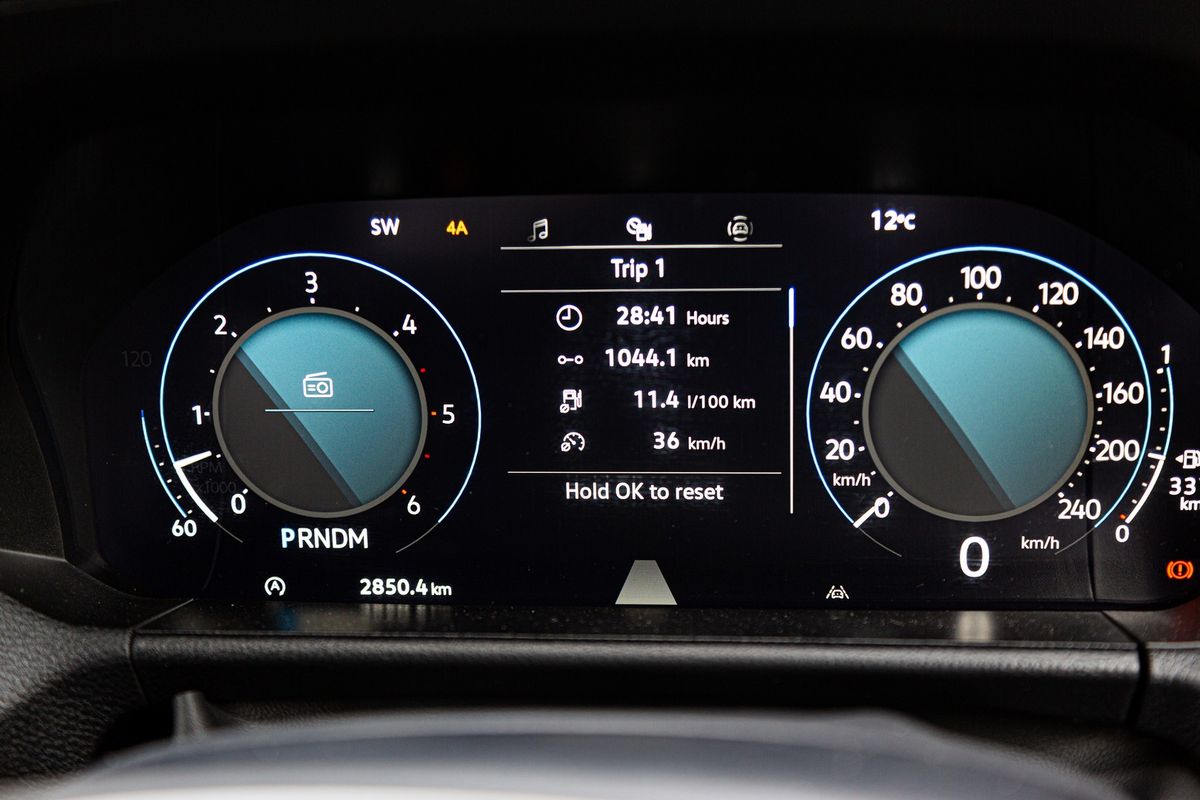
As far as fuel efficiency is concerned, the 3.0-litre V6 turbodiesel-powered Amarok returned an average consumption figure of 11.4 L/100 km (VW claims 8.4 L/100 km), which may seem a trifle high, but is more or less in line with other big-engined diesel bakkies. The theoretical range of the 80-litre tank is 952 km.
Interior tech and refinement
Volkswagen SA has priced this Amarok a bit higher than its Blue Oval cousin – the Ford Ranger Wildtrak – and, considering the premium for the German bakkie, buyers expect a lofy standard specification, as well as a more premium feel and -cabin ambience. Fortunately, VWSA has ticked those boxes. While the Aventura grade is geared for luxury-car buyers, the PanAmericana spec is aimed at off-road enthusiasts.
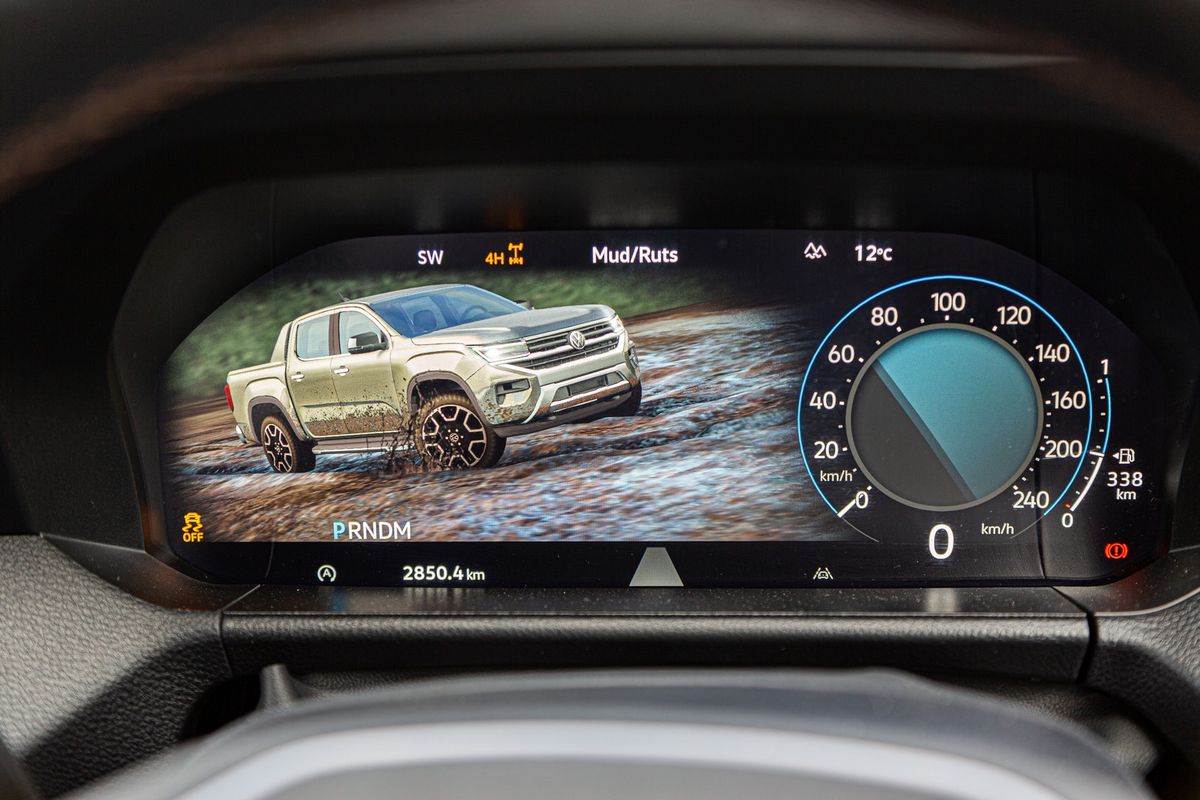
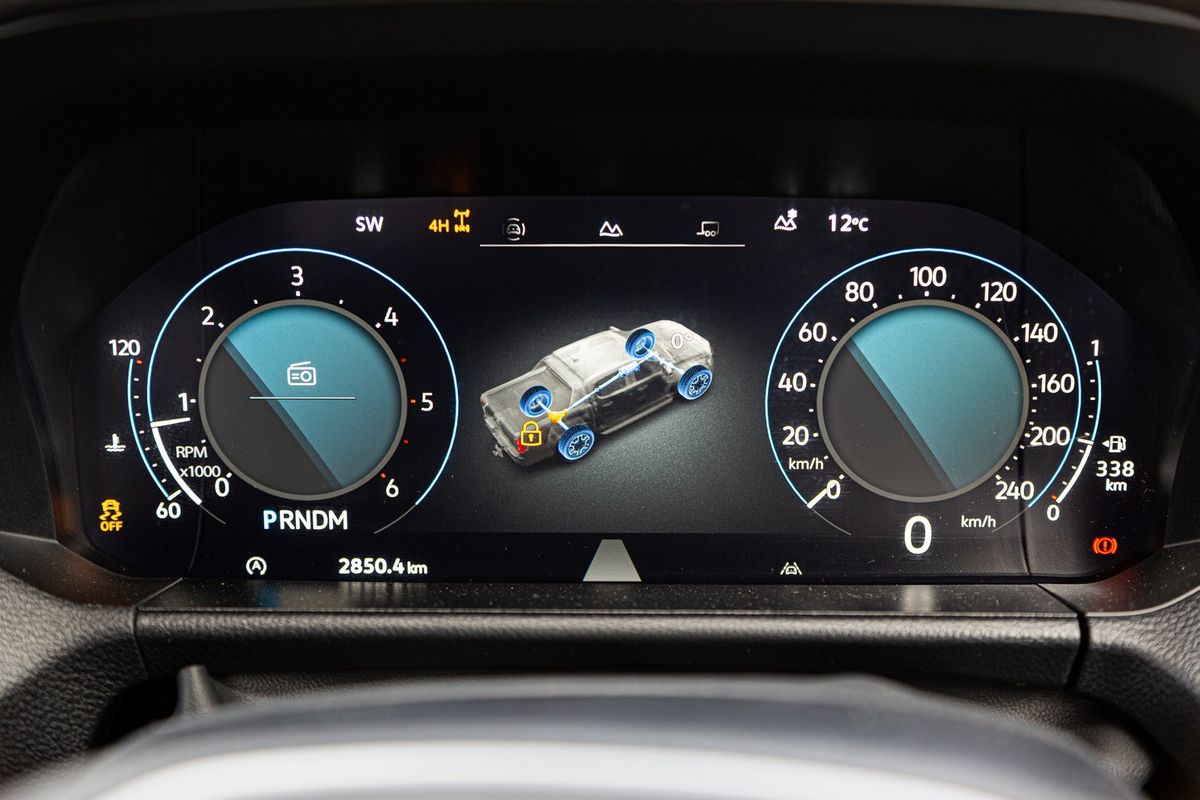
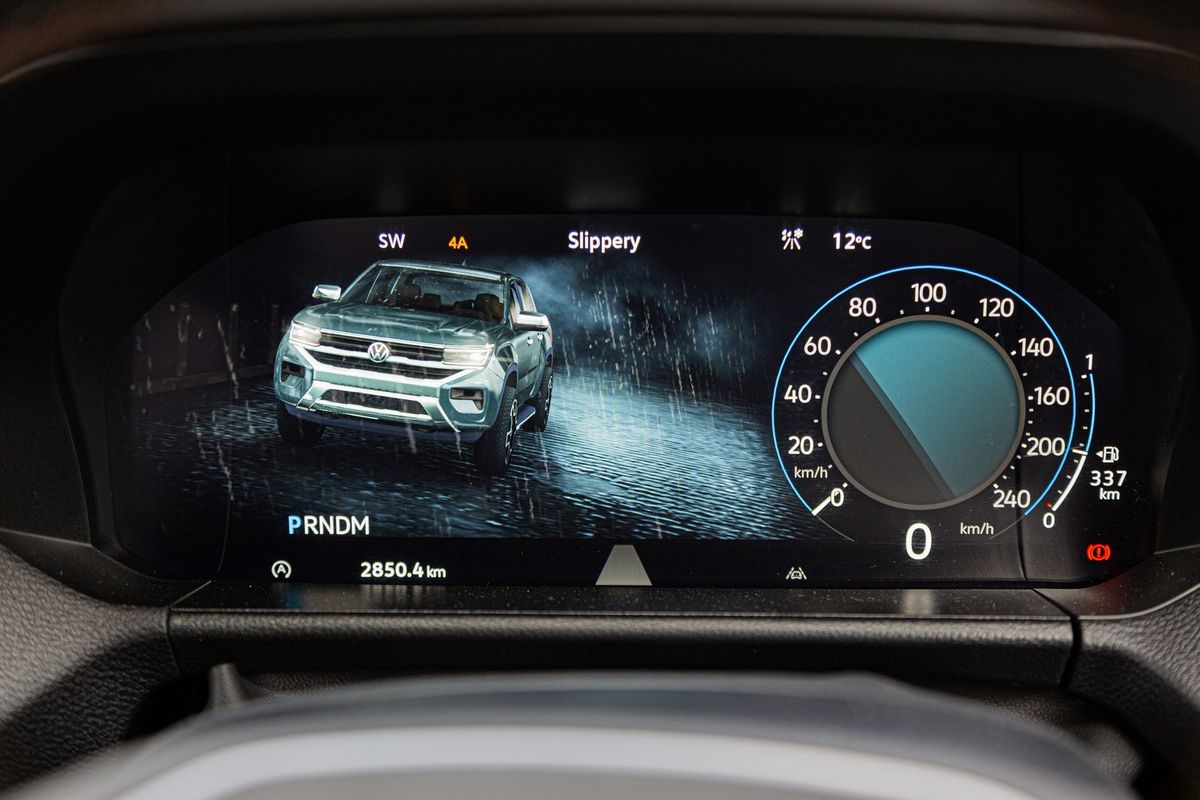
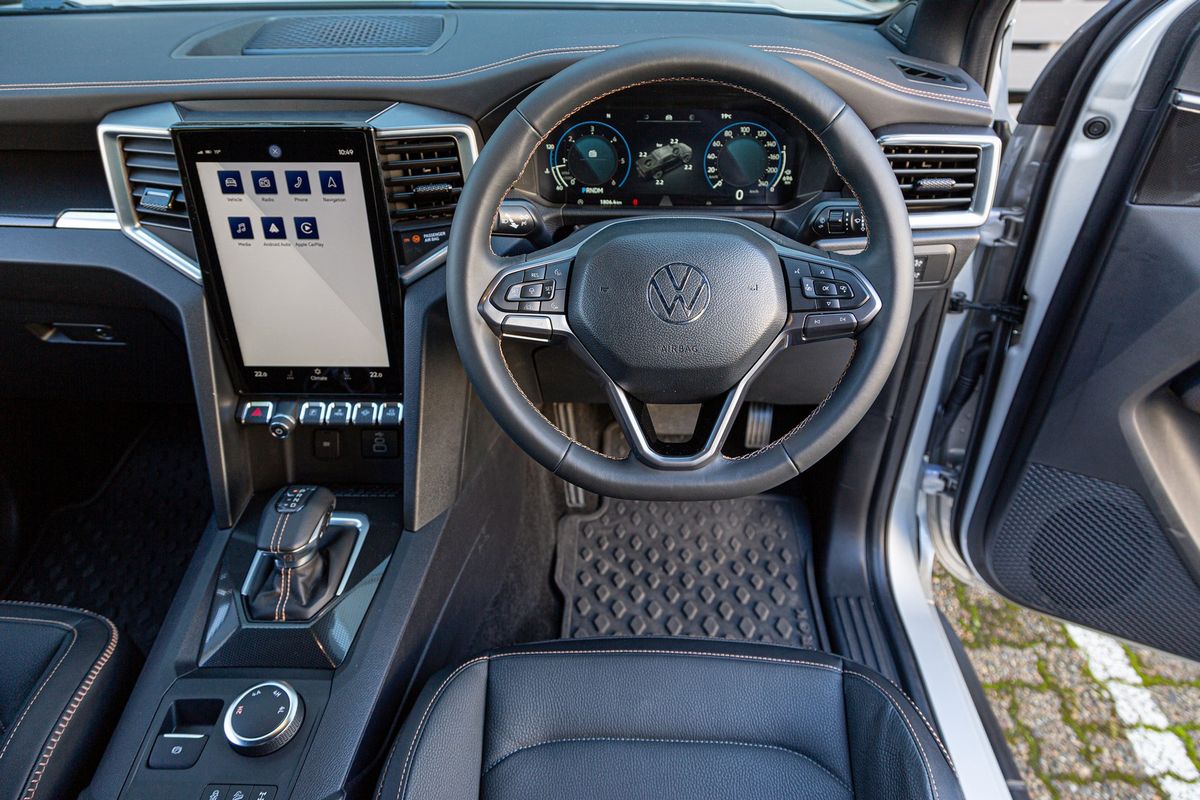
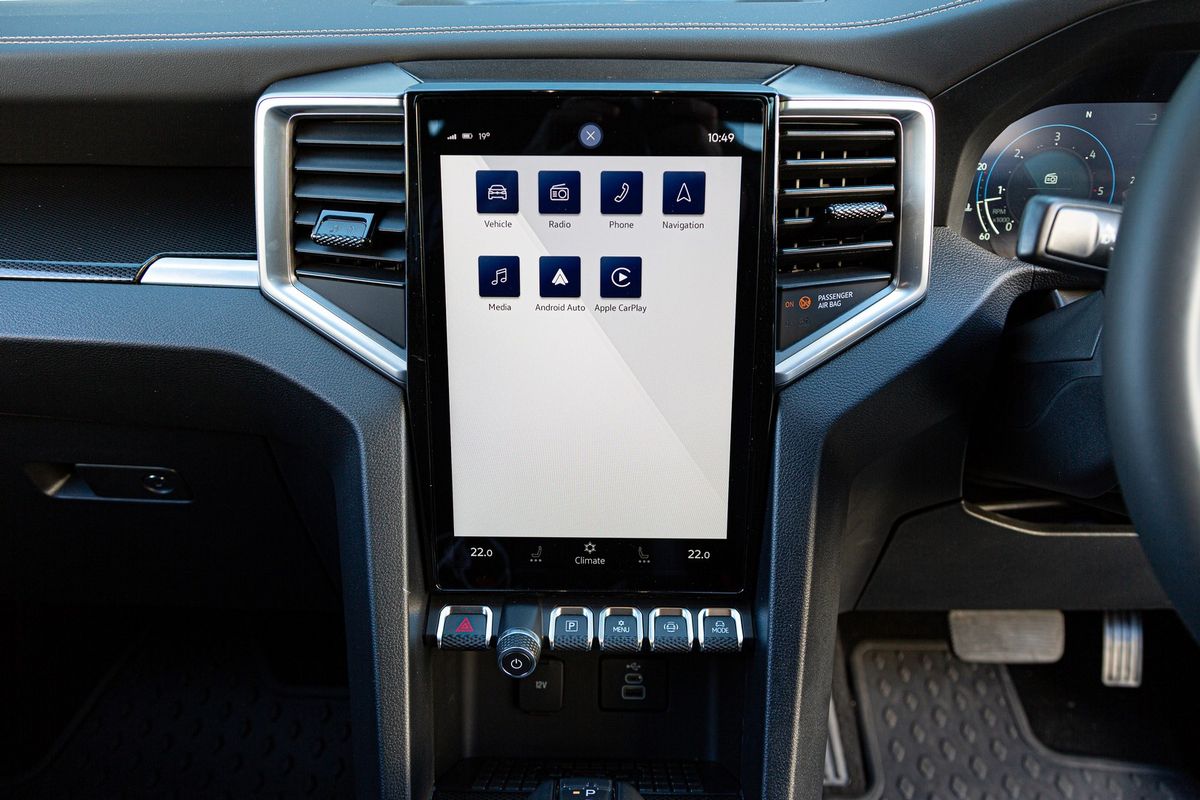
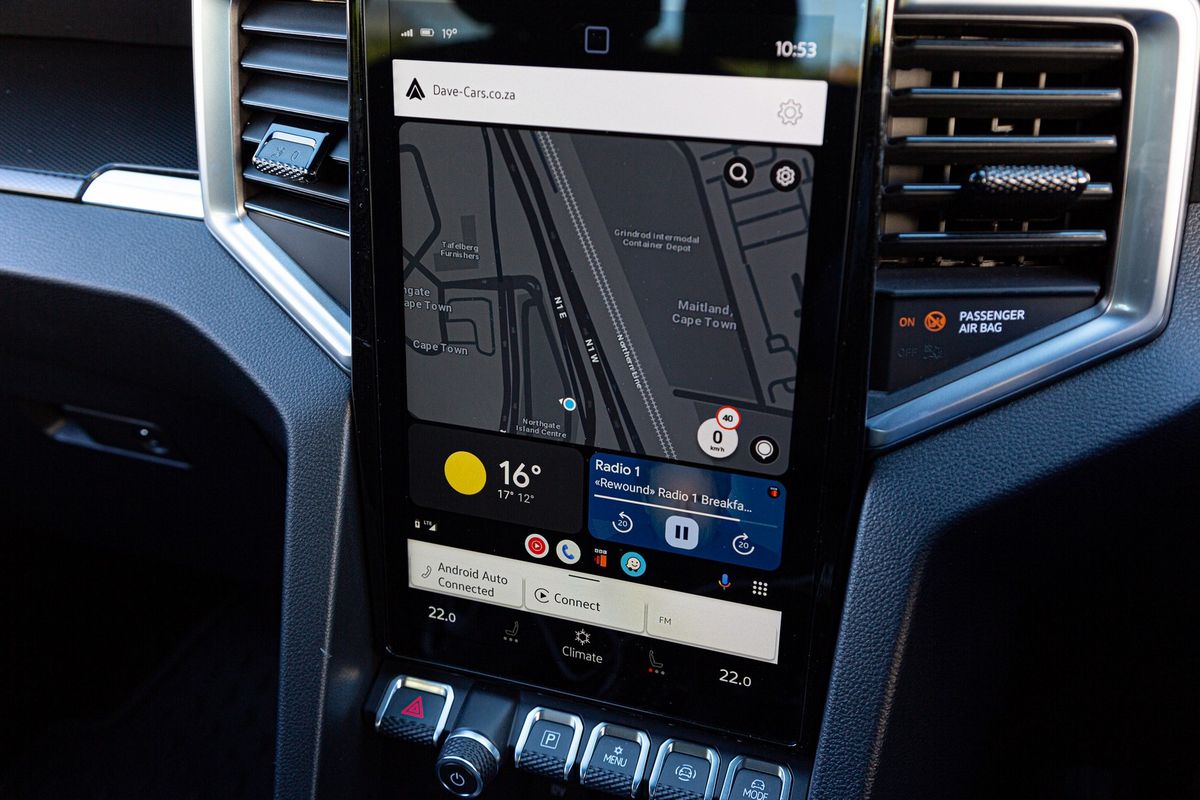
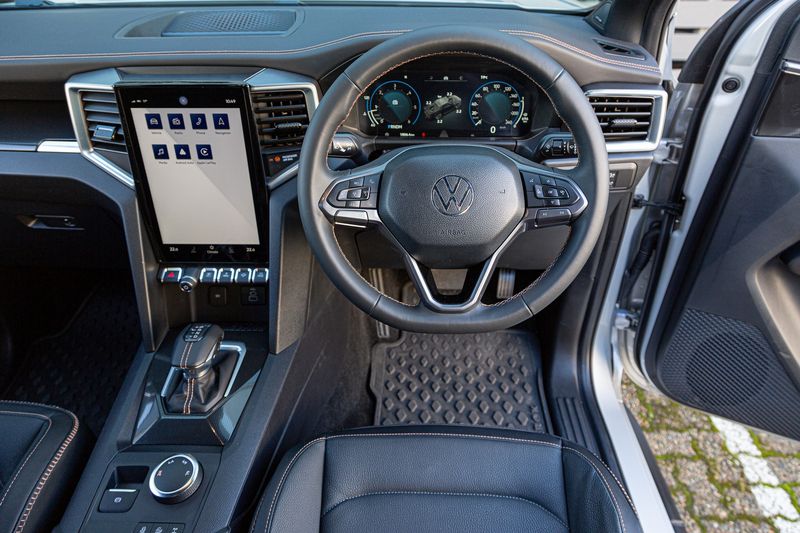
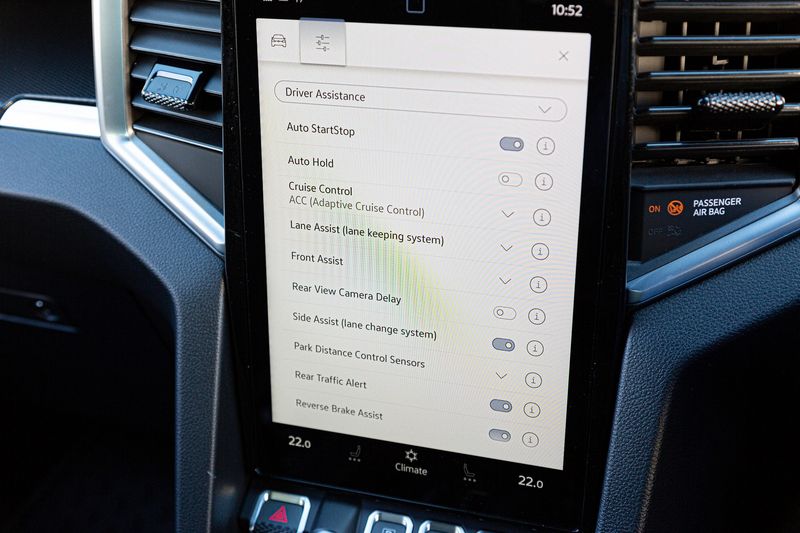
When you climb inside the Volkswagen’s cabin, you’re greeted with a visual feast. One would expect this car-like layout and such upmarket finishes in a plush SUV – not a double-cab bakkie. Highlights include the digital instrument cluster and vertical infotainment touchscreen. It looks like a clone of Ford’s system, but on closer inspection, the ergonomics are a bit different (the Ranger’s fascia has more buttons).
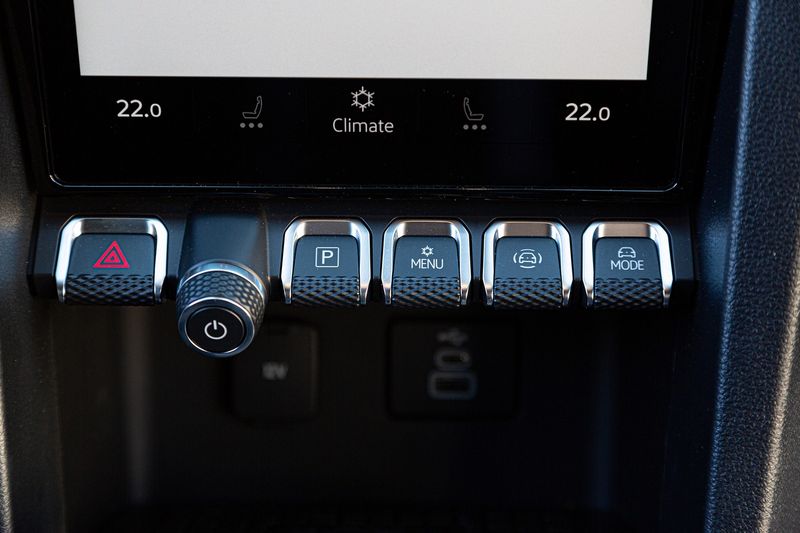
While the portrait-orientated screen and layout does take a bit of time to get used to, it’s impressively advanced. Admittedly its derived from Ford’s SYNC4 system, but Volkswagen has given it its own “skin” and theme. That awkward moment when Ford builds a better infotainment system for a VW than VW…
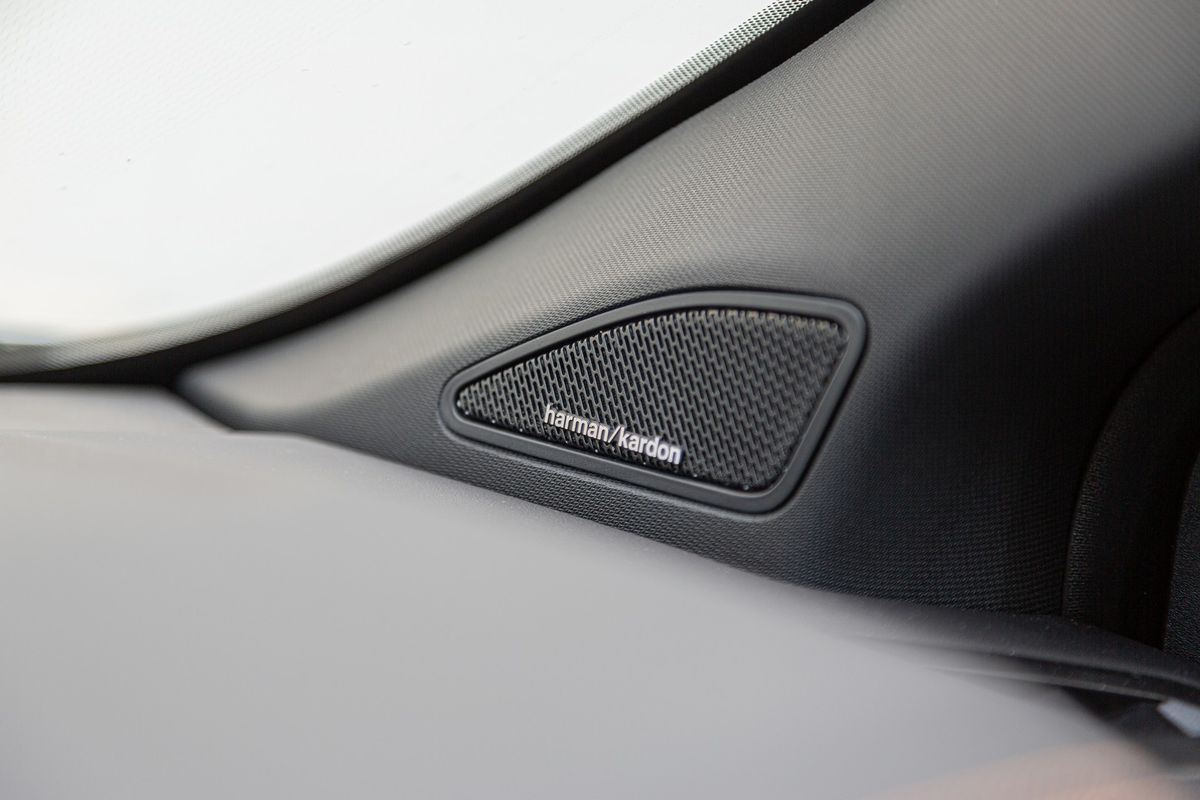
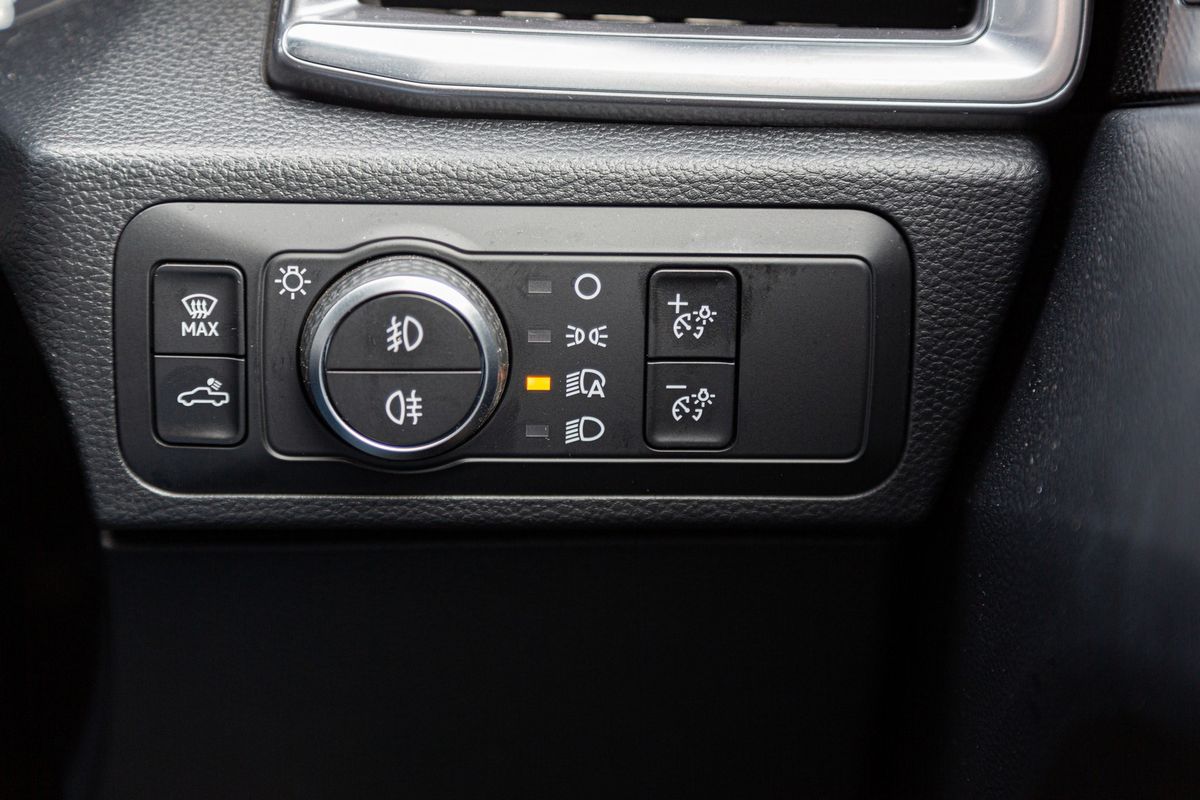
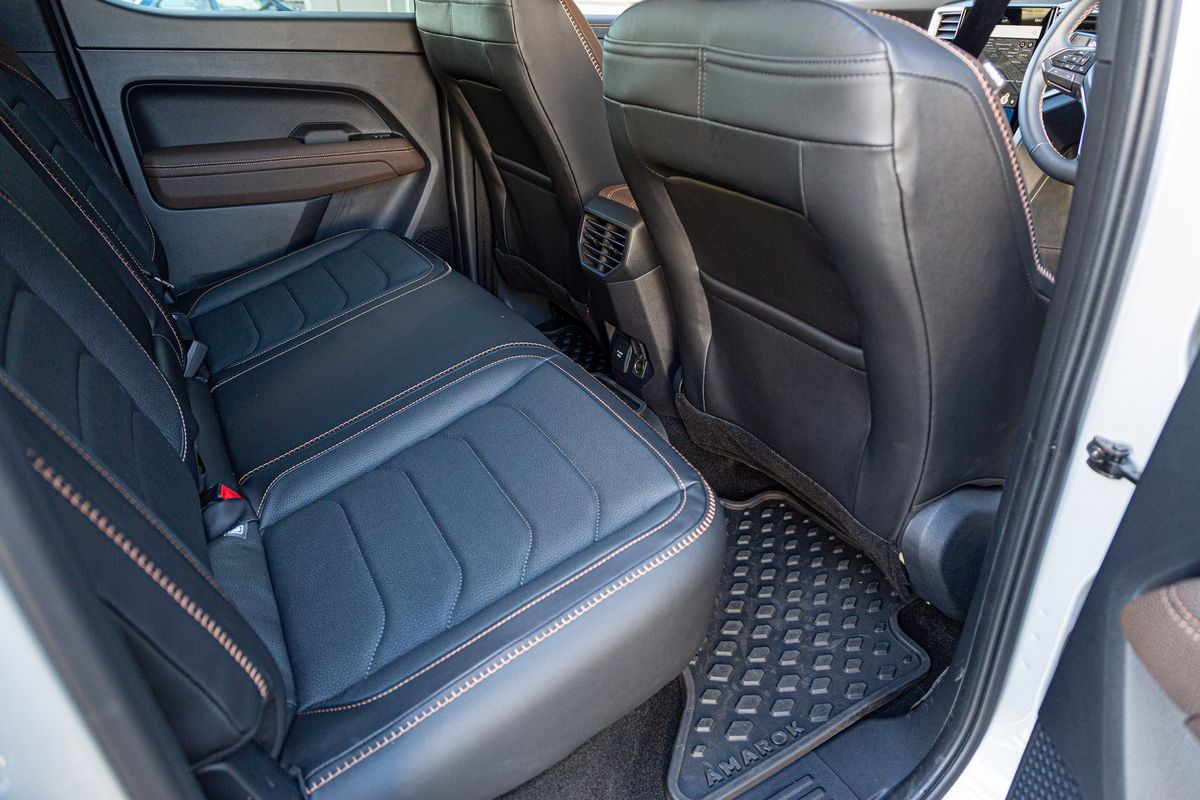
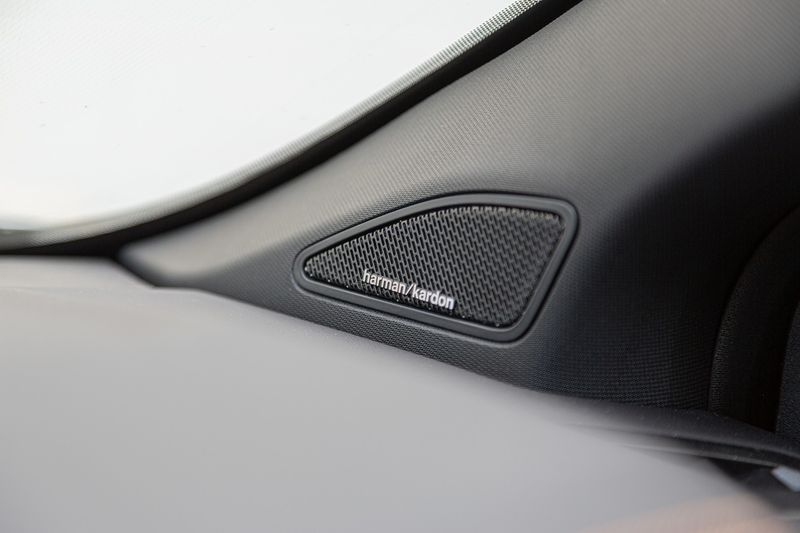
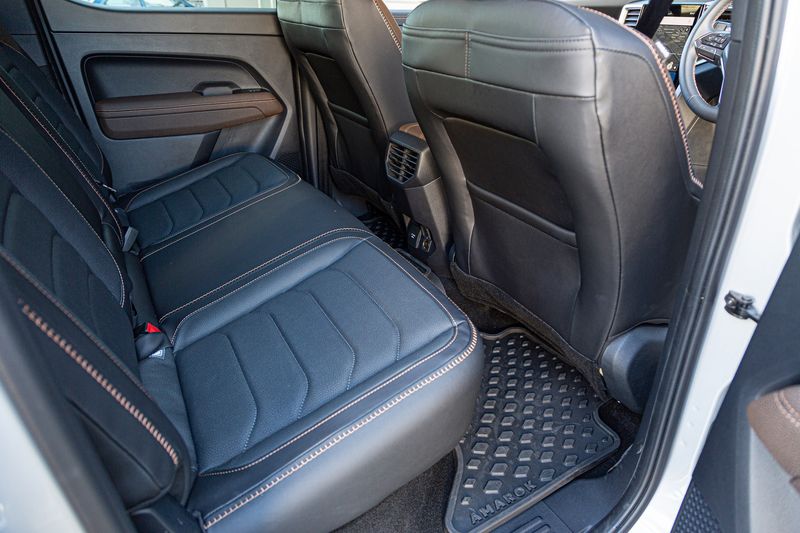
Buyers expect a R1 million-plus bakkie to be nothing short of fully-equipped – and the PanAmericana doesn’t disappoint in that regard. Luxury items include Harman Kardon audio, IQ Matrix headlights, a wireless charging pad, USB-A/USB-C ports, wireless Android Auto/Apple CarPlay and heated leather seats (with 10-way adjustable driver’s seat). There’s even a 230V power outlet for rear passengers.
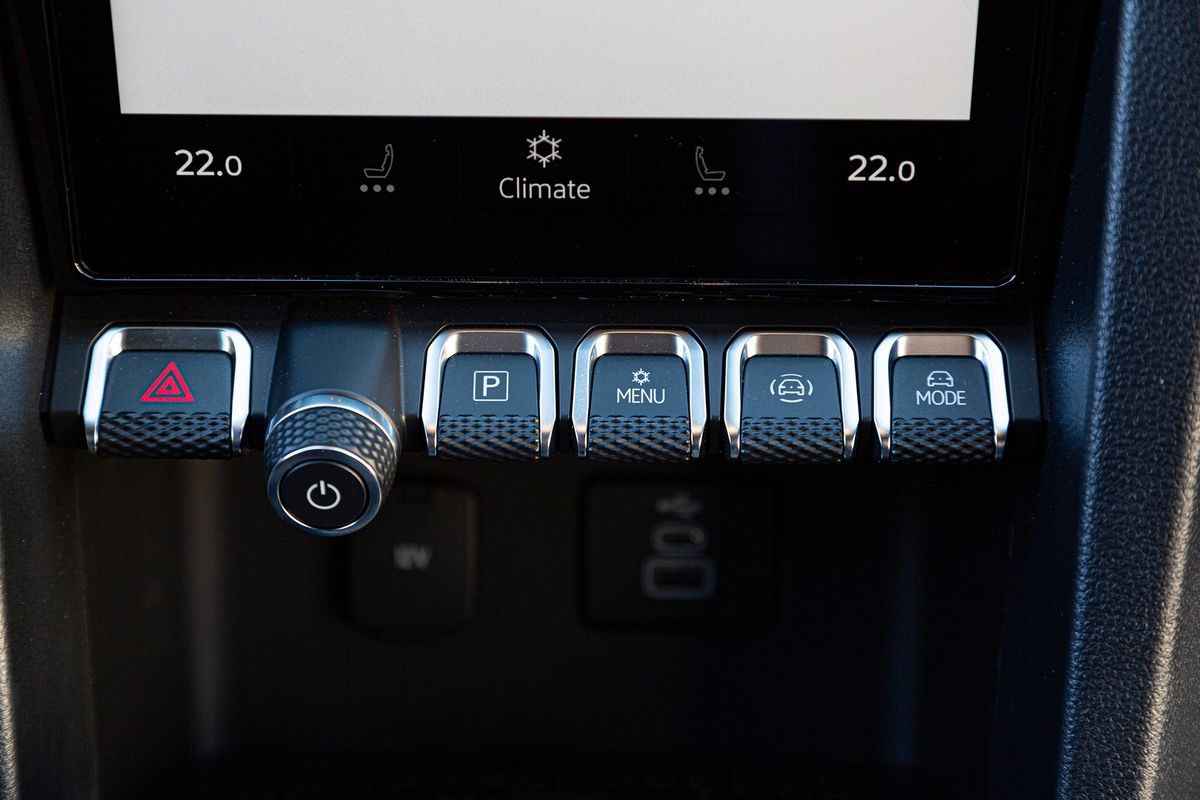
Criticisms? Well, we have some, but they’re only related to the Amarok’s in-cabin user experience. There are no physical climate-control buttons – instead, you have to touch the infotainment screen to bring up the climate menu, then slide your finger along the temperature range to achieve your desired setting.
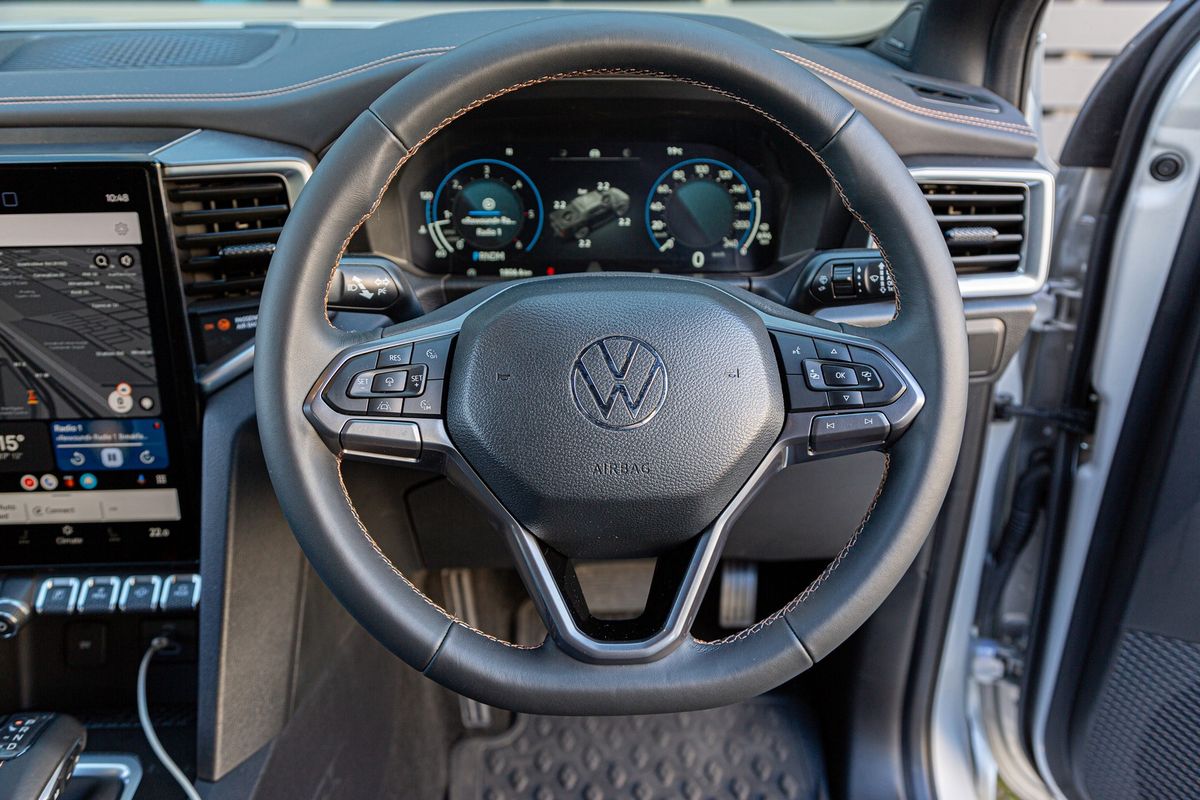
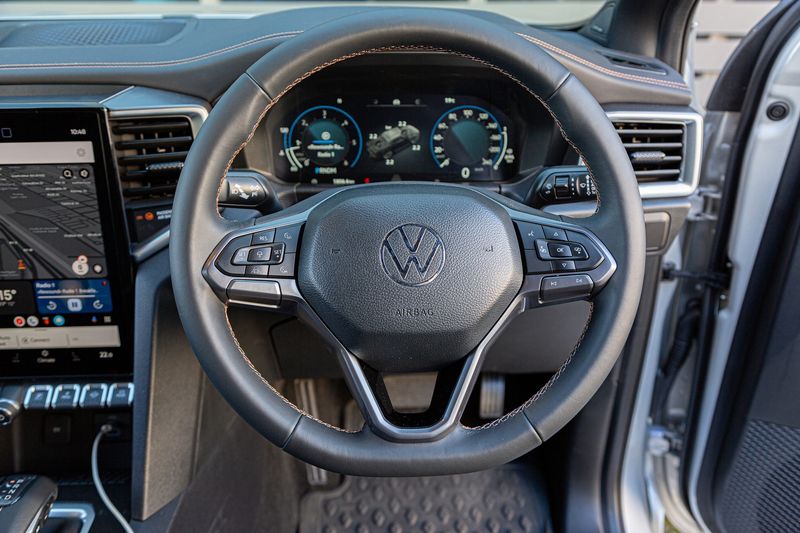
That kind of configuration may distract drivers while they’re at the ‘wheel; perhaps Volkswagen expected users would get into the habit of activating the Amarok’s voice control to request changes to the cabin’s temperature. By contrast, most contemporary VW models feature fiddly capacitive touchpads on their steering wheels, but thankfully the Amarok has old-school buttons. Also, we’ve grown fond of the Ford Pass mobile phone app (remote start, digital key etc), but frustratingly, there’s no Volkswagen equivalent.
Ride, handling and safety
The driving experience of the 2023 Volkswagen Amarok is refined, despite the body-on-frame chassis and leaf springs over the rear axle. While the hardware is “off Ford’s shelf”, Volkswagen has tuned the suspension for optimal ride comfort. Granted, the VW’s double-cab bakkie configuration comes to the fore on poorly surfaced roads, but we’d argue the refinement and comfort levels put it above its peers.
Here’s another awkward moment, this time for the Blue Oval – Ford has built a nicer-to-drive Ranger than the Ranger it sells – but, to put it in context, you’re paying a bit extra for the Amarok’s superb comfort.
That extra money has clearly been spent on improving refinement, because precious little road- and wind noise intrude into the cabin. Granted, the off-road-oriented tyres tend to rumble, but it’s no dealbreaker.
The pliant ride quality and hushed cabin is complemented by a surprisingly light steering setup that makes the sizeable Amarok fairly easy to manoeuvre in tight parking lots or narrow suburban streets. Some testers did note that they would appreciate a bit more heft the bakkie’s steering feel, however.
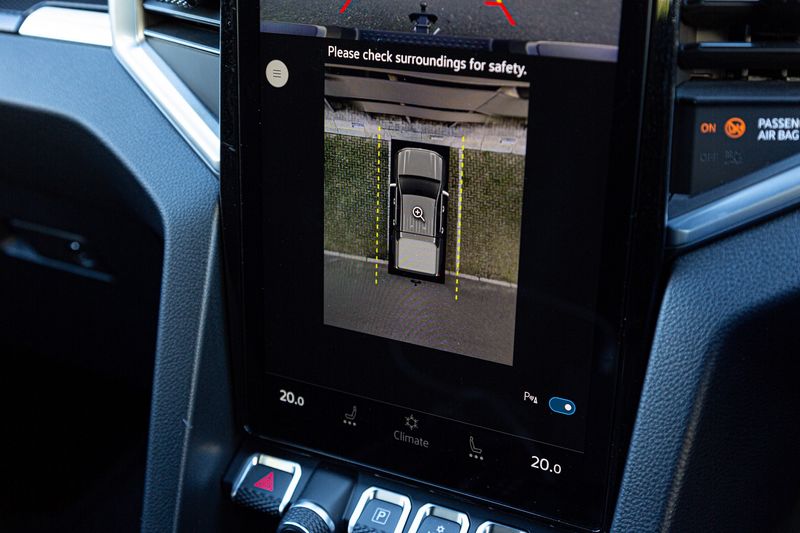
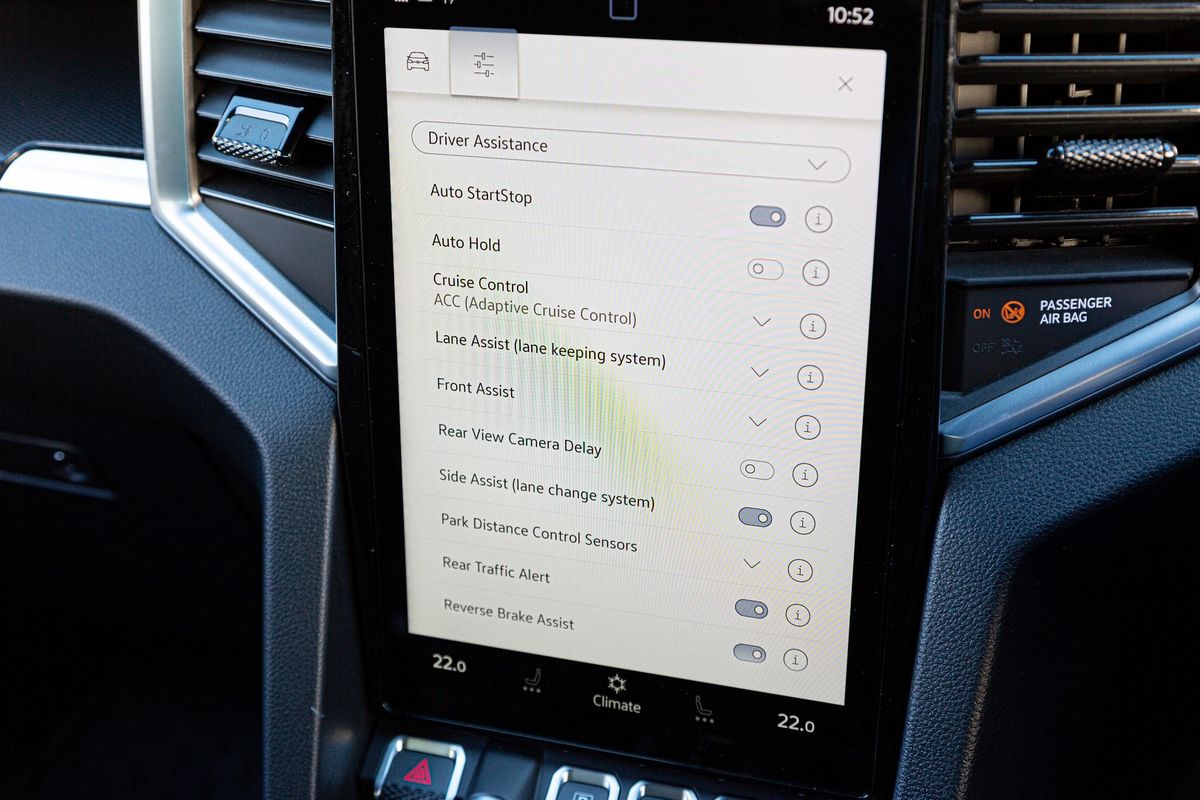
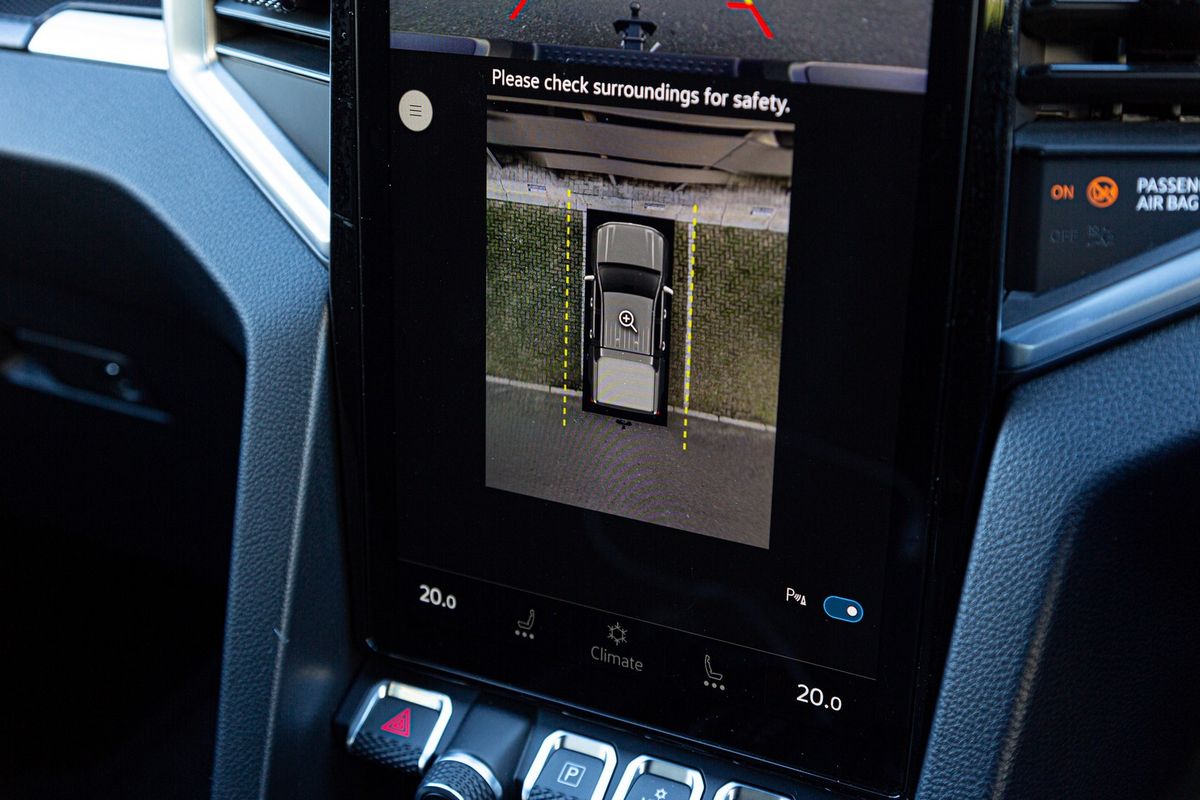
Suffice it to say, the Amarok 3.0TDI V6 double cab PanAmericana 4Motion is equipped with a multitude of safety features. The display of the 360-degree parking camera setup is remarkably clear and the vehicle benefits from tech such as front/rear parking sensors, autonomous emergency braking, adaptive cruise control, blind-spot monitoring, automatic high-beam, tyre-pressure monitoring and rear-cross traffic alert. Apart from ABS with EBD and brake assist, the Volkswagen comes equipped with 7 airbags.
Off-road capabilities
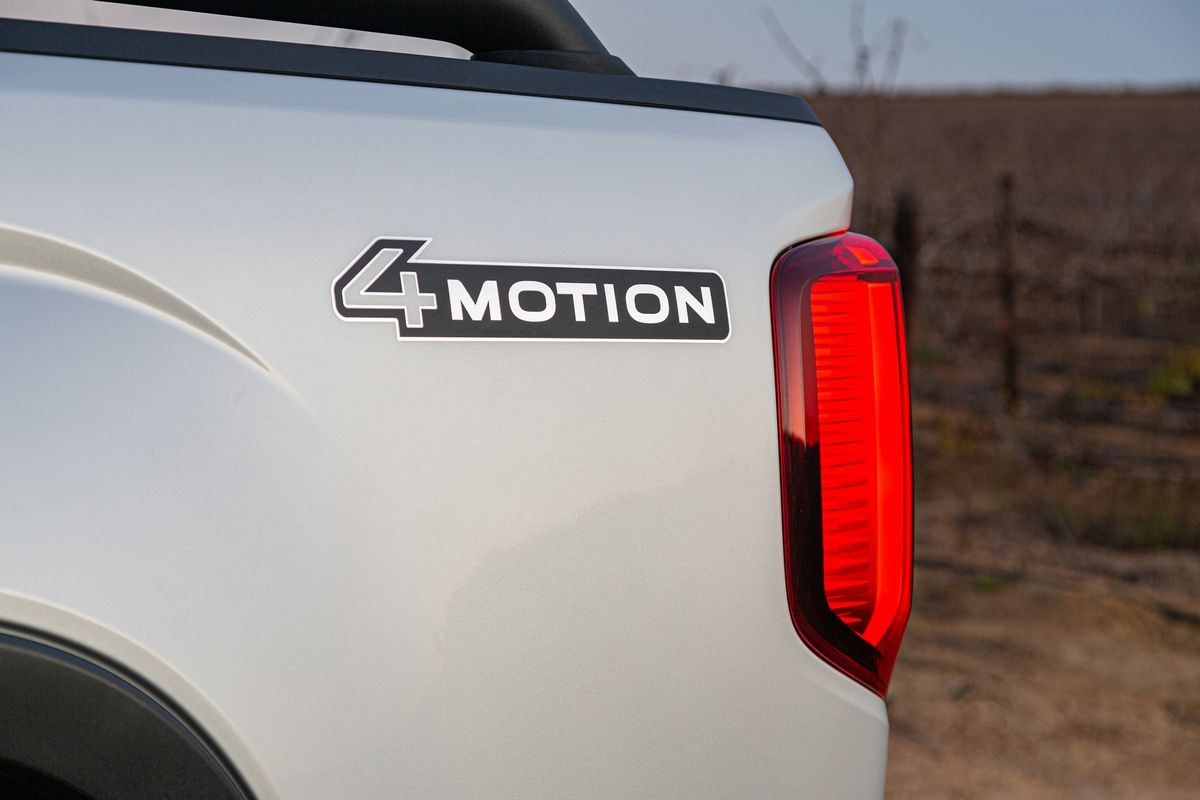
No review of a 4×4 double-cab would be comprehensive without an assessment of the vehicle’s off-road abilities! The PanAmericana-grade Volkswagen Amarok ships standard with an advanced 4-wheel-drive system that offers its driver a variety of drive modes to choose from to suit all kinds of roads and terrain.
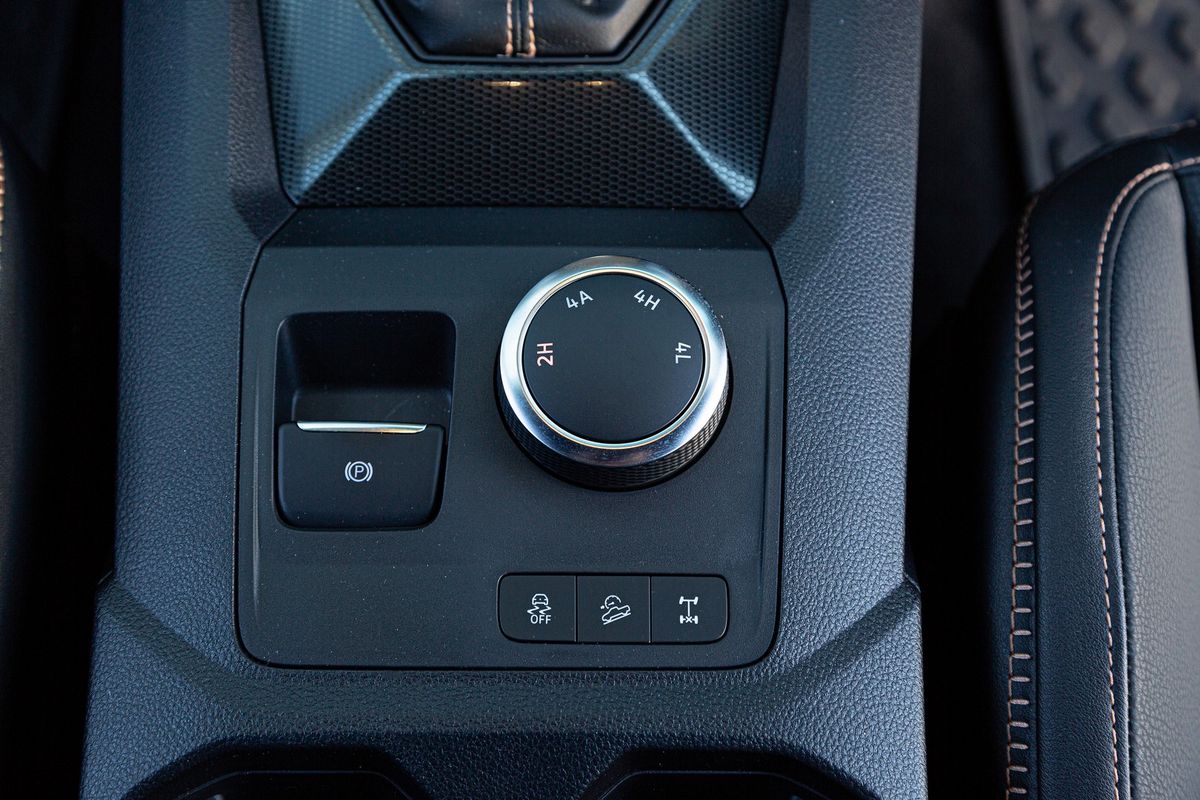
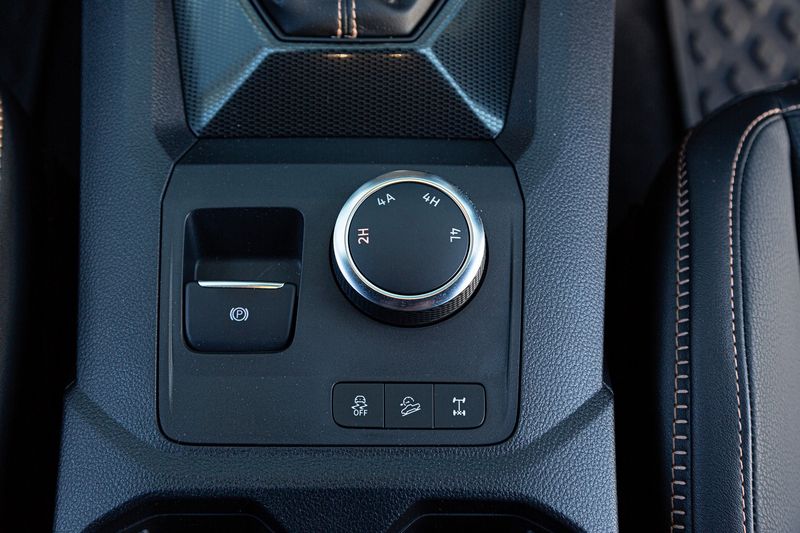
Whereas most drivers are likely to use the 3.0TDI V6 double cab PanAmericana 4Motion’s 2-wheel-drive (2H) by default – certainly when roads are completely dry – the Volkswagen also offers 4-wheel-drive autmomatic (4A), which is ideal when you’re traversing roads that offer varying levels of grip – 4A brings the front axle into action when the vehicle’s sensors detect that one or more wheels are slipping.
Given that heavy rain was lashing the Cape when we tested the VW (making roads water-logged and muddy), 4A was often called into play. Four-wheel drive – in high- and low range – are also available.
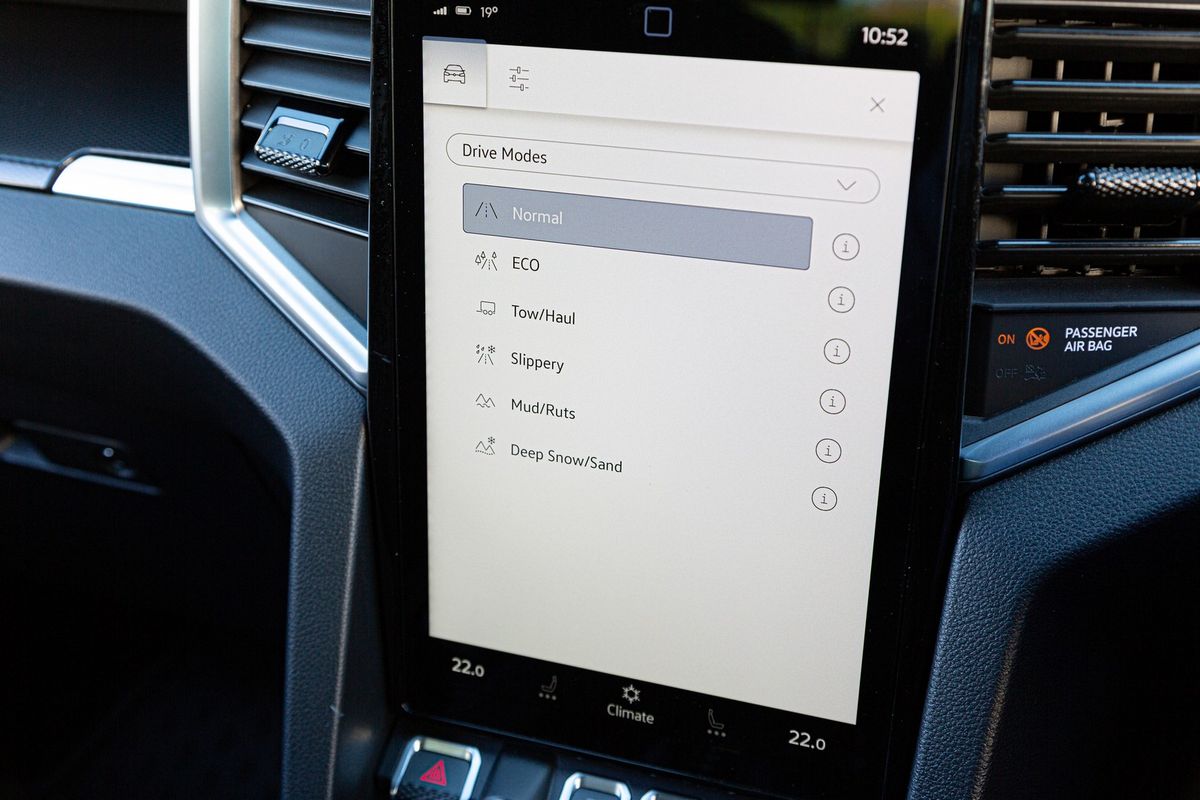
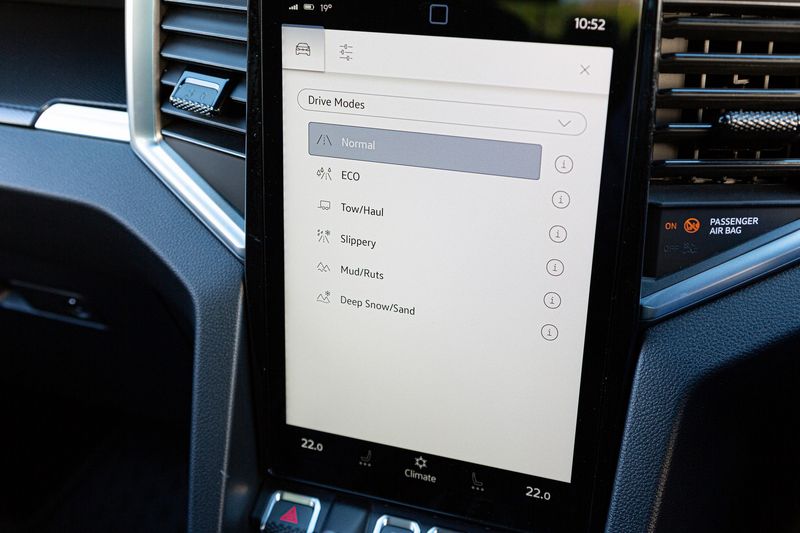
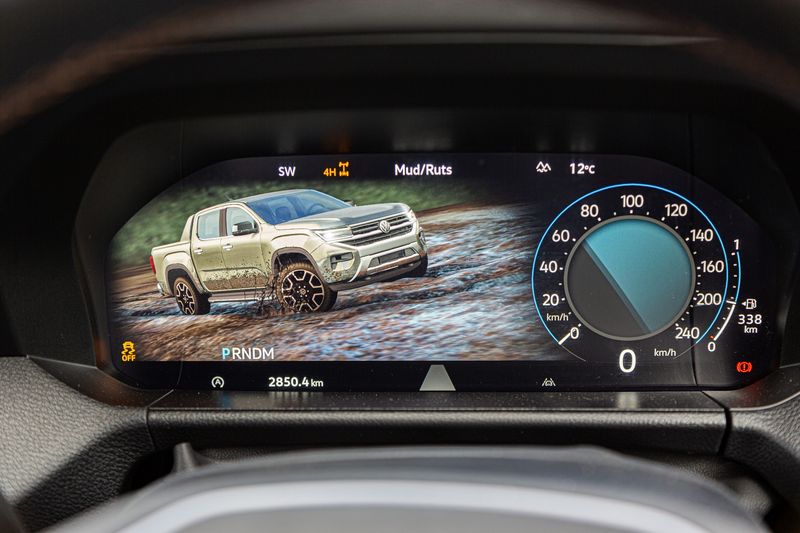
Unsurprisingly, the 2023 Volkswagen Amarok’s off-road-related stats are on par with the best models in the segment; it has a ground clearance of 235 mm, approach/departure angles of 30 and 26 degrees, as well as a wading depth of 800 mm. Apart from an electronically activated rear diff lock, the bakkie offers hill-descent control and an assortment of drive modes, each with their own unique graphics and settings.
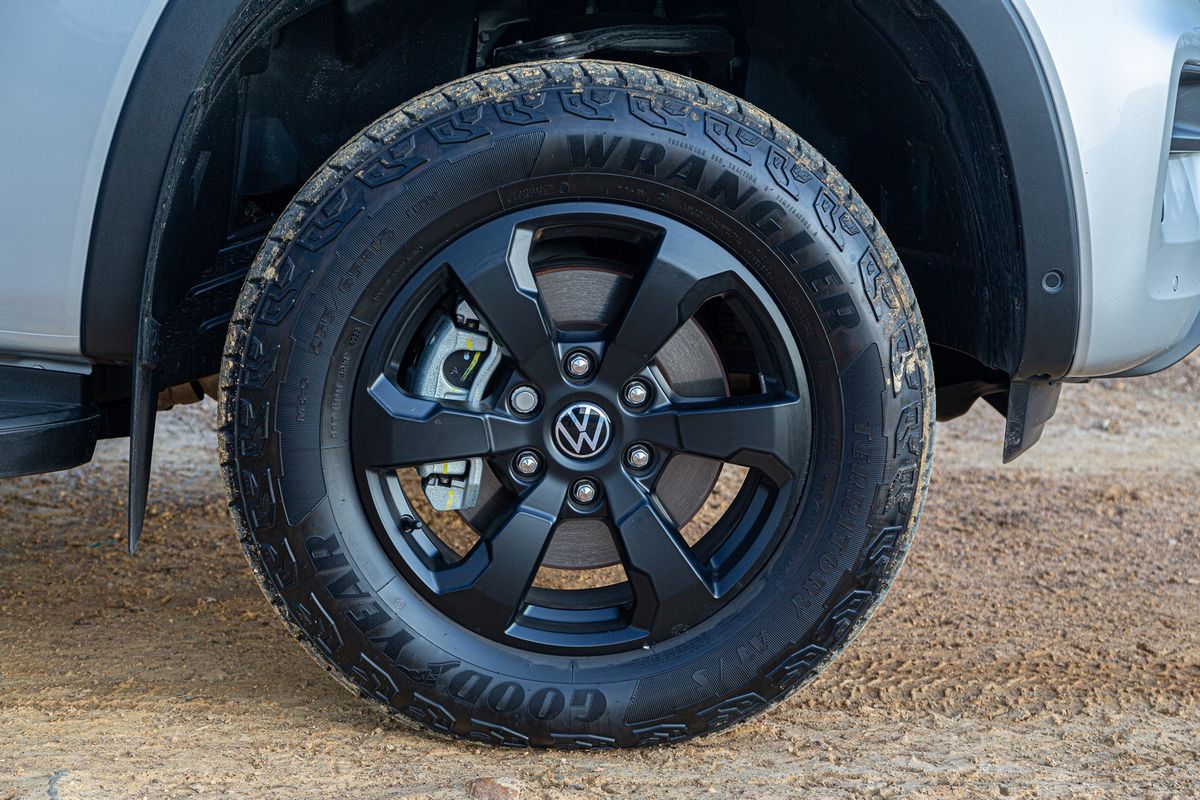
On top of Normal, Eco and Towing drive modes, the latter of which optimises the vehicle’s stability when a user has attached a trailer to the vehicle’s tow bar, Slippery, Snow/Sand and Mud modes are available for trickier off-road conditions. To reiterate, the PanAmericana is the most offroad-focused Amarok derivative and it comes fitted with chunkier Goodyear Wrangler 255/65 R18 tyres as standard.
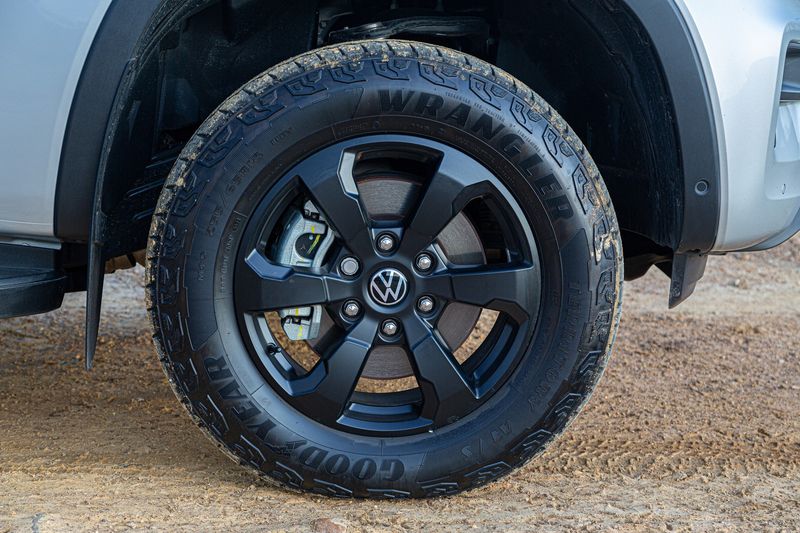
We have some experience of driving the new Amarok “away from the beaten track”, as they say, (we did some intensive off-roading during the model’s international launch in South Africa), but how would the bakkie fare on wet farm tracks when you don’t utilise fancy drive modes or low-range? We found out!
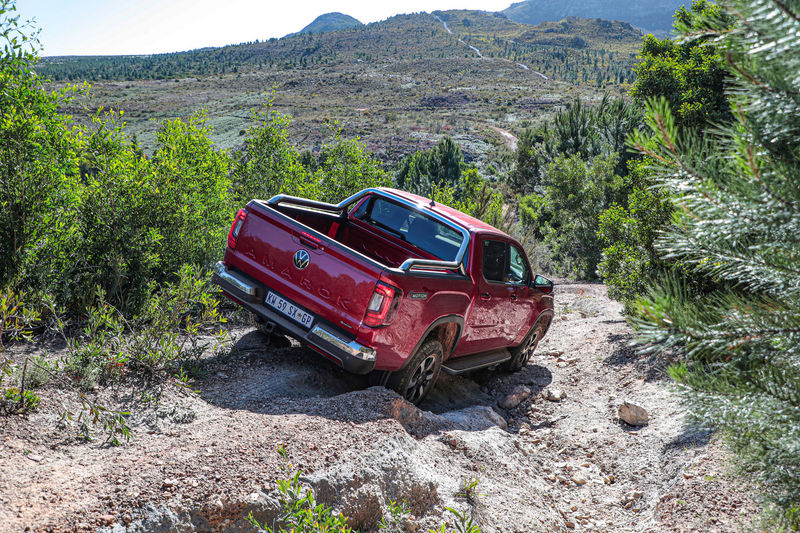
When we traversed the muddy, rutted dirt roads with the PanAmericana (with no more than 4A activated), the bakkie impressed with its unflappable composure and high levels of grip (aided by the test unit’s knobbly Wrangler boots). The newcomer made light work of basic off-tar driving, so in the right hands – and with the appropriate mode selected – the Amarok should be very capable off-road.
Price and after-sales support
The Amarok 3.0TDI V6 double cab PanAmericana 4Motion costs R1 084 600 (there are no optional extras), which includes a 4-year/120 000 km warranty, 5-year/100 000 km maintenance plan with 15 000 km service intervals. The range starts from R599 000 and goes up to R1 138 200 for the Aventura.
Verdict
While some purists will be upset that the 2023 Volkswagen Amarok is based on a Ford product, the development of a new bakkie would have cost VW billions in R&D; bear in mind, a double cab is not a core product in the brand’s line-up. On top of that, most European carmakers are phasing out models powered by internal combustion engines, so Volkswagen was unlikely to green-light an all-new vehlicle that it would not be permitted to sell in many countries after 2030 (due to EU emissions regulations).
By utilising the admittedly good bits of Ford’s top-selling bakkie, Volkswagen Commercial has fashioned an upmarket and competent 2nd-gen Amarok. Cleverly, VW and Ford’s product-planning departments have carefully chosen different grades and trims, to avoid stepping on each other’s toes (too much).
MORE: Amarok VS Ranger – What is the difference?
Volkswagen has taken some of the best elements from the already-excellent Ford Ranger Wildtrak and incorporated them in a slightly posher Amarok 3.0TDI V6 double cab PanAmericana 4Motion package. The plush look-and-feel of the newcomer’s cabin and aspects such as comfort, smoothness and a quieter, more refined driving experience will win over many fans. But such things come at a premium.
We think the PanAmericana (R1 084 600) and Wildtrak (R996 500, excluding a service/maintenance plan – both prices correct in June 2023) will appeal to slightly different markets; the Volkswagen seems more overtly off-road oriented, but we think it will resonate more with buyers of luxury family cars than its Ford cousin, which may see more action as an outdoor adventurer/workhorse. Make no mistake though, the 2023 Volkswagen Amarok will be more than up to the task – and just as capable as its “rugged” brother.