South Africa boasts a proud automotive history, dating back as far as 1896 when a Benz Velo was imported and demonstrated to President Paul Kruger. In 1922, Henry Ford visited Port Elizabeth (now Gqeberha), and by 1923, Ford had started the first assembly plant in PE. The rest is, of course, history.
Since then, South Africa has established itself as a significant player in the global and continental automotive manufacturing landscape. It’s now a robust industry that combines international expertise with local innovation. The country’s strategic location, skilled workforce, and favourable conditions have attracted numerous global automotive giants to establish production facilities across the nation.

German premium brands
The backbone of South Africa’s automotive sector consists of several major international brands that have made substantial investments in local production capabilities. Cars made in South Africa include premium vehicles from BMW, which operates a sophisticated plant in Rosslyn, Pretoria. This facility has evolved from producing the 3 Series and 5 Series sedans. It now focuses on the X3 SUV, with substantial export volumes reaching international markets.
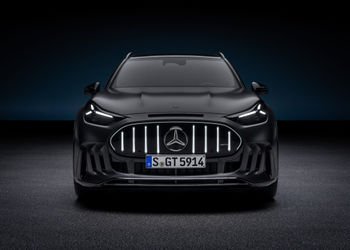
Mercedes-Benz has maintained a strong presence in the country since 1958. Its East London plant represents one of the automotive industry’s longest-running success stories. Having produced over a million vehicles, this facility currently manufactures the C-Class and formerly assembled the flagship S-Class. The longevity of Mercedes-Benz’s operations demonstrates the sustained viability of cars made in South Africa for both domestic and international markets.
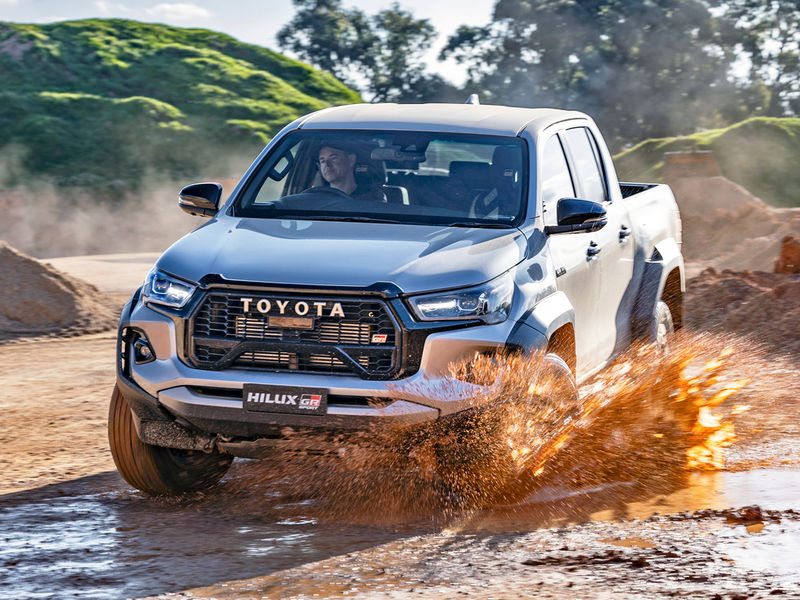
The Hilux legend
Toyota’s Prospecton plant in Durban showcases the diversity of cars made in South Africa. It produces an impressive range including the popular Hilux bakkie, Fortuner SUV, Hiace/Ses’fikile commercial vehicles, and the Corolla range, including hybrid variants.
Meanwhile, Volkswagen’s Kariega facility represents more than 70 years of continuous automotive manufacturing excellence. The plant produces both the Polo and Polo Vivo models, with the Polo earning recognition as a global export success story.

Ford north and south
Ford’s dual-facility approach, with assembly operations in Silverton and engine production in Struandale, highlights the integrated nature of South African automotive manufacturing. Since 1923, Ford has maintained a assembly presence in the country. South Africa now serves as the exclusive global source for the Ranger bakkie, underlining the strategic importance of local production capabilities.
The commercial vehicle segment represents another strength of South African automotive manufacturing. Isuzu’s Gqeberha facility produces the D-Max (formerly KB) with significant recent investments in plant modernisation.
Nissan’s Rosslyn plant, operational since 1964, used to build the very popular NP200 and NP300 but phased them out last year. It continues to produce Navara bakkies, serving both domestic and regional markets.
Hyundai contributes to the commercial vehicle landscape by assembling the EX8 commercial truck at its Benoni plant. I, primarily targets local and regional export markets.
Meanwhile, Mahindra’s relatively new Durban facility at Dube Tradeport, operational since 2018, builds Pik-Up trucks with approximately 40% local component sourcing, demonstrating the industry’s commitment to local value addition.
The heavy commercial vehicle sector includes established players like MAN, which operates manufacturing plants and distribution networks across Southern Africa, and Volvo Trucks, whose Durban plant produces the FH heavy truck range. These operations ensure that cars made in South Africa encompass the full spectrum of automotive needs, from passenger vehicles to heavy commercial applications.

More to come?
Looking toward the future, Stellantis represents the newest addition to South Africa’s automotive manufacturing landscape. The company’s new Coega plant, currently under construction, is expected to produce the Peugeot Landtrek, demonstrating continued international confidence in South African manufacturing capabilities. And Stellantis might not be the only new addition; a number of Chinese brands have expressed interested in setting up local manufacturing facilities.
South Africa’s automotive manufacturing industry represents a remarkable success story of international collaboration and local expertise. From luxury sedans and SUVs to robust commercial vehicles and heavy trucks, the diversity and quality of vehicles produced locally continue to grow.
The sustained presence of major global manufacturers, combined with ongoing investments in new facilities and technologies, positions South Africa as a crucial hub for automotive production in the Southern African region. As the industry evolves toward electrification and advanced technologies, South African manufacturing facilities are well-positioned to adapt and continue their important role in the global automotive supply chain.
Cars.co.za

Providing you with the latest motoring news, new car releases and the simplest way to buy and sell cars.