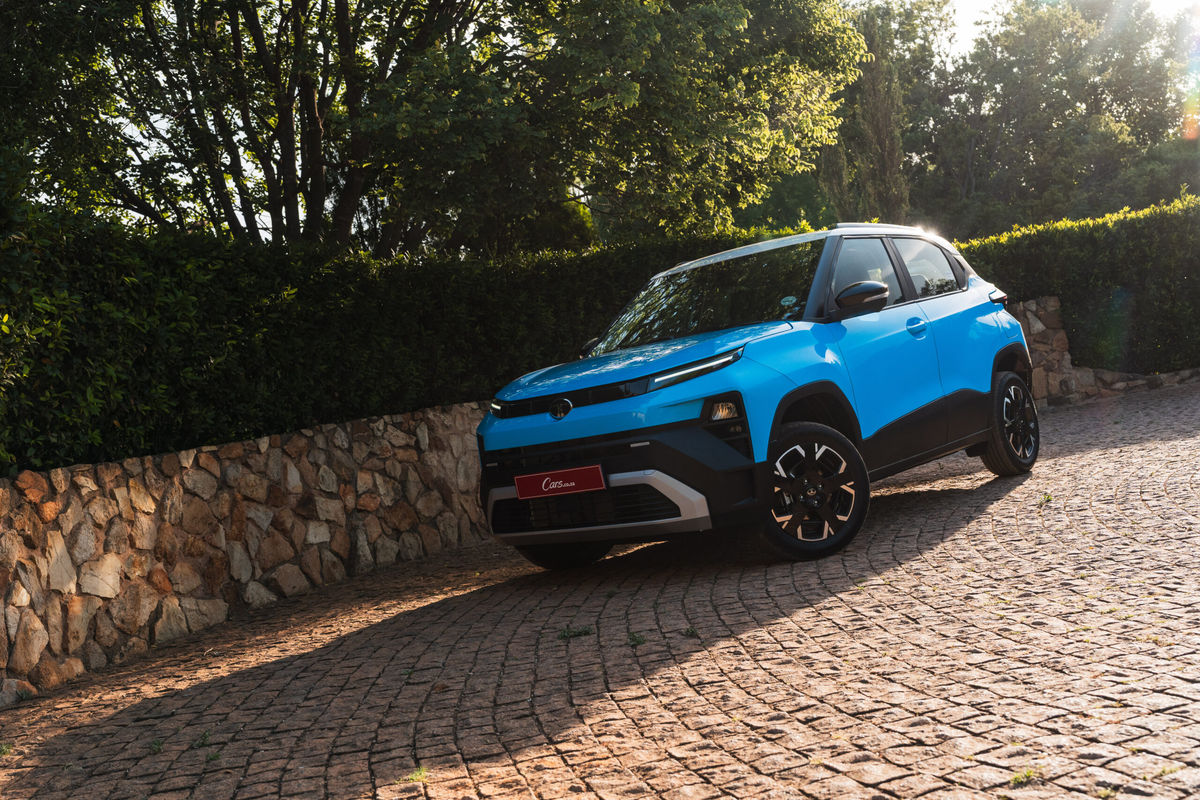
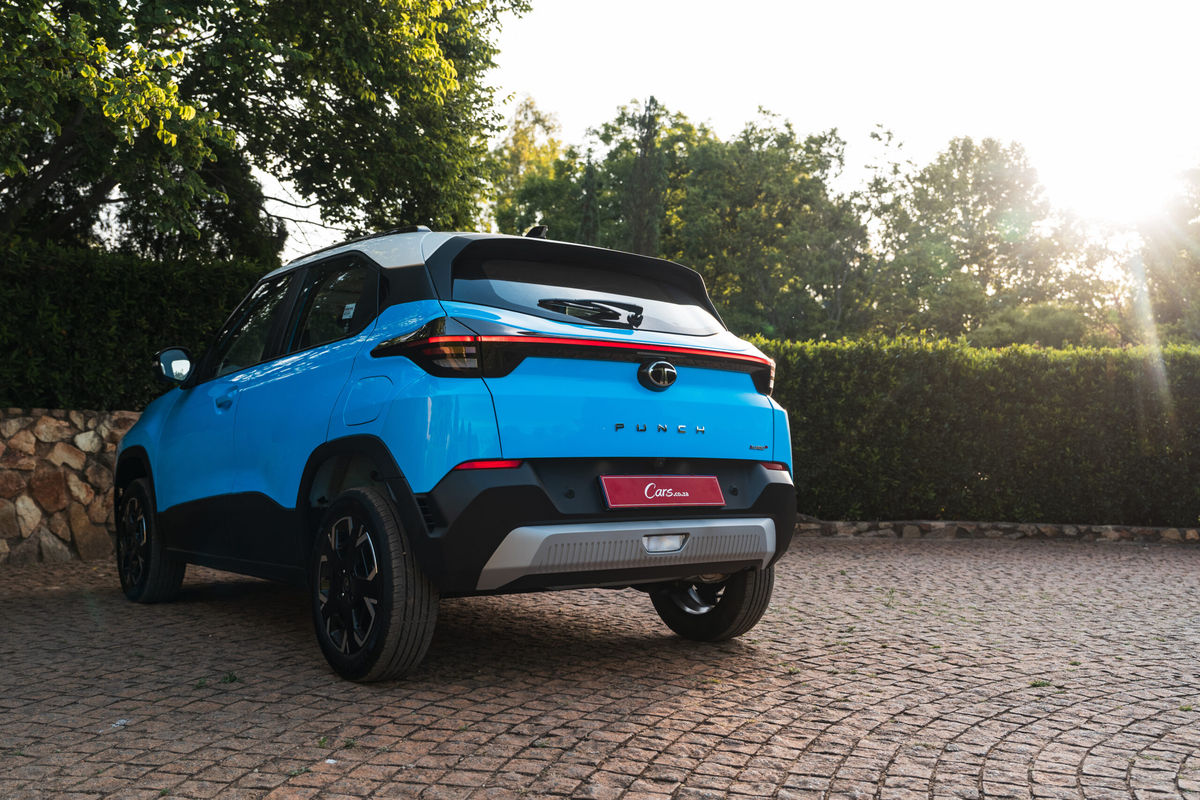
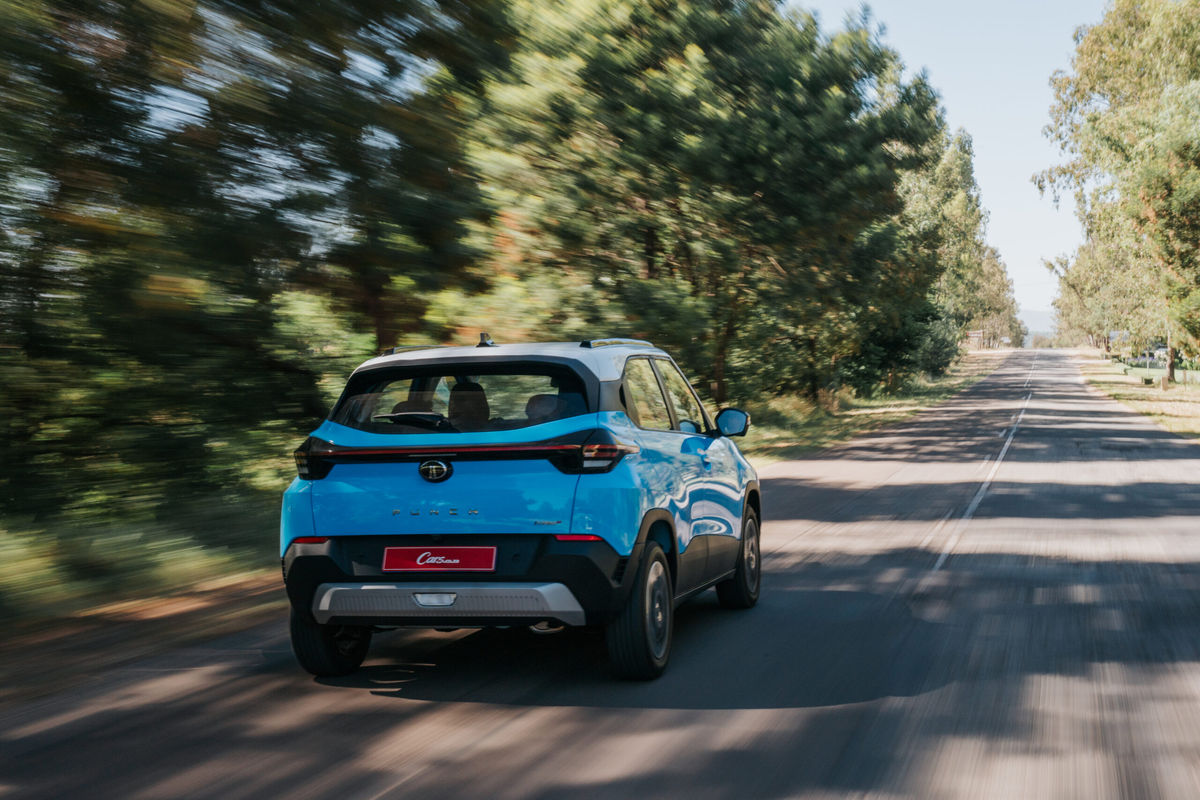
The updated Tata Punch has arrived in South Africa with sharper styling, a punchier turbocharged engine and an impressive array of standard features. At less than R270k, the flagship derivative appears to offer exceptional value for money, but can it overcome its shortcomings to challenge the established players in the affordable crossover segment?
We like: Energetic turbocharged engine; competitive pricing; generous standard features; impressive safety specification; comfortable urban ride.
We don’t like: Disappointing fuel consumption; excessive engine noise and vibration at higher speeds; limited luggage space; unremarkable cabin quality; no automatic option.
FAST FACTS
- Model: Tata Punch 1.2T Accomplished+ S
- Price: R269 900
- Engine: 1.2-litre 3-cylinder turbopetrol
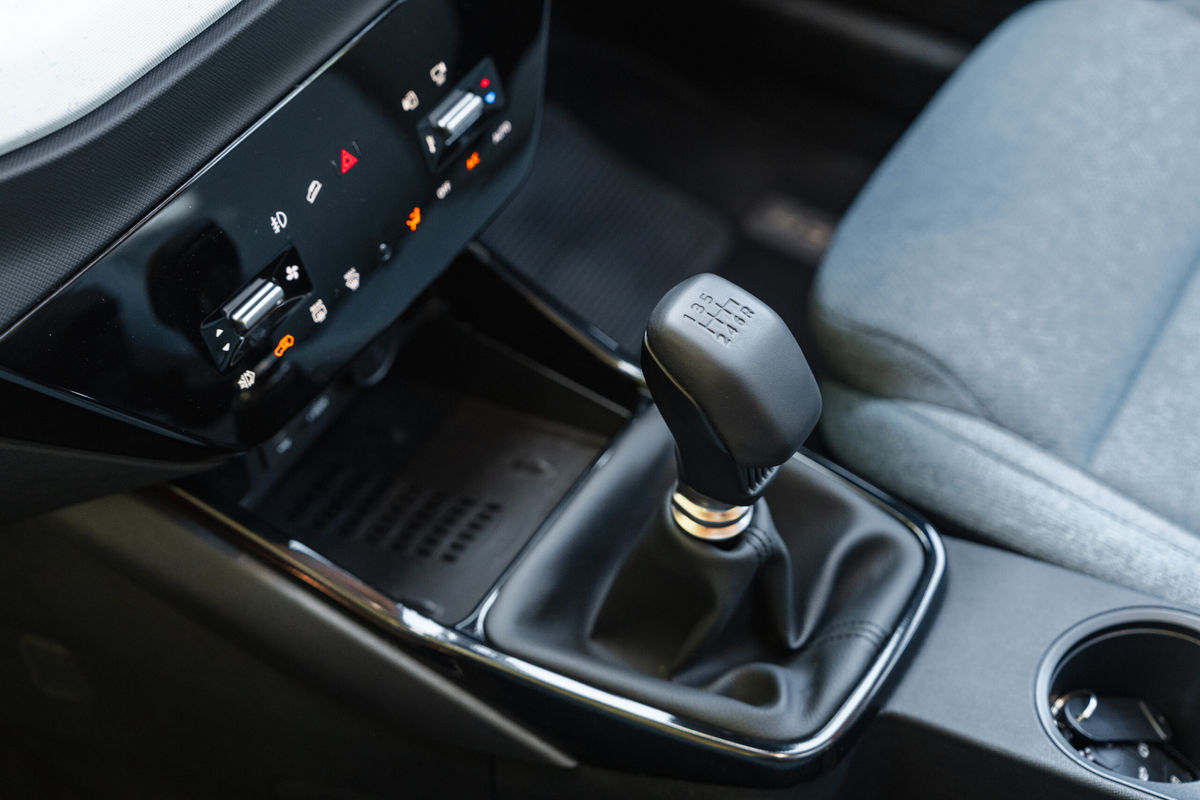
- Transmission: 6-speed manual
- Power/Torque: 88 kW/170 Nm
- 0-100 kph: Not tested
- Fuel consumption: 6.1 L/100 km (claimed)
- Luggage capacity: 366 litres
Where does the Tata Punch fit in?
The affordable crossover segment is one of the most fiercely contested corners of the South African new-car market. With buyers increasingly demanding SUV-inspired styling, modern technology, practical interiors and low running costs, manufacturers have their work cut out for them, particularly when trying to keep prices below R300 000.
The Tata Punch is the Indian manufacturer’s answer to this challenge, and the substantially updated version has arrived with a refreshed exterior, enhanced standard specification and, perhaps most importantly, the option of a turbocharged petrol engine.
The latter is particularly significant. Although turbocharging is commonplace in more expensive vehicles, naturally aspirated engines remain prevalent among entry-level crossovers. Consequently, the Punch’s new powertrain could give it a useful performance advantage, especially at higher altitudes.
However, competition is formidable. The Nissan Magnite, Renault Kiger, Hyundai Exter and Mahindra XUV 3XO are all worth considering, with each offering its own combination of practicality, equipment and affordability.
The revised Punch range comprises 3 derivatives, starting at R224 900 for the naturally aspirated Pure+ manual. The flagship Accomplished+ S, tested here, costs R269 900 and is the only derivative fitted with the new turbocharged engine.
That’s an appealing price for a vehicle with this level of equipment, but does the Punch deliver a sufficiently polished driving experience to match its attractive specification sheet?
Read more: Tata Punch 1.2 Turbo (2026) – more punch, more, um, off-road ability?
How the Tata Punch 1.2T Accomplished+ S fares in terms of…
Design & Packaging
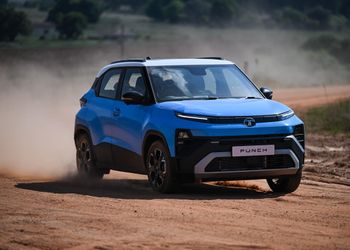
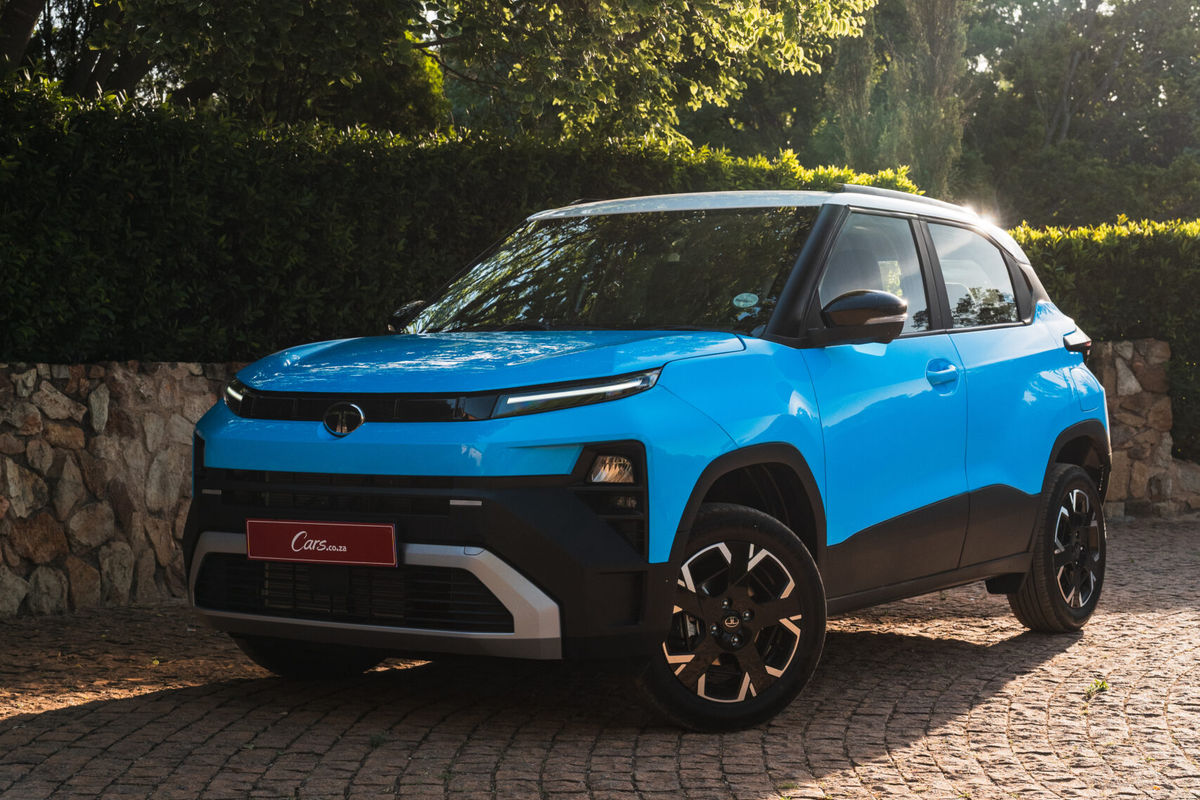
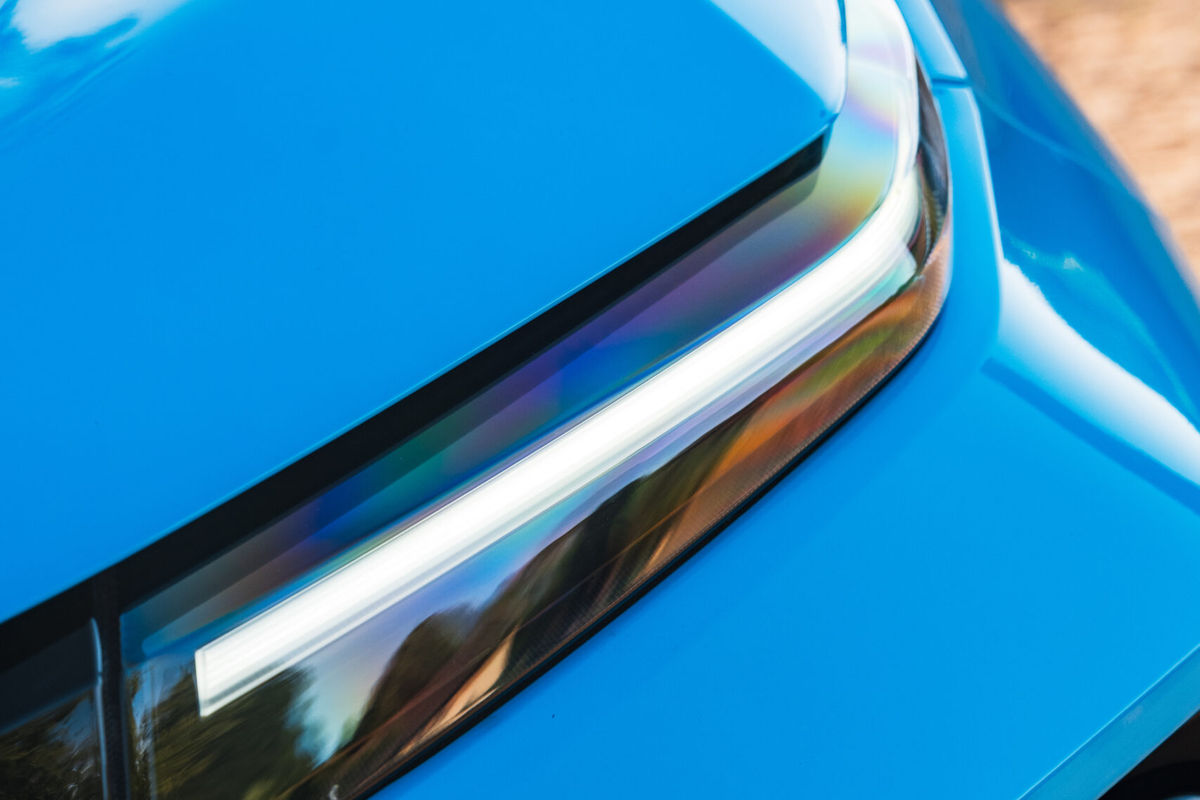
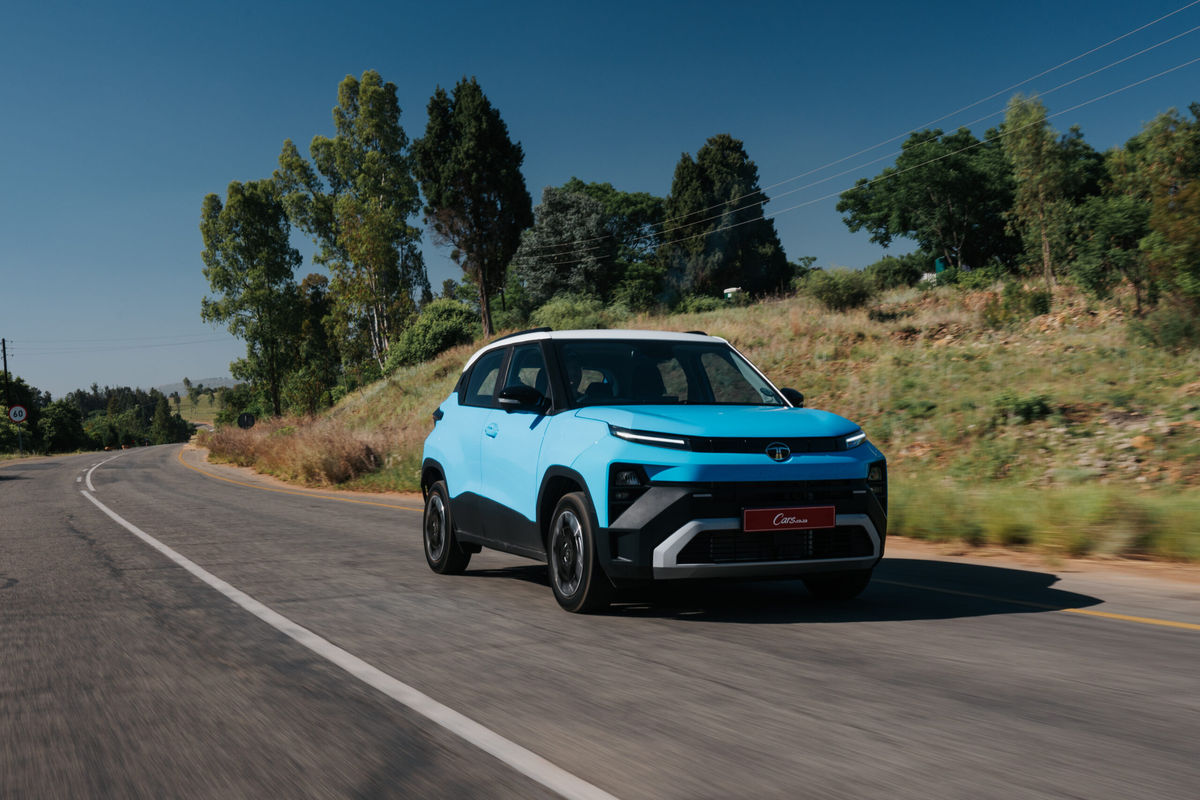
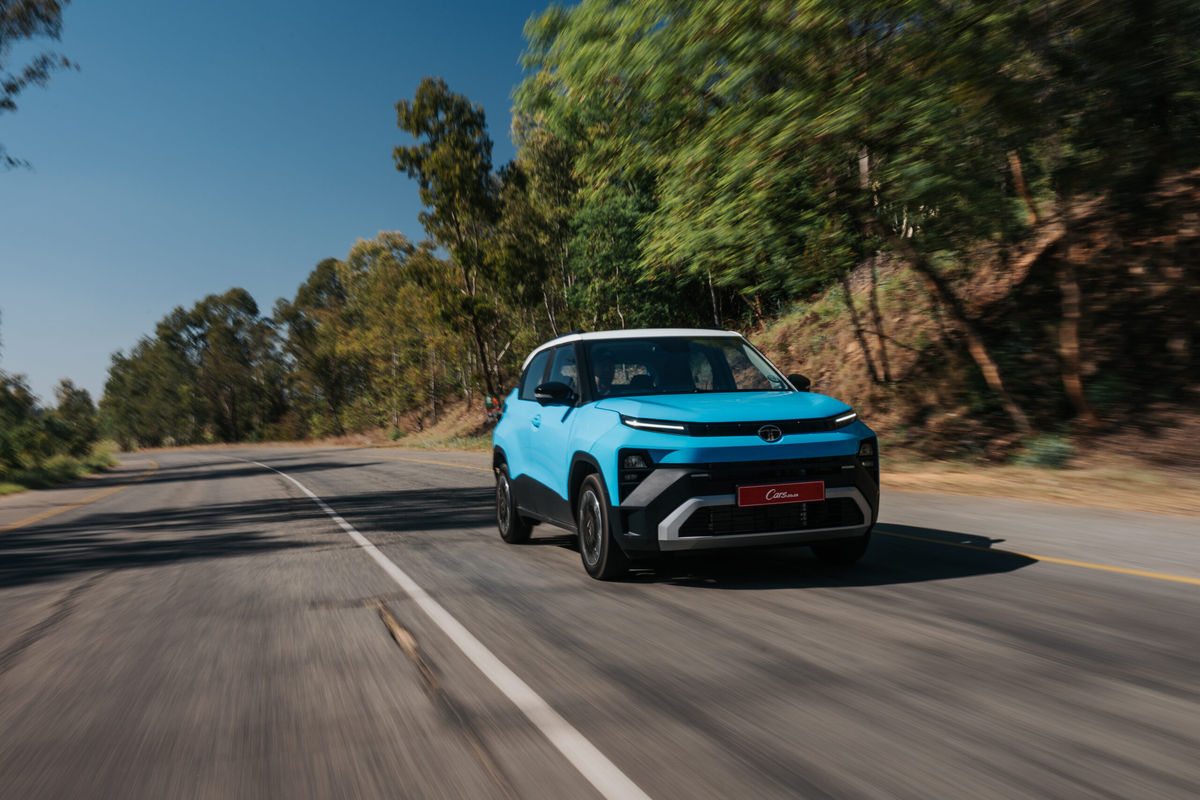
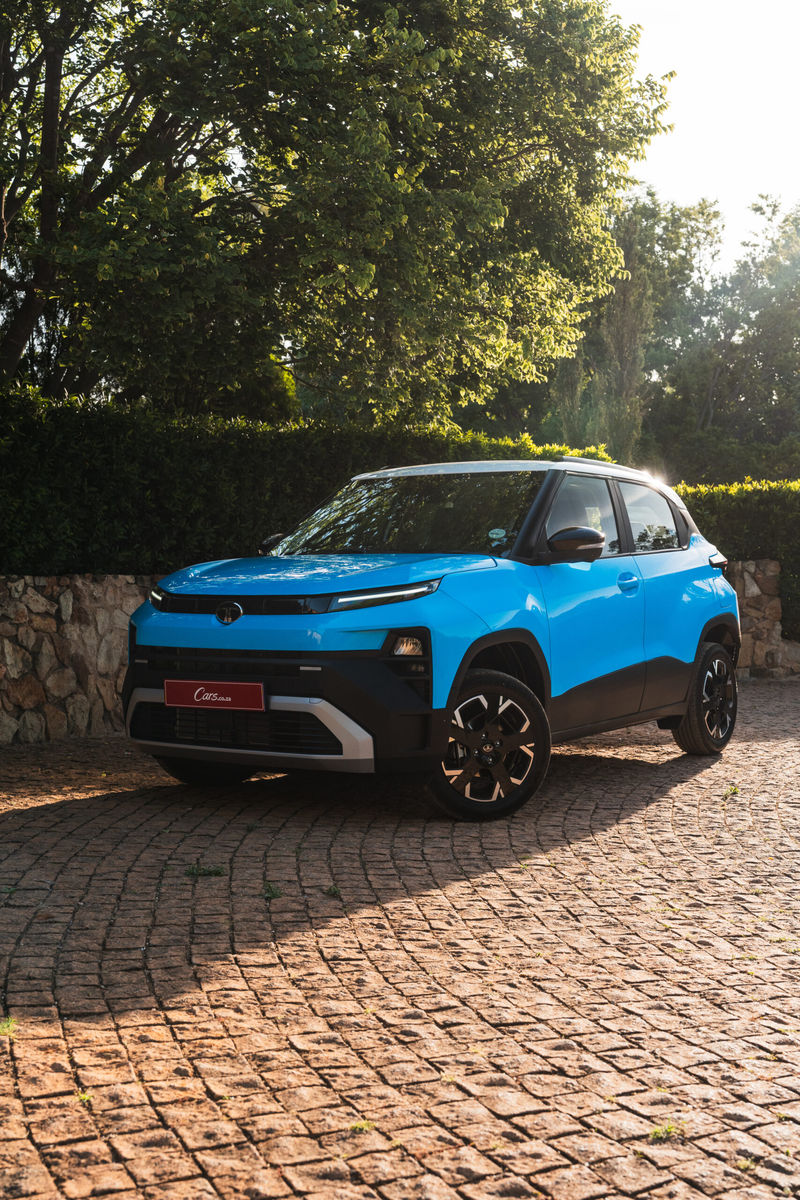
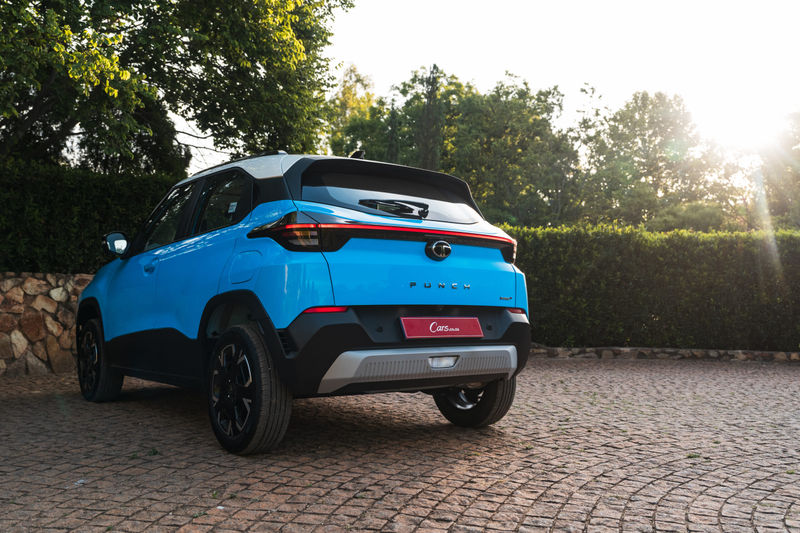
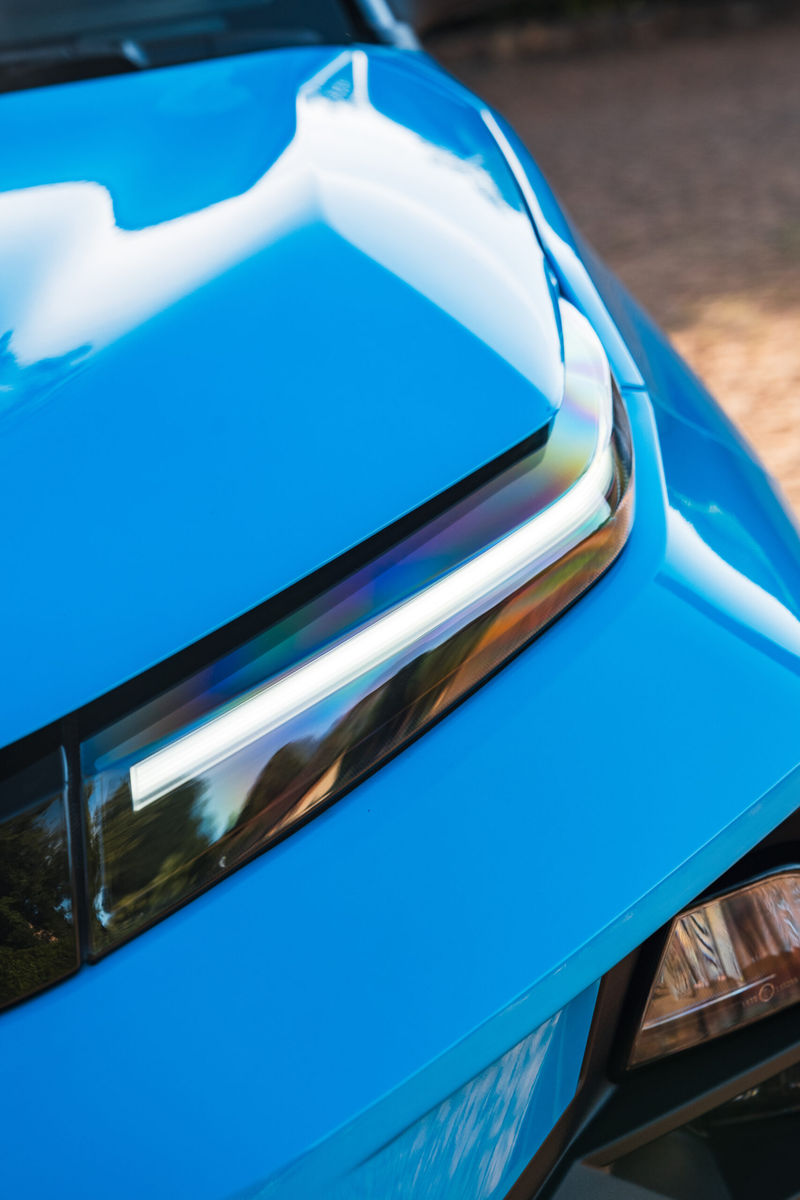
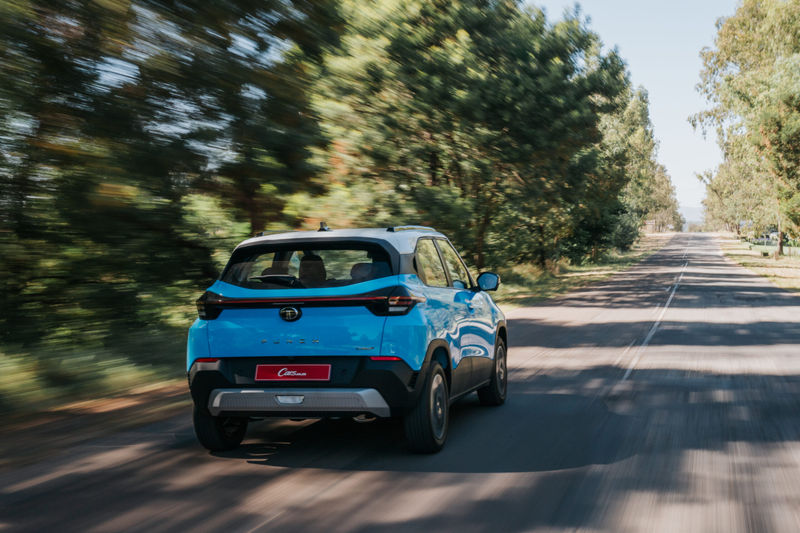
The updated Punch benefits from a noticeably fresher appearance, particularly at the front, where revised lighting elements and cleaner detailing lend the compact crossover a more contemporary look.
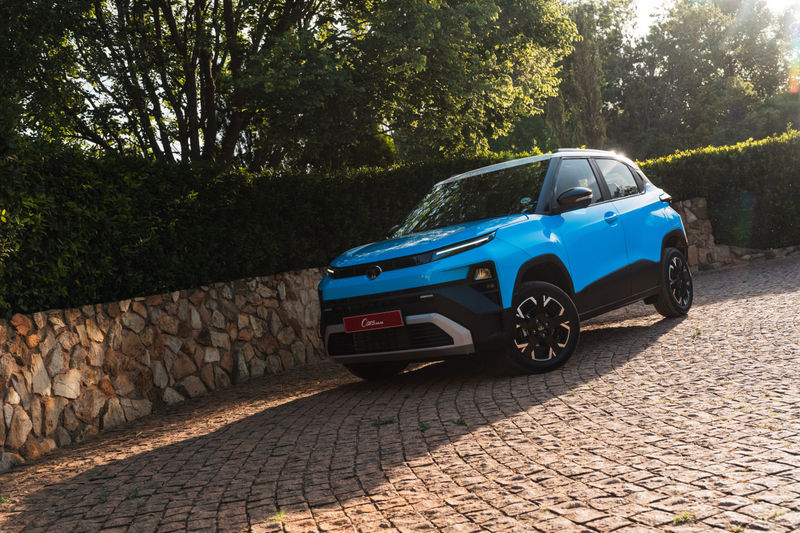
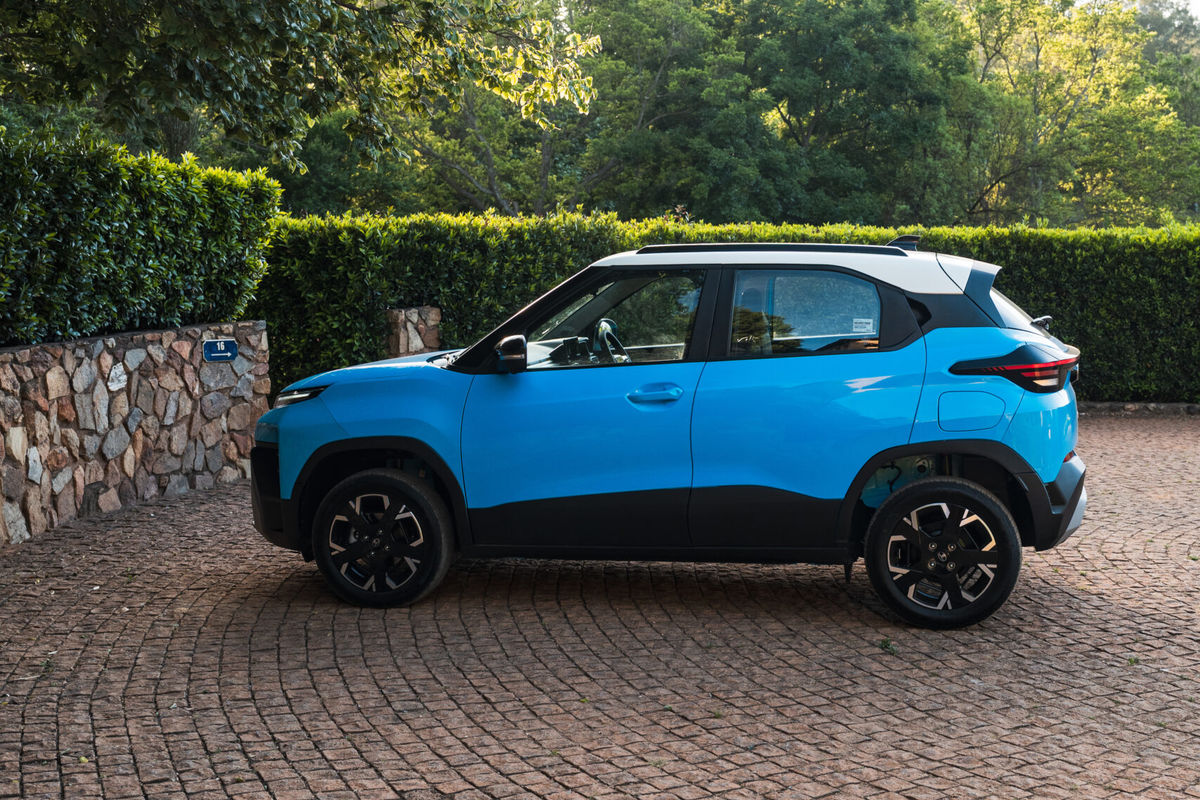
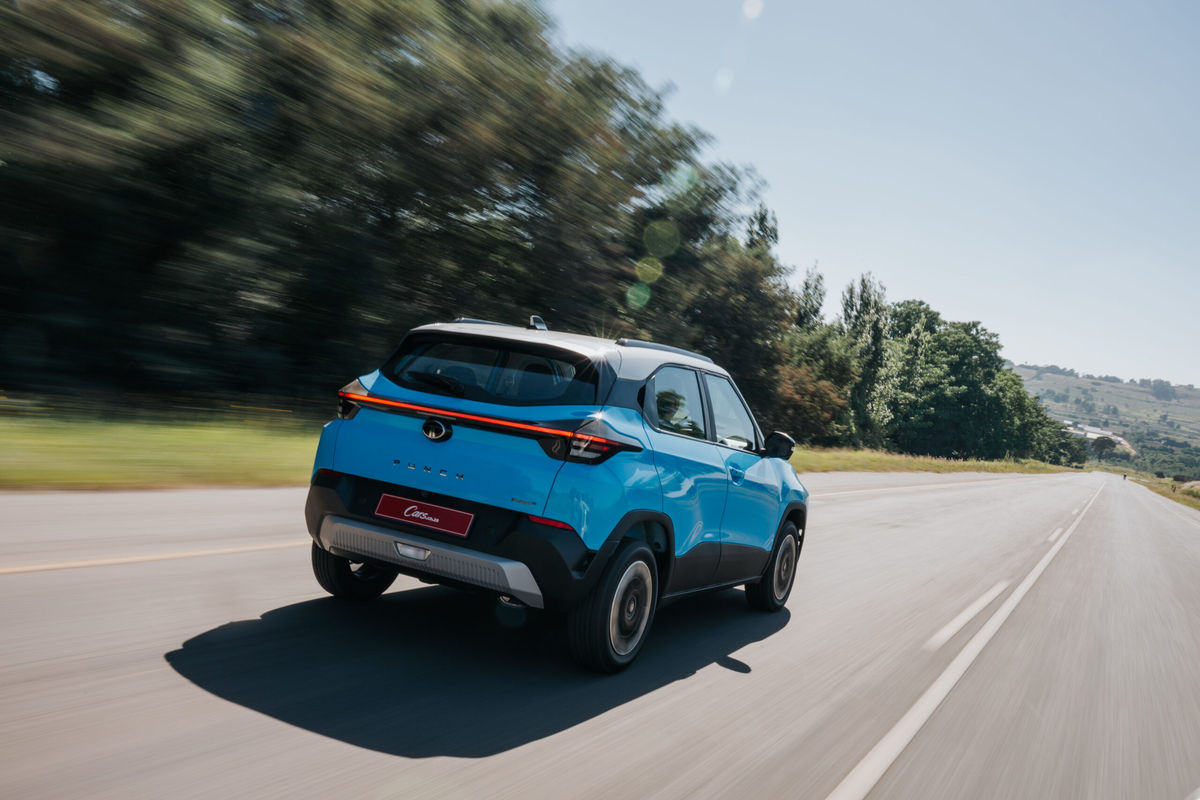
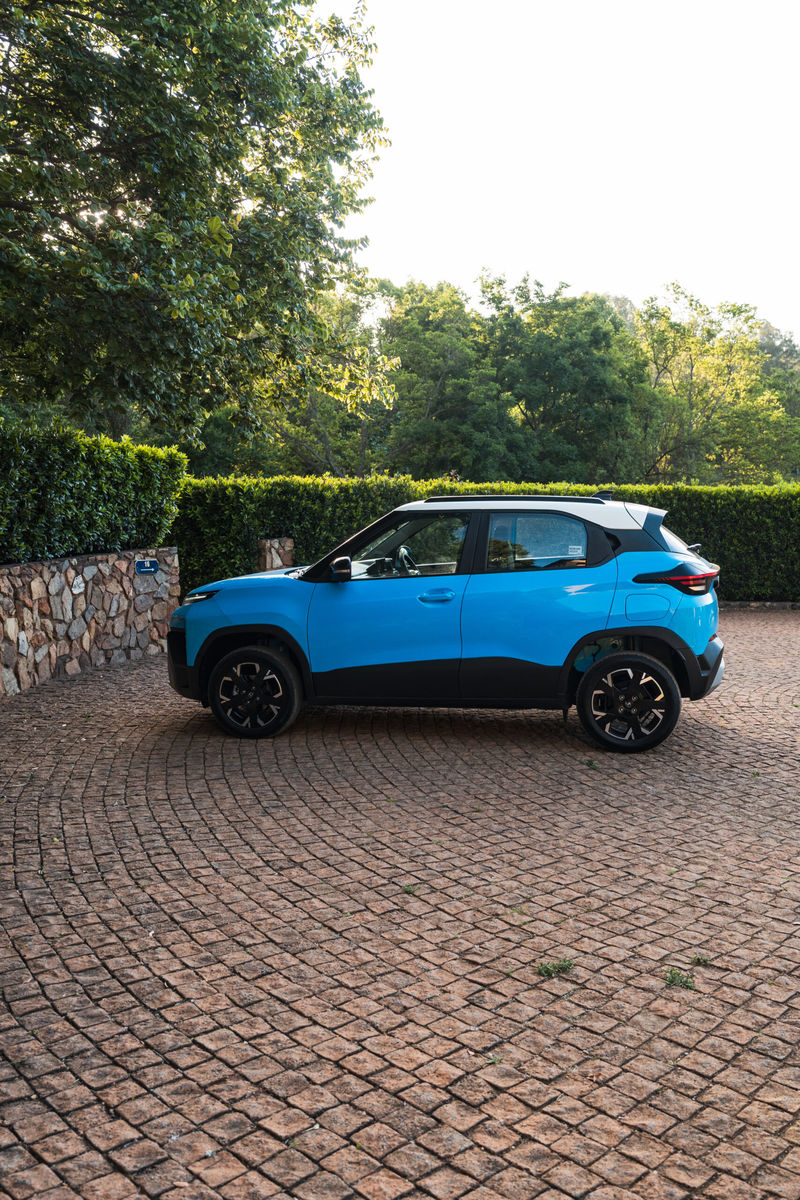
Its upright proportions, relatively high ground clearance and SUV-inspired design cues help distinguish it from conventional budget hatchbacks. Despite its compact dimensions, the Punch has enough visual presence to look like a proper crossover rather than merely a small car on stilts.
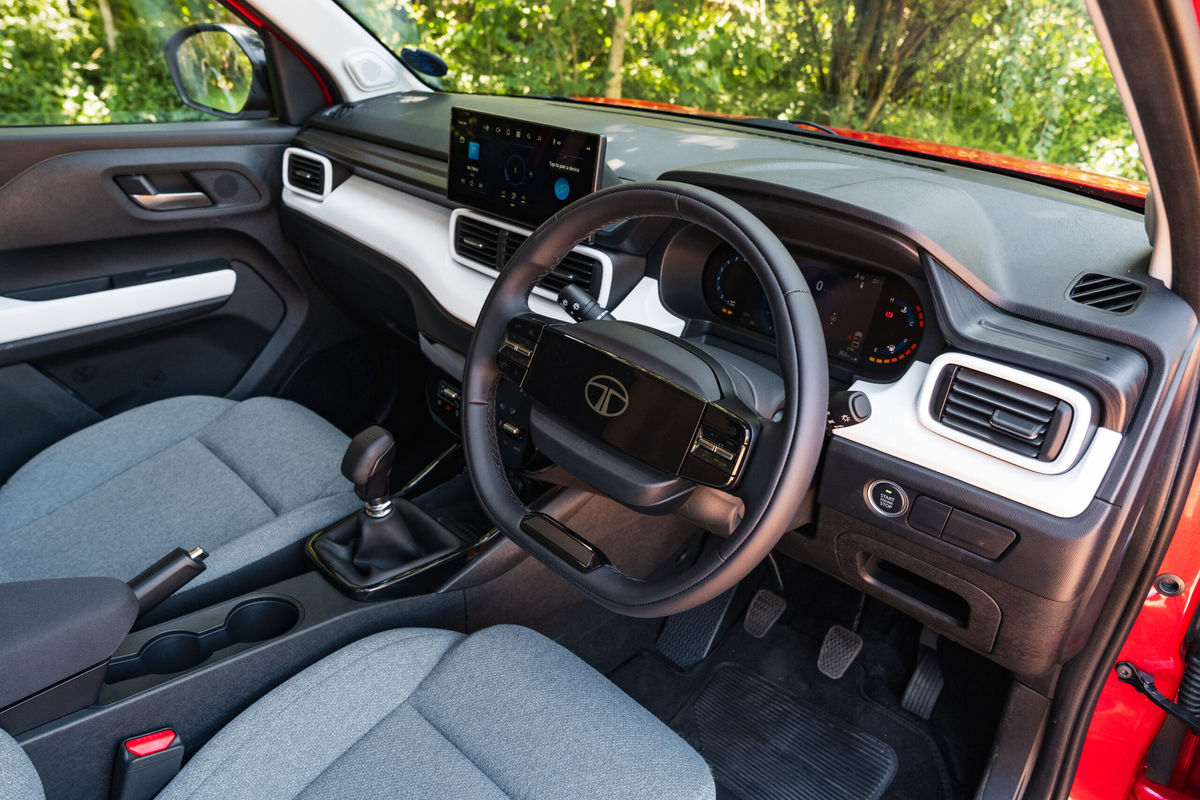
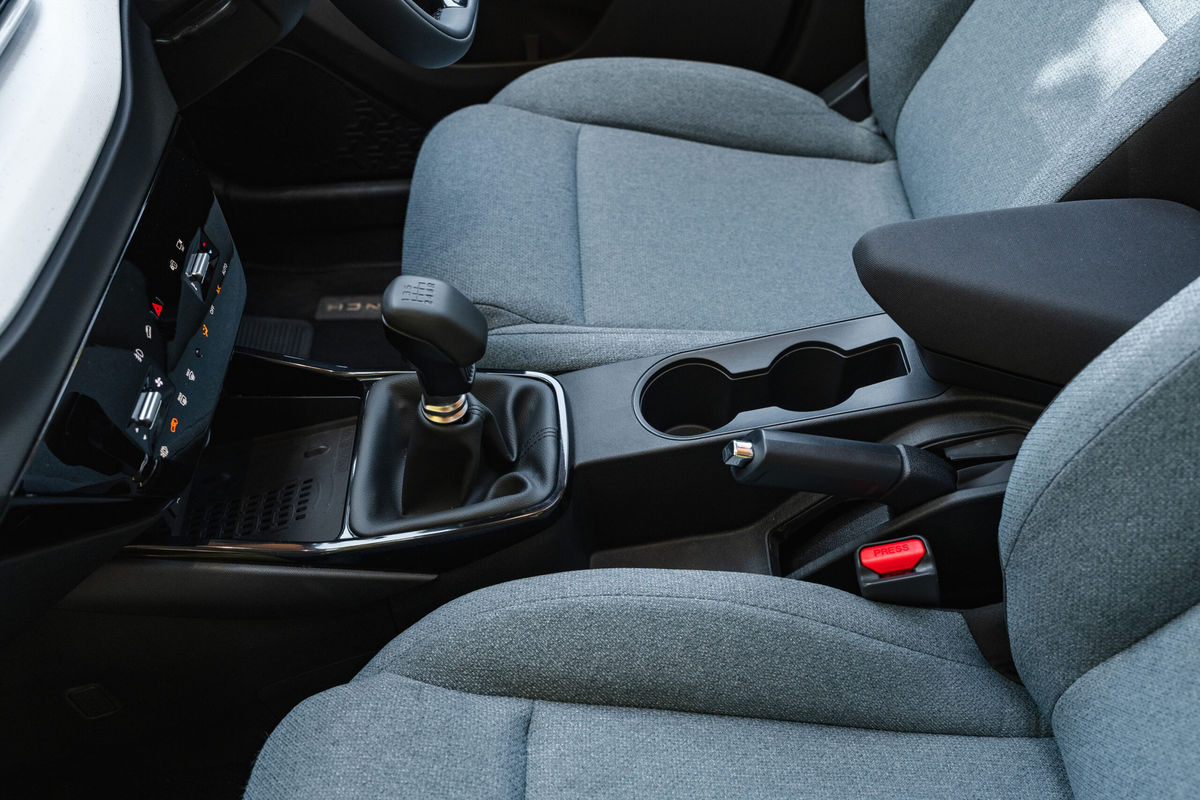
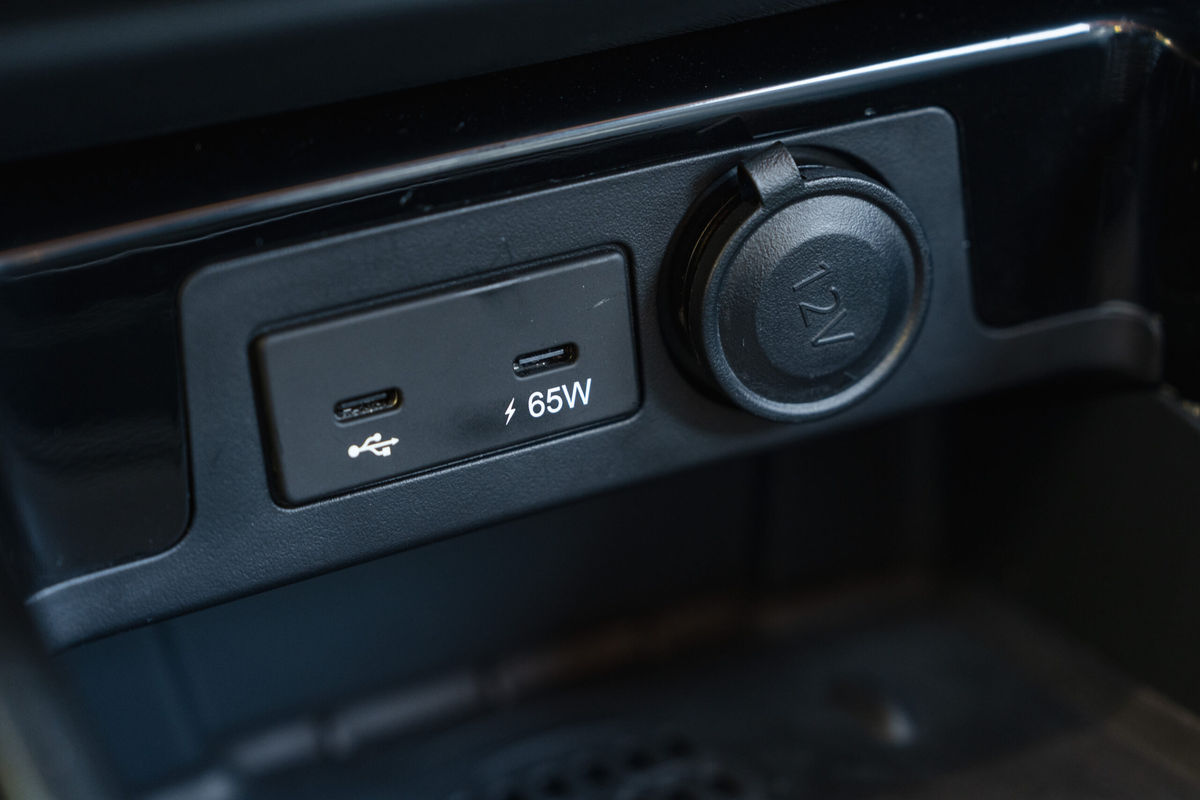
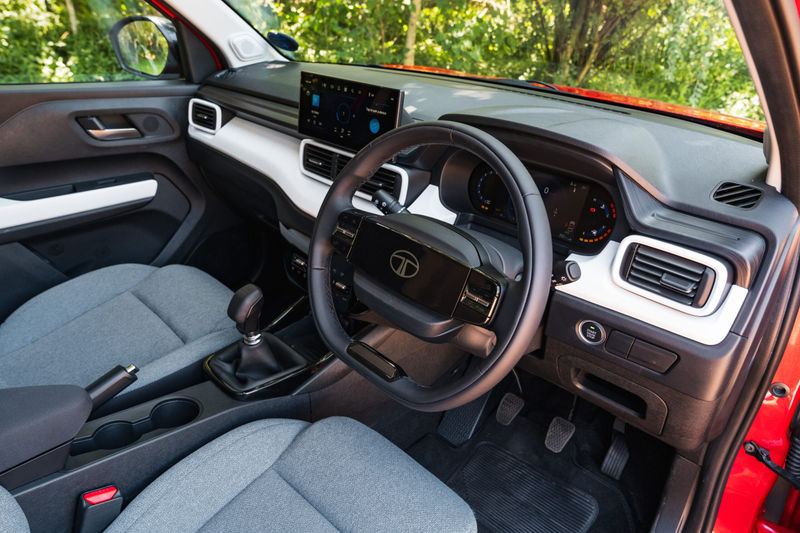
Inside, Tata has concentrated on delivering an impressive amount of equipment for the money.
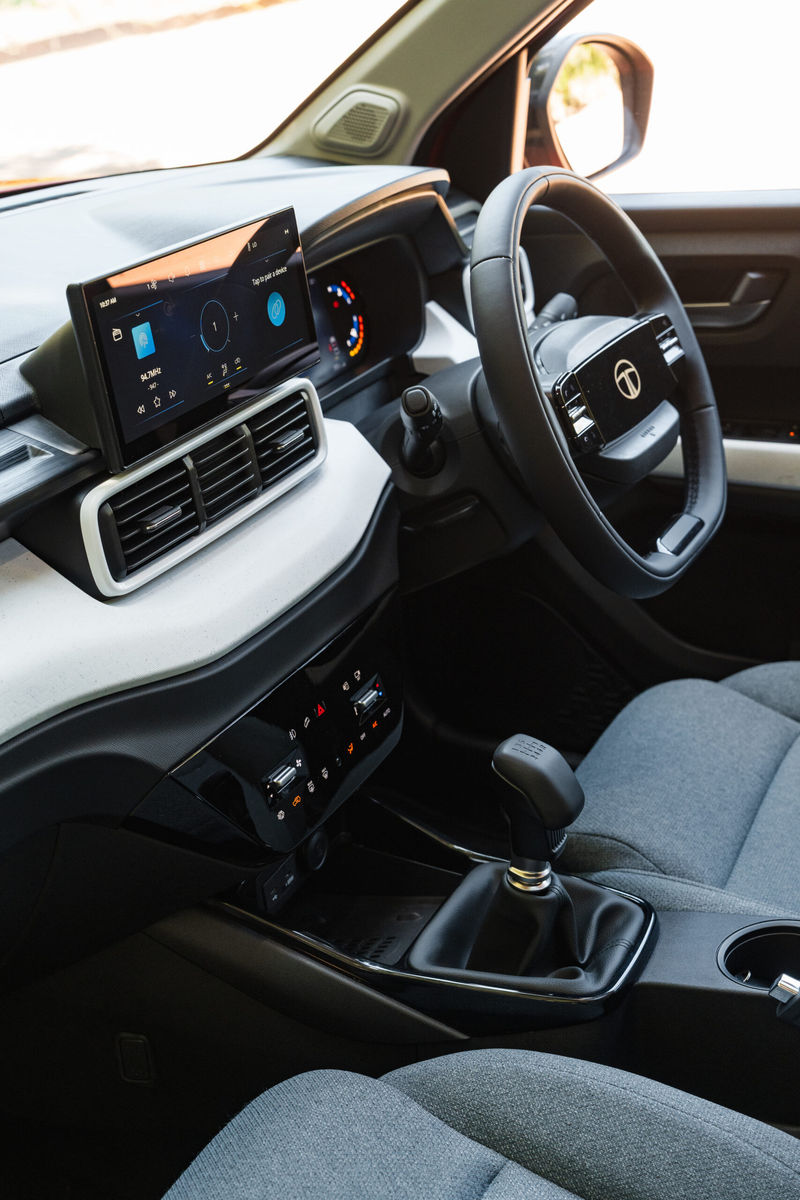
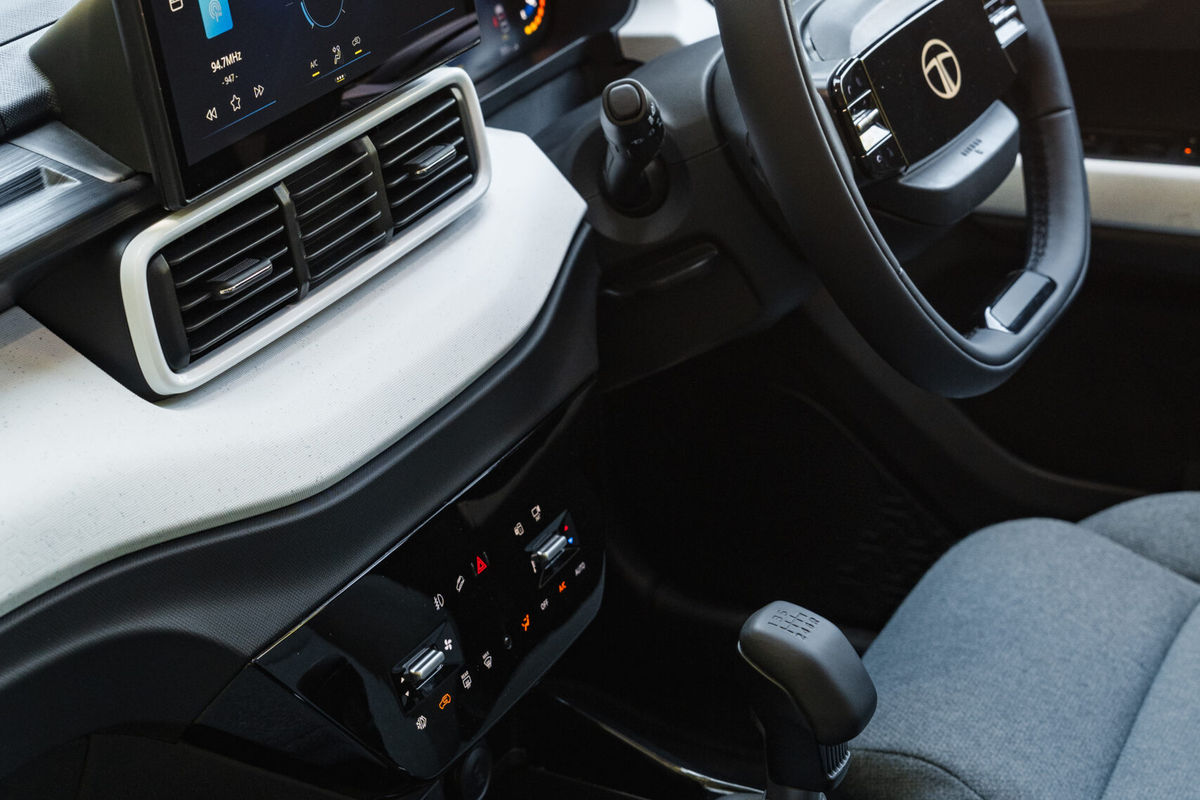
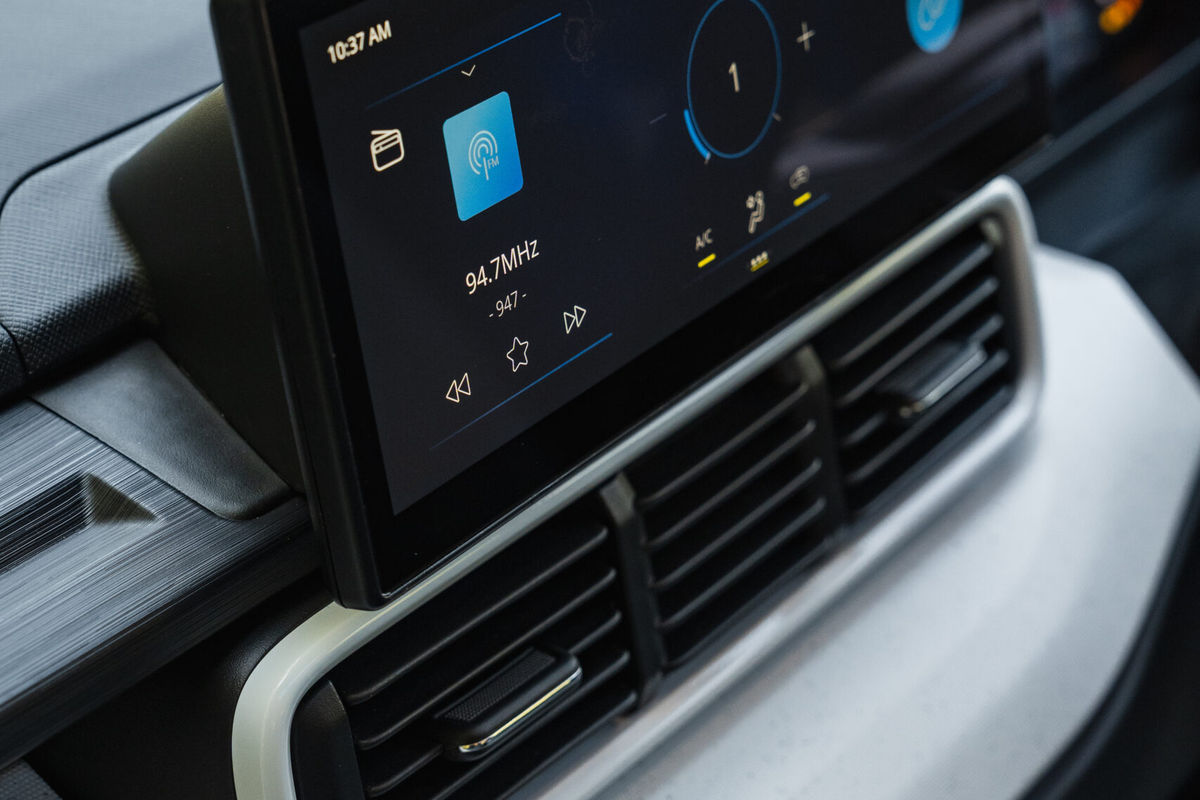
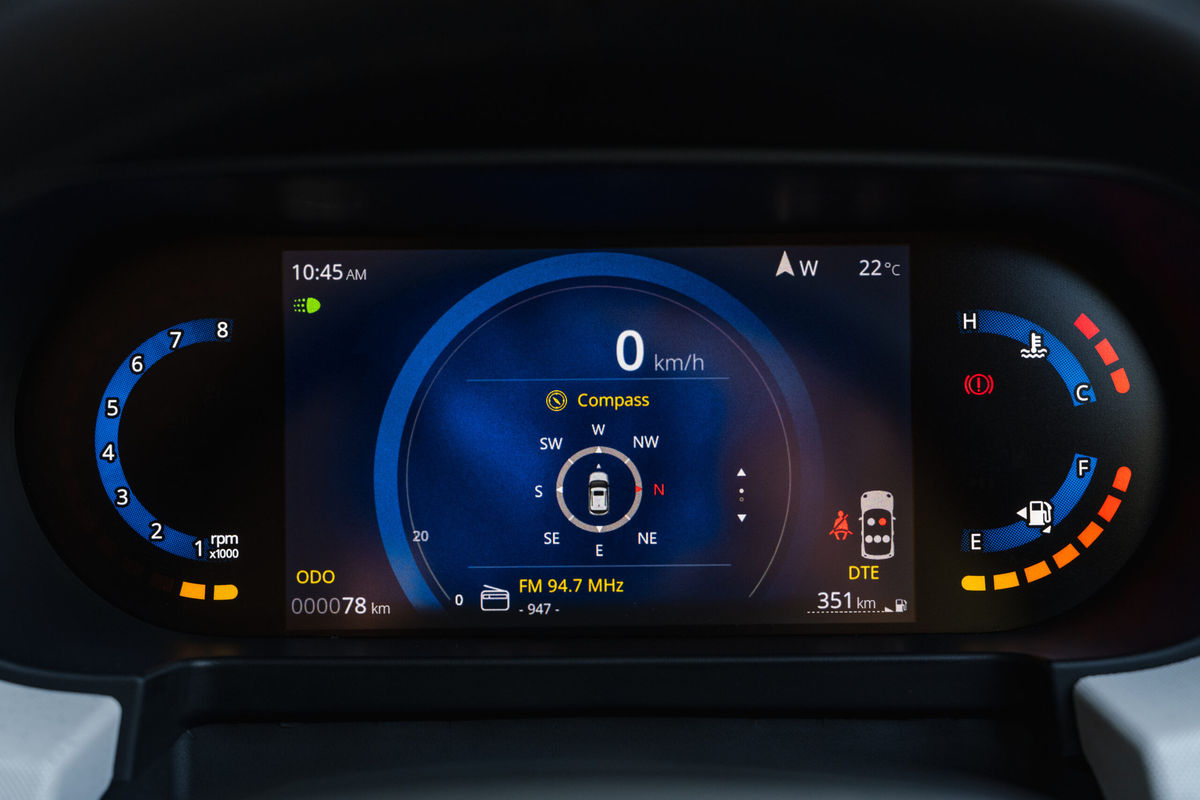
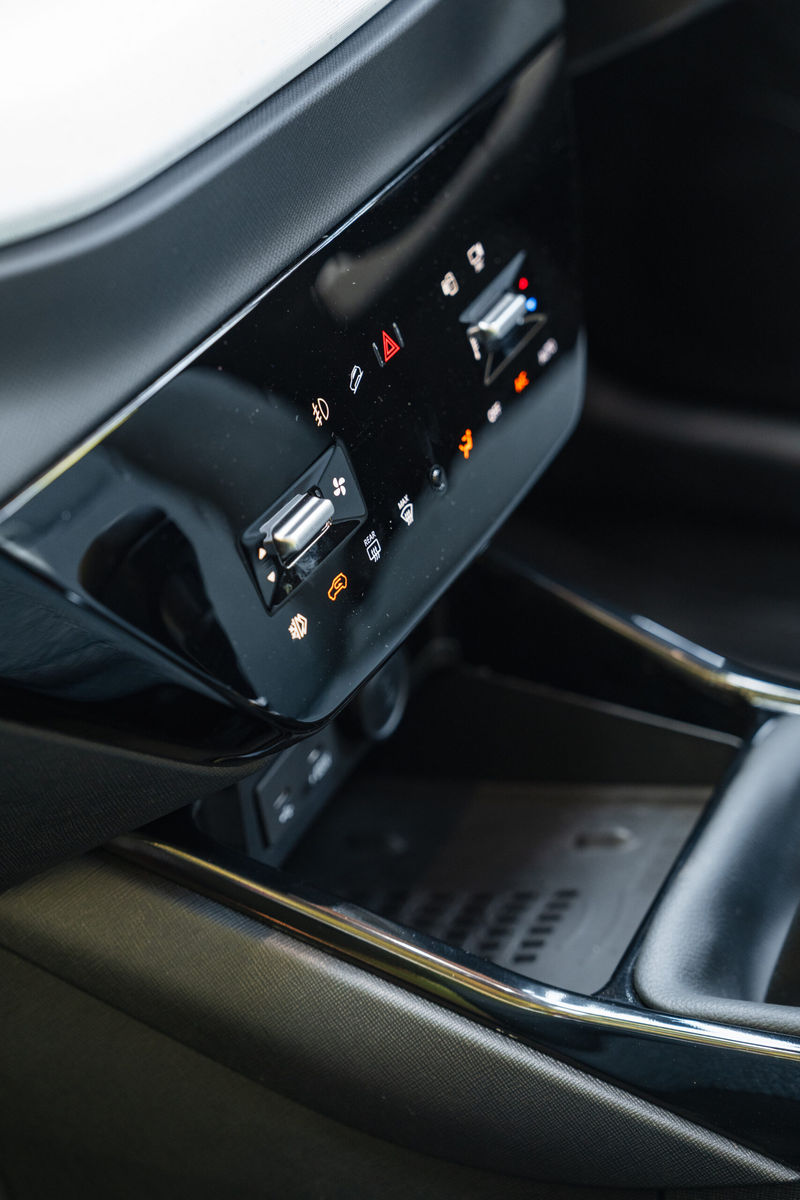
The flagship Accomplished+ S comes equipped with a 10.25-inch touchscreen infotainment system, a 7-inch digital instrument cluster, wireless Apple CarPlay and Android Auto connectivity, a wireless smartphone charger and automatic climate control.
There’s also a 360-degree camera system, keyless entry, automatic headlights, rain-sensing wipers and a voice-assisted sunroof. That’s an unusually comprehensive collection of convenience features for a vehicle costing less than R280 000.
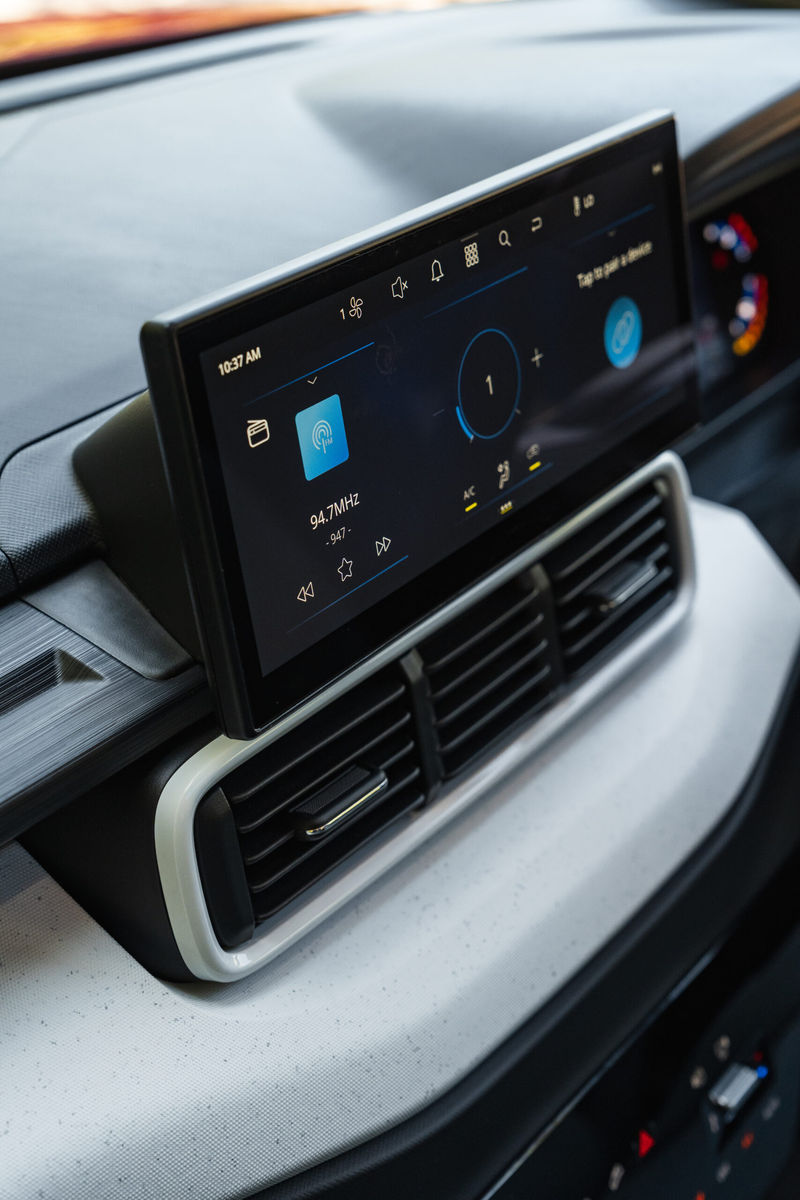
The infotainment system is a particular highlight, helping the Punch feel more contemporary than its price might suggest.
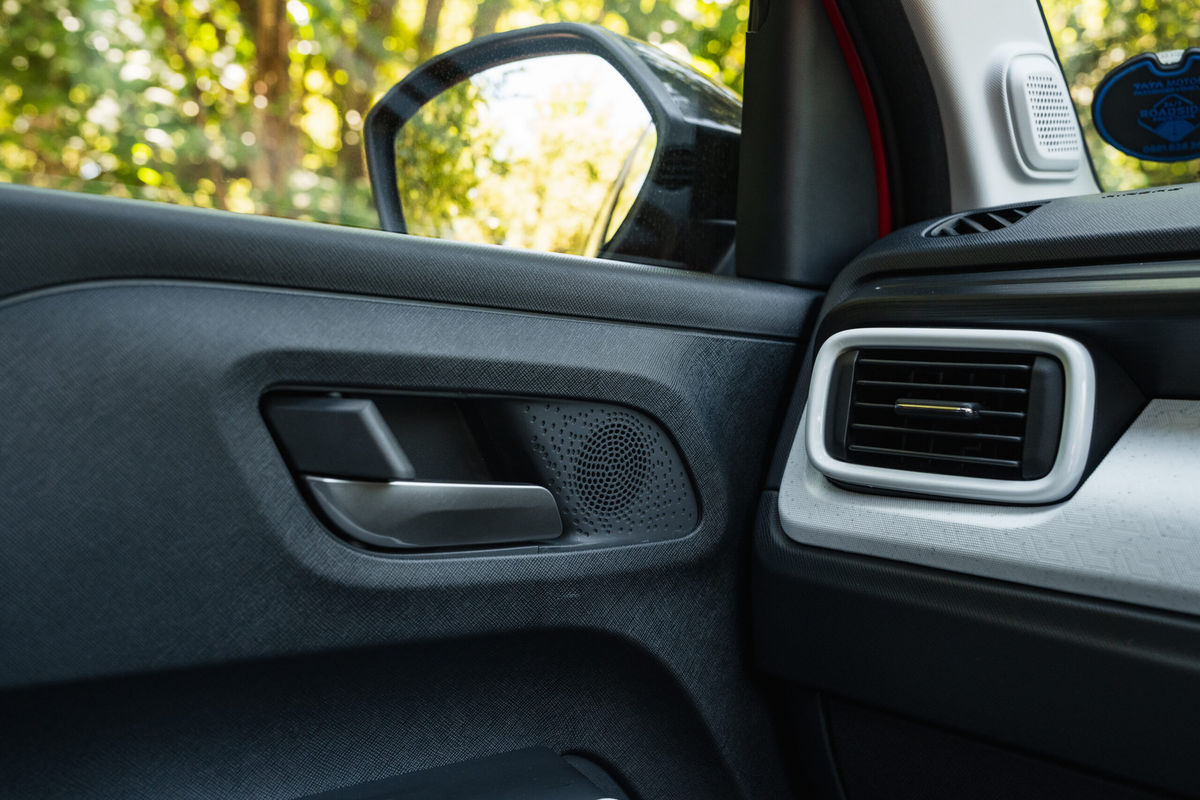
However, the cabin isn’t without compromises. Although the equipment list is generous, the overall impression of material quality and interior finish is less convincing. The Punch’s relatively basic construction and trim materials are reminders that it remains an entry-level offering.
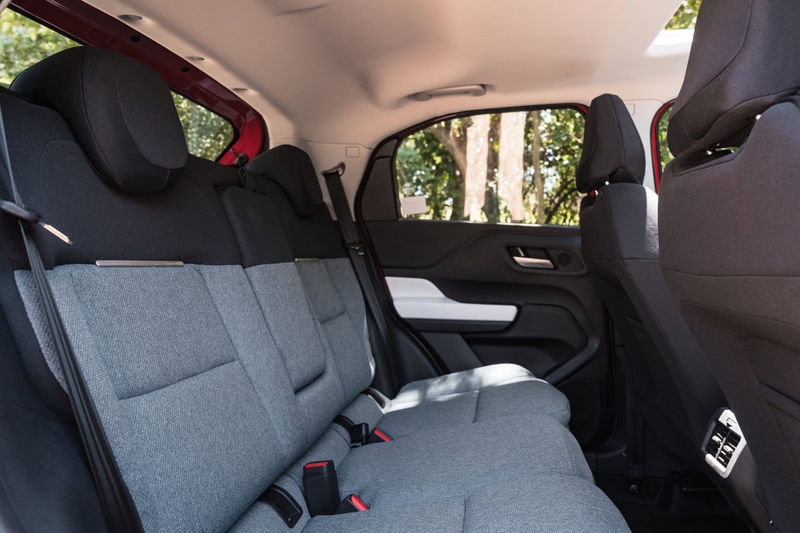
Practicality presents another challenge.
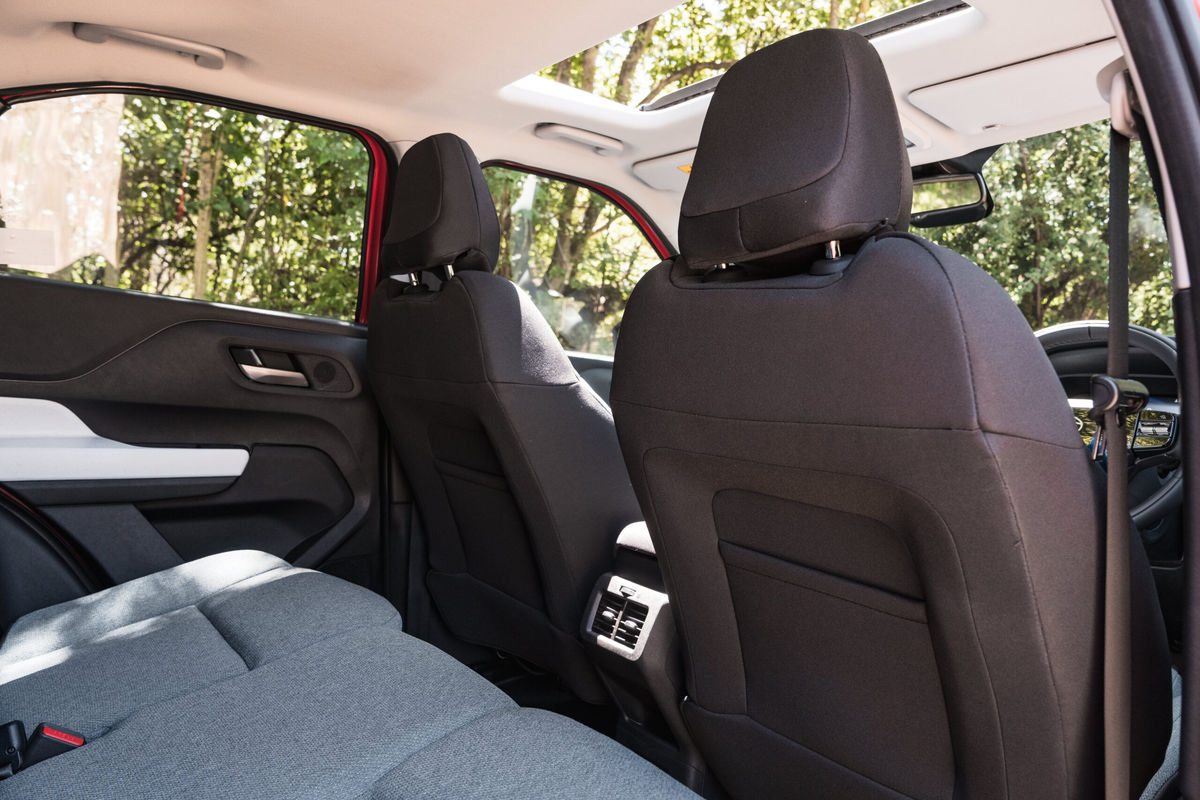
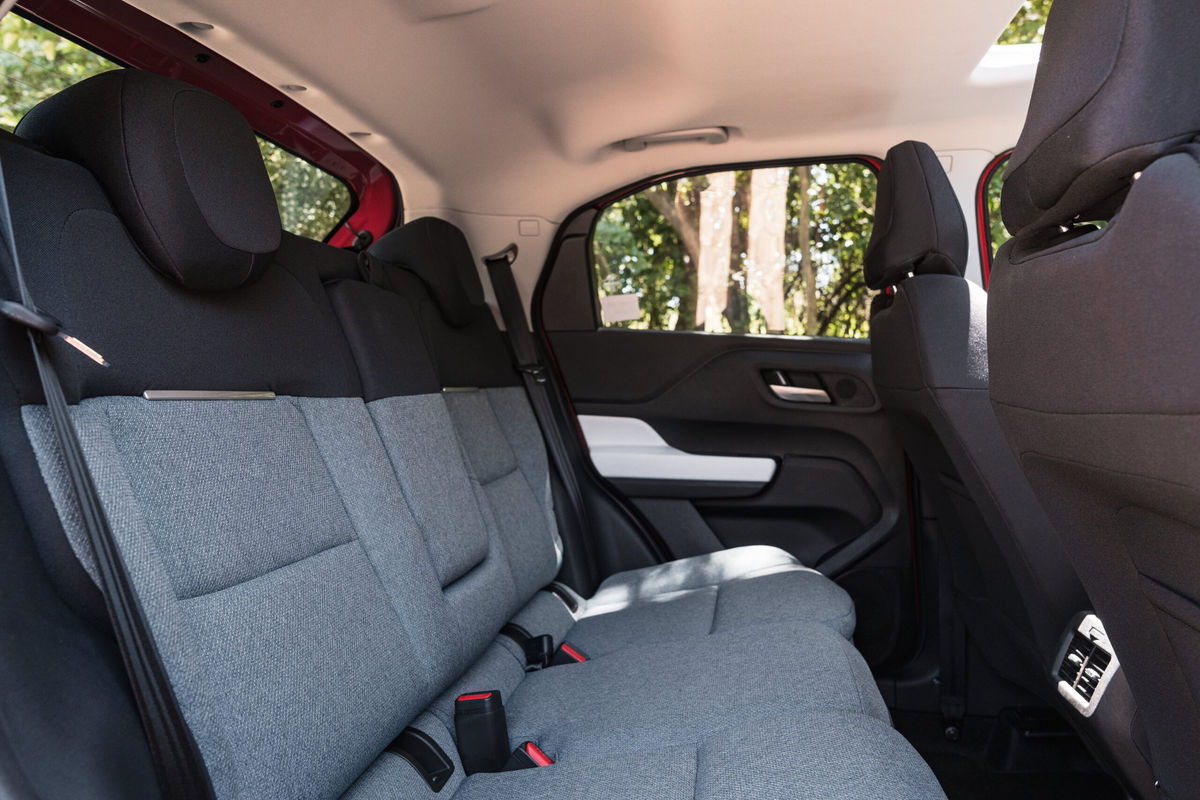
The compact dimensions make the Punch well suited to congested urban environments, but the luggage compartment is less accommodating than those of several rivals. Although Tata quotes a capacity of 366 litres, the boot’s usable space feels limited when loading bulkier items.
Buyers who regularly transport sports equipment, luggage or family holiday paraphernalia may find the available space restrictive. Alternatives such as the Renault Kiger, Nissan Magnite and Mahindra XUV 3XO are worth investigating if luggage capacity is a priority.
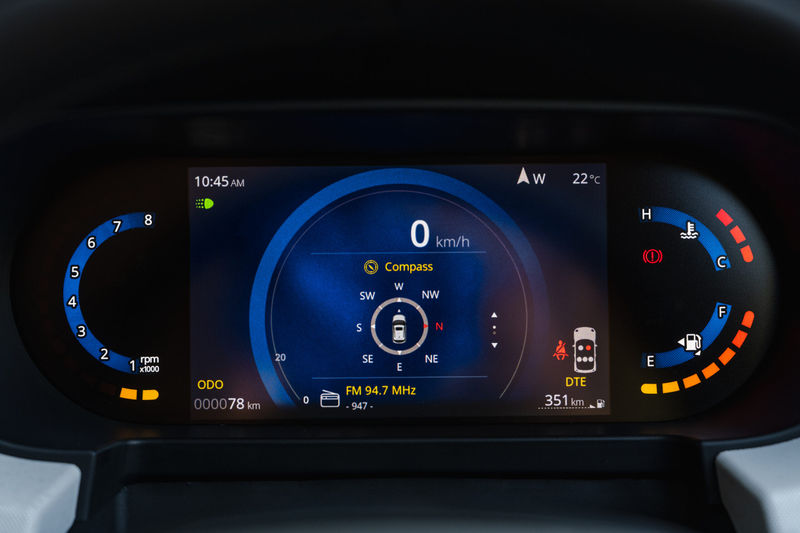
Nevertheless, the Punch‘s combination of modern technology, convenient dimensions and SUV-inspired packaging makes it an interesting proposition for budget-conscious buyers.
Performance & Efficiency
Arguably the most significant improvement to the updated Punch is the introduction of a 1.2-litre 3-cylinder turbopetrol engine.
Producing 88 kW and 170 Nm of torque, the powerplant offers a substantial increase over the naturally aspirated 1.2-litre engine fitted to the two lower-specification derivatives, which develops 65 kW and 115 Nm.
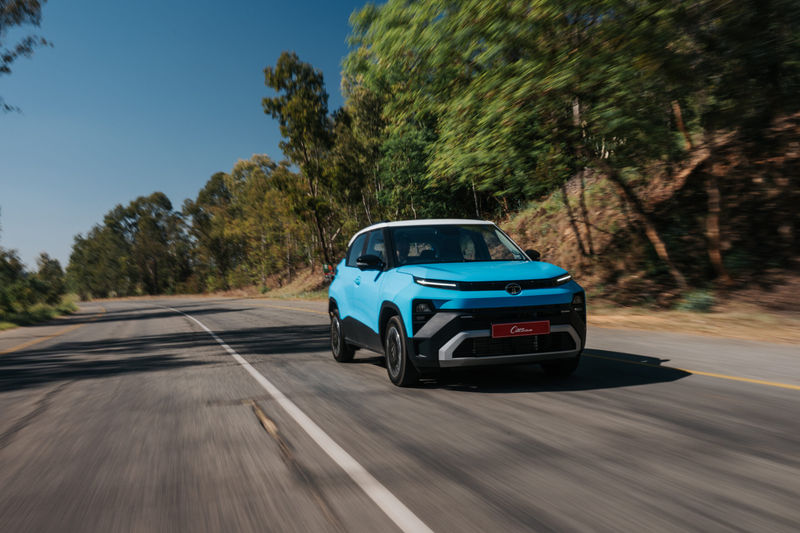
Power is directed to the front wheels through a six-speed manual gearbox. Interestingly, Tata has elected not to offer an automatic transmission in the revised South African range, which could discourage buyers who spend considerable time in stop-start traffic.
That said, the turbocharged Punch makes a convincing case for itself in terms of outright performance. Weighing approximately one tonne, the compact crossover feels surprisingly energetic. The combination of relatively low mass and generous turbocharged torque gives the Punch an eager character, particularly when accelerating through the lower gears.
In everyday driving, the engine delivers sufficient punch to make urban commuting feel effortless. It’s responsive, reasonably flexible and provides a level of performance that compares favourably with many similarly priced naturally aspirated alternatives.
The turbocharger should also prove advantageous for motorists living in Gauteng, where the thinner air can noticeably affect the performance of naturally aspirated engines.
However, refinement is another matter. Although the engine feels enthusiastic at lower speeds, its three-cylinder configuration becomes increasingly apparent as speeds rise. On the open road, engine noise and vibration become intrusive, detracting from what is otherwise a relatively agreeable driving experience.
This lack of mechanical refinement is arguably one of the Punch‘s most significant weaknesses, particularly for buyers who regularly undertake longer journeys.
Fuel efficiency is another area in which the Tata disappoints. During our test period, which consisted predominantly of urban driving in congested conditions, the onboard computer indicated an average consumption of approximately 10.5 km/L, equivalent to 9.5 L/100 km.
That’s considerably higher than the manufacturer’s claimed 6.1 L/100 km and a rather thirsty result for a lightweight, 1.2-litre compact crossover.
Admittedly, frequent stop-start driving isn’t conducive to good fuel economy, and extended open-road use could produce a more favourable result. Nevertheless, buyers seeking exceptionally low fuel bills may find the Punch less economical than anticipated.
The engine’s enthusiastic performance is certainly welcome, but its relatively high fuel consumption and noticeable vibration highlight the compromises associated with the powertrain.
Ride, Handling & Comfort
The Punch‘s suspension setup is well suited to its intended role as an affordable urban runabout.
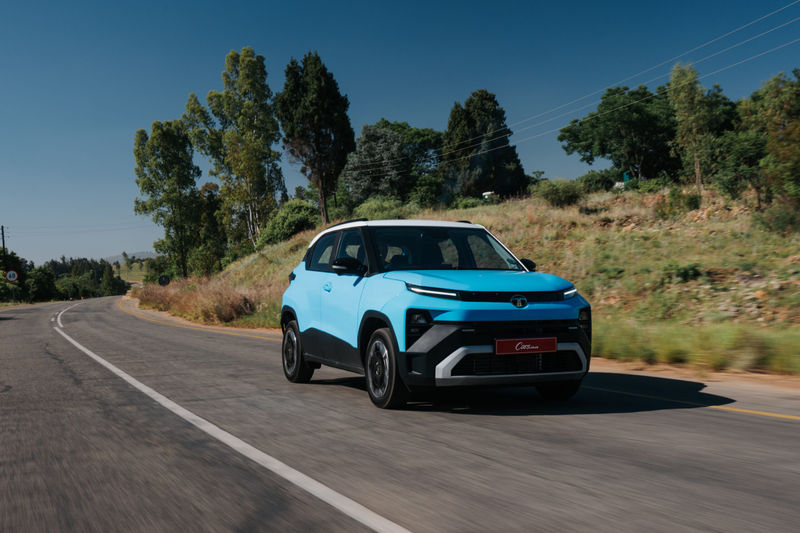
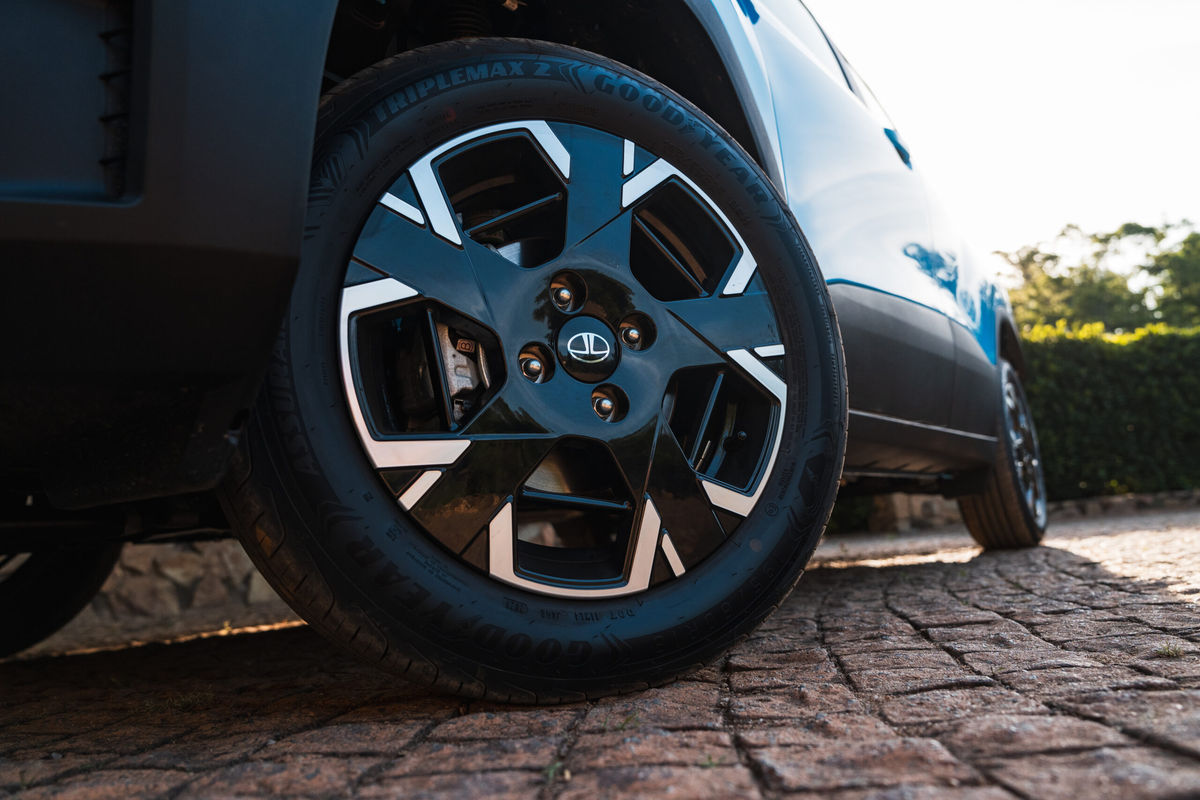
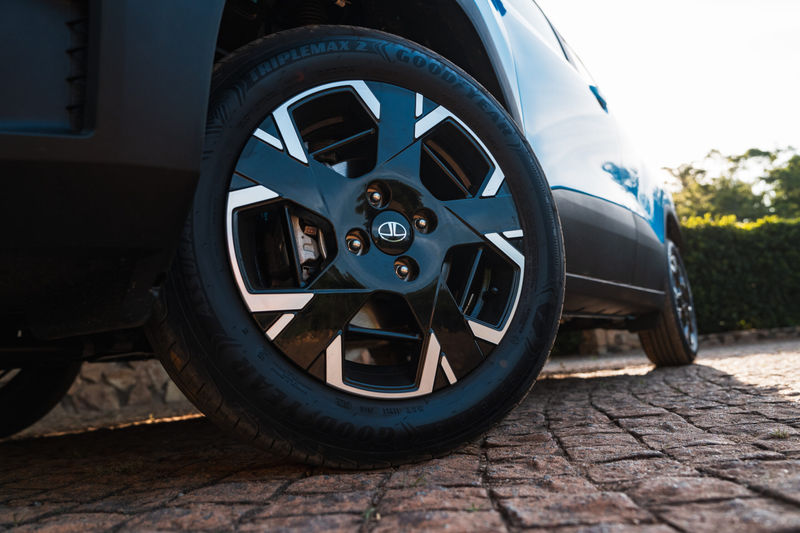
During our test, the crossover delivered a comfortable ride on relatively smooth roads, with its modestly sized wheels and generously proportioned tyres helping to absorb surface imperfections. Although we didn’t subject the Punch to particularly demanding road conditions, the suspension demonstrated a pleasing degree of compliance over the minor bumps and irregularities encountered.
Steering response is similarly agreeable. The electrically assisted steering provides sufficiently direct responses for everyday driving, while the Punch‘s compact dimensions make it easy to manoeuvre through traffic and negotiate confined parking areas.
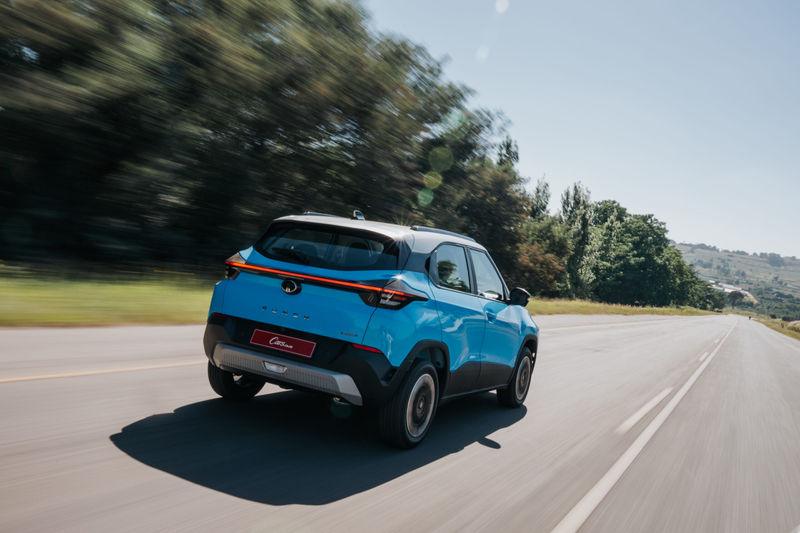
It’s not a particularly sporty vehicle, nor does it pretend to be. Instead, the emphasis is on delivering predictable, accessible handling that should appeal to motorists seeking uncomplicated daily transport.
With 193 mm of ground clearance, the Punch also offers a useful advantage over conventional hatchbacks when negotiating speed humps, uneven driveways and occasional gravel roads.
However, the Tata’s strongest attribute may be its safety specification.
All 3 derivatives come equipped with six airbags, electronic stability control, anti-lock brakes and other important active and passive safety features. The flagship additionally benefits from hill-descent control and a comprehensive camera system.
The Punch has also achieved a five-star adult-occupant safety rating in Global NCAP testing, although buyers should bear in mind that crash-test ratings relate to specific tested configurations and assessment protocols.
What’s particularly encouraging is that Tata hasn’t concentrated exclusively on convenience features at the expense of safety.
The combination of a crashworthy structure, multiple airbags and electronic driver aids demonstrates that meaningful safety equipment needn’t be reserved for substantially more expensive vehicles.
Indeed, the Punch‘s comprehensive safety specification is a compelling selling point in a segment where affordability sometimes comes with significant compromises.
Price & After-sales support
All Punch derivatives are backed by a five-year/125 000 km vehicle warranty and a two-year/30 000 km service plan.
Read more: Tata Punch (2026) Price & Specs
| Derivative | Price |
|---|---|
| Tata Punch 1.2 Pure+ Manual | R224 900 |
| Tata Punch 1.2 Adventure Manual | R244 900 |
| Tata Punch 1.2T Accomplished+ S Manual | R269 900 |
Verdict
The updated Tata Punch Turbo brings a refreshing combination of performance, technology and affordability to South Africa’s entry-level crossover segment.
Its lively turbopetrol engine is a welcome addition, particularly for high-altitude driving, while the extensive standard equipment and comprehensive safety specification demonstrate just how much technology manufacturers can offer at this price point.
However, the Punch isn’t without its shortcomings. The engine’s lack of refinement at higher speeds, disappointing real-world fuel consumption, modest luggage capacity and relatively basic cabin finish all deserve consideration.
Ultimately, choosing an affordable crossover is about deciding which compromises you’re prepared to accept.
Is the Punch‘s combination of strong performance, impressive safety credentials and generous equipment enough to offset its weaknesses, or would buyers be better served by one of its established rivals?
Watch our video review to discover whether the Tata Punch Turbo has what it takes to stand out in this fiercely competitive segment.
Frequently Asked Questions (FAQ)
Q: What engine and transmission are featured in the flagship Tata Punch 1.2T Accomplished+ S?
A: The flagship derivative is powered by a 1.2-litre 3-cylinder turbopetrol engine producing 88 kW and 170 Nm of torque, sending power to the front wheels via a 6-speed manual gearbox. No automatic transmission is offered in the revised South African range.
Q: What safety features and rating does the updated Tata Punch have?
A: All three derivatives come equipped with six airbags, electronic stability control, and anti-lock brakes, while the flagship adds hill-descent control and a 360-degree camera system. The Punch also holds a five-star adult-occupant safety rating in Global NCAP testing.
Q: How much does the Tata Punch 1.2T Accomplished+ S cost in South Africa, and what after-sales plan is included?
A: The flagship Accomplished+ S is priced at R269 900, with the broader range starting from R224 900 (pricing correct as of November 2026). All models include a 5-year/125 000 km vehicle warranty and a 2-year/30 000 km service plan.
Cars.co.za

Providing you with the latest motoring news, new car releases and the simplest way to buy and sell cars.