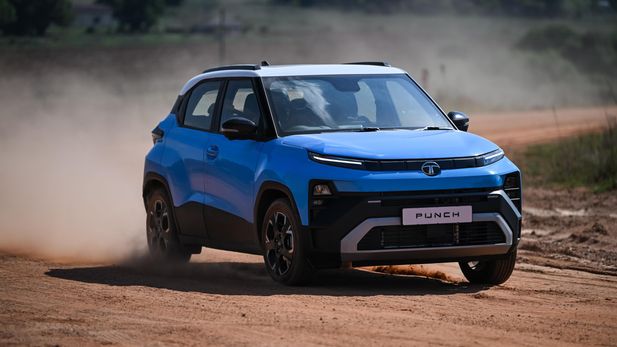
The Tata Punch 1.2 turbo brings more muscle to the Indian brand’s budget crossover range. But who needs the extra performance? And why does a little FWD SUV have hill descent control?
Tata returned to South Africa’s passenger-car market in September 2025, with the Punch subcompact crossover among its launch models. We reviewed the original Punch earlier this year.
Just over a year after that return, Tata has updated the Punch. The styling is fresher, but the more interesting changes are under the skin.
Indian-built cars are big business in South Africa. And you might be surprised by how much of our imported-car market comes from India. It is not just about Indian brands such as Tata and Mahindra: global manufacturers also build affordable cars there for export. The Punch arrives from a country already deeply woven into our budget-car market.
So, with some meaningful technical upgrades, how does the latest version of the Punch stack up for South African buyers?
What’s changed on the Tata Punch?

The Punch is not simply a Tiago hatchback dressed for an adventure. It uses Tata’s ALFA architecture, shared with the Altroz. Its compact footprint and raised stance are part of the appeal: hatchback-sized convenience, with a little more room beneath the underbody.
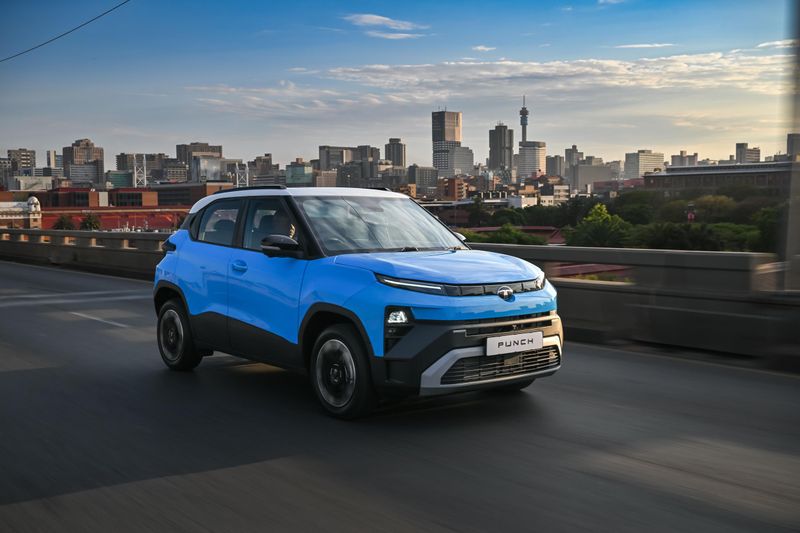
The update brings revised styling, more equipment and a turbocharged engine option. Ground clearance is now quoted at 193 mm, while the flagship adds hill descent control. That last feature is an unusual talking point for a budget crossover.
Wide doors, less school-run gymnastics
The Punch’s practicality starts before you even sit down. Getting people in and out is one of those everyday jobs that deserves more attention in car design.
Its doors open to 90 degrees, giving passengers a wide aperture to work with. That can make life easier when helping a child into a car seat or accommodating someone who finds a narrow doorway awkward.
For South African families juggling school runs and sports-club lifts, that easy access is useful. Just remember that a door needs room to swing: a tight parking bay can cancel out the benefit. And on a windy Cape Town day, keep a firm hand on it.
Search for a Tata Punch on Cars.co.za
A turbo that makes sense on the Highveld
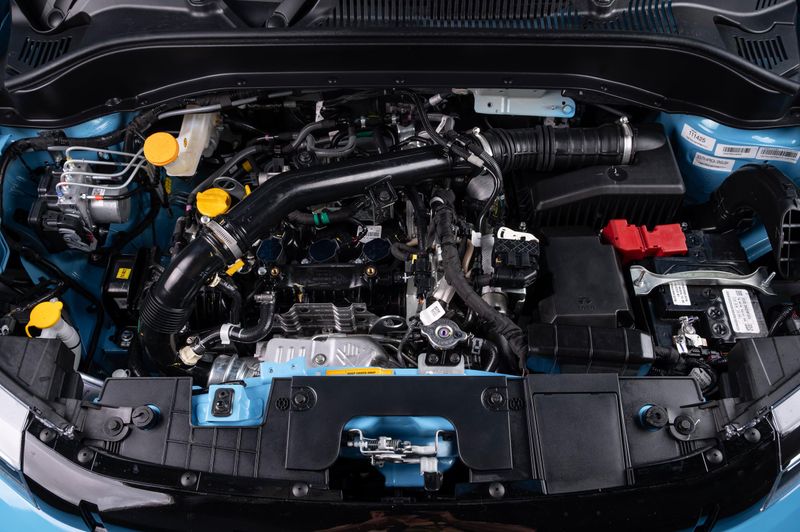
A weakness of the original Punch was the absence of a turbocharged engine. For buyers in Gauteng and other high-lying regions, altitude-related performance losses matter, even at the budget end of the market. Forced induction helps offset the effects of thinner air.
The biggest mechanical news is the addition of a turbocharged 1.2-litre three-cylinder petrol engine. It gives the Punch a more persuasive answer to buyers who want a compact crossover without having to work quite so hard for its performance.
The naturally aspirated 1.2-litre triple remains available, producing 65 kW and 115 Nm. It may be enough for buyers whose driving is mostly coastal and urban. The turbo petrol lifts those outputs to 88 kW and 170 Nm, making it the more appealing option for heavier loads and regular highway trips.
That is about 35% more peak power, with extra torque to match. It should give the Punch more breathing room for overtaking and highway driving, particularly at altitude. Think Gauteng, the higher parts of North West and Limpopo, the eastern Free State, the Mpumalanga escarpment, and the mountain regions of the Eastern Cape and KwaZulu-Natal.
Six gears, but no fuel-saving guarantee
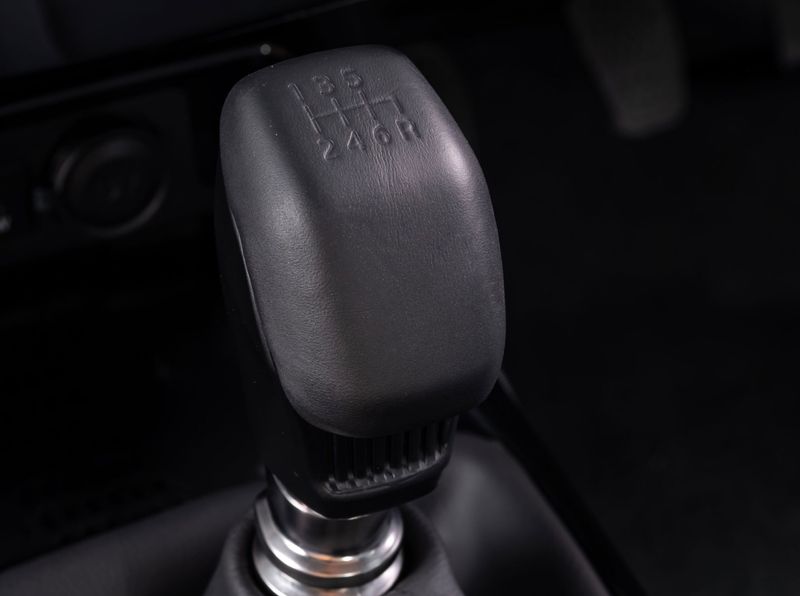
The turbo petrol brings another mechanical change: a six-speed manual gearbox, rather than the five-speed manual used by the naturally aspirated models. An extra ratio gives the driver more scope to keep the engine in a useful part of its rev range, and Indian road tests report relaxed cruising in sixth.
But an extra gear does not automatically mean lower fuel consumption. Tata’s quoted combined figures for the updated South African range are 5.5 L/100 km for the naturally aspirated engine and 6.1 L/100 km for the turbo. The extra performance is the attraction here, not a promise of cheaper fuel bills.
The petrol Punch retains front disc brakes and rear drums. Electronic stability control is also part of the updated range’s standard safety equipment. The more unusual braking-related feature, though, is the flagship’s hill descent control.
Ground clearance for a gravel-road detour
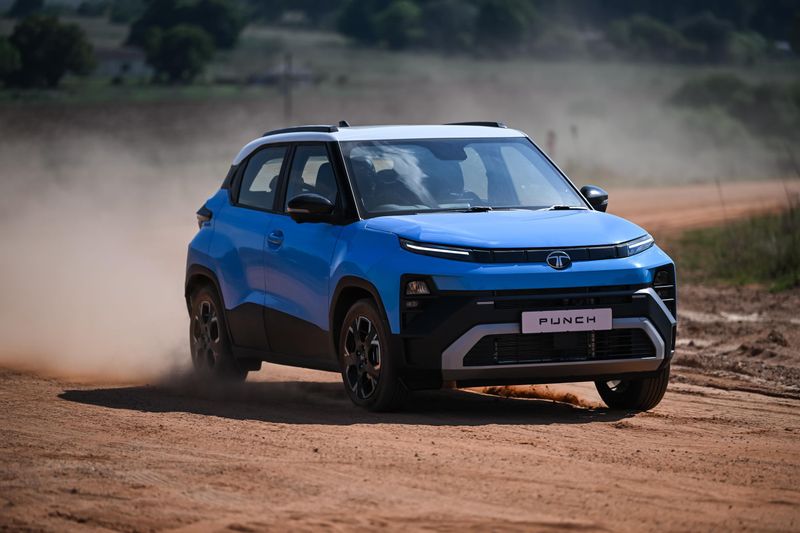
India’s varied road conditions help explain the appeal of a small crossover with useful ground clearance. South African buyers can appreciate the same idea. But stories of mountain adventures in Sani Pass and Lesotho are a reminder to match the vehicle to the route, not assume that every high-riding car belongs there.
Tata quotes 193 mm of ground clearance for the updated Punch. That gives it useful room beneath the underbody for uneven roads and shallower ruts. It does not make it immune to a rock strike, and the front-wheel-drive layout still sets limits on where it should go.
There is an urban benefit, too. A little more clearance is welcome around awkward driveway entrances and uneven school-sports-day parking areas. Just do not confuse the brochure measurement with a guarantee that the bumper will clear every obstacle.
Search for a Tata Punch on Cars.co.za
Hill descent control: an unexpected extra
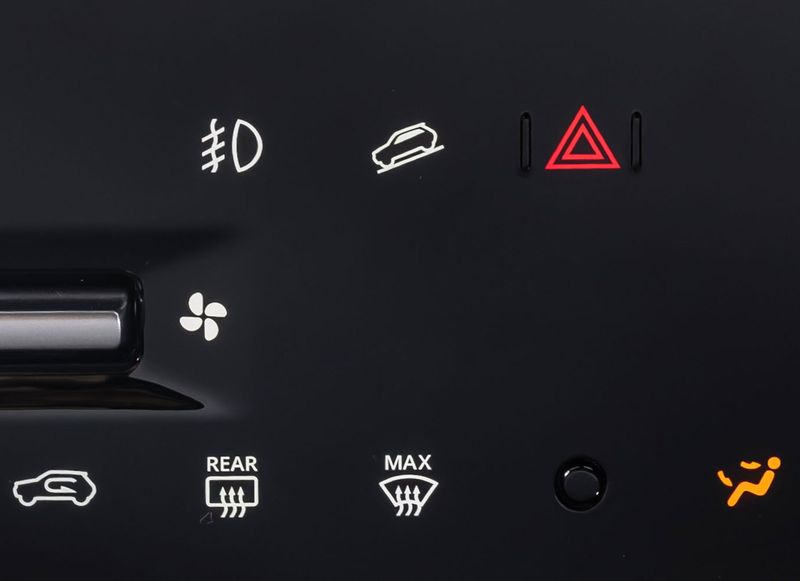
Perhaps the most interesting addition to the range-topping Punch is hill descent control. The principle is straightforward: electronic brake control helps regulate the car’s speed on a descent, leaving the driver more attention for steering. It is a downhill speed-management aid, not a substitute for the correct gear or clutch use. Owners should follow the Punch’s manual for its operating conditions.
It is a feature more readily associated with larger SUVs, all-terrain 4x4s and double-cab bakkies. Its inclusion on the Punch is a useful reminder that assistance on a steep descent need not be reserved for expensive vehicles. Nor does having the button turn a compact crossover into a 4×4.
More useful than the badge suggests
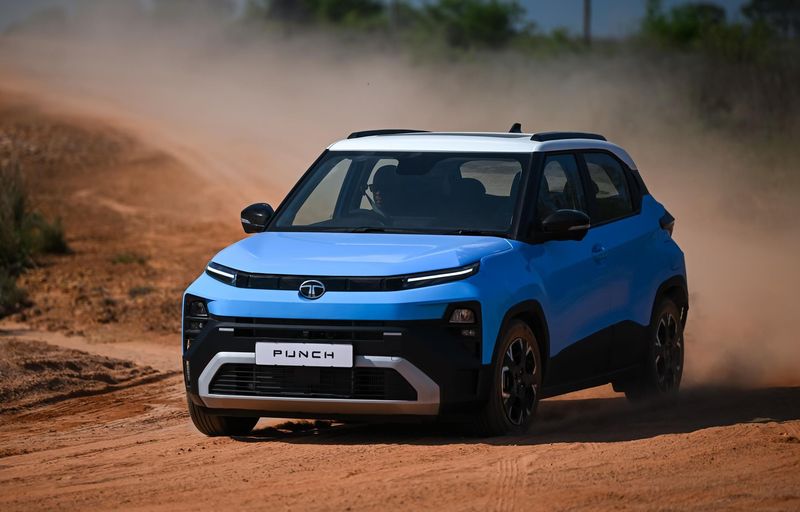
So why give a little Punch hill descent control? Think less hardcore off-road expedition, more the steep gravel access road between you and a weekend away. That is the sort of situation in which help managing speed could be welcome.
Picture a lodge approach where tar or concrete gives way to loose gravel just as the road turns downhill. It is an everyday-holiday scenario rather than an expedition, and a useful illustration of why a budget crossover might offer this feature.
The benefit is a lighter workload: the system assists with braking while you concentrate on the route ahead. But it cannot create grip where there is none, repair a washed-out surface or make an unsuitable descent safe. Load, tyres and road conditions still matter.
For buyers who mostly commute, ferry the family around and occasionally take a gravel road to a mountain getaway, the turbo Punch’s appeal is easy to understand. More power answers an everyday need; hill descent control adds a little reassurance for the less everyday bit. Handy? Yes. A licence to tackle every track in the Malutis, Lesotho or the Drakensberg? Certainly not.
Lance Branquinho

Lance Branquinho is a Namibian-born writer and photographer who has won numerous motoring journalism awards. He once smuggled parts to South America, in a minor contribution to help Giniel de Villiers finish on the podium at the Dakar. He fears for the eventual collapse of the air-cooled Porsche 911 market – and keenly awaits, in vain, the return of the brand's 928.