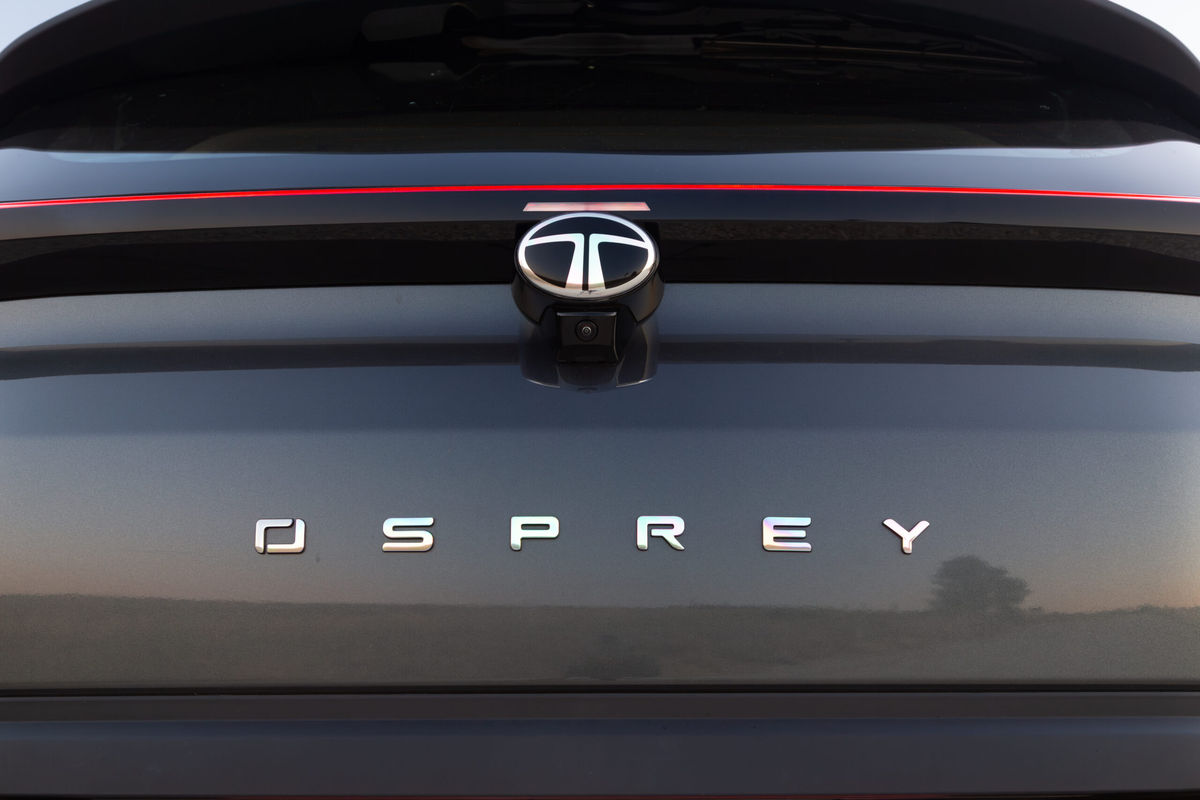
The Tata Osprey has arrived in Mzansi with a punchy turbocharged engine, impressive safety credentials and a surprisingly upmarket driving experience. With prices starting below R250 000, the newcomer appears to offer plenty of value, but can it outshine established rivals such as the Suzuki Fronx and Renault Kiger?
We like: Osprey offers excellent ride comfort; responsive turbopetrol engine; impressive cabin quality; comprehensive safety equipment; generous luggage space; competitive pricing.
We don’t like: Sluggish dual-clutch transmission responses; disappointing urban fuel consumption; limited steering wheel adjustment; awkwardly positioned charging ports; no front cupholders.
FAST FACTS
- Model: Tata Osprey 1.2T Creative+ PS
- Price: R329 900
- Engine: 1.2-litre 3-cylinder turbopetrol
- Transmission: 7-speed dual-clutch automatic
- Power/Torque: 88 kW/170 Nm
- 0-100 kph: Not tested
- Fuel consumption: 6.30 L/100 km (claimed)/8.50 L/100 km (tested)
- Luggage capacity: 382 litres
Where does the Tata Osprey fit in?
South African buyers shopping for an affordable compact crossover are certainly spoilt for choice. With the Suzuki Fronx, Renault Kiger, Nissan Magnite and Kia Sonet competing for attention, any newcomer hoping to make an impression needs to offer something special.
Enter the Tata Osprey.
Known as the Nexon in its home market of India, the Osprey has been introduced to South Africa with a unique name and a particularly aggressive pricing strategy. The range starts at R249 900, making it one of the most affordable turbocharged vehicles on the local market.
But Tata is offering more than simply a low purchase price.
The Osprey combines a 1.2-litre turbopetrol engine with generous standard equipment, an unusually comprehensive safety specification and the option of a 7-speed dual-clutch automatic transmission.
Its positioning is particularly interesting when compared with the Fronx and Kiger. While the Suzuki relies on a naturally aspirated petrol engine, the Tata and turbocharged Kiger derivatives benefit from forced induction, which can make a noticeable difference to performance at higher altitudes.
The Osprey also offers considerably more torque than the Fronx, while its flagship derivative costs substantially less than some similarly equipped rivals.
However, the affordable crossover segment isn’t simply about getting the most features for the least money. Ride comfort, refinement, fuel efficiency and practicality are equally important, particularly for buyers intending to use their vehicles as everyday family transport.
Can the Tata Osprey deliver a sufficiently convincing all-round package to challenge the established favourites?
See how the Osprey compares to the Fronx and Kiger using our handy comparison tool
How the Tata Osprey fares in terms of…
Design & Packaging
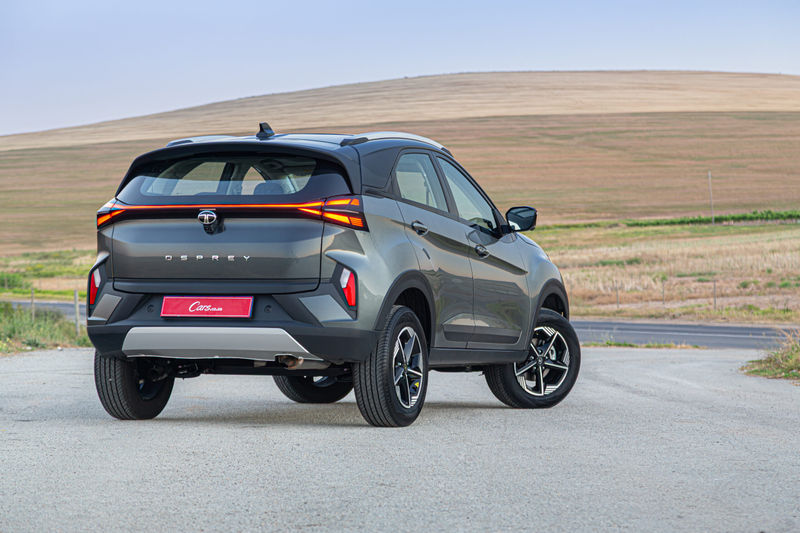
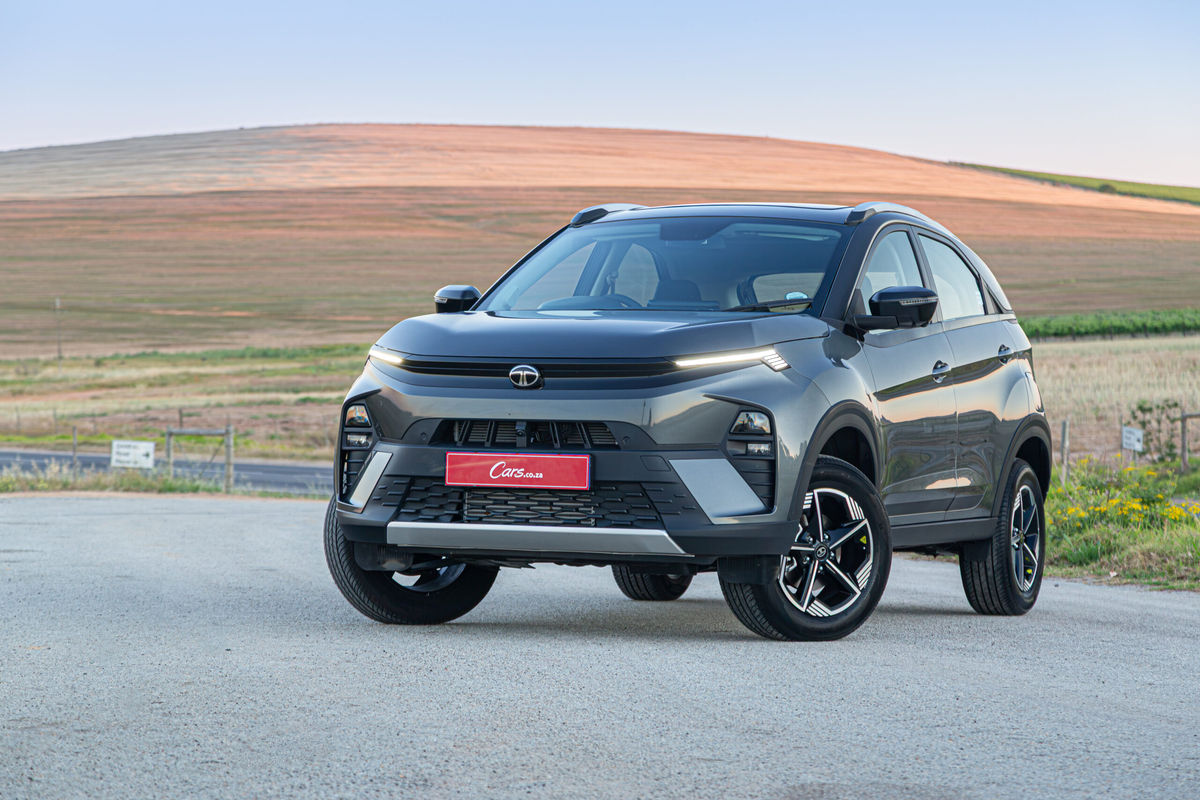
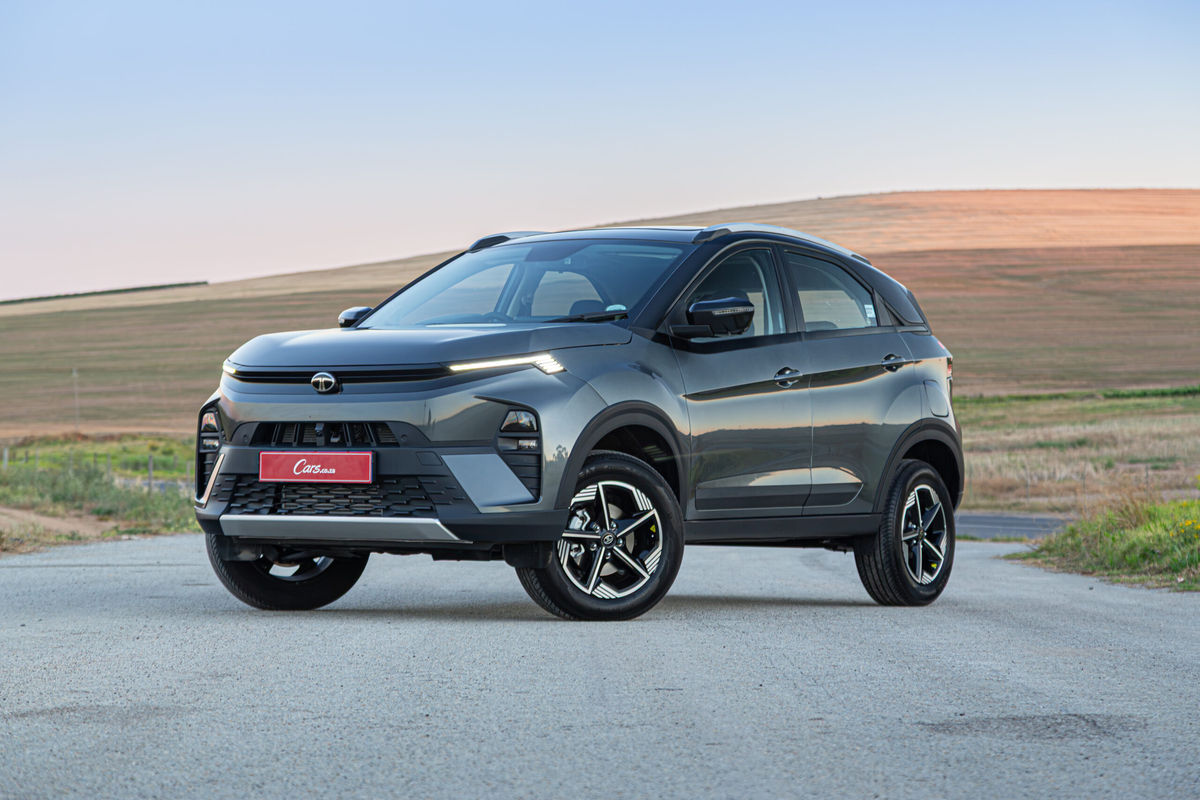
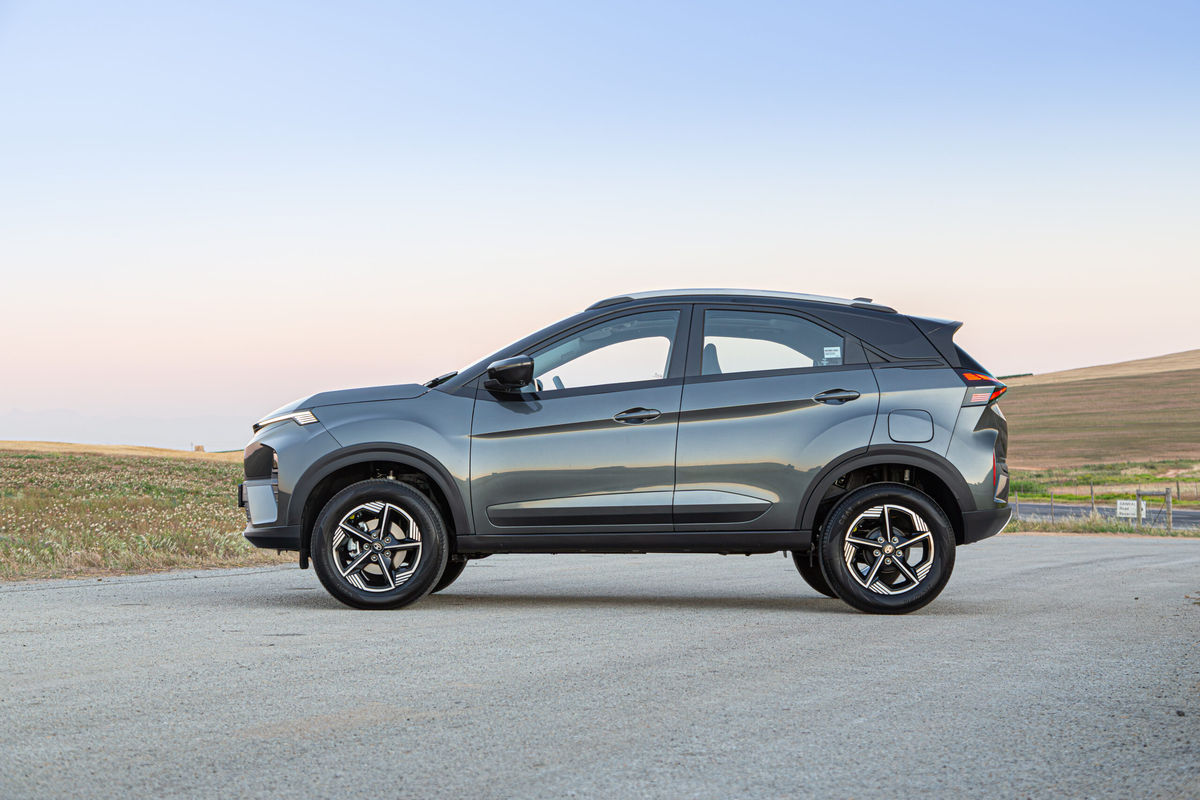
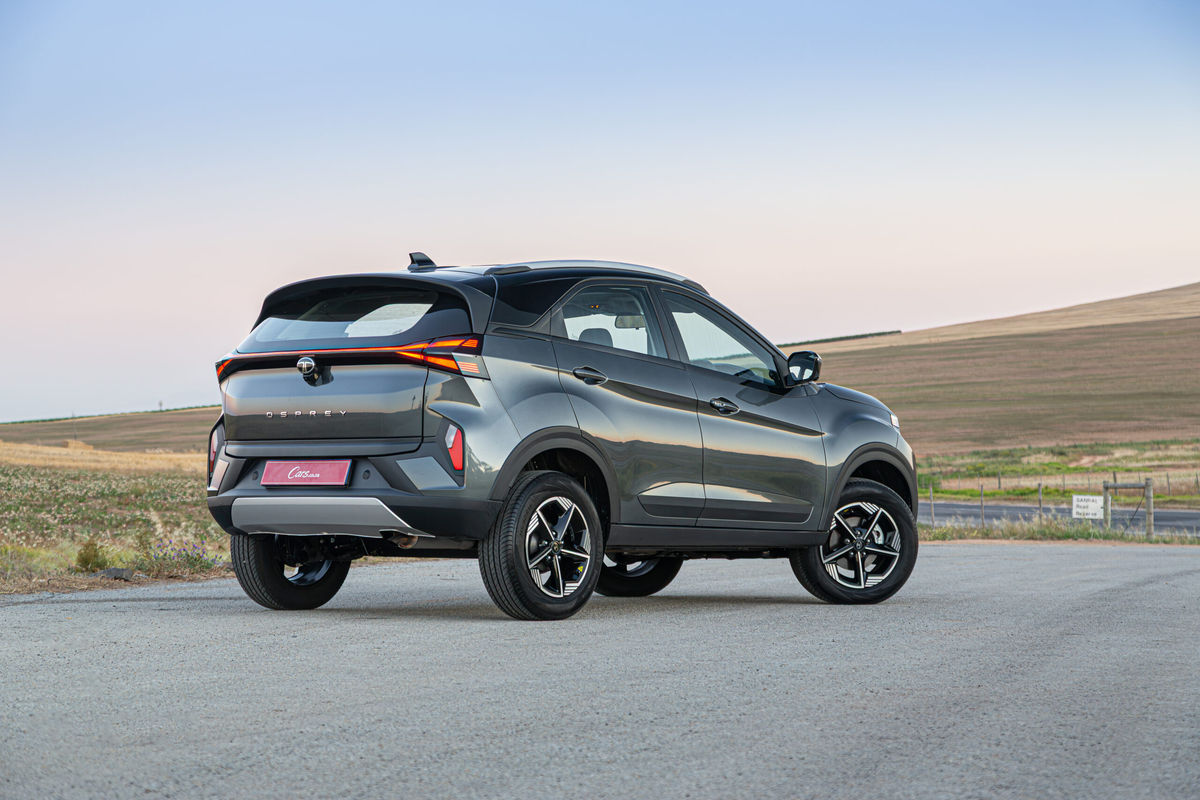
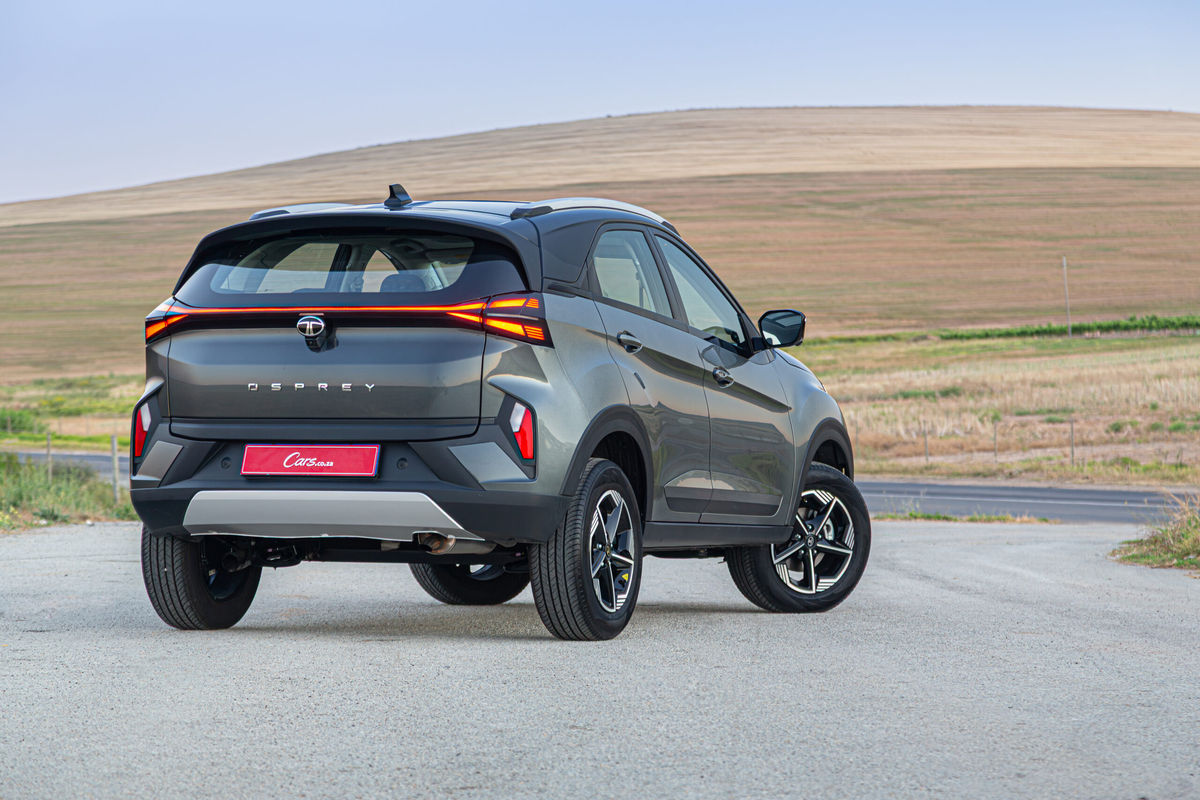
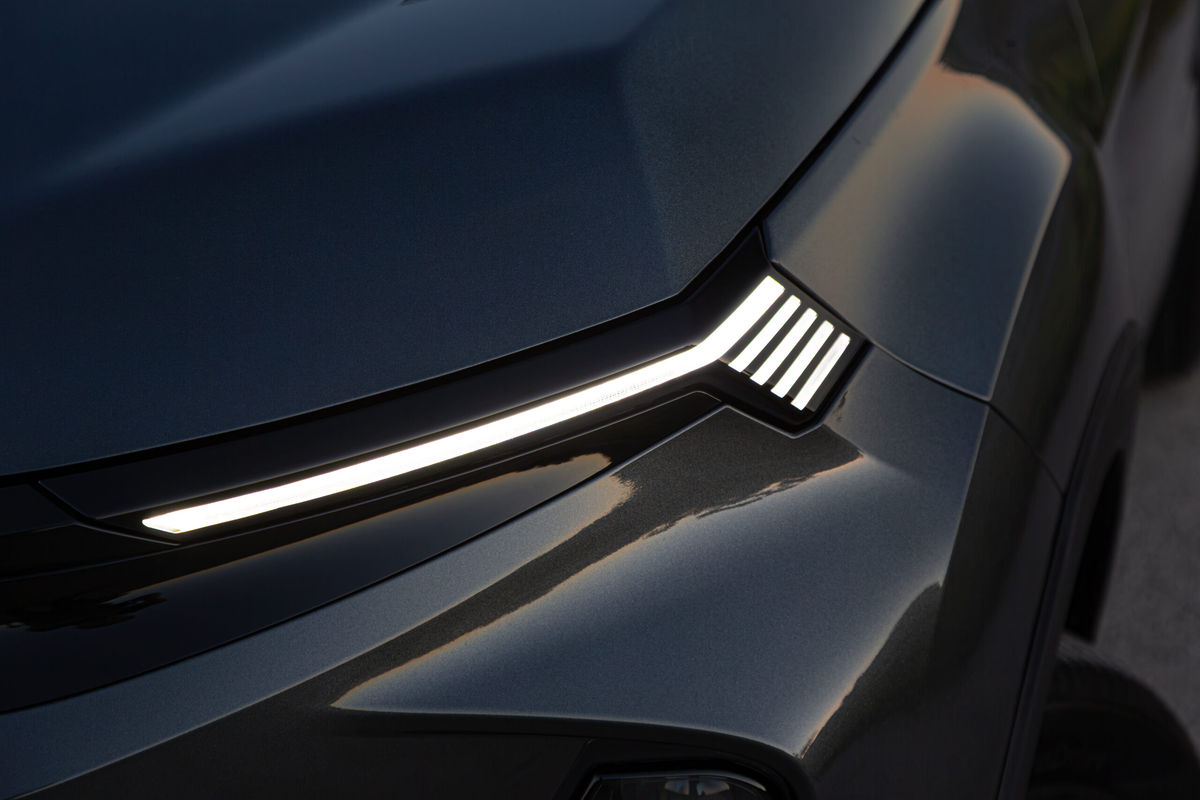
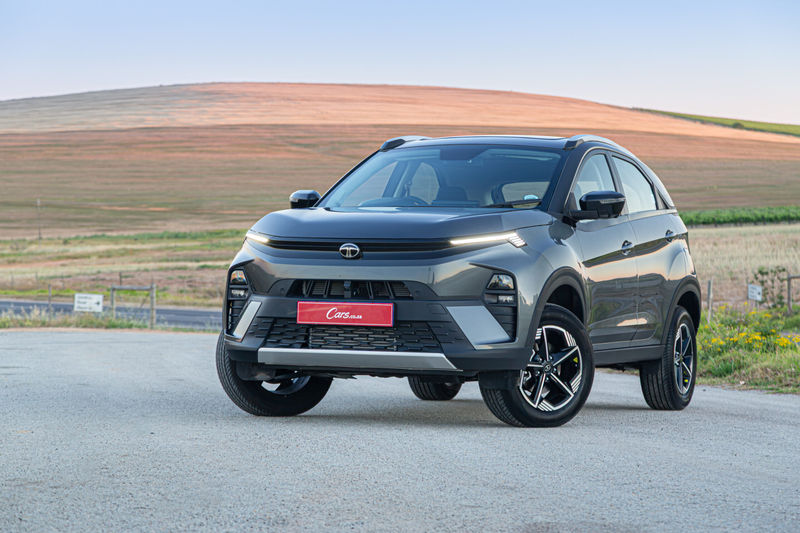
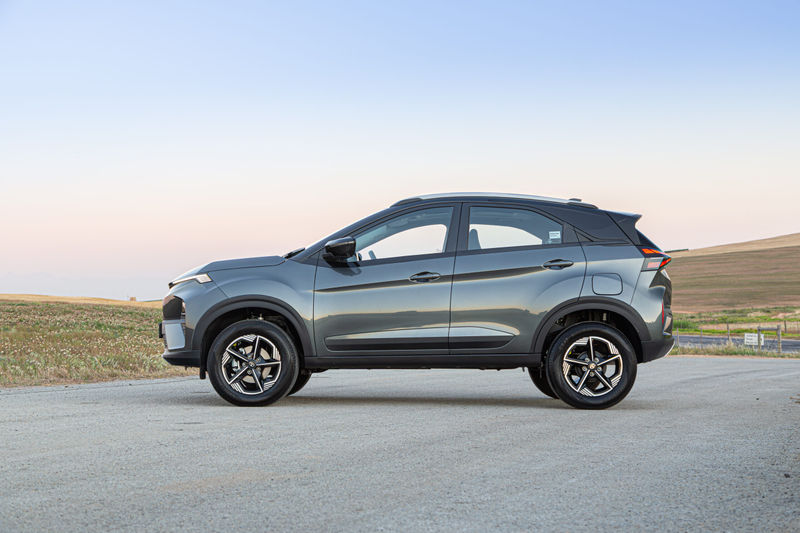
The Osprey adopts a contemporary crossover design, with relatively upright proportions, a raised ride height and styling details that give it a more substantial appearance than its compact dimensions suggest.
Measuring just under four metres in length, the Tata is well suited to urban environments, but its packaging makes surprisingly effective use of the available space.
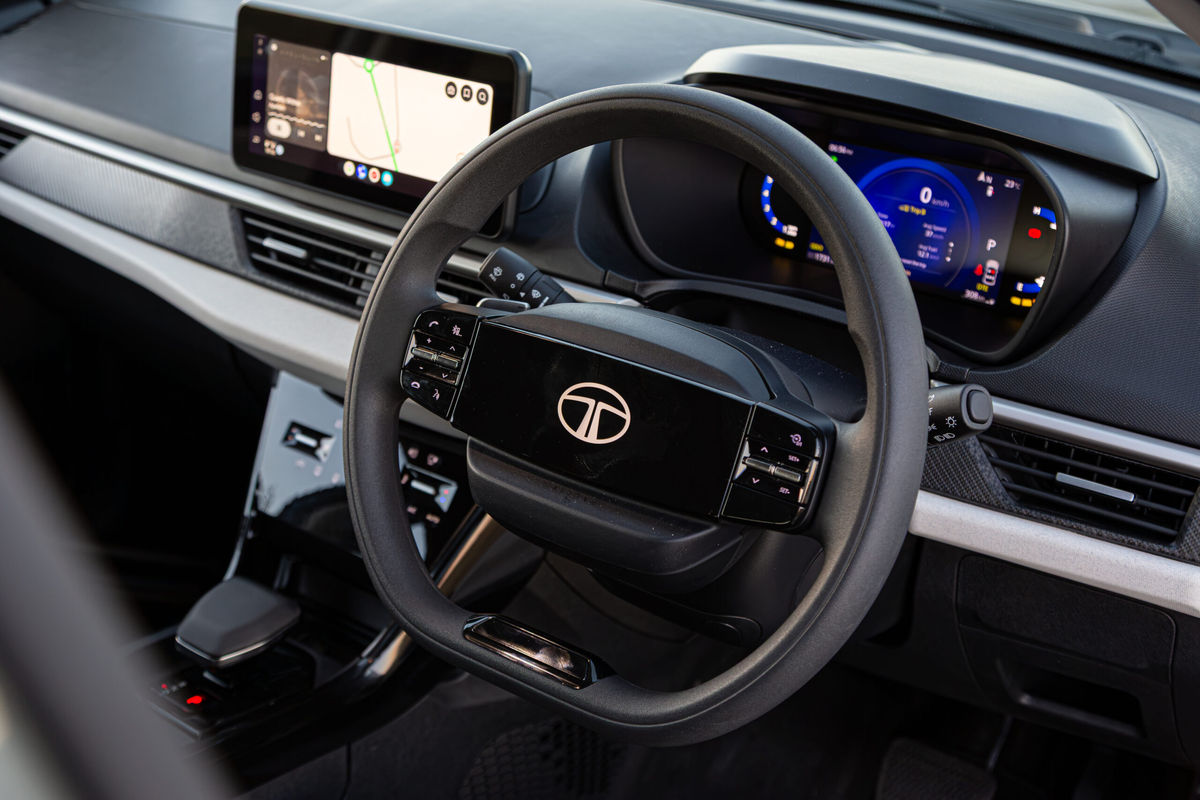
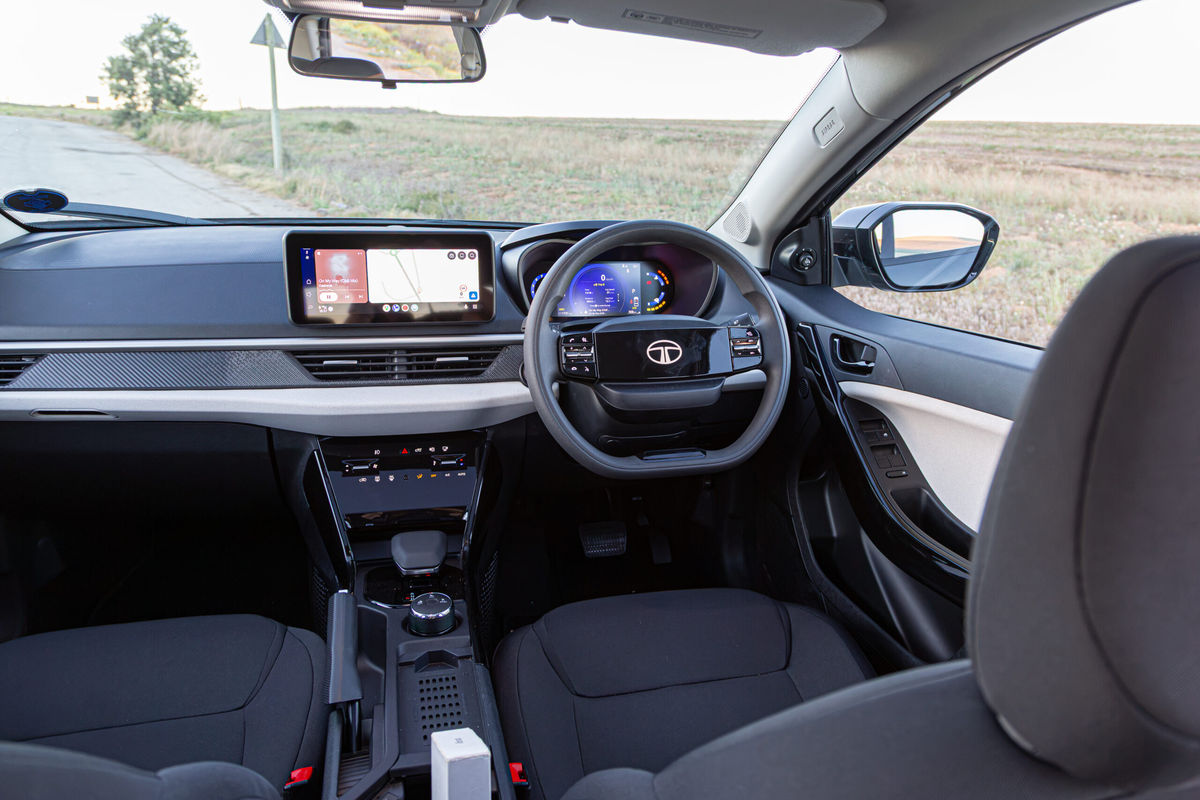
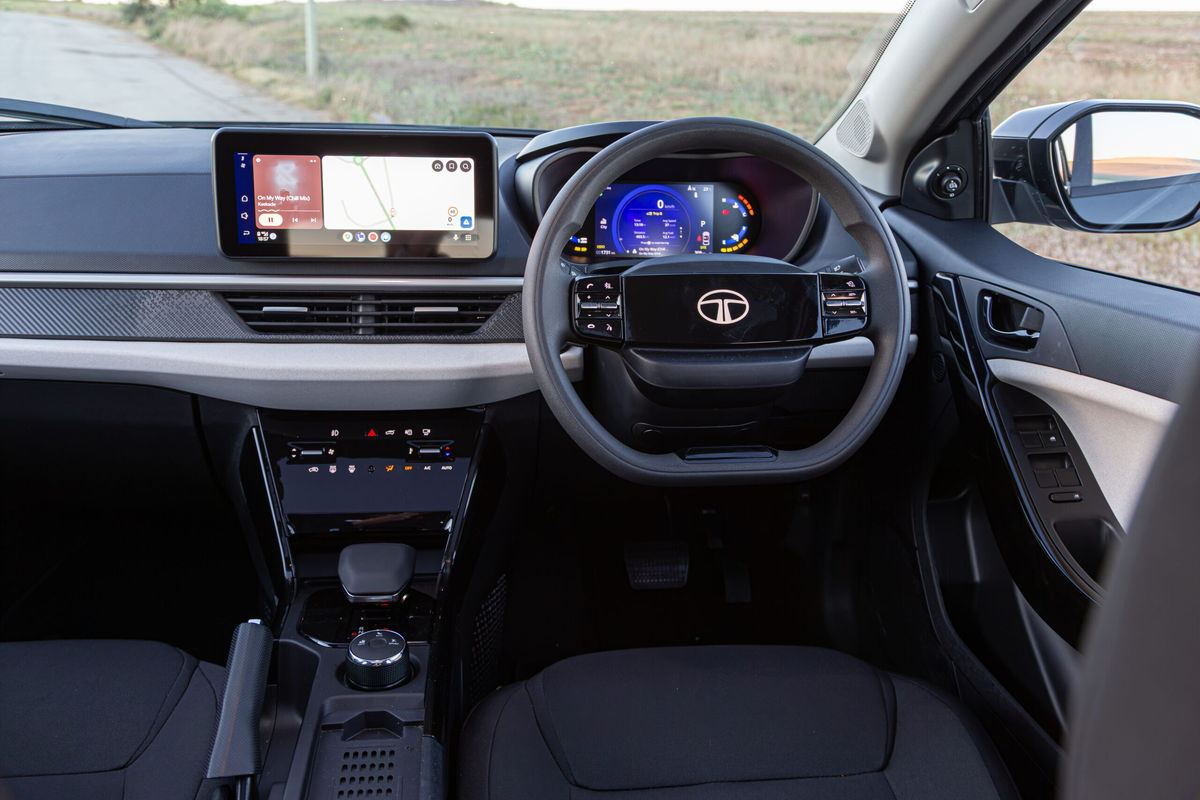
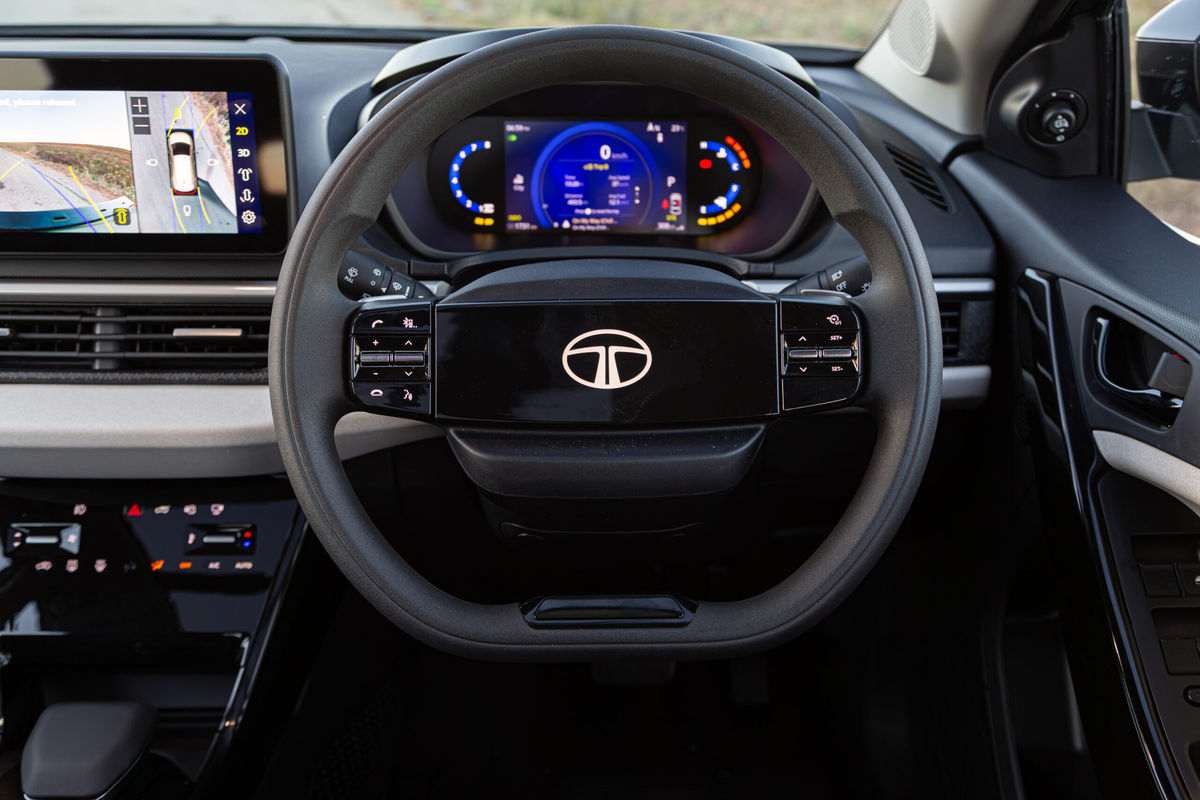
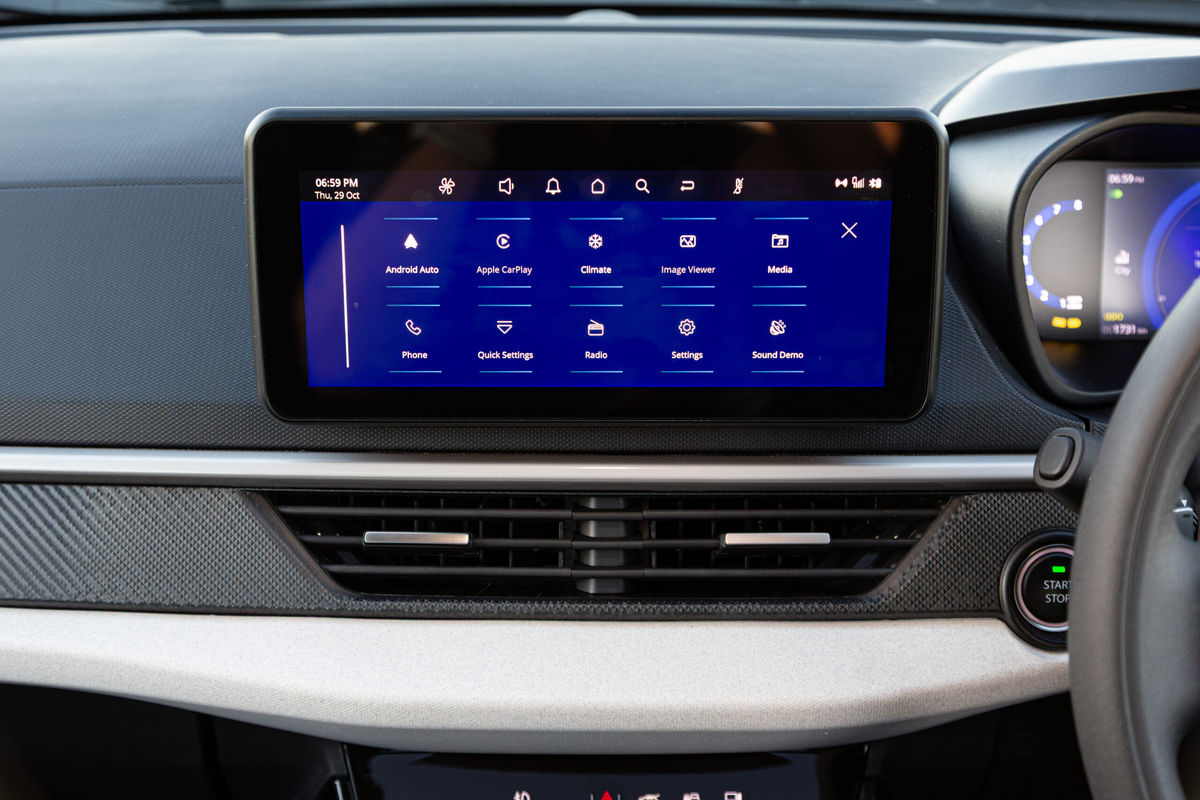
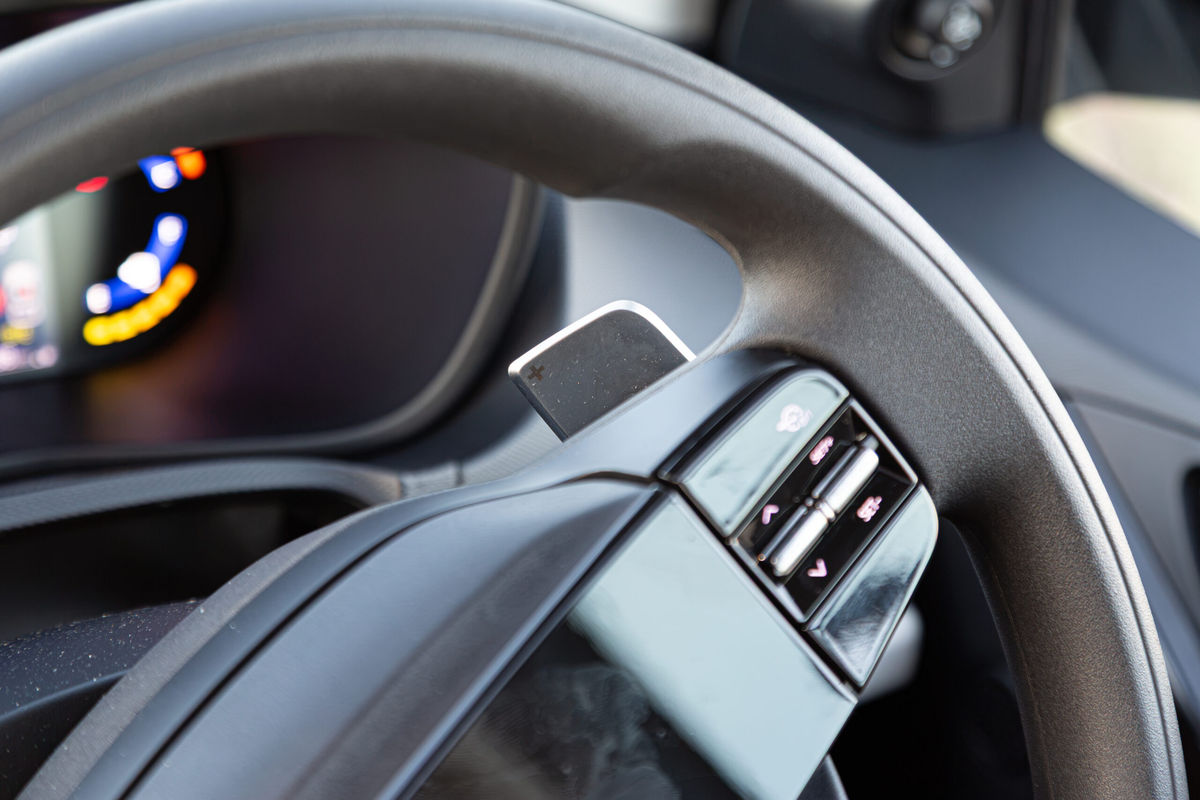
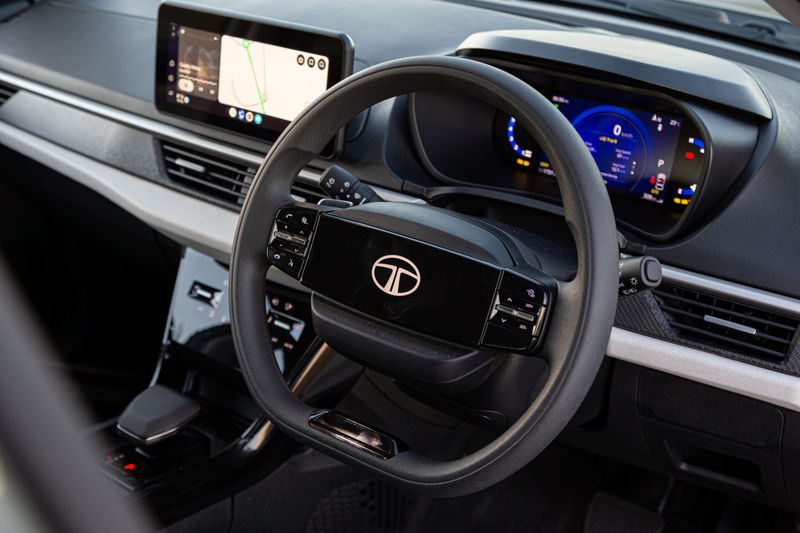
Inside, the Osprey makes an immediately favourable impression. The dashboard features a modern layout, with a large central touchscreen, digital instrument cluster and comprehensive steering wheel controls. The flagship Creative+ PS derivative also benefits from wireless Apple CarPlay and Android Auto, wireless smartphone charging and a panoramic sunroof.
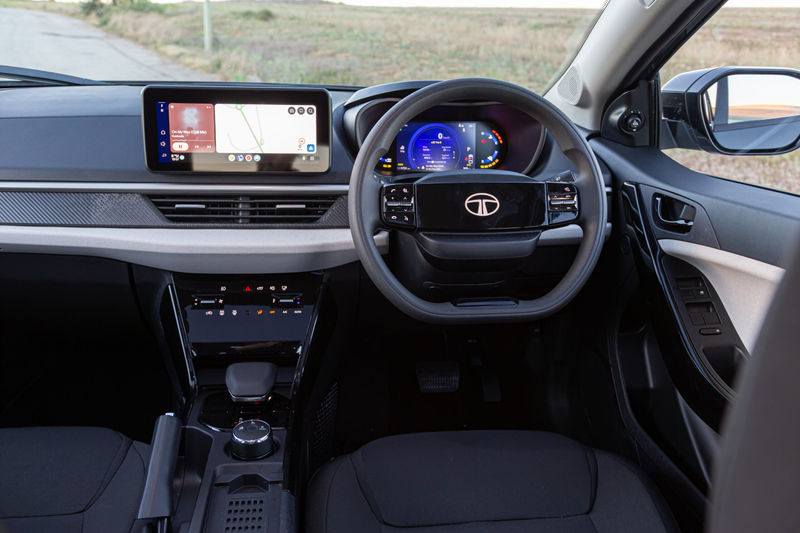
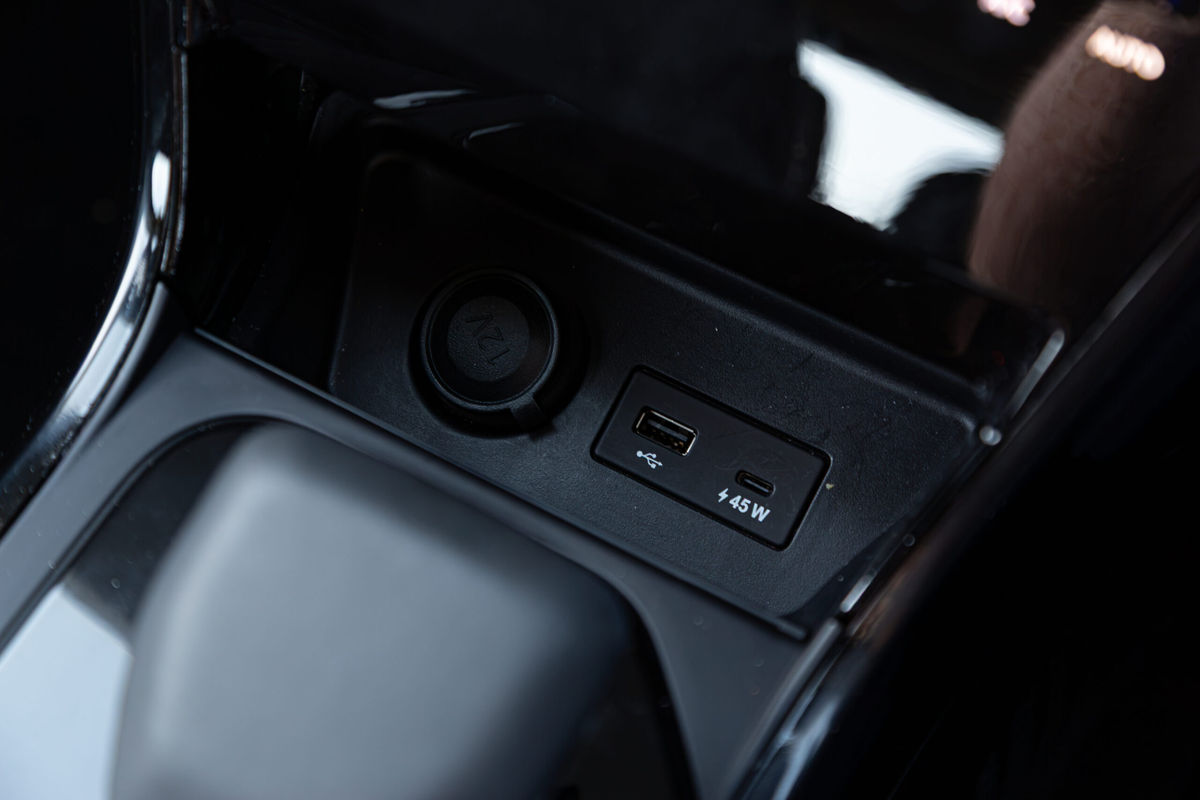
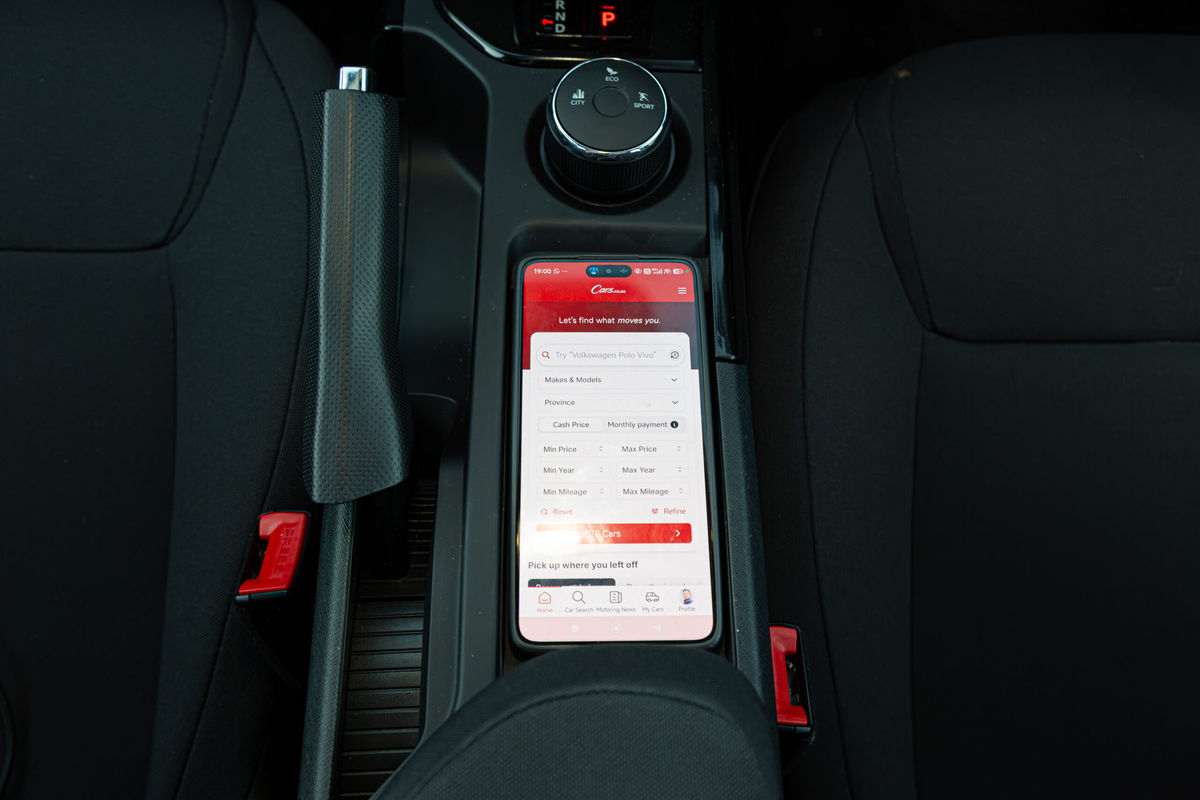
There are USB-A and USB-C ports, along with a conventional 12V power outlet, ensuring occupants have several options for charging their devices. However, the positioning of some of these connections isn’t particularly convenient, and accessing them can be awkward.
The climate-control system also deserves mention. Although it retains a dedicated control panel, the touch-sensitive buttons are housed within a glossy piano-black surface that quickly attracts fingerprints. It’s a visually appealing arrangement, but conventional physical buttons would arguably be more practical.
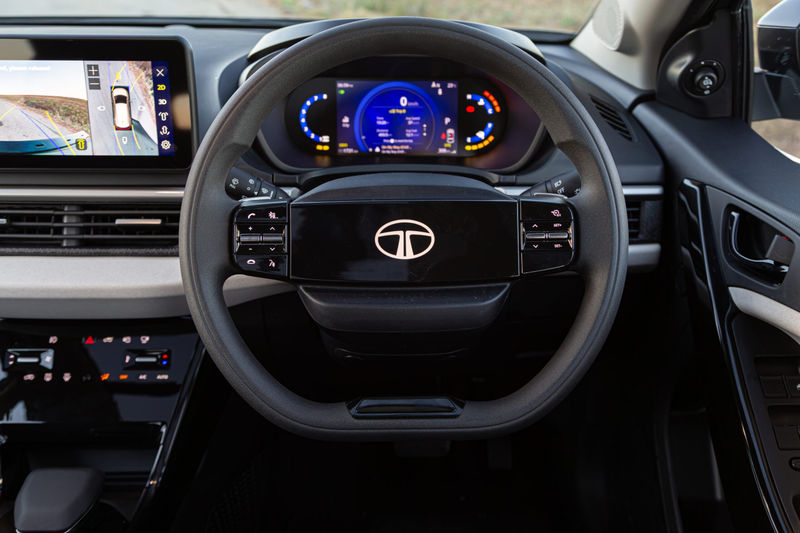
There are a few other ergonomic shortcomings. The driver’s seat offers a generous range of height adjustment, but the steering wheel adjusts only for rake, not reach. This could make it more difficult for some drivers to find their ideal seating position.
The absence of front cupholders is another surprising omission, particularly in a vehicle intended to serve as practical family transport.
Nevertheless, the Osprey‘s interior quality is a notable strength.
The materials used throughout the cabin feel pleasingly substantial, particularly at frequently touched surfaces. Compared with the Kiger and Fronx, the Tata makes a convincing case for itself in terms of perceived quality and overall cabin ambience.
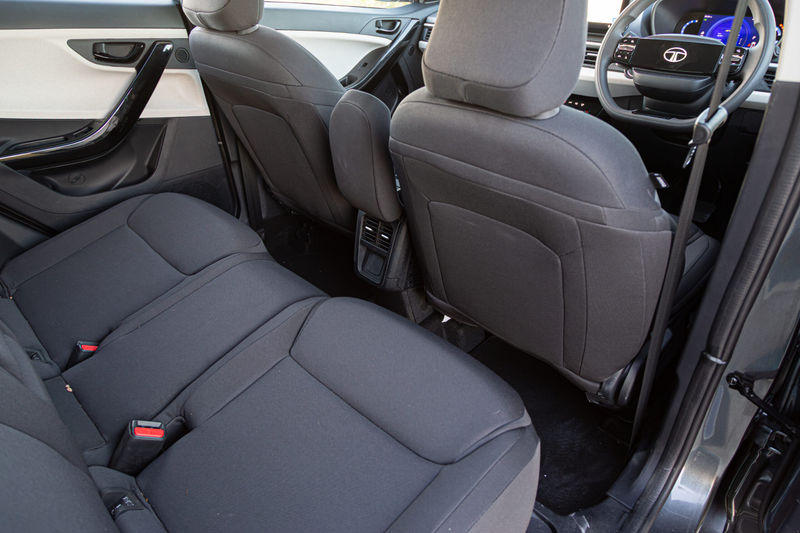
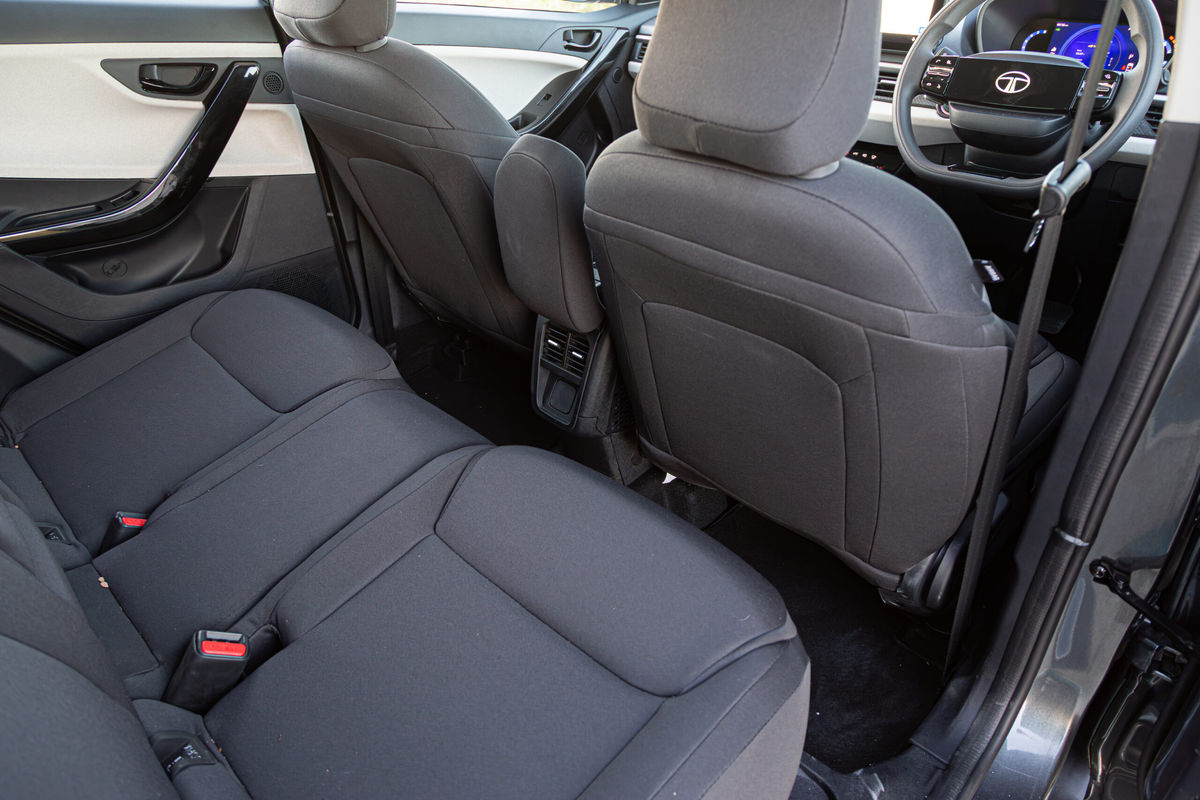
Rear passenger accommodation is similarly impressive. There’s sufficient knee room for adults, even with the front seat positioned for a taller driver, while the rear bench offers good overall comfort. Headroom is slightly more restrictive, but children and most adults should find the available space perfectly acceptable. The rear bench also features a centre seatbelt and a pair of cupholders.
Luggage capacity is another area in which the Osprey performs well. Its 382-litre boot is marginally larger than those of the Fronx and Kiger, and the space is usefully shaped for everyday shopping, luggage and family outings. The rear seatbacks fold in a 60:40 split, while a standard parcel shelf keeps luggage concealed. There’s also a near-full-size spare wheel beneath the boot floor, a particularly welcome inclusion for South African motorists who regularly travel on rural roads. One minor irritation is the exceptionally small exterior boot-release button, which can be difficult to locate initially.
Overall, the Osprey delivers a pleasing combination of cabin quality, passenger accommodation and luggage space, although a few ergonomic oversights prevent it from being entirely convincing.
Performance & Efficiency
Every Tata Osprey derivative sold in South Africa is powered by a 1.2-litre 3-cylinder turbocharged petrol engine producing 88 kW and 170 Nm of torque. The entry-level Smart+ is available with a 5-speed manual gearbox, while the remaining derivatives feature a 7-speed dual-clutch automatic transmission, which Tata refers to as a DCA.
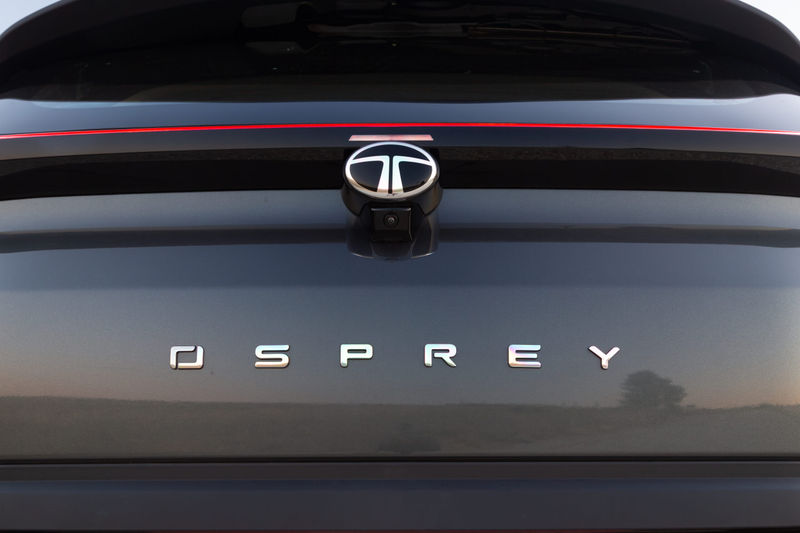
The turbocharged engine is one of the Osprey‘s strongest attributes. It delivers a useful amount of low- and mid-range pulling power, making the crossover feel responsive in everyday driving conditions. Compared with naturally aspirated rivals such as the Suzuki Fronx, the Tata has a noticeable performance advantage, particularly when accelerating or overtaking.
This advantage should be even more apparent in Gauteng, where the thinner air reduces the performance of naturally aspirated engines. Turbocharged engines are generally better able to compensate for these conditions, making the Osprey an appealing option for Highveld motorists.
However, while the engine impresses, the automatic transmission isn’t quite as convincing. The seven-speed dual-clutch gearbox can be hesitant when responding to sudden accelerator inputs. Requesting additional power for an overtaking manoeuvre sometimes results in a noticeable delay as the transmission selects a lower gear. Although the eventual acceleration is strong, the gearbox doesn’t always respond with the immediacy one might expect from a dual-clutch unit.
There’s also some clutch slip when pulling away from a standstill, which is characteristic of this type of transmission but can make low-speed progress feel less direct.
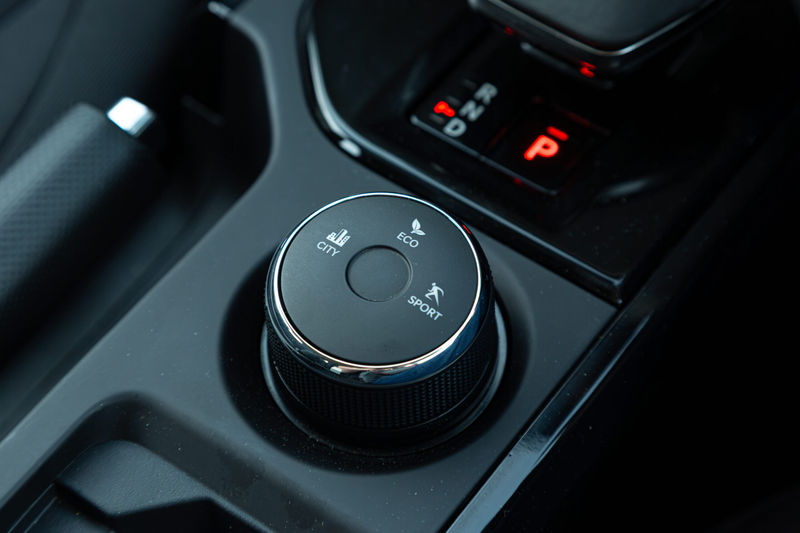
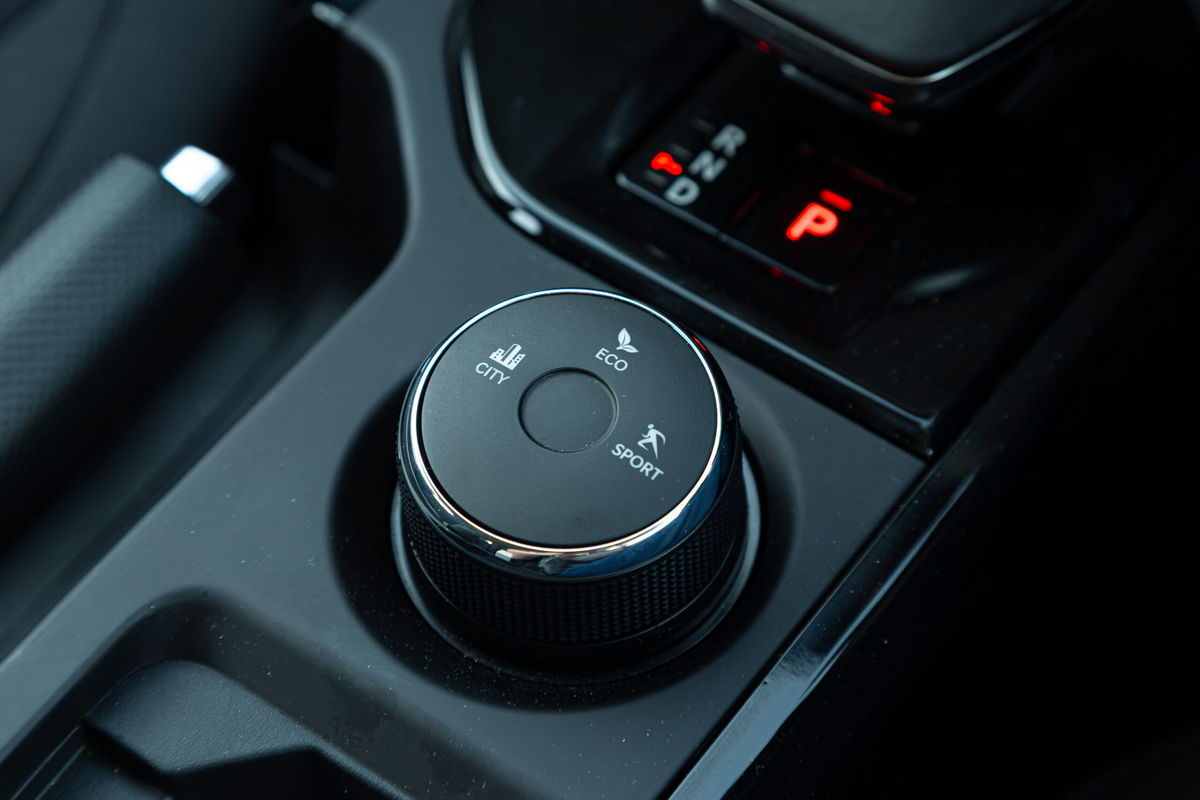
Fortunately, the Osprey offers three selectable driving modes: Eco, City and Sport, which noticeably sharpens the vehicle’s responses, improving the gearbox’s willingness to downshift and making the available performance easier to access. It’s a useful feature, particularly when overtaking or tackling more demanding driving conditions. The inclusion of selectable driving modes is also noteworthy at this price point, providing a degree of flexibility that some rivals lack.
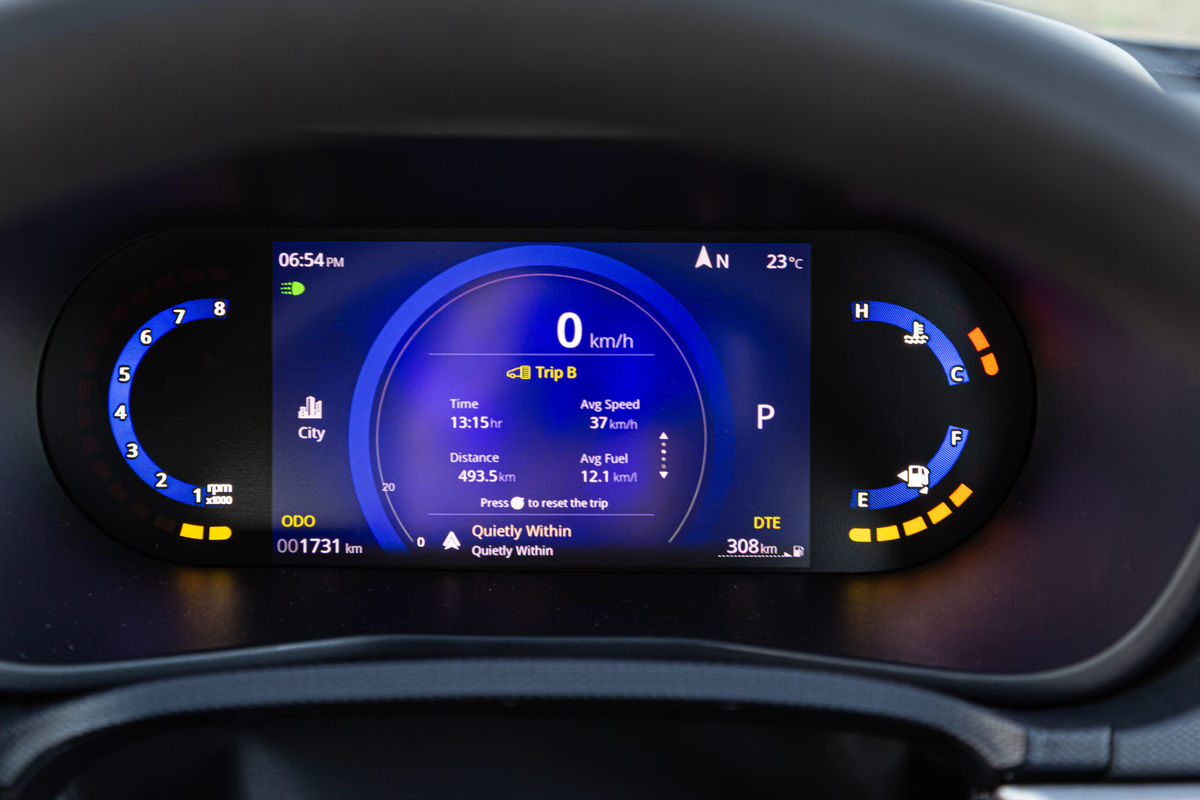
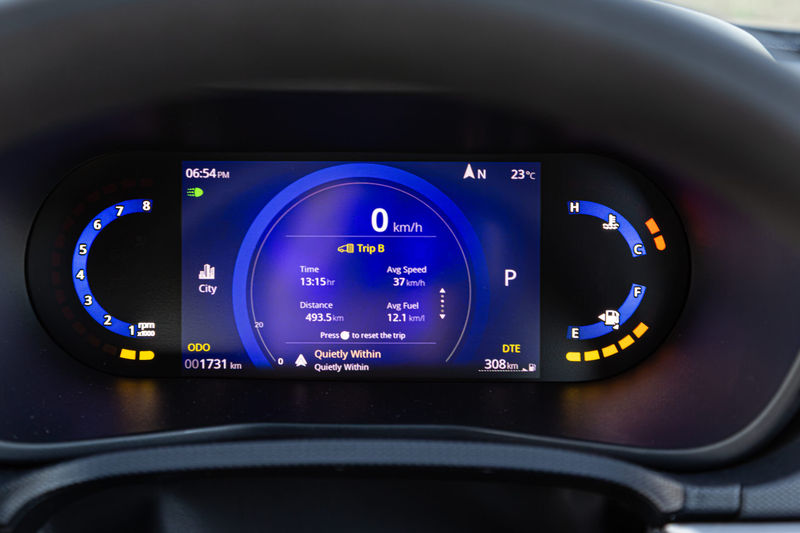
Fuel consumption, unfortunately, is less impressive. Tata claims a combined consumption figure of 6.3 L/100 km for the automatic derivatives. However, during our predominantly urban test, the trip computer indicated an average of 11.7 km/L, equivalent to approximately 8.5 L/100 km. That’s substantially higher than the claimed figure and disappointing for a relatively compact crossover. Admittedly, congested urban driving can have a significant effect on fuel efficiency, and extended open-road use may produce a more favourable result.
Nevertheless, buyers prioritising low running costs should consider the Osprey‘s real-world consumption carefully. The Suzuki Fronx, in particular, has a significant advantage in this regard, thanks to its notably frugal naturally aspirated engine.
Ride, Handling & Comfort
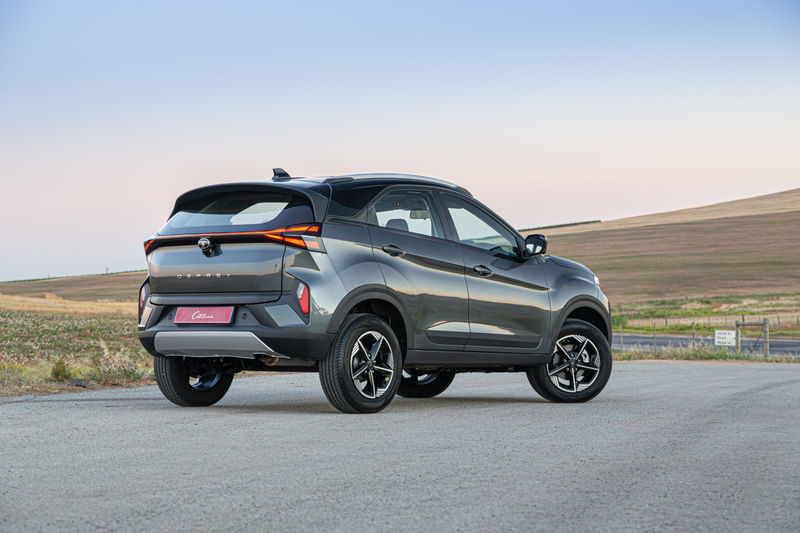
If there’s one area in which the Osprey makes a particularly strong impression, it’s ride comfort. The suspension has been tuned with an obvious emphasis on refinement, delivering a remarkably compliant ride for a vehicle in this price bracket. Rather than attempting to provide sporty handling at the expense of comfort, the Osprey prioritises absorbing road imperfections and maintaining a composed driving experience.
The result is a crossover that feels more substantial and sophisticated on the road than its asking price might suggest.
The overall driving experience feels surprisingly upmarket, too. Noise, vibration and harshness are generally well controlled, and the Osprey‘s cabin refinement complements its comfortable suspension setup.
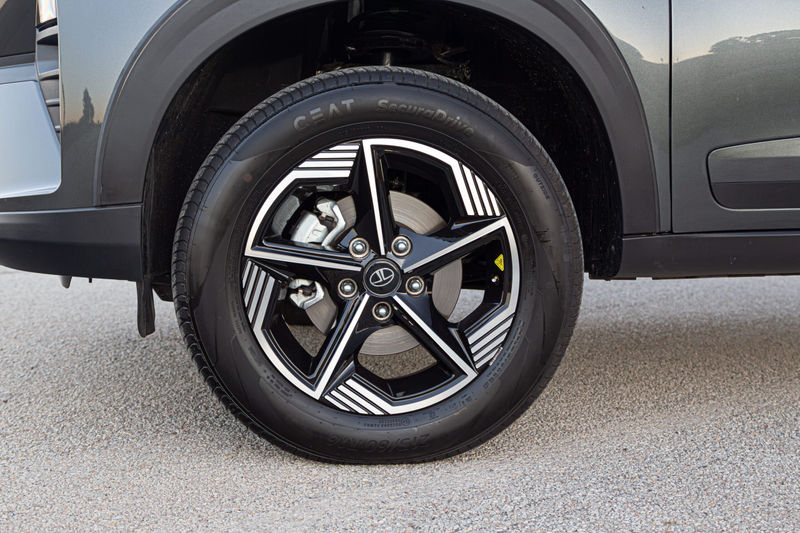
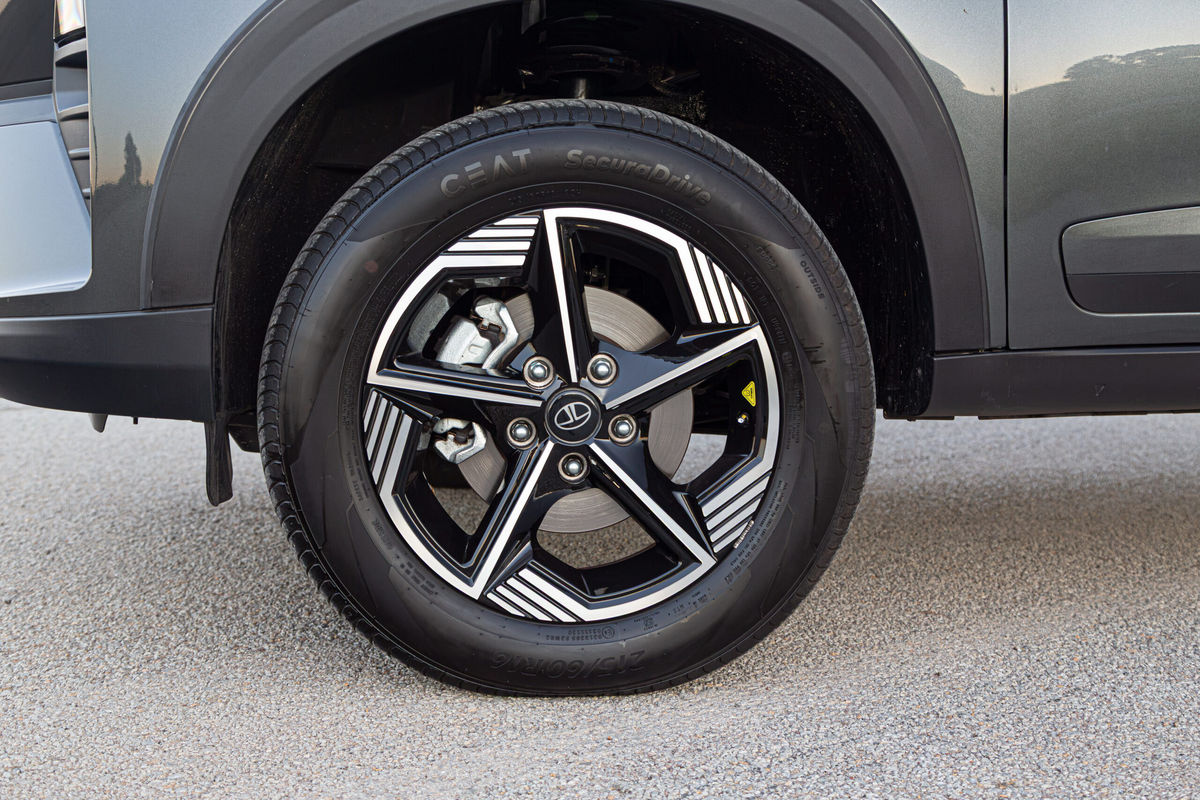
Another useful attribute is the Osprey‘s generous 208 mm of ground clearance. This gives it a meaningful advantage over conventional hatchbacks when negotiating uneven roads, deep speed humps and poorly maintained gravel surfaces. Combined with its relatively generous tyre sidewalls and comfort-oriented suspension, the Tata appears well suited to the varied road conditions encountered throughout South Africa.
Safety is another major selling point. The Osprey has a five-star safety rating in NCAP testing and the South African range includes six airbags as standard, along with electronic stability control, anti-lock brakes and other important safety systems.
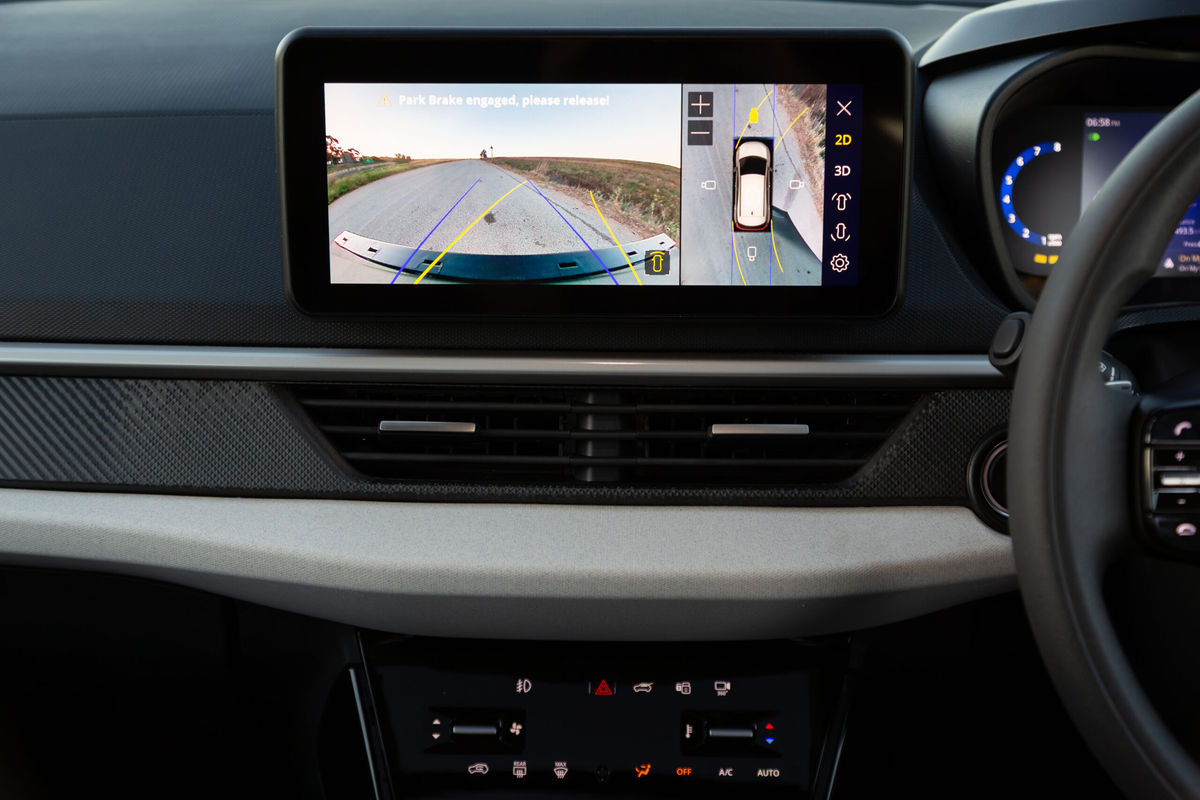
The flagship derivative also includes a 360-degree camera system, front parking sensors and a tyre-pressure monitoring system. In a market segment where affordability sometimes comes at the expense of safety equipment, the Osprey’s comprehensive specification is particularly encouraging.
Price & After-sales support
All Osprey derivatives are covered by a 5-year/125 000 km vehicle warranty and a 3-year/45 000 km service plan.
| Derivative | Price |
|---|---|
| Tata Osprey 1.2T Smart+ Manual | R249 900 |
| Tata Osprey 1.2T Smart+ DCA | R279 900 |
| Tata Osprey 1.2T Creative DCA | R309 900 |
| Tata Osprey 1.2T Creative+ PS DCA | R329 900 |
Verdict
The Osprey enters South Africa’s competitive compact crossover market with a compelling combination of attributes. Its turbocharged engine delivers welcome performance, particularly for high-altitude motorists, while the cabin quality and suspension refinement compare favourably with those of more established rivals.
The comprehensive safety specification is another major advantage, demonstrating that buyers needn’t sacrifice important protective features when shopping at the more affordable end of the market.
However, there are compromises. The dual-clutch transmission can be slow to respond, real-world fuel consumption is higher than expected, and some of the interior’s ergonomic shortcomings are difficult to overlook.
The Suzuki Fronx remains a particularly appealing option for buyers who prioritise fuel efficiency, while the Renault Kiger and other affordable crossovers offer their own advantages.
So, has Tata managed to produce a genuinely accomplished crossover that deserves serious consideration, or do its shortcomings ultimately undermine an otherwise attractive package?
Watch our video review to discover how the Tata Osprey compares with its key rivals and whether its combination of comfort, performance, safety and value makes it the right choice for your next car.
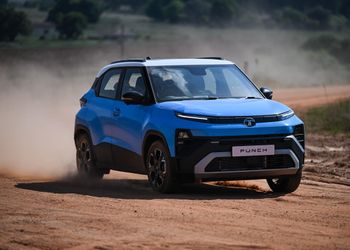
Read more: Tata Punch (2026) Review
Frequently Asked Questions (FAQ)
Q: How much does the Tata Osprey cost in South Africa?
A: The Tata Osprey range starts at R249 900 for the 1.2T Smart+ manual and extends to R329 900 for the flagship Creative+ PS automatic.
Q: What engine does the Tata Osprey have?
A: All Tata Osprey derivatives feature a 1.2-litre 3-cylinder turbocharged petrol engine producing 88 kW and 170 Nm of torque.
Q: Is the Tata Osprey available with an automatic gearbox?
A: Yes. Three of the four Tata Osprey derivatives feature a 7-speed dual-clutch automatic transmission. The entry-level Smart+ is also available with a 5-speed manual gearbox.
Q: How fuel-efficient is the Tata Osprey?
A: Tata claims average fuel consumption of 6.3 L/100 km for the automatic derivatives. During our predominantly urban test, the Osprey returned approximately 8.5 L/100 km.
Q: Is the Tata Osprey safe?
A: The Tata Nexon, sold locally as the Osprey, has achieved a 5-star Bharat NCAP safety rating. All South African derivatives include 6 airbags, electronic stability control and anti-lock brakes.
Q: How big is the Tata Osprey’s boot?
A: The Tata Osprey has a luggage capacity of 382 litres, with 60:40 split-folding rear seats for additional versatility.
Cars.co.za

Providing you with the latest motoring news, new car releases and the simplest way to buy and sell cars.