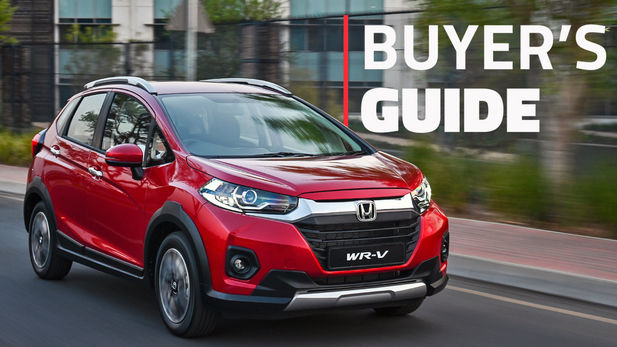
The Honda WR-V was on the South African new-vehicle market for a little over 3 years. Should you consider a used example of this small crossover, or would it be best to look elsewhere? Let’s investigate the strengths and weaknesses of the Japanese offering…
Conceived specifically for developing markets, the Honda WR-V was the Minato-based brand’s attempt to capitalise on the small-crossover craze. Interestingly, South Africa missed out on the pre-facelift version, which meant this nameplate was on the local market for about 3 years only.
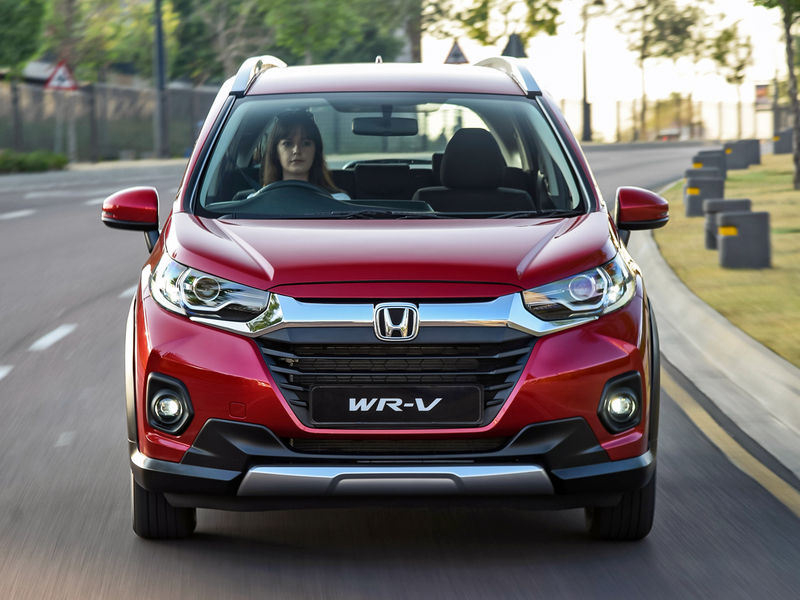
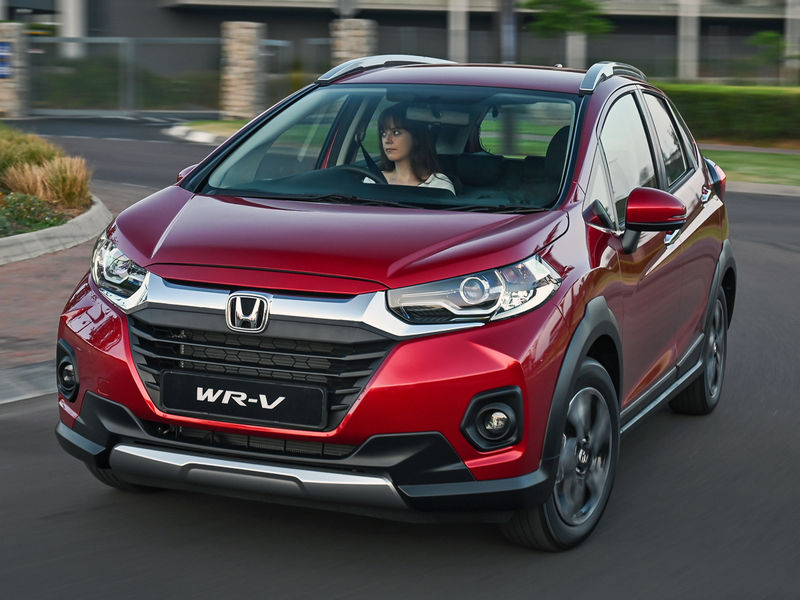
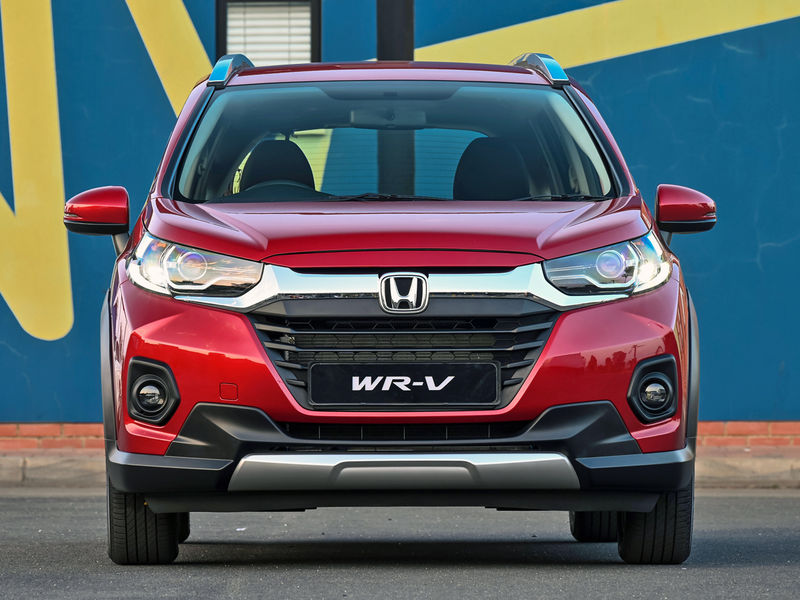
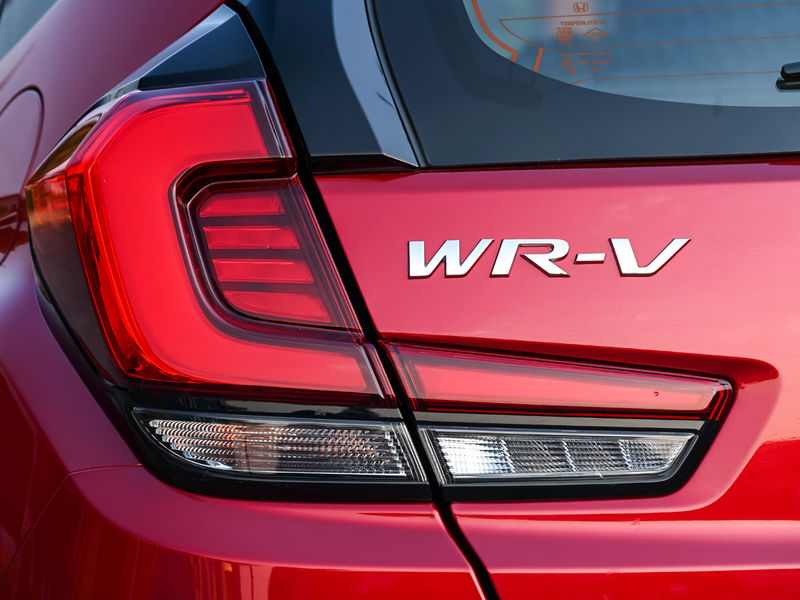
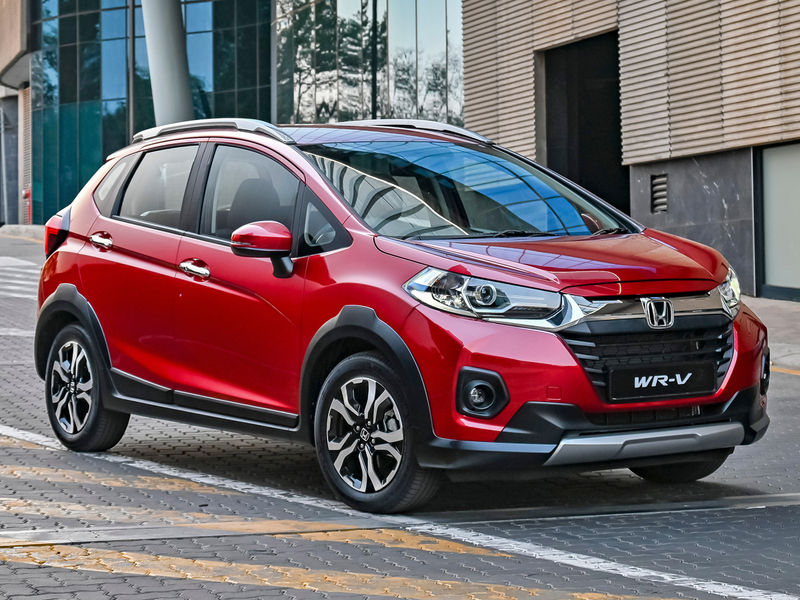
The WR-V was, of course, closely related to the 3rd-gen Jazz. It shared the GK-series hatchback’s basic bodyshell, although it gained not only a model-specific face but also the requisite SUV-inspired styling bits, from swathes of black-plastic cladding to faux skidplates, roof rails and extra ride height.
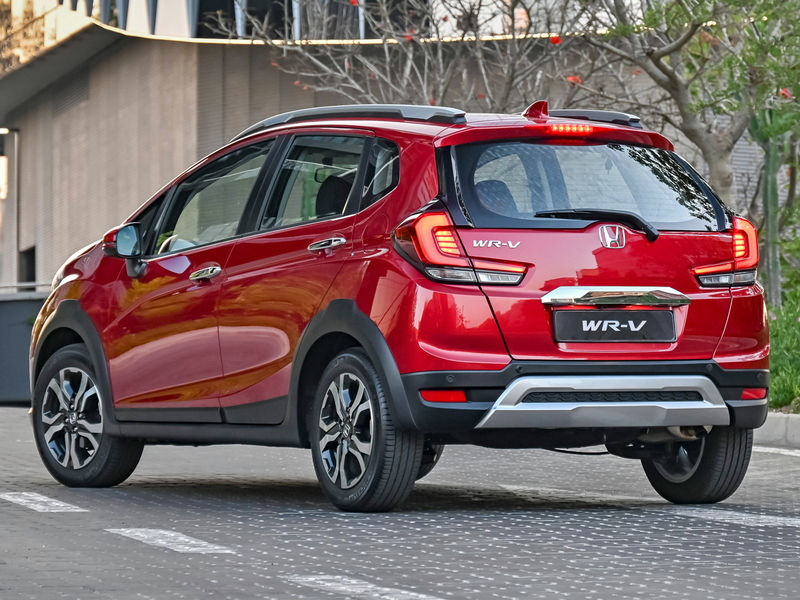
In short, it was effectively a crossover version of the Jazz, now known as the Fit. Like its hatchback sibling, the SA-spec WR-V – which its maker said stood for “Winsome Runabout Vehicle” – was sourced from Honda’s Tapukara factory in Rajasthan, India, and measured a fraction under 4 metres long.
When the GL-series WR-V officially landed in Mzansi, Honda Motor Southern Africa boldly declared that it would “shake up” the segment, adding that it was “certain to be a winning formula”. Local buyers seemingly felt otherwise, with the WR-V failing to trouble the segment sales leaders.
In fact, while we don’t know exactly how many WR-V units were sold locally in 2021 (its first full year on sale), our records suggest just 640 units were registered in 2022, with only another 675 examples finding homes in 2023. For context, consider that the similarly sized original Toyota Urban Cruiser achieved a whopping 16 992 sales in 2022 alone.
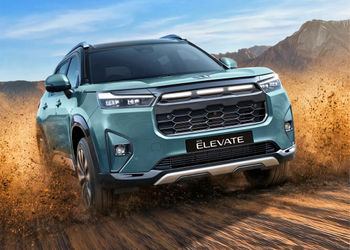
Though the WR-V nameplate has exited South Africa, a 2nd-gen model was revealed in 2022 (but is no longer produced on the subcontinent, instead being built in Indonesia and Malaysia). As an aside, the WR-V badge is used on the Japanese-market version of the Elevate, which is, incidentally, the 1st Indian-built vehicle to be exported to Honda’s home country.
Honda WR-V model line-up in South Africa
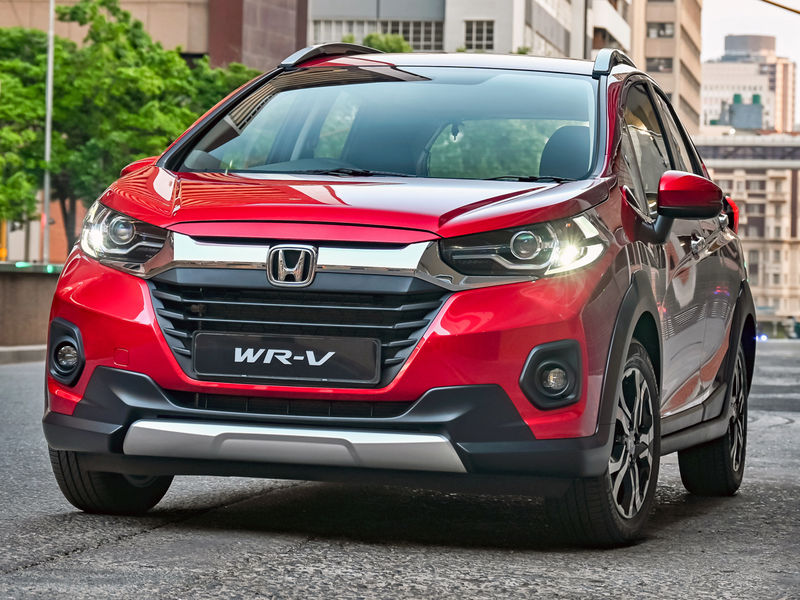
The GL-series Honda WR-V was revealed late in 2016 at the Sao Paulo International Motor Show, before going on sale in both Brazil and India in the opening quarter of the following year.
However, the small crossover touched down in South Africa only in November 2020, by which time it had been treated to a mild facelift. At launch, just 2 derivatives were available (and only 4 exterior paint colours were offered), each powered by the Minato-based brand’s naturally aspirated 1.2-litre, 4-cylinder petrol engine, which drove the front axle via a 5-speed manual gearbox:
- WR-V 1.2 Comfort 5MT (66 kW/110 Nm)
- WR-V 1.2 Elegance 5MT (66 kW/110 Nm)
Over the next 3 or so years, the 2-strong WR-V range soldiered on entirely unchanged. Production in India likely ceased at some point in 2023, with sales in South Africa tapering to single figures towards the end of that year. However, the WR-V was removed from Honda’s official price list only in February 2024, when the larger Elevate arrived as its indirect replacement.
What are the Honda WR-V’s strengths?
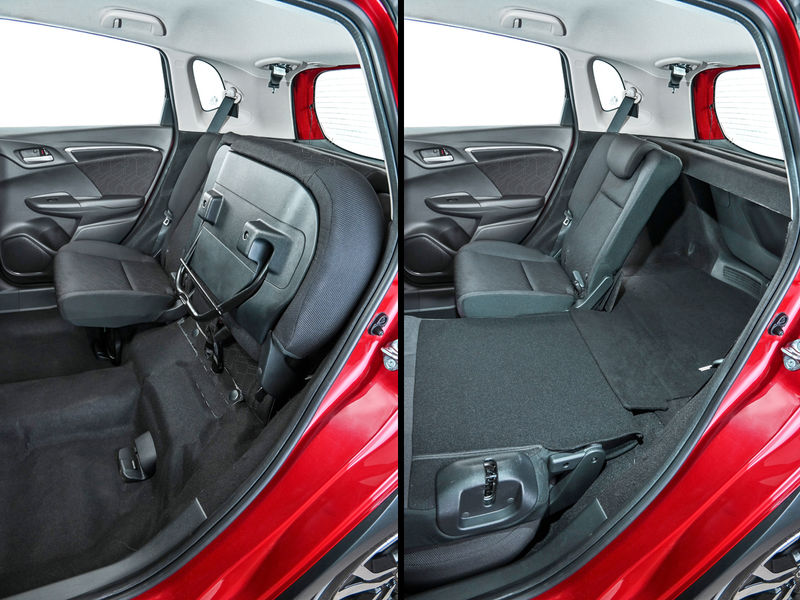
Roomy, versatile cabin: Despite measuring just 3 999 mm from snout to rump (with a likewise modest 2 655 mm between its axles), the WR-V benefitted from Honda’s typically clever interior packaging. Endowed with the brand’s so-called “Magic Seats”, the rear quarters could be configured in several ways to accommodate a variety of awkwardly shaped objects.
Just like in the 3rd-gen Jazz (see our Buyer’s Guide), this highly configurable seating arrangement meant the bases of the rear pews could independently tip up against their backrests. Meanwhile, with the rear seats in place, the WR-V offered a relatively generous 363 litres of luggage space (despite accommodating a full-size spare wheel), increasing to 881 litres with the 60:40-split bench folded flat.
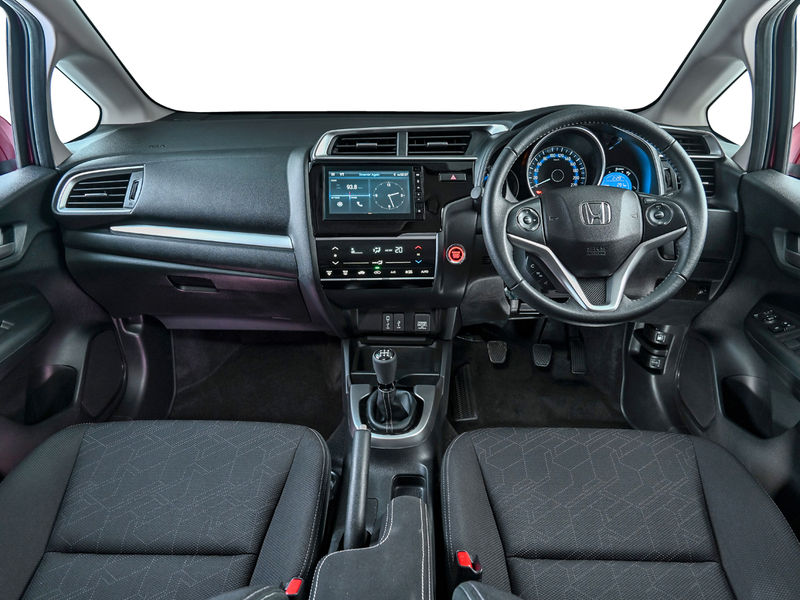
Aft passengers enjoyed liberal amounts of legroom, with access to this space proving fuss-free thanks to wide-opening rear doors. The WR-V also scored points for its array of handy storage compartments (including a cleverly designed cupholder to the right of the steering wheel) and tilt-and-telescopic steering-column adjustment, though we should point out that hard plastics dominated the interior.
Ride and handling balance: Though it employed a cost-effective torsion-beam suspension setup at the rear, the Honda WR-V rode with a pleasing degree of pliancy, with comfort levels further elevated by high-profile tyres measuring 195/60 R16.
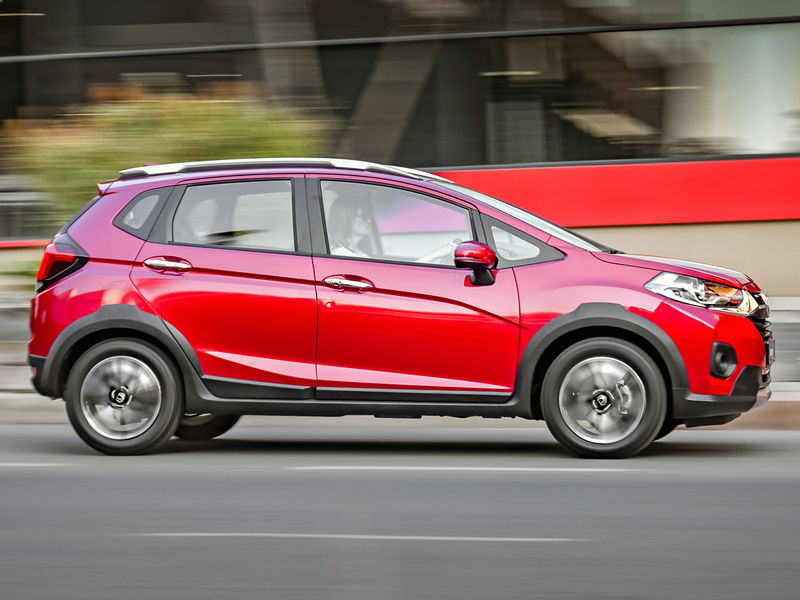
On tarmac, it felt surefooted, although the relatively modest (for a crossover, anyway) ground clearance of 173 mm meant the vehicle’s underbelly was a little more vulnerable on deeply rutted gravel than those of rivals such as the higher-riding Ford EcoSport and Toyota Urban Cruiser.
Lengthy warranty: Apart from the fact that the WR-V used well-proven mechanicals from the GK-series Jazz, local buyers had added peace of mind courtesy of Honda’s comprehensive 5-year/200 000 km warranty. As such, late model-year examples on the used market today would still enjoy ample warranty coverage (as long as said warranty had not somehow been voided).
What are the Honda WR-V’s weaknesses?
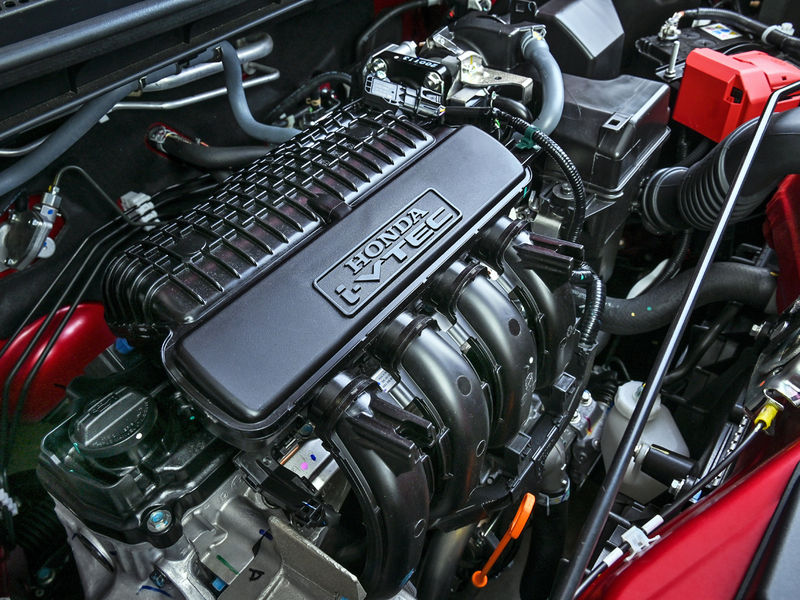
Lethargic engine: We have little hesitation in declaring the decidedly lethargic engine as the WR-V’s most glaring shortcoming. This 1.2-litre i-VTEC motor’s maximum power of 66 kW arrived at a lofty 6 000 rpm, though much of the frustrating driving experience was down to the torque delivery – both the meagre peak figure of 110 Nm and its tardy arrival at a heady 4 800 rpm.
The manual gearbox’s short ratios partially disguised the L12B3 engine’s lack of oomph, but it rendered the WR-V even more poorly suited to highway driving – particularly at altitude. Not only would the mill rev high at the 120 kph national speed limit (making it downright impossible to match Honda’s fuel-economy claim of 6.4 L/100 km, even on the open road), but overtaking manoeuvres were anything but effortless.
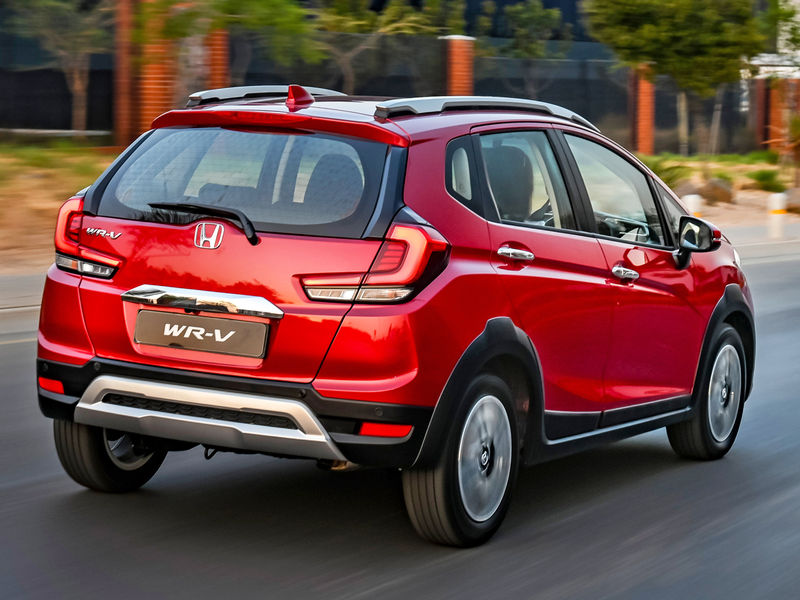
In short, there was clearly a reason Honda Motor Southern Africa opted not to list a claimed 0-100 kph time for the WR-V. While this breathless motor was also used in the 3rd-gen Jazz, the latter hatchback weighed a little less than the WR-V, and buyers also had the option of upgrading to a larger-capacity 1.5-litre 4-cylinder petrol engine. It was a pity the WR-V wasn’t offered with this (L15Z5) engine instead.
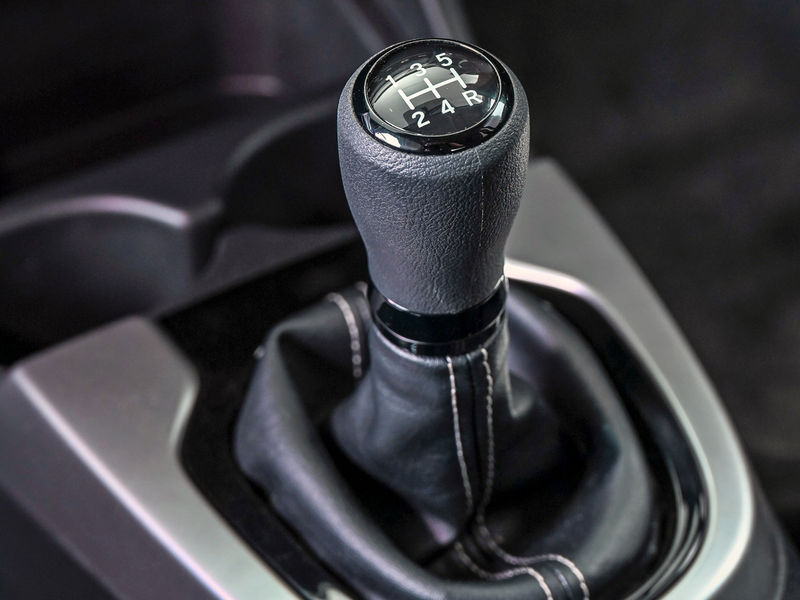
No automatic gearbox option: With an increasing number of local buyers opting for self-shifting transmissions over manual gearboxes, Honda missed a trick by not offering the WR-V with the option of an automatic cog-swapper. Still, to be fair to Honda Motor Southern Africa, the Indian-built model was simply not available with such a gearbox (despite the Jazz 1.2 being offered with a continuously variable transmission), so the importer’s hands were effectively tied.
Lack of electronic stability control: For some reason, the WR-V also received the short end of the stick when it came to electronic stability control. Though this important safety feature was standard across the equivalent Jazz range, it was simply not present in the truncated line-up of the GL-series WR-V.
It was a notable shortcoming, seeing as the model was otherwise relatively well equipped in the safety department, shipping standard with items such as ABS with EBD (though making do with drum brakes at the rear), 6 airbags, front-seatbelt pretensioners, ISOfix child-seat anchors and rear parking sensors.
How much is a used Honda WR-V in South Africa?
In South Africa, the Honda WR-V featured the aforementioned 5-year/200 000 warranty, as well as a 4-year/60 000 km service plan with intervals of 15 000 km. As always, we’d advise narrowing your search to vehicles that feature a full maintenance history.
While we found no examples from 2020, the Honda WR-V units listed on Cars.co.za at the time of writing were relatively evenly spread across the remaining model years. Interestingly, the Comfort grade was most prevalent, accounting for around 65% of listings.
Perhaps unsurprisingly, indicated mileages were generally low, ranging from virtually new units (with not even 200 km on the clock) to a 2021 1.2 Comfort model that had covered 76 000 km. Very few examples showed in excess of 50 000 km on their respective odometers.
- Below R200 000: Just 11% of WR-V units were priced below this mark, all registered as either 2021 or 2022 models and all featuring the Comfort trim grade. The cheapest example we found was a 2022 model with 33 000 km on the clock, priced at R179 999.
- R200 000 to R250 000: This relatively narrow pricing bracket accounted for a whopping 69% of all listed WR-V units. Though the Comfort specification still dominated this space, we also found a few Elegance derivatives here.
- R250 000 and up: The remaining 20% of WR-V units were priced above R250 000. The most expensive example we discovered was a 2023 1.2 Elegance showing just 148 km and listed for R289 900, while we furthermore found a 2024 model for R10 000 less. For context, before the WR-V was discontinued, Honda’s retail prices were R320 800 (1.2 Comfort) and R363 800 (1.2 Elegance).
Which Honda WR-V derivative is best?
So, if you have your heart set on a Honda WR-V, which of the 2 derivatives should get the nod? Well, since they’re mechanically identical, it all comes down to your budget; the Elegance is better equipped but would, of course, command a premium over the Comfort.
For the record, the Elegance featured LED headlights and front foglamps (as opposed to the Comfort’s halogen items), while also gaining side-mirror-integrated indicators and chrome-effect exterior door handles. It furthermore upgraded from a polyurethane steering wheel to a leather-trimmed tiller.
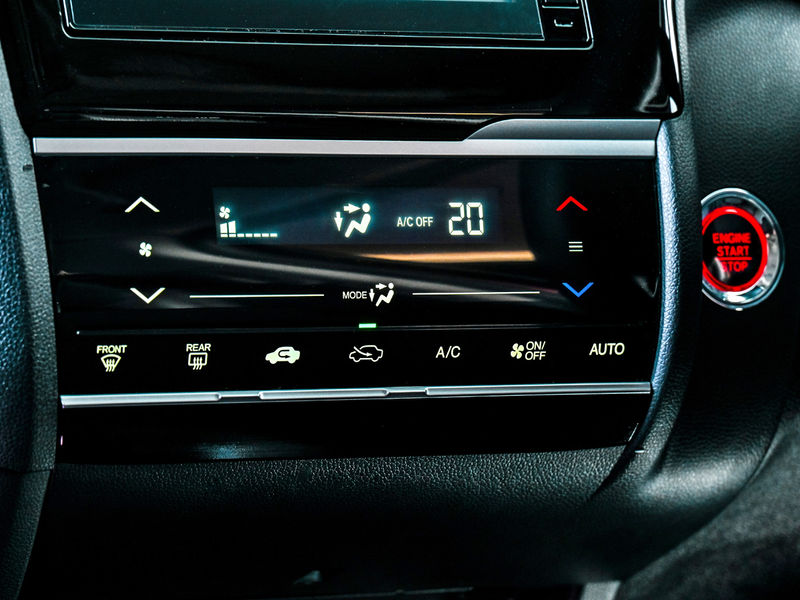
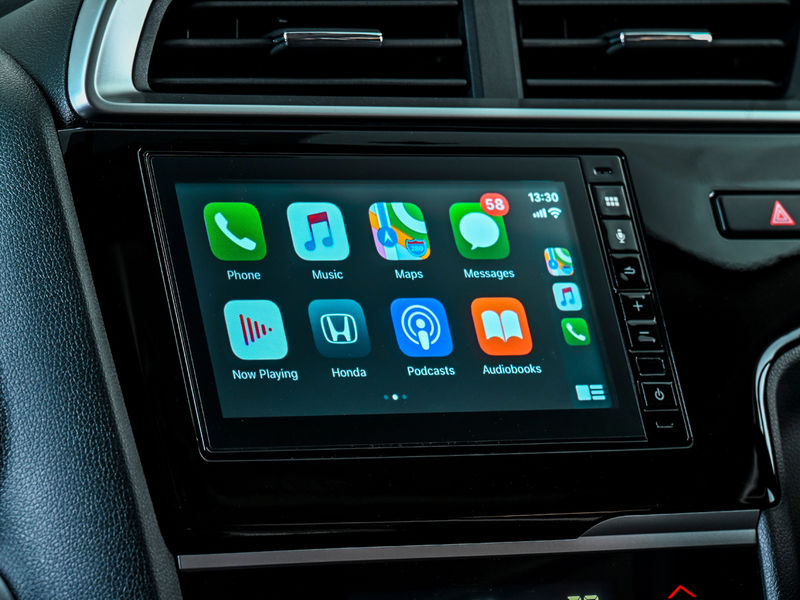
Moreover, the Elegance grade scored a centre-console armrest, a 7-inch touchscreen system (replacing the Comfort’s basic 5-inch display), extra speakers, Apple CarPlay & Android Auto functionality, cruise control, a reverse-view camera and smart keyless entry (plus push-button start).
Is the Honda WR-V a smart used purchase?
The Honda WR-V arrived in South Africa among a throng of small crossovers, all jostling for position with established models such as the since-discontinued Ford EcoSport. Therefore, key rivals included the highly accomplished Kia Sonet (arguably the pick of the segment) and Hyundai Venue, as well as the now-defunct Suzuki Vitara Brezza and since-replaced Toyota Urban Cruiser.
There’s also an argument to be made that the WR-V was more of a cross-hatch than a crossover. In that sense, one could argue that the Ford Figo Freestyle and Renault Sandero Stepway were its direct rivals.
The Mahindra XUV300 (since succeeded by the XUV 3XO) was a somewhat under-appreciated alternative in the small crossover space, while the Nissan Magnite and Renault Kiger were particularly strong sellers in this part of the market despite feeling more than just a little rough around the edges.
Though the WR-V felt far better screwed together – and indeed more thoroughly engineered – than budget contenders such as the Magnite and Kiger, the overall package was nevertheless compromised by the decidedly lacklustre powertrain, particularly on the highway and in the thinner upcountry air.
And while we’re big fans of the WR-V’s versatile “Magic Seats”, it’s worth keeping in mind the closely related Jazz offers precisely the same level of practicality as well as the option of a more powerful 1.5-litre engine (not to mention an automatic transmission), plus standard electronic stability control.
So, if you are considering a used Honda WR-V, make sure to 1st test-drive rival models such as the Sonet, and we strongly suggest you have a look at a late model-year 3rd-gen Jazz 1.5 as a similarly priced alternative – after checking out our comprehensive buyer’s guide on that model, of course.
Looking for a used Honda WR-V to buy?
Looking to sell your car? You can sell it to our dealer network here
Ryan Bubear

Having written about everything from sport and politics to crime, Ryan eventually settled on motoring. For well over 15 years, he's been penning articles – both online and in print – about the broader automotive industry, though he's particularly fascinated by vehicle-sales statistics. A freelance writer and editor, Ryan has owned a 1971 Austin Mini Mk3 for 20-plus years.