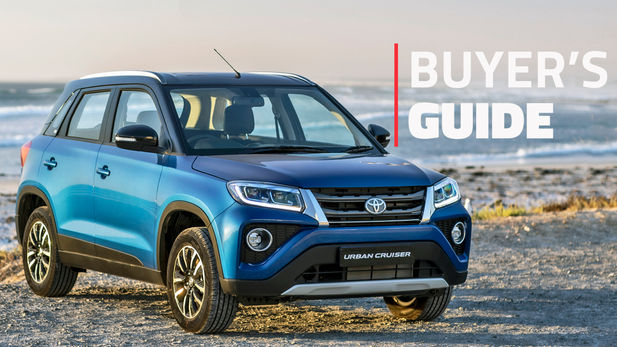
Although the Suzuki Vitara Brezza-based Toyota Urban Cruiser was only briefly in the South African market, it was an incredibly popular product. Here’s our guide to buying a used version of (what turned out to be) the 1st-gen Toyota Urban Cruiser…
At the start of 2021, Toyota SA Motors’ line-up was sorely missing an entry-level crossover. Yes, there was space below the ill-fated Rush, the C-HR boutique crossover and the RAV4, while the Prospecton-built Corolla Cross was set to launch only towards the end of that year. Enter the Toyota Urban Cruiser.
Before then, the Japanese firm’s local division was probably mulling models such as the Daihatsu-built Raize and the Yaris Cross. But the company ultimately settled on… a Suzuki. Taking advantage of its mother company’s burgeoning alliance with the Hamamatsu-based brand, Toyota SA Motors entered the sub-4-metre crossover segment with what was admittedly little more than a rebadged Vitara Brezza.
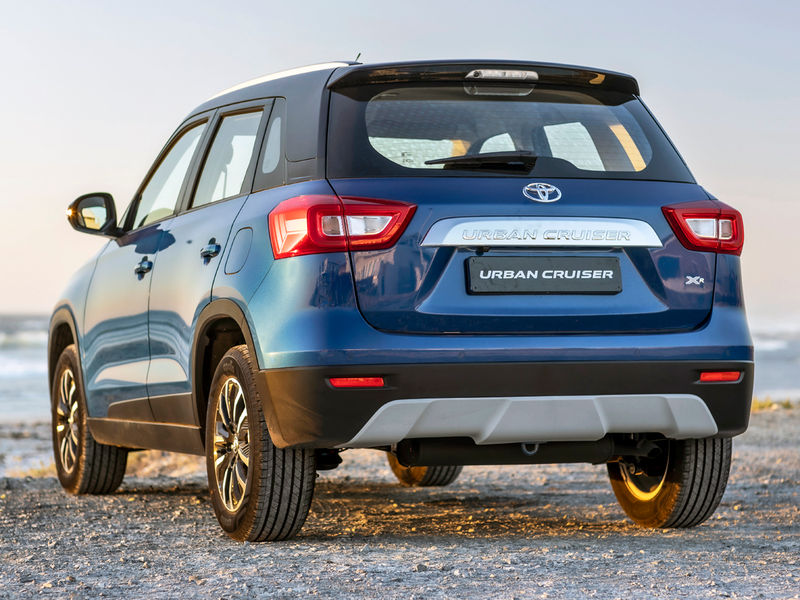
Despite the Aichi-based automaker’s foray into this growing corner of the market coming courtesy of a, well, badge-engineering exercise, it turned out to be an incredibly successful move. In short, the Urban Cruiser – a badge that incidentally dates back to 2006 when it was applied to a concept car in Europe – was an instant sales hit in South Africa, easily outselling the model on which it was based.
By our maths, Toyota SA Motors sold at least 28 000 examples of the Urban Cruiser over its circa-2-year local lifecycle, snatching a segment share of nearly 20% in the process. As a matter of fact, the baby Cruiser – which was produced at Maruti Suzuki’s Gurgaon plant in India – earned the title of South Africa’s best-selling SUV/crossover in 2022 (pinching the crown from the Prospecton-built Toyota Fortuner), while also placing 3rd on the list of most popular passenger vehicles that year.
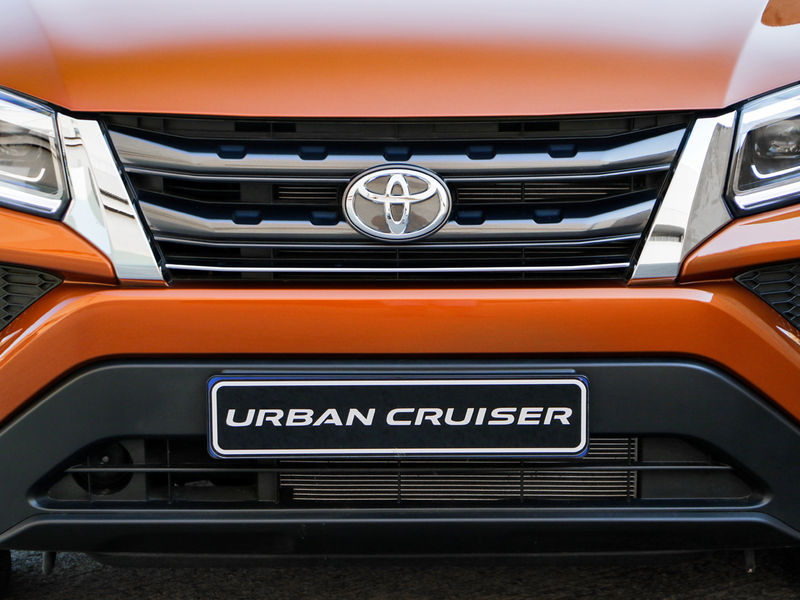
So, why did Toyota pull the plug on one of its best-selling models? Well, the brand’s division in India opted not to develop a follow-up version based on the 2nd-gen Brezza, with the latter interestingly also taken off the table for export markets such as ours. Instead, Toyota SA Motors launched a new, larger Urban Cruiser (which wears the “Hyryder” suffix on the subcontinent, where it’s produced at Toyota’s Bidadi plant), a model that shares much with the latest Suzuki Grand Vitara.
Despite Toyota SA Motors’ shrewd product planners sticking with a basic powertrain and eschewing the available option of all-wheel drive in an attempt to keep the range’s prices in check, the new Urban Cruiser – which is a considerable 370 mm longer than its predecessor, with an extra 100 mm in its wheelbase – is still appreciably more expensive and thus arguably not quite a direct replacement for the model we’ll examine here. Instead, that role has been assumed by the Fronx-based Starlet Cross.
Toyota Urban Cruiser model line-up in South Africa
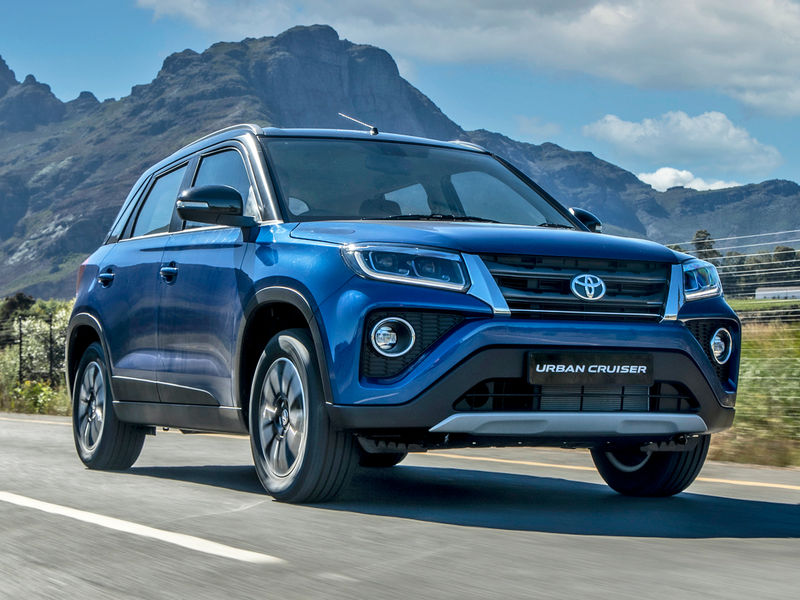
The Urban Cruiser was revealed in India in August 2020, before Toyota SA Motors confirmed the small crossover for the local market in January of the following year. In March 2021, the Urban Cruiser touched down in Mzansi, only a month after its Vitara Brezza cousin had made local landfall. The Toyota version was immediately successful, with just short of 1 000 units sold in its debut month.
At launch, the local Toyota Urban Cruiser line-up included just a single engine option (a naturally aspirated 1.5-litre, 4-cylinder petrol motor), a pair of transmission choices and a trio of trim levels. As a result, the original Urban Cruiser portfolio spanned the following 5 derivatives:
- 1.5 Xi 5MT (77 kW/138 Nm)
- 1.5 Xs 5MT (77 kW/138 Nm)
- 1.5 Xs 4AT (77 kW/138 Nm)
- 1.5 Xr 5MT (77 kW/138 Nm)
- 1.5 Xr 4AT (77 kW/138 Nm)
The Japanese firm made no changes to the range over the next couple of years. In November 2022, we reported the Urban Cruiser had been axed in India, though Toyota SA Motors told us it had enough stock to carry the model into the following year. By April 2023, the more expensive Hyryder-based model had arrived in Mzansi, though it couldn’t match its predecessor’s overnight sales success.
What are the advantages of a Toyota Urban Cruiser?
Strong value for money: When a vehicle offers strong value for money on the new-car market, that trend tends to trickle through to the used space, too. And that was certainly the case with the Urban Cruiser range, which had pricing bookends of R247 900 and R315 700 at launch in the opening quarter of 2021 (price tags that had risen to R283 200 and R357 100 by the time it had been discontinued).
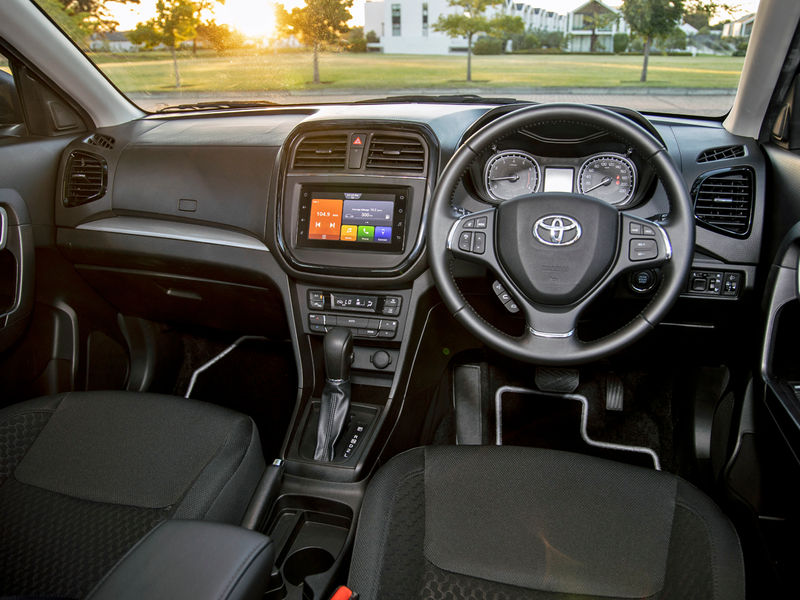
Still, it’s worth pointing out that the Urban Cruiser’s focus on value predictably came with certain minor compromises. For instance, the cabin employed plenty of hard plastics and wind noise was noticeable on the open road, while some features were either restricted to the loftiest trim level (think cruise control and a leather finish for the steering wheel) – or not available at all.
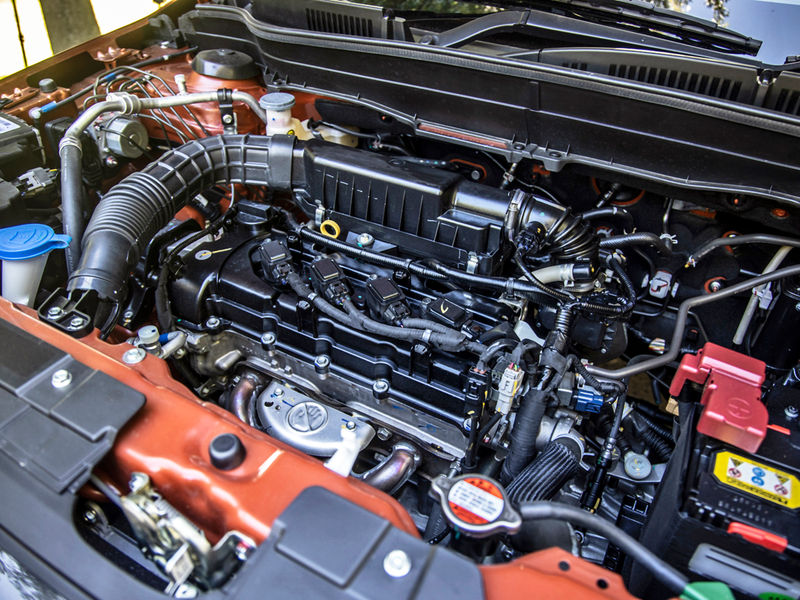
Ubiquitous (proven) engine: Being a rebadged Vitara Brezza, the Urban Cruiser employed Suzuki’s familiar K15B engine. This atmospheric 1.5-litre 4-pot – a free-revving motor providing the front axle with 77 kW at 6 000 rpm – was widely used across the Suzuki line-up, doing duty in everything from the Ciaz sedan to the 7-seater Eritga and even the Jimny 4×4. As such, it remains a well-proven powerplant with readily available spares.
In the Urban Cruiser, the engine’s peak outputs felt sufficient for most applications, though maximum torque of 138 Nm arrived a touch late in the rev range (at 4 400 rpm) compared with forced-induction alternatives. Still, the little Suzuki engine was fairly fuel-efficient; Toyota claimed a combined figure of 6.2 L/100 km regardless of the specified transmission.
Practicality (for its size): Though the Urban Cruiser measured a mere 3 995 mm from snout to rump, it was – just like its Brezza-badged cousin – endowed with a useful degree of practicality. With 198 mm of ground clearance on offer (for all derivatives bar the base Xi variant, which made do with 192 mm courtesy of a slightly different tyre profile), the Urban Cruiser was equipped for basic gravel travel and rode with a pleasing mix of pliancy and surefootedness on asphalt.
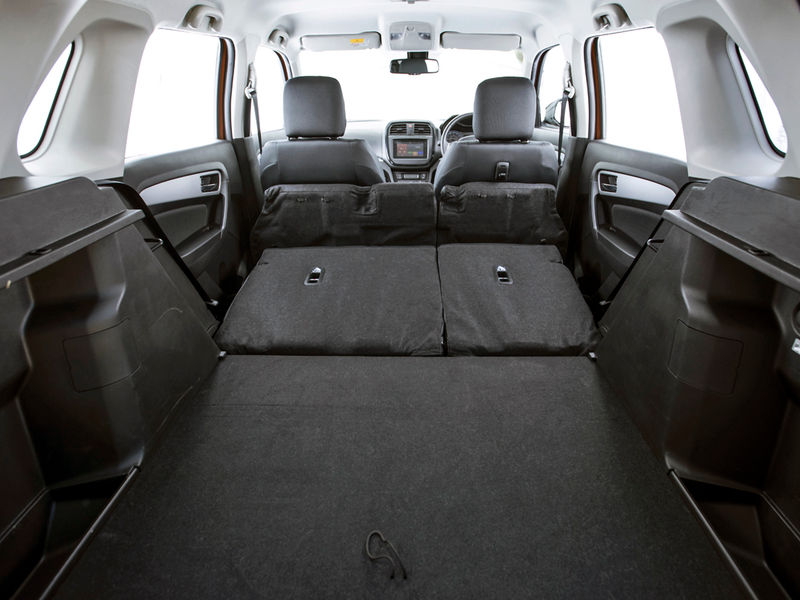
Thanks to a wide tailgate aperture, access to the 328-litre luggage compartment was fuss-free, while the bases of the rear bench could tilt forward, allowing the likewise 60:40-split seatbacks (note the base Xi variant was saddled with a single-piece bench) to drop almost completely flat, freeing up oodles of utility space. Furthermore, the load bay housed a full-size spare wheel.
What are the disadvantages of a Toyota Urban Cruiser?
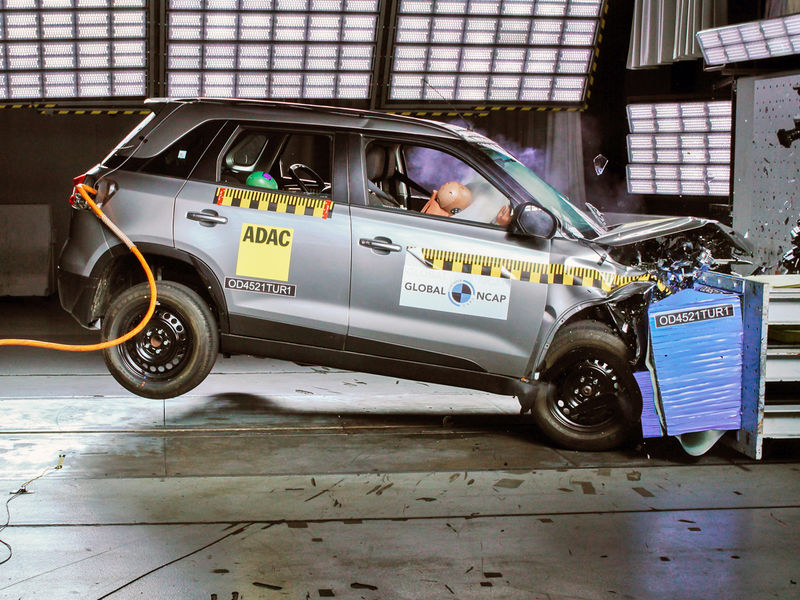
Mediocre levels of safety kit: Global NCAP awarded the Indian-spec Urban Cruiser 4 stars for adult-occupant protection in 2022, with the basic 64-kph frontal-offset crash test suggesting the body shell was “stable” and “capable of withstanding further loadings”. But this small crossover was nevertheless missing a few basic safety features.
In South Africa, for instance, all derivatives had to settle for dual airbags (while the high-spec variants in some competitor line-ups boasted as many as 7 airbags), along with drum brakes at the rear, and electronic stability control was not at all available. Other basic safety features standard across the range were thus limited to ABS with EBD and ISOfix child-seat anchors.
Shorter warranty and service plan: While Suzuki Auto SA offered the Vitara Brezza with a generous 5-year/200 000 warranty, Toyota SA Motors’ standard 3-year/100 000 km coverage applied to the Urban Cruiser (despite the latter commanding a small price premium).
It was a similar case when it came to service plans, with the Suzuki scoring a 4-year/60 000 km arrangement and the Toyota settling for a 3-service/45 000 km plan. Of course, these differences remain valid to buyers scouring the used-car market today.
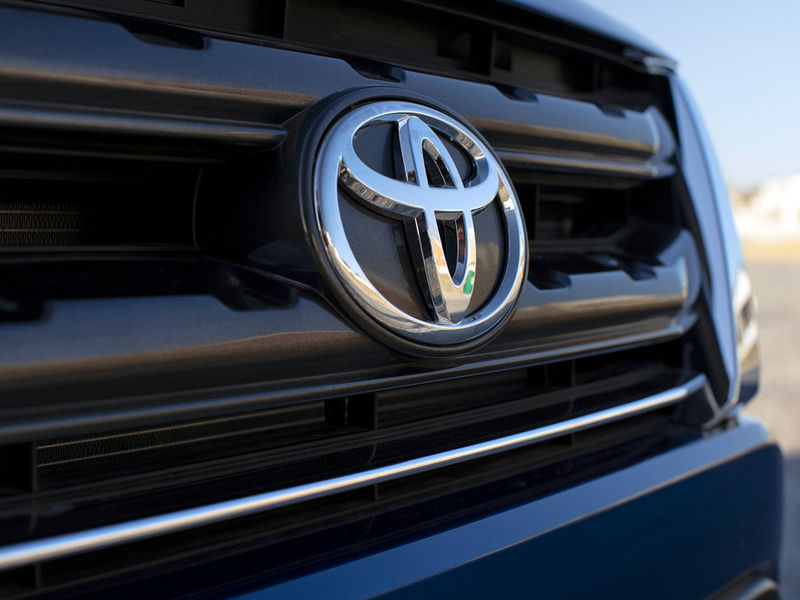
It’s not a Toyota: If you’re shelling out for a vehicle with the famed Toyota logo affixed to its nose, you’d expect a genuine Toyota, right? Well, the Urban Cruiser was a Suzuki product through and through, with zero engineering input from Toyota (though there were some specification differences and the rebadged model furthermore scored an in-car Wi-Fi hotspot with 15GB free data “once-off upon activation”).
That said, it’s worth keeping in mind Suzuki has long held a reputation for developing wonderfully competent small cars – an entirely apt description in this case, too. Moreover, in a market in which so many buyers place tremendous value on the Toyota badge, the Urban Cruiser benefited from the Japanese giant’s typically stronger resale value, plus access to its more extensive dealer footprint.
How much is a used Urban Cruiser in South Africa?
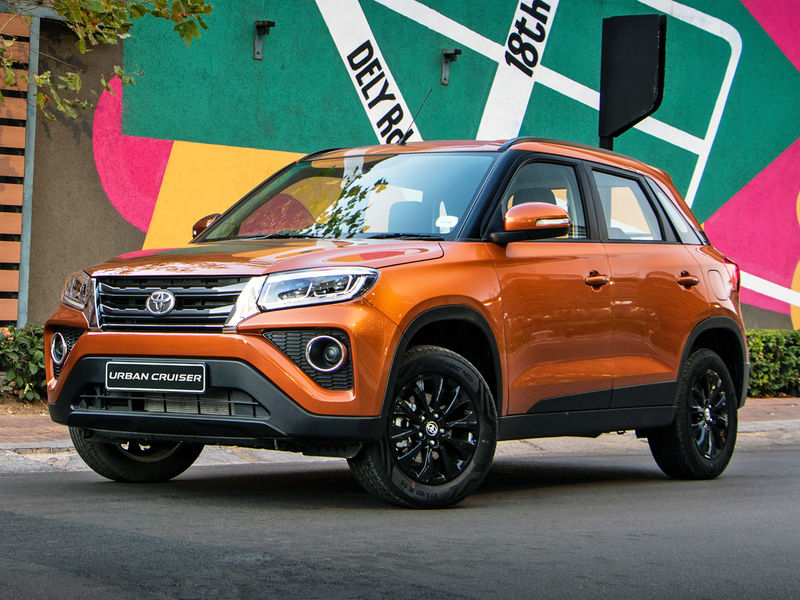
Although we’ve detailed the Urban Cruiser’s aftersales cover above, we should note Toyota also gave buyers the option of extending the warranty to 6 years (with no limit on mileage). In addition, keep in mind some examples on the used market may have been fitted with factory-backed accessories ranging from silver-painted bumper trim to a tow bar (for the record, the Urban Cruiser offered a braked towing capacity of 1 100 kg).
Of the used previous-generation Toyota Urban Cruiser units listed on Cars.co.za at the time of writing, 2022 was easily the most popular model year (entirely predictably, considering this was the only full calendar year in which the vehicle was on the new-car market), accounting for more than 70% of listings.
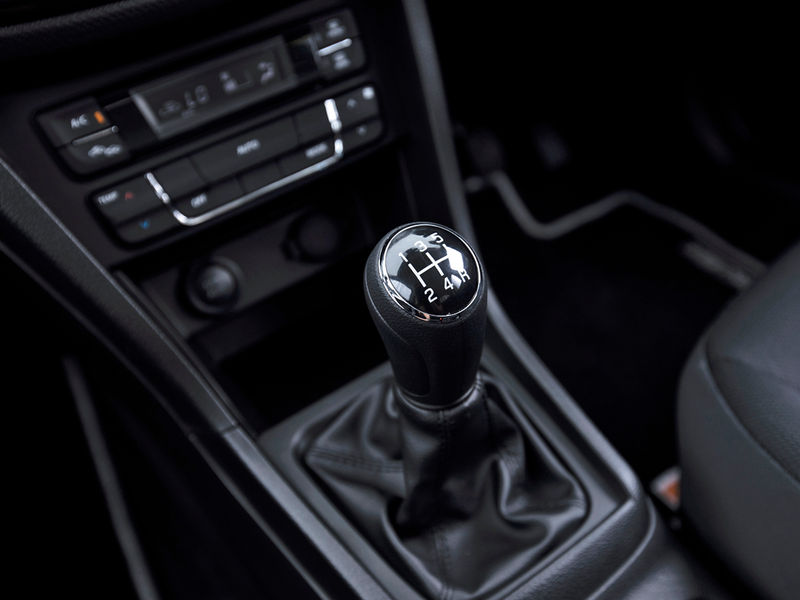
Fascinatingly, the split between manual and automatic transmissions was almost even, with 3-pedal models edging ahead (52%). The mid-tier Xs trim level was the most common (58%), followed by the flagship Xr (29%), with the entry-level Xi (13%) bringing up the rear.
Although we calculated the average mileage as being well below 50 000 km, we also found a few ultra-low-mileage examples, including a 2023 1.5 Xs manual with a mere 474 km on its odometer. At the other end of the spectrum, we discovered a 2021 1.5 Xi manual that had covered 187 500 km (one of only 3 listings that had clocked up more than 150 000 km).
- Below R200 000: Slim pickings below this mark, where we found only a handful of 2021 models, each in mid-spec Xs guise. Still, indicated mileage topped out at 40 000 km in this space, with most of the admittedly few options here unexpectedly specified in self-shifting form.
- From R200 000 to R250 000: The manual gearbox dominated this pricing bracket, where we discovered a mix of 2021 and 2022 models. This was also where we found most of the listed base Xi derivatives, which accounted for more than half of the examples in this space.
- From R250 000 to R300 000: At the time of writing, these pricing bookends housed the bulk of previous-generation Urban Cruiser stock (a whopping 73%, in fact). Fascinatingly, the automatic transmission was easily the most plentiful cog-swapper here.
- R300 000 and up: Spending upwards of R300 000 would get you into a low-mileage Urban Cruiser in mid- or top-spec guise (with either gearbox). Still, you could opt for the new, larger model at this price point. The most expensive previous-gen Urban Cruiser we found was the 474-km example mentioned above, which was listed for a heady R359 900 – even more than it would have cost new.
Which Urban Cruiser derivative should I buy?
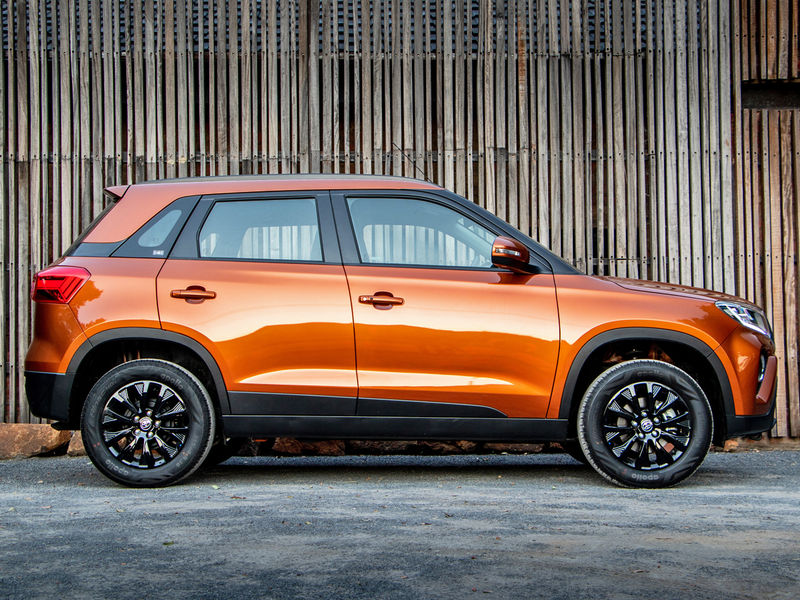
So, which derivative should top your shopping list? Well, since there was just a single engine on offer, your only powertrain decision relates to the transmission. The 5-speed manual gearbox (which could do with a 6th forward ratio for quieter cruising at the national speed limit) is the logical choice thanks to its snappy action and easily modulated clutch, but the 4-speed automatic isn’t as dreary as you might think.
In terms of trim levels, we’d advise steering clear of the entry-level Xi grade, which was missing a rear wiper, height adjustment for the driver’s seat, a rear armrest and a split-folding function for the rear bench, while also having to settle for manual air conditioning and steel wheels (it did, however, at least offer the 7-inch touchscreen infotainment system).
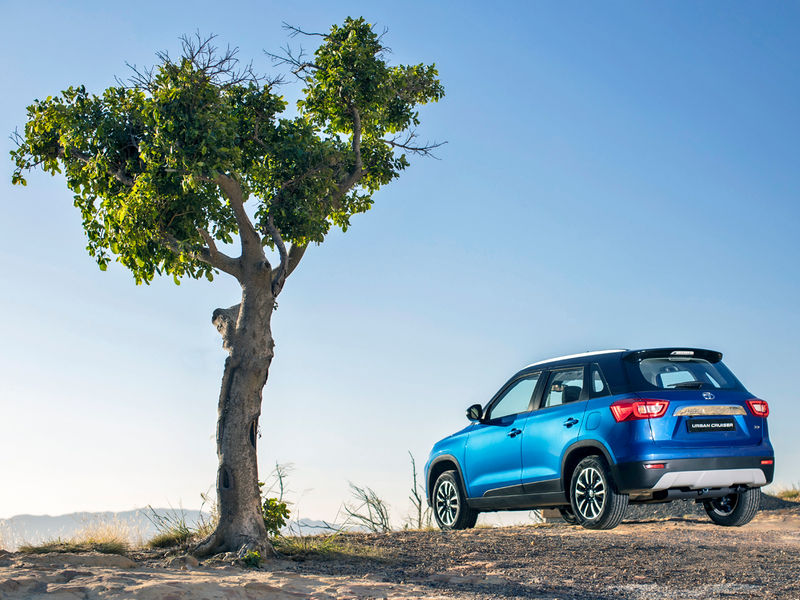
Instead, the popular Xs trim grade offered a more pleasing spread of standard kit, gaining the missing items listed above, plus 16-inch alloy wheels, roof rails, body-coloured exterior door handles, power-retractable side mirrors, climate control, a reverse-view camera and a secondary glove compartment.
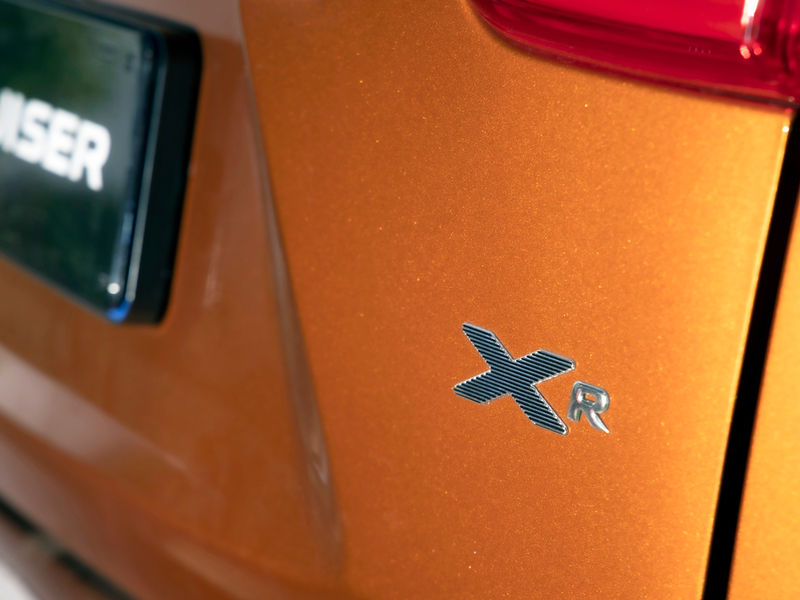
If your budget allows, the top-spec Xr is tempting and set apart by its LED foglamps, automatic headlights, cruise control, electro-chromatic rear-view mirror, rain-sensing wipers, dual 12V power outlets, front armrest, leather-trimmed steering wheel, a pair of additional tweeter speakers, glovebox illumination, a cooled storage compartment and dedicated luggage-compartment lighting.
Is the Toyota Urban Cruiser a smart used buy?
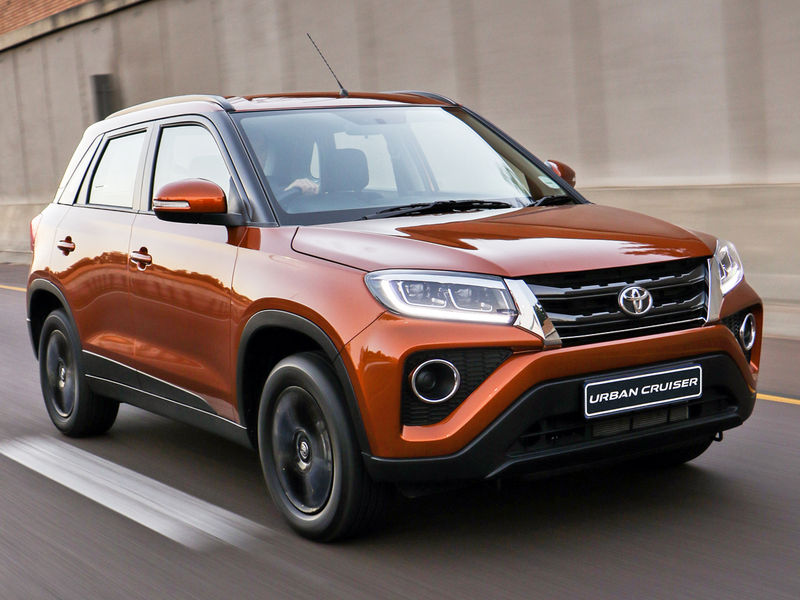
The 1st-gen Toyota Urban Cruiser played in a sub-4-metre Indian-built crossover segment that was brimming with options. Besides the Vitara Brezza, Toyota’s baby crossover faced strong competition from the Kia Sonet – perhaps the most accomplished contender in this space – as well as the compelling Hyundai Venue and the somewhat underappreciated Mahindra XUV300.
Arguably less-polished alternatives included the nevertheless popular Nissan Magnite and Renault Kiger cousins, along with the seldom-spotted Honda WR-V (since replaced by the new Honda Elevate). Meanwhile, slightly larger rivals at similar price points included the now-discontinued Ford EcoSport (check out our detailed Ford EcoSport buyer’s guide) and the increasingly popular Chery Tiggo 4 Pro.
Although the Urban Cruiser had only a fleeting stay in South Africa, its overnight success served as a striking reminder of the Japanese giant’s general dominance of the local market. But regardless of the so-called “Toyota Effect”, the product itself – whether wearing a Suzuki badge or a Toyota emblem – continues to make a strong case for itself on the used market today. This version offers added appeal to those keen on an affordable small crossover backed by the market’s most popular marque.
Looking for a used Toyota Urban Cruiser to buy?
Looking to sell your car? You can sell it to our dealer network here
Ryan Bubear

Having written about everything from sport and politics to crime, Ryan eventually settled on motoring. For well over 15 years, he's been penning articles – both online and in print – about the broader automotive industry, though he's particularly fascinated by vehicle-sales statistics. A freelance writer and editor, Ryan has owned a 1971 Austin Mini Mk3 for 20-plus years.