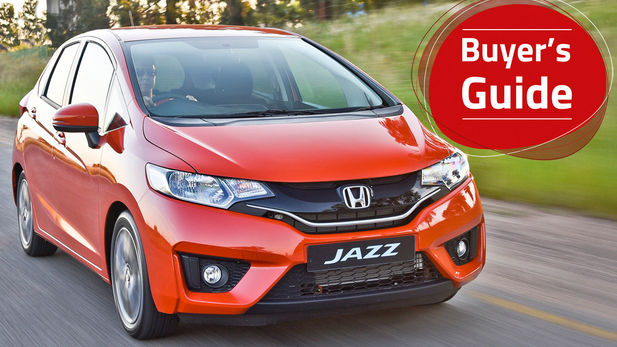
On the hunt for a used compact hatchback that majors in versatility? Let’s examine the line-up of the 3rd-gen Honda Jazz and identify the model’s strengths and weaknesses.
As was the case with the original Honda Jazz that debuted in South Africa way back in 2003 and the 2nd-gen model that followed 5 years later, the defining quality of the 3rd generation of the Japanese firm’s mellifluously named B-segment hatchback was its standout (for the segment) cabin versatility.
But there were a few noteworthy changes. For instance, while its forebears were imported from Japan, the SA-market version of the 3rd-gen Jazz was built at Honda’s (then new) Tapukara facility in Rajasthan.
In addition, entry-level variants ditched the trusty 1.3-litre 4-cylinder engine in favour of a 1.2-litre 4-cylinder unit familiar from another Indian-produced hatch, the (smaller) Brio.
While the GK-series Jazz was seemingly not quite as popular locally as its 2 predecessors, it nonetheless played a significant role in the model line-up of Honda Motor Southern Africa (SA). For the record, the Japanese-built 4th-gen model arrived in Mzansi in mid-2021 wearing the Fit badge (a moniker long used in other markets), marking the end of the line for the Jazz nameplate in Mzansi.
Honda Jazz model line-up in South Africa
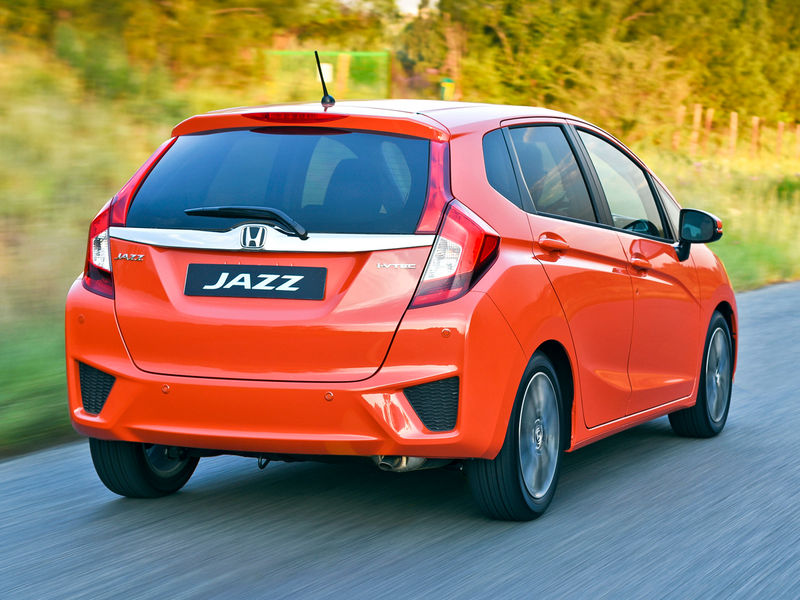
In July 2013, Honda released the 1st official images of the 3rd-gen model. The 5-door Jazz’s local launch took place in January 2015, with the vehicle rolling onto dealership floors around South Africa the very next month.
The SA-spec Jazz was offered with the choice of 2 naturally aspirated 4-cylinder petrol engines (a new 1.2-litre motor and the familiar 1.5-litre mill, with each i-VTEC unit driving the hatchback’s front axle), 2 transmissions (a 5-speed manual and a constantly variable auto transmission with paddle shifters and 7 steps) and 4 trim levels. As a result, the local line-up comprised the following 7 derivatives at launch:
- 1.2 Trend 5MT (66 kW/110 Nm)
- 1.2 Comfort 5MT (66 kW/110 Nm)
- 1.2 Comfort CVT (66 kW/110 Nm)
- 1.5 Elegance 5MT (88 kW/145 Nm)
- 1.5 Elegance CVT (88 kW/145 Nm)
- 1.5 Dynamic 5MT (88 kW/145 Nm)
- 1.5 Dynamic CVT (88 kW/145 Nm)
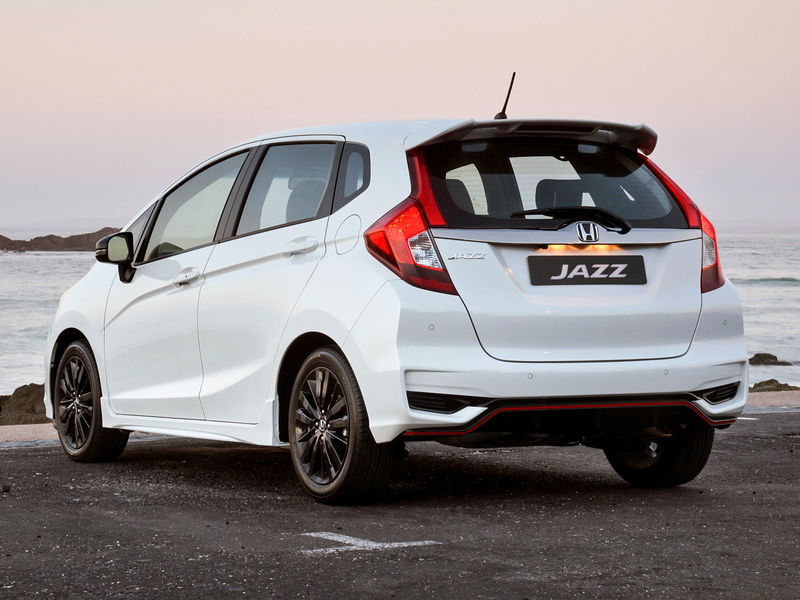
The range didn’t change all that much over the next 6 years. In fact, despite the Jazz being treated to a mild facelift overseas in 2017, the refreshed range didn’t ever make it to local roads. However, Honda Motor SA did roll out a new Jazz Sport derivative – which supplanted the 1.5 Dynamic CVT as the line-up’s flagship – in February 2018, complete with “Type R-inspired” styling.
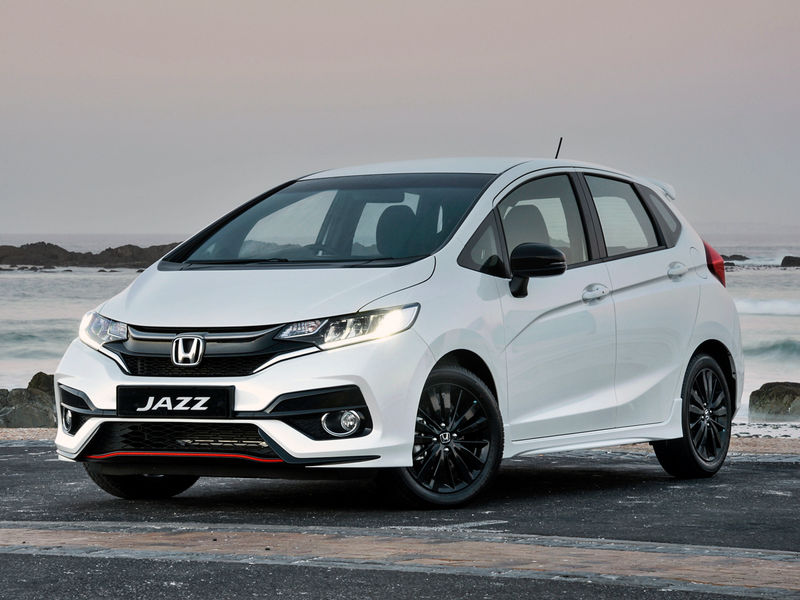
Arriving alongside the FK8 Civic Type R, the Jazz Sport was set apart by its distinctive aero package (including a cheeky rear spoiler), 16-inch Berlina black alloy wheels, upgraded cabin, retuned suspension and uprated brakes (dropping drums at the rear in favour of discs).
Moreover, the 1.5-litre petrol unit was tweaked to deliver a somewhat healthier 97 kW and 155 Nm, peak outputs that were delivered to the front wheels via a CVT. Curiously, there was no option of a manual gearbox in South Africa, despite a 3-pedal version being offered overseas. Local sales of the GK-gen Jazz came to an end by June 2021, when the GR/GS-series Honda Fit arrived to take its place.
What are the advantages of a Honda Jazz?
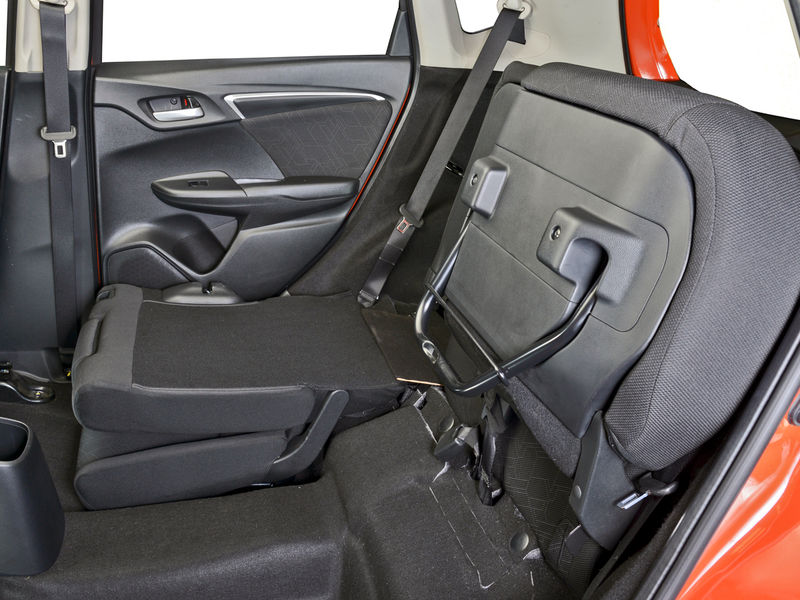
Trademark versatility: In a certain sense, the Jazz was half hatchback, half mini-MPV. Boasting a 35 mm longer wheelbase (at 2 530 mm) than its predecessor, the 3rd-gen Jazz was certainly the most practical B-segment hatch of its era, chiefly thanks to Honda’s so-called “Magic Seat” system.
Smart packaging (the low-profile fuel tank was again centrally sited) allowed the Jazz to incorporate a highly configurable seating arrangement – the bases of the 60:40 split rear seats could independently tip up against their backrests, for instance. That facilitated the transport of all sorts of items that would usually be deemed too tall or bulky to shoehorn into such a compact car.
Courtesy of its updated design, the 3rd-gen Jazz offered notably more rear legroom than its forebear, while its load-bay capacity grew by 26 litres to 363 litres (despite the presence of a full-size spare wheel in all variants except the Jazz Sport). Folding the rear bench flat would free up 881 litres of utility space.
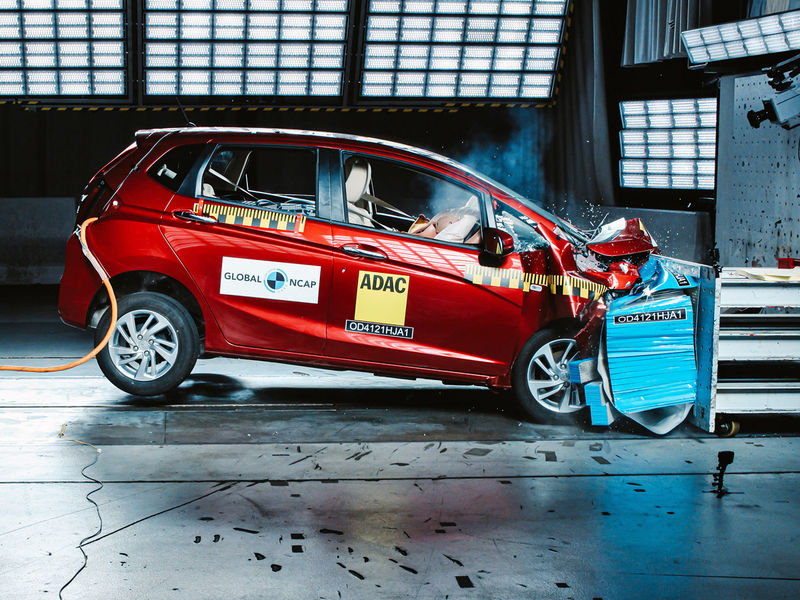
Lofty standard safety spec: At launch, all 7 derivatives in the 3rd-gen Jazz line-up shipped standard with numerous safety features, including ABS (with EBD and EBA), electronic stability control, 6 airbags, outer-rear ISOfix child-seat anchors, 3-point inertia-reel seatbelts (with height-adjustable anchor points) and hazard lights that triggered under hard braking. While all variants bar the Jazz Sport made do with rear drum brakes, top-spec Dynamic (and indeed Sport) versions also boasted rear parking sensors.
For the record, Global NCAP awarded a lower-spec Indian-market Jazz – which featured dual front airbags and a rear centre lap belt, while also lacking items such as electronic stability control and seatbelt pre-tensioners – 4 stars for adult occupancy- and 3 stars for child-occupant safety in 2020.
After being subjected to the standard 64 kph frontal crash test, the Jazz’s bodyshell was rated as “stable” and “capable of withstanding further loadings” by Global NCAP.
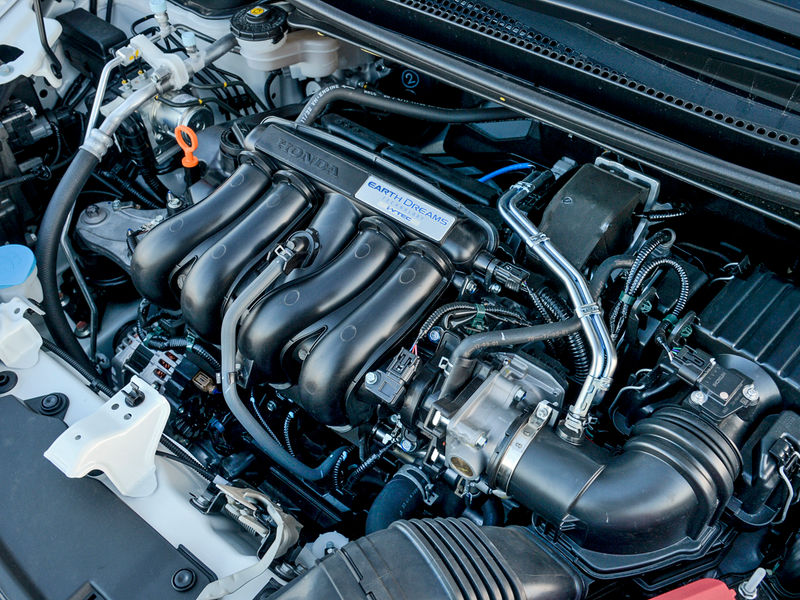
Fuss-free atmospheric engines: Honda opted to eschew forced induction despite some of the Jazz’s rivals moving to downsized turbocharged petrol engines around this time. The Japanese firm stuck with the 1.5-litre i-VTEC unit (L15Z5) carried over from the 2nd-gen Jazz, while also introducing the 1.2-litre i-VTEC motor (L12B3) from the Brio. While neither rev-happy (chain-driven) motor was particularly well endowed in the low-down torque department (their respective peak figures arrived at 4 800 and 4 600 rpm, after all), both were known to be thoroughly reliable when maintained properly.
As an aside, though both the 2nd-gen Jazz and 4th-gen Fit were offered locally with the option of a hybrid powertrain, the 3rd-gen line-up interestingly did without a petrol-electric derivative. This was likely since it was sourced from India, where such a derivative was not produced.
What are the disadvantages of a Honda Jazz?
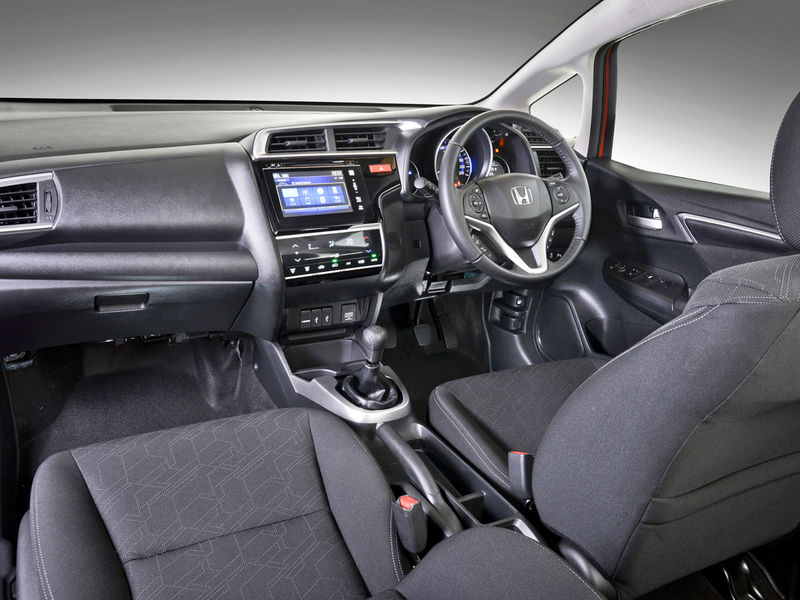
The decline in cabin quality: Though the Indian-produced GK-series Jazz was by no means poorly built, there was a definite drop in build quality compared with the preceding version. For instance, plenty of the interior plastics – including those used on areas such as the dashboard, centre console and interior door panels – were noticeably scratchier than before.
Moreover, some early versions were saddled with loose-fitting plastic trim and a surprisingly flimsy boot board in the luggage compartment. That said, the mid-tier Elegance and top-spec Dynamic grades did score leather trim on frequent touch points such as the steering wheel (which benefited from tilt-and-telescopic adjustment across the range) and gear knob, while the Sport had a soft-padded dashboard.
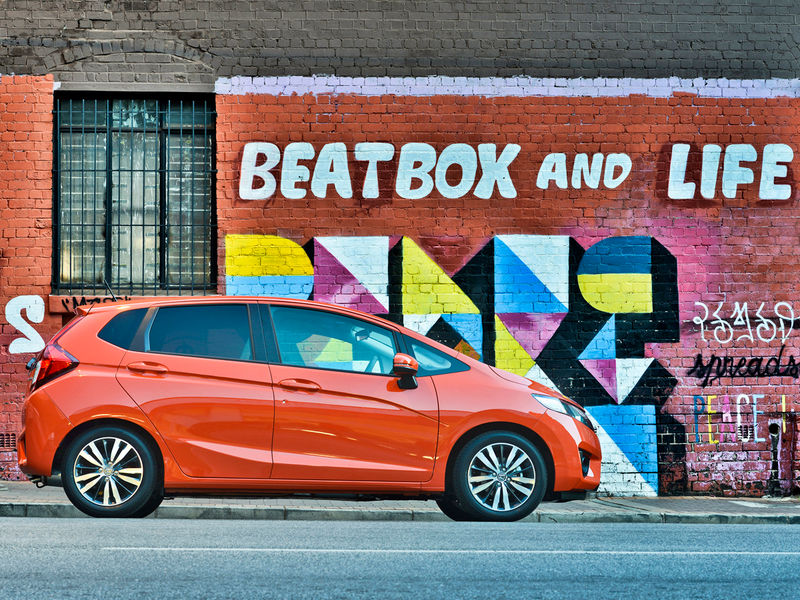
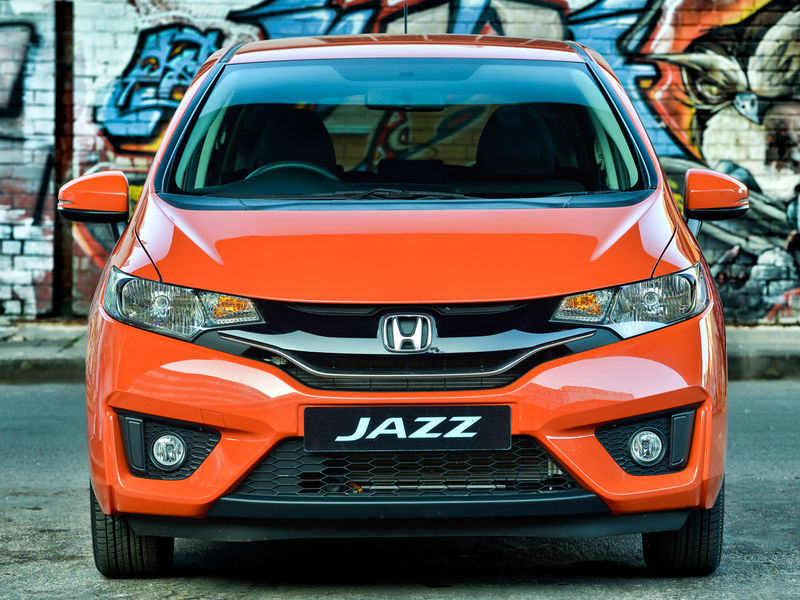
Pensioner persona: Honda once famously revealed that the average age of a Jazz owner was 61 years old. Despite an obvious attempt to style the 3rd-gen model to appeal to younger buyers (the press material was peppered with terms like “edgy”, “aspirational” and “sculpted”, while the launch images showed a brightly coloured example parked in front of a graffiti-covered building), the GK-series Jazz was not quite able to shake the perception it was the preferred transport of, well, “more mature” drivers.
Still, it could certainly be argued the sort of attributes that perpetuated such a viewpoint – such as the wide-opening doors, low load-bay loading lip, suitably raised seating positions, comfy ride and excellent outward visibility thanks to the thin pillars – were boons for drivers and passengers of all ages.
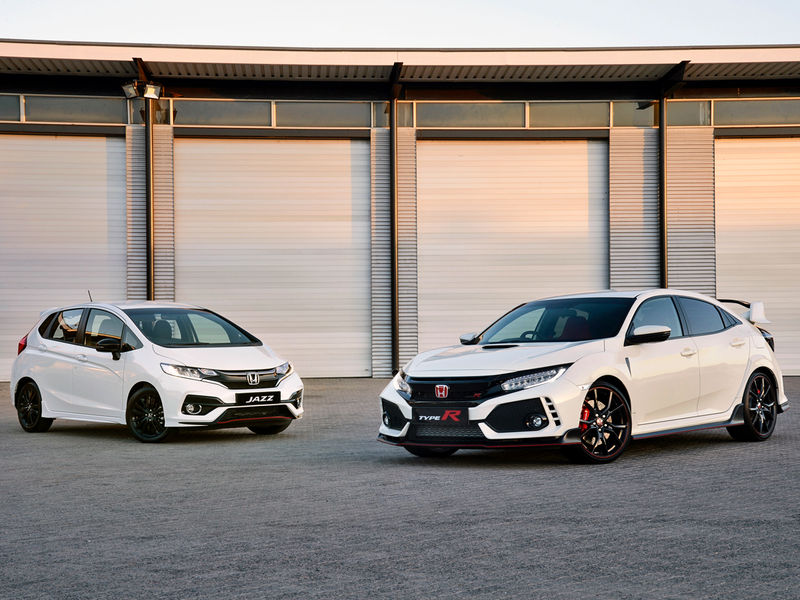
Jazz Sport a missed opportunity: While the Jazz Sport’s extra oomph wasn’t quite sufficient to push it into warm-hatch territory, it certainly held the potential to appeal to a younger audience. But items such as the Type R-mimicking body kit, red exterior detailing and firmer suspension were entirely at odds with the only transmission on offer: a “specially adapted” continuously variable automatic transmission.
We can’t help but feel the overall package would have been altogether sweeter had Honda Motor SA made the Jazz Sport – which wore the RS badge in certain markets – available with a manual gearbox.
How much does a used Honda Jazz cost in South Africa?
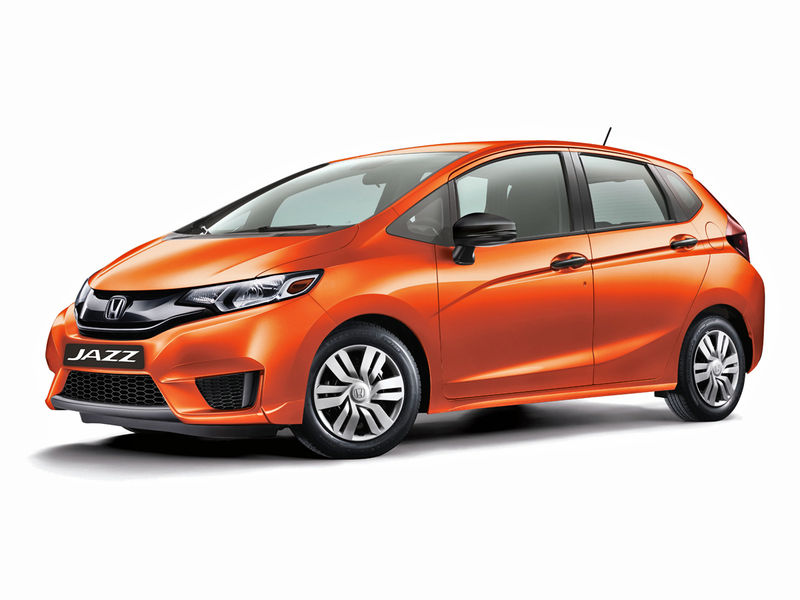
At launch, all derivatives in the local GK-series Jazz line-up were covered by Honda’s 3-year/100 000 km warranty, but by January 2016, the company had upgraded its range-wide warranty to be valid for 5 years or 200 000 km. In addition, a 4-year/60 000 km service plan shipped standard on every variant bar the entry-level Trend. Scrutinise the maintenance history of any vehicle you’re considering purchasing, making sure routine services were carried out at least every 15 000 km.
Of the used 3rd-gen Jazz models listed on Cars.co.za at the time of writing, 53% were fitted with the 1.5-litre engine, with the remaining models employing the 1.2-litre motor. The split between transmissions was likewise almost even, with manual vehicles accounting for 55% of listings.
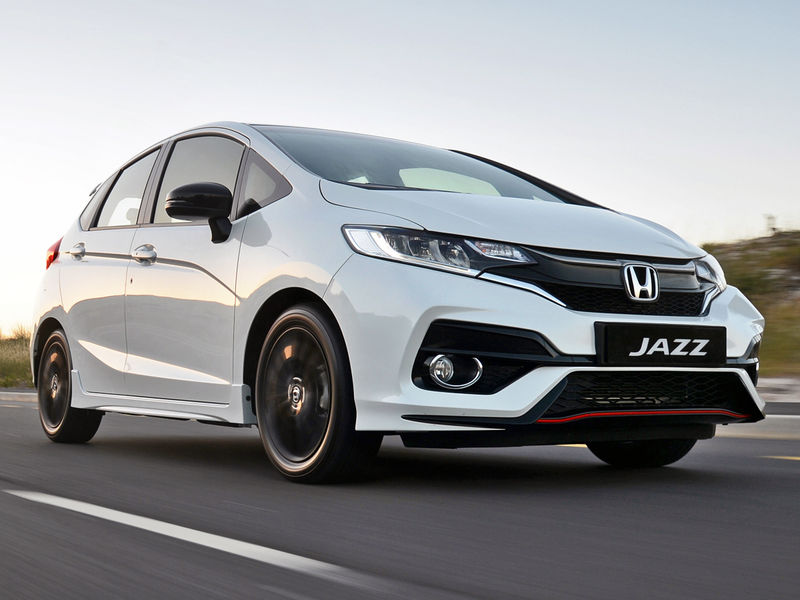
Comfort was the most plentiful trim level (39%), though Elegance wasn’t far behind on 36%. The Trend, Dynamic and Sport grades each accounted for around 8% of all 3rd-gen Jazz listings. Interestingly, 2016 was the most popular model year, followed by 2018 and 2019.
Indicated mileages varied from just 17 000 km (on a 2020 1.5 Sport CVT) to 198 000 km (on a 2016 1.5 Dynamic CVT), while white (41%) and silver (32%) were the most common paint colours.
- Below R150 000: Examples listed for under R150 000 were all from the opening 3 years of production, with most showing more than 125 000 km on their respective odometers. In addition, the smaller engine dominated this admittedly sparsely populated space.
- From R150 000 to R200 000: At the time of writing, this was where most of the 3rd-gen Jazz units were positioned (with the 1.2-litre engine interestingly again listed in greater numbers). All model years bar the final were represented, with most vehicles having covered less than 100 000 km.
- From R200 000 to R250 000: The 1.5-litre unit was the most common engine between these pricing bookends, while we found very few manual-equipped units here. Mileages were capped at about 75 000 km, though the model-year distribution was relatively even across 2017-2021.
- R250 000 and up: Spending upwards of R250 000 would score you a late model-year Jazz with low mileage, though only CVT-equipped derivatives were listed above this mark. The priciest Jazz we uncovered was the low-mileage 2020 1.5 Sport CVT mentioned earlier, which was listed for R305 000 (for the record, it had a new-car sticker price of R338 900 in its year of registration).
Which Honda Jazz should I buy?
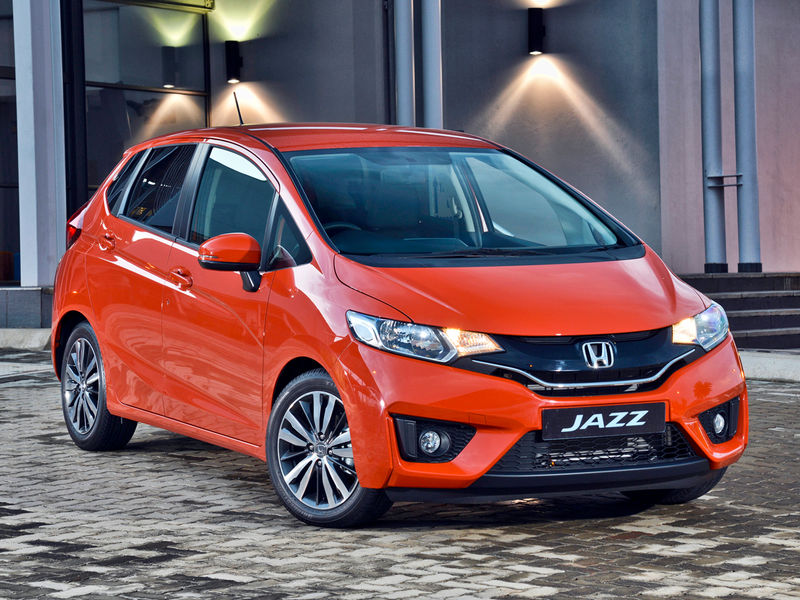
So, which GK-series Honda Jazz is the pick of the bunch? Well, let’s start with the powertrains. Although the 1.2-litre mill was the more fuel-efficient engine (sipping at a claimed 5.6 L/100 km), its relative lack of grunt meant it struggled with sharp inclines and brisk overtaking manoeuvres, particularly upcountry.
The 1.5-litre motor, meanwhile, offered an upgrade in oomph with only a minor fuel-consumption penalty (it used a claimed 6.0 L/100 km in manual guise and 5.8 litres in CVT form, with the latter figure falling to 5.6 litres in the case of the further-fettled Sport). We’d suggest sticking with the manual gearbox – even if it could have done with a 6th forward cog – as we have heard of a few instances of CVT problems.
That leaves us with the 1.5 Elegance and 1.5 Dynamic derivatives, each specified with 3 pedals (and, incidentally, each able to reach 100 kph from a standstill in under 10 seconds). For the record, the Elegance features standard items such as 15-inch alloy wheels, front fog lamps, colour-coded side-mirror caps, hill-start assist and a 5-inch touchscreen infotainment system.
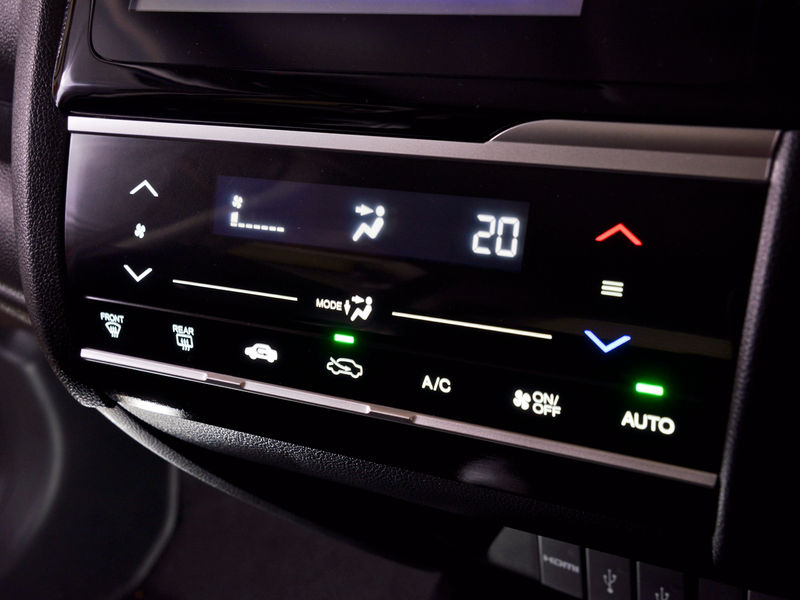
An upgrade from manual air-conditioning to climate control was also included, but keep in mind that the heating-and-ventilation control panel was a digital item – and not the simplest to operate while you’re driving. Those seeking a mite more standard specification would do well to consider the Dynamic, which gained 16-inch rims, a 7-inch touchscreen system, an HDMI port, rear parking sensors and privacy glass.
Is the Honda Jazz a good used buy?
Though the Honda Jazz was marketed as a B-segment hatchback, in some ways its closest rivals were largely under-appreciated small MPVs such as the 2nd-gen Opel Meriva (defined by its rear-hinged rear doors) and the Ford B-Max (featuring sliding rear doors and dispensing with a traditional B-pillar).
That said, the 3rd-gen Jazz still had to contend with conventional B-segment big hitters such as the 6th- and 7th-gen Ford Fiesta, as well as the locally produced 5th- and 6th-gen Volkswagen Polo hatchbacks.
Other mainstream models in this space included the Renault Clio IV, 2nd-gen Hyundai i20, 4th-gen Kia Rio, 5th-gen Opel Corsa and 3rd-gen Mazda2. Later examples of the 3rd-gen Toyota Yaris might also be worth a look, while the French duo of the Peugeot 208 and Citroen C3 represented left-field choices.
So, does the GK-series Honda Jazz represent a compelling used-purchase proposition? Well, though previous iterations felt more solidly built inside, they’ve perhaps become a little long in the tooth for many buyers (while the latest Fit is considerably pricier and thus likely out of reach). So, if you’re able to look past this shortcoming, the 3rd-gen Jazz model makes a strong case for itself by virtue of its dependable engines, lofty safety specification and what is unquestionably the most versatile interior in its class.
Looking for a used Honda Jazz to buy?
Find a used Honda Jazz listed for sale on Cars.co.za!
Looking to sell your car? You can sell it to our dealer network here
Ryan Bubear

Having written about everything from sport and politics to crime, Ryan eventually settled on motoring. For well over 15 years, he's been penning articles – both online and in print – about the broader automotive industry, though he's particularly fascinated by vehicle-sales statistics. A freelance writer and editor, Ryan has owned a 1971 Austin Mini Mk3 for 20-plus years.