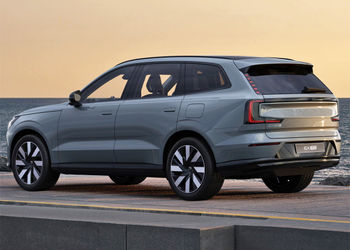
A Car Warranty ensures that vehicle maintenance doesn’t cost you more than you can afford. If your car is a recent model, its warranty will cover you against costly mechanical repairs, but if your vehicle is a bit older, add-on warranties are available.
If you aren’t sure what a Car Warranty is or how to distinguish between a Standard and an Extended Car Warranty, this article – brought to you in conjunction with Budget Insurance – explains this in more detail.

What is a Car Warranty?
When an automotive manufacturer produces a car, it understands there is a reasonable expectation that various parts of the car will last for some time before needing repair or replacement. To give you peace of mind, they provide buyers with a warranty in terms of kilometres driven or years owned after purchase.
This warranty promises to repair and replace any manufacturing or factory defects that may pop up during the provided period (usually for 3- or 5 years). It generally excludes items you can expect to develop wear and tear, and these more frequently replaced items often come with a separate warranty.
The Car Warranty also will NOT cover accidental damage, damage stemming from neglect or damage from altering the car outside of the manufacturer’s specifications in any way.

A Car Warranty and a Service Plan (which covers the cost of servicing a vehicle at pre-set intervals) tend to complement one another, but there are differences between them. A new car comes with a warranty, and if you purchase a pre-owned vehicle, it could still be within its warranty period, depending on its age and mileage (used-car dealerships often refer to this as “the balance of the manufacturer warranty”).
An Extended Car Warranty, in turn, is a top-up you can purchase once your manufacturer’s warranty expires. Your Service Plan will also come with your new or pre-owned car and will cover the cost of servicing your car at any authorised service centre up to certain time and mileage limits.
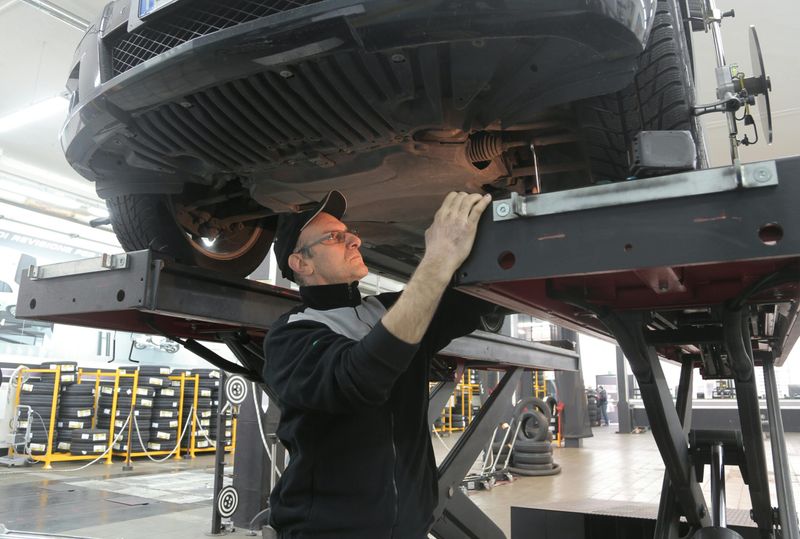
What a Car Warranty includes and excludes
While the costs of repairing or replacing your car’s components may not seem like a lot when viewed individually, they can add up.
It’s essential to know what your Car Warranty and Service Plan does and doesn’t cover. Manufacturers have different lists of inclusions and exclusions for what is covered under their Vehicle Warranties.
For this reason, it’s highly advisable to familiarise yourself with what your car’s warranty covers. Most warranties protect the following major automotive components:
- Engine
- Steering
- Brakes
- Suspension
- Gearbox
- Electronics
- Fuel and ignition
- Cooling
- Transmission
- Turbo/superchargers
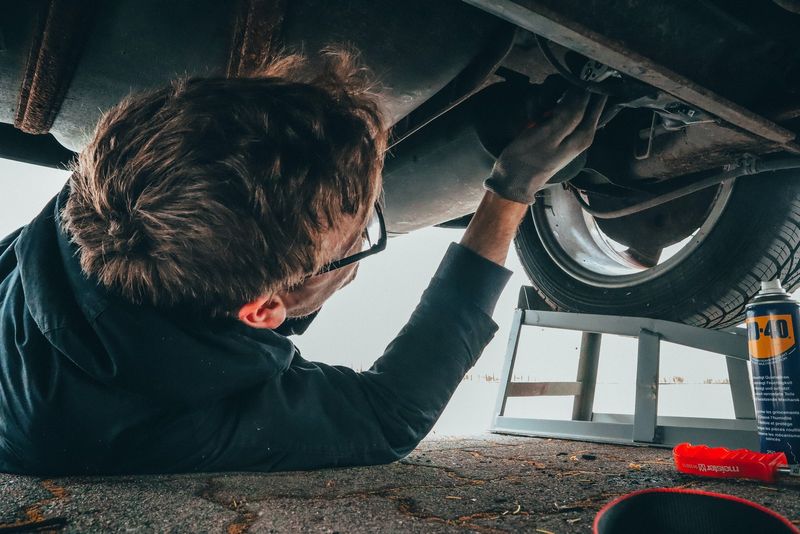
The following items are usually excluded from your warranty because they experience more wear and tear or have a short lifespan. This means that you may need to replace or repair them out of your pocket.
- Oil and coolant top-ups
- Converters and brakes
- Tyres and wheels
- Body and paintwork
- Windows and headlights
- Heating and cooling system and components
- Sound equipment
- Navigational equipment

Vehicle Warranties: New vs Used Cars
If you’re thinking about buying a car, you should know what you’re getting into when buying a new or used model. Here’s what different options could mean for you.
1. New Car Warranty
A new car will come with a full warranty valid for specific years and kilometres. Familiarise yourself with your car’s warranty Terms and Conditions to avoid mistakes that could lead to the warranty being voided.
This usually requires servicing your car on schedule at an authorised service centre using Original Equipment Manufacturer (OEM) parts. It can also mean avoiding misusing your car (for example, using it for drag racing or overloading it) or modifying it (for example, lowering or lifting its suspension).

2. Used Car Warranty
When you purchase a used car, it can come with the remainder of its warranty (don’t buy a car that ought to have a valid warranty – but doesn’t), which you may want to top up with an Extended Warranty. Either way, ensure you have all the paperwork to verify your car’s condition before you sign on the dotted line
This means accessing its Vehicle Identification Number so you can confirm that it has a full service and maintenance history (which includes major services, such as a timing belt replacement). This can also show you if the car’s mileage is genuine and whether it has sustained hidden damage or been modified… all of these things could void your remaining warranty or prevent you from getting an extended one.

How to get the most out of your Warranty
So, to sum up, the best way to get the most out of your Car Warranty is to operate your car as it was intended and honour your agreement with its manufacturer to service and maintain it as prescribed. This includes being proactive about your car’s upkeep and even using free inspections and road assistance. When doing this, document everything and always use official channels, repair technicians and parts.
Following these steps will give you a solid and reliable background that the manufacturer can rely on to see that you have upheld your part of the Car Warranty. This responsible care will make it easier for you to get repairs and replacements if you need them.

Get a Car Warranty quote from Budget Insurance
Now that you understand the benefits that a Car Warranty can afford you, you may be interested in extending the one on your vehicle. If so, get a Vehicle Warranty quote from Budget Insurance today.
Related content:
Cheap car insurance: Be wary of the risks
4 Lesser-known Car Insurance Inclusions
How to review your insurance policy
Does car insurance cover items stored in your car?
How technology is changing car insurance
5 Ways to Lower Your Car Insurance Premium
How to File an Insurance Claim if Your Car is Stolen
7 Things that Roadside Assistance should include
Tips for buying & insuring a used or ex-rental car
Car Insurance Guide: Everything You Need to Know
Is your car insured against unexpected risks?
Cars.co.za

Providing you with the latest motoring news, new car releases and the simplest way to buy and sell cars.