Because car insurance can seem like a complex and daunting topic to some motorists, Budget Insurance has compiled a handy car insurance guide that explains the basics of car insurance, including legal requirements, coverage options and terminology.
PARTNERED CONTENT
Is it mandatory to have car insurance?
No, car insurance is not a legal requirement in South Africa, but rather a choice left to drivers’ discretion. However, you may be required to get insurance if you buy your car through a vehicle-finance agreement.
The Automobile Association of South Africa states that there are approximately 11 million registered vehicles in the country, and up to 70% of those are uninsured. That means, on average, that only 3 out of every 10 cars on the road are insured. But that begs the question: If your car is involved in a vehicular collision, how confident are you that you’d be able to recover the cost of repairs from the other party?

Why even bother with taking out cover?
If it’s not a legal requirement to insure your car, why would you need to peruse a car insurance guide? Because it’s important to have a car insurance policy for the sake of financial security and financing.
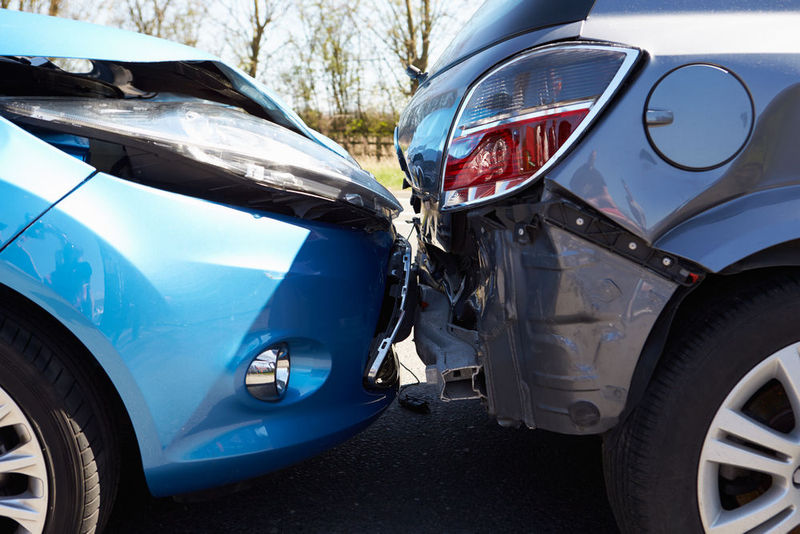
Remember, if you don’t have any car cover and you’re involved in an incident, such as colliding with another vehicle, object or structure, you are solely responsible for paying for all repairs. You may even need to compensate a 3rd party if you were deemed at fault for damaging their vehicle or property.
Because most people cannot afford to repair their vehicles out of pocket, it’s advisable to safeguard yourself by taking out a car insurance policy and paying its monthly premiums on time. That way, you will be covered financially for a covered event, depending on the type of insurance plan you’ve taken out.
And, if you owe money on your car it’s advisable to take out car insurance because, even if you suffer a total loss of the vehicle (through theft or an accident), you will still have to pay off your debt. Most banks stipulate that you need to purchase comprehensive car insurance when you buy a vehicle through them.

How much is Car Insurance?
The cost of car insurance is multifaceted. An insurance company will usually conduct a risk assessment on each individual application based on a number of different factors, such as the prospective client’s age, driving history, where they park their car, the age, make and model of their vehicle, their geographical location and even the amount of time they spend on the road…
In addition, there are several types of vehicle Insurance policies that will each have different monthly premiums based on the coverage they provide. The more cover they provide, the higher the premiums.

Requirements for car insurance
Applying for a car insurance quote is simple and easy. You will need to supply the following information:
- Personal information, including your age, address, ID number and contact details.
- Vehicle information: the make, model, year and VIN number, along with the registration details proving ownership.
- Driving history: you may be asked to provide information related to your driving record, including car accidents or car insurance claims.
- Coverage preferences: you will be asked to select the type of car insurance you want, along with the level of coverage.
- Payment information: a method of payment for your insurance premium.
What does Car Insurance cover?
Your coverage will depend on the type of insurance you take out. Your most common options include:
- Comprehensive Car Insurance covers loss, theft, and damage to your own car. It also covers fire damage and damage to a 3rd party’s property or vehicle, even if you’re the cause of an accident.
- Third-Party, Fire and Theft Car Insurance – this covers theft and fire damage to your car and any 3rd-party damage you may cause in an accident.
- Third-Party Only Car Insurance will only cover damage to a 3rd party’s vehicle or property that results from an accident in which you are deemed to be at fault.

Some insurers, such as Budget Insurance, also offer several add-on insurance policies if you have identified specific risks for which you’d like to receive extra coverage. Plus, you can receive a cashback reward by remaining claim-free for a period of 2 years. So if you’d like to maintain a “clean” record, you can rely on these auto add-on policies to take care of any minor scrapes. Some of the policies include:
- Motor Warranty: Vehicles and their parts do not last forever. With a Pre-owned or Extended Motor Warranty, you’re covered for mechanical and electrical problems when your manufacturer’s warranty expires.
- Scratch & Dent Cover: You can take care of those small (but annoying) scratches, scrapes, dents, and chips on the body of your car without having to claim on your primary car insurance policy.
- Tyre & Rim Guard: To replace a tyre or fix a rim after you’ve hit a pothole or debris on the road.
- Auto Top-Up: If your car is stolen or written off, your payout may not fully cover what you owe on your financed car. Auto Top-Up pays the difference.

Want to know more about car insurance?
We hope that you have found this car insurance guide helpful. Remember, if you want to learn more about car insurance or review your car insurance requirements with the help of experts, Budget Insurance’s team is always ready to assist. Contact them on 086 1600 120 or utilise their online car insurance calculator, which gives you an accurate and budget-friendly quote in minutes.
Related content:
Is your car insured against unexpected risks?
Buying a new car? Ways to lower your insurance premium
What to Do if You’ve Been in a Car Accident
The difference between Comprehensive & 3rd-Party car insurance
Retail, Market & Trade-in Value: How it Affects Your Car Insurance
5 Ways To Ensure That Your Car Insurance Claim Will Be Paid
You Can Recover Your Insurance Excess if an Accident Wasn’t Your Fault
How drunk driving affects your car insurance
Why you should consider an extended vehicle warranty
Car Theft: What to do when your vehicle is stolen
How to Distinguish Between Types of Car Insurance
Find the type of car insurance that suits you
How Your Mood Affects Your Driving
Cars.co.za

Providing you with the latest motoring news, new car releases and the simplest way to buy and sell cars.