Car manufacturers’ product planning around battery-electric vehicles is failing – and here’s why.
Not too long ago, there was a time when Mercedes-AMG would reveal a new model almost every other week… It seemed the Three-pointed Star’s Affalterbach-based high-performance division could do no wrong, because the market appeared to have an insatiable desire for its dramatically styled evolutions of existing Mercedes-Benz platforms, replete with more power and noise.
But now, there’s a different week-by-week trend. New battery-electric vehicles (BEVs). The switch has been flicked (pun intended) and virtually everyone in the motor industry is fully committed to electric vehicles. But not the ones we need.
There is an alarming cognitive dissonance between policies incentivising the uptake of EVs (a catch-all term that groups petrol-electric hybrids – of the plug-in or self-contained variety – with their solely battery-operated counterparts) and what is being produced. Anti-ICE campaigners talk of decarbonisation, but nearly every new BEV is enormously heavy, overpowered and expensive – which represents a misguided application of resources that does little to decarbonise transport.
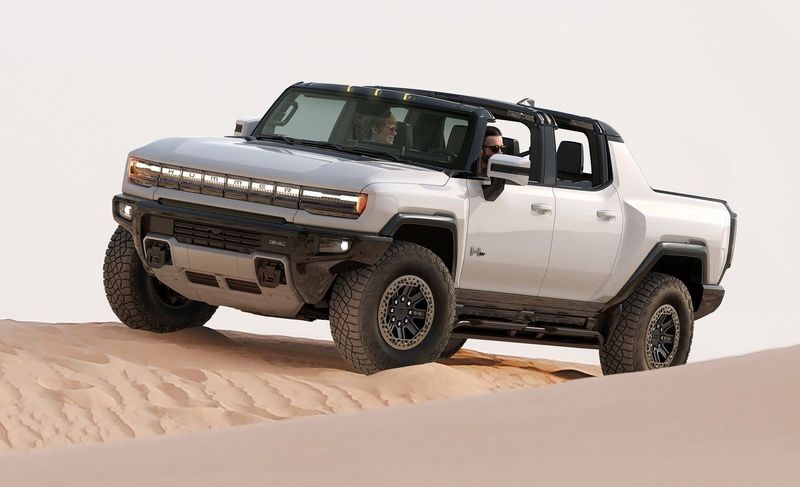
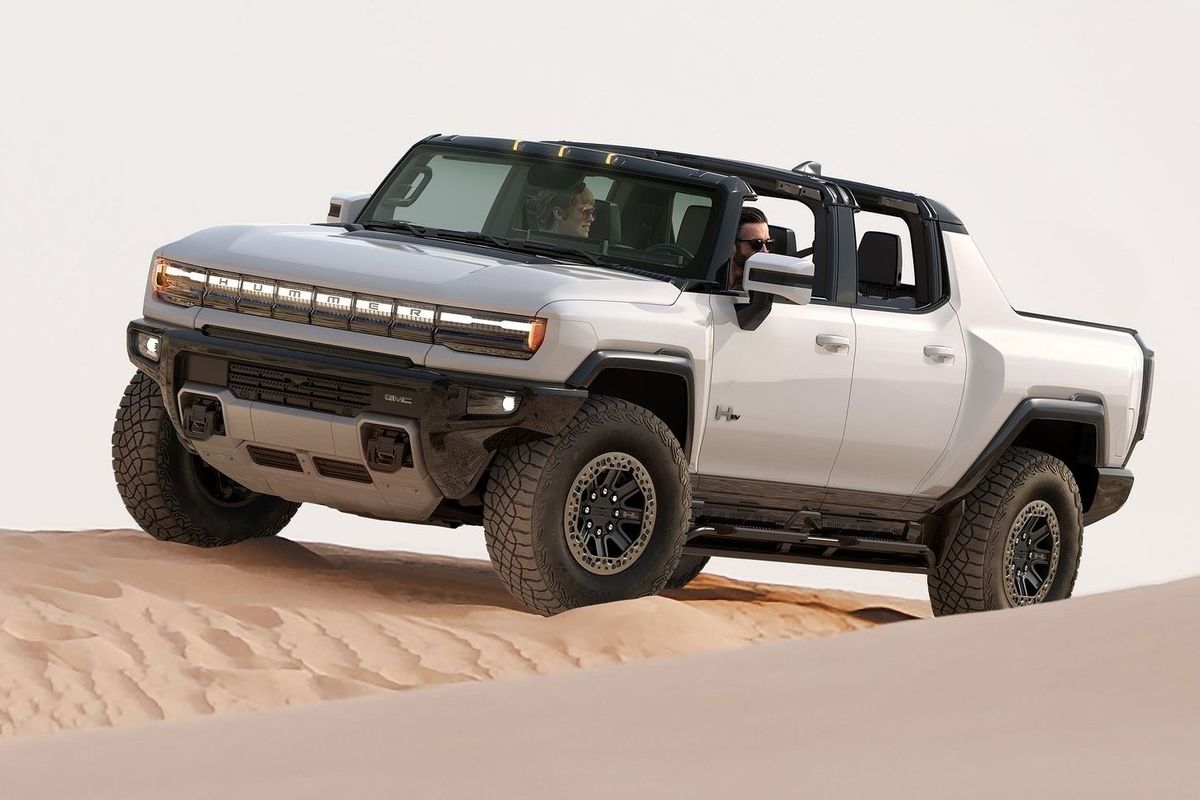
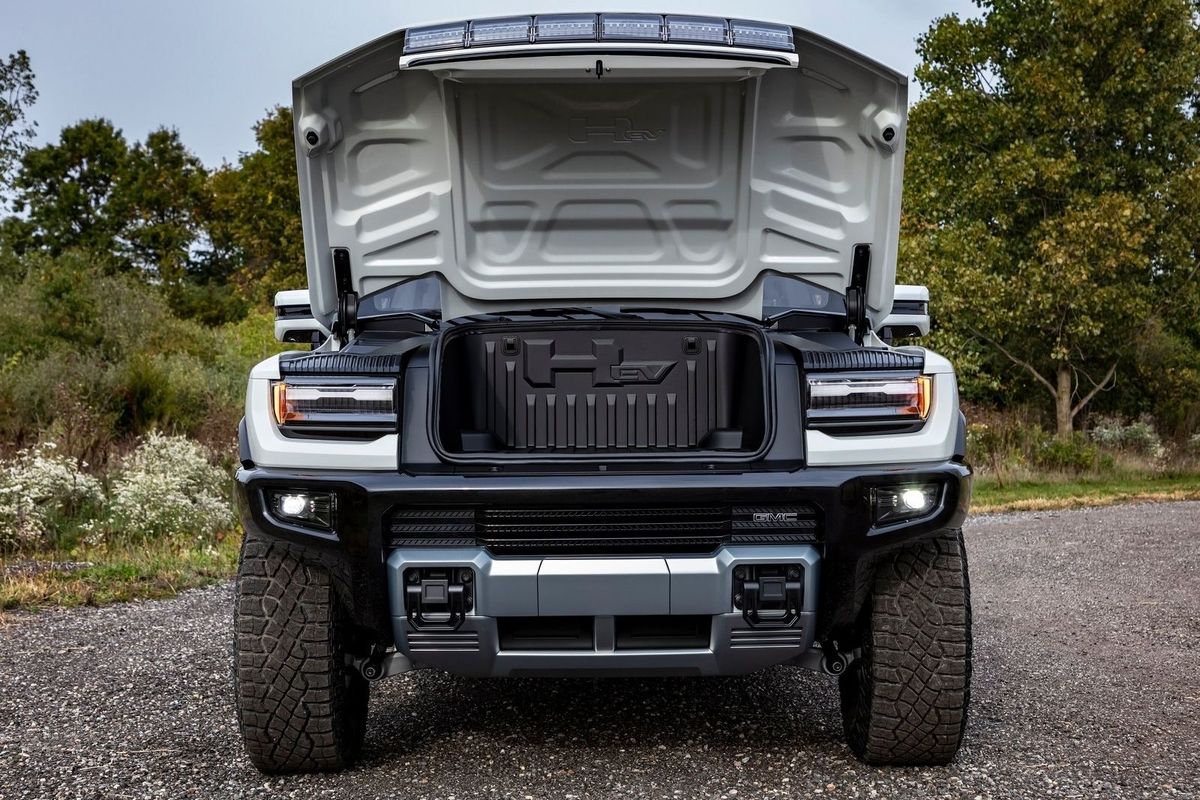
Greenpeace believed the Hummer H1 embodied the “evil gas guzzler”, but it was 423 kg lighter than the new BEV version (above).
Going backwards – by adding batteries
In the realm of poor product planning around BEVs, nobody is innocent. American brands are producing battery-powered double-cab bakkies that are insanely heavy. Much heavier, in fact, than that most symbolically vintage of all double-cab bakkies – the Land Cruiser 79.
GM’s new Hummer is a 4 103 kg problem that should never have happened. It uses an oversized (212-kWh) battery pack, which means GM could have built four (yes, four!) battery-powered crossovers with the material used in one Hummer.
The Hummer BEV is no different in terms of size, scale and, indeed, superfluous capability to a large-capacity naturally-aspirated V8 bakkie.
Despite the fantastic packaging benefits that a dedicated BEV design offers, buyers want oversized vehicles. And they also desire the charm of a traditional two-box design, instead of markedly more efficient and futuristic slippier shapes.
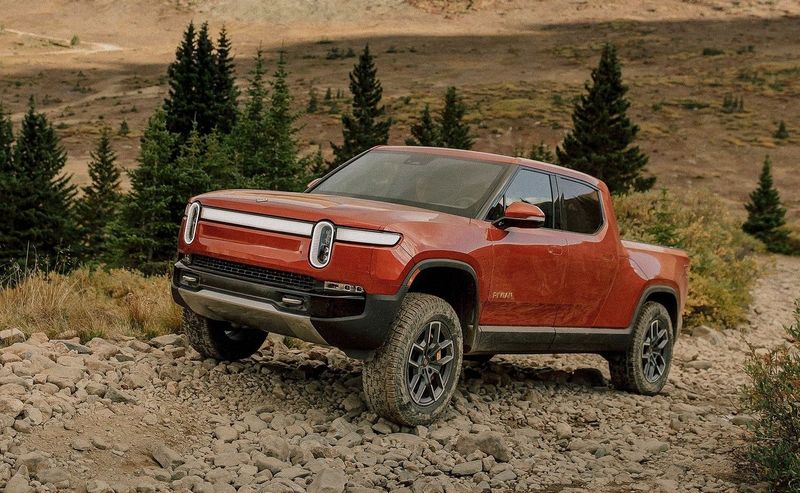
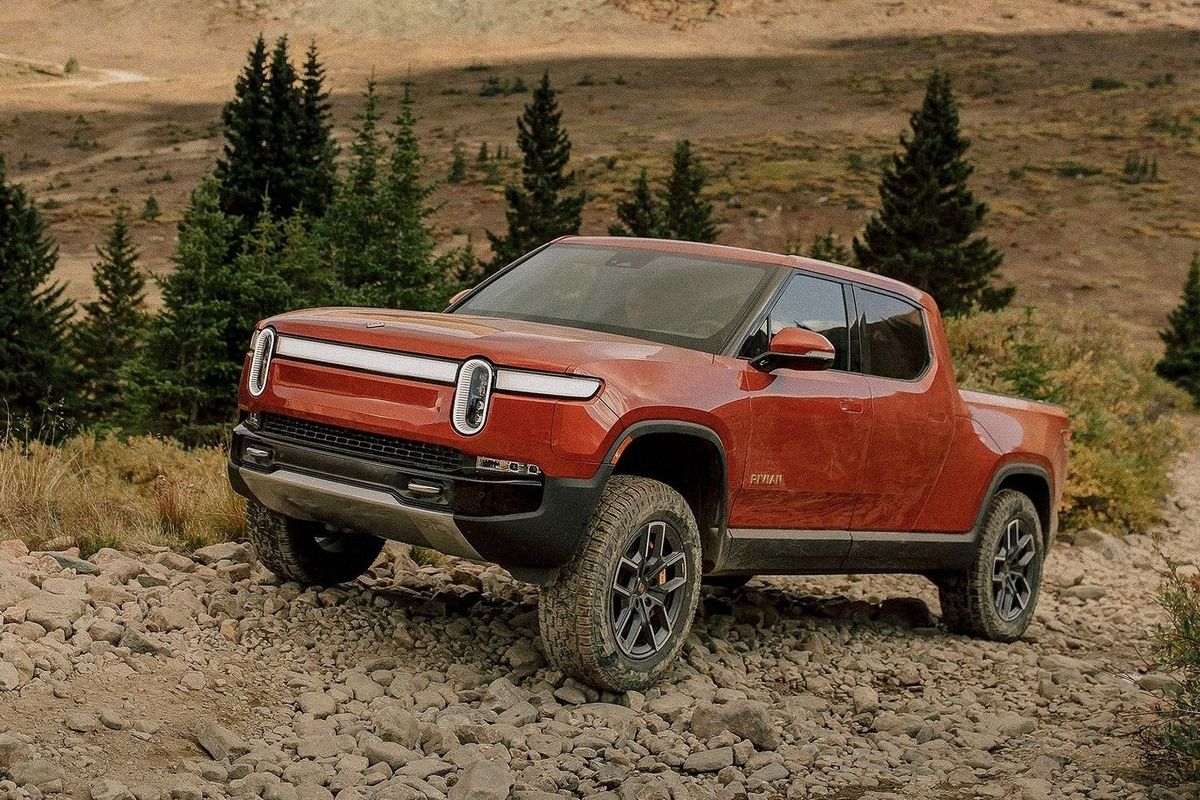
Rivian is totally committed to BEVs and has a gifted engineering team. But its bakkies still follow two-box design principles.
Conservative designs don’t maximize EV packaging
BEVs should look nothing like legacy ICE vehicles. But they do. The double-cab bakkies are especially notable in this regard. They aren’t shaped for efficiency. They are shaped to look exactly like what they’re supposed to replace.
It is worth noting that most manufacturers no longer quote drag coefficients in their marketing material for new models. There was a time when a low Cd value was a source of pride and the hallmark of advanced design. Alas, no more.
Designers are tasked with replacing large legacy ICE SUVs and double cabs with BEV models that look much the same (with huge frontal areas, potentially poor underbody aerodynamics and lots of low-pressure drag around the rear).
A 4 000-kg V8 is unacceptable, but a portly EV is quite okay?
Enormously overweight BEVs require way too much energy to propel and roll with a greater burden of infrastructure damage on the road network. And they aren’t that easy to stop, either. Even with the best regeneration system, there is no way to alter physics – a vehicle with significant heft requires a SERIOUS disc-brake system to bring it to a standstill in an acceptably short distance and, at loftier speeds, you’ll just have to live with “um, as quickly as it can”…
Like most BEVs, the Hummer has a competitive centre of gravity (because of the underfloor positioning of its battery packs), which helps it to remain stable under braking. And it stops marginally well from 100-0 kph, in about the same distance as a large double-cab bakkie. But the issue is that the former can sustain much higher speeds than a diesel-powered double-cab and get up to speed about 3 times faster.
The introduction of a glut of new 2.5- to 4-tonne vehicles with staggering performance potential should trigger safety concerns, as a matter of fact. Remember, even with wheel sizes inching up (which means there is more rubber in contact with the road), disc brakes can only do so much to decelerate a 4-tonne battery-electric bakkie during an emergency stop manoeuvre.
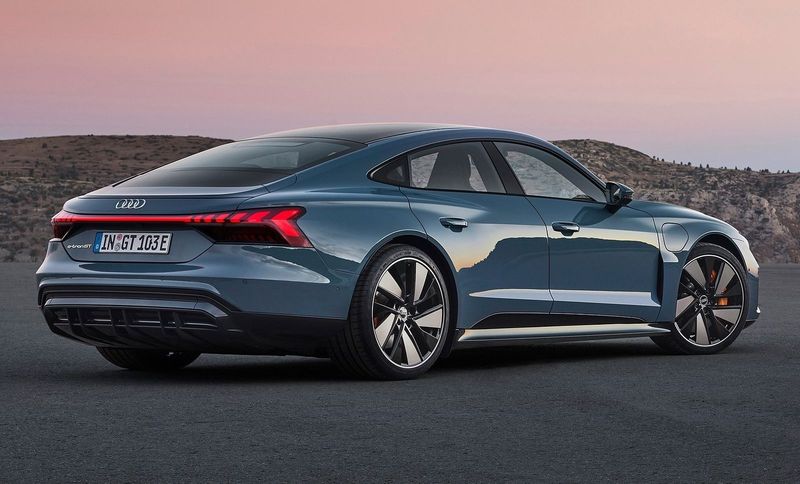
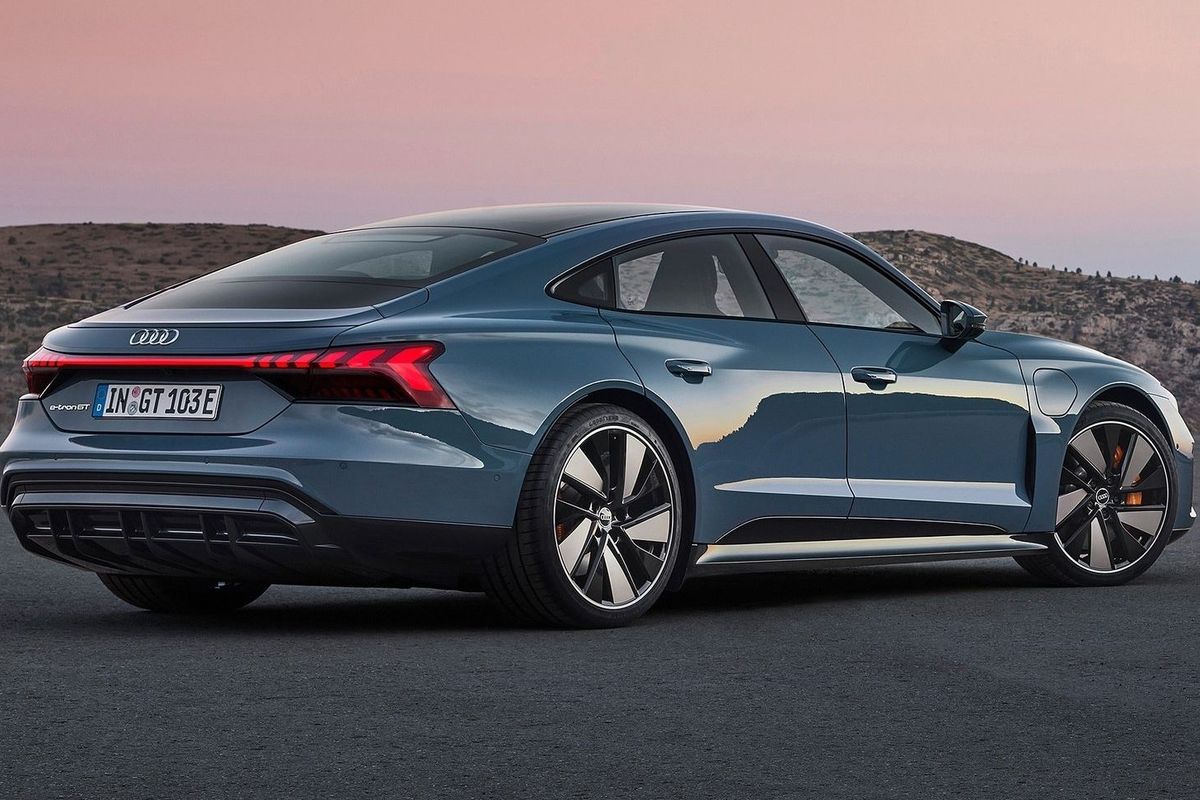
Audi’s E-Tron GT is low and sleek, with great aerodynamics. It makes the most of its BEV powertrain’s low-profile packaging.
As with all things automotive, weight matters
The simple truth is that legacy car companies don’t know how to produce profitable compact BEVs. They don’t possess the battery-sourcing authority or scaling ability to make money on the BEVs we really need, at an affordable price point. Volkswagen is trying to democratise the BEV with its ID platform, but ID models aren’t being produced – or retailed – at anywhere near the volumes required for the production costs of those products to come down substantially.
With each new BEV that weighs a third more than the ICE vehicle it replaces, very little is accomplished in the journey to decarbonising personal transport. It’s sheer folly to celebrate massively heavy vehicles with dramatic 0-100-kph times.
The uncomfortable truth is that it makes little sense to replace a large ICE SUV or double-cab bakkie with a BEV that weights the equivalent of a fully-loaded ICE vehicle. Think about that energy inefficiency: it is like driving your Hilux double-cab, towing a Corolla Cross, all of the time. That’s exactly what you are doing when buying many of the current luxury BEVs.
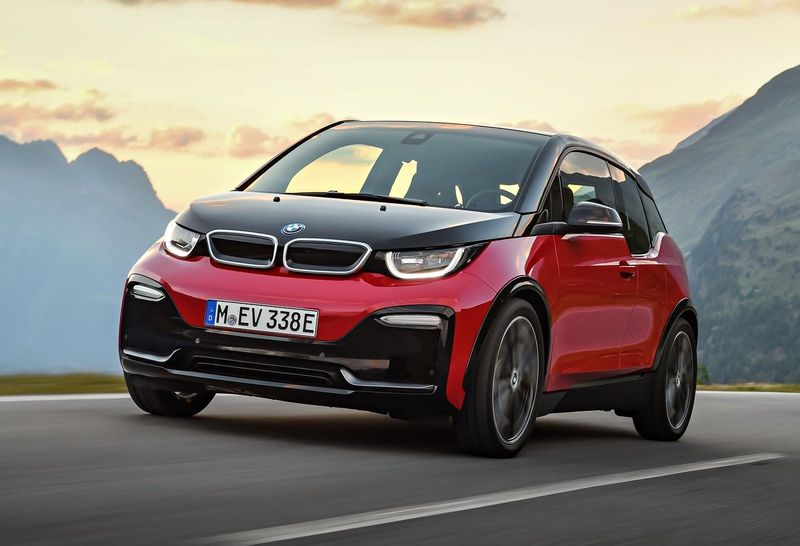
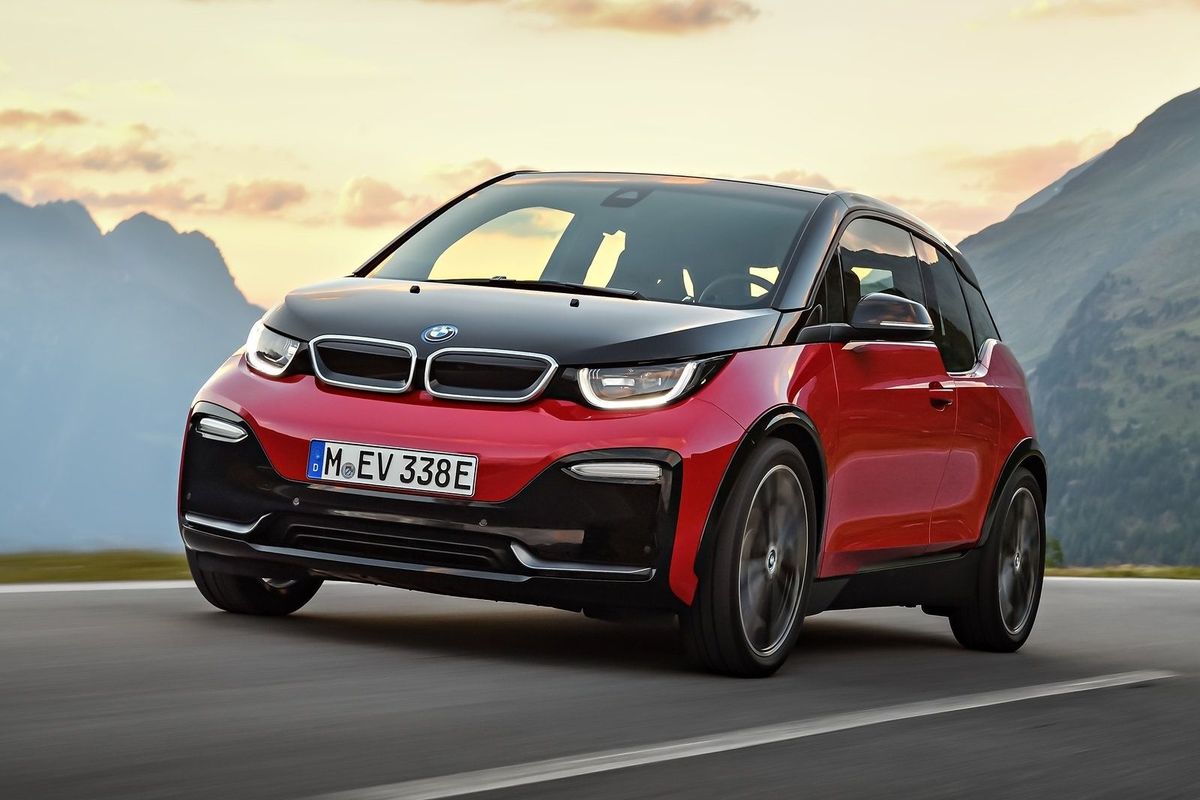
BMW’s i3 was perfectly sized. But nobody was interested. And premium car brands aren’t making the same “mistake” again.
Smaller BEVs seem a lost cause
The engineering urgency should not only be about replacing equivalent ICE range with battery powertrains. But also attaining a similar vehicle mass when buyers transition. Having 3- to 4-tonne vehicles with supercar levels of acceleration and no sound signature are an urban crash risk waiting to happen. And they use a lot of battery material, which could be used in making smaller and more usable BEVs.
Championing the presence of hugely expensive and laughably heavy BEVs is plainly wrong. These vehicles do little to balance personal transport freedom with lower environmental impact. At the current median prices for EVs, they will have a negligible effect on reducing CO2 because sales will remain a tiny fraction of the overall market.
What is needed is a battery-electric Model T, VW Beetle or Toyota Corolla equivalent – in other words, an affordable vehicle that can be bought in its millions. And Tesla is probably the only company with the resources, vision and technology to make more affordable BEVs. But then again, it applied eight price increases in the past year – because, well, it could… The solution? It will probably come from a Chinese manufacturer.