Buying a vehicle is a long-term decision and we want to help you make an informed one with our Street Smart series, brought to you by Absa Vehicle and Asset Finance. In this episode, Absa’s Fulufhelo Mandane and Hatfield VW Melrose’s Vleis Manyama explain the importance of getting and maintaining an acceptable credit score.
PARTNERED ARTICLE
Given South Africa’s changing economic conditions, household budgets are under pressure to meet their financial obligations. This could lead to changes in individuals’ credit profiles. Cars.co.za Social Media Specialist Kgahliso Nyamane asked the Head of Absa Vehicle and Asset Finance Sales, Fulufhelo Mandane and the Dealer Principal of Hatfield VW Melrose, Vleis Manyama to tell us more about how these changes could affect your credit score and what you can do to protect your credit profile.
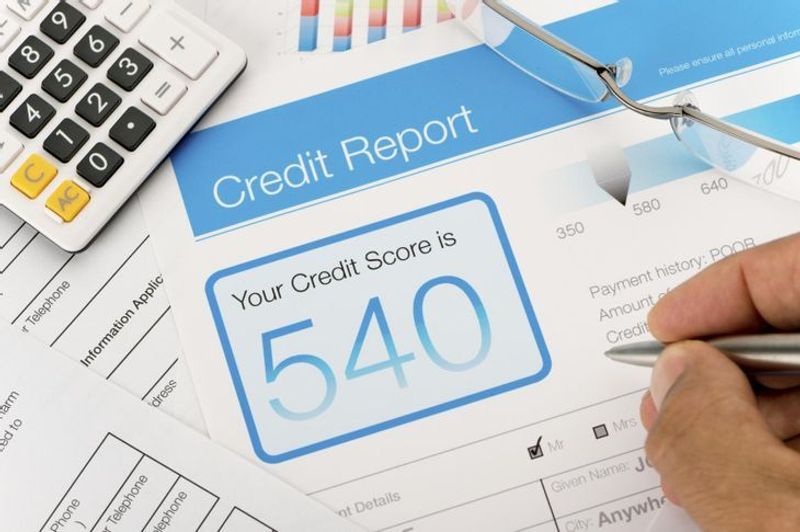
What is a credit score?
MANDANE: A credit score indicates your ability to undertake credit, and the ability to honour the accompanying terms and conditions. Banks and other lending institutions use credit scores as part of the credit assessment process to decide how financially dependable customers are and whether or not to grant them credit. A credit score is primarily based on information on a credit report, information typically sourced from credit bureaus.
Factors that influence your credit score include:
- The length of your credit history
- The number and type of credit products you own
- How you have managed your respective loans and credit facilities in the past and
- Your payment history (i.e. whether or not you pay on time)

Why is a good credit score important?
MANYAMA: Maintaining a good credit score shows lenders that you use credit responsibly and are more likely to pay back the money you want them to lend you.
Your credit score affects the offer you receive on your vehicle finance application. A poor score could result in you not being considered for a loan, or paying pack higher interest rates.

Which factors have a negative impact on your credit score?
MANDANE: Factors that play a role include:
- How much debt you currently have or owe creditors
- Whether you have a limited credit history or no credit history
- Whether you have defaulted on payments, have been in arrears or had legal proceedings against you or
- Whether you have used your full credit limits (for example on your Credit Card)

What steps can you take to improve your credit score?
MANYAMA:
- It’s important to review your budget and ensure there are sufficient surplus funds. This will help with accommodating an interest rate increase which would impact monthly loan repayments if you opted for a variable interest rate. (A variable interest rate fluctuates over the term of the loan in line with the prime lending rate)
- Keep expenses to a minimum and expenditure low to accommodate economic downturns.
- Increase your savings pool for unexpected expenses.
- Reduce your take-up of additional credit to allow for more surplus funds to pay for existing credit or save for unexpected expenses.
- Manage your credit score efficiently and ensure all debts are repaid timeously to prevent a negative impact on your credit profile.
- Consider an automated debit order known as DebiCheck, which is linked to your salary date so that there’s an automatic payment to the bank immediately after your salary reflects in your account. This could help prevent your debit order from returning unpaid. Missing a payment on your vehicle, for example, will affect your credit record.
- And also remember to contact the bank for assistance if you encounter financial distress
For extra information on how you can become a better consumer, keep a lookout for more episodes from our Street Smart series and be sure to visit the Absa blog.

Other episodes in our Street Smart video series:
Absa’s Sbu Dhlamini explains the most pertinent terms in an instalment sale agreement. Understanding your instalment sale agreement [Part 1] and [Part 2]
Absa’s Michelle Moodley emphasises the importance of taking precautions to avoid falling into fraudsters’ traps. Vehicle Sales Fraud: What to look out for
Absa’s Fulufhelo Mandane discusses what you need to consider before you start shopping for a vehicle, the costs of ownership and your various finance options. Absa First-time Buyer Guide to Vehicle Finance
Absa’s Gordon Wood details how the new Aftermarket Guidelines, which were introduced in the motor industry last year, affect you as a vehicle owner. Absa’s Guide to Responsible Vehicle Ownership
Related content:
The New Normal, Podcast 3 – Time to revise your car insurance?
The New Normal, Podcast 2 – Car Dealerships of the Future
The New Normal, Podcast 1 – Changes in SA’s car-shopping patterns
Cars.co.za

Providing you with the latest motoring news, new car releases and the simplest way to buy and sell cars.