In the 2nd instalment of a 3-part series – brought to you in association with Absa – respected consumer journalist Wendy Knowler chats with NADA chairperson Mark Dommisse and Absa’s general manager of dealer relationships, Fulufhelo Mandane, about how changes to the way in which cars are being sold during the Covid-19 pandemic will shape the way vehicle dealerships do business in the future.

For the 2nd podcast, Knowler chats to Dommisse and Mandane about “The How”. A lot has had to change when it comes to buying a vehicle, especially with regards the need to be physically a part of the process, from comparing/test driving, signing documents and taking delivery of a car.
Social commentators say Covid-19 has accelerated many trends by at least 3 to 5 years. Will most consumers be buying their cars totally online in future, or will dealerships continue to dominate the retail landscape, albeit in a modified form? How likely are the recent changes to become fairly permanent?
Dealers adapt to ‘The New Normal’

Some dealers have presented test drives at prospective buyers’ homes, but remote demonstrations are not ideal because they don’t allow consumers to see and experience vehicles within context – models can’t be compared with other, potentially more suitable, products on the showroom floor, for example. In various ways, you can't quite get the same experience online as you would in a real showroom and besides, due to the threat of Covid-19, dealerships present a socially-distanced environment because they are relatively spacious and, because visits are generally by appointment only, there aren’t many people on the showroom floor at 1 particular time.
Dealership floors might be quiet, which is not ideal for good business (of course), but they represent a safer space for customers. Even with minimal staff, dealers can manage the flow of people in and out of the building. They can take walk-ins, but it’s unlikely, especially during the week, that buyers will encounter a queue forming outside premises.
Dommisse told Knowler that most dealers were on about 50% work (sales staff, anyway), “so they'll come in every other day or they'll come in on shifts for half the day and then leave and then come in the next half a day, to ensure continuity”. For servicing, workshops “don’t have to stagger people in the morning, you try to stagger your appointments”.
Convenience is king, so is safety

Mandane said the Covid-19 pandemic had certainly accelerated some pre-existing trends in the marketplace and that most dealers were embracing the online platforms to sales. Absa noted that more people were making maximum use of technology (where they can, at this stage), because some dealers can go through end-to-end with the sales process and only need to see the customer right at the end. In fact, it appeared people from various generations were embracing the process, because the concern right now is more around health: “they’d rather not take chance around that.”
There were a number of factors that contributed to this, including that digital natives (persons born or raised during the age of digital technology) would most likely adopt and accelerate the process of online-buying due to having much more confidence in the safety of the process. What’s more, banks have begun providing platforms through which buyers could sign online or at least eliminate the need to fill in a physical application… Customers feel much more comfortable doing that now than ever before.
How will dealers operate in future?
Knowler further asked Dommisse whether the Covid-19 pandemic had accelerated the move towards scaling down of dealership premises in terms of numbers and size (against the backdrop of more aspects of the sales process being done online since lockdown). On the other hand, would the value of an interactive showroom experience and the manufacturer-stipulated servicing requirements of vehicles ensure that most sales would still be driven through dealerships?

In the future, car salespeople will be more like "dealmakers", who guide buyers through the entire process from start to delivery.
Dommisse responded by saying the motor industry had learnt “we can do the same (as before) with fewer people”. Because dealerships have had to limit the number of sales and service staff that work at the same time, productivity had improved. And, as the process of selling vehicles becomes progressively more digital, buyers would want to deal with as few people online – throughout the process – as possible.
It would be ideal, he says, if a buyer could engage online with one person, who would advise them, sell them the car (including the finance) and, eventually, deliver the vehicle. That way, salespeople could evolve into empowered dealmakers: “Over time, you’ll see that process merge into a slicker process and we won't need big showrooms and fewer of them, but the workshops will remain,” he concluded.
Those who invest in tech will benefit first
During the Covid-19 lockdown we’ve seen an increase in digital identification and verification platforms where customers do not necessarily need to submit their FICA documents… they can just use a different technology platform to actually identify and verify who they are, Mandane says.
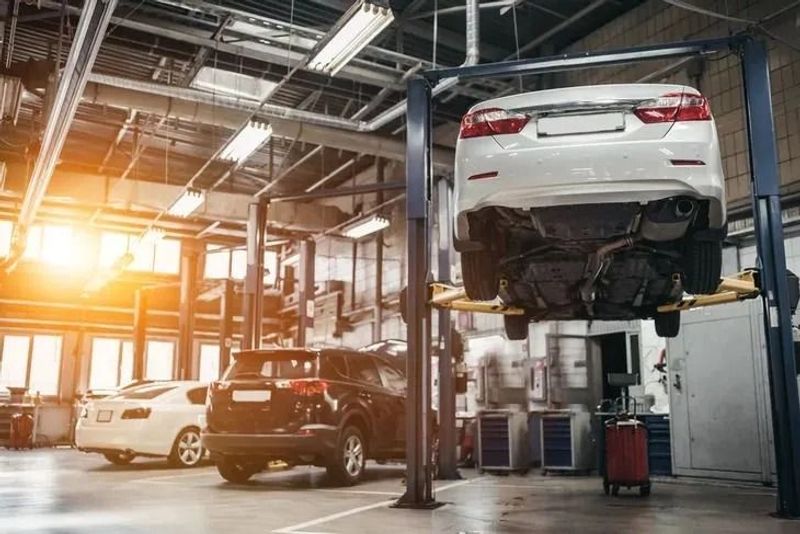
The technological investments that dealers make will only benefit their business the more the deal-making process goes online.
“If you factor in the technological investment that dealers have made in terms of their back-end systems, sales platforms, how they attract customers, marketing platforms, do they still need to call people or they can rely on website 'bots (and all those nice things that everyone’s been talking about)?
“We're moving closer to that environment because some dealers have already started embracing those technologies. Those who started earlier are reaping the benefit now, and the guys that haven't begun need to really accelerate the process – change occurs quickly in South Africa’s retail space,” he concludes.
The “cool-down period” – when does it apply?
Knowler, Dommisse and Mandane also discuss, in detail, the legal ramifications of car-buying without any visits to dealerships whatsoever, including the 5-day cooling-off period that applies to finance deals that were done online, as well as a number of other topics during the discussion.
These questions all come up in the 15-minute discussion. Have a listen.
Related content:
The New Normal, Podcast 1 – Changes in SA's car-shopping patterns
Search for Used Cars on Cars.co.za
Cars.co.za

Providing you with the latest motoring news, new car releases and the simplest way to buy and sell cars.