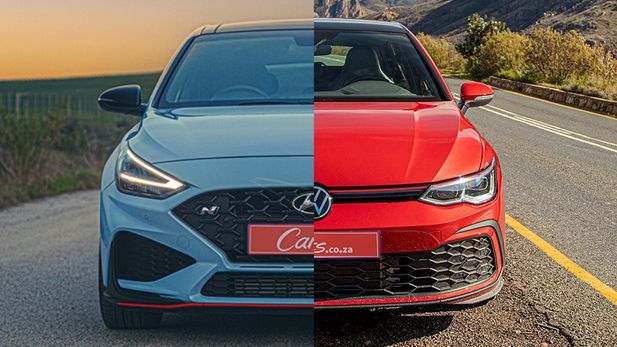
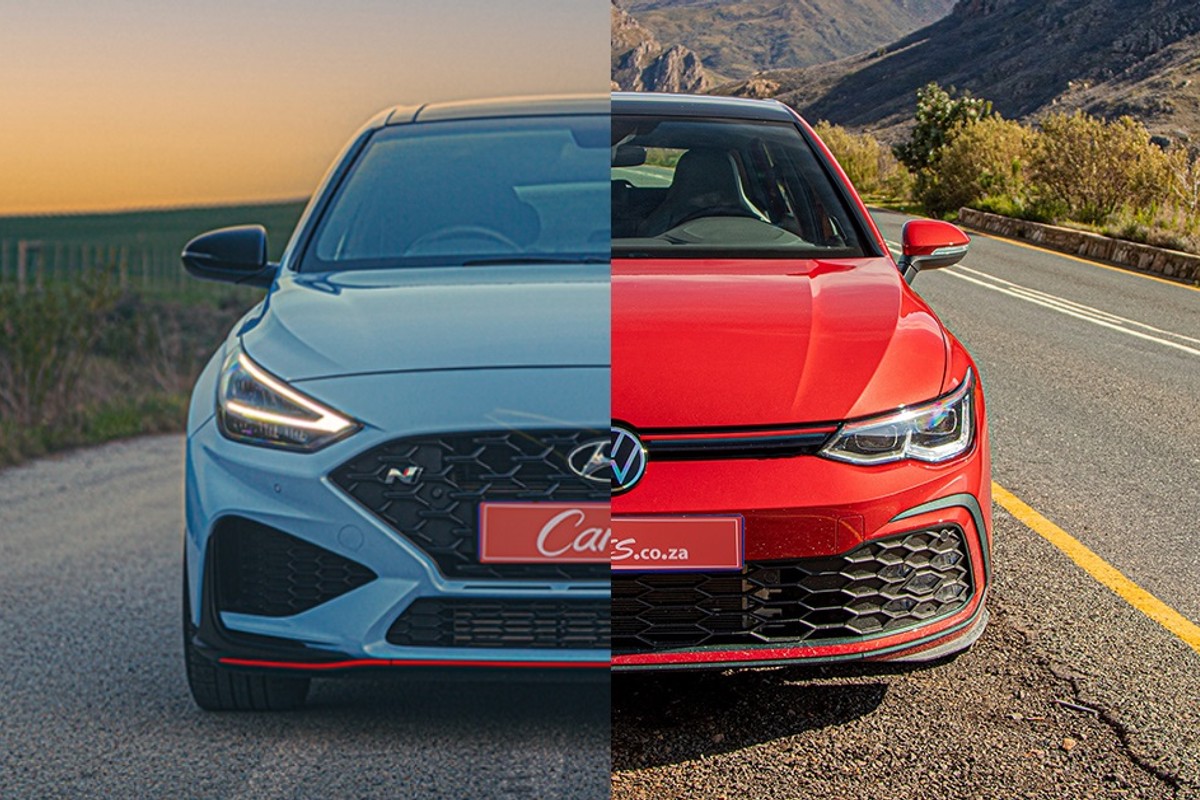
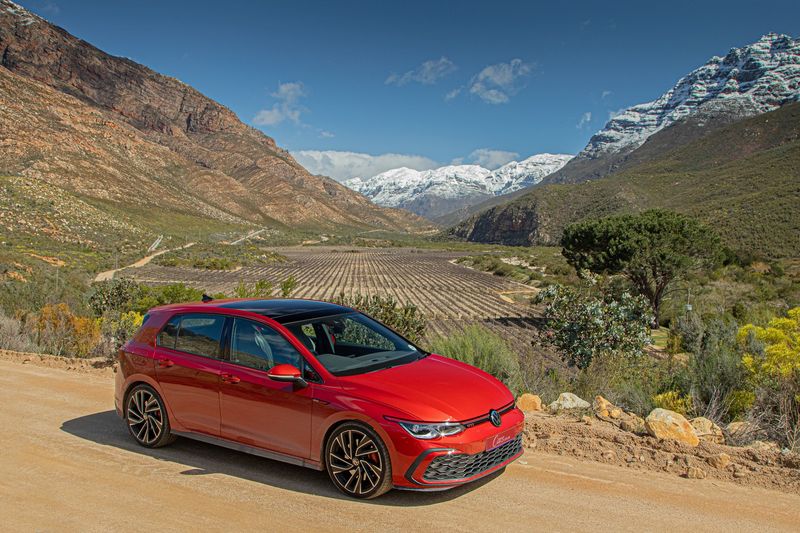
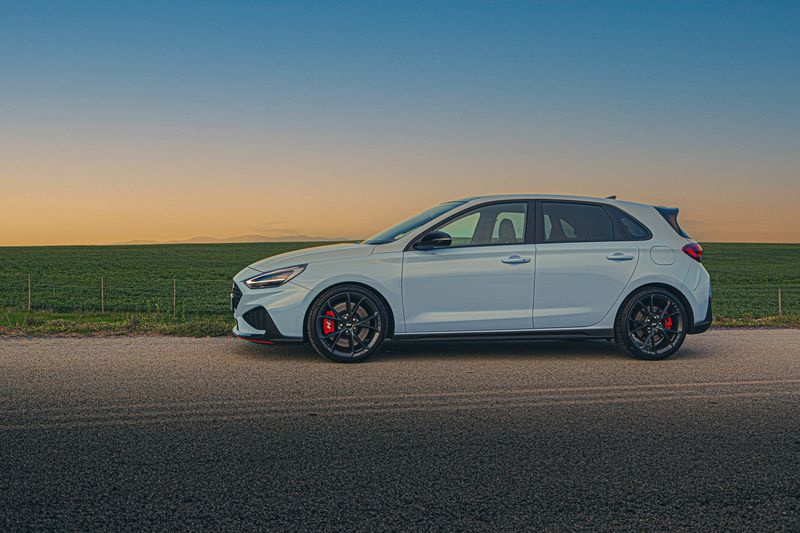
The Volkswagen Golf 8 GTI and Hyundai i30 N are duking it out for the title of King of the Hot Hatchbacks – and the gloves are off! To help you decide which of these models suits you best, we compare the arch-rivals in key categories.
Many brands, most notably Ford, Honda and Renault, have tried to replicate Volkswagen’s formula for the Golf GTI and a few have even come close to succeeding, but none have managed to achieve the sales success of Volkswagen’s hot hatch icon in South Africa. Now in its 8th generation, Wolfsburg’s premium compact hatchback continues to offer an enviable blend of performance, driver engagement, luxury, refinement and, of course, day-to-day usability.
There have been 8 generations of Volkswagen Golf GTI.
Whereas the 3rd- and 4th-generation models were humdrum, the Golf 5 GTI drove a dagger into the hearts of rivals and it’s a superiority that has continued with successive generations of the iconic nameplate: the 6, 7 and 7.5 iterations of the Golf GTI were talented all-rounders. While the latest model has not been received quite as warmly – some claim it’s become a victim of its own success – it still represents the default choice in the front-wheel-drive hot hatchback market.
Sadly, many of its rivals have fallen away, due to a variety of factors, such as tightening emissions, electrification, a declining market and the rampant popularity of crossovers, although, interestingly, contenders from BMW (128ti) and Mercedes-Benz (A250 hatch AMG Line) have entered the fray.
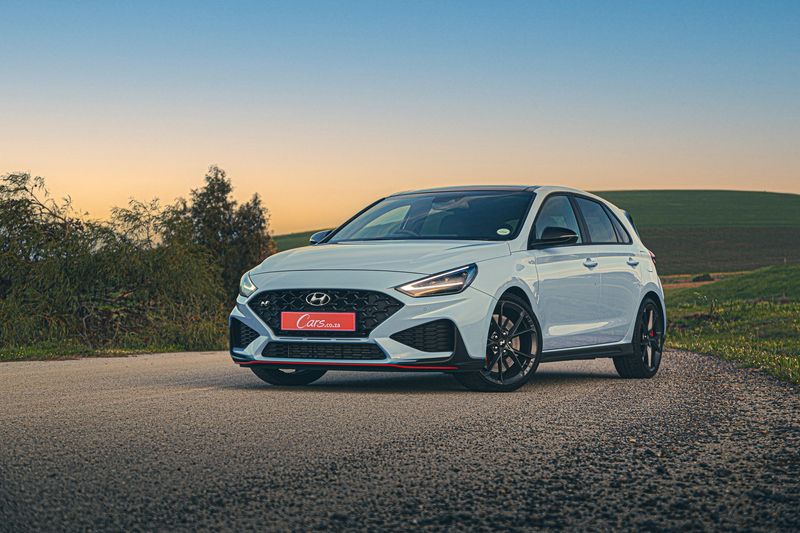
The first generation Hyundai i30 N has received a mild facelift… and gained an 8-speed dual-clutch transmission.
Meanwhile, under the guidance of former BMW M boss Albert Biermann, Hyundai’s N division has served up a clutch of enticing performance-oriented products. Its impressive opening salvo – the i30 N – could take on the GTI with ease, had comprehensive spec and was relatively well priced. It had one Achilles heel; in South Africa, it was initially offered only in 6-speed manual guise. That’s okay if you’re a purist, but most hot hatch buyers now favour automatic transmissions… a car must be great at providing thrills on a mountain pass or race track, but it also needs to be suited to the daily commute in congested traffic. That’s why the Golf GTI hasn’t been offered in 3-pedal guise in our market for quite some time…
Recently, the facelifted Hyundai i30 N arrived in our market, armed with an 8-speed dual-clutch automatic transmission, which addresses its major weakness, a comprehensive list of features and fair pricing; the gap between the i30 N and Golf GTI has never been smaller. Read our recent review of the i30 N.
Can the addition of a dual-clutch transmission (DCT) make all the difference to the i30 N’s driving experience?
If you own a small warm hatchback (such as a Suzuki Swift Sport, Ford Fiesta ST, or Volkswagen Polo GTI) and are looking to upgrade to something bigger and faster, this article is for you. If you want to buy a hot hatchback to make a statement about your rapid ascent in the world of business, this article is also for you. Moreover, if you, like us, are just trying to understand what sets these 2 great hot hatchbacks apart, this article may bring you some clarity, as well as highlight which model offers better value for money and more thrills. Round one, fight!
Exterior Styling Execution
In terms of presentation, both cars meet the brief for a hot hatchback. There is nothing too outrageous in terms of aerodynamic addenda, a slammed ride height and oversized wheels, but there are just enough in the way of subtle cosmetic accoutrements to communicate that these are no ordinary A-to-B hatchbacks. Kerb appeal is great, but, given that the intended clientele for the GTI and i30 N is more upmarket than ever before, tastefulness is key here.
Looks are entirely subjective, there is no right or wrong answer. We think both cars have nailed the brief for a hot hatch. Subtle, with aggressive touches.
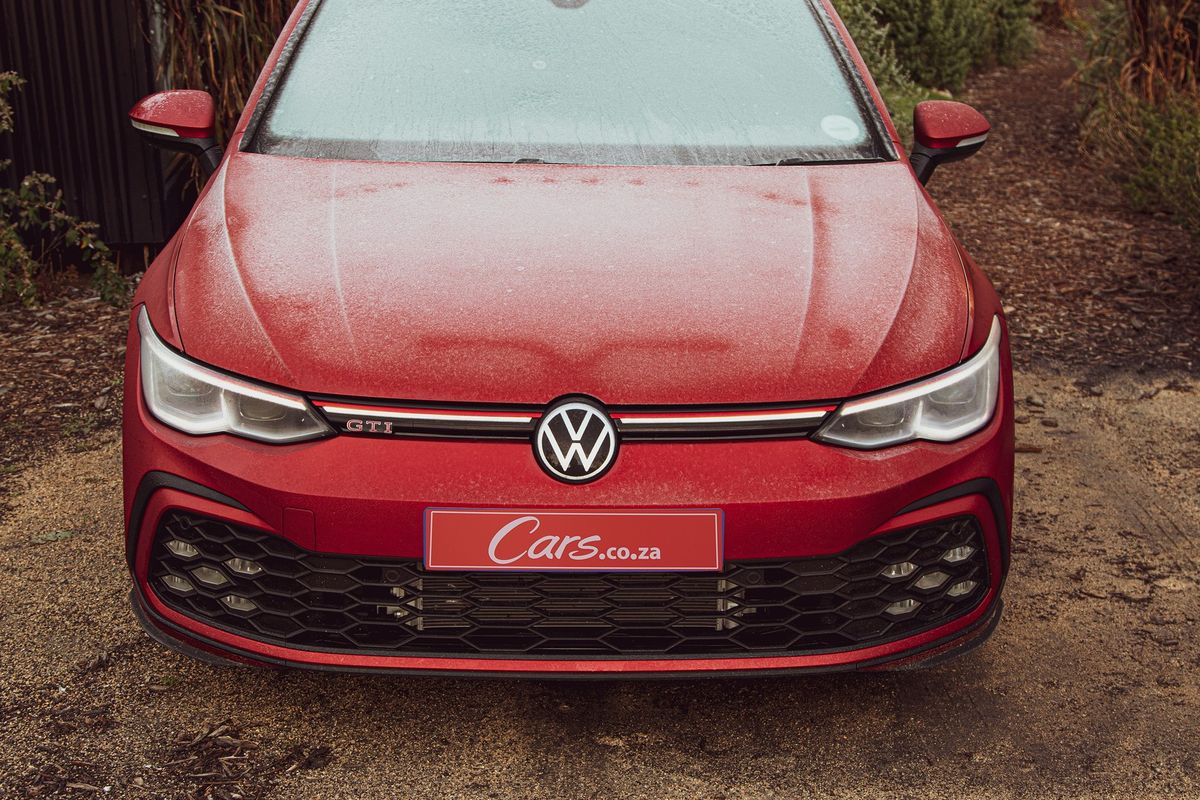
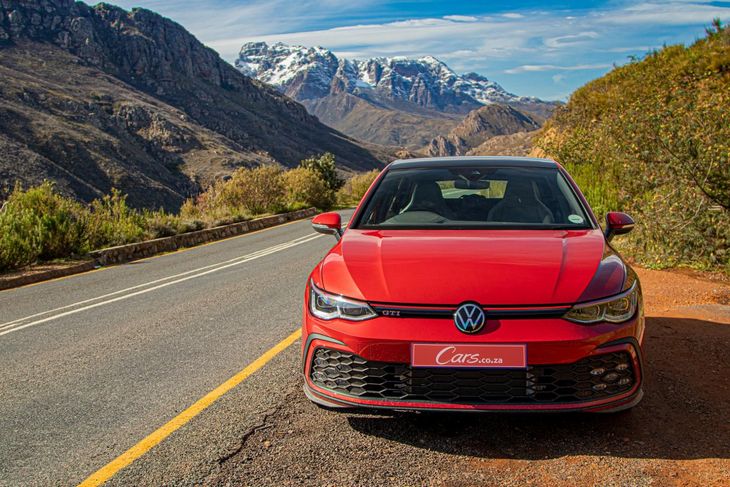
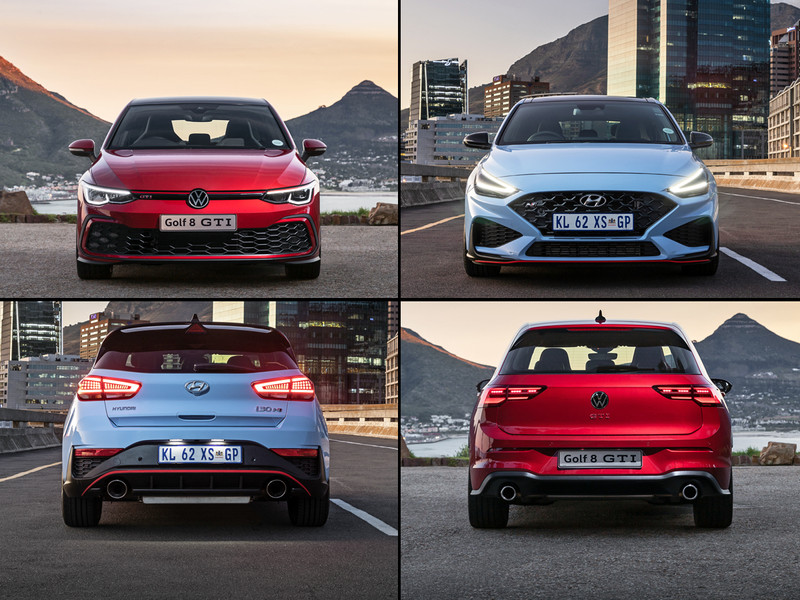
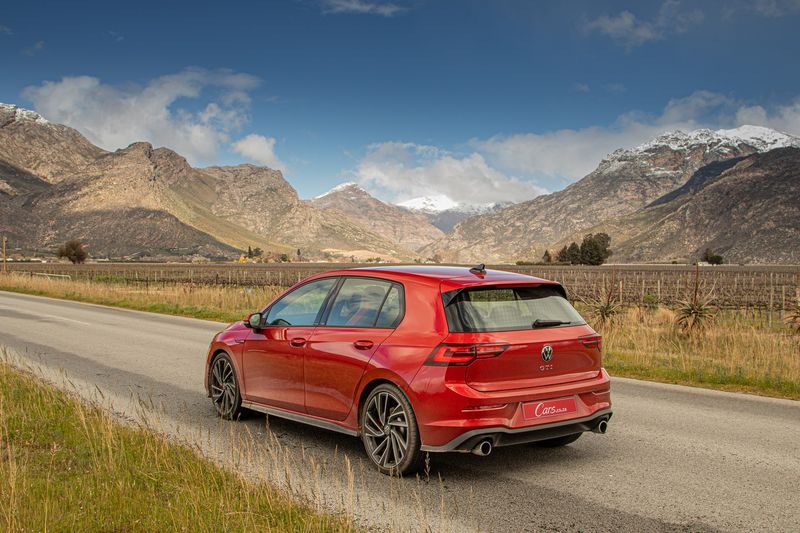
In the case of the Golf GTI, you get an interesting-looking front end distinguished by an LED strip that links the two headlights, a red grille insert and ornately patterned LED fog lights. The brake callipers are red, while subtle GTI badges adorn the nose and rump of the car.
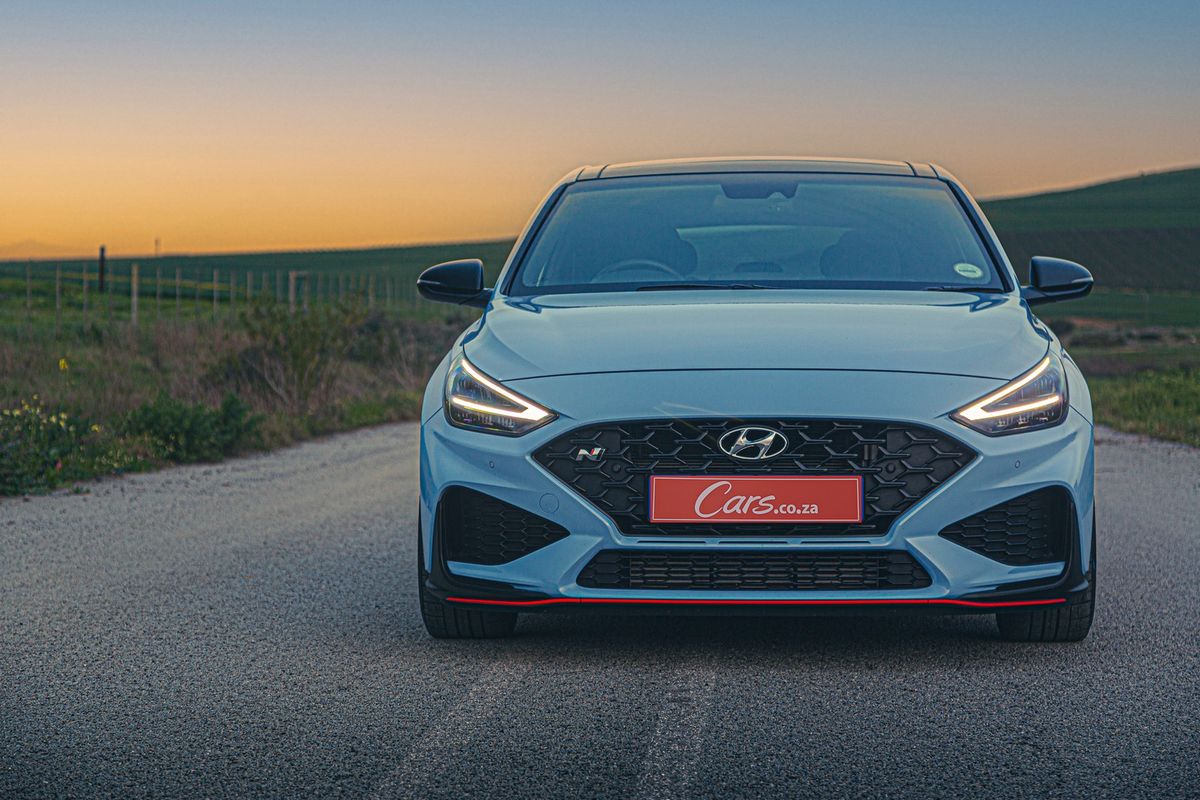
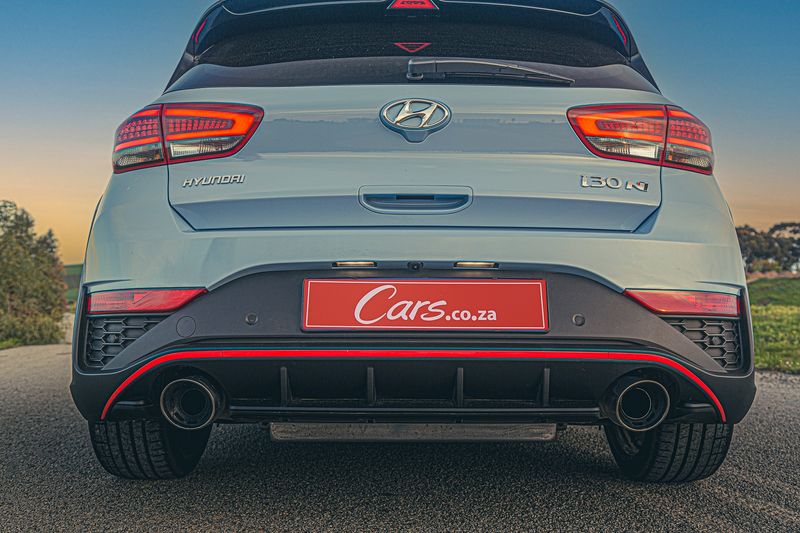
Hyundai has followed a similar strategy with its i30 N. It too features red detailing, such as on the splitter lip, diffuser and brake callipers, in conjunction with N badges fore and aft. Like the Volkswagen, the Hyundai has a twin-exhaust setup, but those “pipes” are far more prominent (bigger) by comparison. They’re considerably louder too, but more on that aspect a little later.
Which looks better? Well, we can’t pick a winner. Both cars look purposeful, but smart.
Interior Execution
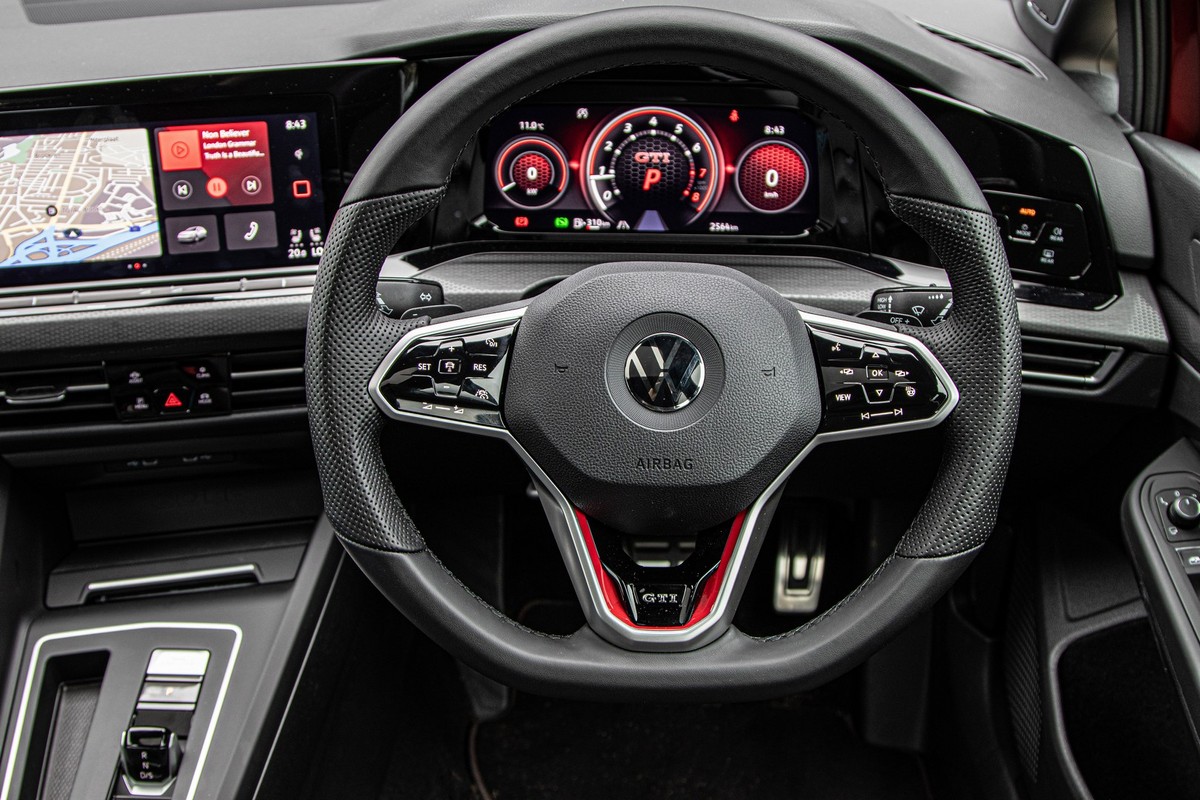
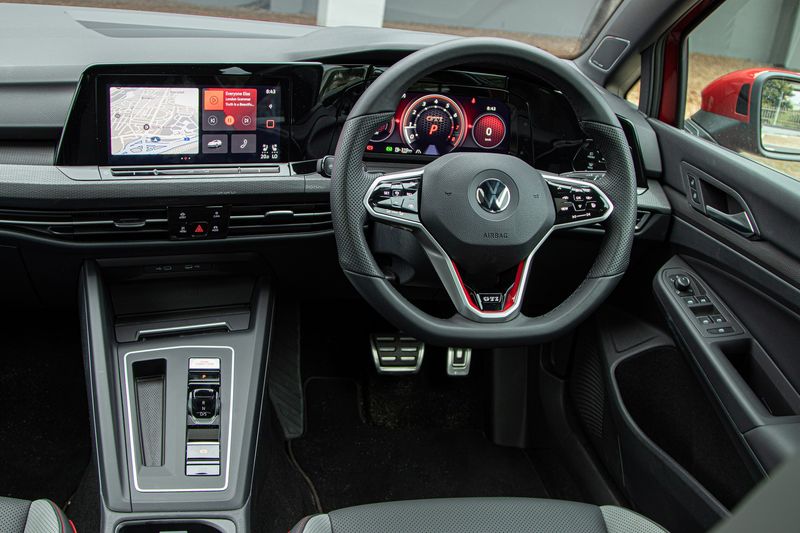
The Golf 8 GTI’s cabin adopts an advanced, yet minimalist, approach.
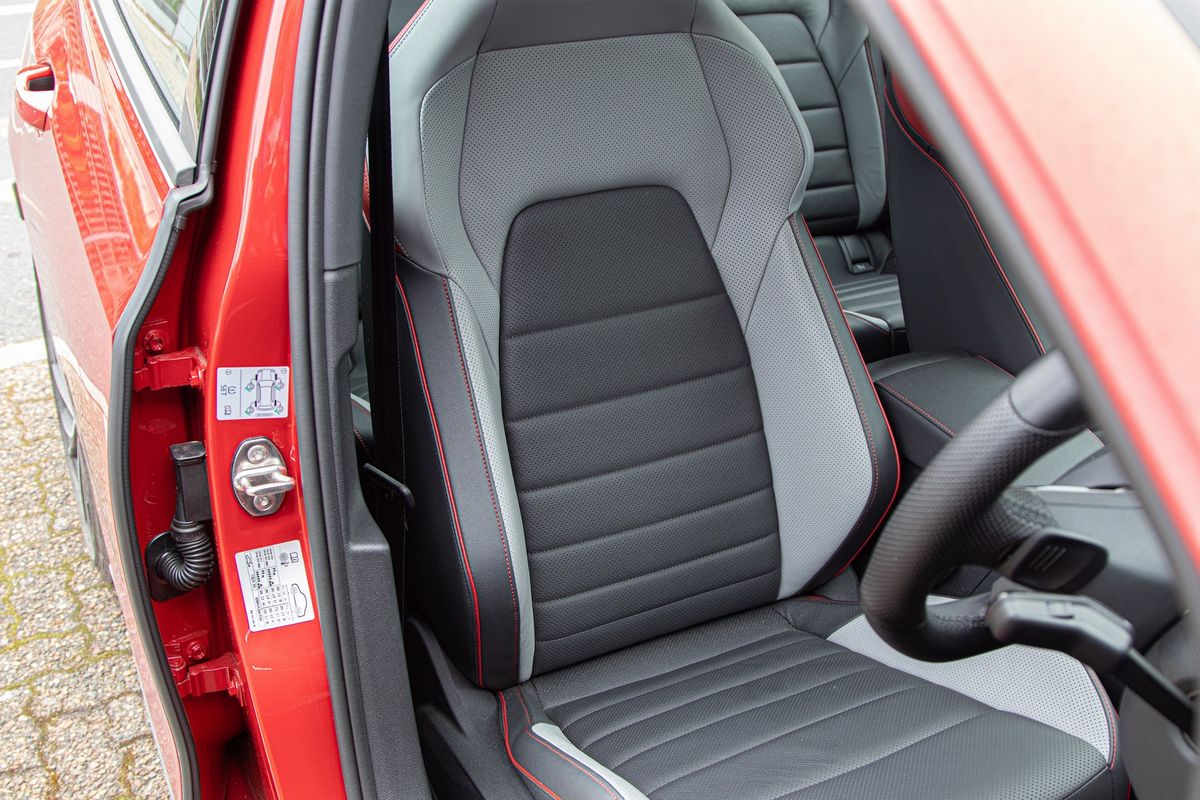
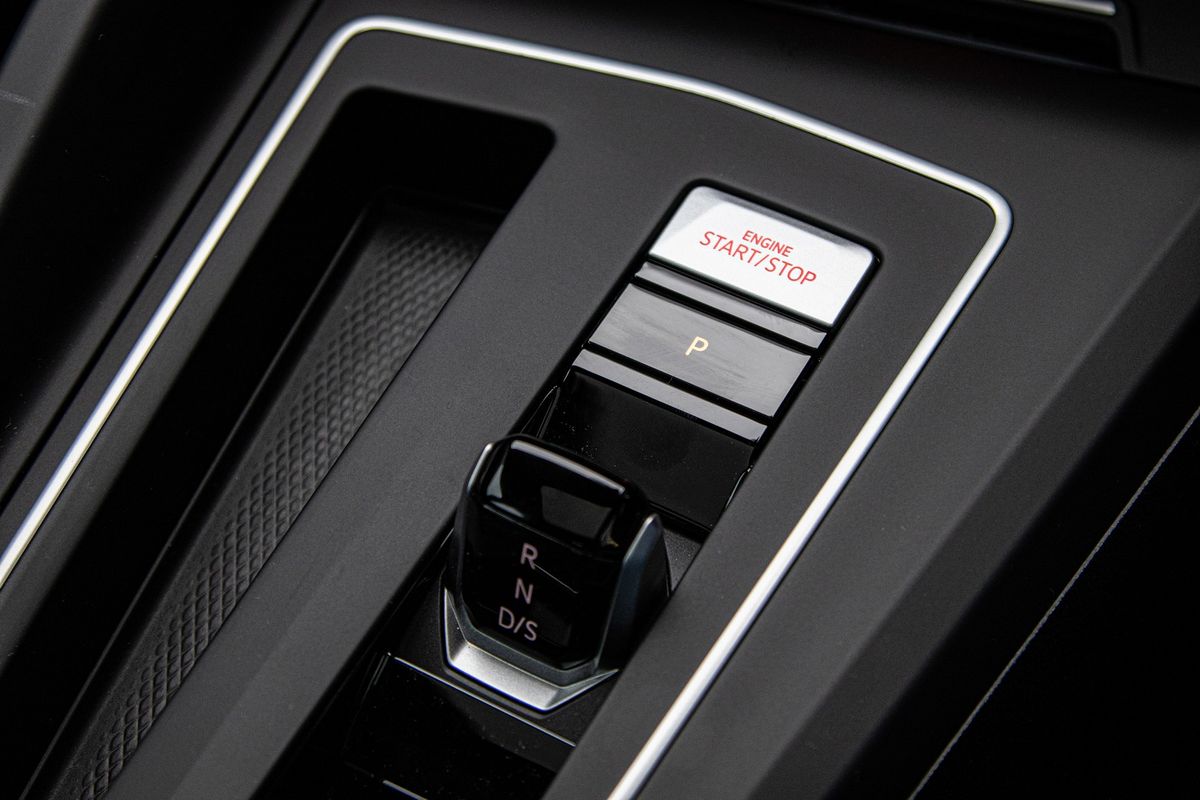
First impressions count for a lot and the Golf GTI doesn’t disappoint in this regard. Not only does its cabin look premium and sporty, but it’s minimalist – and eminently classy. The Wolfsburg-based brand’s Innovision cockpit is a deeply impressive piece of kit; it displays its themes and data in a futuristic manner. Also, the lack of a conventional transmission lever is very noticeable; Volkswagen opted to fit a pleasantly neat (shift-by-wire) thumb-sized toggle instead.
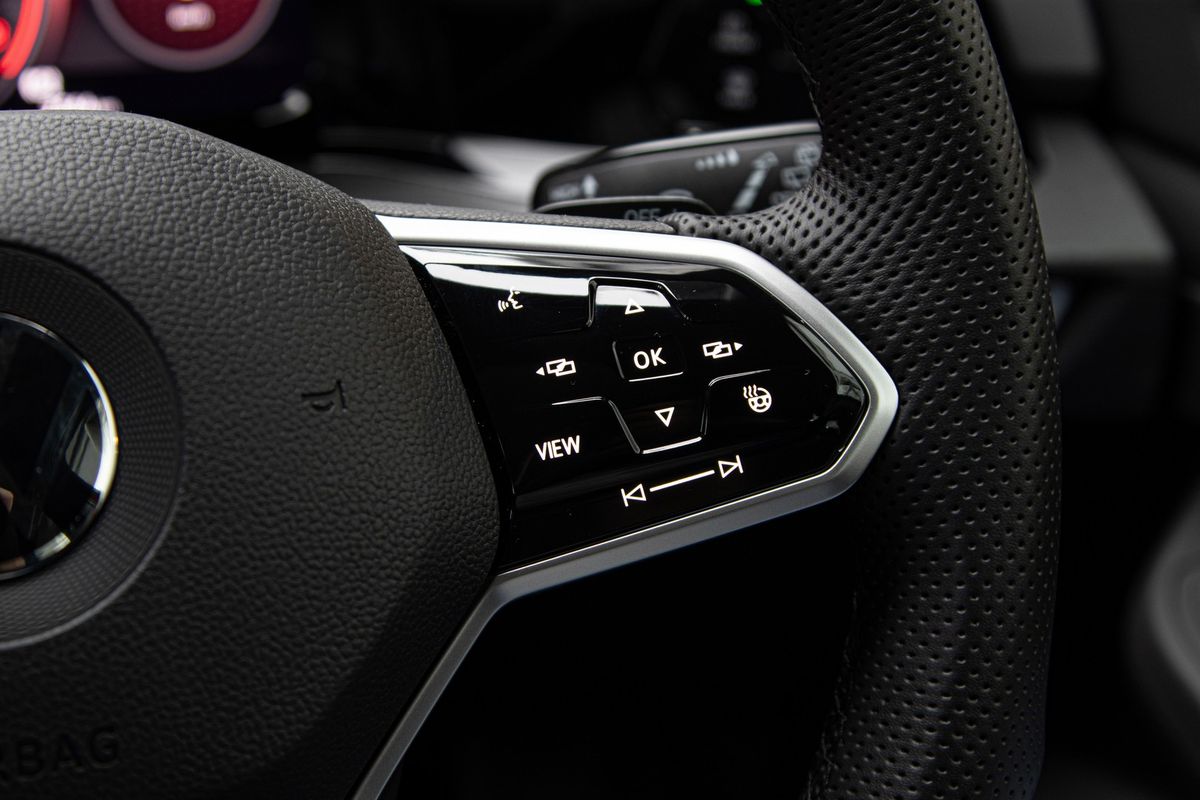
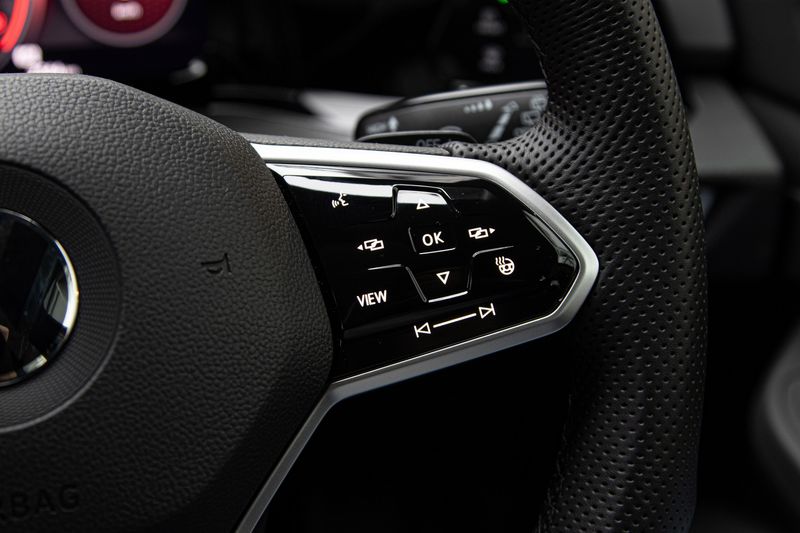
These capacitive touch pads are frustrating to use.
But, while the Golf GTI’s interior looks premium, its touchpoints (especially the switchgear) feel lightweight. This is a drawback because many of the Volkswagen’s in-car functions are accessed via finger swipes, not by pushing buttons (that offer a bit of reassuring resistance). Therefore, if you want to adjust the audio volume on the steering wheel or the interior temperature via the touchscreen, you must slide your finger across capacitive sensors – which we found fiddly. What’s more, the various sensor pads on the steering wheel’s spokes are positioned very close to one another, which can cause distraction when you’re focusing on the road.
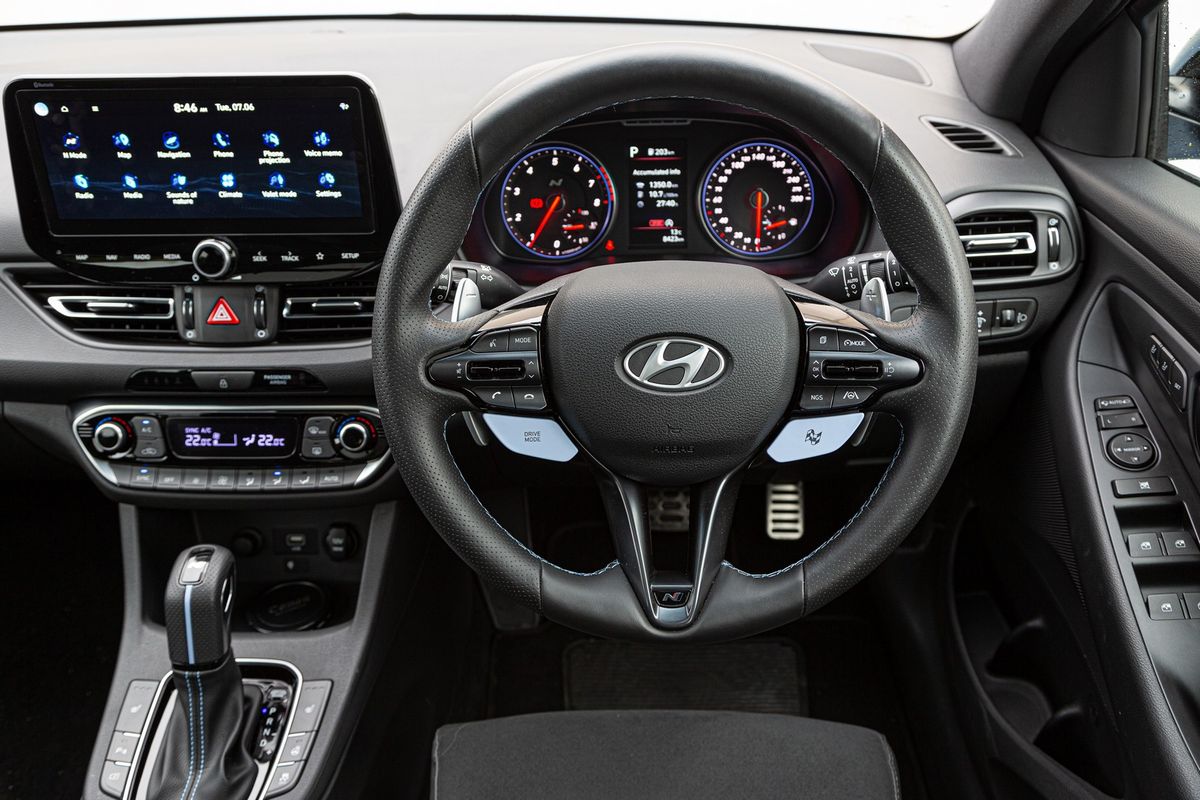
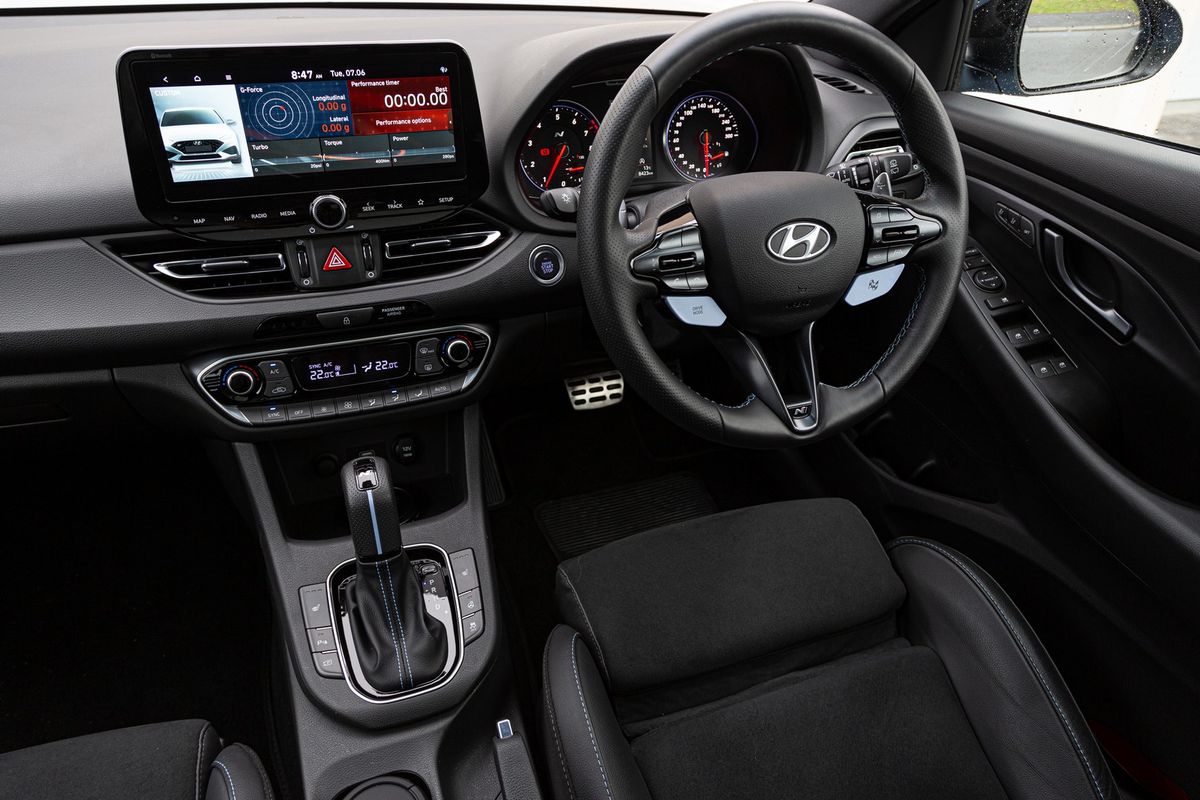
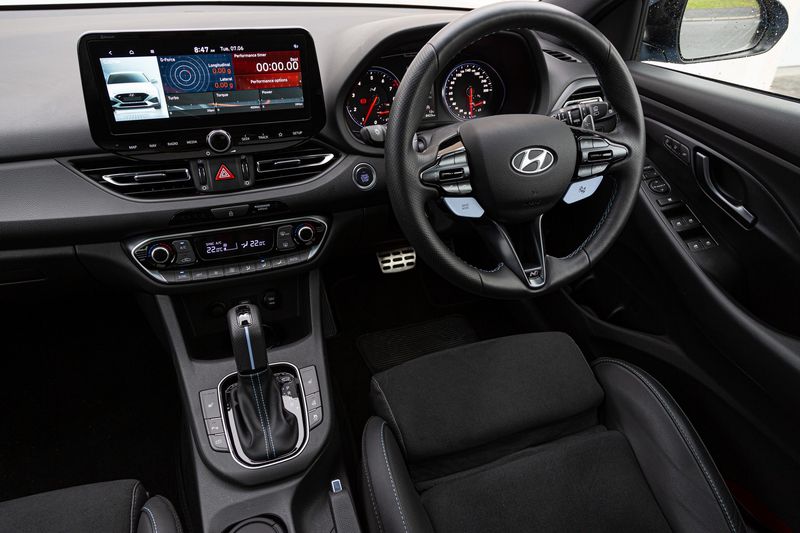
The i30 N’s cabin is not as high-tech as that of the GTI, but ergonomically sound nonetheless.
The i30 N, by comparison, has a more conventional layout. While there are no ergonomic shortcomings to speak of, the Hyundai’s cabin just lacks the sparkle of the Volkswagen’s. Considering the Korean model’s sporty exterior, the cabin is decidedly understated.
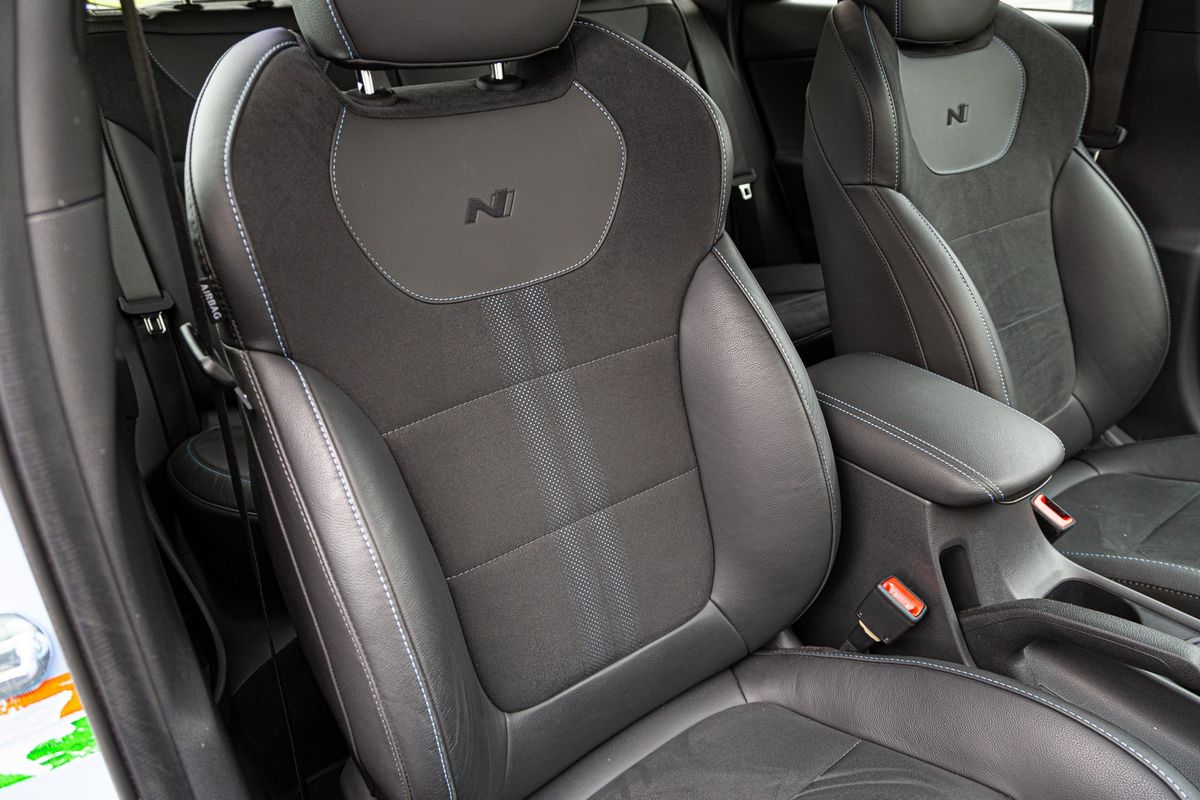
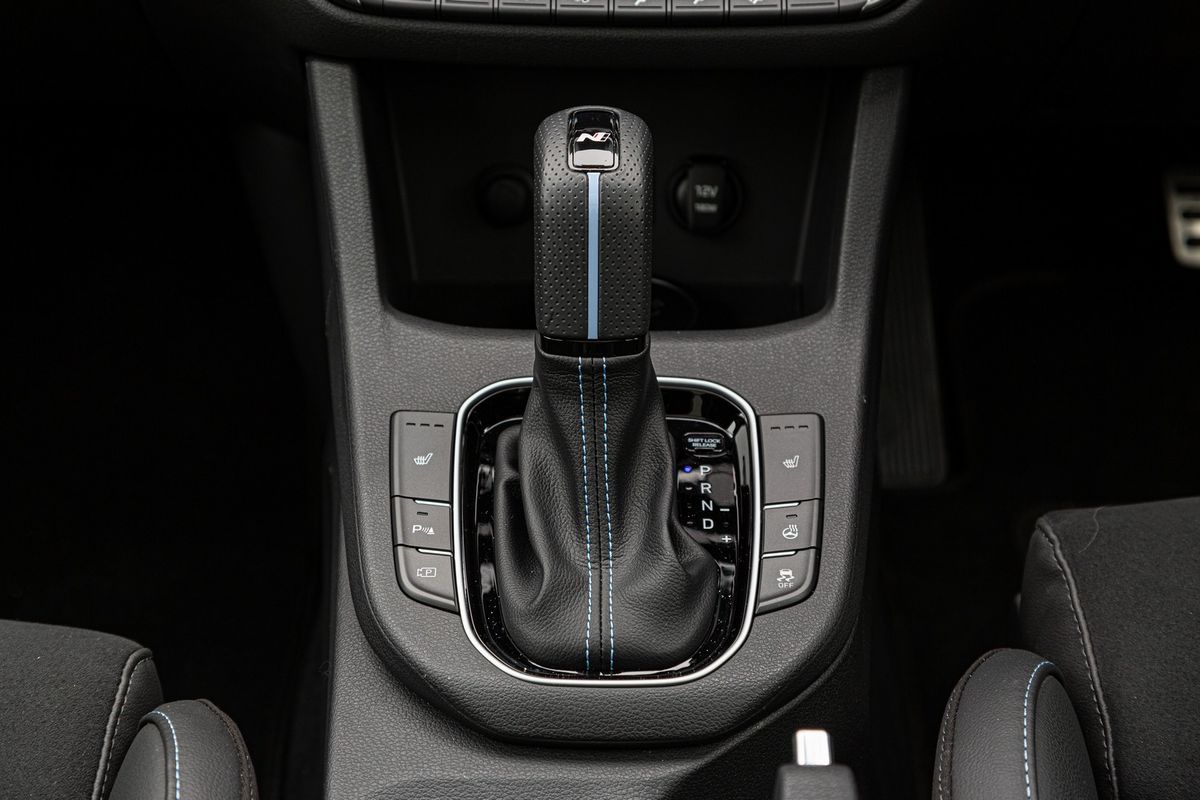
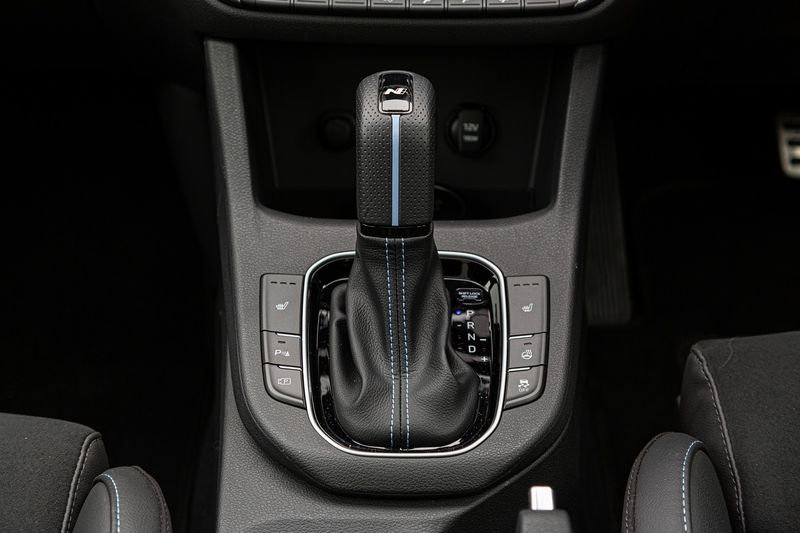
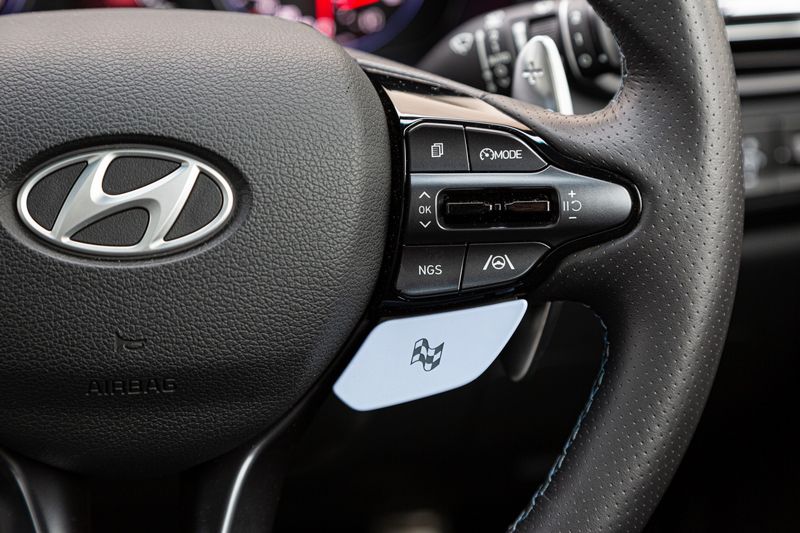
There are some standout touches, however, such as the N mode switch on the steering wheel, which can turn the i30 N into a loud hoonigan, and the subtle N branding on the seats and transmission selector. Impressively, the Korean contender’s cabin imparts a feeling of solidity; if there are “cost-saving” trim bits, they don’t stand out. As opposed to the GTI, the switchgear consists of myriad buttons!
The light blue button that starts the party.
Conclusion: The Golf GTI’s cabin is a conversation starter and represents a big leap forward in terms of visual appeal, but, frustratingly, it comes at the expense of user functionality, plus a few cheap-feeling surfaces are noticeable. The Hyundai i30 N’s cabin is not as striking and more old-school, for sure, but we’d argue that it’s assembled from better materials and feels more solid overall.
6 airbags, ABS with EBD, brake assist, electronic stability control Semi-autonomous safety tech is optional.
7 airbags, ABS with EBD, brake assist, electronic stability control Hyundai SmartSense: Forward Collision-Avoidance Assist with pedestrian detection, Lane Following Assist, Blind-Spot Collision-avoidance Assist, Rear Cross-Traffic Collision-avoidance Assist, Rear Cross-Traffic Collision Warning, Fatigue Detection/Driver Attention Warning (DAW)
One of the biggest advantages that the i30 N holds over the Golf GTI is its superior array of standard features. To bring the latter up to the former’s specification, you’ll need to tick the following options on the GTI’s configurator: panoramic sunroof (R16 000), adaptive chassis control (R15 200), park assist with park distance control (R6 400), reverse-view camera (R4 850), blind-spot monitor with lane keeping and rear traffic alert (R13 300), adaptive cruise control with speed limiter and front assist (R11 700). It’s interesting to note the post-facelift i30 N has front assist, but not adaptive cruise control. Prior to the production of this article, you could additionally specify 19-inch Adelaide wheels on the Golf GTI (using VWSA’s online configurator), but at the time of publication, only the standard 18-inch Richmond rims were listed.
If you tick every option on the Volkswagen Golf GTI (including the uprated Harman Kardon audio system and the upgraded Discover Pro infotainment setup), you’d be looking at a total purchase price of approximately R850 000. Granted, you will have the advantage of a heads-up display, tow bar, and advanced IQ Matrix headlights, which the i30 N (R749 900) doesn’t have.
However, given the shortages of Golf GTI stock, you may have to make some compromises. We have many Golf 8 GTI units listed on our site, see if you can find one that matches your preferred spec.
Conclusion: The Hyundai i30 N’s standard equipment list is superior and the keener price point of a stock Golf 8 GTI is wiped out once you’ve configured the Volkswagen to the level of the Hyundai.
Engine, Transmissions & Performance
Volkswagen Golf GTI
Hyundai I30N DCT
Engine capacity
2.0-litre petrol
2.0-litre petrol
Number of cylinders
Four
Four
Gearbox
7-speed DSG
8-speed DCT
Power
180 kW at 5000-6500 rpm
206 kW at 5500-6000 rpm
Torque
370 Nm at 1600-4300 rpm
392 Nm at 2100-4700 rpm
Weight
1 463 kg
1 455 kg
Claimed 0-100 kph
6.4 seconds
5.4 seconds
Claimed top speed
250 kph
250 kph
Claimed fuel economy and tank capacity
7 L/100 km, 50 litres
8.9 L/100 km, 50 litres
To change things up, let’s start this section with a discussion of the i30 N, because, since the model’s facelift, it sports a revised powertrain in South Africa. Our testers agree that the dual-clutch transmission (DCT) has broadened the Hyundai’s appeal significantly. In everyday driving scenarios, the ‘box engages and shifts smoothly with none of the low-speed jerkiness that can affect DCT-equipped cars. In fact, it has a creep function that facilitates smooth pull-aways.
In the default drive mode, the 206 kW/392 Nm 2.0-litre turbopetrol engine doesn’t feel that eager to get going, but when peak torque arrives at 2 100 rpm, the engine pulls heftily. In Sport mode, things get more frantic and responsive. Take care when accelerating hard from a standstill, because the front wheels’ grip can easily be overwhelmed by all that shove.
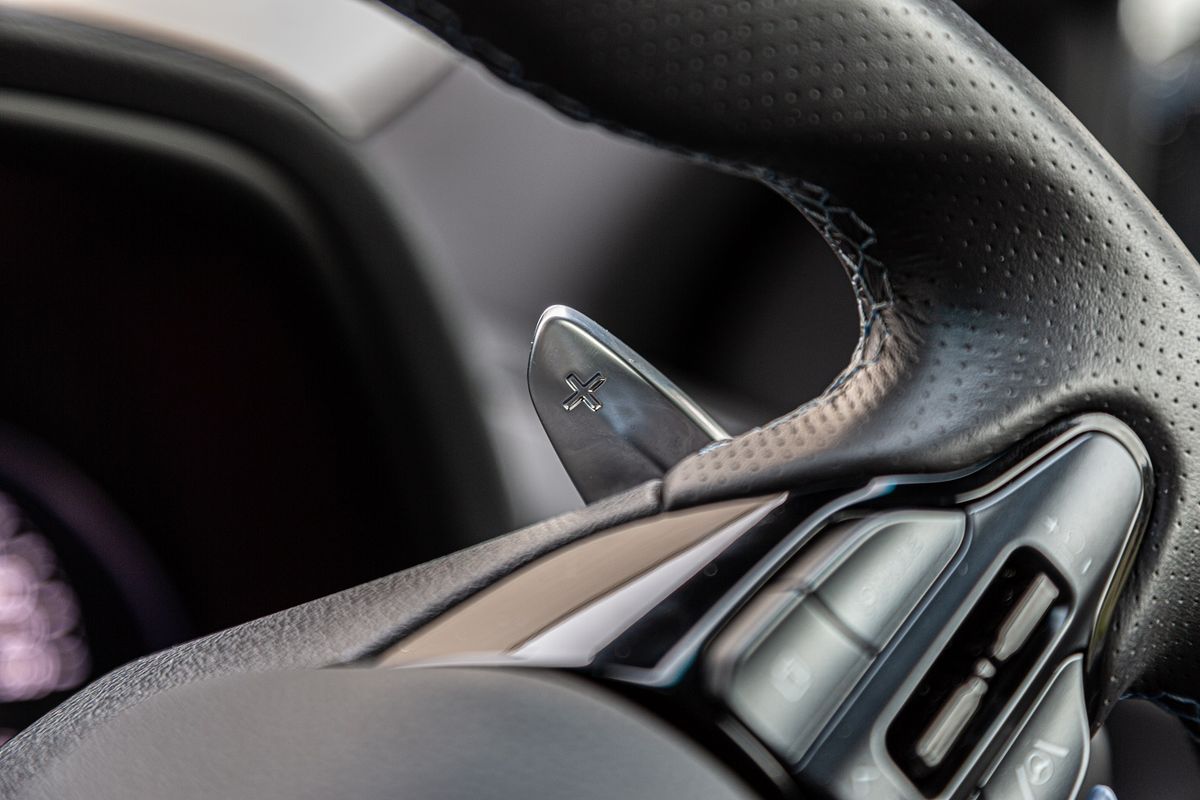
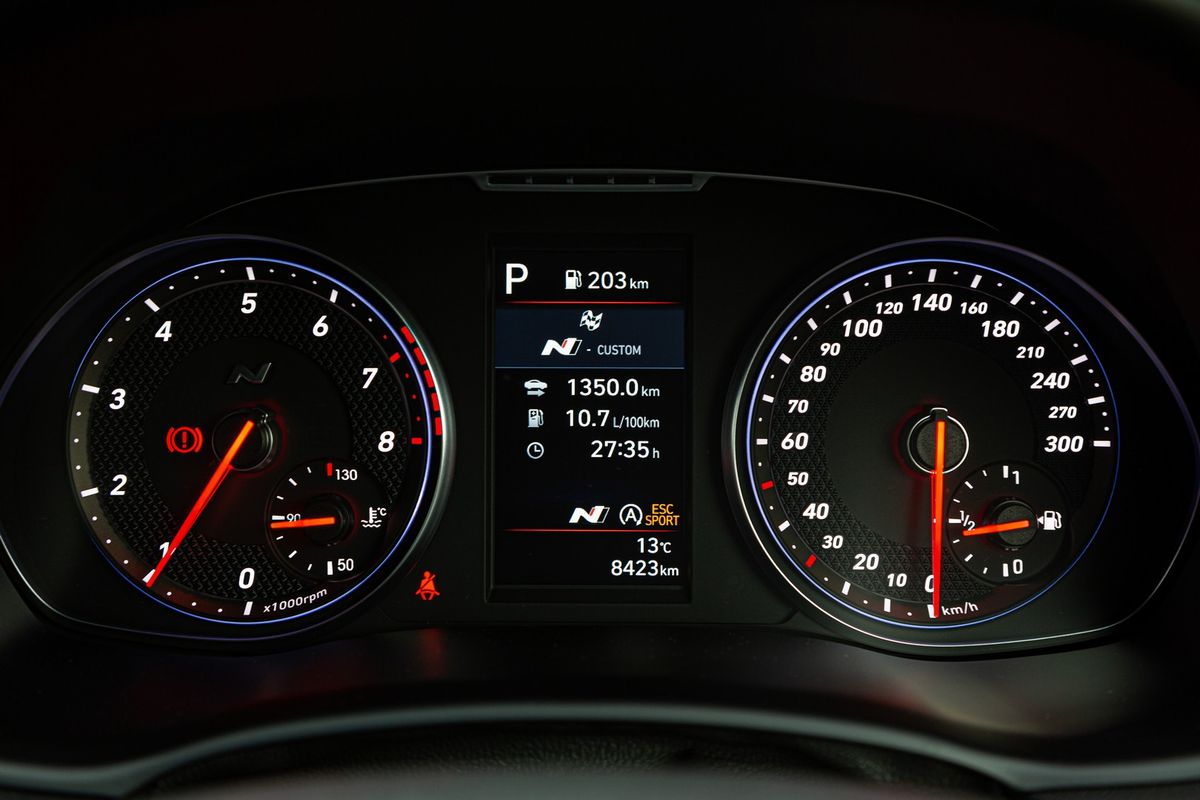
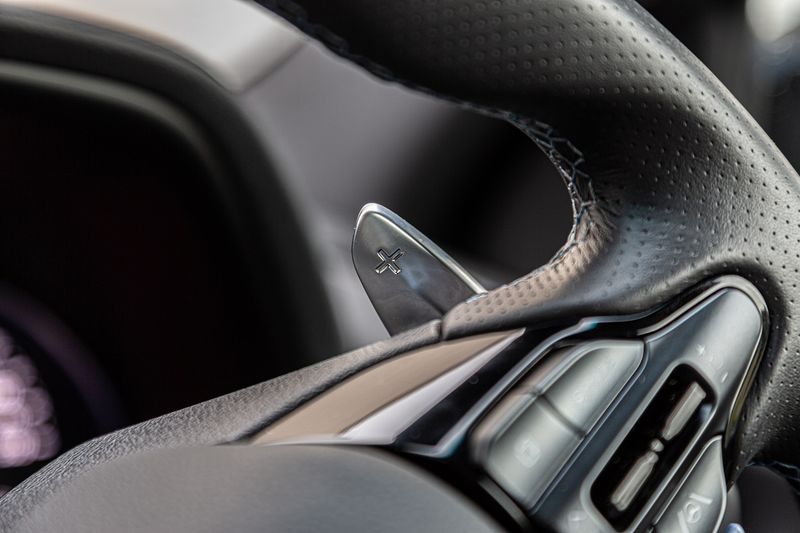
The engine revs with alacrity (always a boon in a turbocharged motor), but as the rev limit draws closer, shift lights illuminate on the instrument cluster to indicate the ideal point at which to change up a gear (by pulling the right shift paddle behind the ‘wheel). The throttle is ever responsive, and the soundtrack emitted by i30 N is likely to put a grin on your face. If you hit the N button, every aspect of the powertrain instantly switches to its hardest, fastest, or loudest setting. Engine and Transmission? Full power and hard, late ‘shifts. Exhaust? Fully open. Adaptive suspension? Stiffest setting. Stability control? Playful. Steering? Sportiest.
The exhausts are not just for show; they’re possibly the loudest we’ve heard this side of supercars.
If you come off the throttle in the sportiest drive modes, those big-bore exhaust ends will produce a barrage of rorty pops and bangs. If you downshift (while in N mode) into high revs, even louder bangs are produced. In an era of muffled car-engine notes, this is a lovely indulgence, but being this loud can be construed as antisocial behaviour – so be mindful of that.
For everyday driving conditions, Normal, Sport and Eco modes are available. Some may regard N mode as too extreme and, to a degree, it is. The last time we experienced such a level of involvement and engagement, we were in a Honda Civic Type R, but the i30 N is a more multi-faceted machine by comparison. It’s fun to drive the i30 N at its most intense settings, but you can’t do it all day, every day, which is why the Hyundai’s adjustability is such an advantage.
The 8-speed DCT is excellent, irrespective of which drive mode you’ve selected.
By default, the Hyundai has a quick steering setup, and when you can make quick, small adjustments with the ‘wheel, the i30 N responds promptly and accurately. It’s an eminently wieldy car that instils confidence even as you pile on the pace; grip levels are high, thanks to the excellent Pirelli rubber and the uprated brakes are potent – yet offer good feedback. There’s an excellent level of focus and poise to the Hyundai i30 N. Yes, the suspension tuning is firm, which facilitates excellent body control, but you can experiment with the adaptive dampers’ settings to find a ride quality that you prefer – or could live with…
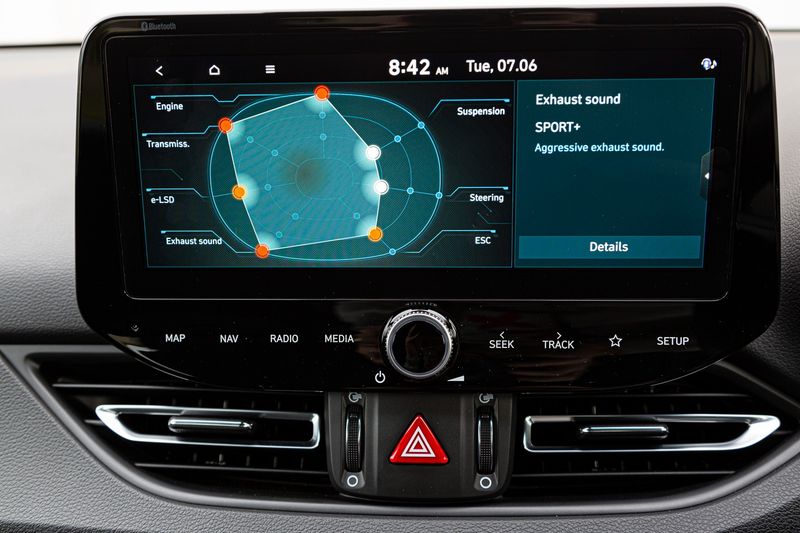
Every facet of the i30 N is configurable. This is the setting that the Cars.co.za test team prefers.
What’s truly impressive about the machine is its sheer adjustability. The transmission, engine, exhaust, suspension, stability control, steering and electronic limited-slip diff… each of them has 3 settings and there are hundreds of possible combinations. So, you could have the suspension setup at its comfiest, with the engine in its normal setting and the exhaust at its loudest. You could also set everything but the exhaust to the maximum, for a quieter blast down the back roads. Plus, you can save your preferred setup and access it with a second press of the N button. Avoid the sportiest suspension setting though, it’s uncomfortably firm.
The i30 N is a tough act to follow, but don’t be deterred by the Golf GTI’s lesser peak outputs – the Volkswagen’s straight-line acceleration feels virtually as potent as the Hyundai’s. The German hatchback’s 2.0-litre turbopetrol engine is fundamentally the same as that of the Golf 7.5 GTI, but it produces a bit more power/torque. The Golf GTI’s performance is surging – and refreshingly linear; small-capacity turbocharged engines tend to serve up a wad of torque at low revs, but the Wolfsburg-based brand’s hot hatch is tuned to be more flexible. The 4-pot motor continues to produce acceleration all the way to its rev limit and then smoothly transitions to the next gear without so much as a hint of hesitation.
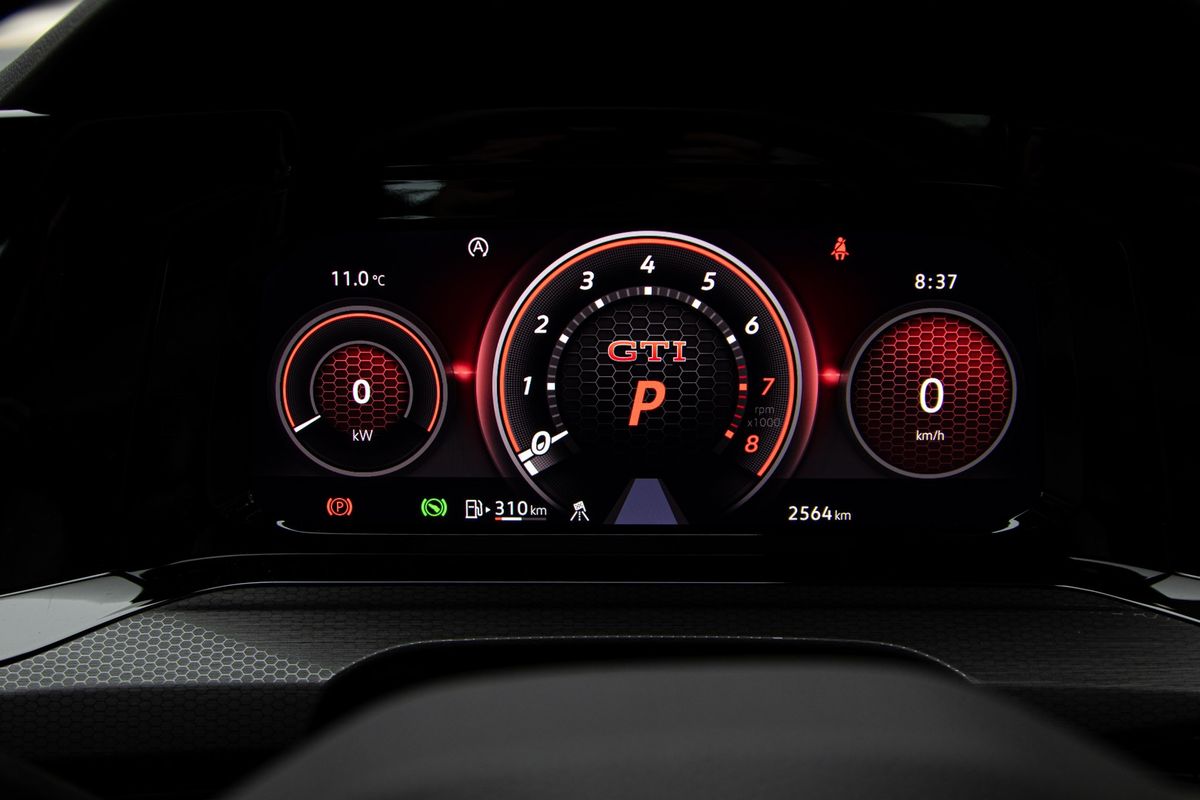
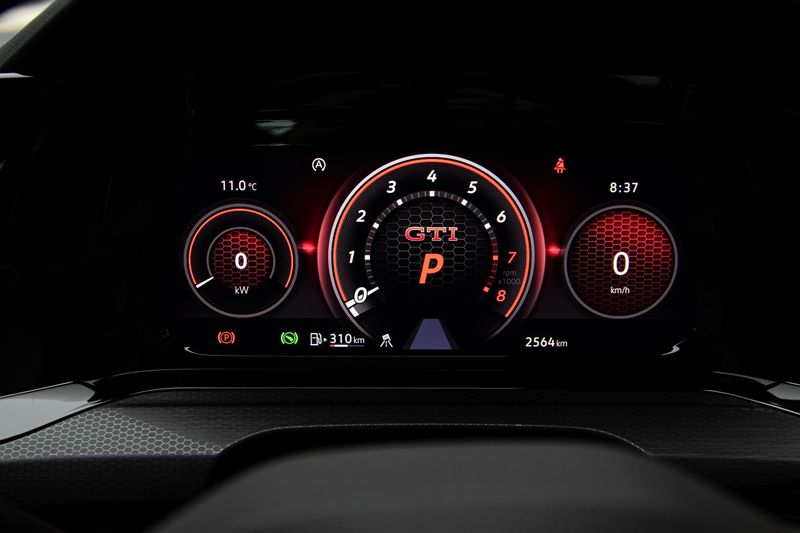
This is what the GTI’s digital instrument cluster looks like when the sportiest drive mode is engaged.
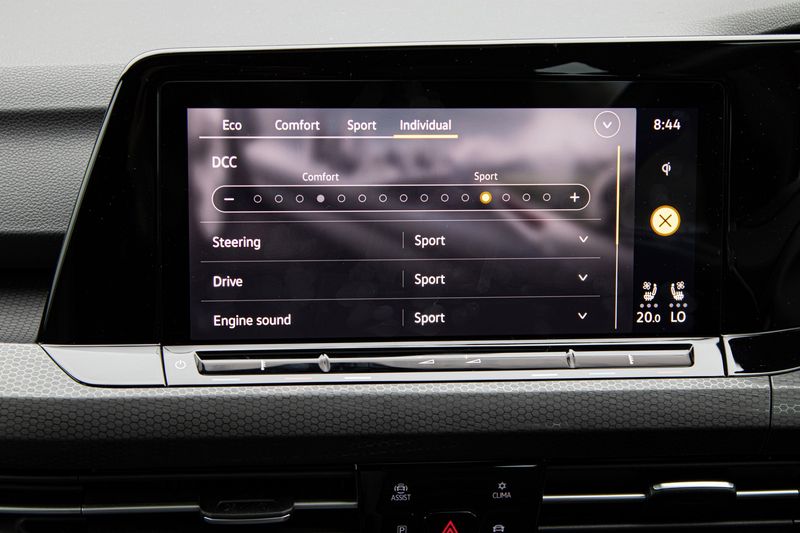
The stars of the show are the 7-speed DSG (direct-shift gearbox), which changes gears in a confident and refined manner, as well as the upgraded MQB platform, which imbues the car with superb balance. The steering too, is reassuringly weighted and quick, making the Golf 8 GTI much more responsive than its predecessors. When specified with adaptive dampers, the car’s suspension is highly customisable – we discovered there are not 2, or 3, but 15 settings to choose from. There are various drive modes too (Eco, Comfort, Sport and Individual) and the latter is a great platform to fine-tune all the available settings. You could, for example, pair the comfortable suspension- with the sportiest engine mode.
The GTI is highly configurable too, just not quite to the same level as the i30 N.
Compared with the outrageously vocal i30 N, the Golf GTI’s exhaust note is remarkably muted. That vrr-pah! that accompanied every gearshift in the Golf 7.5 GTI is not as prominent as it used to be in the new-generation car (perhaps as a result of the well-insulated cabin and a requirement to conform to noise legislation, but we’d totally understand if buyers opted to beef up the exhaust to drum up more aural appeal).
Admittedly, the Golf GTI’s handling is not the last word in fun-to-drive dynamics – but then, Volkswagen’s hot hatch has not set the benchmark in that department for a few generations of the model. Yes, it’s fast, and very stable when changing direction, but it never seems like there’s much more to explore when you’re driving near the limit. In the Hyundai, it is quite the opposite – the i30 N goads you into exploring the edges of its performance envelope.
Despite its sporty pretensions, the Golf 8 GTI’s ride quality is relatively forgiving on gravel roads.
The Volkswagen hits back – and considerably so – in terms of its day-to-day usability. Unlike other players in the segment that are performance-orientated, as a tourer and daily, the Golf GTI is unrivalled. The Hyundai i30 N never really settles down enough to be labelled “relaxing to drive”; the car always feels on edge/ready to pounce. The Volkswagen Golf 8 GTI may not be as playful, but it offers enough performance and agility to entertain the average motorist.
Conclusion: In the dynamic battle between the Volkswagen Golf 8 GTI and Hyundai i30 N, the Korean is the faster of the two and more engaging to drive spiritedly, but this comes at the expense of overall refinement. The Golf GTI shines as a more relaxed, comfortable cruiser.
Practicality
Golf GTI
i30 N
Length
4287 mm
4340 mm
Width
1 789 mm
1 795 mm
Height
1 478 mm
1 455 mm
Wheelbase
2 627 mm
2 650 mm
Turning Circle
10.9 m
11.6 m
Rear Seat Configuration
60:40 split
60:40 split
Load Capacity
374–1 230 L
381–1 287 L
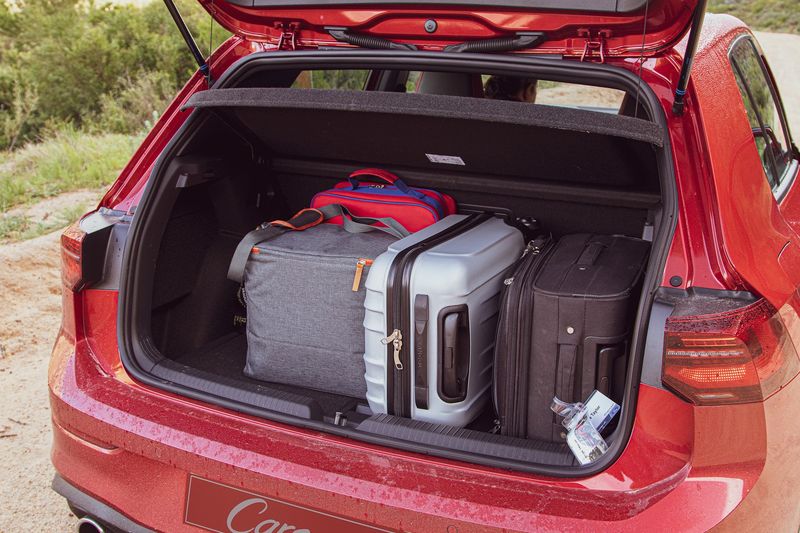
Hot hatchbacks are required to be rapid, entertaining-to-drive machines, but also versatile premium compact cars. In other words, when they’re not being driven spiritedly on twisty ribbons of blacktop, they should be able to fulfil a multitude of roles, such as transporting friends and family members – and offer enough cargo-carrying capacity for a full complement of occupants.
Both cars offer excellent luggage capacity, ready for that long weekend away.
Rear legroom is also pretty even, with both cars offering just about sufficient levels of space for adult occupants at the back. In both cars, taller drivers will be able to sit behind a driver’s seat that was set up for them with an acceptable level of comfort. The Volkswagen, however, avails ventilation outlets and USB ports to the rear passengers, while the Hyundai doesn’t.
Conclusion: In terms of interior dimensions and practicality, it’s honours even but the Volkswagen Golf 8 GTI’s extra comfort features for the rear passengers give it the edge.
Price and Warranty (August 2022)
Golf GTI
i30 N
List Price
R696 700
R749 900
Warranty
3-year/120 000 km warranty
7-year/200 000 km manufacturer warranty
Service Plan
5-year/90 000 km EasyDrive service plan
5-year/75 000 km service plan
Roadside Assistance
Optionally available on EasyDrive Maintenance Plan First 3 years or 120 000km (whichever comes first)
Yes: 7 years or 150 000 km
Verdict: VW Golf 8 GTI vs Hyundai i30 N
It won’t be a surprise that these two great hot hatchbacks are separated by the finest of margins. It’s the consensus of our test team that, in terms of overall ability, the i30 N runs the Volkswagen Golf GTI closer than any of its recent rivals. Recognise just how good the Hyundai i30 N is… it’s a finely tuned, meticulously honed hot hatch derivative of a model (codenamed PD) that was launched as long ago as 2016. The Golf 8 GTI, by contrast, debuted just last year.
However, you could say the two cars have different skill sets. The Hyundai i30 N reminds of a recently retired world track champion that is desperate to fit into a mainstream corporate role, while the Golf GTI is akin to a quiet yet multi-talented nine-to-five executive. You’d know which one to pick to hype up your brand or wow conference-goers… and which one you’d rely on to meet company targets.
The great thing about this comparison is that both the Volkswagen and Hyundai have considerable strengths, but their respective shortcomings are so minor (or mild) that owners could easily learn to forgive/live with them. In the end, it comes down to individual buyers’ wants and needs.
Our team tested the pair extensively on tracks, mountain passes, gravel roads and in traffic on dreary weekday mornings. If you purchase a Volkswagen Golf 8 GTI, you’re likely to remain delighted with your purchase and the same applies to those who buy the Hyundai i30 N. In an era of electrification and SUV hegemony, we should be thankful that both of these great cars are available. Like Ronaldo versus Messi, enjoy the Golf 8 GTI vs i30 N rivalry; it won’t last forever.
Having contributed to multiple motoring titles as well helping run the public relations machine of the Johannesburg International Motor Show, Dave has experience in both sides of the motoring industry. He's based in the Western Cape and is responsible for the performance testing, photography & weekly YouTube news for Cars.co.za.