The hot hatch market may no longer be as fiercely contested as it once was, but there are still a handful of credible options available. With the 128ti, BMW hopes to lure customers away from the accomplished Volkswagen Golf 8 GTI, but the newcomer’s premium badge alone may not be enough to win over prospective buyers… the Bimmer needs to deliver excellence in many aspects to post a significant challenge to Wolfsburg’s finest. Well, does it?
We like: Strong engine, build quality, high specification, entertaining to drive
We don’t like: Unengaging soundtrack, polarising red detailing
Fast Facts:
- Model tested: BMW 128ti
- Price: R707 918 (October 2021)
- Engine: 2.0-litre turbocharged 4-cylinder petrol
- Power/Torque: 180 kW and 380 Nm
- Transmission: 8-speed automatic transmission
- Fuel efficiency: 6.8 L/100 km (claimed)
- 0-100 kph: 6.3 sec (claimed)
- Top speed: 243 kph
- Load capacity: 380-1 200 litres
Serious about buying?
Some BMW dealerships regularly offer great deals. See our Car Specials here!
Where does the BMW 128ti fit in?
The idea of a performance-oriented BMW model that’s both front-wheel-drive and 4-cylinder-powered was an absurd notion up to only a few years ago and, even now, many hardened Bimmer fans still can’t get their heads around the concepts of the all-wheel-drive M135i xDrive and this, the front-wheel-drive 128ti. It needs to be noted that BMW built a reputation for producing compact sporty coupes with rorty 4-cylinder motors in the Seventies and Eighties, but since the early Nineties, the BMWs performance aficionados wanted have had inline-6 (or bigger) powerplants.
Alas, there’ll be no 6 cylinder or rear-wheel drive for this generation of 1 Series, which is based on the BMW Group’s UKL2 platform, which is front-wheel-biased and has a transverse engine layout. If you want that desirable combination, then the 2 Series range may tickle your fancy. Still, although previous iterations of the 1 Series were RWD, BMW has now simply chosen to conform to a front-wheel-drive compact car format for its 1 Series and 2 Series Gran Coupe (and Active Tourer, which we won’t get in our market). Audi and Mercedes-Benz have been doing that for years, so how is that a bad thing?
BMW hasn’t quite nailed it… yet. Although there’s no denying the M135i xDrive is a very accomplished offering, it does not sound quite as charismatic as before and its driving experience leaves room for improvement. Now we get to the 128ti; we’re frankly surprised BMW has not produced a front-wheel-drive performance hatchback sooner. After all, it has been building sporty Mini models for quite a while.
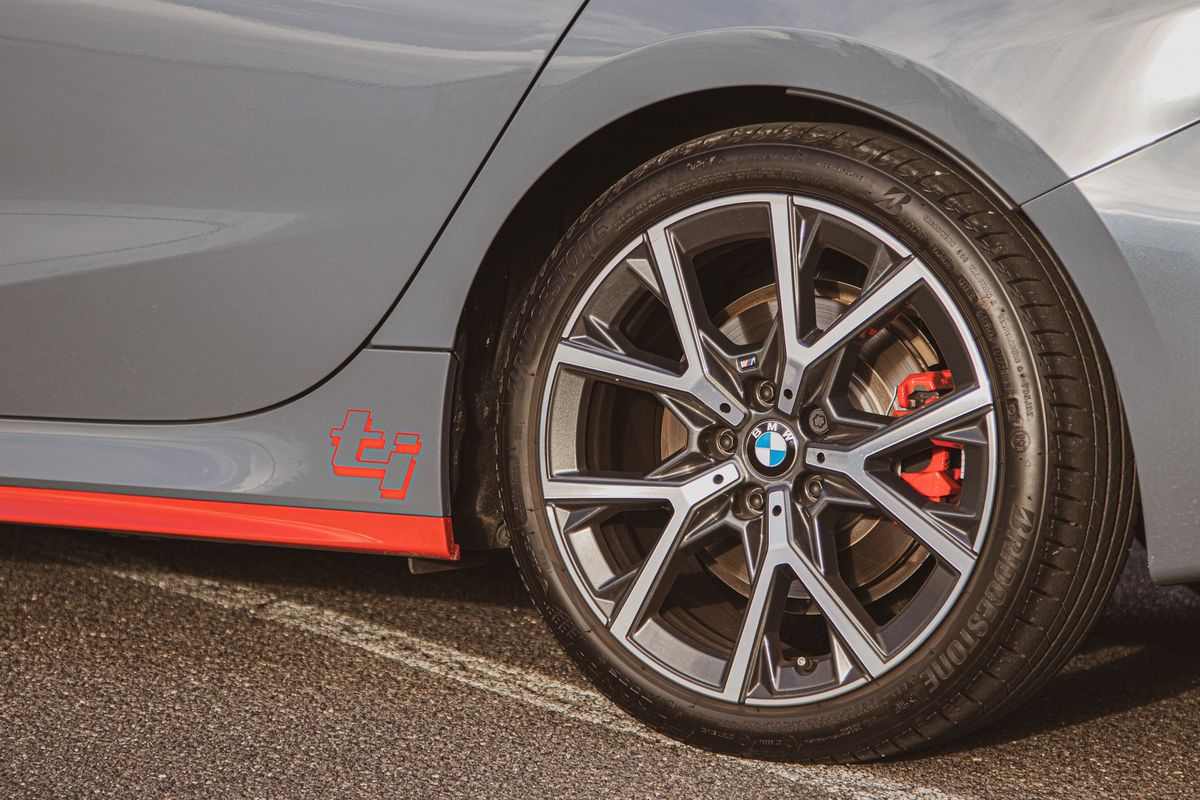
The 128ti is essentially an M135i xDrive shorn of its all-wheel-drive system and fitted with a reworked suspension and retuned differential. Instead of sending 225 kW and 450 Nm to the front wheels, which would make the car a bit of a handful, the newcomer produces a modest 180 kW and 380 Nm (frustratingly, the European-market version, which is fitted with a particulate filter, churns out 195 kW and 400 Nm). The hatchback further features ti badges on its rump and flanks. Ti stands for Turismo Internazionale, which has been used for some sporty BMWs in the past, such as the 2002ti and the 325ti.
> Read more: BMW 1 Series Latest specs and pricing
The hot hatchback market has declined over the years, both in terms of the number of models on offer… and the sales volumes that those surviving offerings garner. We can recall the days when there were mass comparative reviews featuring repeat offenders from Ford, Honda, Volkswagen, Renault and Opel. Now we’re at the stage that Renault and Ford no longer offer fiery front-wheel-drive hot hatches in our market, while Honda and Hyundai offer the track-focused Civic Type R and raucous i30 N respectively. The segment’s best-seller soldiers on in its current (Golf 8 GTI) iteration, while Mercedes-Benz tries to work the premium angle with the A250. To say there’s an opportunity for BMW to make a name for itself is an understatement, but given the calibre of its rivals, the 128ti needs to be very good.
Use the Cars.co.za Compare Tool and see how the BMW 128 ti stacks up against its immediate rivals
How the BMW 128ti fares in terms of…
Design and packaging
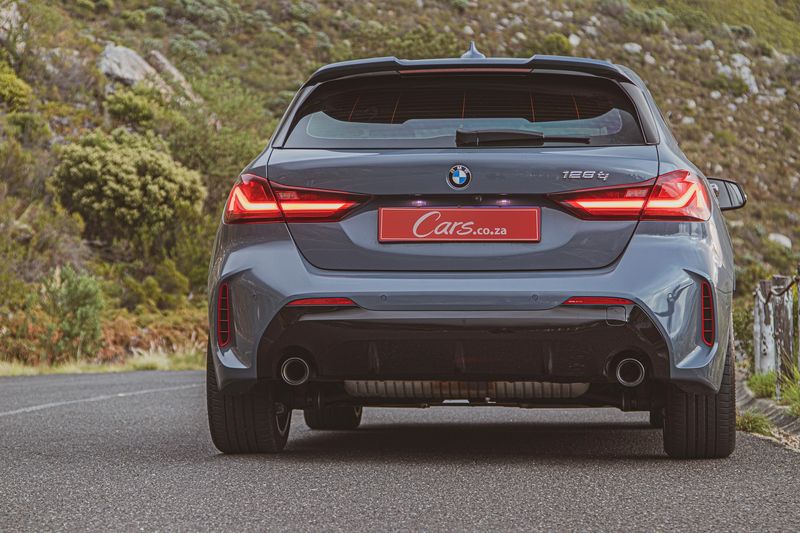
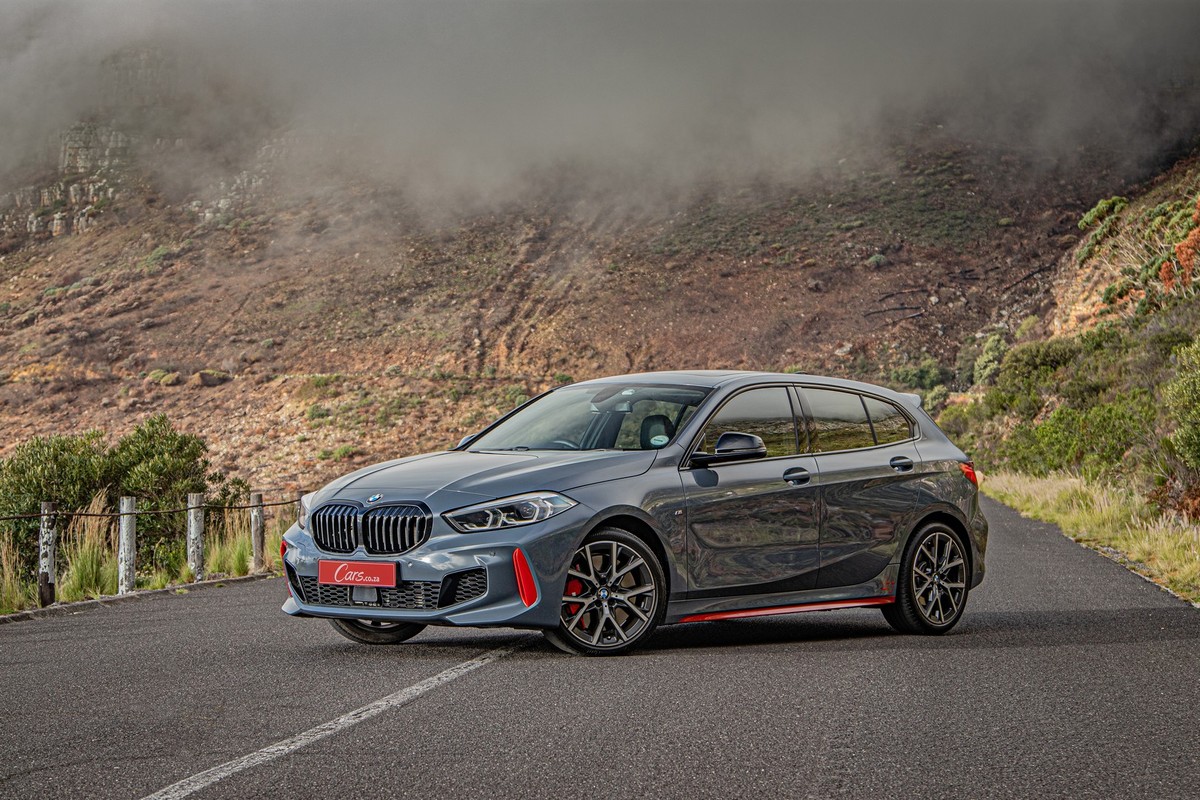
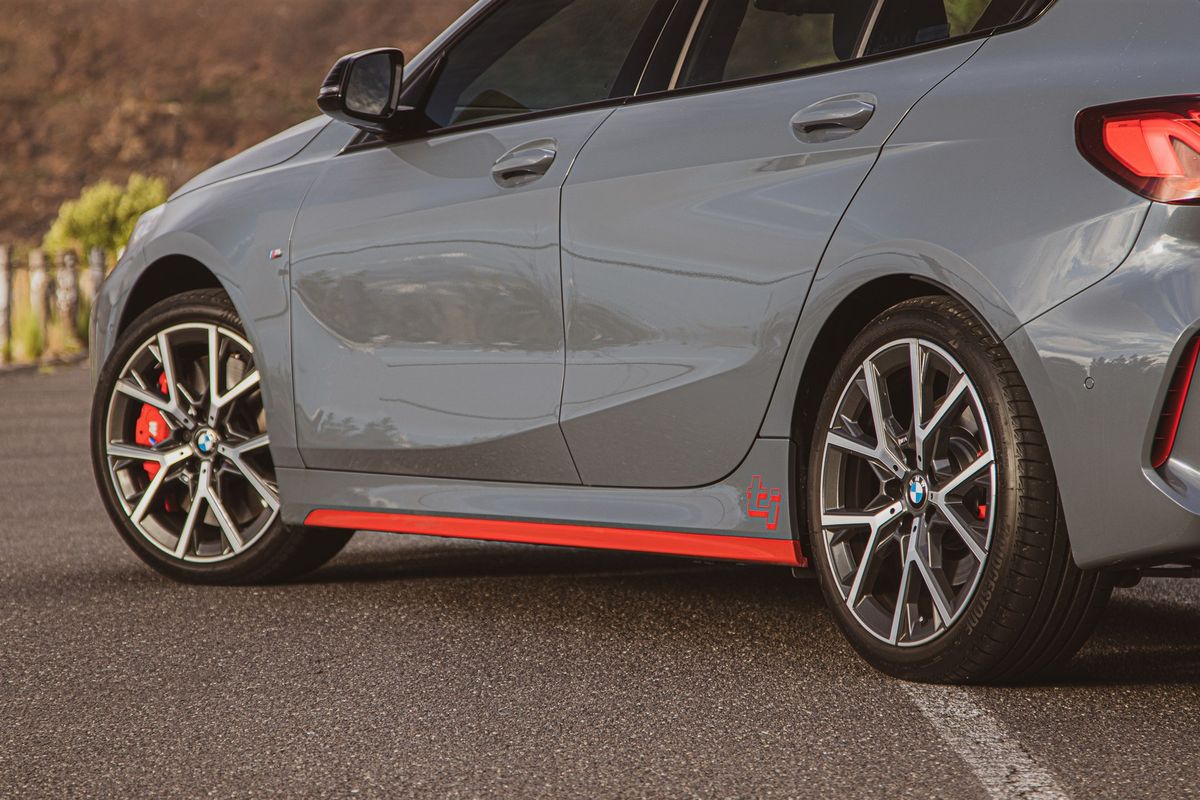
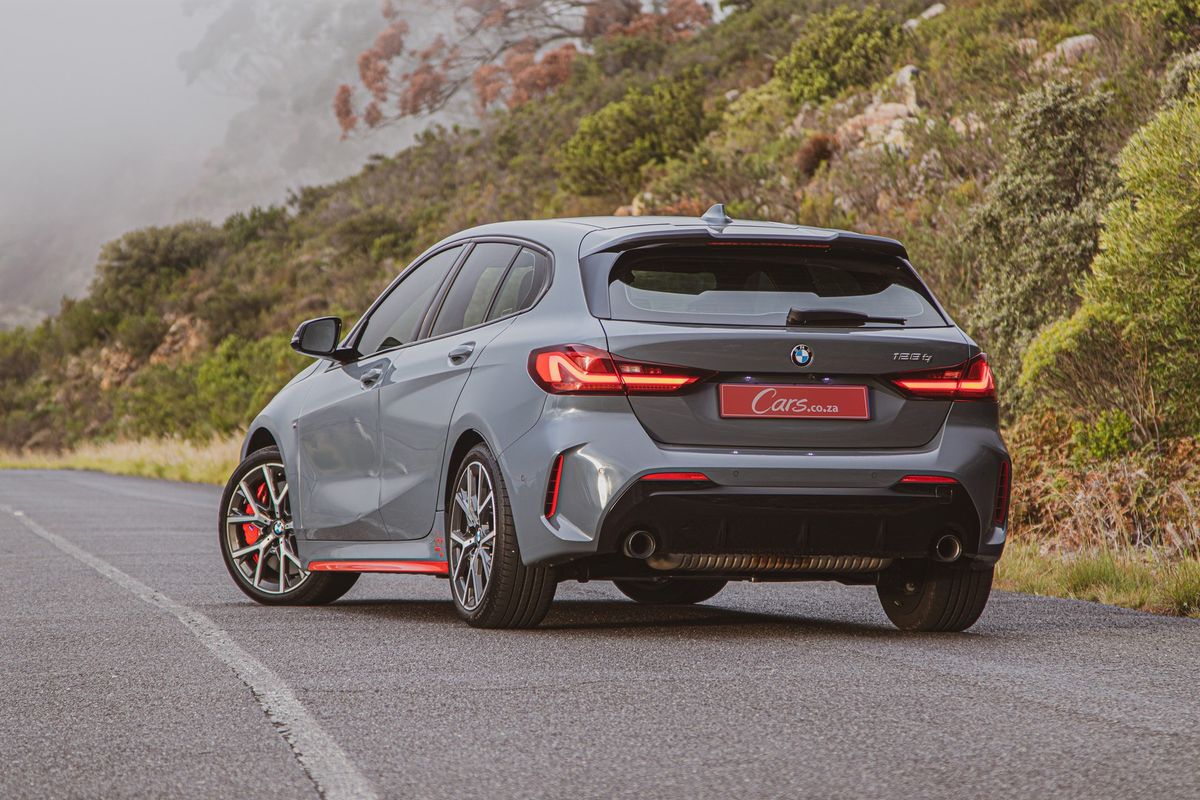
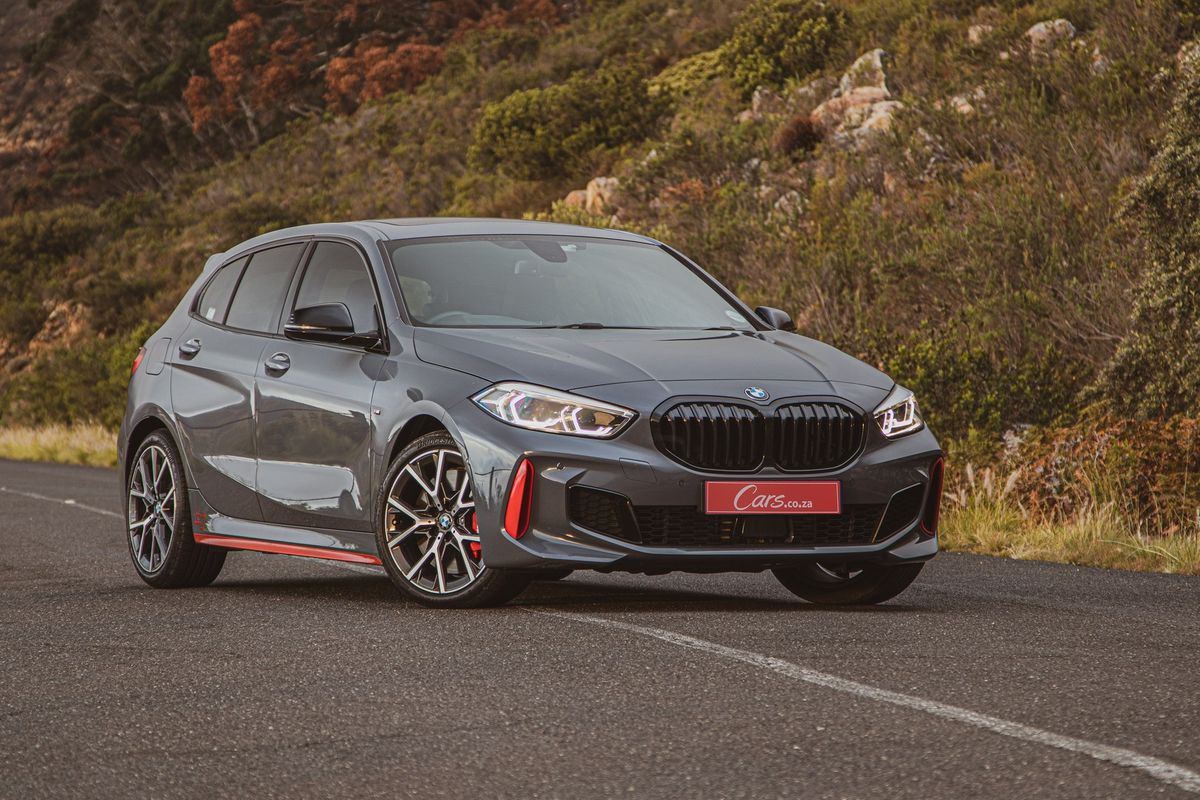
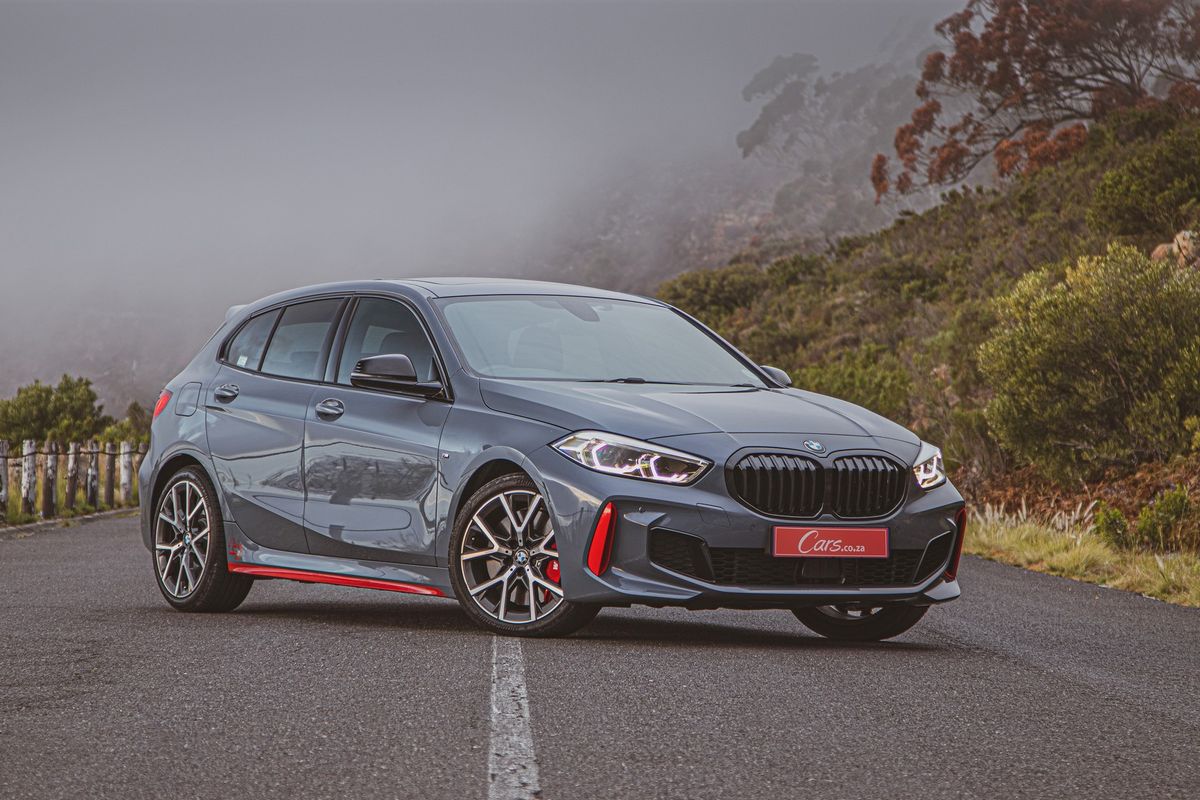
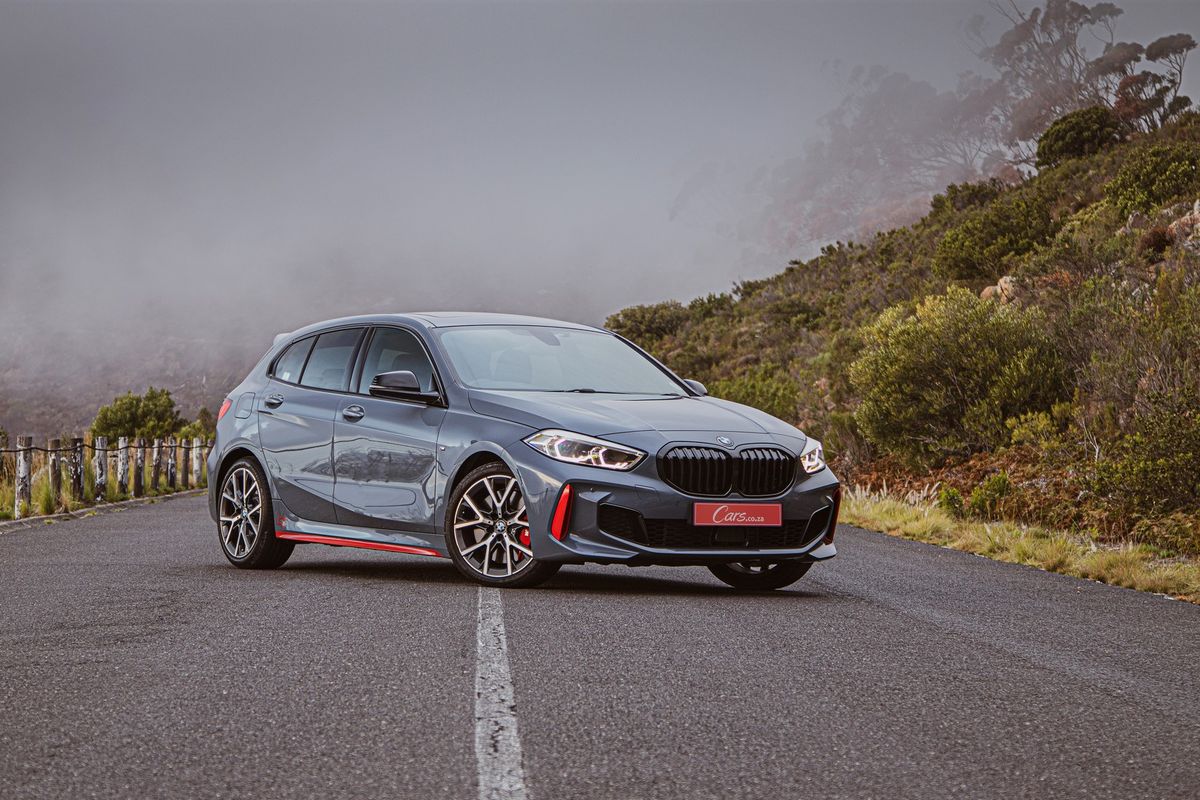
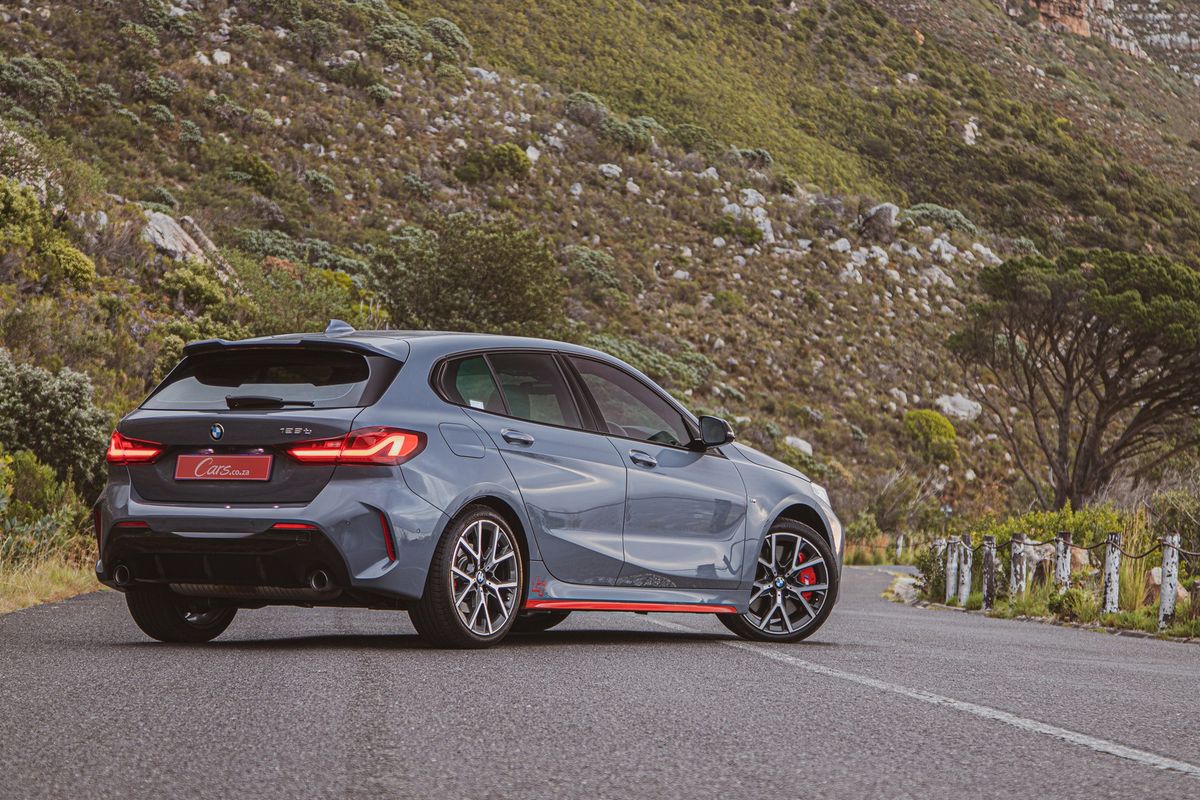
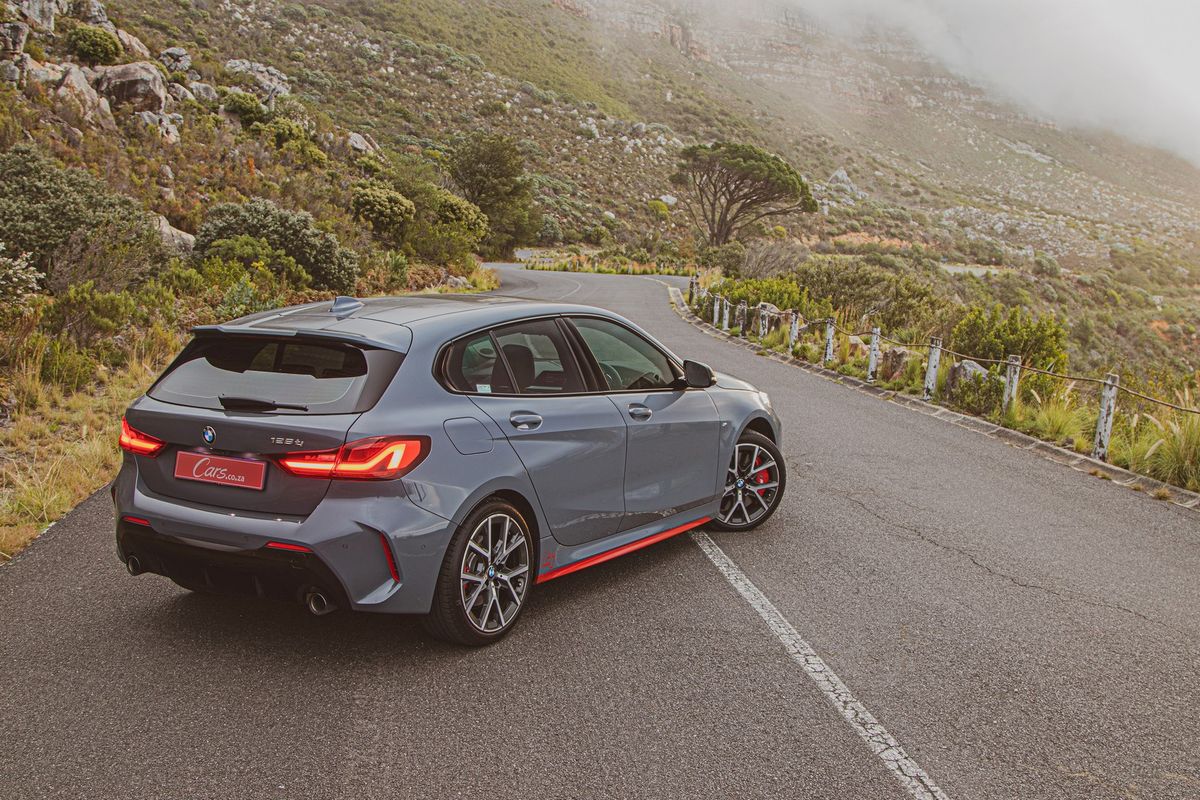
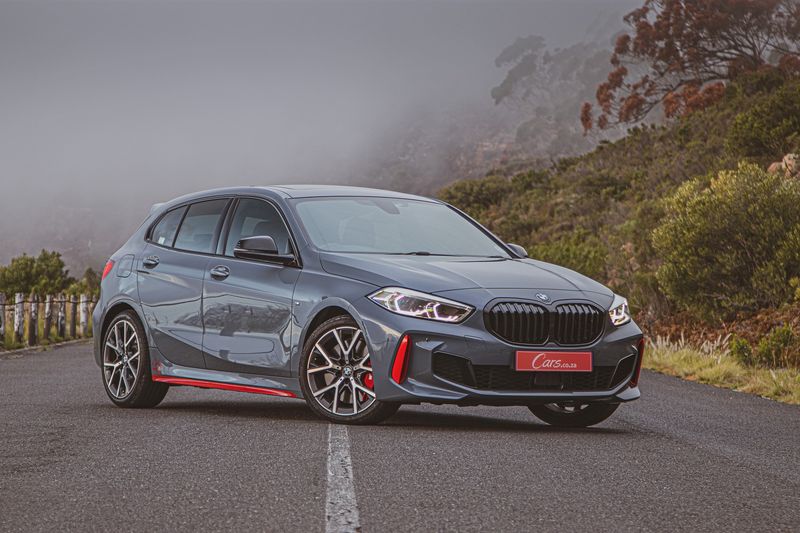
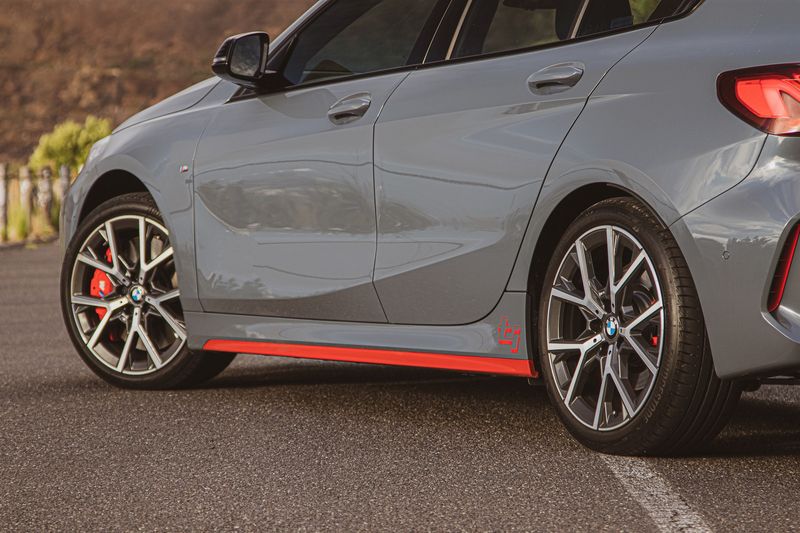
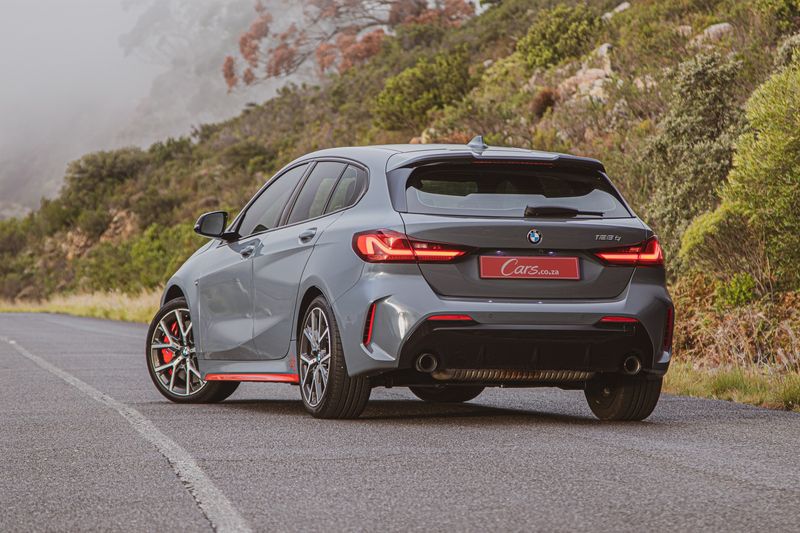
The BMW 128ti stands out from the rest of the 1 Series family courtesy of its red detailing and ti badging. The good news is that the red ti badges in these images are available in different colours depending on your choice of the vehicle’s exterior finish. So, if you think the red accents look too brash and/or unbecoming of your expensive Bavarian premium hatchback, you could always opt for Misano blue, which comes with black ti badging, or Melbourne red, which features no badging at all. Our unit was finished in an appealing Storm Bay grey, and we reckon the red detailing works, although it is polarising.
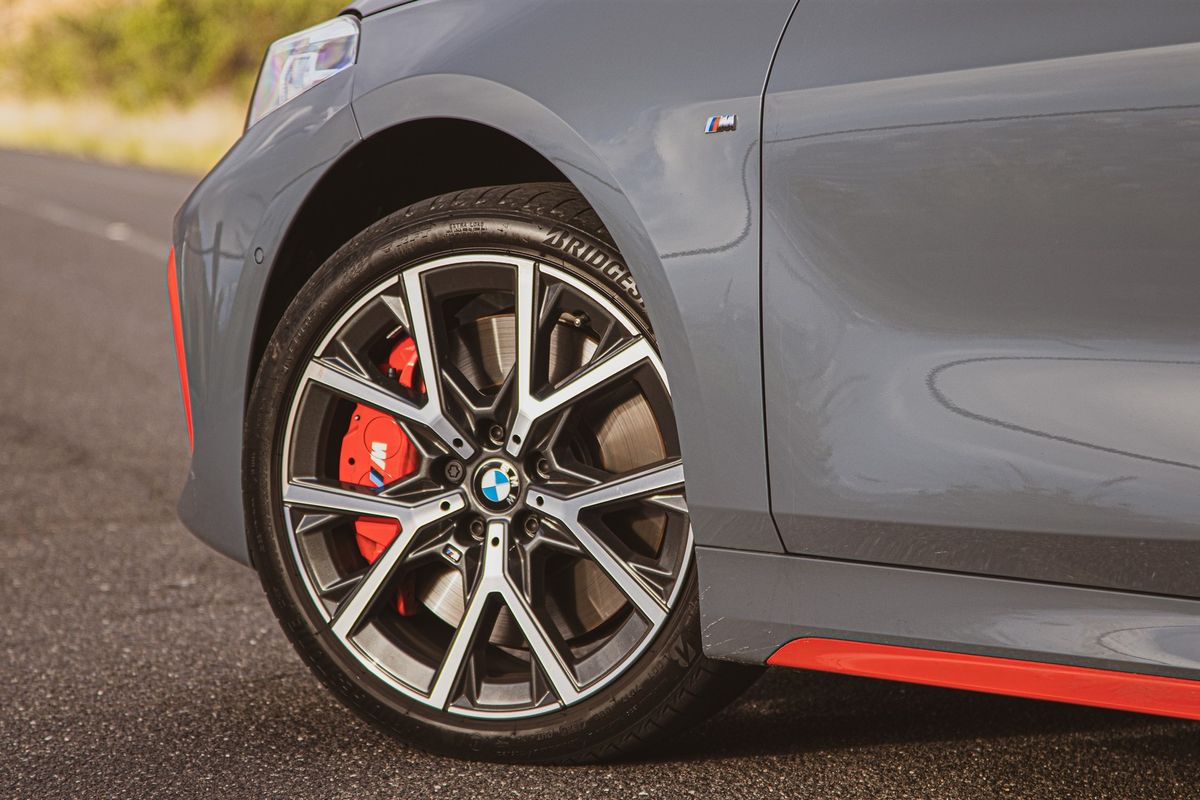
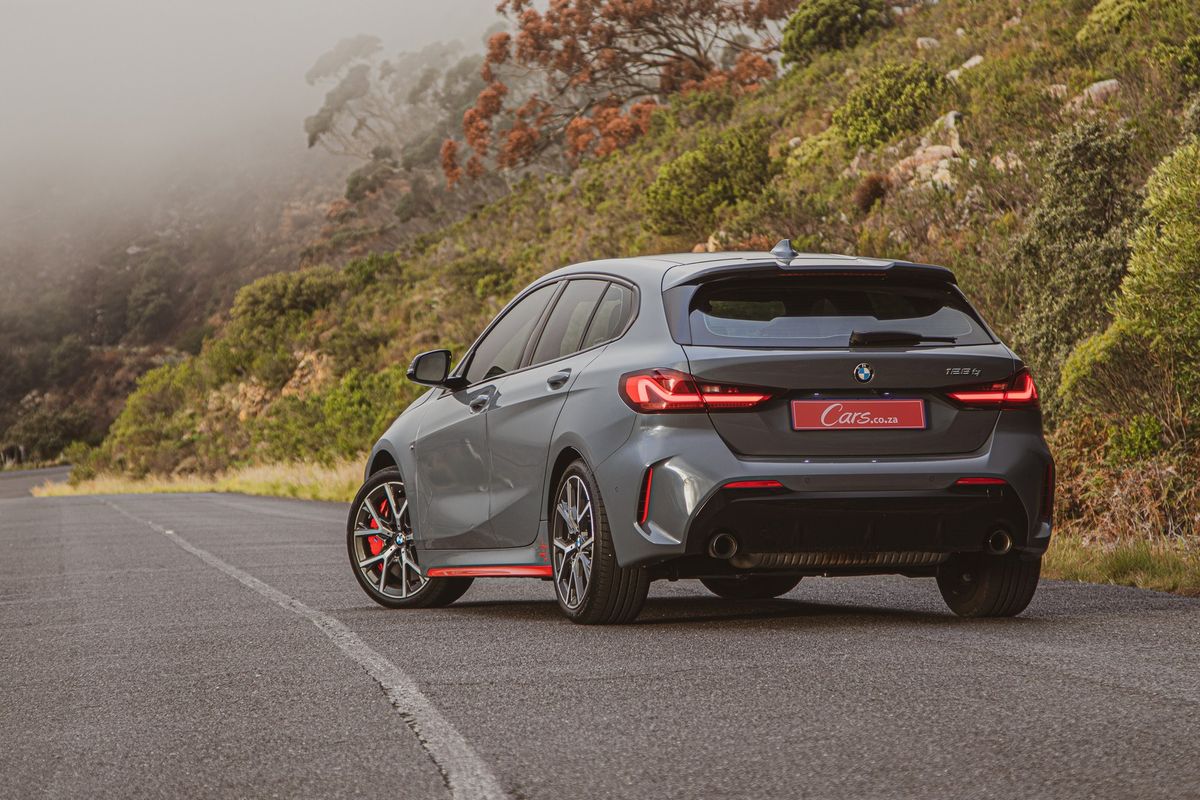
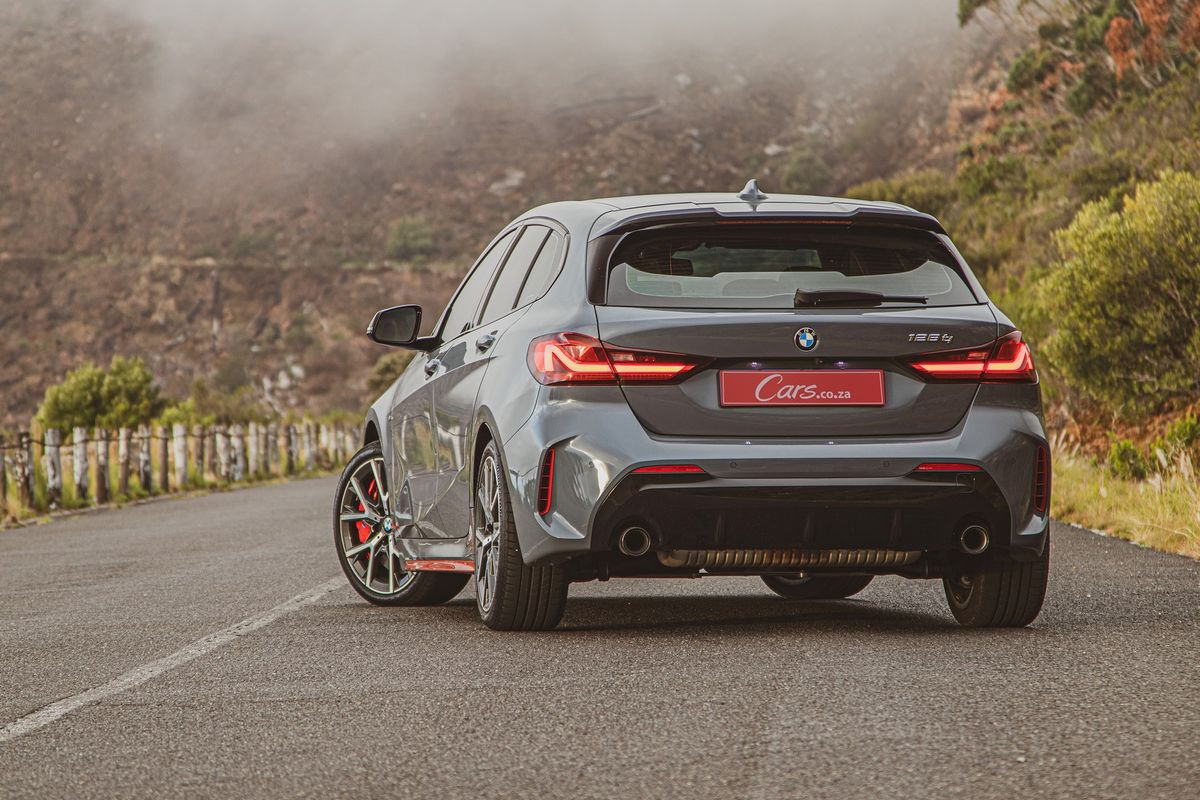
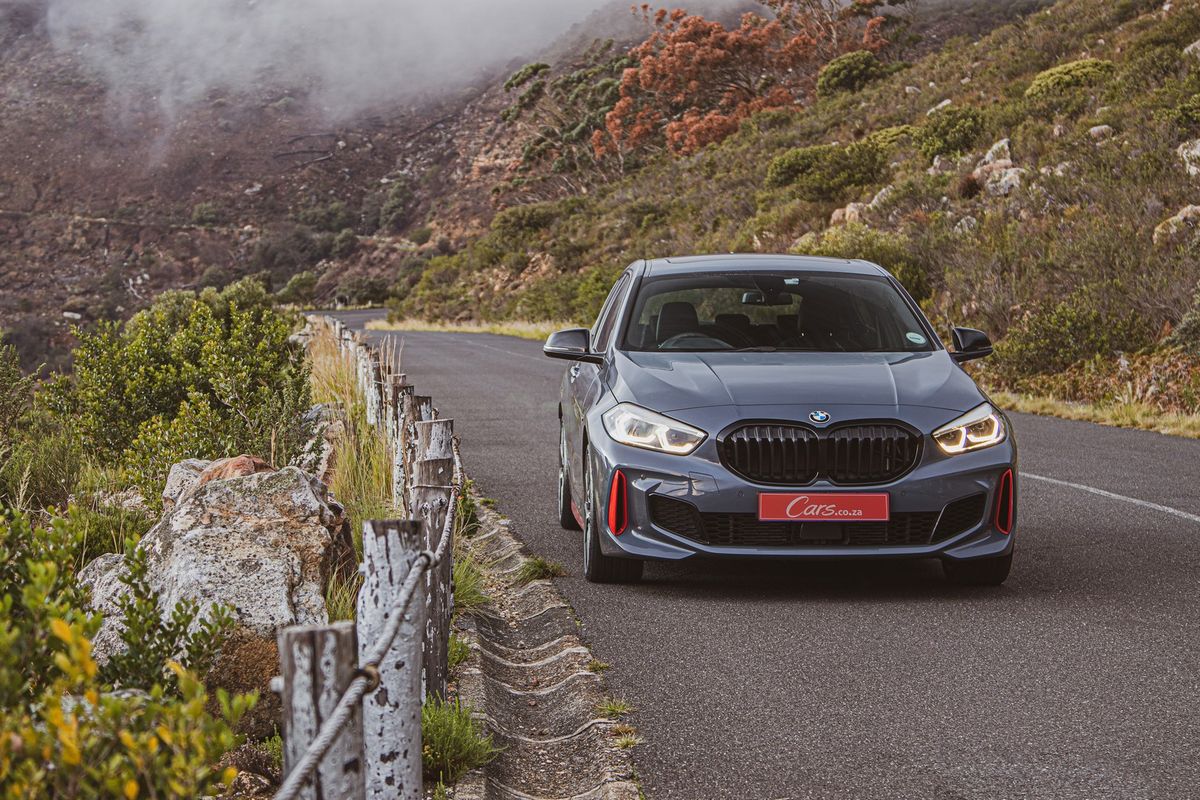
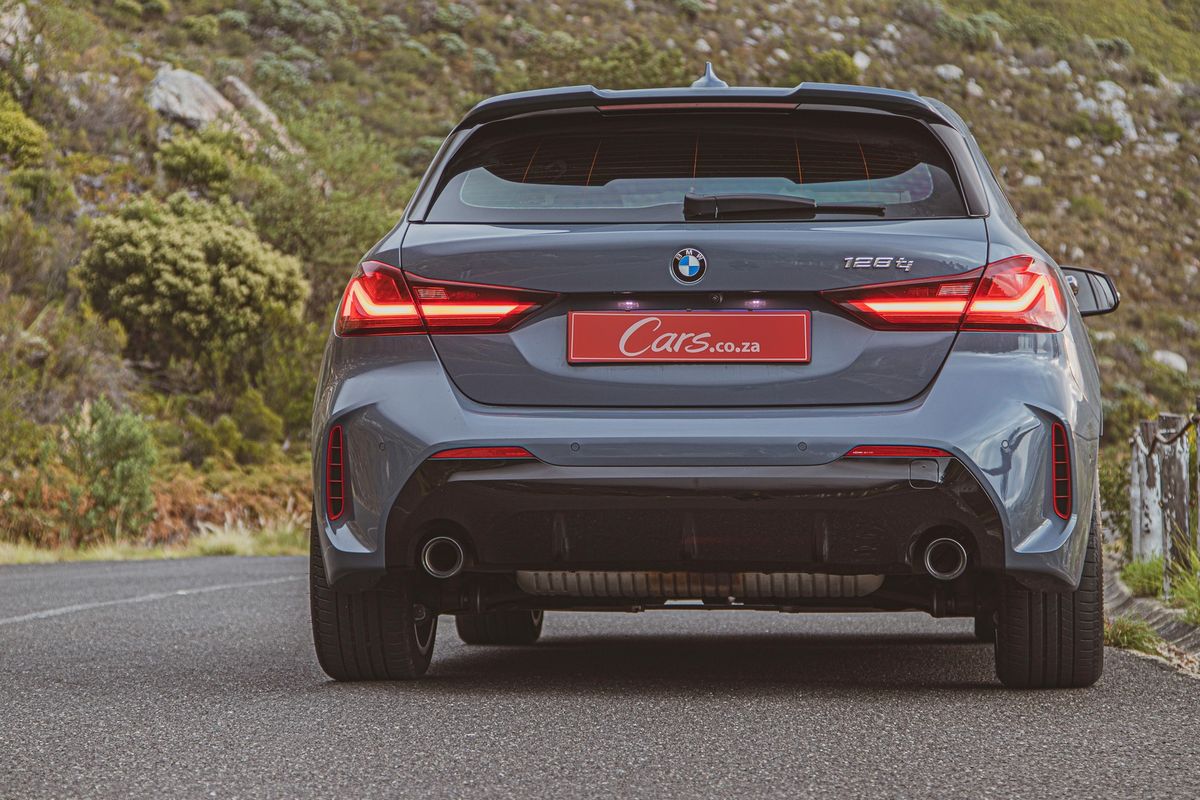
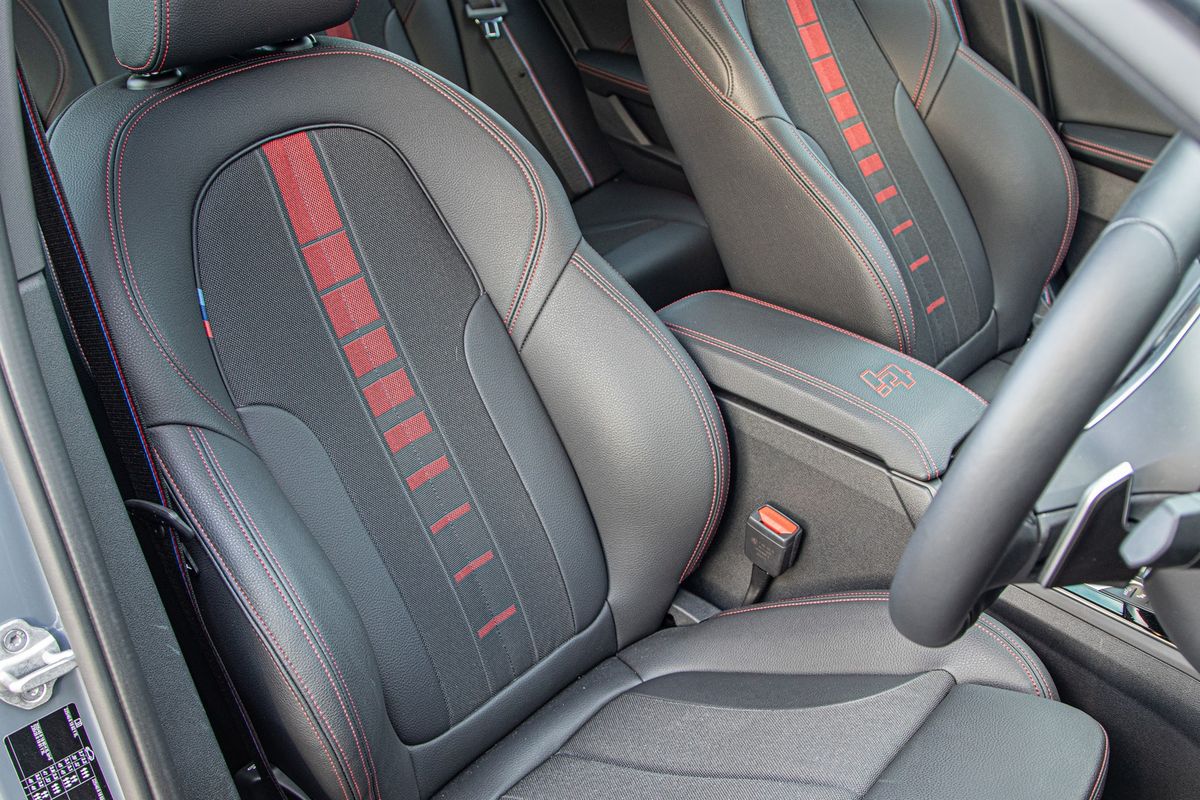
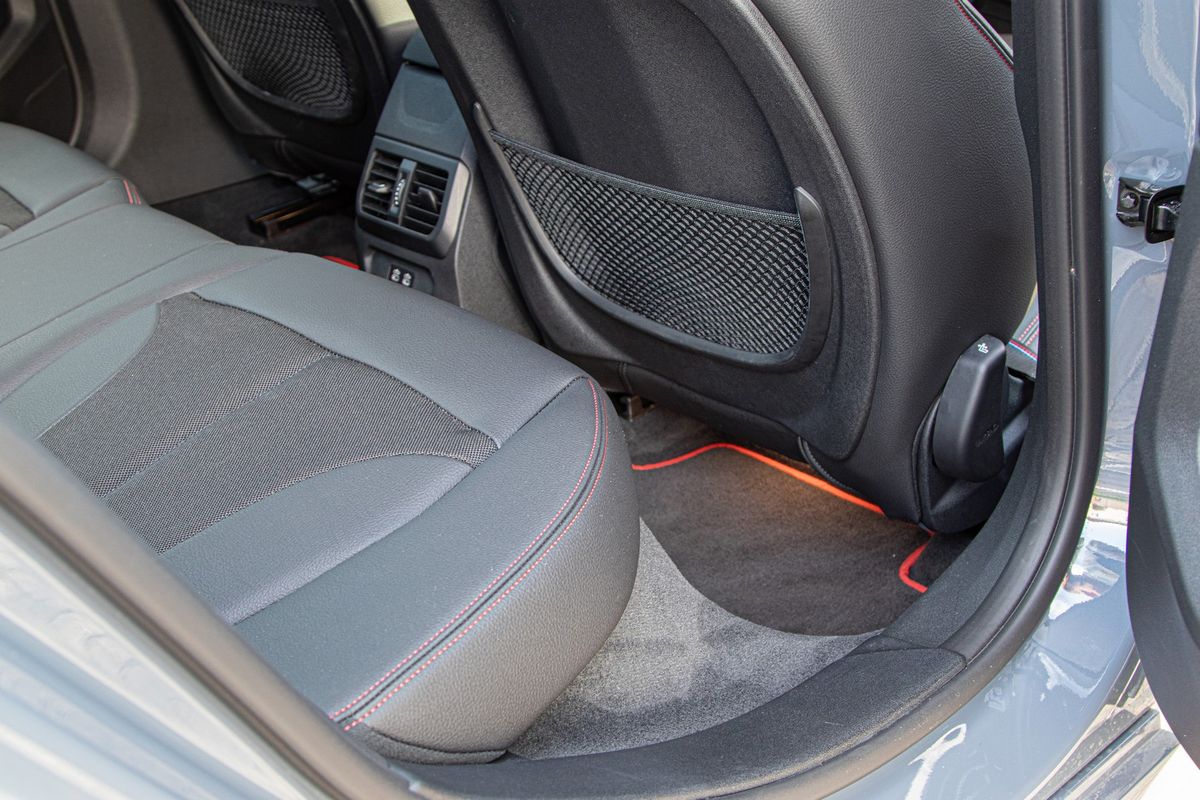
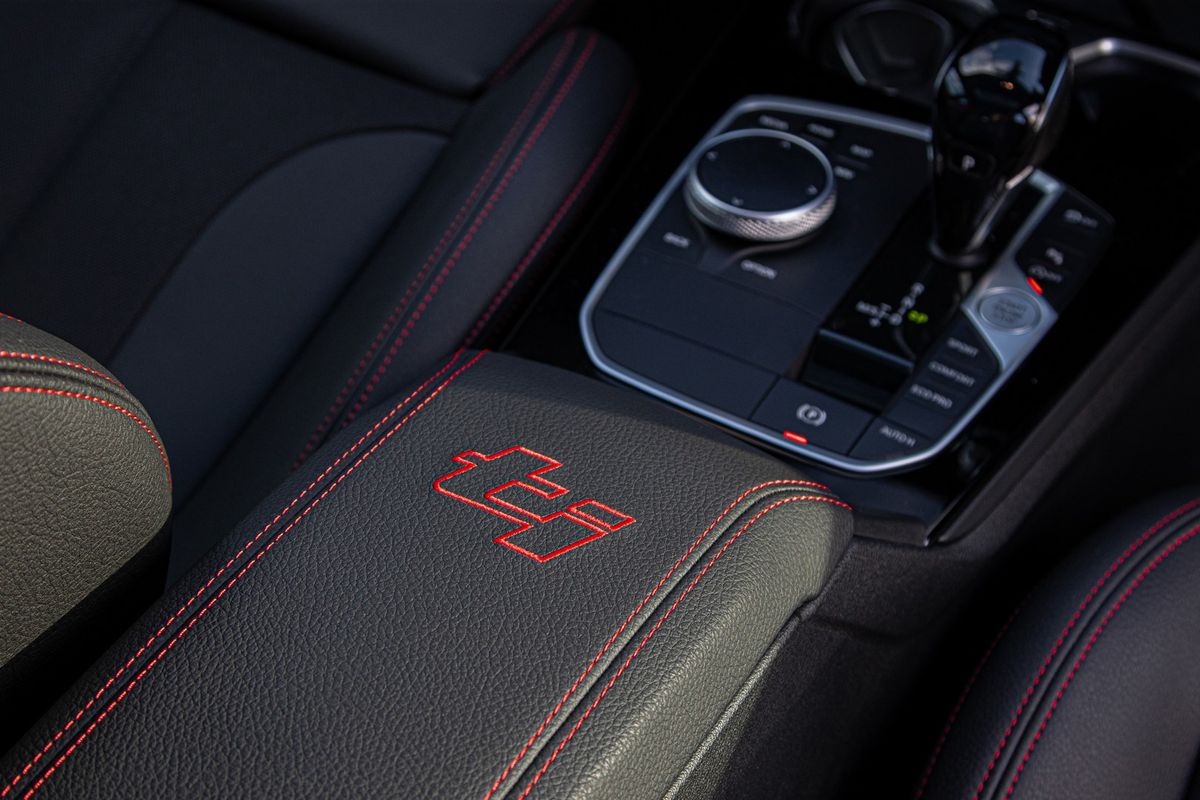
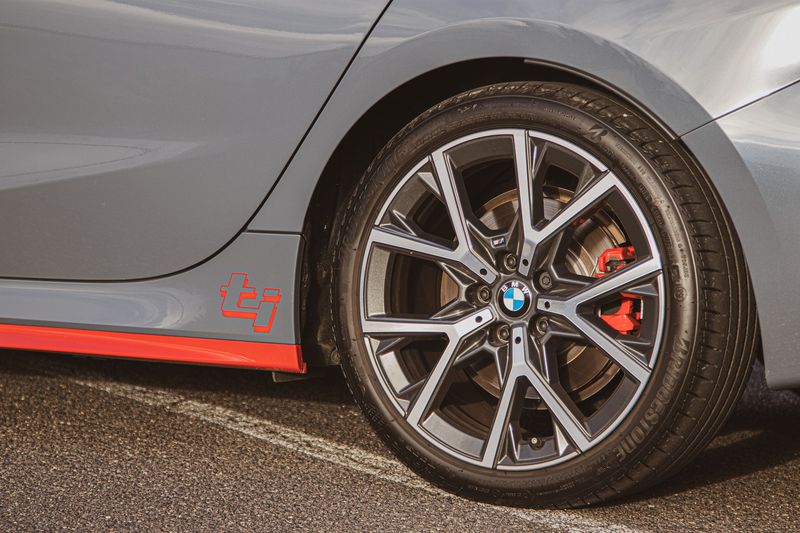
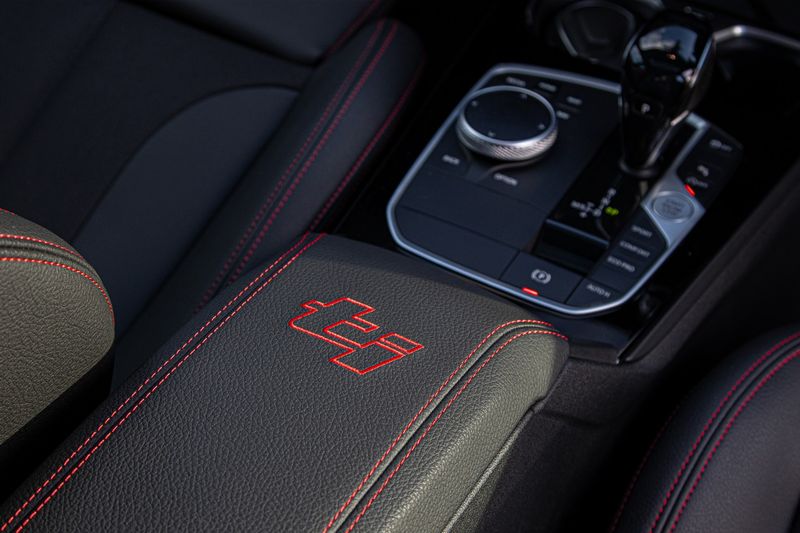
Seeing as the 128ti is a performance derivative, it needs to deliver visual punch – and it does! The exterior execution features a bold black grille, twin exhaust pipes, a sporty rear diffuser, bold alloy wheels, red brake callipers and a tailgate winglet. As for the cabin, has there been a sale on red stitching in Germany recently? There’s an abundance of it on the edges of the BMW’s seats and central armrest. The sports front seats look the part and the M seatbelts are always a great touch. We also really liked the embroidered ti badge on the centre armrest – it really sets this derivative apart from its brethren.
Although some commentators have bemoaned BMW’s decision to switch the 1 Series from a RWD- to a front-wheel-drive platform, the F40-generation compact hatchback is much more practical than its predecessors. Granted, rear legroom is not great (taller folk will feel a bit cramped), but that is an acceptable compromise for being availed of one of the more capacious load bays in the segment. With a claimed capacity of 560 litres, the BMW 128ti’s hold comfortably outguns those of the GTI (374 litres) and A250 (510 litres). Of course, if you require a bit more space, you can fold the rear seats down.
Comfort and safety features
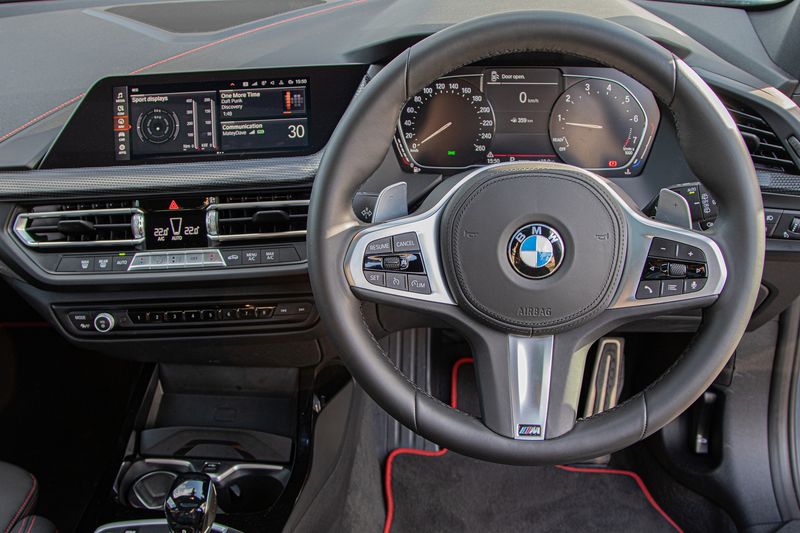
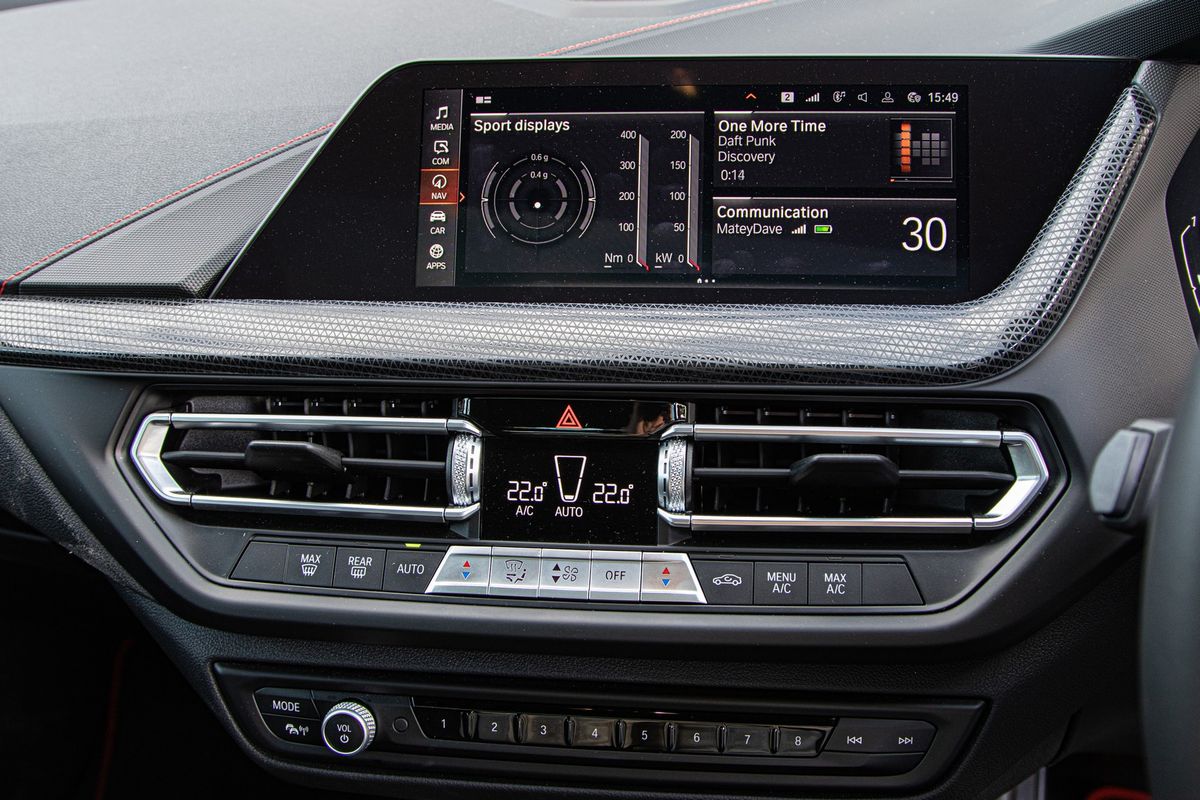
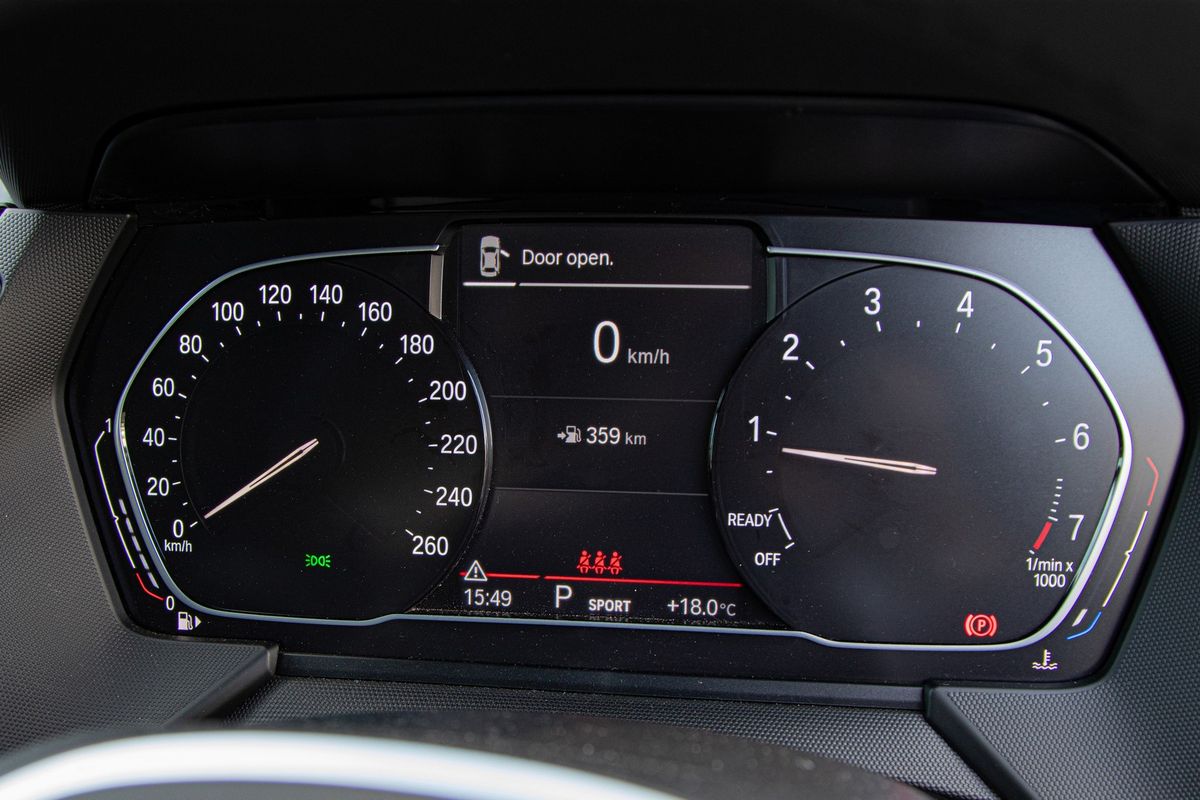
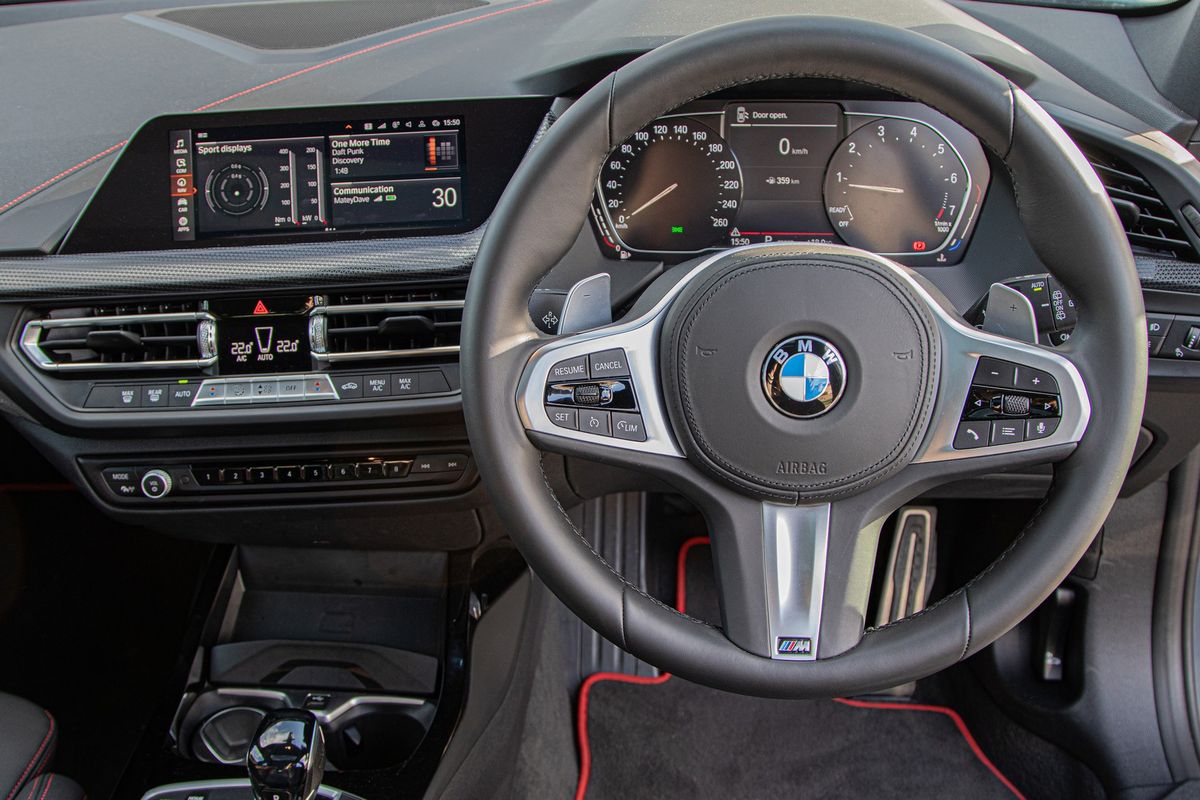
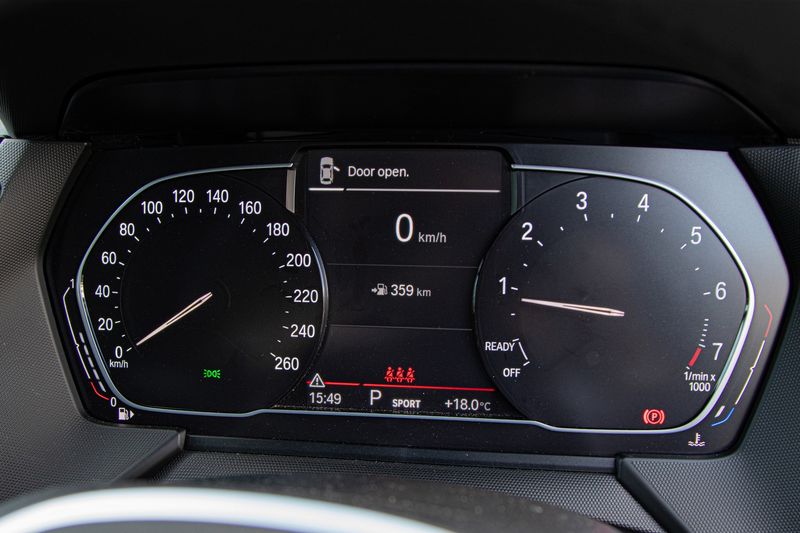
When we first stepped into the BMW’s cabin, we didn’t find it quite as technology-laden as we’d expected. Granted, the flagship M135i xDrive comes standard with the Live Cockpit Professional (with its large side-by-side displays), but the 128ti makes do with a cool half-analogue, half-digital instrument panel. Given the intimidating complexity of the Golf 8 GTI’s digital user interface and lack of buttons on its fascia, however, the BMW was refreshingly different. There are quite a few buttons dotted around the cabin and they feel solid and upmarket, which is good, given the vehicle’s price tag starts with a 7…
There’s no manual gearbox on offer, which some old-school enthusiasts will criticise, but the reality is that when a self-shifting transmission offers this much ease-of-use in combination with sufficient driver engagement, a 3-pedal setup feels decidedly archaic. Unlike many other BMW products, which feature ‘boxes produced by ZF, the 128ti has an 8-speed torque-converter automatic from Aisin.
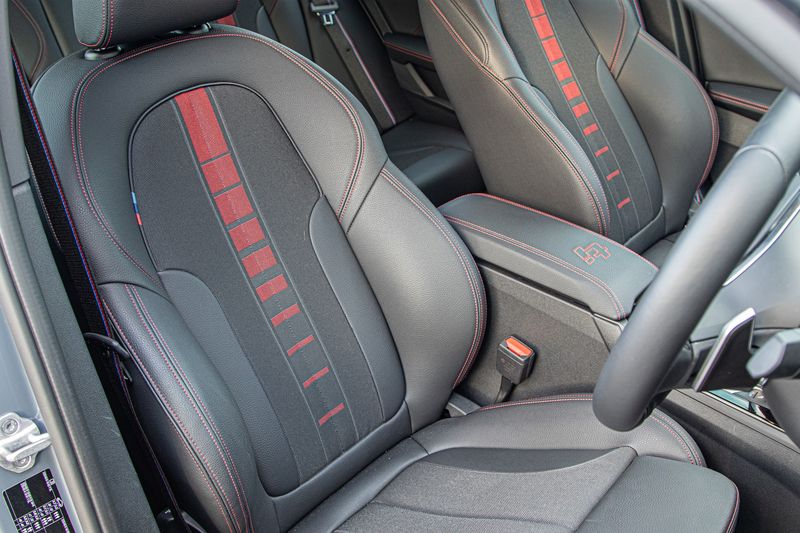
Then there are those seats… Those descending broken red stripes on the backrests could be called sporty at best… and garish at worst. Phew, why did BMW have to try so hard with those, um, Eighties embellishments? Still, at the end of the day, you won’t be looking at them when you’re driving and besides, comfort and support are the only things that matter in this case. The front seats deliver with aplomb in both regards and the driving position is excellent; we reckon they’re some of the best in the business (this side of the Recaros fitted to the apex versions of the discontinued Renault Megane RS).
Standard features are plentiful (as they should be, at this price point). The 128ti features, inter alia, BMW ConnectedDrive, cruise control with brake functionality, automatically activated lights and -wipers, wireless Apple CarPlay/Android Auto, as well as a multifunction leather steering wheel.
Naturally, there are some extra-cost options to choose from as well. Customers have a choice of 5 exterior paint finishes, with the Storm Bay grey you see here coming in at R5 600. A panoramic roof (R15 300) is available, as are adaptive LEDs (R7 900), heated steering wheel (R3 050), tyre pressure sensors (R5 000), heated seats (R5 500), a head-up display (R14 300), automatic parking assistant (R14 000) and a Harman Kardon audio system (R4 900). If you think the standard seats aren’t quite good enough (but really, they are) then some tasty M Sport pews can be specified for an extra R8 900. We’d recommend the wireless charging pad (for R6 400) too. Impressively, some tasty Michelin Pilot Sport 4 performance tyres can be specified as a no-cost option.
Ride and handling
Right, now for the important stuff. What is this pretender to the GTI’s throne like to drive? At the heart of the BMW 128ti is a 2.0-litre turbopetrol motor – it’s identical to the one found in the BMW M135i xDrive. In this application, however, the 4-pot’s been detuned to deliver 180 kW and 380 Nm; those are still potent figures – well, at least they look sufficient. Power goes to the front wheels via an 8-speed automatic ‘box and BMW claims a 0-100 kph time of just 6.3 sec, which is about par for the segment. Engage Sport mode and the powertrain sharpens up nicely, with the engine primed for eager delivery.
Contemporary 4-cylinders (which have direct injection and are turbocharged) don’t sound particularly sonorous, but we feel BMW has got the basics right with the 128ti. In Sport mode, artificial induction noise is piped into the cabin via the speakers, but we would have loved the exhaust ends to emit some pops and bangs. If the Mini Cooper S and its JCW siblings can deliver those, why can’t their cousin? The B48 motor is delightfully responsive, though… there’s just the tiniest bit of lag, but an urgent shove from around 2 000 rpm. You can make use of the entire rev range and while the 8-speed transmission is more than capable when left to its own devices, you can (and should) make use of the shift paddles. They’re not the nicest-feeling examples we’ve experienced, but they exact rifle-bolt-like gear changes.
Is the engine good enough to trouble the other contenders in the segment? We’re going to say, “not quite”. It’s nowhere near as colourful as Hyundai’s i30 N, which does a fantastic job of annoying the neighbours with its rapid-fire-gunshot-aping exhaust, nor does it roar along like a Megane RS300 at full throttle, which evokes a fighter jet’s afterburner. Virtually all cars in this segment are renowned for their (borderline immature) pop-and-bang exhaust setups; although the latest iteration of Golf 8 GTI has matured, there’s still Vrrr-pah! on offer, although many probably wish it was a touch louder still!
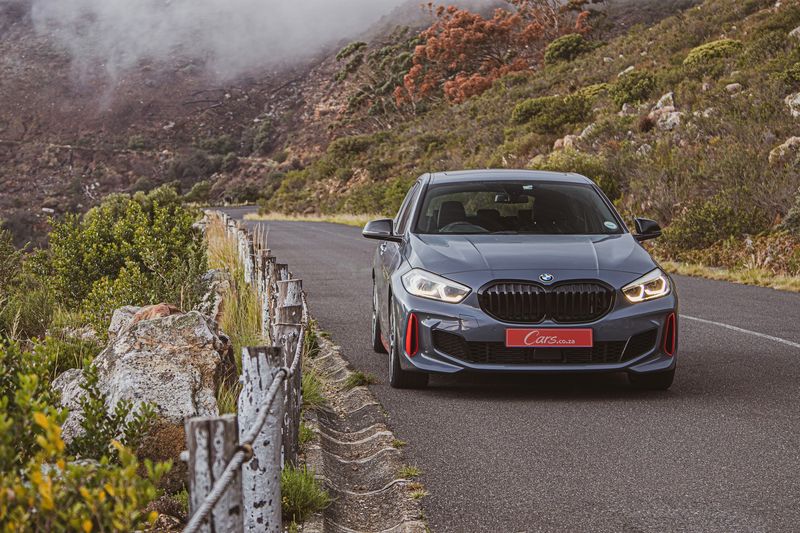
Fortunately, straight-line efforts only account for one chapter of a rather exciting book – a real page-turner, in the BMW’s case. Trust us when we say the 128ti offers genuine driver engagement, replete with all the front-wheel-drive hot hatch quirks we’ve come to adore over the years. If you flatten the accelerator pedal with no semblance of mechanical sympathy, you’ll experience brief torque steer. If you task the Bimmer to corner at a wicked pace, you’ll feel that the Torsen differential is hard at work and you, like us, will enjoy trying to find that balance of managing forward momentum and tyre squeal.
As a driver’s car, the 128ti is not quite as instantly reactive as a Honda Civic Type R, for example, but fear not – it’ll thrill the majority of its buyers, many of whom would probably not regard themselves as serious driving enthusiasts anyway. The steering and communicative chassis are worth a thumbs-up too. Granted, the ‘wheel is quite thick-rimmed, but it offers admirable feel, directness and weighting.
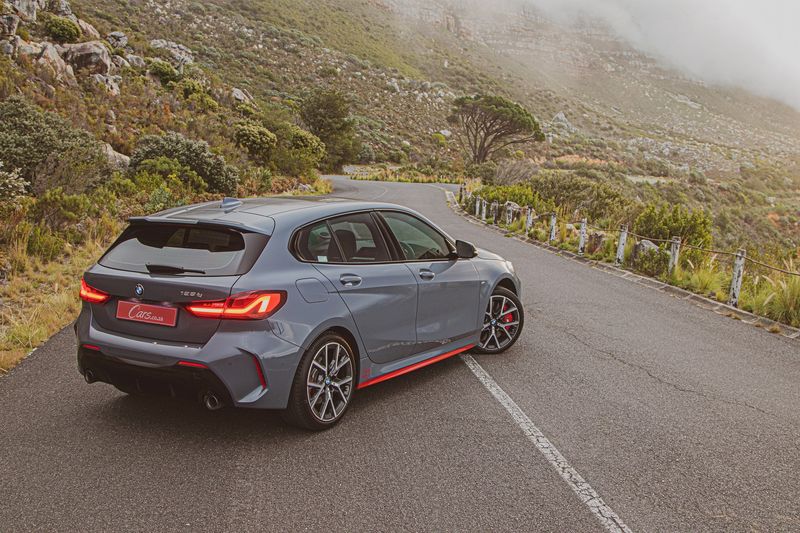
As far as ride quality is concerned, the suspension and 18-inch wheels and tyres offer a good blend of comfort and dynamism. If you’re serious about driving, then best you tick that no-cost option for the Michelin Pilot Sport 4 tyres. We reckon that if our test unit had those on, our track race video (also featuring the Volkswagen Golf 8 GTI and Toyota GR Yaris) would have shown a slightly different result.
Critically though, BMW’s first front-wheel-drive hot hatch is a sufficiently compelling performance hatchback that is perfectly suited for the daily commute. Yes, the Bimmer’s suspension has a firm, sporty setup, but it’s comfortable enough to pass the family-road-trip test. Remember, the main reason why the GTI sells in the numbers it does is because of its comfort and practicality, not outright performance.
> Watch: BMW 128ti vs Golf GTI vs GR Yaris
How much does the BMW 128 ti cost in South Africa?
The BMW 1 Series range kicks off at R591 020 for the 118i and this 128ti costs R707 918, before options. A 5-year/unlimited-kilometre warranty and a 2-year/100 000 km service plan are standard.
> Read more: BMW 1 Series Latest specs and pricing
Verdict
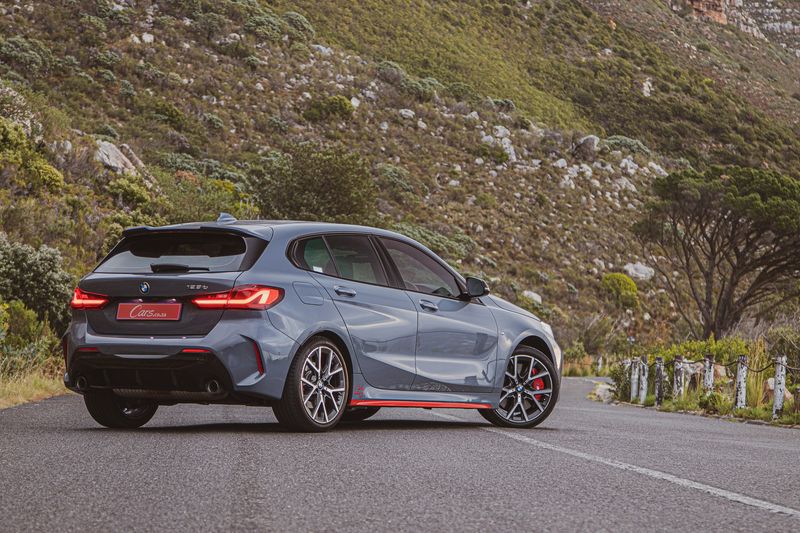
In conclusion, then, the BMW 128ti is better than we expected. While this is not a comparative review between the Volkswagen Golf 8 GTI and BMW’s newcomer, comparisons will inevitably be made as both cars are excellent in many of their various facets and we have to commend BMW for aiming so high… Volkswagen has been building GTIs uninterruptedly since the late Seventies. Nothing shows ambition and attitude quite like going up against a rival that’s so firmly entrenched in our market, it’s an icon of the country’s motoring culture. For a first attempt at taking on this segment, BMW should be applauded, because the 128ti does a lot right. We would have liked some more aural theatrics and, ultimately, it’s not as fun on the very limit as something like the Hyundai i30 N or Honda Civic Type R.
But, “on the limit” represents such a tiny part of the entire package, it’s not a dealbreaker. The BMW 128ti offers sufficient performance to entertain its pilot/s while providing sufficient luxury and practicality – and those are the same traits that ensure that the Golf 8 GTI will continue its nameplate’s stellar legacy. Should you buy one? While the Bimmer’s not going to set the fastest lap times or be a benchmark hot hatch, the majority of its clientele are likely to be satisfied with what it brings to the table. It’s a well-priced and credible alternative to a GTI – the fact that it bears a more premium badge is a big plus.