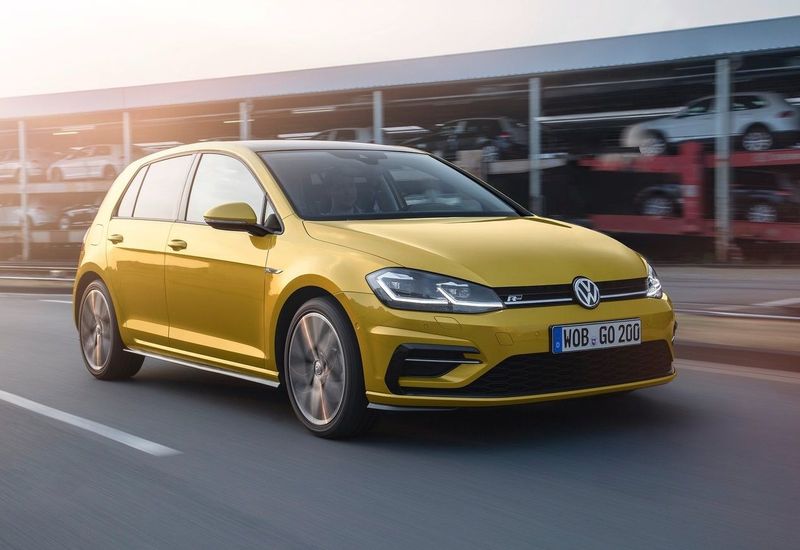
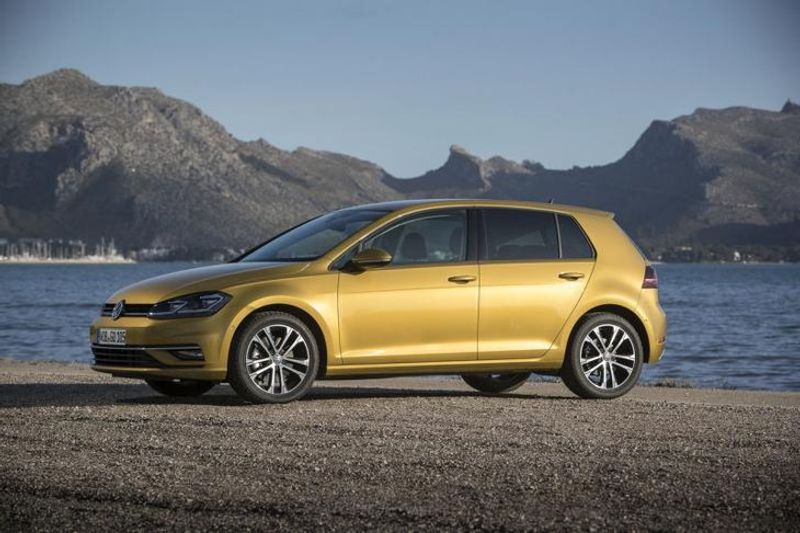
In the final instalment of our series on how to buy a pre-owned vehicle, we put a 2020 VW Golf 7.5 1.4 TSI with just under 100 000 km on the odometer to the ultimate test. We take it to a specialised workshop for a comprehensive diagnostic assessment to reveal exactly what you should look out for before signing on the dotted line.
The Volkswagen Golf 7.5 remains a highly desirable option in the South African used vehicle market. Celebrated for its timeless design, premium cabin architecture and refined driving dynamics, it’s a hatchback that many aspiring buyers track down.
However, when a modern turbocharged car approaches the psychological milestone of 100 000 km, potential owners often feel a sense of trepidation. With factory warranties and service plans typically lapsed, what hidden issues could be lurking beneath that polished exterior?
Read more: Volkswagen Golf 7 1.4 TSI Review
What to inspect on the surface
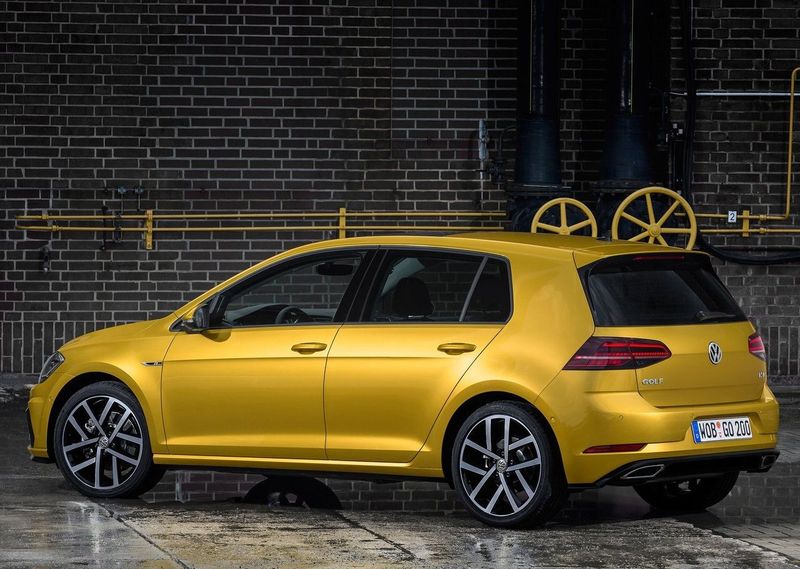
Before diving into the mechanical complexities, a thorough visual inspection of the Golf is paramount. A pre-owned buyer should always start with the fundamentals, assessing the bodywork for signs of previous accident damage, poor panel alignment or inconsistent paint finishes.
Under the bonnet, initial checks are straightforward but telling. The engine oil condition should be evaluated by pulling the dipstick; dark, black sludge indicates a vehicle that is long overdue for maintenance, whereas a golden-brown hue points to regular oil changes.
Coolant levels must also be checked at the reservoir expansion tank. Volkswagen utilises a specific pinkish-red coolant formulation, and a dropped fluid level is an immediate red flag pointing toward potential cooling system leaks. Finally, battery terminals should be inspected for secure connection, as loose terminals can trigger intermittent starting problems and electrical faults.
The common mechanical pain points on a VW Golf at 100 000 km
While the Golf 1.4 TSI enjoys a solid reputation for reliability, specific wear-and-tear items become critical operational factors as the mileage pushes toward the 6-figure mark.
For the EA211 1.4-litre turbocharged engine, the most critical scheduled maintenance item occurs between 90 000 km and 120 000 km, when the cambelt requires replacement. Neglecting this service can result in catastrophic engine failure. This procedure is a labor-intensive job that can take 4-6 hours to complete properly, although once done, the engine is secure for another long cycle.
Potential buyers should also be vigilant about the following areas:
- Water pump and thermostat housing: The plastic cooling system housings on modern Volkswagens can become brittle over time, leading to slow coolant losses.
- Intake valve carbon build-up: As a direct-injection powerplant, the TSI engine can suffer from carbon accumulation on the intake valves over extended mileages. If left unchecked, this can lead to rough idling, misfires or visible smoke from the exhaust.
- Turbocharger wastegate: Though less frequent, the mechanical linkage for the turbocharger wastegate can occasionally stick, which requires specialised attention.
- Suspension and brakes: Standard wearable components like brake discs, pads and suspension bushings generally require replacement or refurbishment by the time a vehicle hits this mileage threshold.
The importance of a full diagnostic scan
A vehicle can feel tight on the road and immaculate from the driver’s seat, yet still hide digital anomalies within its complex electronic architecture. Modern vehicle diagnostics allow technicians to hook up specialised scanning equipment to interface directly with the vehicle’s onboard computers.
This electronic health check interrogates the engine control unit, braking modules and transmission electronics to pull active or historic fault codes. A comprehensive scan can uncover hidden issues that standard test drives miss, such as internal component tolerances reaching their wear thresholds or minor voltage spikes in the locking and central gateway modules.
For any consumer looking to purchase or sell a high-mileage vehicle, booking a comprehensive quality check provides immense peace of mind. It ensures that the buyer is fully aware of the vehicle’s true mechanical state and protects the seller from future comeback claims.
Read more: Volkswagen Golf 7 GTI (2013-2021) Buyer’s Guide
In the market for a newer Golf? Volkswagen Golf 8 (2020) International Launch Review
Cars.co.za

Providing you with the latest motoring news, new car releases and the simplest way to buy and sell cars.