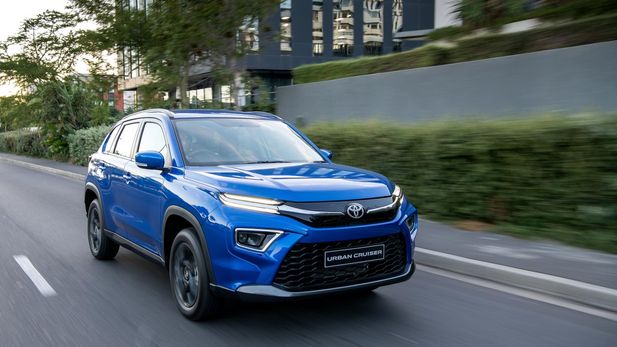
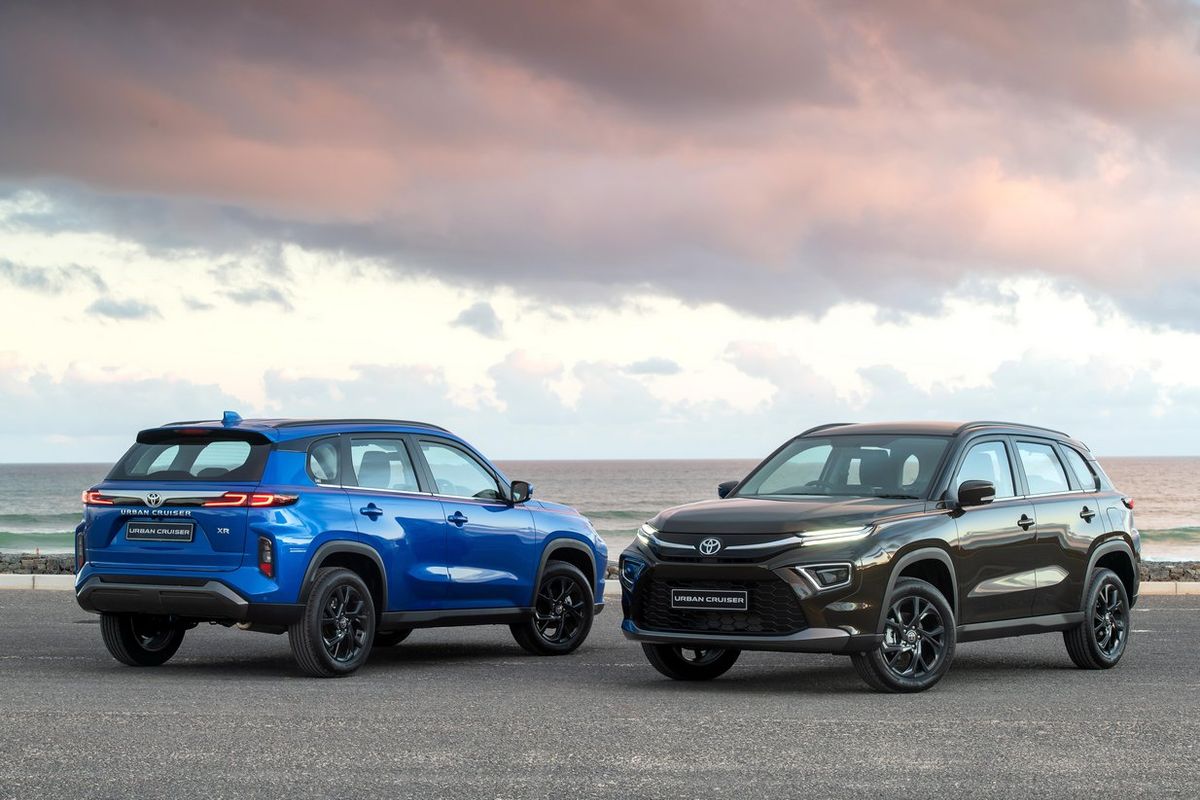
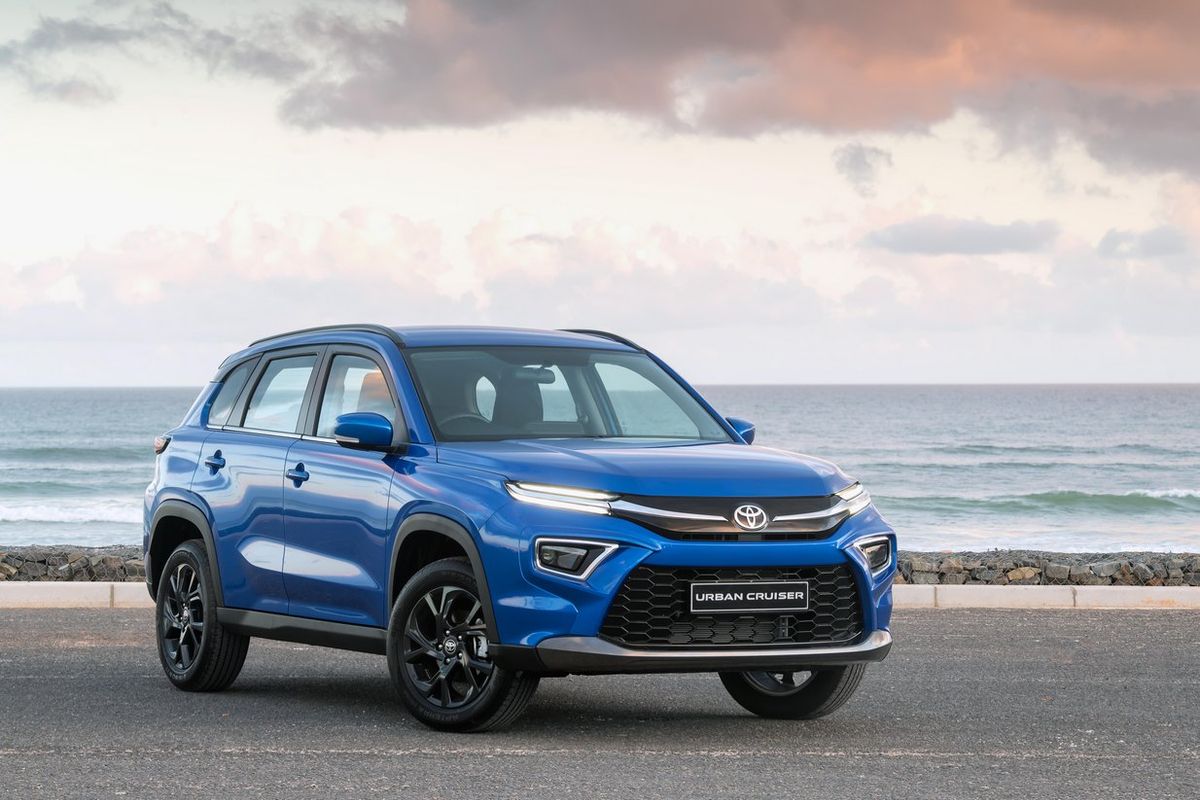
The 2nd iteration of the Toyota Urban Cruiser incorporates a raft of revisions and upgrades, but will it build on its predecessor’s success – or has it become too pricey for most budget-crossover buyers? We drove the model at its launch in Cape Town.
What’s new with the Urban Cruiser?
Since the introduction of the 1st-gen Toyota Urban Cruiser – a clone of the Suzuki Vitara Brezza – in 2021, local sales of the model often crested the 1 000-unit-per-month mark. It was a smash hit!
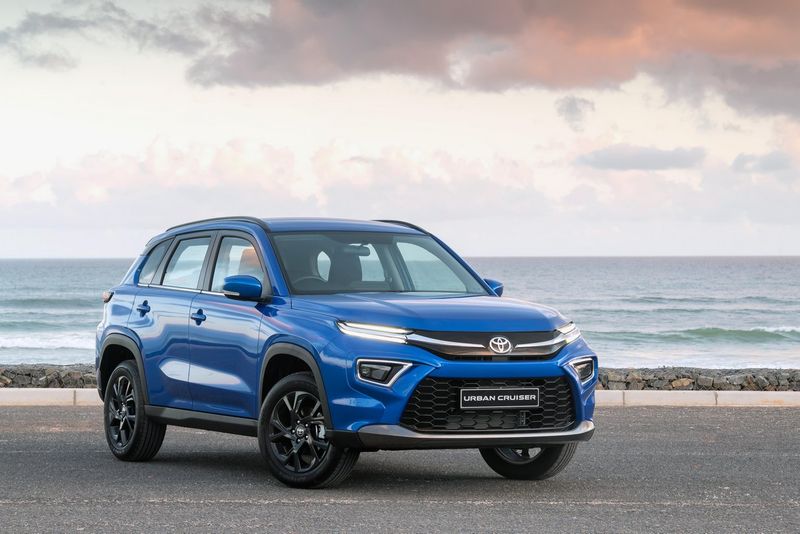
Its successor is still a Suzuki-developed product, but it’s produced in Toyota’s Indian plant (as opposed to by Maruti Suzuki). What’s more, it shares parts and drivetrains with the Suzuki Grand Vitara, which was launched in Mzansi last week. The 2nd-gen model is bigger than its rather compact predecessor – it’s 300 mm longer, features a 100-mm longer wheelbase and its load bay is said to be 25 litres larger.
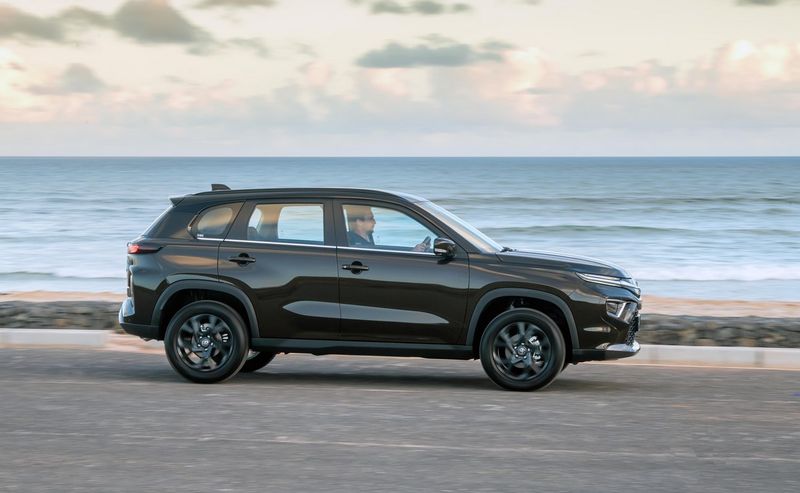
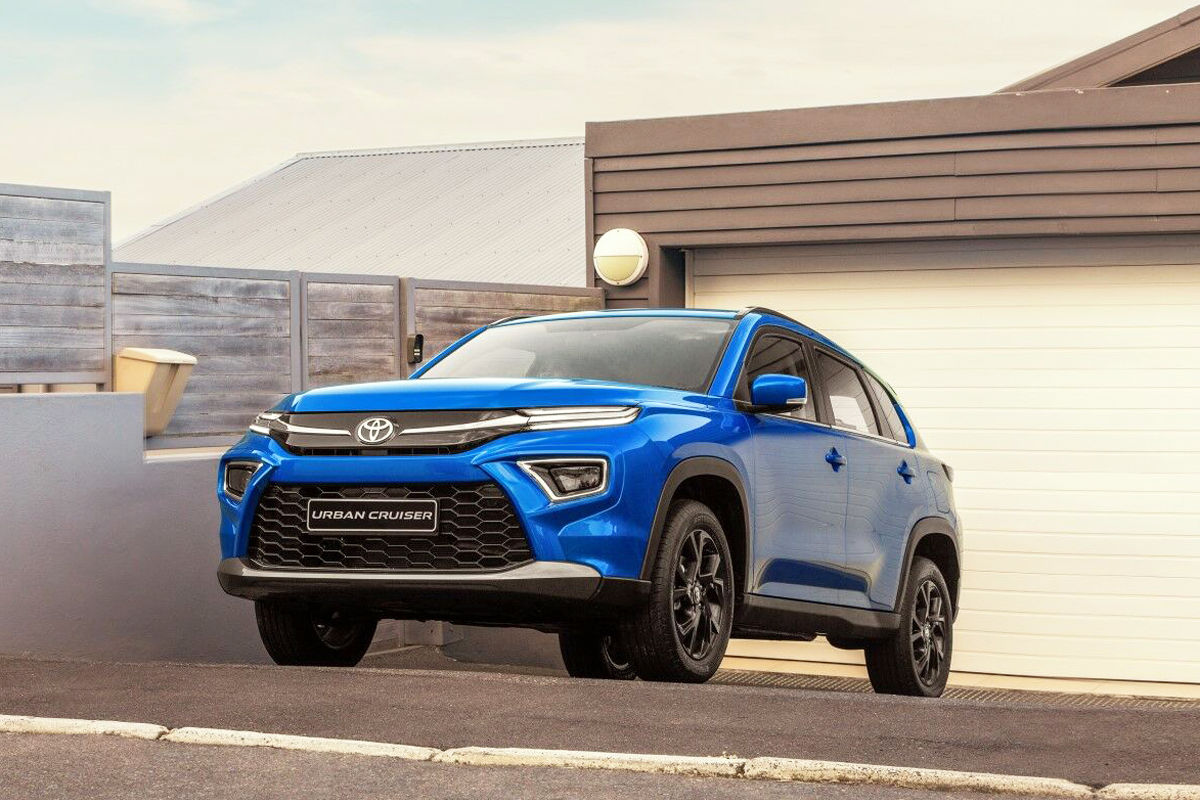
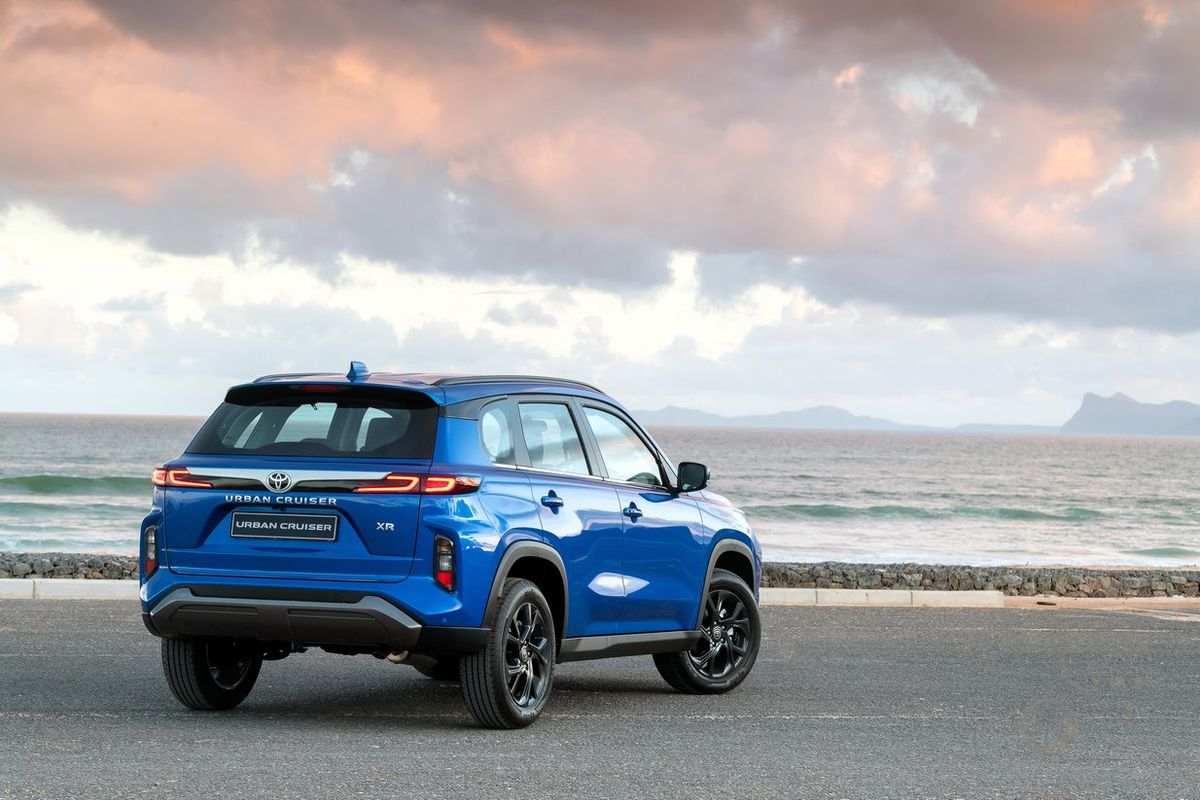
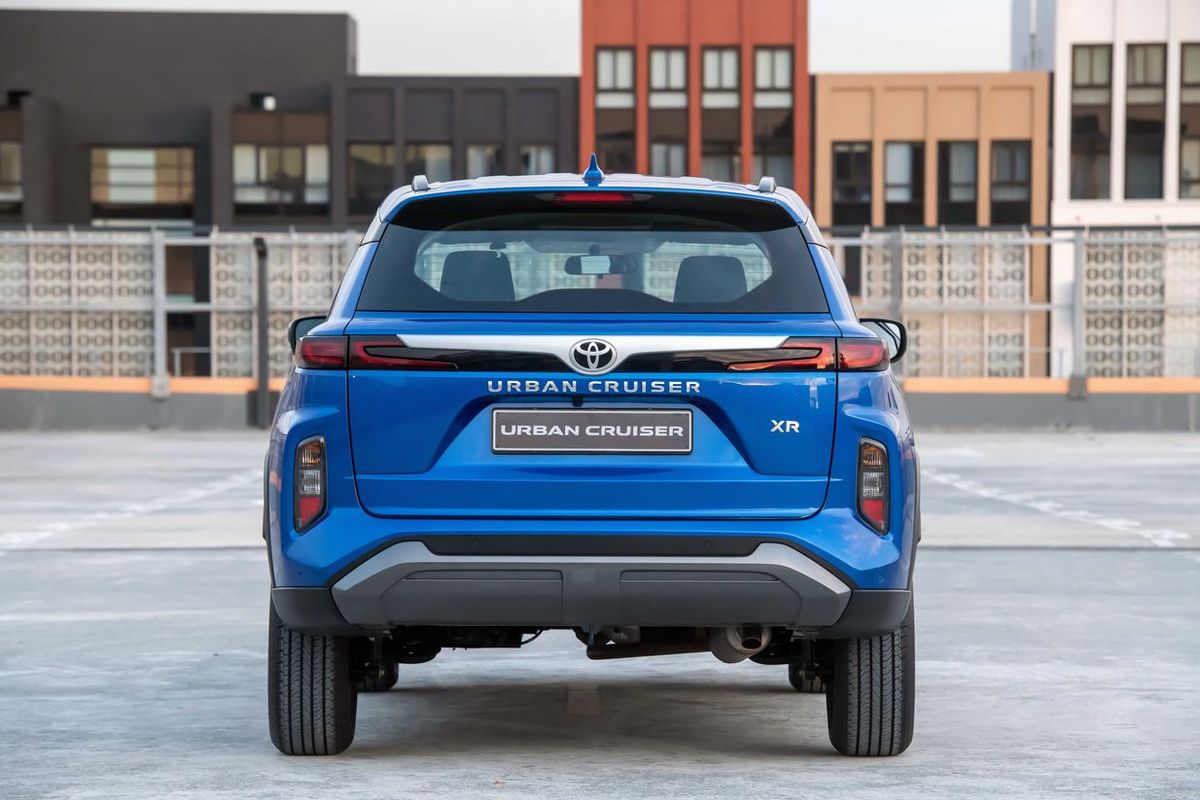
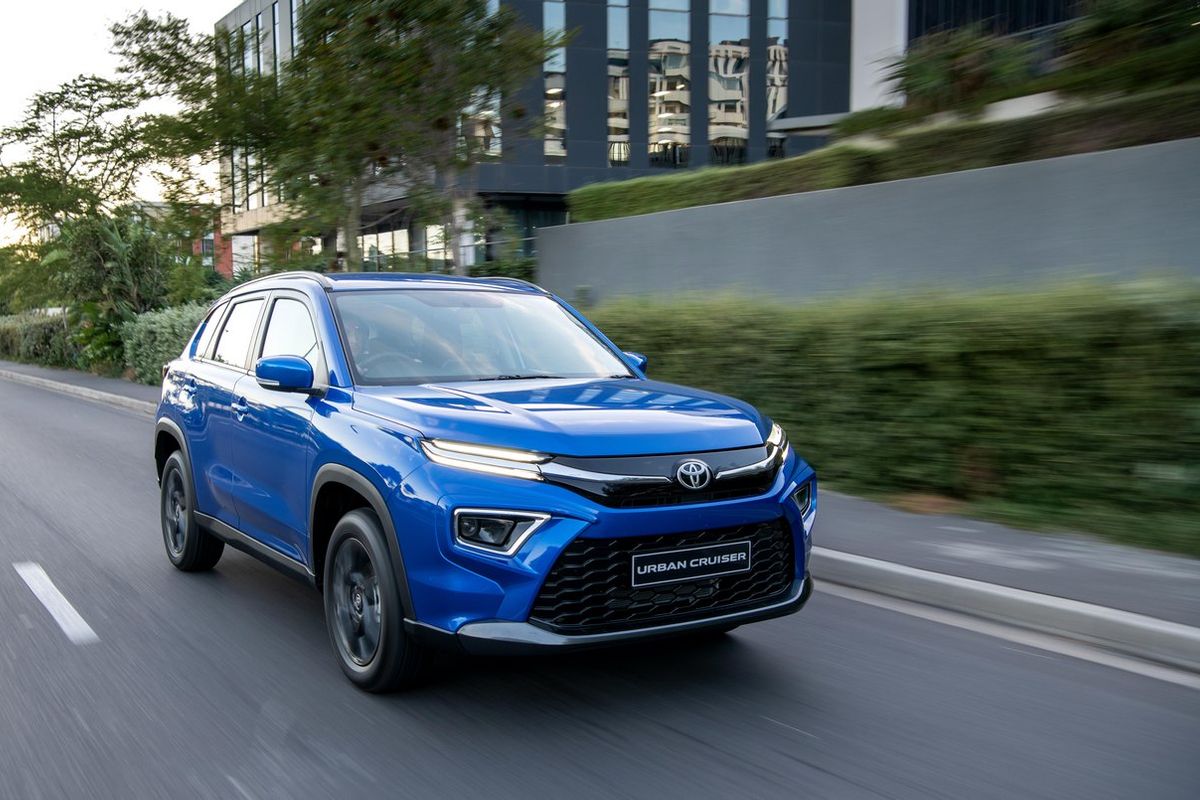
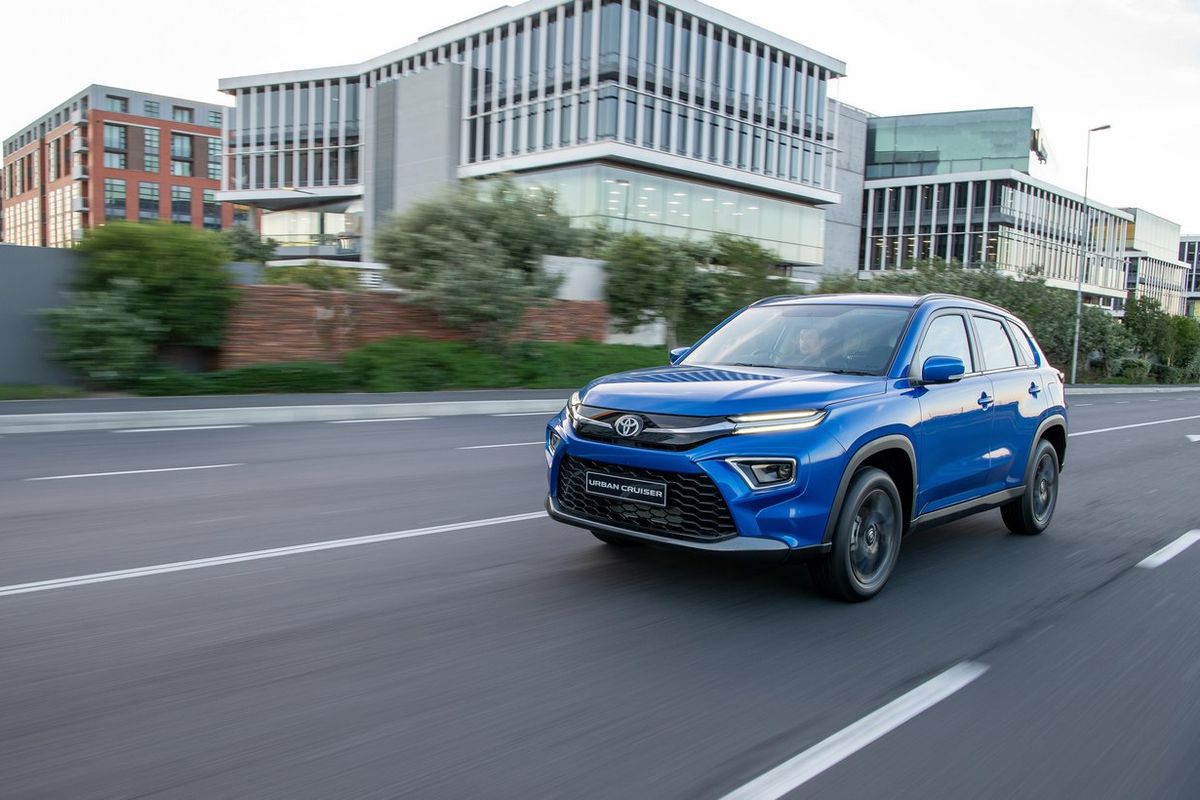
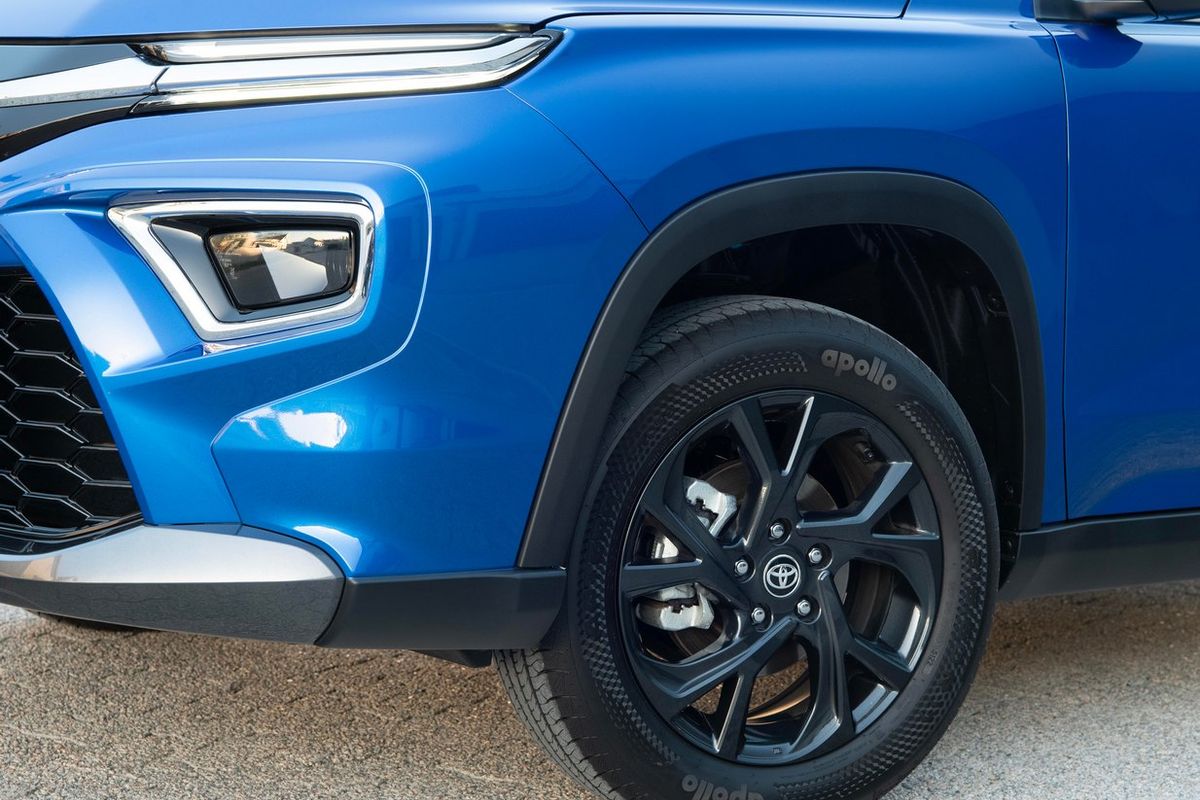
The 2023 Toyota Urban Cruiser is underpinned by a new platform and, with that, comes a much-updated exterior design that looks more “swoopy SUV” than “boxy crossover”. The wheel size has been increased (from 16- to 17-inches), with the entry spec Xs rolling on steel wheels and the Xr fitted with alloy rims.
Currently, the range consists of just the 2 derivatives (Xs and Xr), with Toyota dropping the entry Xi from the range. Only the Xr derivative is available in automatic guise, but to its credit, Toyota has increased the standard service plan on the Urban Cruiser from 3-services/45 000 km to 4-services/60 000 km.
View Toyota Urban Cruiser price and specs here
What’s the Urban Cruiser like to drive?

Unsurprisingly, the Urban Cruiser continues to offer much of what buyers expect from a small crossover (or compact SUV) model. Its 77 kW/138 Nm 1.5-litre petrol engine is carried over from the previous-gen model and while it doesn’t perform with any real brio, it gets the job done. We test-drove the Toyota at sea level (where it accelerated with reasonable urge), but the model’s much better suited to city driving than traversing freeways or country roads, where it may be required to do a lot more overtaking.
If you live upcountry, you may want to check that the Urban Cruiser is powerful enough for your needs, especially if you plan to use the vehicle’s full people- and luggage-carrying ability more often than not.
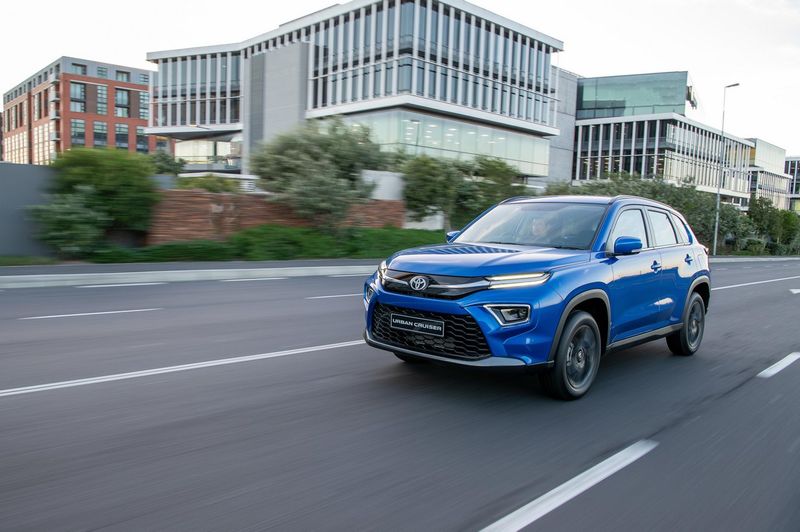
We drove the 5-speed manual and 4-speed automatic versions of the Xr (both of which have a claimed fuel consumption of 6.1 L/100 km). After finishing our stints, we found the manual indicated 8.5 L/100 km, while the 4-speed auto showed 7.8 L/100 km. The manual could certainly do with a 6th gear, because its revs sat above 3 500 rpm when we were cruising at 120 kph – which is not ideal for fuel economy. The auto sat closer to 3 000 rpm at 120 kph, which is probably why it proved the more fuel-efficient variant.
In terms of ride- and occupant comfort levels, the new Urban Cruiser is well-damped and sufficiently quiet inside (improvements have evidently been made in both those departments). Overall, the Toyota feels like a better car to live with when travelling on tarred surfaces, plus it’s quieter at freeway speeds.
There’s still a bit of buffeting from the wing mirrors at higher speeds, but it’s not so noticeable that it’s likely to cause annoyance on longer trips (or can’t be drowned out by the output of the audio system).
What’s the interior of the Urban Cruiser like?
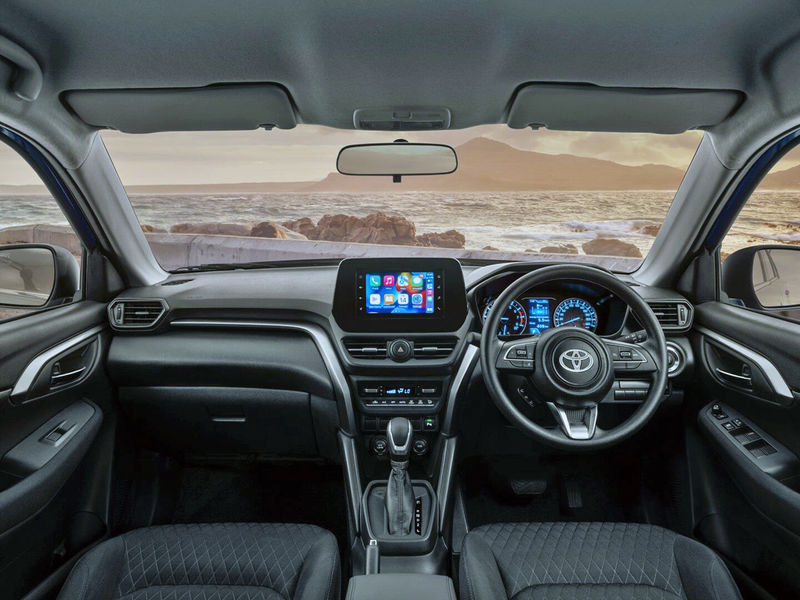
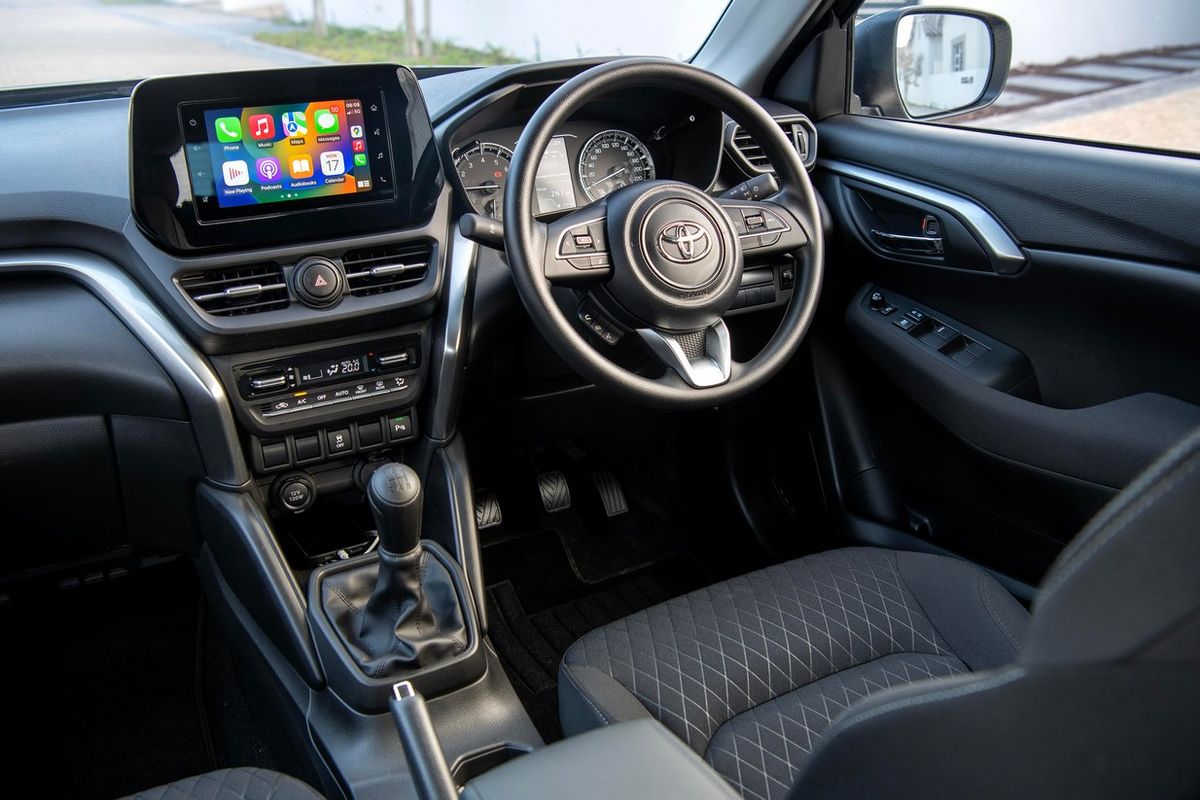
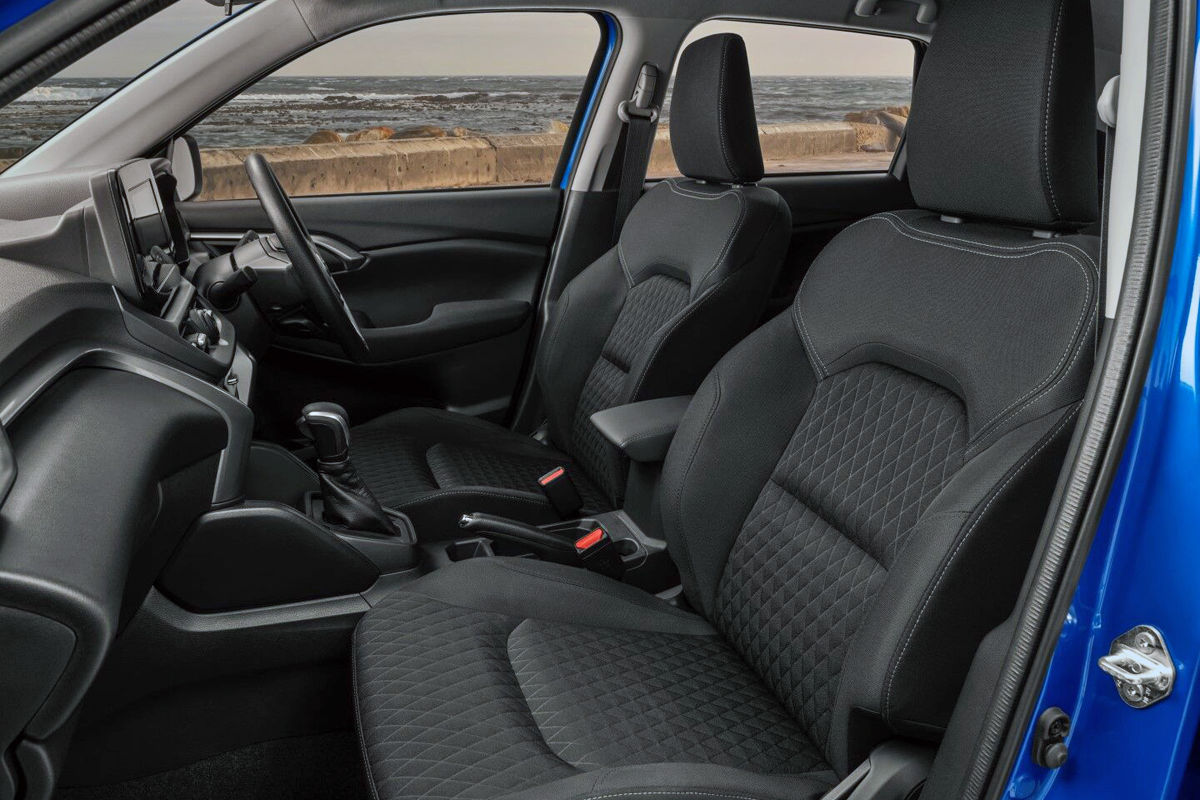
The inside of the Urban Cruiser shows that attention has been paid to the fit-and-finish and tech offering of the small crossover. The steering wheel is much nicer to hold and certainly feels more substantial in your palms. The multifunction buttons on the ‘wheel are also of a higher quality, which makes the driver’s seat an altogether more premium place to sit. The steering column adjusts for rake and reach, although taller passengers that sit far back may not have enough reach adjustment to get perfectly comfortable.
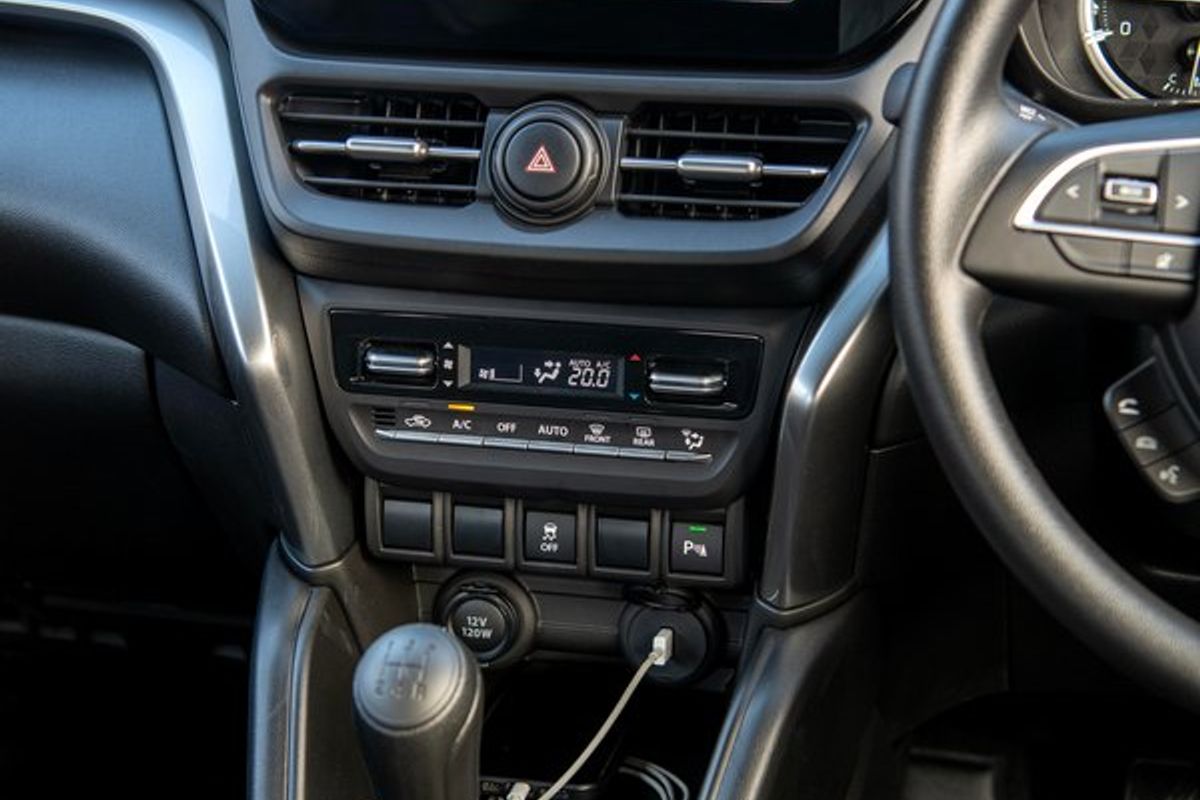
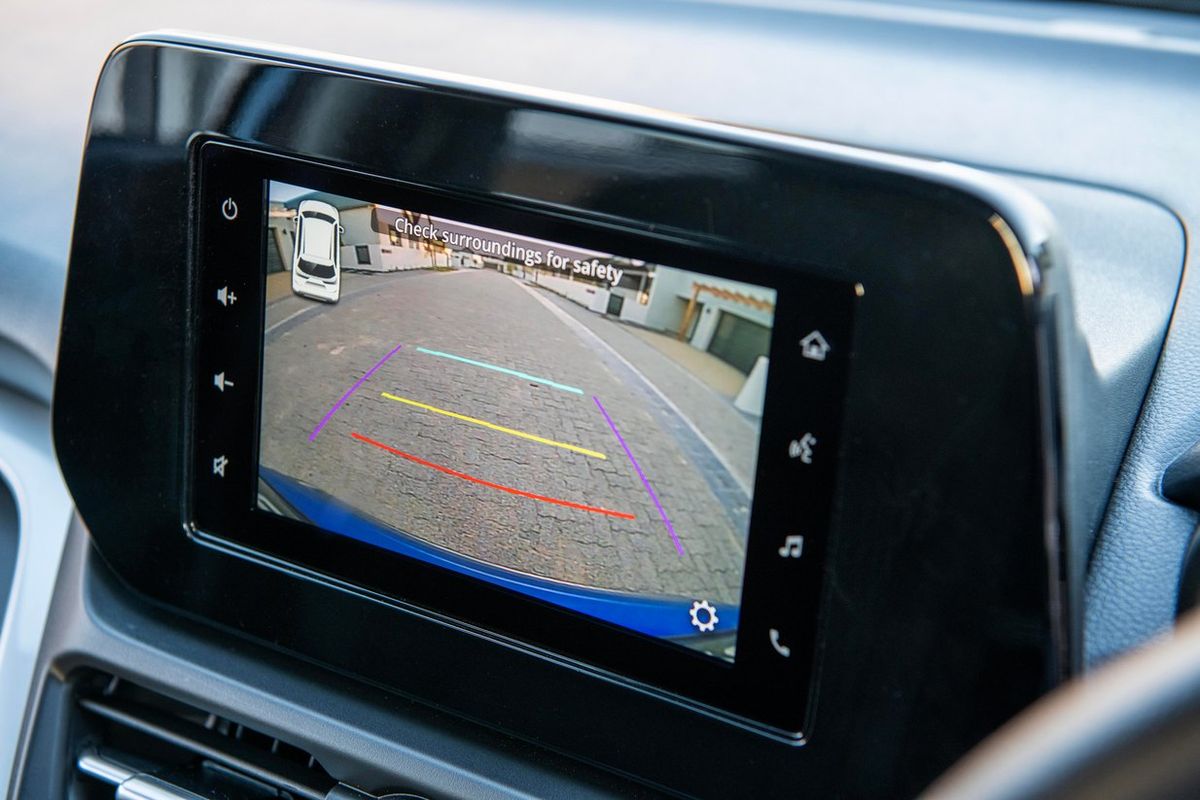
An updated 7-inch touchscreen infotainment system, replete with updated software, is standard on both Xs and Xr derivatives. The system supports wireless Apple Carplay and Android Auto, but it’s a pity that Toyota didn’t also include a wireless charging bay. To that point, we only spotted a solitary USB-C port, but there was a 12V port adjacent to it (so that you can install an adaptor to create additional USB ports).
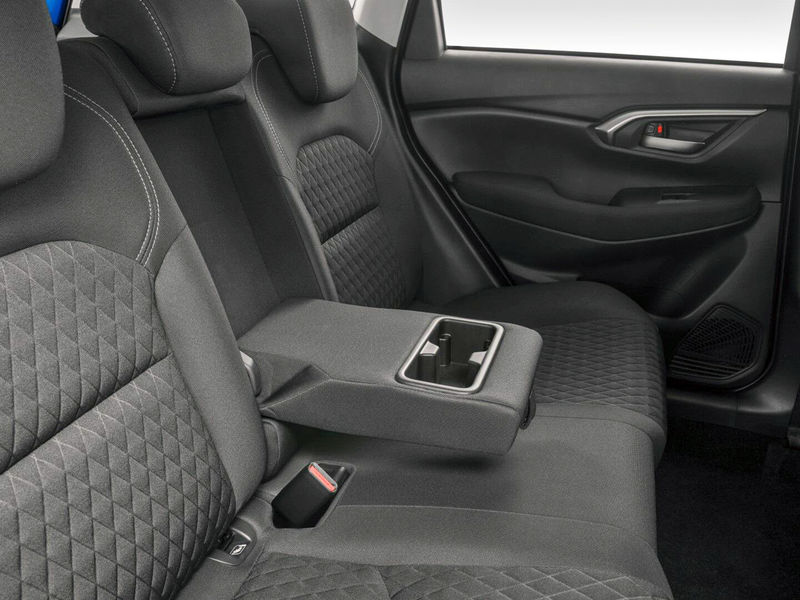
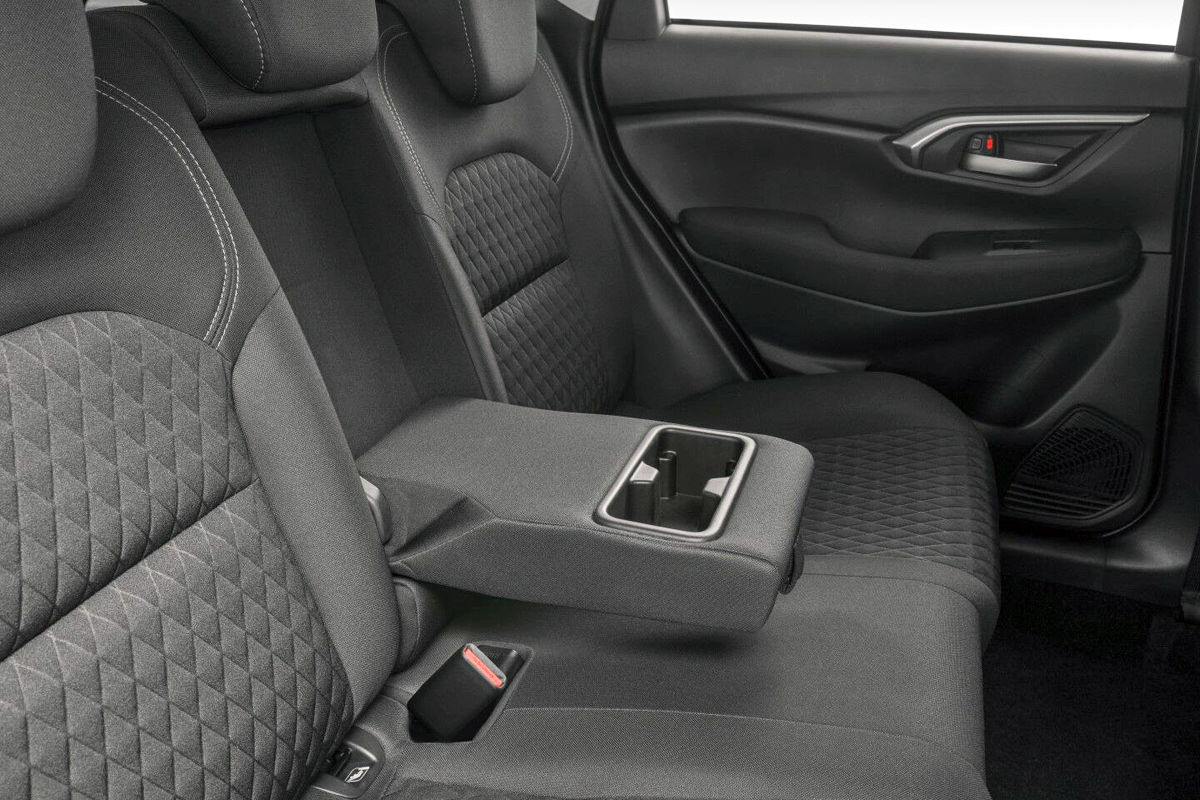
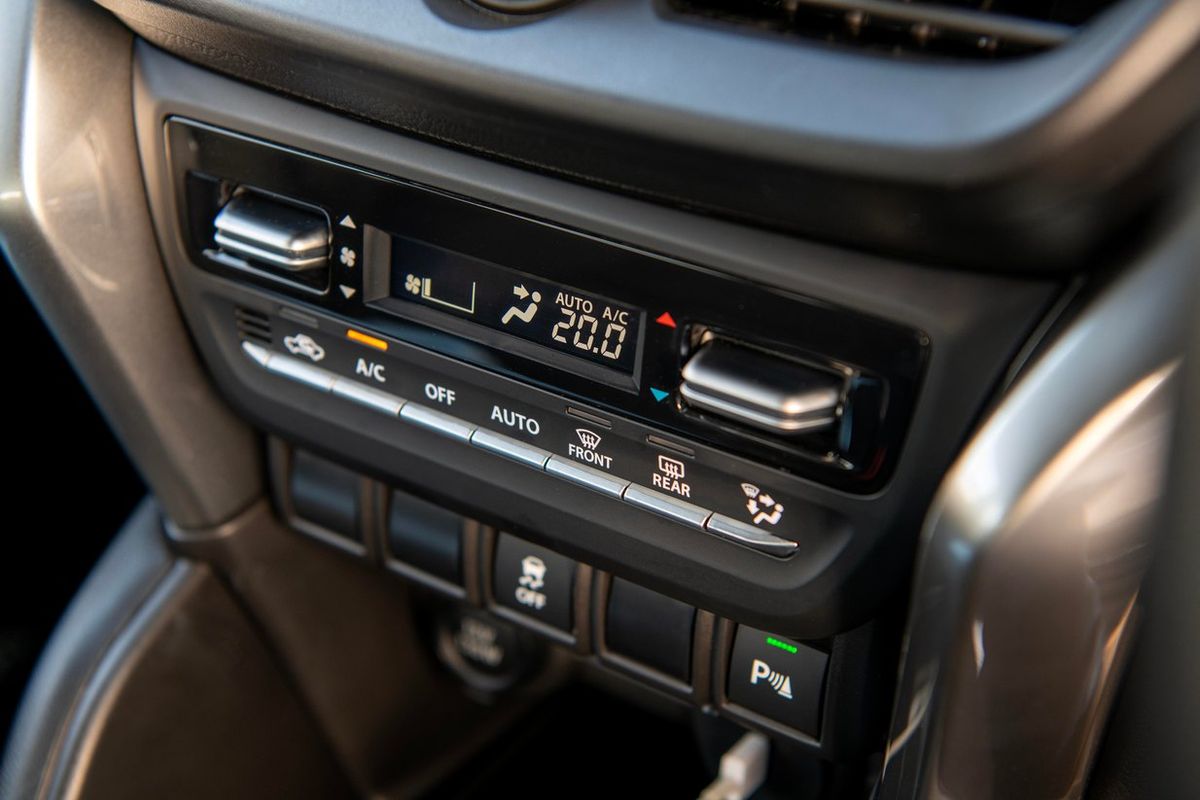
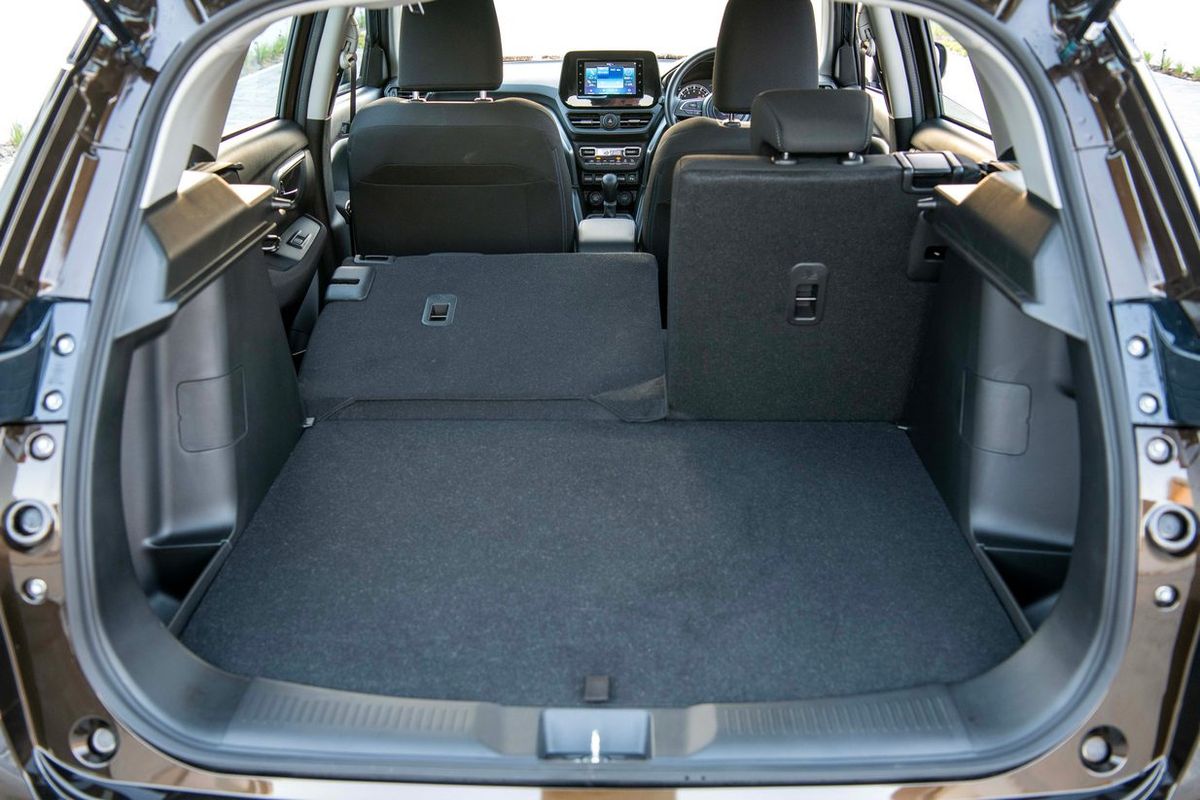
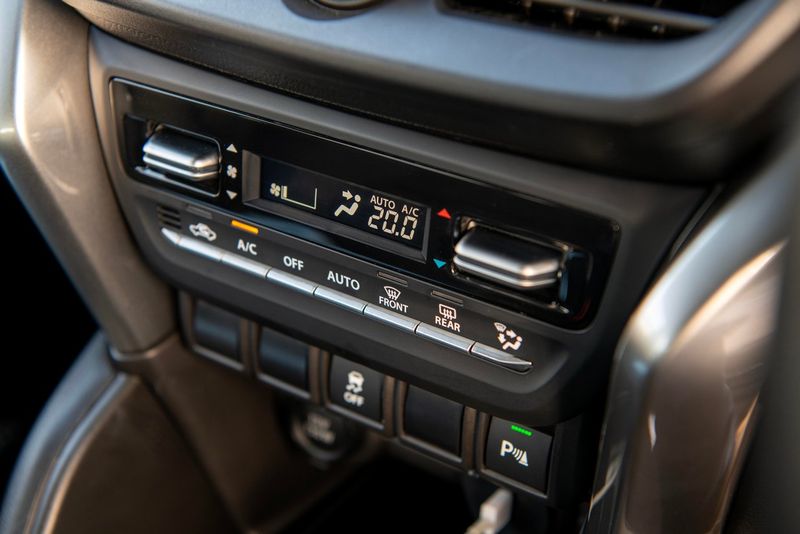
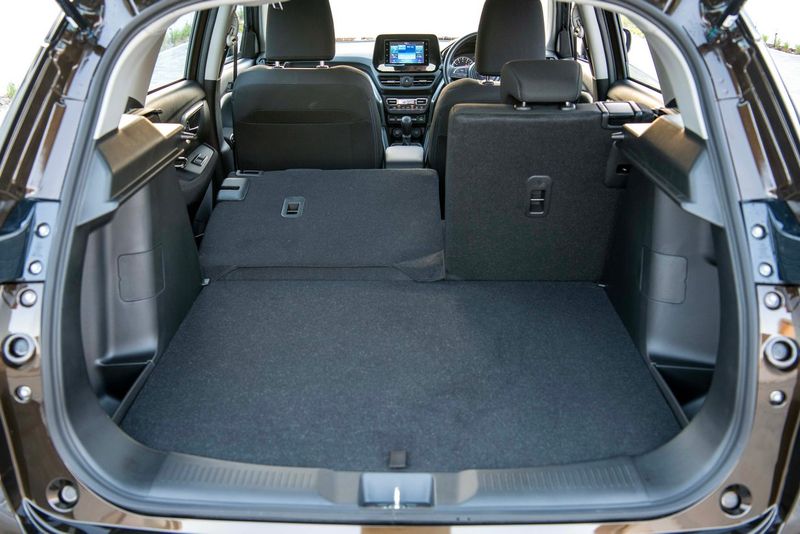
Single-zone climate control (automatic aircon) is standard and air vents are provided for front- and rear occupants. As a result of the SUV’s longer wheelbase, rear legroom is notably better than before. Don’t expect to be able to recline back there, but there’s enough room for the bench to be comfortable on long trips. The claimed load-bay capacity is 353 litres and the rear seats can be folded down in a 60/40 split.
After-sales service
Besides a 3-year/100 000 km warranty, Toyota has improved the length of the model’s standard service plan, which is now valid for 4 years or 60 000 km. The Japanese brand continues to have the country’s widest dealer network, so finding a place to service your Urban Cruiser should never be a problem.
How much does the Urban Cruiser cost?
- Toyota Urban Cruiser 1.5 XS – R329 400
- Toyota Urban Cruiser 1.5 XR – R347 400
- Toyota Urban Cruiser 1.5 XR AT – R369 900
* prices accurate at April 2023
Summary
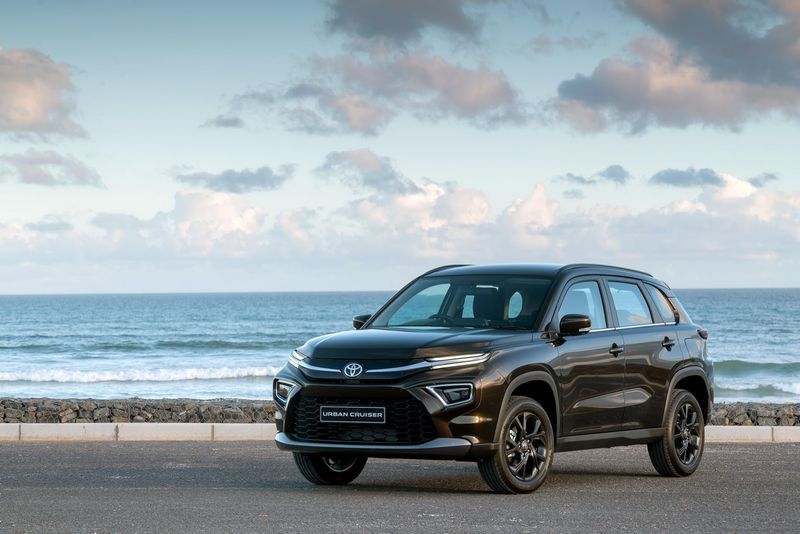
The new Toyota Urban Cruiser represents a noticeable upgrade over its predecessor. Good-quality cabin materials, admirable fit-and-finish and up-to-date tech are nice to have in this competitive segment. The model-replacement-related price increase has not been too significant and, considering the updates that have been incorporated, the model still offers good value, especially under the R350k mark. Thanks to Toyota’s considerable brand cachet, the Urban Cruiser should continue to sell well on the local market; it won’t be a case of how many units “it can sell”, but how many units “it can get” from the Indian factory.