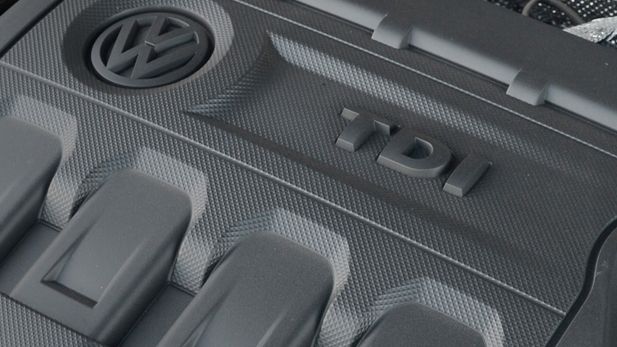
The diesel engine powers South Africa. Literally. From freight logistics trucks to the minibus taxis that transport millions of people daily, diesel engines drive South African mobility.
In the passenger vehicle market, diesel’s role has changed dramatically over the last decade. There aren’t many diesel-engined sedans or hatchbacks around anymore.
However, the preferred choice among South African double-cab and SUV buyers is diesel. Ford, Isuzu and Toyota’s bakkie sales are almost exclusively diesel. Isuzu doesn’t even bother marketing a petrol engine in South Africa. In fact, globally, you can’t buy a diesel-powered Isuzu bakkie anywhere.
Diesels promise the best balance of economy and performance. These engines give you all the overtaking performance you need when travelling long distances without ruinously high fuel consumption.
But how do diesel vehicle owners cope with the impact of record diesel pump prices? And how can they optimise the fuel economy of their turbodiesel engines?
Diesels are terrible in traffic

Diesel engines want to run at constant throttle and crank speeds. That’s when the true energy-efficiency magic of diesel fuel – high-pressure injection and compression ignition – happens.
What diesel engines really dislike is stop-start traffic, a reality for most drivers in Gauteng or greater Cape Town. Even the best turbodiesels struggle to achieve efficiency in stop-start daily traffic. With heavy double-cab bakkies and 3-row SUVs, it’s even worse because of the inertia and mass issues that need to be overcome with each pull-away.
Are there solutions for South African diesel-vehicle owners who live in cities? Yes, but it’s not simple: try to avoid peak-hour traffic…
If you live in a 2-vehicle household, deputise the stop-start and traffic-driving duties to a smaller second family car with a petrol engine or hybrid powertrain. Keep the double-cab bakkie or diesel SUV for free-flowing and long-distance driving conditions.
Diesels need long-distance driving
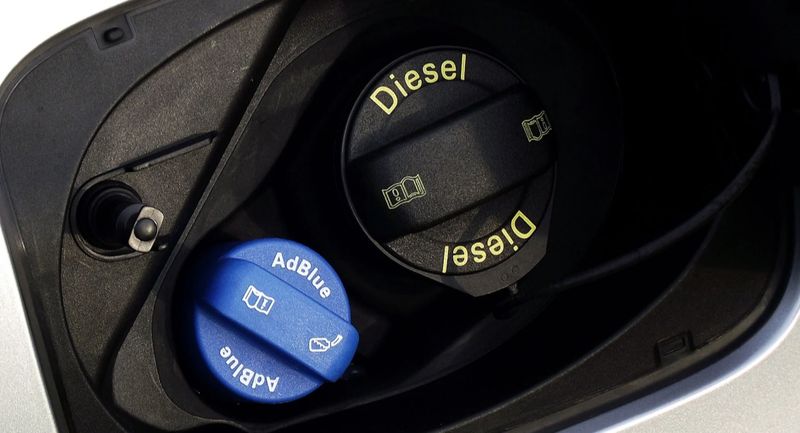
Diesels engines are very sensitive to diesel particulate filter (DPF) issues and soot buildup. For these emissions treatment components to regenerate, they need to run hot.
Traffic driving doesn’t generate the required operating temperatures for DPF or exhaust gas recirculation (EGR) systems to run hot enough to burn off soot and carbon. Without that kind of regeneration, your diesel is going to start suffocating. The result is poor performance and higher fuel consumption.
Constant throttle at highway speeds generates the temperatures required for a diesel engine’s DPF and EGR systems to work properly. This creates the chemical reactions they were designed for to regenerate and prevent clogging-up.
Servicing a diesel engine

Modern turbodiesel engines are very sophisticated, from their ultra-high pressure fuel injection to the DPF and EGR systems. But the traditional logic of diesel engines being tough and indestructible, capable of running over their service intervals without issue, is not longer true.
There was an era when naturally aspirated diesels, with heavy internals and simple mechanical injection systems, could run extraordinary miles with minimal servicing. But those engines aren’t what power modern double cabs and SUVs. Even Toyota’s legendary 4.2-litre diesel, widely regarded as the most durable and unsophisticated new engine sold in South Africa, now has a strict 5 000 km service plan interval.
Diesel engines need meticulous servicing and maintenance. South African conditions like heat, dust, traffic, high-load towing and often poor quality diesel take their toll. These issues can test the design and operational limits of a modern, high-pressure injection turbodiesel.
If you get warning lights, excessive smoking, or intermittent power delivery under acceleration, get ahead of the issue. Waiting for any of these diesel engine symptoms to resolve without intervention is just waiting for a guaranteed mechanical failure.
Don’t risk cheap diesel
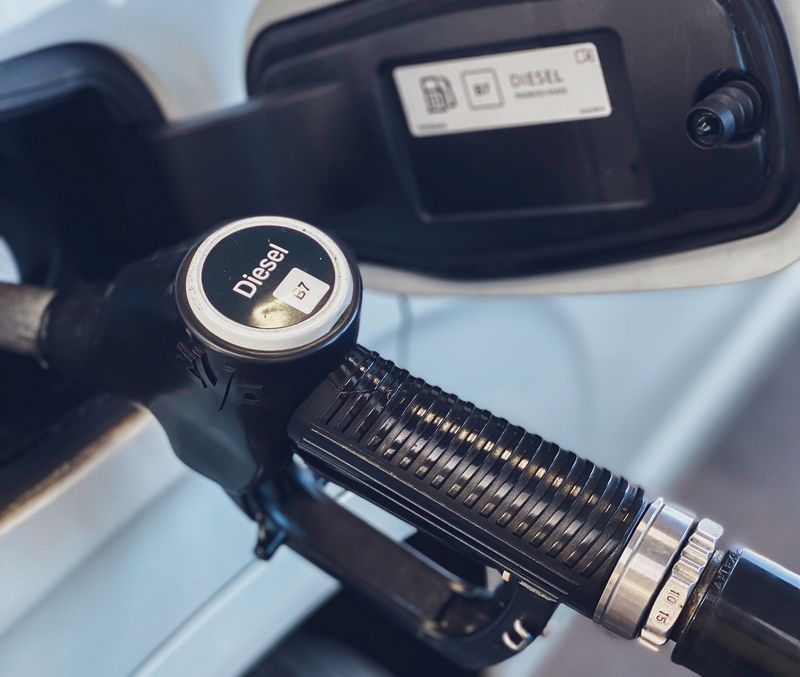
The diesel fuel price is variable, unlike petrol. Don’t be lured by saving a few cents to buy from a peripheral supplier.
Dirty diesel risks increase as you move beyond the large retailer fuel brands with established, modernised forecourts. The few cents per litre you might save by fuelling from a small-scale diesel supplier risks thousands of Rands in engine damage. ‘Cheaper’ diesel can be illegally blended with paraffin or contain higher sulfur levels and more contaminants.
South Africa’s fuel-refining capacity has nearly halved over the last decade. Diesel is now imported and of higher quality. Why? Because imported diesel is sourced from larger, more modern offshore refineries. These refineries produce fuel to low-sulphur and purity standards that South African refineries struggle to achieve.
When journeying through rural areas on a road trip, drivers should be cautious. Be mindful of refuelling at forecourts with poorly maintained couplings and storage infrastructure. Fuel bunkering and transfer contamination can be a real issue at rural fuel stations without brick or sealed-surface forecourts. With lots of dust and aged bunkering and transfer infrastructure, older rural forecourts are high-risk refuelling points.
Always fill up at large fuel stations with tidy forecourts and modern diesel bunkering infrastructure. This should reduce the risk of fuel contaminants (moisture or dust) damaging your diesel engine’s injectors.
In the market for a diesel bakkie or SUV? You’ve come to the right place!