Ford’s 2.0 BiT turbodiesel engine will be “phased out” of the Ranger and Everest line-ups in South Africa in 2026, while a 2.3-litre EcoBoost petrol motor will be added…
- Ranger and Everest to lose bi-turbodiesel engine next year
- 2.3-litre EcoBoost motor to be introduced in both line-ups
- More derivatives to be offered with 3.0-litre V6 turbodiesel
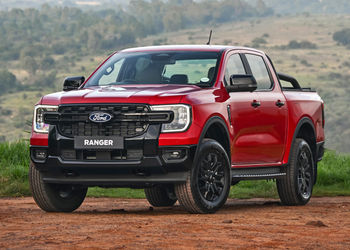
Ford South Africa has announced that 2026 will see the 2.0 BiT turbodiesel engine “phased out” of the Ranger and Everest line-ups, though adds that the bakkie and adventure SUV will both gain the option of a 2.3-litre EcoBoost petrol motor.
In a short statement, the Blue Oval brand’s local division said it planned to make some “exciting updates to its powertrain offerings” in the opening half of 2026, including the introduction of its turbocharged 2.3-litre, 4-cylinder petrol engine.
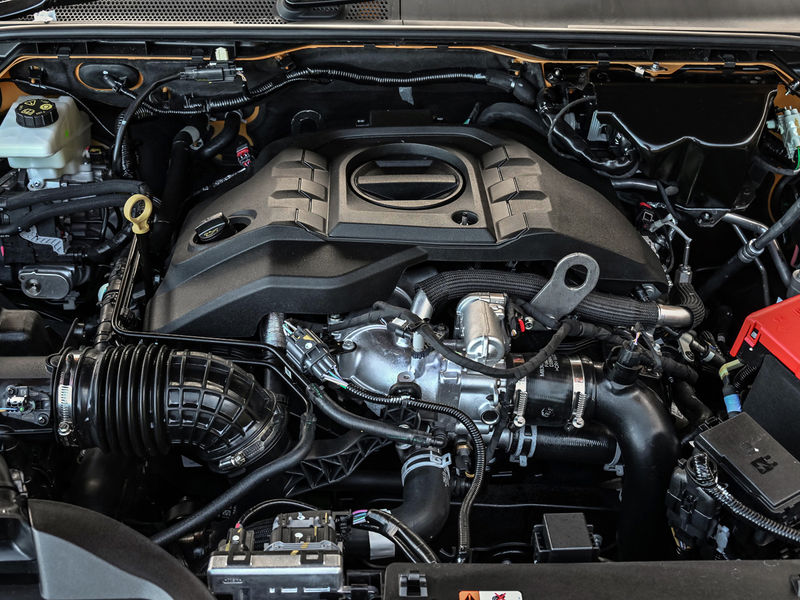
The company says the 3.0-litre V6 turbodiesel will be “expanded into more derivatives”, while the 2.0 SiT turbodiesel unit will be “upgraded with a new timing chain [replacing the current version’s wet belt] for improved durability and performance”. Furthermore, the XL and XLT grades in the Ranger line-up are set to gain the option of a 10-speed automatic transmission “featuring an updated calibration” (and seemingly replace the current 6-speed auto). The 3.0-litre V6 petrol engine in the Raptor will likely continue unchanged.
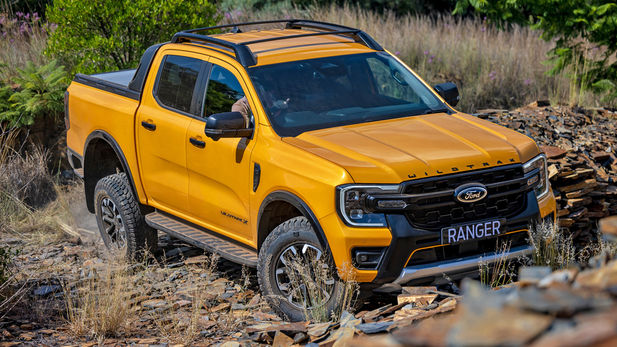
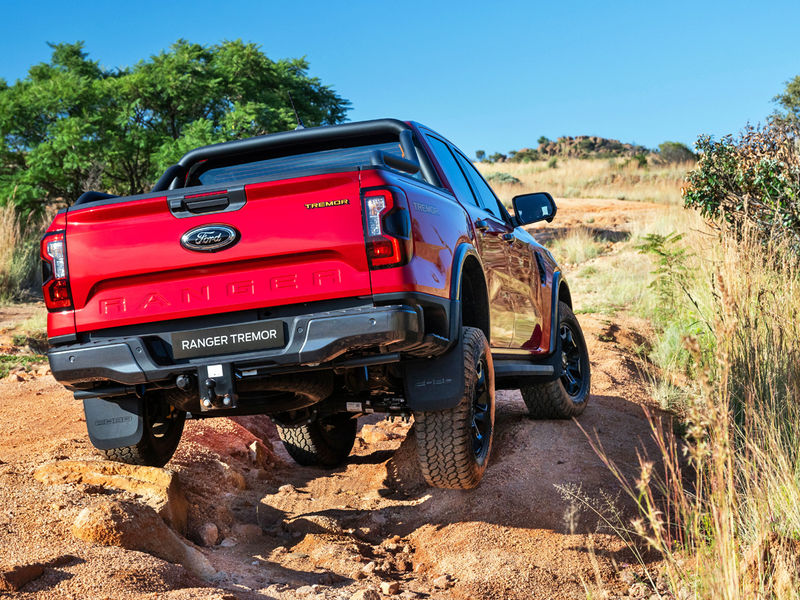
Meanwhile, Ford says the 2.0 BiT engine (which is produced at the brand’s Struandale Engine Plant in Nelson Mandela Bay) will “be phased out as part of the revised line-up”. For the record, this 2.0-litre, 4-cylinder bi-turbodiesel mill – which generates 154 kW and 500 Nm – powers as many as 8 of the 23 derivatives in the current Ranger portfolio, including the off-road-ready Tremor and Wildtrak X variants.
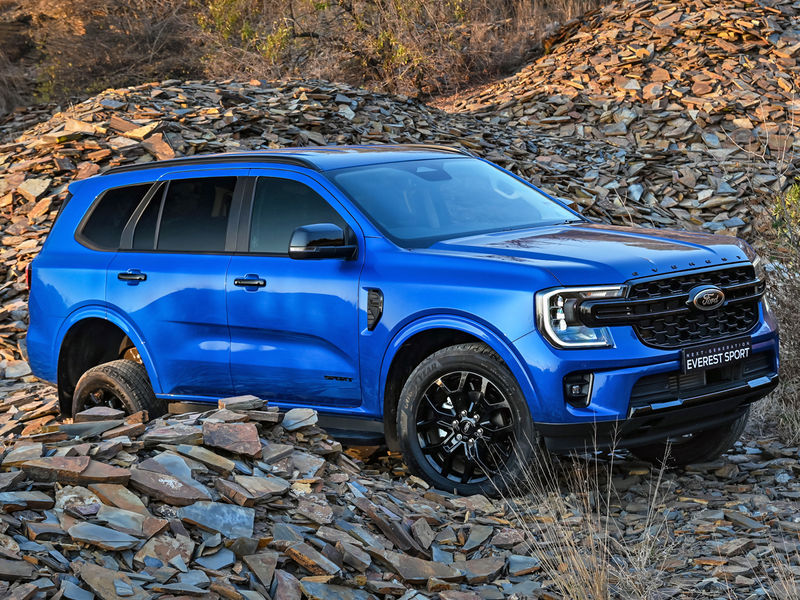
In addition, the 2.0 BiT engine dominates the current Thai-built Everest range, where it’s employed by 4 of the 6 derivatives. It’s not yet been confirmed whether this powertrain will also be pulled from the Volkswagen Amarok line-up, which is produced alongside the Ranger at Ford SA’s Silverton facility.
Interestingly, the 2.0 BiT unit will also be removed from Ford Australia’s Ranger and Everest line-ups next year, though that market seemingly won’t be getting the 2.3-litre EcoBoost engine (other than in the SA-built PHEV derivative that’s curiously still not offered in Mzansi). Therefore, this appears to be a global rather than local decision.
So, what about the upcoming 2.3-litre petrol engine? Already available in the Amarok, this 4-cylinder unit generates peak outputs of 222 kW and 452 Nm, and is paired with a 10-speed automatic transmission as standard. The Dearborn-based automaker’s local division describes the engine as “a proven performer in other Ford vehicles globally”, adding that it’s been “specifically tuned for the Ranger and Everest”.
Frequently Asked Questions (FAQ)
Q: Which engine will be phased out of the Ford Ranger and Everest line-ups in South Africa, and when?
A: The 2.0 BiT turbodiesel engine will be phased out of the Ford Ranger and Everest line-ups in South Africa starting in 2026. This appears to be a global decision.
Q: What new engine option is Ford introducing for the Ranger and Everest?
A: Ford South Africa is introducing a 2.3-litre EcoBoost petrol motor (generating 222 kW and 452 Nm) as a new option for both the Ranger and Everest line-ups in the opening half of 2026.
Q: What other powertrain and transmission changes are included in this update?
A: The 3.0-litre V6 turbodiesel will be expanded to more derivatives, the 2.0 SiT turbodiesel will be upgraded with a new timing chain, and Ranger XL and XLT grades will gain the option of a 10-speed automatic transmission.
Related content
Farewell, Ford Puma! Small crossover exits SA