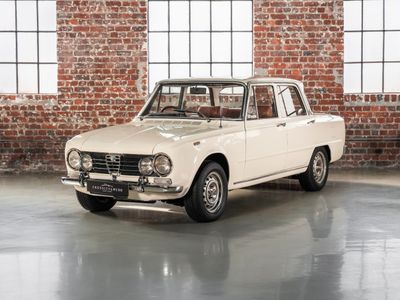
1959 Morris Mini Minor
850
1959
1 213 km
Manual
Petrol
4x2
White
Excellent condition
Pricing Summary
R 335 000

Western Cape, Western Cape
Distance From You

4.7
427 reviews
Description
The Mini isn’t just a car; it’s a cultural phenomenon. When it debuted in 1959, it flipped the automotive world upside down. It wasn't born out of a desire to be cool, but rather out of pure necessity during a fuel crisis. Yet, it became a symbol of independence, style, and engineering genius. Designer, Sir Alec Issigonis, was challenged to create a tiny car that could still fit four adults and their luggage. His solutions changed car design forever:
• The Transverse Engine: He turned the engine sideways. This took up far less room, allowing 80% of the car's floor space to be used for passengers and luggage.
• Wheels at the Absolute Corners
In 1959, British Motor Corporation initially marketed the Mini under two different names, the Austin Seven and the Morris Mini-Minor
It was powered by the 848cc 4 cylinder engine which produced 34 horsepower paired to a unique 4 speed gearbox housed in the oil sump
THIS EXAMPLE:
The first Minis shipped from the UK to the South African market on 29 September 1959, with some units transported to Durban for assembly at the Motor Assemblies plant after arrival in South Africa. According to records held by the 1959 Mini Register in the UK, the present example’s chassis number (3584) falls within the first batch that left the UK in September 1959. For a long time, it was believed to be the oldest surviving Mini in South Africa. Two cars with chassis numbers earlier in the sequence (both also part of the 29 September 1959 shipment) have surfaced in the last decade
The car has a fairly well-known history in the Mini community. It belonged to the Chairman of the Mini Owners Club of South Africa, and later his son. The family bought the car from its original owner in very original condition. They decided to respray it in its original old English white colour for one of the Mini’s birthday events held by the Club.
The current owner acquired the Morris Mini Minor with chassis number 3584 from a seller in Gauteng who had listed it online in 2017. Based on photos, it was a very early Mini that would have to be carefully restored, paying attention to the unique features of the 1959 model. Fortunately, the car retained almost all its original features although it was in a poor state.
Restoration process
• The shell, subframes and suspension components were sandblasted by Fineblast in Philippi in October 2018. They also applied the black coating to the subframes and some of the suspension parts
• Sandblasting revealed the state of the shell. Panels were imported to save time spent on metalwork. This included a boot floor, door skins and a rear valance.
• The engine and gearbox were completely rebuilt in 2018. The block had to be bored 0.030” over, which required new pistons. The gearbox, being one of the earliest aluminium examples had second gear, third gear and the lay gear replaced with new old stock or excellent used parts. Early Mini gears used brass synchro cones which makes them quite hard to find in good condition.
• The shell and the reproduction panels were taken to The Garage Metalshaping Studio outside of Stellenbosch in late October 2018. They did the work on rust repairs, reproduction of parts that could not be replaced (such as the unique 1959 front floor pans), unique early Mini door features, etc., as well as extensive modification of the reproduction panels to make them match the rusty 1959 examples they replaced. The shell was with The Garage Metalshaping Studio until June 2019.
• Upon completion of the metalwork, the shell was moved to AH Autobody in Brackenfell Industria for paint. It remained with them for months as work was done on the sideline of their main business. Paintwork was completed in November 2019, when the shell was collected and final assembly could start.
• Final assembly was done by me in my garage and involved refurbishing each part carefully, keeping as many of the original parts as possible. This took me all of 2020 and into 2021.
• The interior upholstery was done by a contact in Woodstock, working from his home in January/February 2021.
• The project was completed in May 2021.
Contact Gareth for more details:
• The Transverse Engine: He turned the engine sideways. This took up far less room, allowing 80% of the car's floor space to be used for passengers and luggage.
• Wheels at the Absolute Corners
In 1959, British Motor Corporation initially marketed the Mini under two different names, the Austin Seven and the Morris Mini-Minor
It was powered by the 848cc 4 cylinder engine which produced 34 horsepower paired to a unique 4 speed gearbox housed in the oil sump
THIS EXAMPLE:
The first Minis shipped from the UK to the South African market on 29 September 1959, with some units transported to Durban for assembly at the Motor Assemblies plant after arrival in South Africa. According to records held by the 1959 Mini Register in the UK, the present example’s chassis number (3584) falls within the first batch that left the UK in September 1959. For a long time, it was believed to be the oldest surviving Mini in South Africa. Two cars with chassis numbers earlier in the sequence (both also part of the 29 September 1959 shipment) have surfaced in the last decade
The car has a fairly well-known history in the Mini community. It belonged to the Chairman of the Mini Owners Club of South Africa, and later his son. The family bought the car from its original owner in very original condition. They decided to respray it in its original old English white colour for one of the Mini’s birthday events held by the Club.
The current owner acquired the Morris Mini Minor with chassis number 3584 from a seller in Gauteng who had listed it online in 2017. Based on photos, it was a very early Mini that would have to be carefully restored, paying attention to the unique features of the 1959 model. Fortunately, the car retained almost all its original features although it was in a poor state.
Restoration process
• The shell, subframes and suspension components were sandblasted by Fineblast in Philippi in October 2018. They also applied the black coating to the subframes and some of the suspension parts
• Sandblasting revealed the state of the shell. Panels were imported to save time spent on metalwork. This included a boot floor, door skins and a rear valance.
• The engine and gearbox were completely rebuilt in 2018. The block had to be bored 0.030” over, which required new pistons. The gearbox, being one of the earliest aluminium examples had second gear, third gear and the lay gear replaced with new old stock or excellent used parts. Early Mini gears used brass synchro cones which makes them quite hard to find in good condition.
• The shell and the reproduction panels were taken to The Garage Metalshaping Studio outside of Stellenbosch in late October 2018. They did the work on rust repairs, reproduction of parts that could not be replaced (such as the unique 1959 front floor pans), unique early Mini door features, etc., as well as extensive modification of the reproduction panels to make them match the rusty 1959 examples they replaced. The shell was with The Garage Metalshaping Studio until June 2019.
• Upon completion of the metalwork, the shell was moved to AH Autobody in Brackenfell Industria for paint. It remained with them for months as work was done on the sideline of their main business. Paintwork was completed in November 2019, when the shell was collected and final assembly could start.
• Final assembly was done by me in my garage and involved refurbishing each part carefully, keeping as many of the original parts as possible. This took me all of 2020 and into 2021.
• The interior upholstery was done by a contact in Woodstock, working from his home in January/February 2021.
• The project was completed in May 2021.
Contact Gareth for more details:
This vehicle does not qualify for vehicle asset finance. Please contact the dealership directly to find out more.