Proton has been absent from the South African new-vehicle market since 2012, but it’s returning to the Republic – with a different game plan. Why should you consider one of Proton’s new-generation offerings and is the brand likely to achieve more success this time around? We attended Proton’s big media “reintroduction” in Gauteng to find out.
Proton is Malaysian and Chinese
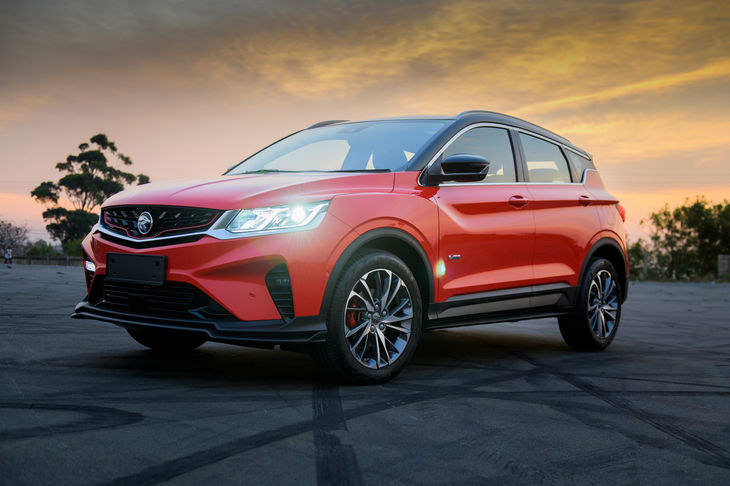
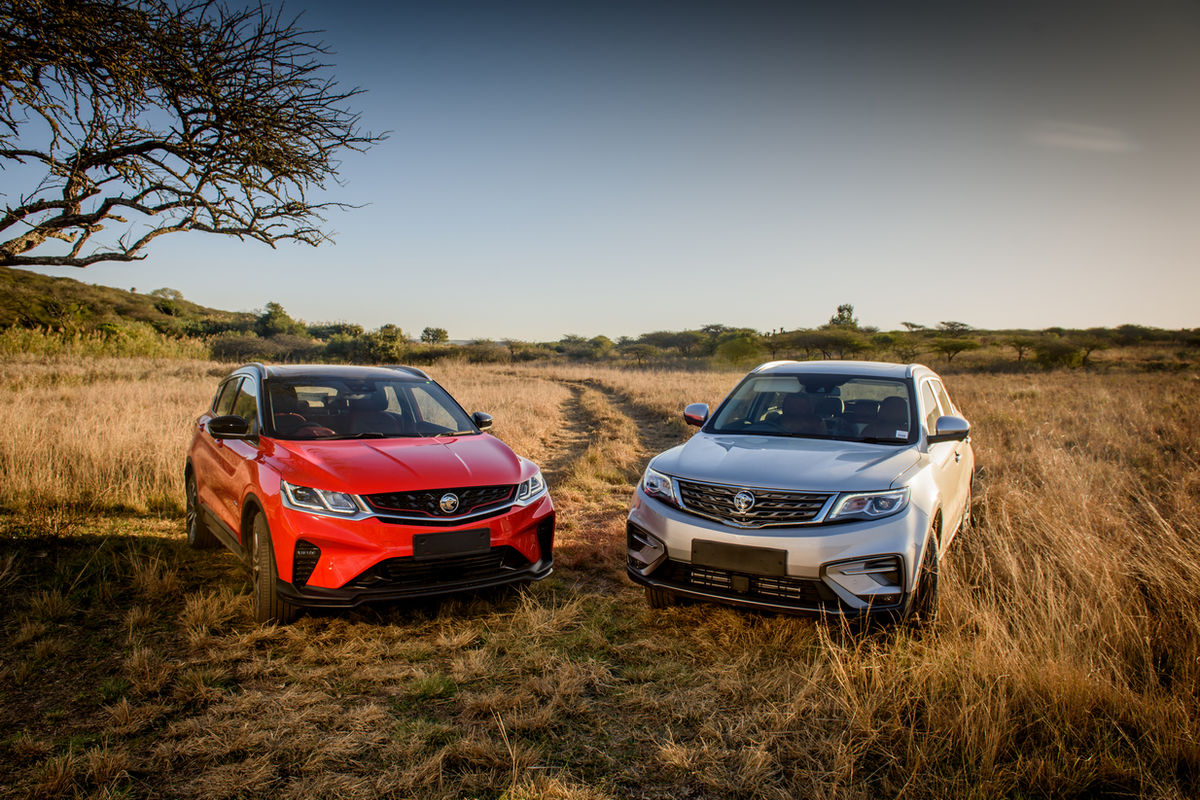
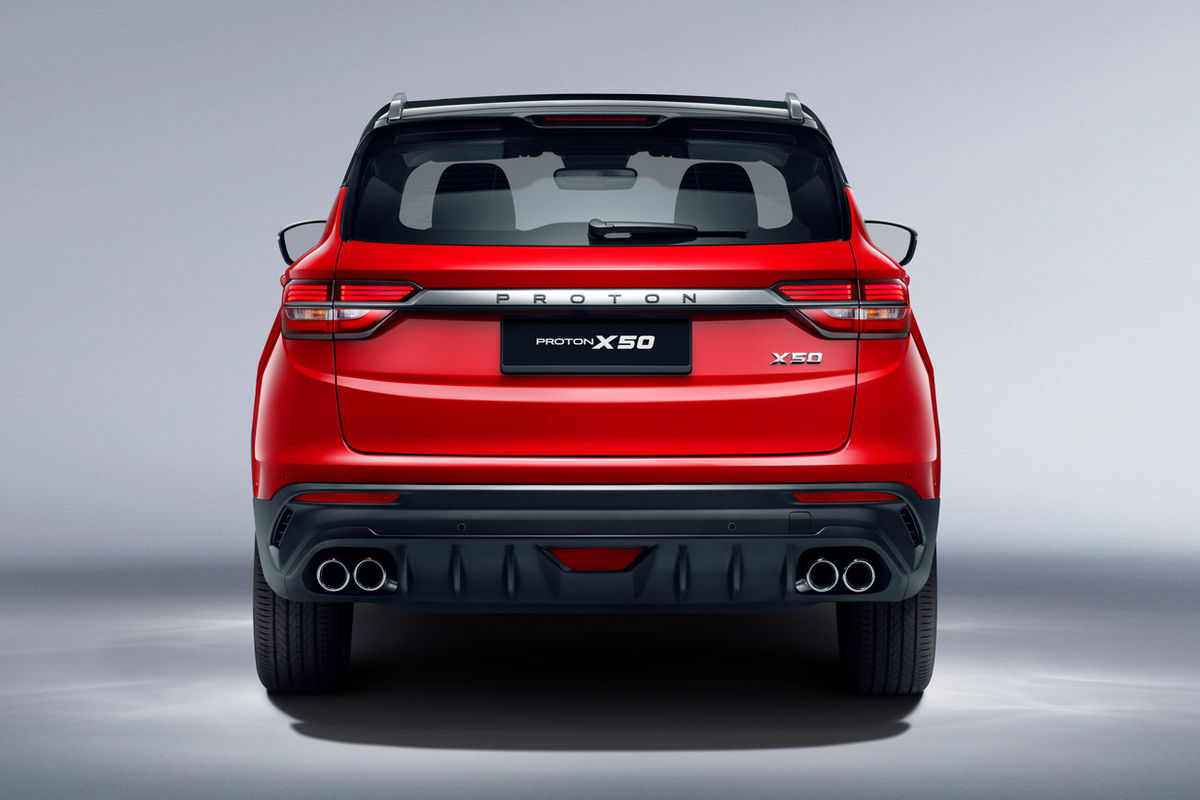
Proton’s X50 uses a Geely platform and a Volvo engine.
There are 2 models that come to mind when I think of Proton in South Africa. The first one is the Gen2 coupe-styled sedan, which immediately grabbed my attention because it wore a badge on its rear that read “Lotus Engineered”. At the time, Lotus was a red-hot brand by virtue of the reputations of its Elise and Exige sportscars; they were known as some of the best-handling cars in the world and, as a gullible young adult, I was genuinely hopeful that under the skin of the affordable Proton Gen2 lurked a handling god that could outmanoeuvre a Volkswagen Golf GTI or Renault Megane RS of the day. Sadly, every review I read convinced me the only Lotus-engineered part of the Gen2 may have been the badge itself.
The other Proton that lurks in my memory banks is the Satria Neo – a Rally-inspired hatch with all the exterior cladding a Fast and the Furious fanatic could ask for but, but endowed with a power output that could hardly match that of a paper plane. Still, certain motoring journalists entertained the idea that the Satria Neo had its place (as some sort of guilty pleasure, because of the smile it put on your face when you looked at it). Hmm.
Forgive my nostalgic musings about Proton’s past; I’m just setting the scene for what Proton used to be and why the modern version of the brand aims to be nothing like its former self.
The Malaysian brand sold 49.9% of the company to Chinese powerhouse Geely (a brand that also came and then left South Africa) and began a massive overhaul of the Malaysian production plant. Geely also donated all its chassis and engine tech courtesy of Volvo (another brand owned by Geely) and has since begun launching Proton in markets where it can focus on right-hand-drive models, while Geely focuses on left-hand-drive products and battery-electric vehicles.
Proton is aiming high in SA
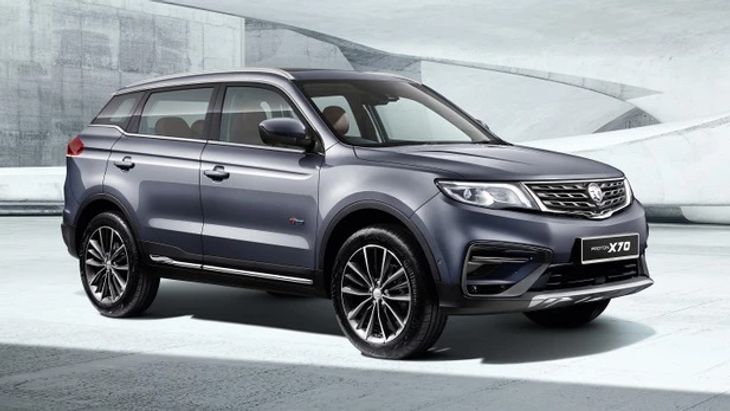
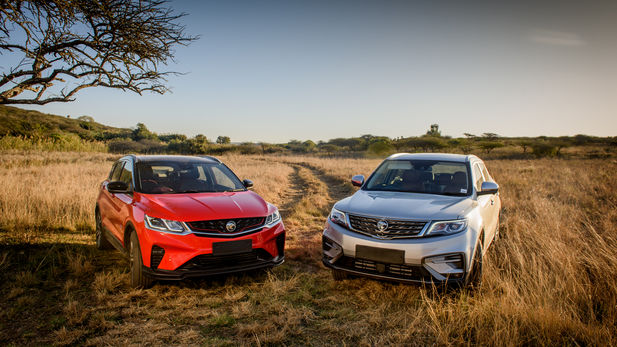
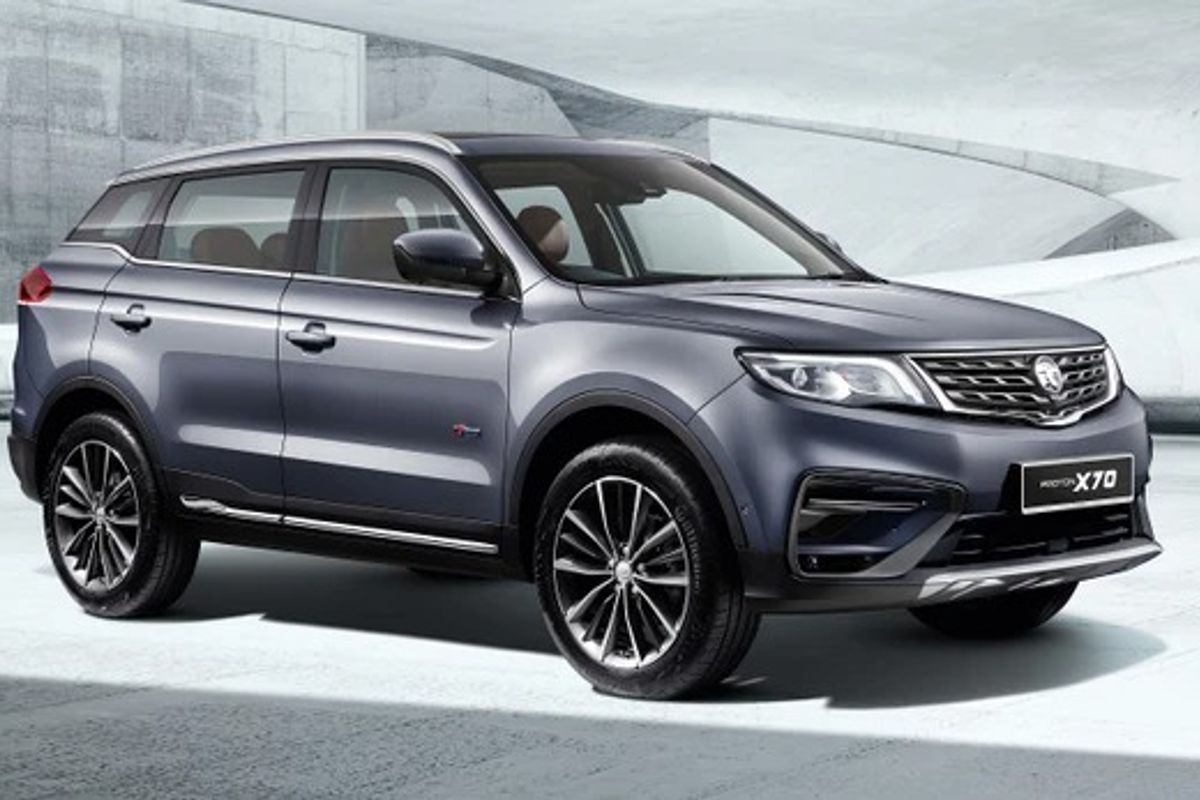
The X70 is a few years older than the X50 and uses the higher-output Volvo engine.
Proton was previously considered an affordable (or entry-level) brand, but that’s not the case anymore. The “new” Proton wants to be synonymous with affordable luxury and it’s targeting buyers that would usually consider mid-premium brands such as Hyundai, Kia, Mazda, Subaru and Volkswagen. No mention was made of the Chinese duo of Chery or Haval, because Proton considers itself more upmarket than those brands and has priced itself according to that “tier”.
The heads at CMH (Combined Motor Holdings – the local distributors of Proton) expect the brand’s pricing to hold for some time to come, which may see the new models come into play as “premium bargains” towards the end of the year (providing the Rand/Dollar exchange rate doesn’t take a massive hit in the meantime).
What are the cars like?
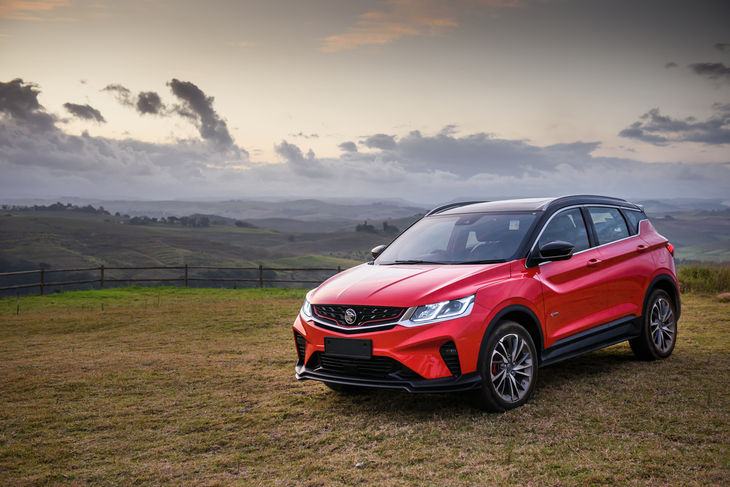
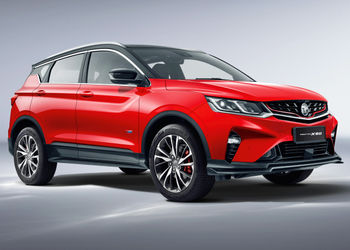
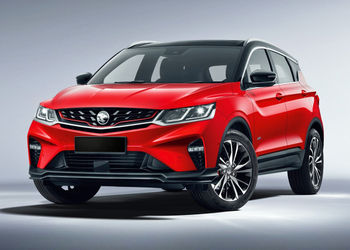
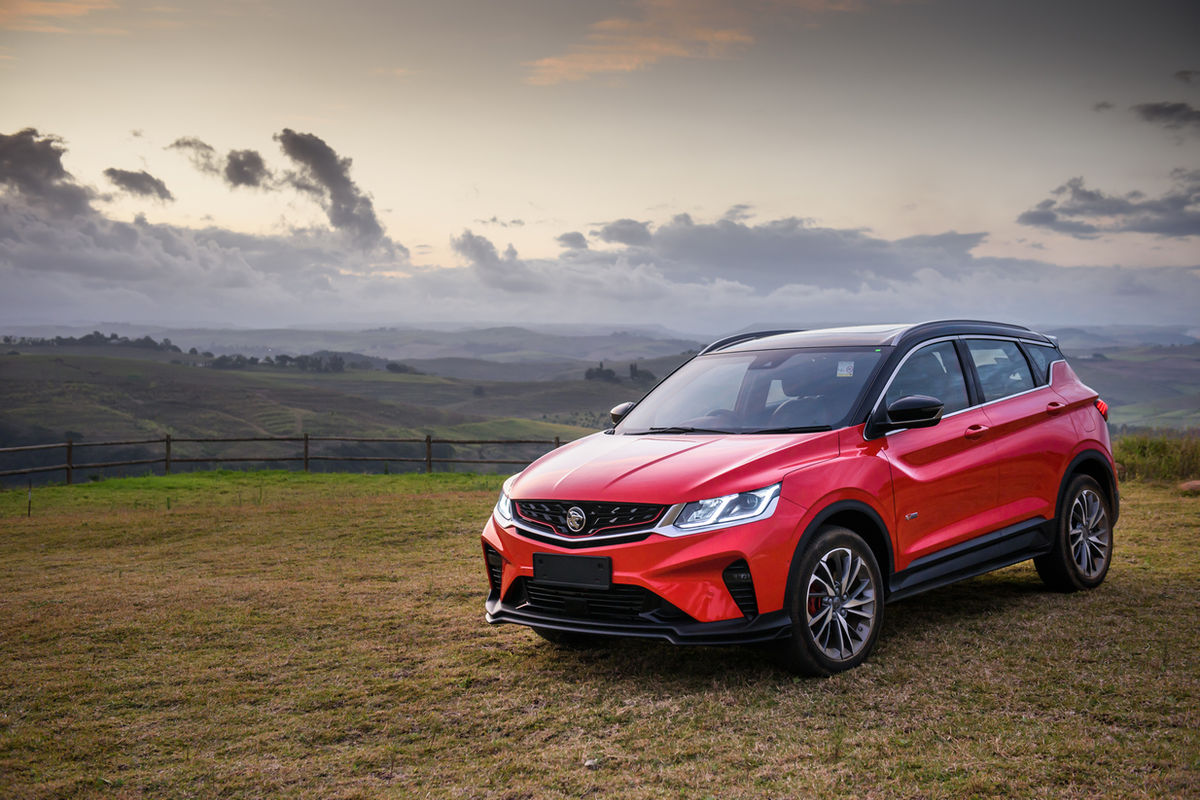
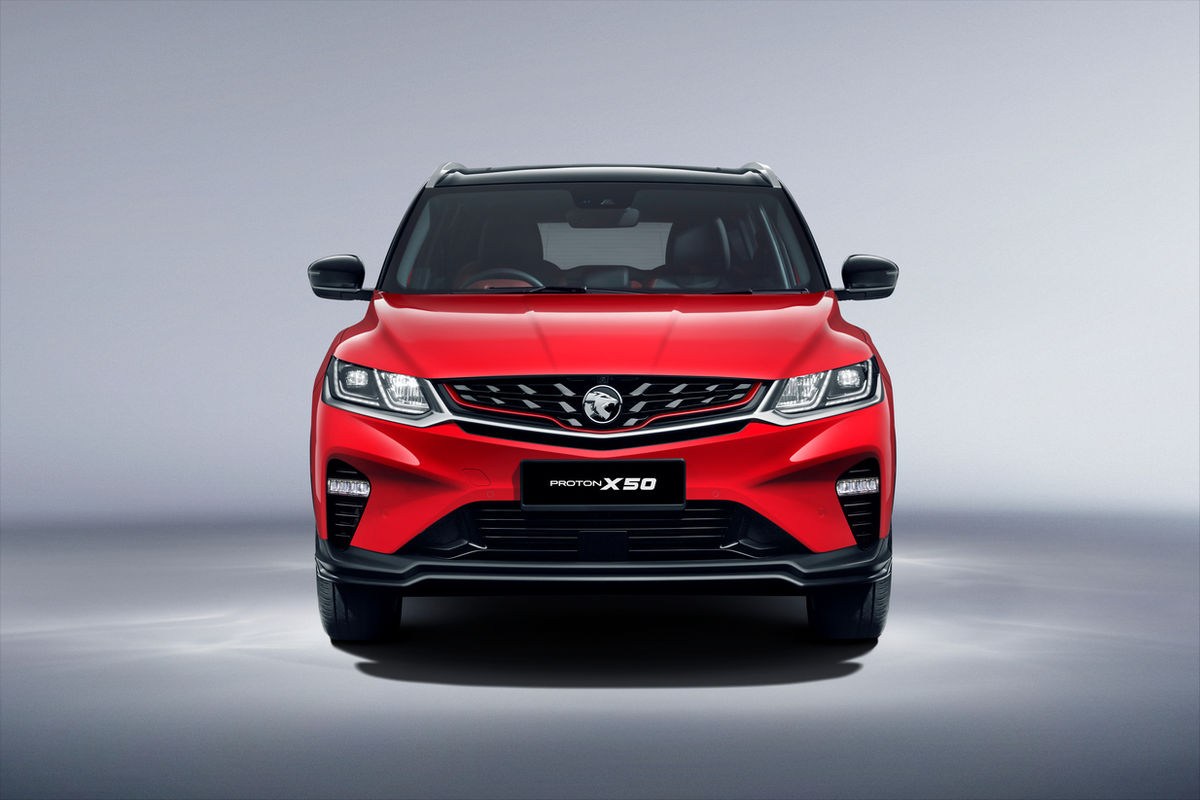
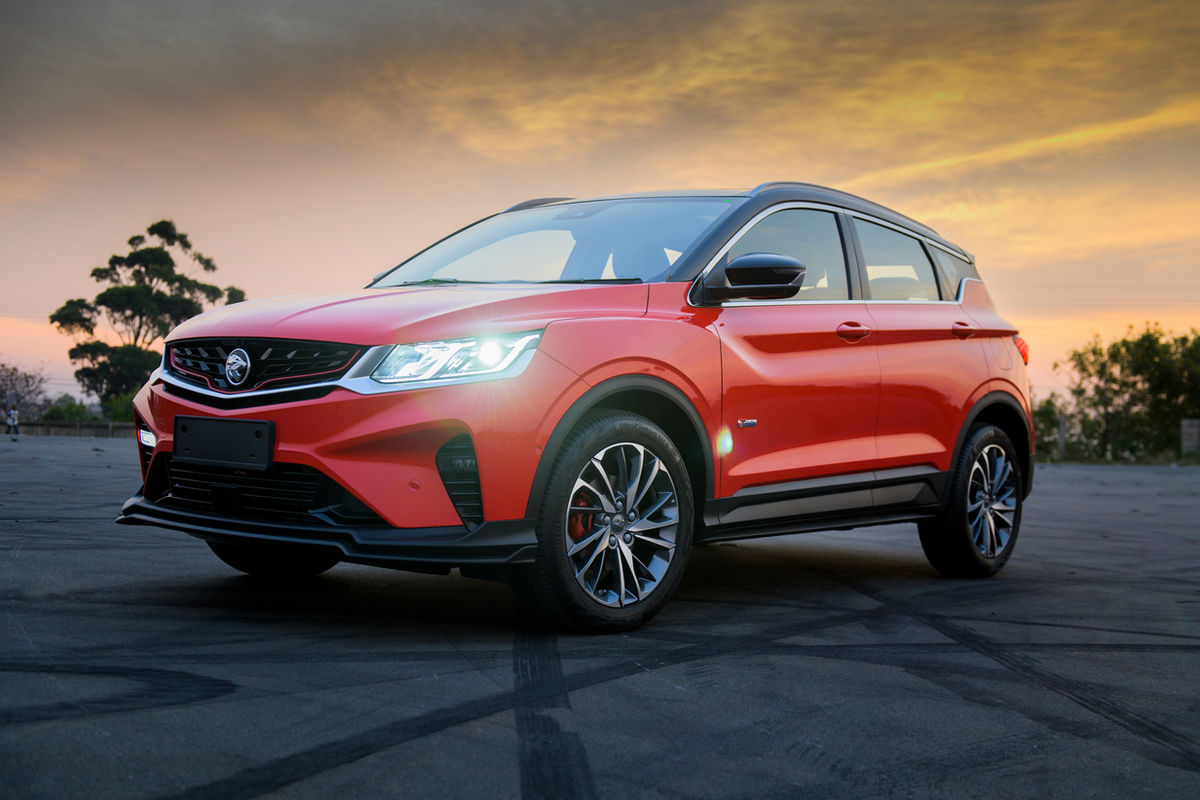
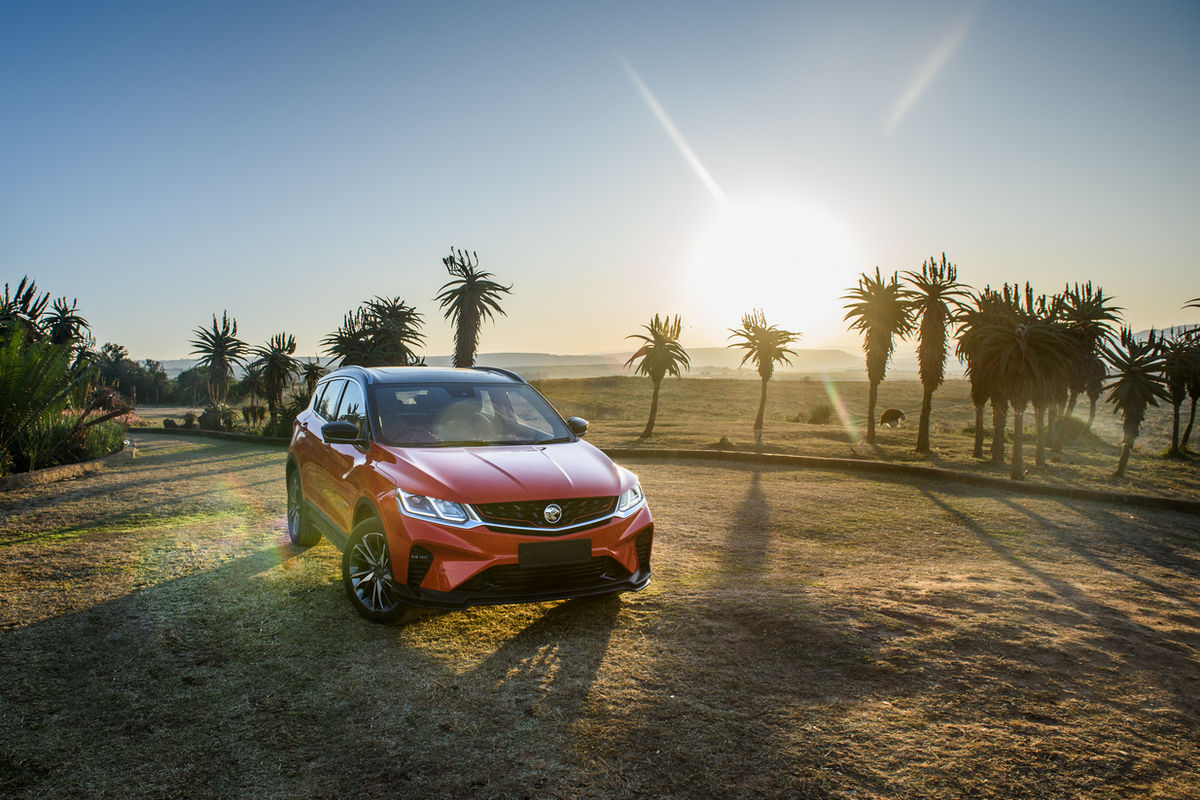
The X50 looks modern and rides well with a very good drivetrain underneath the bonnet.
The brand marks its return by introducing a pair of SUVs, but has also committed to introducing 2 sedans and a 3rd SUV during 2023 – expect one of the sedans to be a Saga – the very first car to roll off the Malaysian line.
Of the 2 models that are available now, the X50 is the more affordable offering. It’s a compact family SUV that is similar in size to a Kia Seltos or Hyundai Creta. The X50 is underpinned by the modular Volvo chassis used by the XC40 and several other Geely products. The engine is also sourced from the Volvo XC40 T3. The 1.5-litre 3-cylinder turbopetrol motor delivers either 110- or 130 kW and 226- or 255 Nm of torque, depending on the grade you choose.
The engine and 7-speed dual-clutch automatic transmissions are the standout features of the Proton X50. We drove it for a few kilometres around the Cradle of Humankind outside Johannesburg and it’s easy to tell that the drivetrain is well-suited to the car and better at managing power delivery than Haval and Chery models. It’s also more efficient than the Chinese models; Proton claims average fuel consumption of 6.5 L/100 km, which does not sound overly optimistic…
The 2nd model is the X70. It’s a larger SUV (about the size of a Volkswagen Tiguan, Toyota RAV4, Chery Tiggo 7 Pro or Mazda CX-5). The X70 seems like a harder sell in South Africa considering it was introduced abroad as long ago as 2018; while it’s still quite modern, it has elements that betray its age: the touchscreen looks a trifle undersized and there are more physical buttons inside than what modern cars have, although that may be a positive thing for some buyers.
It uses the higher-output 130 kW 1.5-litre turbopetrol and is said to consume 7.8 L/100 km on the combined cycle. Both SUVs ride well and their suspensions seem to absorb larger road imperfections with aplomb. The chassis feels stiff with little side-to-side roll/flex when you corner or roll over a diagonal speed bump. Both cars have quiet cabins (it suggests above-average NVH suppression) and, although we only did a little mileage in them, they appear to be solidly built.
Interior luxury and quality
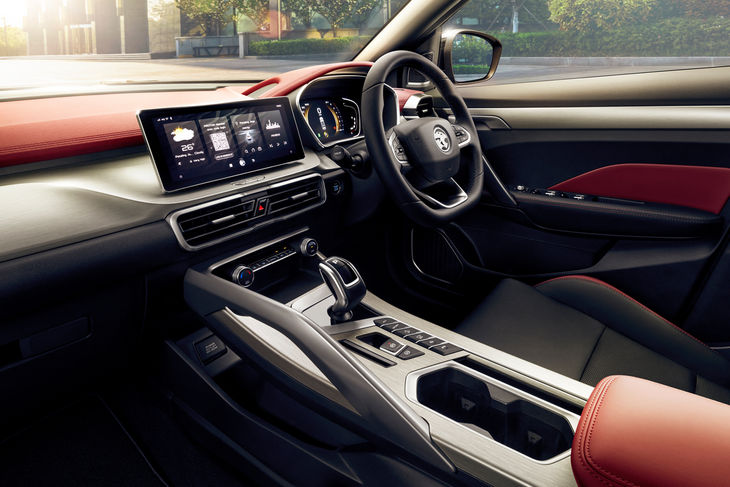
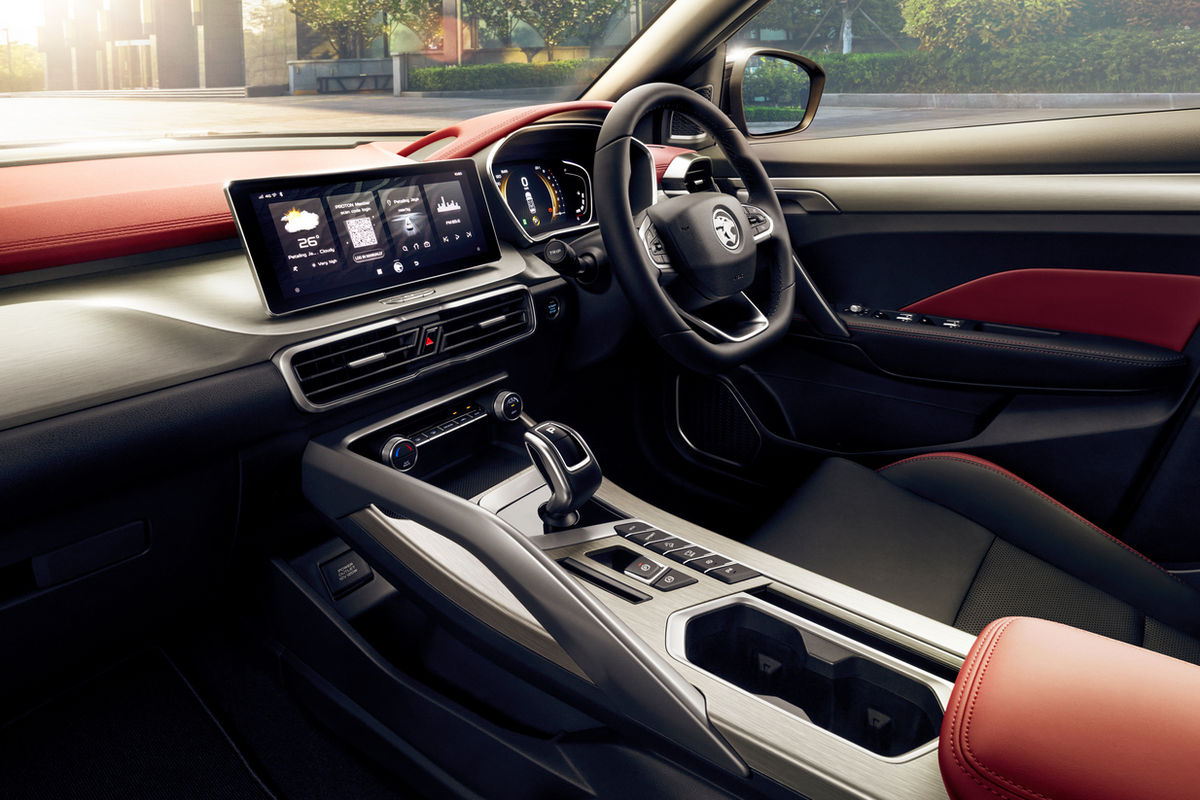
The X50’s interior features Nappa leather for the seats and door inserts.
The models we got to drive (and look through) at the Proton media event were all top-spec versions, so I can’t speak to what lesser derivatives would be like inside or whether they’d be comparatively meagerly- or well equipped, but “new brands” tend to err on the side of the latter and specify cars liberally to make strong showroom impressions/sweeten the purchasing propositions for buyers who are looking for that extra bit of value for money, which is the vast majority of them, nowadays. A large panoramic sunroof in both models will no doubt please South African buyers, while Nappa leather trim is very nice to have – apart from the seats, it features on the door panels and certain areas on the dashboard.
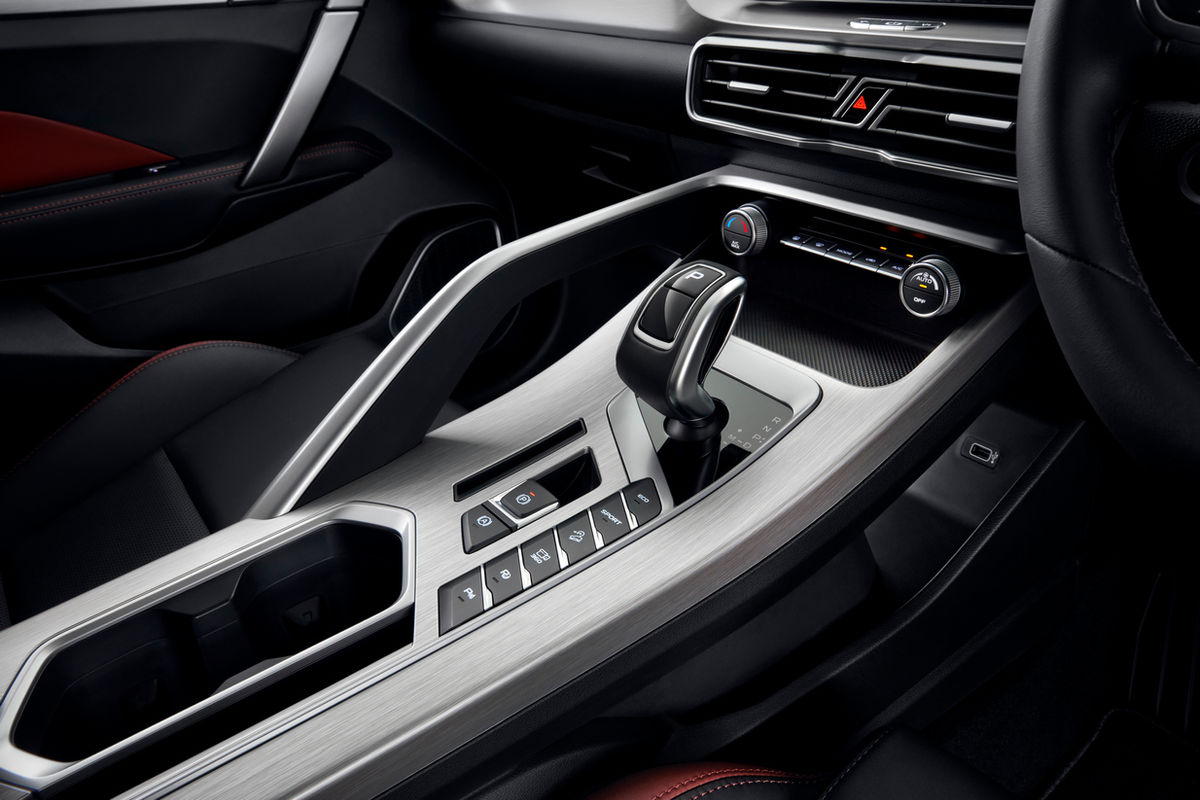
The interior design looks clean and uncluttered with a hint of “fighter jet” design to the side air vents. I could only spot 1 USB port in the front and 1 in the rear, along with a 12C outlet in the X70, but full specs will be revealed at a later date.
Anything the Proton might be missing?
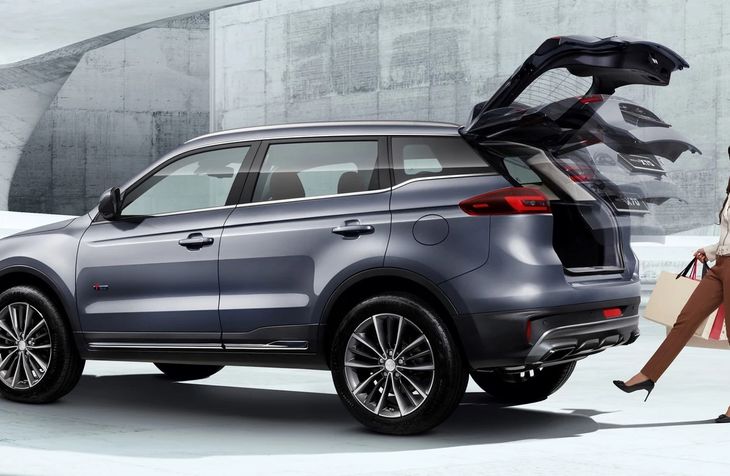
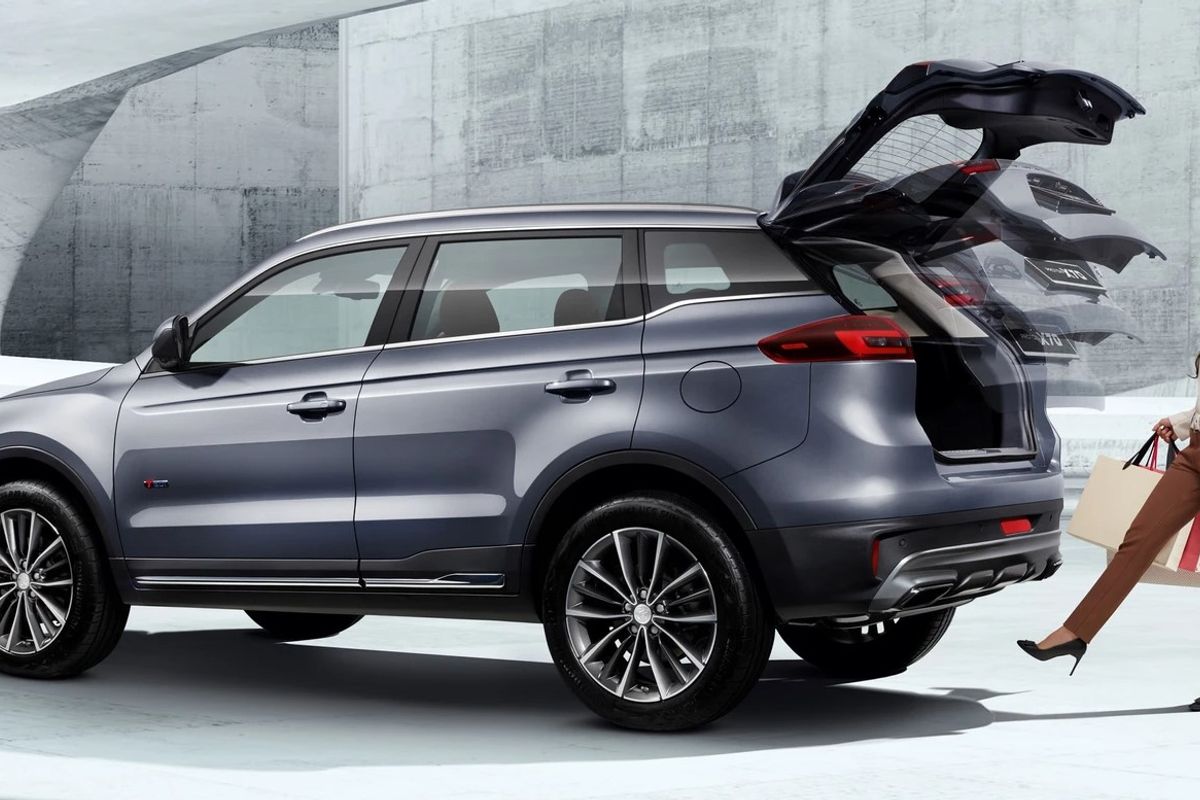
The X70 features an electric tailgate, whereas the X50 does not.
When I had a quick chat with some of the Proton and CMH crew, they noted that there were some updates in the pipeline that would improve the onboard tech in the X50 and X70. Initially, Android Auto is available (apparently), but not Apple Carplay. However, newer software that will enable CarPlay compatibility (and some other features) will soon be available – new Proton owners will be required to visit a dealership to install the update.
I noticed that neither model had a wireless charging bay for a smartphone (although it is on the accessories list), but aside from that, both cars come fully-loaded. The X50 is equipped with semi-autonomous Level 2 features, which means it gets lane-keep assist, automatic parallel parking and adaptive cruise control. There’s also a 360-degree camera, but the X50’s infotainment screen didn’t display a particularly high-res feed; the X70’s display was much clearer…
The after-sales agreement
The Proton models are backed by a good warranty and service plan.
Proton in Malaysia has been very hands-on in launching this project in South Africa and CMH has convinced the manufacturer that it needs to offer excellent service – both pre- and post-sale. They assured us that parts supply would be generous and rapid, with most of the frequently used spares available immediately. CMH has also handpicked 26 dealers to distribute Proton nationally with the intention of increasing that tally to 35 dealers by 2024.
Proton is also offering a decent warranty on its cars. The warranty is valid for 5 years/unlimited km and it comes in combination with a 5-year/80 000 km service plan.
For a full list of specs and pricing check out this article
Proton has high hopes for the South African market as it sees the Republic as a major avenue for brand expansion. There was plenty of excitement from the contingent of Malaysians that were sent to Mzansi to help with the local launch and also from the CMH representatives, who are looking to add another successful brand to their stack. It will be an interesting story to follow in the coming months; the sales figures will be the measure of success, but for now, the Saga continues.
Proton Pricing in South Africa (Sept 2022)
| X50 1.5T Standard | R449 900 |
| X50 1.5T Luxury | R449 900 |
| X50 1.5T Executive | R535 900 |
| X50 1.5 TDGI Premium | R579 900 |
| X70 1.5 TDGi Standard | R529 900 |
| X70 1.5 TDGi Executive 2WD | R579 900 |
| X70 1.5 TDGi Executive 4WD | R629 900 |
| X70 1.5 TDGi Premium 4WD | R639 900 |
Related content:
Ashley Oldfield

Ashley has been riding or driving some sort of motorised vehicle since his 4th birthday when he got a Yamaha PW50. Equipped with years of racing experience, Ashley took up journalism and became a writer for some of South Africa’s best motoring magazines and online publications. He is SA’s first (and only) GT Academy winner having raced professionally overseas. He now serves as the Content Manager at Cars.co.za, putting his wealth of racing and driving experience to good use.