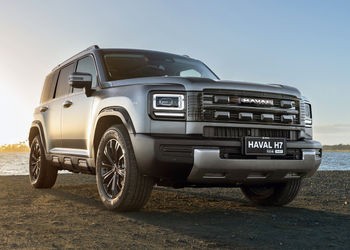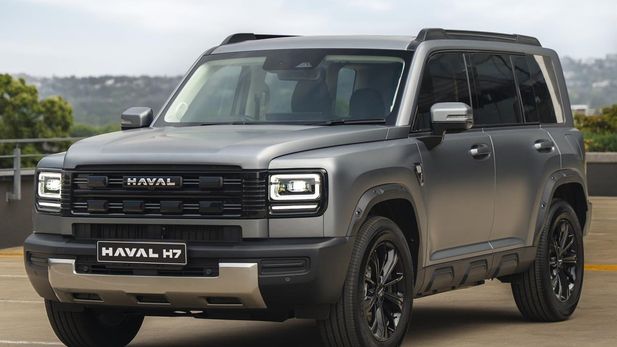
The Haval H7 has been reshaped to take aim directly at Jetour’s T2. But which variant in the expanded Haval H7 line-up is the right fit for your daily driving needs?
The rapid frequency of new-vehicle launches is great for buyers and anyone curious about Chinese brands. It is less ideal for early adopters, however, as accelerated model replacements can impact short-term residual values.
Driven by strong consumer demand for boxy, adventure-styled crossover SUVs, Haval introduced a completely redesigned version of the H7 – based globally on the Haval Raptor platform – shortly after the moniker’s local presence took shape. What are the major changes beneath the skin, and which trim level represents the sweet spot in the new line-up?
Why the Haval H7 underwent a rapid redesign
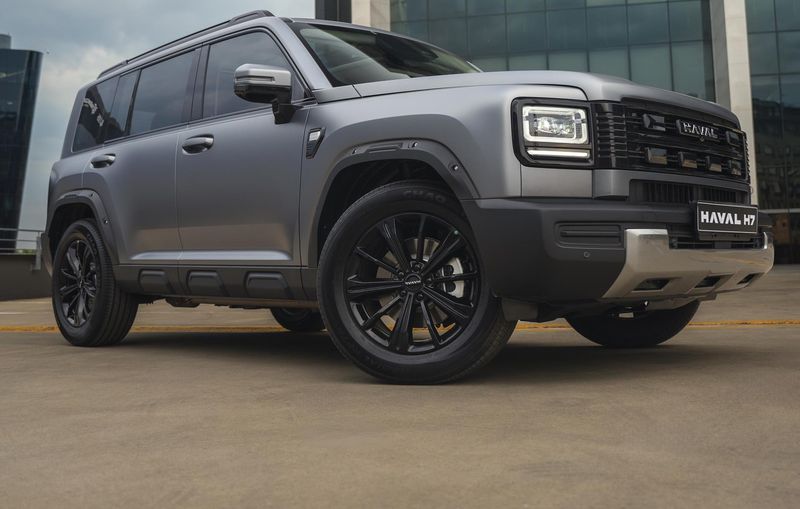
Some of the most daring vehicle designs of the 21st century are currently emerging from China. Unconstrained by legacy styling cues or decades of heritage aesthetics, Chinese design studios are operating with immense freedom. However, not every initial design hits the mark with buyers.
Beneath the original model’s unconventional front-end sat a compelling crossover engineering concept: a unibody platform featuring a selectable locking rear differential. That feature remains exceptionally rare on crossover SUVs lacking a traditional low-range transfer case, offering genuine utility when traversing loose sand, mud or unpaved tracks on weekend getaways.
Despite that mechanical hardware, the previous design struggled to gain momentum in the local market. Where a traditional legacy manufacturer might take five to seven years to execute a mid-cycle facelift or full platform update, Chinese automakers operate on drastically compressed product cycles. If a design fails to trigger strong market demand, the factory retools and delivers a fresh look to showroom floors in record time.
Search for a Haval H7 on Cars.co.za
Boxy aesthetics vs aerodynamic efficiency
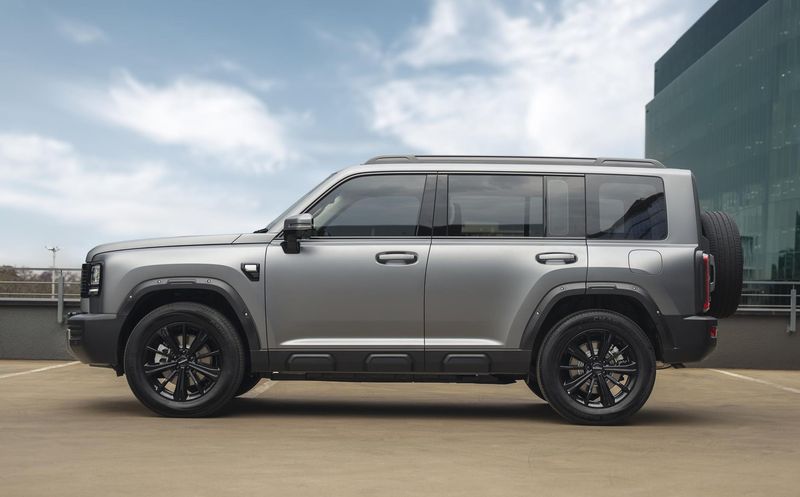
The redesigned Haval H7 aligns with current market demand for two-box, raised station wagon proportions. In the mid-size crossover segment, presence and rugged aesthetics often weigh heavily on buying decisions.
However, adopting an upright, square-jawed shape brings tangible engineering trade-offs. A classic boxy silhouette increases aerodynamic drag and wind noise at speed, which can impact fuel economy during long-distance highway cruising.
The paradox of this trend is that it moves away from China’s recent breakthroughs in aerodynamic efficiency. Driven by battery-electric vehicle (BEV) development – where low drag coefficients directly extend driving range – Chinese design teams have produced some of the sleekest vehicles on the market. With models like the H7, visual presence takes precedence over wind-tunnel optimisation.
Rapid redesigns – runaway depreciation?
Rapid model-cycle redesigns can erode residual values. Haval launched the H7 in South Africa in January 2025 but it’s already been replaced.
Haval introduced the original H7 to South Africa a little later than in other global markets. An unfortunate outcome is that the H7’s local marketing cycle was overwhelmed by the sheer speed of Chinese product development and updates.
With a legacy Japanese or German car, you are looking at a five-to-seven-year model cycle before a complete exterior redesign. The Chinese work much faster, which can create unexpectedly accelerated depreciation. Although the value proposition is strong with such low upfront purchase costs, it offers a very different perspective on depreciation and total cost of ownership than most legacy brands.
Search for a Haval H7 on Cars.co.za
Tailgate spare: A practical win for SA roads
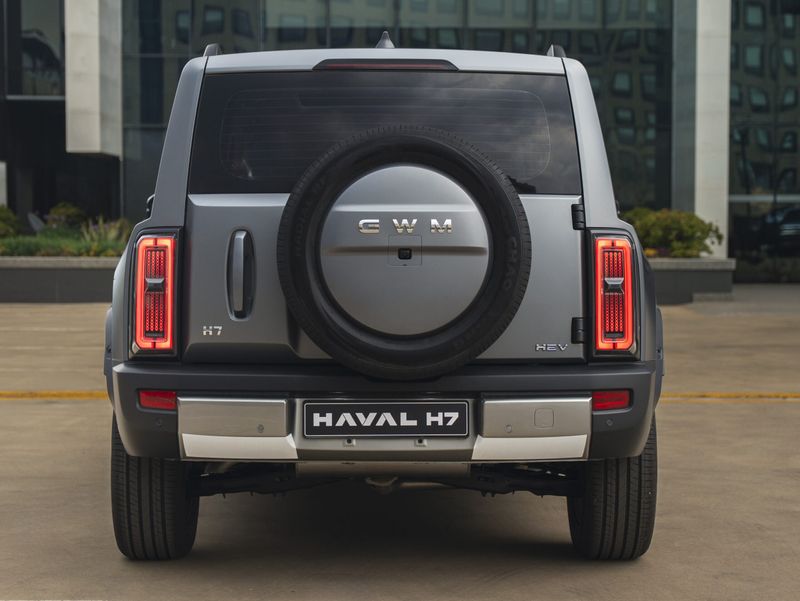
While the new exterior styling embraces current design trends, it brings one major practical advantage for South African drivers: a tailgate-mounted, full-sized spare wheel.
One recurring drawback among many imported crossovers – from compact city EVs to larger luxury SUVs – is the reliance on space-saver spares or repair kits. For local buyers, a full-size spare is a critical feature. Most crossovers ride on road-biased tyres with sidewalls susceptible to damage on sharp gravel or rutted backroads.
Mounting a full-size spare on the rear tailgate preserves underfloor cargo space while giving drivers added confidence when heading off the tarmac or navigating potholed secondary roads.
Engine and drivetrain line-up: Finding the sweet spot
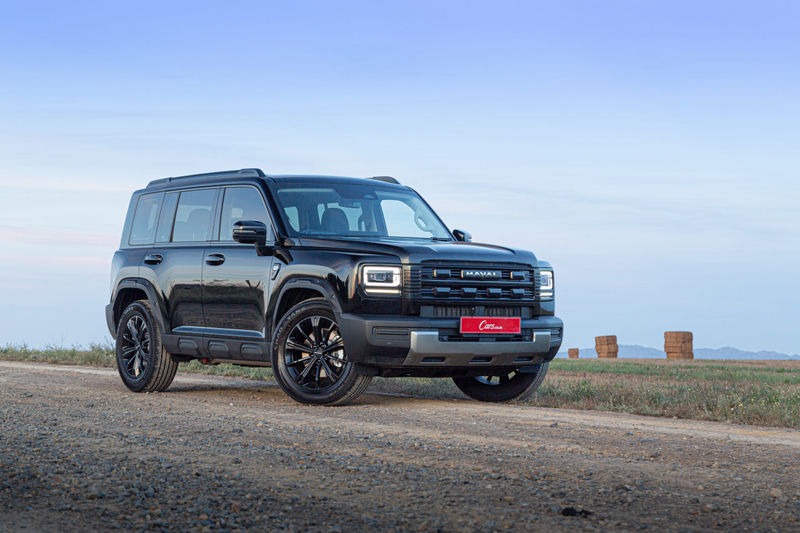
Most urban crossover buyers prioritise cabin tech, comfort and road presence over extreme off-road capability. With rising fuel costs, picking the correct engine and drivetrain combination plays a key role in long-term satisfaction.
1. Haval H7 2.0T Petrol (9DCT)
The entry point to the range uses a 2.0-litre turbocharged petrol engine producing 170 kW and 380 Nm, mated to a nine-speed dual-clutch transmission (9DCT). While available in both 4×2 and 4×4 configurations (with the 4×4 featuring an electronically controlled rear differential lock), dual-clutch gearboxes require careful consideration if you plan to do frequent low-speed off-roading. Slipping clutches during low-speed crawling in heavy sand or steep inclines can generate excessive heat and wear over time.
2. Haval H7 1.5T HEV Super Luxury (4×2 DHT)
For buyers focused on daily urban commuting, the front-wheel-drive HEV derivative offers a strong balance of performance and efficiency. Combining a 1.5-litre turbopetrol engine with a self-charging hybrid system and a 1.53 kWh battery, it delivers a healthy combined output of 182 kW and 540 Nm. Transmitting power via a Dedicated Hybrid Transmission (DHT), it provides smooth, responsive acceleration and reduced fuel consumption in heavy stop-start traffic where traditional petrol engines are at their least efficient.
3. Haval H7 1.5T PHEV Ultra Luxury Hi4 (4×4 DHT)
At the top of the range sits the 4×4 PHEV flagship. Utilising a larger 23.7 kWh battery pack alongside an electric rear-axle motor, the Hi4 system generates a combined 320 kW and 670 Nm. Beyond offering pure-electric urban driving capability, the electric-drive rear setup and Dedicated Hybrid Transmission bypass the thermal stress of a dual-clutch gearbox during low-speed off-road manoeuvres. The electric motors handle immediate low-speed torque delivery, making it the most capable and refined option for light sand or muddy tracks.
Search for a Haval H7 on Cars.co.za
The verdict
If your daily routing consists primarily of city commuting and highway driving, the H7 1.5T HEV 4×2 delivers the best overall balance of output, daily efficiency and purchase value.
However, if your lifestyle frequently involves unpaved adventure routes, sand tracks, or towing – and you want the added security of electric-assisted all-wheel drive without dual-clutch wear – stepping up to the PHEV 4×4 Hi4 represents the ultimate technical execution of the new H7 platform.
Lance Branquinho

Lance Branquinho is a Namibian-born writer and photographer who has won numerous motoring journalism awards. He once smuggled parts to South America, in a minor contribution to help Giniel de Villiers finish on the podium at the Dakar. He fears for the eventual collapse of the air-cooled Porsche 911 market – and keenly awaits, in vain, the return of the brand's 928.